
Aquarium Mastery: Identifying and Assisting Larvae Through Metamorphic Stress

Welcome to Aquarium Mastery!
Ever wondered what happens when delicate larvae face the daunting challenges of metamorphosis in your saltwater aquarium? The transition can be a stressful time, and understanding the nuances is key to ensuring their survival. Dive in to our in-depth guide and discover how to identify and mitigate larval stress during this critical phase. Get ready to unlock the secrets to successfully navigating the complexities of marine life development and cultivate a thriving, healthy ecosystem within your aquarium!
- Clownfish Larval Rearing: Identifying and Assisting Through Metamorphic Stress
- Understanding Metamorphosis in Clownfish Larvae
- Recognizing Metamorphic Stress in Clownfish Larvae
- Mitigating Metamorphosis Larval Stress in the Aquarium
- Identifying Common Causes of Metamorphic Failure in Clownfish Larvae
- Advanced Techniques for Assisting Metamorphosis in Challenged Clownfish Larvae
- Case Studies: Successful Metamorphosis in Aquarium Settings
- Preventing Future Metamorphic Stress: Proactive Aquarium Management
-
Frequently Asked Questions
- How can I identify metamorphic stress in my aquarium larvae?
- Why is metamorphic stress particularly harmful to aquarium larvae?
- What are the main causes of metamorphic stress in aquarium larvae?
- What steps can I take to mitigate metamorphic stress in my larval aquarium?
- How does Aquarium Mastery assist aquarists in managing metamorphic stress in larvae?
- Final Reflection: Navigating the Tides of Transformation
- Unleash the Secrets of Larval Success!
Clownfish Larval Rearing: Identifying and Assisting Through Metamorphic Stress
Understanding Metamorphosis in Clownfish Larvae
The Critical Role of Metamorphosis in Clownfish Larval Development
Metamorphosis in clownfish larvae marks a profound and irreversible physiological transformation, transitioning them from a pelagic, free-swimming larval stage to a benthic, bottom-dwelling juvenile form. This intricate process involves significant changes, including the development of adult fin structures (e.g., the emergence of pelvic fins), a shift in body shape from elongated to disc-like, the emergence of characteristic vibrant color patterns (the distinct white stripes on an Ocellaris clownfish, for instance), and the maturation of internal organs, particularly the digestive system, to accommodate a new diet.
For Ocellaris clownfish, this critical period typically occurs between 8 to 12 days post-hatch (dph), with slight variations depending on species and environmental conditions.
The successful completion of metamorphosis is not merely a developmental milestone but an absolute prerequisite for survival in both natural and captive environments. Larvae are adapted to a planktonic existence, feeding on microscopic organisms in the water column, while juveniles are obligate symbionts, requiring an anemone for shelter and food. Failure to complete this transition means the larva cannot adapt to its new ecological niche, leading to inevitable mortality. The immense energy expenditure and physiological demands during this phase make larvae particularly vulnerable to environmental fluctuations and nutritional deficiencies, significantly increasing the risk of metamorphosis larval stress aquarium.
Factors Influencing Successful Metamorphosis in Clownfish
Successful metamorphosis is influenced by a complex interplay of intrinsic and extrinsic factors. Intrinsic factors primarily relate to the genetic quality and maternal health of the broodstock. Healthy, well-conditioned parent fish, fed a diverse and high-quality diet rich in essential fatty acids and vitamins, tend to produce eggs with superior lipid and protein reserves. These reserves are critical for supporting early larval development and providing the necessary energy for the demanding metamorphic process. Larvae from robust genetic lines often exhibit higher resilience to stressors, demonstrating faster development and lower instances of deformities.
Extrinsic factors, encompassing the environmental conditions of the rearing system, play an equally vital role. Paramount among these are stable water parameters, including temperature (ideally 26-28°C for Ocellaris), salinity (maintained precisely between 1.023-1.025 specific gravity), and pH (ranging from 8.0-8.4). Beyond these, the quality and quantity of nutrition provided, the photoperiod, and the absence of harmful pollutants like ammonia and nitrite are crucial. Even slight deviations from optimal conditions can significantly elevate metamorphosis larval stress aquarium, leading to developmental delays, deformities, or outright mortality.
Metamorphosis Challenges in the Captive Clownfish Aquarium Environment
Rearing clownfish larvae in a captive aquarium environment presents unique challenges that often intensify the potential for metamorphic stress. Unlike the vastness of the ocean, captive systems are confined, leading to rapid accumulation of waste products from high feeding rates and the larvae's metabolic processes.
Maintaining pristine water quality in small larval rearing tanks, typically ranging from 10 to 50 gallons, requires rigorous daily attention to parameters and frequent water changes, a task often more demanding than in larger, established adult systems. Furthermore, disease outbreaks, often exacerbated by high larval densities, can spread rapidly and decimate an entire batch before metamorphosis is complete.
Another significant challenge lies in consistently providing a nutritionally complete and appropriately sized live food source. While rotifers ( Brachionus plicatilis) are standard first foods, ensuring their enrichment with highly unsaturated fatty acids (HUFAs) and vitamins is labor-intensive. Transitioning larvae to copepods or other larger live feeds at the correct stage can also be difficult.
The absence of natural environmental cues, such as specific chemical signals from anemones or the dynamic flow patterns of the open ocean, can also contribute to a less optimal environment for the metamorphic transition. These combined factors make managing metamorphosis larval stress aquarium a primary concern for aquarists.
Recognizing Metamorphic Stress in Clownfish Larvae
Visual Cues of Metamorphic Stress: Early Warning Signs in Clownfish
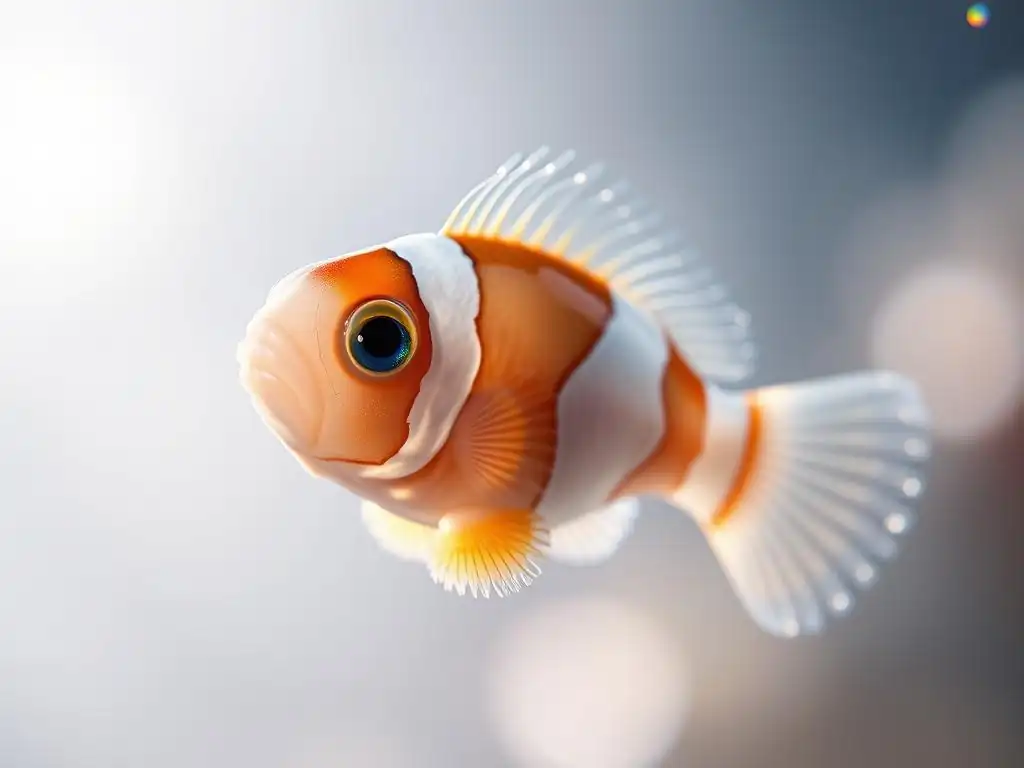
Observing subtle visual cues is paramount for early detection of metamorphic stress in clownfish larvae. Healthy larvae at the onset of metamorphosis typically show a rapid progression of color changes and stripe formation, with clear, vibrant pigmentation emerging. Stressed larvae, however, may exhibit delayed or incomplete pigmentation, where stripes appear faded, ill-defined, or fail to fully form by the expected day post-hatch. For instance, an Ocellaris larva at 10 dph should clearly show two developing white stripes; their absence or faintness is a red flag.
Other critical visual indicators include physical deformities and general appearance. Stressed larvae often display fin deformities, such as bent or stunted fin rays, particularly noticeable in the developing pelvic and caudal fins. Their body shape may be abnormal, appearing either emaciated with a "pinched belly" due to poor feeding, or sometimes bloated due to internal issues.
Spinal deformities, like scoliosis, can also occur. Furthermore, larvae struggling to shed their skin during growth spurts might appear "fuzzy" or have opaque patches on their body, indicating issues with osmoregulation or secondary infections. Rapid opercular movements (gill flaring) suggest respiratory distress, often linked to poor water quality or gill parasites, all contributing to metamorphosis larval stress aquarium.
Behavioral Indicators of Stress During Metamorphosis in Clownfish
Beyond physical appearance, changes in behavior provide crucial insights into the health of metamorphosing clownfish larvae. Healthy larvae are typically active, exhibiting continuous, purposeful swimming patterns and an eager feeding response. In contrast, lethargy or reduced activity is a primary indicator of stress. Stressed larvae may sink to the bottom of the rearing tank, hover listlessly in the water column, or display significantly less movement compared to their healthy siblings. They may also show erratic swimming patterns, such as spiraling, darting uncontrollably, or swimming upside down, indicating neurological distress or severe disorientation.
A critical behavioral sign is a lack of feeding response. Healthy clownfish larvae will actively pursue and consume live food like rotifers or copepods. Stressed larvae, even when presented with abundant food, may ignore it, leading to starvation and further weakening. They might also exhibit isolation from the group, separating themselves from the main aggregation of larvae, or frantically attempt to "escape" the water surface or sides of the tank, suggesting extreme discomfort or a desperate search for better conditions. Such behaviors are clear warnings that the larvae are experiencing significant metamorphosis larval stress aquarium and require immediate intervention.
Microscopic Examination and Diagnostic Tools for Clownfish Larval Health
Microscopic examination is an indispensable tool for diagnosing health issues in clownfish larvae, offering insights not visible to the naked eye. A dissecting microscope with magnifications from 40x to 100x allows for detailed observation of larval internal and external structures. Key aspects to examine include:
- Gut fullness: An empty gut indicates a lack of feeding or digestive issues.
- Yolk sac absorption: In very young larvae, incomplete absorption can signal developmental problems.
- Organ development: Observing the size and condition of the liver and other developing organs.
- Presence of external parasites: Microscopic identification of common parasites like Amyloodinium ocellatum (marine velvet trophonts), Cryptocaryon irritans (marine ich), or Uronema marinum (a ciliate) on gills or skin. Even a few parasites can be devastating to delicate larvae.
For more advanced diagnostics, especially in cases of high mortality, techniques such as histopathology (microscopic examination of tissue samples for internal damage or disease) and PCR testing (for specific viral or bacterial pathogens like Viral Nervous Necrosis - VNN) can pinpoint underlying causes. However, the most accessible and fundamental diagnostic tools remain water quality test kits.
Daily monitoring of ammonia (aim for 0 ppm), nitrite (aim for 0 ppm), nitrate (keep below 20 ppm), pH, salinity, and temperature provides immediate data on environmental stressors. Regular, precise water quality testing is the first line of defense in identifying and mitigating the root causes of metamorphosis larval stress aquarium.
Mitigating Metamorphosis Larval Stress in the Aquarium
Optimizing Water Quality for Metamorphosing Clownfish Larvae
Maintaining Stable Water Parameters: Salinity, Temperature, and Alkalinity
Maintaining unyielding stability in water parameters is paramount for reducing metamorphosis larval stress aquarium. Salinity is critically important for osmotic regulation in developing larvae. A precise specific gravity range of 1.023 to 1.025 should be maintained, with daily checks to ensure no significant drift. Even a shift of 0.001 in specific gravity can induce osmotic shock and severe physiological stress.
Temperature stability is equally vital; for Ocellaris clownfish, an optimal range of 26-28°C (78.8-82.4°F) should be strictly adhered to. Fluctuations exceeding 1°C within a 24-hour period can be highly detrimental, disrupting metabolic rates and increasing susceptibility to disease. Utilizing reliable heaters paired with external temperature controllers helps prevent thermal instability.
Alkalinity, measured in dKH (degrees of carbonate hardness), directly influences pH stability, acting as a buffer against acidic shifts. An ideal alkalinity level for larval rearing is between 7-9 dKH. Consistent alkalinity prevents dangerous pH swings, which can severely impact larval health and development.
To achieve and maintain these parameters, aquarists should use a high-quality synthetic sea salt mix, ensuring it is fully dissolved and aerated before use. Small, frequent water changes, often 10-15% daily or every other day, are more effective than large, infrequent ones, as they minimize parameter shock and continuously replenish essential elements while diluting accumulating waste products.
Reducing Ammonia and Nitrite Spikes Through Biological Filtration
Larval rearing systems, particularly those with high feeding rates and high densities of rapidly growing larvae, are highly susceptible to dangerous spikes in ammonia (NH3) and nitrite (NO2-). Both compounds are highly toxic to delicate fish larvae, with ammonia levels above 0.05 ppm and nitrite above 0.1 ppm posing a significant threat to survival. Ammonia, the primary waste product of protein metabolism, and nitrite, an intermediate product in the nitrogen cycle, can rapidly accumulate in uncycled or lightly cycled larval tanks, leading to respiratory distress, gill damage, and increased metamorphosis larval stress aquarium.
To combat these toxins, a multi-pronged approach is necessary. Daily small water changes serve as the primary method for diluting accumulating ammonia and nitrite, effectively exporting these compounds from the system. Additionally, the strategic introduction of live nitrifying bacteria cultures can help establish or boost biological filtration, converting toxic ammonia to nitrite, and then nitrite to less harmful nitrate.
While traditional biological filters might be too strong for delicate larvae, slightly oversized sponge filters or small, gently flowing sumps with bio-media can provide surface area for beneficial bacteria. Ensuring gentle yet adequate aeration is also crucial, as oxygen is vital for both larval respiration and the nitrifying bacteria.
Controlling pH Fluctuations with Buffers and Water Changes
Maintaining a stable pH within the optimal range of 8.0-8.4 is critical for the physiological well-being of metamorphosing clownfish larvae. pH fluctuations can disrupt enzymatic reactions, osmoregulation, and overall metabolic function, leading to significant metamorphosis larval stress aquarium. A common cause of pH drops in larval systems is insufficient alkalinity combined with the accumulation of organic acids from waste products and the off-gassing of carbon dioxide (CO2) from larval respiration. Low alkalinity means there's less buffering capacity to resist these acidic inputs.
To effectively control pH fluctuations, several strategies should be employed. Regular alkalinity testing (daily) is essential, with appropriate supplementation using sodium bicarbonate or commercial alkalinity buffers if levels drop below 7 dKH. It is crucial to add buffers slowly and in measured amounts to avoid sudden pH spikes.
Ensuring good surface agitation and aeration helps to off-gas excess CO2, which can otherwise dissolve in the water and form carbonic acid, lowering pH. Finally, frequent, small water changes play a dual role: they replenish depleted buffers from the fresh saltwater and dilute accumulating acids, thereby stabilizing the pH environment and significantly contributing to a low-stress rearing environment.
Nutritional Strategies to Support Metamorphosis in Clownfish
Live Food Enrichment for Larval Health: Rotifers and Copepods
The nutritional quality of live food is arguably the most critical factor influencing larval survival and successful metamorphosis. Rotifers (Brachionus plicatilis) are typically the first food offered to newly hatched clownfish larvae due to their small size (around 50-200 microns) and slow swimming speed. However, rotifers alone have a poor nutritional profile unless enriched (gut-loaded) with essential nutrients.
Enrichment involves feeding rotifers a concentrated diet rich in highly unsaturated fatty acids (HUFAs), particularly DHA (docosahexaenoic acid) and EPA (eicosapentaenoic acid), and various vitamins (e.g., Vitamin C, Vitamin E). Products like Selco or concentrated Nannochloropsis algae paste are commonly used for this purpose, with enrichment periods typically lasting 6-12 hours. Proper enrichment dramatically improves larval growth, immune function, and resilience to metamorphosis larval stress aquarium.
As larvae grow and approach metamorphosis, introducing copepods (e.g., Tisbe species, Parvocalanus species) becomes vital. Copepods, generally larger (100-800 microns) and with a more erratic swimming motion, provide a superior nutritional profile compared to rotifers, often containing higher levels of HUFAs, proteins, and chitin. Chitin, a structural polysaccharide, is believed to aid in larval digestion.
A mixed diet of enriched rotifers and copepods ensures a broader spectrum of nutrients and provides a more natural feeding experience, preparing larvae for the transition to a more varied diet as juveniles. The presence of copepods, in particular, is often correlated with higher survival rates through metamorphosis.
Targeted Feeding Regimes During Metamorphosis: Frequency and Density
The feeding regime during clownfish larval rearing, especially during the critical metamorphic phase, must be meticulously managed to ensure continuous access to adequate nutrition without compromising water quality. Frequent, almost continuous feeding is essential, as larvae have high metabolic rates and limited energy reserves. For early larval stages, feeding every 2-4 hours is common, often achieved through automated dosing pumps for live feeds. This approach maintains a consistent food density in the water column, ensuring larvae can feed whenever they choose, which is vital for their rapid growth.
Food density, measured in organisms per milliliter (orgs/mL), must be carefully controlled. For rotifers, initial densities typically range from 5-10 rotifers/mL, gradually decreasing as larvae grow and become more efficient feeders. When transitioning to copepods, a density of 0.5-2 copepods/mL is often targeted. Overfeeding can rapidly foul the water, leading to ammonia spikes and bacterial blooms, thereby increasing metamorphosis larval stress aquarium. Conversely, underfeeding leads to starvation, reduced growth rates, and weakened larvae unable to complete metamorphosis. Regular visual assessment of the larvae's gut fullness and the presence of live food in the water column helps fine-tune feeding amounts.
Addressing Nutritional Deficiencies: HUFAs and Vitamin Supplementation
Nutritional deficiencies, particularly in highly unsaturated fatty acids (HUFAs) and essential vitamins, can severely impact clownfish larval development and increase their susceptibility to metamorphosis larval stress aquarium. DHA and EPA are crucial for the development of the nervous system, eyes, and immune system. Deficiencies in these fatty acids can manifest as neurological impairments, poor vision (leading to reduced feeding success), and a weakened immune response, making larvae vulnerable to disease. Ensuring that live foods (rotifers and copepods) are consistently enriched with high-quality HUFA products is non-negotiable for robust larval health.
Beyond HUFAs, vitamins play a vital role. Vitamin C (ascorbic acid) is essential for collagen synthesis, immune function, and stress response; a deficiency can lead to skeletal deformities like spinal curvature. Vitamin A is critical for vision, while Vitamin E acts as an antioxidant. While primary supplementation occurs through live food enrichment, some aquarists also consider direct water supplementation with certain stable vitamins, though its efficacy can be variable. Regular monitoring of larval health and prompt intervention with targeted enrichment protocols are key to preventing and addressing nutritional deficiencies that might otherwise lead to metamorphic failure.
Environmental Enrichment and Stress Reduction Techniques for Clownfish
Providing Hiding Places and Visual Barriers: Darkened Areas and Substrate
As clownfish larvae approach metamorphosis, their natural instinct to settle and seek shelter intensifies. Providing appropriate environmental enrichment can significantly reduce metamorphosis larval stress aquarium. One effective technique is to create darkened areas within the rearing tank. This can be achieved by covering a portion of the tank with black plastic sheeting or by using a dark-colored substrate, such as fine black sand, on the tank bottom. These dark zones offer perceived security and mimic the shaded recesses where juveniles would naturally seek refuge, reducing their perceived vulnerability to predation or exposure.
Additionally, visual barriers can be beneficial, especially if multiple larval tanks are in close proximity or if there is significant activity around the rearing area. Simple cardboard dividers placed between tanks can prevent larvae from being disturbed by the movement or perceived competition from adjacent batches. For larger rearing setups, incorporating artificial anemones or soft plastic plants can provide physical structure and further hiding opportunities. These subtle environmental manipulations can create a more secure and less stressful environment, encouraging natural behaviors and promoting successful metamorphosis.
Mimicking Natural Light Cycles: Gradual Light Intensity Changes
Abrupt changes in light intensity can be a significant source of metamorphosis larval stress aquarium. In nature, dawn and dusk are gradual transitions, not sudden shifts. To replicate this more natural environment, aquarists should use timers and dimmable lights to create a simulated dawn and dusk effect. Implementing a 12-hour light and 12-hour dark cycle is standard, but the key is the gradual intensity change, perhaps a 30-minute fade-in and fade-out period, rather than an instantaneous on/off.
Furthermore, the overall light intensity in larval rearing tanks should be kept relatively dim. High-intensity lighting can cause phototaxis, where larvae are drawn strongly to the light source, potentially leading to collision injuries against tank walls or increased stress. Ambient room light or low-wattage LED fixtures are generally sufficient. Overly bright conditions can also interfere with the natural development of pigmentation and increase the larvae's perceived exposure, leading to prolonged stress. By providing a stable and naturalistic light cycle, aquarists can significantly contribute to a low-stress environment conducive to successful metamorphosis.
Reducing Noise and Vibration: Isolating the Larval Tank
Clownfish larvae, especially during the delicate metamorphic phase, are highly sensitive to external disturbances such as sudden noises and vibrations. These seemingly minor stressors can induce acute stress responses, potentially leading to developmental setbacks, reduced feeding, or increased susceptibility to disease. To minimize this, larval tanks should ideally be isolated from high-traffic areas within the aquaculture facility or home. Placing tanks away from doors that slam, heavy foot traffic, or areas where loud equipment is frequently operated is crucial.
Vibrations transmitted through the floor or shelving units can also be detrimental. To dampen these, consider placing foam mats or thick rubber padding underneath the larval tanks. Ensuring that any pumps, air compressors, or other vibrating equipment are not directly touching the tank or its stand can also help.
When performing routine maintenance or observations, movements around the tank should be slow, deliberate, and gentle. Even a sudden tap on the tank glass can send a shockwave through the water, causing larvae to startle and potentially incur metamorphosis larval stress aquarium. A quiet, stable environment is paramount for their delicate transition.
Identifying Common Causes of Metamorphic Failure in Clownfish Larvae
Diseases and Parasites Affecting Clownfish Larval Metamorphosis: Amyloodinium
Diseases and parasites represent a leading cause of mass mortality during clownfish larval metamorphosis. Among the most devastating is Amyloodinium ocellatum, commonly known as marine velvet. This highly virulent dinoflagellate parasite attaches to the gills and skin of fish, rapidly multiplying and causing severe respiratory distress and tissue damage. Infected larvae exhibit rapid breathing, flashing (rubbing against surfaces), and may develop a "dusting" of tiny white spots, although these are often difficult to see on small larvae. An Amyloodinium outbreak can decimate an entire batch of larvae within 24-48 hours due to their small size and undeveloped immune systems.
Other significant pathogenic threats include the ciliate parasite Uronema marinum, which can cause ulcerative lesions and rapid mortality, particularly in stressed or immunocompromised larvae. Various bacterial infections, often caused by opportunistic Vibrio species, are also common. These bacteria exploit weakened larvae, leading to symptoms like cloudy eyes, frayed fins, or a general "melting" appearance. The presence of any of these pathogens significantly exacerbates metamorphosis larval stress aquarium, often pushing already vulnerable larvae past their physiological limits. Proactive biosecurity, including sterilization of equipment and quarantine of new broodstock, is essential to prevent their introduction.
Genetic Predisposition to Metamorphic Failure: Inbreeding Depression
Genetic factors play a subtle yet profound role in the success of clownfish larval metamorphosis. Inbreeding depression, a common issue in captive breeding programs that rely on a limited gene pool, can significantly increase the incidence of metamorphic failure. When closely related individuals are repeatedly bred, genetic diversity within the population diminishes, leading to the expression of deleterious recessive genes. This can manifest in several ways:
- Reduced hatch rates from eggs.
- Increased prevalence of larval deformities, such as spinal curvatures, missing fins, or malformed mouths, which directly impede successful development.
- Slower growth rates and reduced overall vitality.
- Higher susceptibility to stress and disease, as the immune system may be compromised.
Larvae suffering from inbreeding depression may be inherently weaker or possess developmental defects that make them physiologically incapable of completing the complex metamorphic process, regardless of optimal environmental conditions. They are more vulnerable to metamorphosis larval stress aquarium from even minor fluctuations. To mitigate this, breeders must actively manage genetic diversity by introducing new, unrelated broodstock periodically and maintaining meticulous breeding records to avoid sibling or parent-offspring pairings.
Improper Handling and Acclimation Procedures: Gradual Salinity Adjustment
Clownfish larvae are extraordinarily delicate, and improper handling or acclimation procedures can inflict severe, often fatal, metamorphosis larval stress aquarium. Physical trauma from rough handling is a common culprit. Using nets with large mesh sizes can damage delicate fins and bodies, while exposing larvae to air during transfers can cause severe gill damage and shock. Even seemingly minor physical injuries can lead to secondary bacterial infections or simply overwhelm the larva's fragile system, preventing it from successfully completing metamorphosis. When transferring larvae, use fine-mesh nets or gentle siphoning techniques, ensuring they remain submerged at all times.
Equally critical is proper acclimation when moving larvae between tanks with differing water parameters, especially salinity and temperature. A sudden change in salinity of even 0.002 specific gravity can cause severe osmotic shock, leading to rapid mortality. Similarly, temperature differences exceeding 1°C (1.8°F) between tanks can be lethal. When transferring larvae, a slow, drip acclimation method, allowing the water from the new tank to slowly mix with the original water over 30-60 minutes, is absolutely essential. This gradual adjustment allows the larvae's osmoregulatory system to adapt, preventing the acute stress that can lead to metamorphic failure.
Advanced Techniques for Assisting Metamorphosis in Challenged Clownfish Larvae
Thyroid Hormone Treatments: L-Thyroxine Dosage and Administration
In cases where clownfish larvae are significantly delayed in metamorphosis or appear to be struggling despite optimized environmental conditions, advanced techniques such as thyroid hormone treatments may be considered. Thyroid hormones, particularly L-Thyroxine (T4), play a pivotal role in regulating metamorphosis in many fish species, including clownfish. Exogenous application of T4 can sometimes induce or accelerate the metamorphic process in challenged larvae. Typical dosages, derived from research in other marine teleosts, often range from 0.01 to 0.1 mg/L, administered as a short-term bath (e.g., 24-48 hours) or at lower concentrations for continuous exposure.
However, this is an advanced and risky technique that requires extreme caution and precise dosing. Overdosing L-Thyroxine can lead to severe deformities, premature metamorphosis before larvae are physiologically ready, or high mortality rates. It should only be attempted by experienced aquarists or researchers who have exhausted all other avenues of water quality, nutrition, and environmental optimization. Furthermore, the exact dosage and duration can vary significantly between clownfish species and even batches, necessitating careful observation and adjustment. This intervention should be viewed as a last resort for mitigating severe metamorphosis larval stress aquarium when natural progression is stalled.
Targeted Antibiotic Therapy: Use of Chloramphenicol for Bacterial Infections
When bacterial infections are definitively identified as the primary cause of high mortality during clownfish larval rearing, targeted antibiotic therapy may be employed as an emergency intervention. Bacterial pathogens, particularly various Vibrio species, can rapidly decimate larval batches, causing widespread "melting" syndrome or other acute symptoms. In such dire circumstances, broad-spectrum antibiotics like Chloramphenicol have historically been used due to their efficacy against a wide range of gram-positive and gram-negative bacteria. A common dosage might be 10-20 mg/L administered as a bath for 24-48 hours.
However, the use of antibiotics in aquaculture is fraught with challenges and ethical considerations. Indiscriminate or prolonged use can lead to the development of antibiotic-resistant bacterial strains, rendering future treatments ineffective. It can also disrupt beneficial bacterial flora in the rearing system.
Therefore, antibiotic therapy should only be considered as a last resort, following a precise diagnosis of a bacterial infection (e.g., via microscopic examination of affected larvae or bacterial cultures). Proactive measures, such as maintaining pristine water quality, employing strict biosecurity protocols, and utilizing beneficial probiotics (e.g., Bacillus species) to outcompete pathogens, are always preferable to combat metamorphosis larval stress aquarium caused by bacterial imbalances.
Physical Support and Intervention: Removing Shedding Skin
While generally not recommended for large-scale larval rearing due to the extreme fragility of clownfish larvae, in very specific and rare instances, physical support and intervention might be considered for individual, highly valued specimens struggling with metamorphosis. One such scenario involves larvae that are unable to shed their outer skin layer during rapid growth phases. This can result in a "fuzzy" appearance, impaired swimming, difficulty feeding, and ultimately, mortality. The retained skin acts as a physical barrier to further development and can lead to secondary infections.
Under a high-magnification dissecting microscope, an extremely skilled and steady hand might attempt to gently remove the retained skin using very fine forceps. This procedure is exceptionally delicate and carries a high risk of causing more harm than good, as even the slightest pressure can internally damage the larva or rupture its delicate body wall. The chance of survival post-intervention is low, and the process is highly stressful for the larva. Therefore, this technique is typically reserved only for critical circumstances where all other efforts to alleviate metamorphosis larval stress aquarium have failed, and the larva is otherwise doomed.
Case Studies: Successful Metamorphosis in Aquarium Settings
Case Study 1: Ocellaris Clownfish – Overcoming Metamorphic Challenges with Proper Nutrition
A prominent marine ornamental fish hatchery experienced consistent high mortality rates, sometimes exceeding 60-70%, during the critical metamorphic phase (days 8-12 dph) of their Ocellaris clownfish batches. Despite seemingly ideal water parameters and environmental controls, larvae appeared small, lethargic, and often exhibited incomplete or faded stripe formation. Microscopic examination revealed consistently low lipid reserves in their digestive tracts, pointing towards a nutritional deficiency in their live feed. The hatchery's standard rotifer enrichment protocol, while providing basic sustenance, was not delivering sufficient levels of highly unsaturated fatty acids (HUFAs) crucial for development.
To address this, the hatchery transitioned to a premium rotifer enrichment product specifically formulated with higher concentrations of DHA and EPA, increasing the enrichment period from 6 to 12 hours prior to feeding. They also began supplementing the larval diet with enriched copepods ( Tisbe species) from day 6 dph. Within two subsequent batches, the survival rates through metamorphosis dramatically improved, consistently reaching over 85%, and the resulting juveniles were noticeably larger, more vibrant, and exhibited complete, well-defined stripe patterns. This case underscores the profound impact of targeted nutritional optimization in mitigating metamorphosis larval stress aquarium.
Case Study 2: Percula Clownfish – Innovative Approaches to Larval Rearing Using Probiotics
A different aquaculture facility faced persistent challenges with bacterial outbreaks, primarily identified as Vibrio alginolyticus, leading to significant daily mortality rates (often 40% per day) during the pre-metamorphosis phase (days 5-7 dph) of their Percula clownfish larvae. While occasional antibiotic treatments offered temporary relief, the problem recurred, and concerns about antibiotic resistance grew. The larvae displayed classic signs of bacterial infection: cloudy eyes, rapid onset of "melting" syndrome, and lethargy, indicating severe metamorphosis larval stress aquarium.
Seeking a sustainable solution, the facility implemented a proactive probiotic regime. They began daily additions of a commercial probiotic blend containing specific Bacillus species ( Bacillus subtilis and B. licheniformis) to the larval rearing water at a concentration of approximately 10^6 colony-forming units (CFU) per milliliter. This strategy aimed to establish a beneficial bacterial flora that would outcompete pathogenic Vibrio species for resources and attachment sites.
Within weeks, the daily mortality rates plummeted to less than 5%, and larvae exhibited significantly higher vigor, robust growth, and successful metamorphosis. This innovative approach demonstrated the power of microbial management in preventing bacterial-induced metamorphosis larval stress aquarium.
Lessons Learned from Successful Clownfish Metamorphosis Programs
These case studies, and countless others in the field of marine aquaculture, highlight several critical lessons for achieving successful clownfish metamorphosis. Firstly, success is rarely attributable to a single factor but rather a holistic integration of meticulous water quality management, superior nutritional provision, and a low-stress rearing environment. Every component, from the purity of the source water to the type of light fixture used, contributes to the overall well-being of the larvae. Continuous learning and adaptation, based on observed larval responses, are paramount.
Secondly, the importance of proactive management and meticulous record-keeping cannot be overstated. Anticipating potential issues, such as nutrient deficiencies or the onset of bacterial blooms, and implementing preventative measures is far more effective and less resource-intensive than reacting to crises. Detailed daily records of water parameters, feeding amounts, larval behavior, and mortality rates allow aquarists to identify trends, pinpoint problems quickly, and refine their protocols over time. Investing in quality equipment and dedicating consistent time to observation are crucial for minimizing metamorphosis larval stress aquarium and maximizing survival rates.
Preventing Future Metamorphic Stress: Proactive Aquarium Management
Implementing a Comprehensive Clownfish Larval Rearing Protocol
To proactively prevent future instances of metamorphosis larval stress aquarium, establishing and rigorously adhering to a comprehensive clownfish larval rearing protocol is essential. This detailed, written document should outline every step of the process, from broodstock conditioning and egg hatching to the final grow-out of juveniles. Key sections of such a protocol would include:
- Broodstock management: Diet, water parameters, spawning triggers, and health monitoring.
- Larval tank setup and sterilization: Detailed instructions on cleaning, filtration (e.g., air-driven sponge filters), aeration, and initial water preparation.
- Live food culture and enrichment: Specific instructions for culturing rotifers and copepods, including their enrichment methods, duration, and target nutritional profiles.
- Feeding schedule: Precise quantities, frequencies, and types of food for each developmental stage.
- Water change regimen: Specific volumes (e.g., 20% daily initially, transitioning to 10% twice daily during metamorphosis), frequency, and preparation of new saltwater.
- Environmental controls: Guidelines for temperature, salinity, pH, lighting cycles, and current.
A well-defined protocol ensures consistency across batches, minimizes human error, and provides a clear framework for troubleshooting when issues inevitably arise. For example, a protocol might specify that water changes increase during metamorphosis to manage the higher metabolic load and waste products, thereby directly mitigating potential chemical stressors.
Regular Monitoring and Early Intervention Strategies: Daily Observation and Testing
The cornerstone of preventing metamorphosis larval stress aquarium lies in vigilant, daily monitoring and the implementation of early intervention strategies. Aquarists should dedicate time each day to meticulous observation of larval behavior and physical appearance. This includes looking for the subtle cues of stress discussed earlier: lethargy, erratic swimming, lack of feeding response, or incomplete development of fins and pigmentation. A flashlight can be an invaluable tool for observing larvae in detail, especially against dark backgrounds.
Coupled with visual observation, a strict daily water testing schedule is paramount. Ammonia, nitrite, nitrate, pH, salinity, and temperature should be measured and recorded consistently. Any deviation from optimal parameters should trigger immediate corrective action. For instance, if ammonia or nitrite levels are detected above 0 ppm, an immediate emergency water change (e.g., 50%) should be performed, followed by investigation into the cause (e.g., overfeeding, insufficient biological filtration). Early detection and prompt intervention are critical in preventing minor issues from escalating into full-blown crises that could decimate a larval batch.
The Importance of Genetic Diversity in Clownfish Breeding Programs
To ensure the long-term success and resilience of clownfish breeding efforts, actively managing and maintaining genetic diversity within the broodstock is crucial. This proactive measure directly combats the detrimental effects of inbreeding depression, which can significantly increase the susceptibility of larvae to metamorphosis larval stress aquarium. Key strategies for promoting genetic diversity include:
- Rotating broodstock: Periodically introducing new, unrelated pairs from different genetic lines into the breeding program.
- Maintaining multiple bloodlines: Breeding from several distinct parent sets rather than relying on a single pair or their direct offspring.
- Meticulous record-keeping: Tracking parentage and lineage to avoid breeding siblings or parent-offspring pairs.
A diverse genetic pool confers greater inherent resilience to environmental stressors, nutritional deficiencies, and common diseases. Larvae from outbred lines are often more robust, exhibit faster growth rates, and have stronger immune systems, making them inherently better equipped to navigate the delicate metamorphic phase successfully. For example, studies have indicated that outbred clownfish larvae can exhibit survival rates through metamorphosis that are 15-20% higher than those from highly inbred lines, underscoring the long-term benefits of genetic management in preventing future metamorphosis larval stress aquarium.
Frequently Asked Questions
How can I identify metamorphic stress in my aquarium larvae?
Metamorphic stress is often identified by changes in behavior, such as erratic swimming or loss of appetite. Physical signs can include color changes or deformities.
Why is metamorphic stress particularly harmful to aquarium larvae?
Larvae are highly vulnerable during metamorphosis because it's a period of rapid development. Stress can disrupt this process, leading to developmental abnormalities or mortality. Maintaining stable water parameters is crucial.
What are the main causes of metamorphic stress in aquarium larvae?
Common causes include poor water quality, sudden changes in temperature or salinity, and inadequate nutrition. Overcrowding can also contribute to elevated stress levels.
What steps can I take to mitigate metamorphic stress in my larval aquarium?
Ensure optimal water parameters through regular testing and water changes. Provide a varied and nutritious diet suitable for larval development. Minimize disturbances and maintain a stable environment.
How does Aquarium Mastery assist aquarists in managing metamorphic stress in larvae?
Aquarium Mastery offers detailed articles on larval care, including water chemistry management and appropriate feeding strategies. Our troubleshooting guides help identify and address specific stressors affecting larval health.
The delicate dance of metamorphosis, a process so fundamental to life yet often unseen, is brought into sharp focus within the confines of our aquariums. Understanding and mitigating larval stress during this critical period is not merely a matter of hobbyist success, but a testament to our commitment to responsible stewardship of aquatic life. The insights shared here, from identifying subtle behavioral cues to implementing targeted environmental adjustments, are increasingly vital as we strive to recreate and sustain thriving ecosystems within our glass boxes.
This journey into the microscopic world of larval development has profoundly impacted my own perspective, highlighting the interconnectedness of all living things. It's a humbling reminder that even the smallest creatures face immense challenges, and our actions, however seemingly insignificant, can have profound consequences. The greatest threat to our planet is the belief that someone else will save it.
This quote, often attributed to Robert Swan, resonates deeply when considering the responsibility we bear as keepers of these miniature worlds.
Now, as you close this article, I invite you to reflect on the power you hold to influence the lives of these fragile beings. Consider how you can apply these principles of observation, empathy, and proactive intervention not only to your aquarium, but to all aspects of your life. Embrace the challenge of nurturing growth, supporting resilience, and fostering a deeper understanding of the intricate processes that shape the world around us. Let us all become better stewards, one metamorphic stage at a time.
Unleash the Secrets of Larval Success!
Thank you for diving deep into the delicate world of larval metamorphosis. You've gained valuable insights into identifying and assisting larvae through this critical phase. Now, let's put that knowledge into action!
Here's how you can champion the future of your aquatic life:
- Commit to meticulously monitoring your larval tanks for signs of stress during metamorphosis, adjusting water parameters as needed.
- Delve deeper: Research specific dietary needs of larvae undergoing metamorphosis for the species you keep, and experiment with supplemental feeding techniques.
- Share your newfound expertise! Document your larval rearing journey on social media, inspiring other hobbyists to embrace the challenges and rewards.
What unique strategies will you implement to minimize metamorphic stress in your larval tanks this week?