
Probiotics in Larval Nutrition: Enhancing Gut Health & Boosting Survival Rates


Welcome to Aquarium Mastery!
Ever wondered how to give your newborn saltwater fish the best possible start in life? Dive into our latest article, " Probiotics in Larval Nutrition: Enhancing Gut Health & Boosting Survival Rates," and unlock the secrets to nurturing healthy, thriving fry. Discover how optimizing larval fish gut health can dramatically improve their survival rates and set them up for a long and vibrant life in your aquarium. Ready to learn more? Let's explore!
- Introduction: The Critical Role of Larval Fish Gut Health in Saltwater Breeding
- What are Probiotics and How Do They Benefit Larval Fish?
- The Importance of a Healthy Gut Microbiome for Saltwater Larvae
- Selecting the Right Probiotics for Larval Fish Rearing
- Implementing Probiotics in Larval Fish Feeding Protocols
- Case Studies: Probiotic Success Stories in Saltwater Fish Breeding
- Potential Risks and Considerations When Using Probiotics
- Monitoring Larval Fish Gut Health and Probiotic Effectiveness
- Future Directions: Research and Development in Larval Fish Probiotics
- Conclusion: Optimizing Larval Fish Survival with Probiotics and Gut Health Management
-
Frequently Asked Questions
- What are probiotics and why are they important for larval fish gut health?
- How can probiotics enhance the survival rates of larval fish?
- How do I introduce probiotics into the diet of larval fish?
- What are some common signs of poor gut health in larval fish?
- What factors should I consider when selecting a probiotic for larval fish?
- Final Reflection: Cultivating a Future of Thriving Larvae
- Unlock the Secret to Thriving Fry!
Introduction: The Critical Role of Larval Fish Gut Health in Saltwater Breeding
Understanding the Challenges of Larval Rearing in Saltwater Aquariums
Rearing saltwater fish larvae presents formidable challenges for aquarists and commercial breeders alike, often resulting in high mortality rates. Unlike their adult counterparts, larval fish possess undeveloped immune systems and rudimentary digestive tracts, making them highly susceptible to disease and nutritional deficiencies. The sheer scale of these challenges is underscored by survival rates that can often hover below 10% in the initial weeks for many species, even under optimized conditions, far from the 80-90% desired for sustainable aquaculture.
These delicate stages demand pristine water quality, precise temperature control, and a constant supply of highly nutritious live feeds, such as rotifers and Artemia. Any deviation can lead to rapid declines in larval fish gut health, manifesting as poor growth, deformities, or mass mortalities. Pathogenic bacteria, often ubiquitous in marine environments, can quickly overwhelm the undeveloped defenses of the larvae, leading to systemic infections that devastate entire batches.
Why Gut Health is Paramount for Successful Larval Fish Development
The gastrointestinal tract of larval fish is not merely an organ for digestion; it acts as a critical interface between the developing organism and its external environment. A healthy gut is the cornerstone of robust immunity and efficient nutrient absorption, directly influencing a larva's ability to grow, resist disease, and ultimately survive to metamorphosis. Without optimal larval fish gut health, even the most meticulously prepared feeds may not be fully utilized, leading to energy deficits and susceptibility to opportunistic pathogens.
During the critical early larval stages, the gut microbiome begins to establish itself, playing a pivotal role in shaping the fish's long-term health and resilience. Disruptions to this nascent microbial community, often caused by stress, poor water quality, or pathogen exposure, can lead to dysbiosis, where harmful bacteria proliferate. This imbalance compromises the gut barrier, impairs digestion, and diverts vital energy away from growth, making the concept of promoting larval fish gut health a central pillar of successful saltwater fish breeding.
What are Probiotics and How Do They Benefit Larval Fish?
Defining Probiotics: Live Microorganisms for Enhanced Health
Probiotics are defined as "live microorganisms that, when administered in adequate amounts, confer a health benefit on the host." In the context of aquaculture, these beneficial bacteria or yeasts are intentionally introduced into the rearing environment or directly into the feed to improve the health and performance of the aquatic organisms. Common probiotic strains used in fish farming often belong to genera such as Bacillus, Lactobacillus, and Saccharomyces, selected for their proven efficacy and safety.
The application of probiotics aims to establish a balanced and robust microbial community within the larval fish gut, thereby enhancing its natural defenses and digestive capabilities. This strategic introduction of beneficial microbes is a proactive approach to prevent disease and optimize physiological functions, rather than a reactive treatment for existing ailments. By focusing on the foundational aspects of larval fish gut health, probiotics contribute to a more resilient and productive breeding system.
Mechanisms of Action: How Probiotics Improve Larval Fish Gut Microbiome
Probiotics exert their beneficial effects through several interconnected mechanisms. One primary action is competitive exclusion, where probiotic strains outcompete pathogenic bacteria for adhesion sites on the intestinal lining and for essential nutrients, effectively preventing harmful colonization. For instance, Bacillus subtilis strains have been shown to rapidly colonize the larval gut, forming a protective barrier against invaders like Vibrio species.
Beyond direct competition, many probiotic strains produce antimicrobial compounds such as bacteriocins, organic acids (e.g., lactic acid, acetic acid), and hydrogen peroxide, which directly inhibit the growth of undesirable bacteria. Furthermore, probiotics can modulate the host's immune system, stimulating both non-specific and specific immune responses, enhancing the overall disease resistance of the larvae. They also contribute to digestion by producing extracellular enzymes like amylases, proteases, and lipases, which aid in the breakdown of complex carbohydrates, proteins, and fats, directly improving larval fish gut health and nutrient assimilation.
Probiotic Benefits: Improved Digestion, Immunity, and Growth in Larval Fish
The multifaceted actions of probiotics translate into tangible benefits for larval fish. Improved digestion is a key outcome, as the enhanced enzymatic activity within the gut leads to more efficient nutrient utilization from live feeds. This often results in accelerated growth rates; studies have frequently reported a 15-25% increase in larval growth by weight in probiotic-supplemented groups compared to controls, alongside better feed conversion ratios.
Moreover, the immune-modulating effects of probiotics significantly bolster the larvae's defense mechanisms against common pathogens. For example, the consistent use of probiotics can reduce the incidence of bacterial infections, such as those caused by Vibrio harveyi, by up to 50% in some rearing systems, leading to a substantial decrease in mortality. This enhanced disease resistance, combined with improved nutrient uptake, directly contributes to higher survival rates and the production of healthier, more robust juvenile fish, making the investment in larval fish gut health a clear pathway to success.
The Importance of a Healthy Gut Microbiome for Saltwater Larvae
The Gut-Immune Axis: How Gut Bacteria Influence Larval Fish Immunity
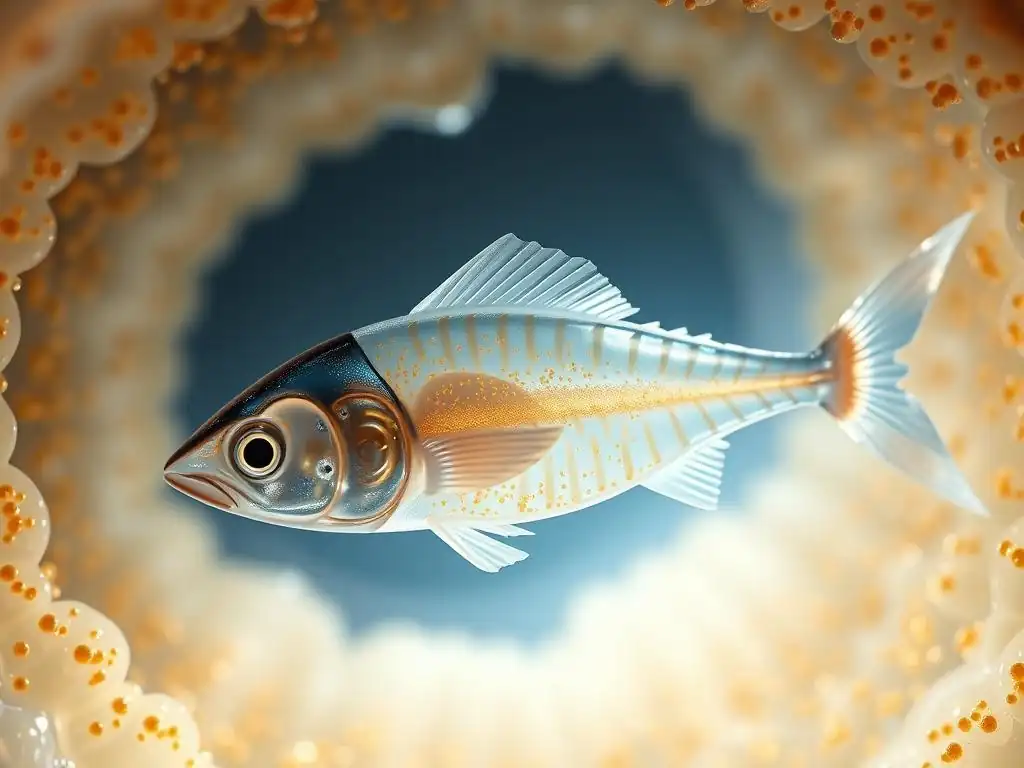
The gut-immune axis represents a critical communication pathway between the gut microbiome and the host's immune system, especially vital during the early developmental stages of saltwater larvae. A diverse and balanced gut microbial community plays a pivotal role in programming and maturing the larval fish's immune responses. Beneficial bacteria stimulate the development of gut-associated lymphoid tissue (GALT) and induce the expression of immune-related genes, effectively training the immature immune system to distinguish between harmless commensals and harmful pathogens.
For instance, certain Lactobacillus strains have been observed to enhance the phagocytic activity of macrophages in larval fish, improving their ability to engulf and destroy invading microbes. This early immune programming, facilitated by robust larval fish gut health, provides a foundational layer of defense that persists throughout the fish's life, making the larvae more resilient to environmental stressors and disease challenges encountered in the intensive rearing environment.
Nutrient Absorption and Gut Microflora: Optimizing Larval Fish Nutrition
The efficiency with which larval fish absorb nutrients is profoundly influenced by their gut microflora. Unlike adult fish, larvae have underdeveloped digestive systems, often lacking a full complement of digestive enzymes in their early stages. The symbiotic relationship with a healthy gut microbiome compensates for these limitations. Beneficial bacteria produce a wide array of extracellular enzymes, including proteases, lipases, and carbohydrases, which aid in the breakdown of complex macromolecules present in live feeds like rotifers and Artemia.
This bacterial assistance effectively predigests food, making nutrients more readily available for absorption across the larval gut lining. Enhanced nutrient assimilation translates directly into improved growth rates and better overall physiological condition. For example, larvae with optimal larval fish gut health can exhibit a 10-15% higher assimilation efficiency for proteins and lipids, leading to faster development and reduced incidence of nutritional deficiencies that often plague early rearing efforts.
Preventing Pathogen Colonization: The Role of Probiotics in Disease Resistance
One of the most immediate and impactful benefits of a healthy gut microbiome, augmented by probiotics, is its ability to prevent the colonization and proliferation of pathogenic bacteria. This defense mechanism is multifaceted, primarily relying on competitive exclusion. Beneficial bacteria occupy the limited adhesion sites on the intestinal epithelium, physically blocking pathogens from attaching and establishing colonies.
Furthermore, many probiotic strains produce a range of antimicrobial substances, such as short-chain fatty acids (e.g., butyrate, propionate), hydrogen peroxide, and bacteriocins, which create an unfavorable environment for harmful bacteria. These compounds can directly inhibit the growth of common aquaculture pathogens like Vibrio parahaemolyticus or Aeromonas hydrophila, effectively reducing their load within the larval gut and the rearing water. By maintaining a dominant population of beneficial microbes, larval fish gut health becomes a proactive barrier against disease outbreaks, significantly lowering the reliance on antibiotics in larval rearing.
Selecting the Right Probiotics for Larval Fish Rearing
Identifying Beneficial Bacteria Strains for Saltwater Larvae
Choosing the appropriate probiotic strains is critical for maximizing their efficacy in saltwater larval rearing. Not all bacterial strains are equally effective across different fish species or environmental conditions. Research often points to certain genera as particularly beneficial, including Bacillus species (e.g., Bacillus subtilis, Bacillus licheniformis), Lactobacillus species (e.g., Lactobacillus plantarum), and Enterococcus species (e.g., Enterococcus faecium). These strains are typically selected for their ability to survive the digestive tract, produce antimicrobial compounds, and stimulate immune responses.
Ideal probiotic strains for larval fish gut health should also be non-pathogenic, stable under typical storage and application conditions, and capable of colonizing the larval gut without causing adverse effects. For instance, spore-forming Bacillus strains are often preferred due to their resilience to processing and environmental stressors, ensuring a higher viability when administered to delicate larval systems. Extensive testing and species-specific trials are often necessary to pinpoint the most effective strains for a particular aquaculture setup.
Considerations for Probiotic Formulations: Liquid vs. Powder
Probiotics are available in various formulations, primarily as liquid suspensions or concentrated powders, each with distinct advantages and disadvantages for larval fish rearing. Liquid formulations often provide immediate bioavailability and can be easily dispersed in culture water or live feed enrichment solutions. However, they typically have a shorter shelf life and may require refrigeration to maintain viability, adding logistical challenges for large-scale operations.
Powdered formulations, conversely, tend to have a much longer shelf life and are more stable at room temperature, making storage and transport simpler. They can be readily mixed into dry feeds (though less common for larval stages that rely on live feeds) or rehydrated for enrichment. The choice between liquid and powder often depends on the specific application method, the target species' feeding habits, and the practical constraints of the hatchery. Ultimately, the chosen formulation must ensure that a sufficient concentration of viable probiotic cells reaches the larval gut to positively impact larval fish gut health.
Specific Probiotic Strain Recommendations for Rotifers and Artemia
For larval fish, which primarily consume live feeds such as rotifers and Artemia nauplii, the most effective method of probiotic delivery is often through bio-encapsulation. This involves enriching the live feed organisms with probiotic bacteria, which are then consumed by the larvae. Specific probiotic strains are particularly well-suited for this process due to their ability to thrive in the live feed's culture environment and remain viable once ingested by the larva.
Bacillus strains, such as Bacillus amyloliquefaciens and Bacillus pumilus, are highly recommended for enriching rotifers and Artemia. Their spore-forming nature allows them to withstand the digestive processes of the live feeds and subsequently colonize the larval gut. Studies have shown that enriching rotifers with Bacillus at concentrations of 10^7 to 10^8 colony-forming units (CFU) per milliliter of culture water for 6-12 hours can significantly improve the larval fish gut health of species like the European sea bass and red drum, leading to enhanced growth and survival. Similarly, Lactobacillus plantarum has been successfully used for Artemia enrichment, demonstrating its versatility in supporting different live feed vectors.
Implementing Probiotics in Larval Fish Feeding Protocols
Integrating Probiotics into Rotifer and Artemia Enrichment
The most widely adopted and effective method for delivering probiotics to larval fish is through the enrichment of their live feed, primarily rotifers and Artemia. This process involves culturing the live feeds in water supplemented with probiotic bacteria for a specific duration, allowing the live feed organisms to ingest and concentrate the beneficial microbes. For instance, rotifers (Brachionus plicatilis) can be cultured in probiotic-enriched water at concentrations ranging from 10^6 to 10^8 CFU/mL for 12 to 24 hours prior to feeding. This ensures that when the larval fish consume the enriched rotifers, they receive a consistent and viable dose of probiotics.
This bio-encapsulation strategy capitalizes on the natural feeding behavior of larval fish, ensuring that the probiotics are delivered directly to the digestive tract where they can exert their beneficial effects. It bypasses potential issues with direct water column application, such as probiotic degradation or dilution. Successful integration of this method has been shown to significantly improve larval fish gut health by promoting beneficial microbial colonization and enhancing nutrient assimilation from the earliest feeding stages.
Direct Administration of Probiotics to Larval Fish Culture Water
While live feed enrichment is preferred, direct administration of probiotics to the larval fish culture water can also be employed, often as a supplementary measure or when live feed enrichment is not feasible. This method involves adding a calculated amount of probiotic solution or rehydrated powder directly into the rearing tanks. The larvae then ingest the probiotic bacteria from the water column, or the bacteria may colonize surfaces within the tank, potentially contributing to a healthier overall microbial environment.
However, direct water administration requires careful management to maintain effective concentrations and avoid potential water quality issues. Typical application rates might range from 10^3 to 10^5 CFU/mL of culture water, applied daily or every other day during critical periods. While potentially less efficient than bio-encapsulation for gut colonization, this method can help suppress pathogenic loads in the water itself, indirectly supporting larval fish gut health by reducing environmental stress and infection pressure. It is crucial to monitor water parameters closely to prevent any adverse effects.
Dosage and Frequency: Optimizing Probiotic Application for Larval Fish
Determining the optimal dosage and frequency of probiotic application is crucial for maximizing benefits without inducing unintended imbalances in the larval environment. The ideal concentration can vary significantly depending on the specific probiotic strain, the target fish species, the rearing system, and the overall water quality. General guidelines for live feed enrichment often suggest concentrations of 10^7 to 10^8 CFU per milliliter of enrichment medium for rotifers and Artemia, ensuring sufficient probiotic load per ingested live feed.
For direct water application, lower concentrations, typically ranging from 10^3 to 10^5 CFU per milliliter of culture water, are often used to avoid excessively cloudy water or potential oxygen depletion. Frequency is also critical; daily application during the first two to four weeks post-hatch, when the larval gut is developing and most vulnerable, is often recommended. Consistent and appropriate dosing is key to establishing and maintaining a stable beneficial microflora, thereby ensuring sustained improvement in larval fish gut health and overall survival rates.
Case Studies: Probiotic Success Stories in Saltwater Fish Breeding
Probiotic Use in Clownfish Larval Rearing: Increased Survival and Growth
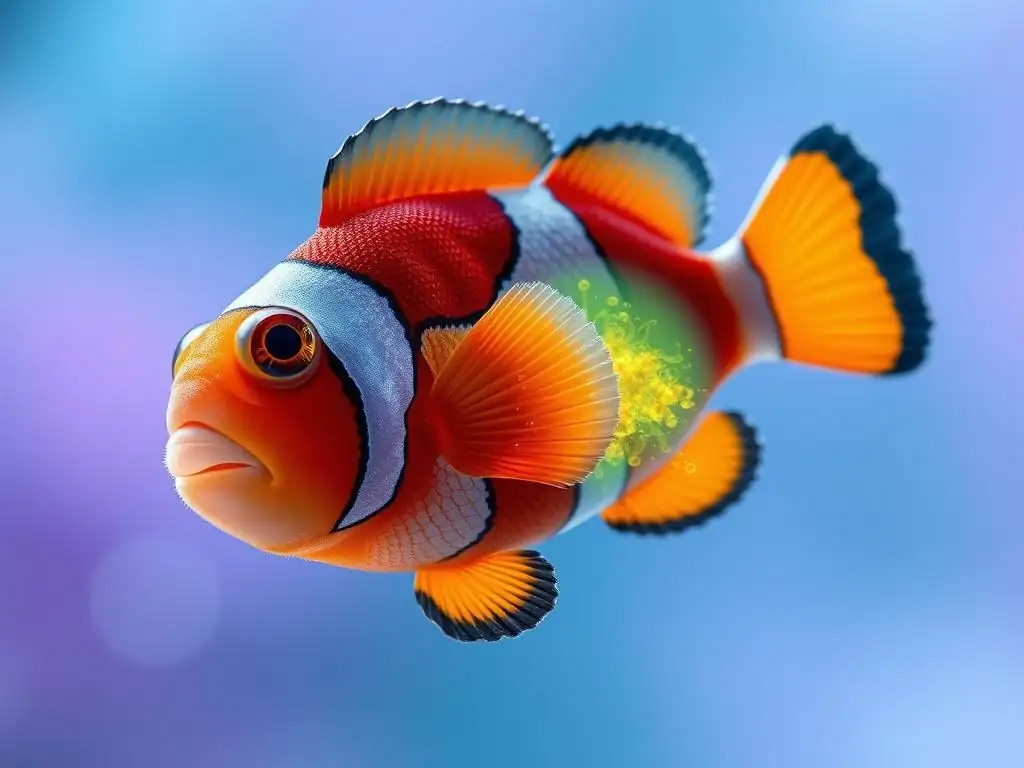
Clownfish ( Amphiprioninae species) are among the most popular marine aquarium fish, and their breeding has seen significant advancements with the integration of probiotics. In a notable study involving Amphiprion ocellaris larvae, the addition of Bacillus subtilis to rotifer enrichment led to a remarkable improvement in rearing outcomes. Larval batches fed probiotic-enriched rotifers consistently exhibited a 25-30% increase in survival rates by 21 days post-hatch compared to control groups receiving un-enriched feeds.
Furthermore, the larvae in the probiotic group displayed significantly faster growth, with an average increase in standard length of 1.5-2 mm and a 20% higher wet weight at the end of the larval stage. This enhanced performance was attributed to improved larval fish gut health, characterized by a reduction in opportunistic pathogenic bacteria like Vibrio species and a more efficient utilization of nutrients, leading to stronger, healthier clownfish juveniles.
Enhancing Survival Rates of Tang Larvae with Probiotics: A Comparative Study
Rearing tangs (surgeonfish, Acanthuridae family), such as the Yellow Tang ( Zebrasoma flavescens), is notoriously challenging due to their protracted larval development and specific dietary needs. A comparative study conducted by a leading aquaculture research facility explored the impact of probiotic supplementation on Yellow Tang larval survival. One group of larvae was fed rotifers and Artemia enriched with a blend of Lactobacillus and Enterococcus strains, while a control group received standard enrichment.
The results showed a significant increase in survival rates for the probiotic-treated group, reaching approximately 8-10% at metamorphosis, which was nearly double the 4-5% survival observed in the control group. This improvement was directly linked to enhanced larval fish gut health, as microscopic analysis revealed a more diverse and stable gut microbiome in the probiotic group, along with reduced signs of enteritis and bacterial overgrowth. This case highlights the potential of probiotics to overcome some of the most persistent hurdles in marine ornamental fish breeding.
Probiotics and Improved Growth in Angelfish Larvae: A Controlled Experiment
Angelfish ( Pomacanthidae family) are another group of highly prized marine fish with complex larval stages. A controlled experiment focused on the Pomacanthus imperator (Emperor Angelfish) investigated the effects of probiotic Enterococcus faecium delivered via enriched Artemia. The experimental group received Artemia enriched with E. faecium at 10^7 CFU/mL, while the control received standard Artemia.
By 45 days post-hatch, the angelfish larvae in the probiotic group exhibited a 20-25% increase in average body weight and a 15% reduction in developmental abnormalities, such as skeletal deformities, compared to the control group. This substantial improvement in growth and developmental quality was attributed to the probiotic's role in optimizing larval fish gut health, leading to superior nutrient absorption and potentially modulating gene expression related to growth and development. The experiment underscored the capacity of targeted probiotic interventions to significantly enhance the output of highly sensitive marine fish species.
Potential Risks and Considerations When Using Probiotics
Over-Supplementation: Avoiding Imbalances in the Larval Fish Gut
While probiotics offer significant benefits, over-supplementation can lead to unintended consequences and potentially disrupt the delicate balance of the larval fish gut health. Introducing excessively high concentrations of specific probiotic strains can lead to a monoculture within the gut, reducing microbial diversity and potentially outcompeting other beneficial or essential commensal bacteria. This imbalance, or dysbiosis, can ironically lead to digestive inefficiencies or even create niches for opportunistic pathogens if the dominant probiotic strain is not perfectly suited to the host's long-term needs.
Monitoring the larval response and adhering to recommended dosages are crucial to avoid such scenarios. For instance, studies have shown that while a certain concentration of Bacillus might be beneficial, exceeding it by a factor of ten could lead to reduced growth in some species, indicating a disruption rather than an enhancement of gut function. The goal is to support a diverse and resilient gut microbiome, not to replace it with a single dominant strain.
Contamination Risks: Ensuring Purity of Probiotic Cultures
The purity of probiotic cultures is paramount. Introducing contaminated probiotic products into a larval rearing system can negate all potential benefits and instead introduce harmful bacteria or fungi, leading to catastrophic losses. Hatcheries must source their probiotics from reputable suppliers who provide certificates of analysis, guaranteeing the absence of pathogens like Vibrio species, Aeromonas, or fungal contaminants.
Proper handling and storage of probiotic cultures are also essential to maintain their purity and viability. Contamination can occur if containers are left open, if non-sterile equipment is used for mixing, or if products are stored improperly (e.g., at incorrect temperatures). A batch of contaminated probiotic could introduce bacterial loads far exceeding what the fragile larval fish gut health can withstand, potentially leading to widespread disease outbreaks and rendering the entire rearing effort futile.
Species-Specific Responses: Adapting Probiotic Strategies to Different Fish
It is a common misconception that a probiotic effective for one fish species will be equally beneficial for another. The effectiveness of a probiotic is often species-specific, and even strain-specific, due to variations in gut morphology, digestive physiology, and the natural gut microbiome composition across different fish species. For example, a Lactobacillus strain that significantly boosts the survival of clownfish larvae might show minimal or no effect on tang larvae, or vice versa.
This necessitates careful consideration and, ideally, preliminary trials when introducing probiotics to a new species or even a new genetic line within a species. What constitutes optimal larval fish gut health for a pelagic spawner like a tang might differ from a benthic spawner like a goby. Breeders should consult available research specific to their target species or conduct small-scale experiments to identify the most efficacious probiotic strains and application protocols, rather than adopting a "one-size-fits-all" approach.
Monitoring Larval Fish Gut Health and Probiotic Effectiveness
Observing Larval Fish Behavior and Appearance for Gut Health Indicators
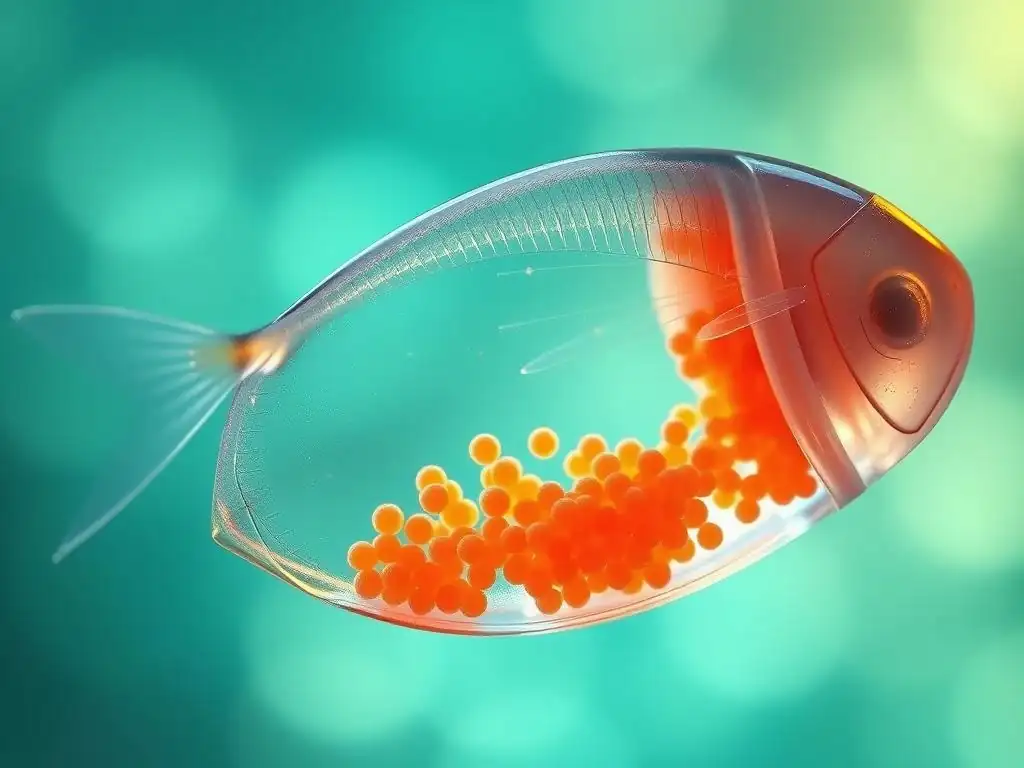
The initial and most accessible method for monitoring larval fish gut health and the effectiveness of probiotic interventions is through careful observation of larval behavior and appearance. Healthy larvae typically exhibit active swimming, a uniform distribution throughout the water column, and clear, well-defined digestive tracts. Their coloration should be bright and consistent, and they should show a strong feeding response to live feeds.
Conversely, signs of compromised gut health include lethargy, abnormal swimming patterns (e.g., spiraling, erratic movements), darkened pigmentation, distended or empty bellies, and significant size variation within a batch. High and unexplained mortality rates are also a strong indicator of underlying health issues, including poor gut function. Regular, meticulous visual inspections, perhaps twice daily, can provide early warnings and allow for timely adjustments to probiotic dosages or other husbandry parameters, safeguarding the overall larval fish gut health.
Microscopic Analysis of Larval Fish Gut Contents
For a more direct assessment of larval fish gut health, microscopic analysis of gut contents provides invaluable insights. This involves carefully dissecting the gut of a small number of sacrificed larvae and examining the contents under a microscope. Breeders can look for several indicators: the presence and integrity of undigested food particles, which can suggest digestive efficiency; the presence of excessive rod-shaped bacteria, which often indicate an overgrowth of potential pathogens like Vibrio species; and the presence of the administered probiotic strains, if they have distinct morphologies or can be stained.
This method allows for a semi-quantitative assessment of the microbial population within the gut. For example, a healthy gut might show a balanced mix of beneficial cocci and rods, while an unhealthy gut might be dominated by large numbers of uniform, motile rods. While requiring basic microscopy skills, this technique offers a tangible way to verify the colonization of probiotics and assess the overall microbial balance contributing to larval fish gut health.
PCR Analysis for Assessing Gut Microbiome Composition
For advanced aquarists and research facilities, Polymerase Chain Reaction (PCR) analysis offers a highly precise method for assessing the composition and diversity of the larval fish gut microbiome. This molecular technique allows for the identification and quantification of specific bacterial species, including probiotic strains and potential pathogens, even at very low concentrations. By extracting DNA from larval gut samples and using species-specific primers, researchers can map the microbial landscape.
PCR analysis can confirm the successful colonization of administered probiotic strains and track their persistence over time. More importantly, it can reveal shifts in the overall microbial community structure, identifying reductions in pathogenic loads and increases in beneficial microbial diversity, which are direct indicators of improved larval fish gut health. While not typically accessible to hobbyists, this technique is crucial for scientific validation of probiotic efficacy and for guiding the development of new, highly targeted probiotic solutions for aquaculture.
Future Directions: Research and Development in Larval Fish Probiotics
Exploring Novel Probiotic Strains for Saltwater Aquaculture
The field of larval fish probiotics is continuously evolving, with significant research efforts dedicated to identifying and characterizing novel probiotic strains. Current research often focuses on isolating bacteria directly from the guts of healthy wild fish or from highly successful aquaculture populations, hypothesizing that these naturally occurring strains may be exceptionally well-adapted to the host and its environment. For instance, screening efforts are underway to find marine-derived Bacillus or Lactobacillus strains with enhanced adhesion properties or stronger antimicrobial activity against specific saltwater pathogens.
The goal is to discover new strains that offer superior benefits in terms of growth promotion, disease resistance, and stress tolerance, potentially surpassing the efficacy of currently available commercial products. This exploration of novel strains promises to provide more potent and tailored solutions for optimizing larval fish gut health across an even wider range of challenging saltwater species.
Personalized Probiotic Therapies for Larval Fish
A significant future direction in larval fish probiotics is the development of personalized probiotic therapies. This advanced approach would involve tailoring probiotic formulations to the specific genetic makeup, developmental stage, and environmental conditions of a particular fish species or even a specific batch of larvae. Leveraging advancements in genomics, transcriptomics, and metagenomics, researchers could analyze the unique microbial needs and susceptibilities of individual larval groups.
For example, if a specific genetic line of clownfish is found to be particularly susceptible to a certain Vibrio strain, a personalized probiotic blend could be formulated to specifically target that pathogen while bolstering the host's innate immunity. This highly customized approach promises to maximize the efficacy of probiotic interventions, leading to unprecedented levels of control over larval fish gut health and survival rates by addressing species-specific and even batch-specific challenges.
Sustainable and Eco-Friendly Probiotic Solutions for Aquarium Breeding
As the aquaculture industry increasingly emphasizes sustainability, future developments in larval fish probiotics will also focus on eco-friendly and sustainable solutions. This includes developing probiotic production methods that minimize environmental impact, such as utilizing waste products as growth substrates for probiotic cultures or designing formulations with natural, biodegradable carriers. The aim is to reduce the ecological footprint associated with probiotic manufacturing and application.
Furthermore, the widespread adoption of effective probiotic strategies can significantly reduce the reliance on antibiotics in larval rearing, thereby mitigating the risk of antibiotic resistance development in aquatic environments. By promoting robust larval fish gut health through natural means, probiotics contribute to a healthier ecosystem within the aquarium and the broader marine environment, aligning with the growing demand for responsible and environmentally conscious aquaculture practices.
Conclusion: Optimizing Larval Fish Survival with Probiotics and Gut Health Management
Key Takeaways for Saltwater Fish Breeders
Successfully rearing saltwater fish larvae is a complex endeavor, and the critical role of larval fish gut health cannot be overstated. Probiotics offer a powerful, natural, and sustainable tool to navigate these challenges. By introducing beneficial live microorganisms, breeders can significantly enhance the digestive efficiency, immune response, and overall resilience of their delicate larvae.
Here are the key takeaways for any saltwater fish breeder:
- Understanding the Gut-Immune Axis: Recognize that a healthy gut is the foundation for a strong immune system in larvae.
- Strategic Probiotic Selection: Choose appropriate probiotic strains, ideally those proven effective for marine species and compatible with live feeds.
- Effective Delivery Methods: Prioritize bio-encapsulation through rotifer and Artemia enrichment for optimal gut colonization.
- Consistent Application: Adhere to recommended dosages and frequencies to maintain a stable beneficial microbiome.
- Vigilant Monitoring: Regularly observe larval behavior and appearance, and utilize microscopic analysis where possible, to assess larval fish gut health and probiotic efficacy.
- Species-Specific Approach: Understand that probiotic needs can vary significantly between different fish species.
By integrating these principles, breeders can proactively prevent disease, improve nutrient uptake, and ultimately boost survival rates, turning the tide in the battle for successful larval rearing.
The Future of Probiotics in Advanced Saltwater Fish Breeding
The future of advanced saltwater fish breeding is inextricably linked to sophisticated gut health management, with probiotics at its forefront. As research continues to uncover novel strains and refine application methodologies, the precision and efficacy of probiotic interventions will only increase. We can anticipate more personalized probiotic therapies, tailored to specific species and even individual genetic lines, further optimizing larval fish gut health and pushing survival rates to unprecedented levels.
Moreover, the emphasis on sustainable and eco-friendly solutions will drive the development of probiotics that not only benefit the fish but also align with broader environmental conservation goals. Probiotics are poised to become an indispensable component of any successful marine aquaculture operation, transforming the challenges of larval rearing into opportunities for thriving, resilient, and economically viable production of saltwater fish.
Frequently Asked Questions
What are probiotics and why are they important for larval fish gut health?
Probiotics are beneficial bacteria that, when administered in adequate amounts, confer a health benefit on the host. For larval fish, they are crucial for establishing a healthy gut microbiome, which is essential for nutrient absorption and immune system development.
How can probiotics enhance the survival rates of larval fish?
By promoting a balanced gut flora, probiotics can outcompete harmful pathogens, thereby reducing the risk of disease. They also improve digestion and nutrient assimilation, leading to faster growth and increased survival.
How do I introduce probiotics into the diet of larval fish?
Probiotics can be introduced through various methods, including enriching live feeds like rotifers or Artemia with probiotic solutions. Another method is direct addition to the aquarium water, allowing the larvae to ingest them directly.
What are some common signs of poor gut health in larval fish?
Signs can include slow growth, abdominal distention, lethargy, and increased susceptibility to disease. Observing fecal consistency (or lack thereof) can also provide clues about gut health.
What factors should I consider when selecting a probiotic for larval fish?
Consider the specific species of fish, the probiotic strain's proven efficacy, and its stability in the aquarium environment. Also, research the optimal dosage to avoid potential negative effects.
Final Reflection: Cultivating a Future of Thriving Larvae
The exploration of probiotics in larval nutrition, as we've seen, isn't merely an academic exercise; it's a critical investment in the sustainability of aquaculture and the health of our aquatic ecosystems. The delicate balance of larval fish gut health, so easily disrupted, holds the key to unlocking higher survival rates and more robust populations, impacting everything from food security to biodiversity conservation.
This journey into the microscopic world of larval fish guts has profoundly underscored the interconnectedness of life. Understanding and nurturing this delicate ecosystem is not just about optimizing aquaculture practices; it's about recognizing our responsibility to protect the future of aquatic life. As the renowned marine biologist Rachel Carson once said, In nature, nothing exists alone.
This quote reminds us that the health of larval fish, and the probiotics that support them, are intricately linked to the health of the entire planet.
Now, consider the implications of this knowledge. How can you, as a researcher, aquaculturist, or even a concerned citizen, contribute to fostering larval fish gut health? Let this understanding of the power of probiotics inspire you to explore sustainable practices, support research initiatives, and advocate for responsible aquaculture. The future of our aquatic ecosystems depends on our collective commitment to nurturing these fragile beginnings.
Unlock the Secret to Thriving Fry!
Thanks for diving into the world of larval nutrition with us! We hope you've gained a deeper understanding of how probiotics can revolutionize your fry-raising efforts and lead to healthier, more vibrant fish. Now, it's time to put that knowledge into action!
- Start culturing your own probiotic-enriched live food! This is the most direct way to boost your fry's gut health and survival.
- Explore unique probiotic sources. Research lesser-known options like fermented vegetable juice to diversify your approach.
- Share your fry-raising success stories (and struggles!) in our community forum. Let's learn together!
What innovative feeding technique will you try first to give your fry the best possible start in life?