
Oxygenation for Larval Tanks: Gentle Methods for Maximum Dissolved Oxygen Saturation

Welcome to Aquarium Mastery!
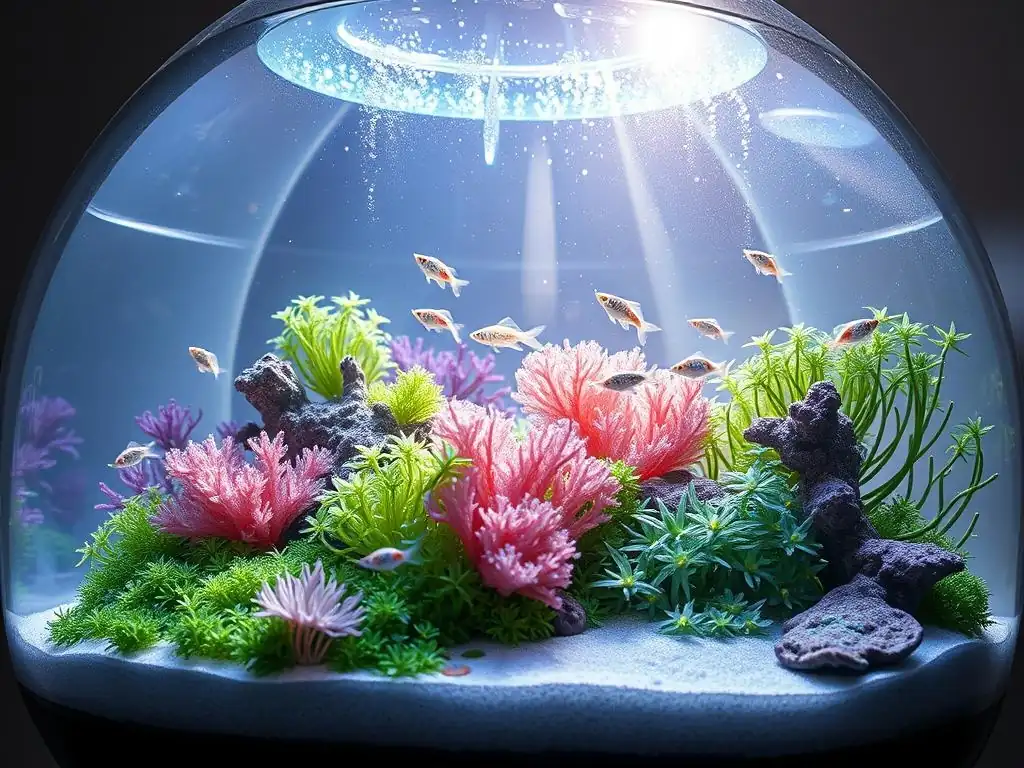
Ever wondered how to perfectly oxygenate a larval tank without harming those delicate little swimmers? Dive into our latest article, "Oxygenation for Larval Tanks: Gentle Methods for Maximum Dissolved Oxygen Saturation," and discover the secrets to gentle larval tank oxygenation methods that will maximize dissolved oxygen levels and give your future fish the best possible start. Ready to unlock the key to thriving larval tanks? Let's explore!
- Understanding the Importance of Oxygen in Larval Rearing Tanks
- Gentle Larval Tank Oxygenation Methods: A Comprehensive Guide
- Achieving Optimal Dissolved Oxygen Saturation Without Harming Larvae
- Choosing the Right Oxygenation Method for Specific Larval Species
- Troubleshooting Oxygenation Issues in Larval Rearing
- Advanced Techniques for Oxygenation in Saltwater Larval Culture
- Conclusion: Mastering Gentle Larval Tank Oxygenation for Successful Fish Breeding
-
Frequently Asked Questions
- How important is oxygenation in larval tanks?
- What are some gentle larval tank oxygenation methods recommended for delicate species?
- Why are strong currents detrimental in larval tanks?
- How can I monitor oxygen levels in my larval tank to ensure adequate saturation?
- Are there any specific types of air stones or diffusers that are better suited for larval tanks?
- Final Reflection: Breathing Life into the Future of Aquaculture
- Boost Your Hatch Rate: Dive Deeper into Oxygenation!
Understanding the Importance of Oxygen in Larval Rearing Tanks
Why Dissolved Oxygen (DO) is Critical for Fish Larvae Survival
Dissolved oxygen (DO) is an absolute cornerstone for the successful rearing of fish larvae, impacting virtually every physiological process from respiration to development. Unlike adult fish, larvae often possess higher metabolic rates relative to their body mass, demanding a constant and ample supply of oxygen to fuel rapid growth and organogenesis. Adequate DO ensures efficient cellular respiration, allowing the larvae to convert nutrients into energy necessary for active swimming, feeding, and developing complex organ systems like gills, digestive tracts, and nervous systems.
Maintaining optimal DO levels directly translates to reduced stress and enhanced developmental trajectories. For instance, many marine fish larvae, such as those of the clownfish ( Amphiprion ocellaris), require DO levels consistently above 5 mg/L to prevent developmental abnormalities and ensure robust growth. Insufficient oxygen can lead to compromised immune function, making larvae more susceptible to pathogens and significantly reducing their chances of survival into juvenile stages.
The Risks of Low Oxygen Levels in Larval Tanks: Hypoxia and Mortality
Low dissolved oxygen, a condition known as hypoxia, poses an existential threat to delicate fish larvae. When DO levels drop, larvae immediately exhibit signs of stress, such as increased opercular (gill cover) movements in an attempt to extract more oxygen from the water, lethargy, and a reduction in feeding activity. This physiological strain diverts energy from growth and development towards survival mechanisms, often leading to stunted growth and weakened overall health.
Prolonged exposure to hypoxic conditions can rapidly lead to mass mortality. For highly sensitive species like snapper larvae ( Lutjanus campechanus), DO levels consistently below 3 mg/L can result in mortality rates exceeding 80% within 24-48 hours. Even if larvae survive acute hypoxic events, they may suffer irreversible damage, including deformities, reduced disease resistance, and poor growth rates, which ultimately compromise the viability of the entire culture batch.
Factors Affecting Dissolved Oxygen Levels in Larval Culture Systems
Several interacting factors influence the dissolved oxygen concentration within larval culture systems. Biological oxygen demand (BOD) is a primary concern, arising from the respiration of the larvae themselves, the decomposition of uneaten feed, and the metabolic activity of bacteria within the tank and filtration system. High feeding rates or overstocking can quickly deplete DO if not properly managed.
Physical and chemical factors also play a significant role. Water temperature, for example, has an inverse relationship with oxygen solubility; warmer water holds less oxygen. At 25°C, saturated DO is approximately 8.3 mg/L, while at 30°C, it drops to about 7.6 mg/L, making warmer larval cultures more prone to oxygen deficiency. Salinity also affects DO solubility, with higher salinity slightly reducing oxygen-holding capacity. Furthermore, the efficiency of gas exchange at the water surface, influenced by surface agitation and the tank's surface area to volume ratio, critically impacts DO levels.
Gentle Larval Tank Oxygenation Methods: A Comprehensive Guide
Air Stone Alternatives: Minimizing Turbulence for Delicate Larvae
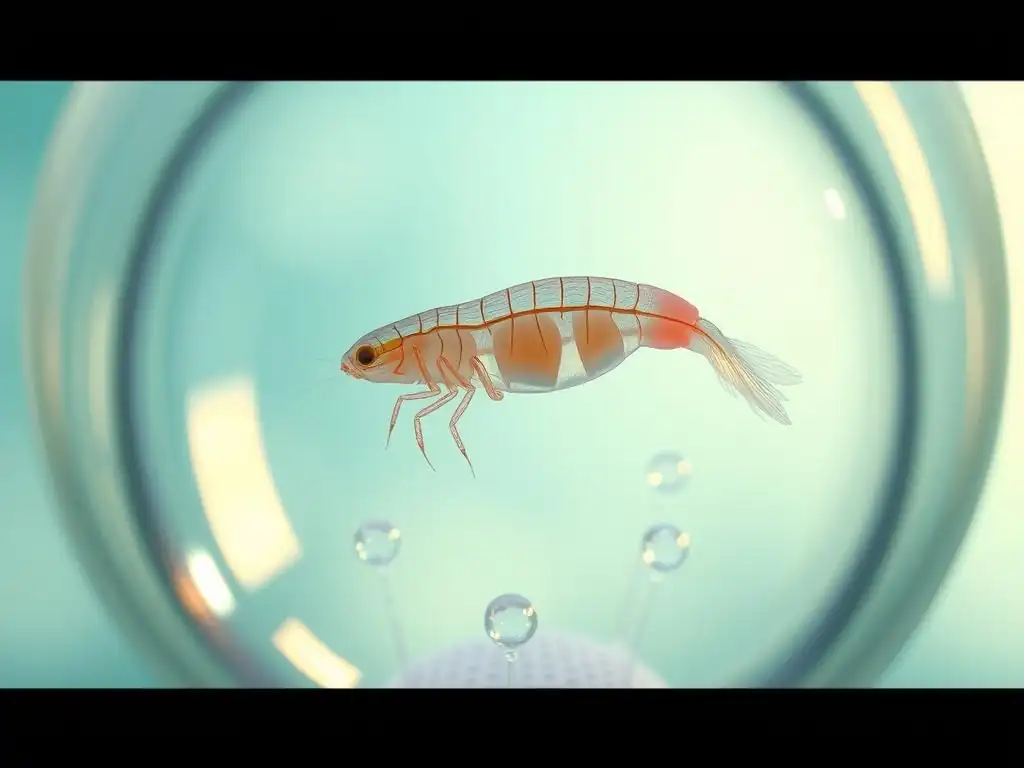
Traditional coarse-bubble air stones, while effective for general aquarium aeration, often create excessive turbulence and strong currents that can be detrimental to the delicate bodies and undeveloped swim bladders of fish larvae. The constant physical stress from turbulent water can lead to exhaustion, fin damage, and even direct mortality. Therefore, employing gentle larval tank oxygenation methods is paramount to ensure high survival rates and robust development.
The challenge lies in maximizing oxygen transfer efficiency while minimizing physical disturbance. This often involves reducing bubble size, controlling bubble flow, or employing alternative strategies that do not rely on direct, forceful aeration. The goal is to provide a consistent supply of oxygen without compromising the fragile physiological state of newly hatched or early-stage larvae, making careful selection of gentle larval tank oxygenation methods crucial.
Fine Bubble Diffusers: Advantages and Considerations for Larval Tanks
Fine bubble diffusers, typically constructed from porous ceramic, glass, or plastic, are superior to standard air stones for larval rearing due to their ability to produce extremely small bubbles, often less than 1 mm in diameter. These tiny bubbles offer a vastly increased surface area-to-volume ratio for gas exchange, significantly improving oxygen transfer efficiency. Studies have shown that fine bubble diffusers can achieve oxygen transfer efficiencies up to 40% higher than coarse bubble diffusers.
The primary advantage of fine bubble diffusers for gentle larval tank oxygenation methods is the minimal turbulence they create. The small, slow-rising bubbles cause less water agitation, reducing stress on larvae and preventing them from being swept into strong currents. While highly effective, considerations include potential clogging from biofilm or detritus, requiring regular cleaning (e.g., weekly soaking in a dilute acid solution or bleach) to maintain optimal performance and ensure consistent oxygen delivery.
Using Air Stones with Control Valves: Achieving Gentle Oxygenation
For hobbyists or smaller-scale setups, a simple yet effective gentle larval tank oxygenation method involves using standard air stones in conjunction with an air control valve. A control valve allows for precise regulation of the airflow from an air pump to the air stone, enabling the user to reduce the bubble output to a barely perceptible, gentle stream. This significantly mitigates the harsh currents associated with full-power air stone operation.
To implement this, connect an inline air control valve between the air pump's airline and the air stone. Start with the valve almost completely closed, allowing only a minimal amount of air to pass through. Gradually open the valve until a consistent, fine stream of very small bubbles emerges from the air stone, creating gentle movement without significant turbulence. This cost-effective approach allows for adaptable gentle larval tank oxygenation methods suitable for various larval stages and sensitivities.
Surface Agitation Techniques for Enhanced Oxygen Exchange
Surface agitation represents another category of gentle larval tank oxygenation methods that avoids direct, forceful aeration within the water column. The principle behind these techniques is to maximize the air-water interface, where the majority of gas exchange occurs. By gently disturbing the surface, new layers of water are exposed to the atmosphere, facilitating the diffusion of oxygen into the tank and the release of carbon dioxide.
These methods are particularly beneficial for sensitive larvae as they minimize the risk of mechanical damage or stress from strong currents. Unlike submerged diffusers that introduce bubbles directly into the larval environment, surface agitation primarily affects the uppermost layer of water, allowing the delicate larvae to remain undisturbed in the calmer water below while still benefiting from increased dissolved oxygen levels throughout the tank.
Creating Gentle Surface Movement with Small Powerheads
Small, low-flow powerheads, often referred to as nano pumps, can be effectively employed as a gentle larval tank oxygenation method by positioning them strategically to create subtle surface ripples. A powerhead with a flow rate between 50-150 GPH (gallons per hour) can be placed just below the water surface, angled slightly upwards or towards the tank wall. This creates a gentle current that breaks the surface tension without generating strong, disruptive flows in the main body of the water column.
The key is to adjust the powerhead's position and flow rate to achieve a consistent, gentle rippling effect across the water surface. This encourages gas exchange, helping to maintain stable dissolved oxygen levels. For a 20-liter larval tank, a 50 GPH powerhead might be sufficient, while larger tanks up to 50 liters might benefit from a 100-150 GPH unit. Regular cleaning of the powerhead impeller is essential to prevent blockages and maintain consistent flow for effective gentle larval tank oxygenation methods.
Utilizing Spray Bars for Oxygenation and Water Circulation
Spray bars offer an elegant and highly effective gentle larval tank oxygenation method that combines surface agitation with gentle water circulation. A spray bar consists of a perforated pipe connected to a small water pump, positioned above the water surface or just submerged. Water is pumped through the bar and gently trickles or sprays back into the tank, creating a cascading effect that maximizes surface turnover and gas exchange.
Designing a spray bar for larval tanks involves careful consideration of hole size and spacing to ensure a gentle flow. For instance, a spray bar with 1-2 mm diameter holes spaced 1-2 cm apart can provide uniform, soft water return across the tank's length. This method not only enhances oxygenation but also aids in distributing feed and maintaining uniform water parameters without creating strong currents that could harm larvae. It's an excellent choice for achieving consistent and gentle larval tank oxygenation methods.
Oxygen Injection Systems for Precise DO Control
Oxygen injection systems represent the pinnacle of precise dissolved oxygen control in larval rearing, commonly employed in professional aquaculture facilities. These systems utilize pure oxygen from a pressurized cylinder, allowing aquarists to precisely regulate the amount of oxygen infused into the water. This level of control is unparalleled by conventional air pumps and is critical for species with high oxygen demands or during periods of elevated metabolic activity.
The primary advantage of oxygen injection is its ability to achieve and maintain supersaturation if desired, or to rapidly correct oxygen deficits without introducing large volumes of air bubbles or turbulence. This makes it one of the most effective gentle larval tank oxygenation methods when calibrated correctly. While requiring specialized equipment and careful management, it offers unparalleled reliability and the capacity to meet the exact oxygen requirements of the most sensitive larval species.
Understanding Oxygen Regulators and Flow Meters
The core components of an oxygen injection system are the oxygen regulator and the flow meter. An oxygen regulator is attached to a high-pressure oxygen cylinder and serves to reduce the dangerously high pressure (often over 2000 PSI) to a safe, usable working pressure (typically 10-50 PSI) for the culture system. This precise pressure reduction is crucial for consistent oxygen delivery.
Following the regulator, a flow meter is installed. This device measures the exact rate at which gaseous oxygen is being delivered to the larval tank, usually in liters per minute (LPM) or cubic feet per hour (CFH). By adjusting the regulator and monitoring the flow meter, aquarists can precisely control the amount of oxygen entering the water, ensuring optimal dissolved oxygen levels are maintained. This precise control is fundamental to effective gentle larval tank oxygenation methods using pure oxygen.
Safe and Effective Oxygen Injection Practices for Larval Tanks
Implementing oxygen injection requires strict adherence to safety protocols and best practices to prevent both oxygen toxicity and equipment hazards. Pure oxygen should always be diffused through fine-bubble diffusers or oxygen cones designed for high efficiency, ensuring maximum dissolution and minimal bubble formation within the larval tank. It is crucial to monitor dissolved oxygen levels continuously with a DO meter, as excessive oxygen (e.g., above 15 mg/L for extended periods) can be toxic to some larval species, causing gas bubble disease.
Gradual adjustments to oxygen flow are recommended to prevent sudden spikes or drops in DO, which can stress larvae. Furthermore, proper ventilation in the rearing area is essential when handling oxygen cylinders. While powerful, oxygen injection systems are an advanced gentle larval tank oxygenation method best suited for those with experience in precise environmental control.
Achieving Optimal Dissolved Oxygen Saturation Without Harming Larvae
Monitoring Dissolved Oxygen Levels: Essential Tools and Techniques
Effective management of dissolved oxygen in larval tanks hinges on accurate and consistent monitoring. Without precise data on DO levels, aquarists are operating blind, unable to respond effectively to fluctuations or identify potential issues before they become critical. Regular monitoring allows for proactive adjustments to oxygenation equipment, ensuring that larvae consistently receive the optimal amount of oxygen for their development and survival.
The choice of monitoring tools and the frequency of measurements are vital to maintaining a stable and healthy environment. Relying solely on visual cues of larval distress is often too late, as significant damage or mortality may have already occurred. Therefore, integrating reliable measurement techniques into the daily routine of larval rearing is an indispensable aspect of employing gentle larval tank oxygenation methods.
Using Dissolved Oxygen Meters for Accurate Readings
Dissolved oxygen meters are indispensable tools for accurate and real-time measurement of DO levels. These electronic devices, available as handheld or inline probes, provide readings typically with an accuracy of ±0.1 mg/L. Regular calibration of the DO meter, following the manufacturer's instructions (often daily or weekly), is crucial to ensure the reliability of the measurements. Calibration usually involves exposing the probe to air-saturated water or a zero-oxygen solution.
To obtain representative readings, samples should be taken from various depths and locations within the larval tank, as DO can vary. For critical larval stages, daily or even multiple times per day measurements are recommended. This consistent data allows the aquarist to fine-tune gentle larval tank oxygenation methods, making adjustments to aeration flow, water circulation, or oxygen injection rates based on actual larval needs and environmental conditions.
Visual Indicators of Oxygen Deficiency in Larval Tanks
While DO meters provide precise data, observing larval behavior can offer immediate, albeit less precise, clues to oxygen deficiency. One of the most common visual indicators is an increase in larval respiration rate, characterized by rapid and exaggerated opercular movements (gill flares) as they struggle to extract sufficient oxygen. Larvae may also become lethargic, reducing their swimming and feeding activity, often congregating near the water surface or aeration sources where oxygen levels might be slightly higher.
In severe cases of hypoxia, larvae may exhibit disoriented swimming patterns, lose their equilibrium, or even sink to the bottom of the tank, becoming unresponsive. Physical signs can include pale gills or a general stressed appearance. Recognizing these visual cues promptly, even before DO meter readings confirm a problem, can prompt immediate intervention and help prevent widespread mortality, reinforcing the need for continuous vigilance in applying gentle larval tank oxygenation methods.
Maintaining Consistent Oxygen Levels: Preventing Fluctuations
Consistency in dissolved oxygen levels is as critical as the absolute concentration itself. Sudden or significant fluctuations in DO can be highly stressful to delicate fish larvae, even if the average DO remains within an acceptable range. These rapid changes can disrupt metabolic processes, compromise immune function, and lead to increased susceptibility to disease and mortality. Therefore, strategies aimed at preventing DO fluctuations are essential for successful larval rearing.
Achieving this stability involves not only selecting appropriate gentle larval tank oxygenation methods but also implementing proactive measures to safeguard against unforeseen circumstances. This includes planning for contingencies, regular equipment checks, and understanding the dynamic interplay of factors that can impact oxygen levels throughout the day and night cycles.
Implementing Redundancy in Oxygenation Systems
Redundancy in oxygenation systems is a critical best practice to prevent catastrophic losses due to equipment failure or power outages. This means having backup systems in place that can automatically or manually take over if the primary system fails. For instance, a larval tank relying on an air pump for aeration should ideally have a second, independent air pump ready to be switched on, or even a battery-powered air pump that activates during power interruptions.
For more advanced setups utilizing oxygen injection, a backup oxygen cylinder and regulator should always be on hand. Some professional facilities even employ automated switchover systems between primary and secondary oxygen sources. Investing in redundancy, though an upfront cost, is a vital insurance policy that ensures continuous gentle larval tank oxygenation methods and safeguards valuable larval cultures from sudden oxygen deprivation.
Regular Maintenance and Cleaning of Oxygenation Equipment
The efficiency of any oxygenation system, regardless of its sophistication, is directly tied to its maintenance. Biofilm, detritus, and mineral deposits can accumulate on diffusers, powerhead impellers, and air lines, significantly reducing their effectiveness over time. For example, a fine bubble diffuser can lose up to 50% of its oxygen transfer efficiency if heavily fouled. Regular cleaning is therefore non-negotiable.
Diffusers should be periodically removed and cleaned, either by scrubbing, soaking in a dilute bleach solution (followed by thorough rinsing and dechlorination), or in a mild acid solution to dissolve mineral buildup. Air lines should be checked for kinks or blockages, and powerhead impellers should be cleaned to ensure unobstructed flow. Establishing a routine maintenance schedule (e.g., weekly or bi-weekly cleaning of diffusers) prevents gradual declines in DO and ensures the continuous application of effective gentle larval tank oxygenation methods.
Choosing the Right Oxygenation Method for Specific Larval Species
Oxygen Requirements of Different Saltwater Fish Larvae
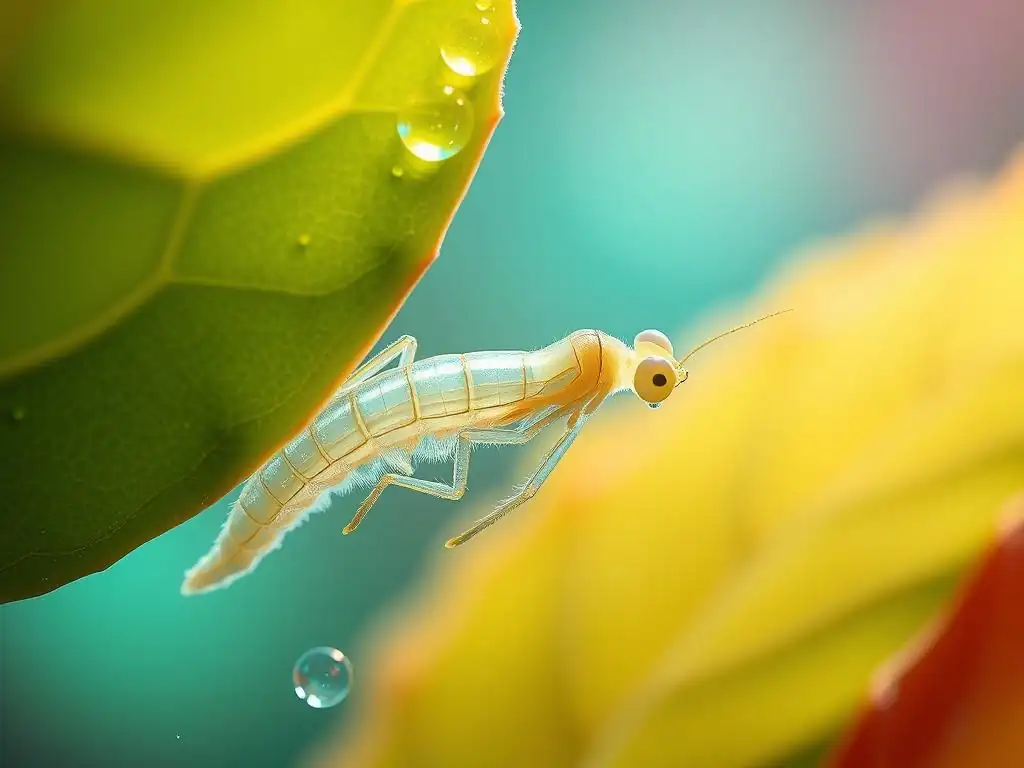
The oxygen requirements of saltwater fish larvae vary significantly depending on the species, its metabolic rate, developmental stage, and natural habitat. Understanding these species-specific needs is fundamental to selecting and implementing the most appropriate gentle larval tank oxygenation methods. For instance, pelagic larvae from highly active, open-water species generally demand higher DO levels than benthic larvae or those from less active species.
Age also plays a crucial role; newly hatched larvae often have lower oxygen demands due to their small size and yolk-sac nutrition, but as they grow and become active feeders, their metabolic rate escalates, requiring a corresponding increase in dissolved oxygen. Therefore, a "one-size-fits-all" approach to oxygenation is rarely successful in advanced larval rearing.
Oxygen Needs of Cobia Larvae
Cobia larvae ( Rachycentron canadum) are known for their extremely high metabolic rates and rapid growth, making their oxygen requirements particularly stringent. During the initial days post-hatch, when they are transitioning to exogenous feeding, dissolved oxygen levels must be maintained consistently above 6 mg/L, ideally closer to saturation (around 7-8 mg/L at typical culture temperatures). Even short periods below 5 mg/L can lead to significant stress, reduced feeding, and increased mortality.
Their active swimming and feeding behaviors further contribute to their high oxygen consumption. Hatcheries rearing cobia often employ robust gentle larval tank oxygenation methods such as pure oxygen injection or high-efficiency fine bubble diffusers, coupled with vigorous water circulation, to ensure uniform DO distribution and meet these demanding requirements throughout the culture period.
Oxygen Requirements for Snapper Larvae
Snapper larvae, such as those of the Red Snapper ( Lutjanus campechanus), are highly sensitive to water quality parameters, including dissolved oxygen. While perhaps slightly less demanding than cobia, optimal DO levels for snapper larvae are typically recommended at or above 5 mg/L, especially during the critical first week of development. Levels dropping below 4 mg/L for even a few hours can lead to stunted growth, increased susceptibility to disease, and reduced survival rates.
Their delicate nature necessitates gentle larval tank oxygenation methods that avoid strong currents or excessive turbulence, which can cause physical damage or stress. Techniques like gentle surface agitation via spray bars or very fine bubble diffusers with precisely controlled airflow are often preferred, ensuring adequate oxygenation without compromising the fragile larvae.
Adapting Oxygenation Strategies to Different Larval Tank Sizes and Designs
The physical characteristics of the larval tank—its size, shape, and overall design—significantly influence the most effective oxygenation strategy. A small, round kreisel tank, designed to keep larvae suspended gently in a circular current, will require a different oxygenation approach than a large, rectangular raceway. The goal is always to achieve uniform DO distribution throughout the water column without creating dead spots or areas of excessive turbulence.
For smaller tanks (e.g., 10-50 liters), very gentle larval tank oxygenation methods like minimal surface agitation from a small powerhead angled upwards, or an extremely low-flow fine bubble diffuser, are often sufficient. In contrast, larger tanks (e.g., 100-500 liters) may require a combination of methods, such as multiple strategically placed fine bubble diffusers or spray bars, to ensure comprehensive oxygenation and circulation, preventing localized oxygen depletion. The specific flow dynamics of each tank design must be considered to optimize oxygen delivery.
Troubleshooting Oxygenation Issues in Larval Rearing
Identifying the Cause of Low Dissolved Oxygen
When dissolved oxygen levels drop in a larval tank, a systematic approach is crucial to identify the underlying cause. Begin by checking the functionality of all oxygenation equipment: ensure air pumps are operating, diffusers are bubbling efficiently, powerheads are circulating water, and oxygen regulators/flow meters are correctly set. Then, assess water quality parameters: elevated temperatures significantly reduce DO solubility, and high organic loads from overfeeding or excessive waste can rapidly deplete oxygen through decomposition.
Finally, evaluate the biological load: are there too many larvae for the tank volume, or has there been a recent mortality event contributing to decomposition? Biofilm buildup on diffusers is a very common, often overlooked, culprit for reduced oxygen transfer efficiency. A thorough inspection of all these factors will usually pinpoint the source of the low DO and guide corrective actions, ensuring the continued efficacy of gentle larval tank oxygenation methods.
Addressing Common Oxygenation Problems: Biofilm, Equipment Malfunctions
Once the cause of low dissolved oxygen is identified, prompt action is necessary. For biofilm accumulation on diffusers, immediate removal and thorough cleaning are required. Soaking diffusers in a dilute acid or bleach solution, followed by meticulous rinsing and dechlorination, can restore their efficiency. In cases of equipment malfunctions, such as a failed air pump or clogged powerhead, the immediate solution is replacement or repair. Having redundant equipment on hand is invaluable here.
For acute, severe drops in DO, emergency measures might include a partial water change with highly oxygenated water, temporarily increasing the flow rate of existing aeration (if larvae can tolerate the increased turbulence for a short period), or, if available, a cautious and controlled addition of pure oxygen via an emergency diffuser. The focus should always be on restoring stable and gentle larval tank oxygenation methods as quickly and safely as possible.
Preventing Future Oxygenation Issues: Best Practices and Proactive Measures
Preventing oxygenation issues is far more effective than reacting to them. Implementing a robust schedule of routine maintenance is paramount: regularly clean diffusers, inspect and clean powerhead impellers, and check air lines for kinks or leaks. Daily dissolved oxygen monitoring, especially during critical larval stages, allows for early detection of declining trends before they become problematic.
Proactive management of the biological load is also key. Avoid overfeeding, which contributes to organic waste and increased oxygen consumption by bacteria. Maintain larval densities appropriate for the tank size and filtration capacity. Finally, consider maintaining DO levels slightly above the minimum recommended for your specific species as a buffer against unexpected drops. These best practices ensure the continuous and reliable application of gentle larval tank oxygenation methods.
Advanced Techniques for Oxygenation in Saltwater Larval Culture
Using Ozone for Water Quality and Oxygen Enhancement [Cautionary Note Required]
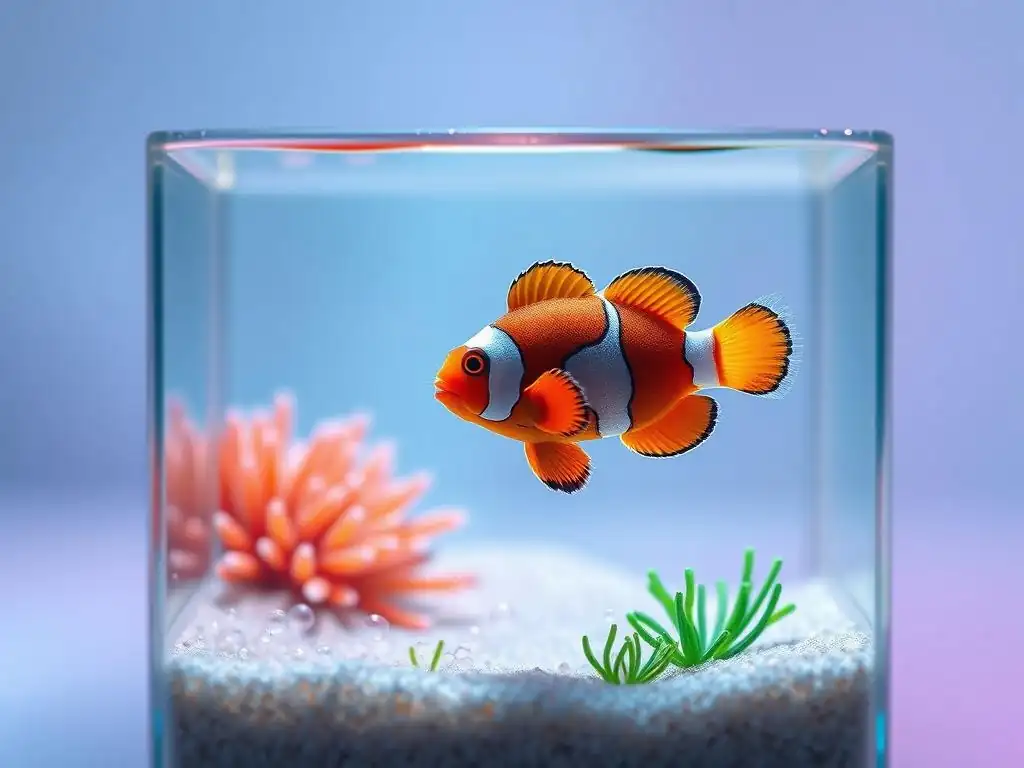
Ozone (O3) is a powerful oxidant that can significantly improve water quality in aquaculture systems by breaking down organic pollutants, reducing bacterial loads, and enhancing water clarity. Indirectly, ozone can also contribute to higher dissolved oxygen levels by reducing the oxygen demand from organic matter and pathogens. Ozone generators produce O3 gas, which is then injected into the water, typically within a contact chamber, before the water returns to the main system.
Cautionary Note: While ozone offers benefits, it is extremely toxic to fish larvae and must be used with extreme care and precision. Direct exposure to ozonated water will cause severe gill damage and rapid mortality. Therefore, ozone is generally not recommended for direct application in larval tanks. Instead, it is used to treat makeup water, recirculated water, or water in a separate sump, followed by thorough degassing and neutralization (e.g., with activated carbon filtration) to remove any residual ozone before the water reaches the larvae. Accurate ORP (Oxidation Reduction Potential) monitoring is essential for safe ozone operation.
The Role of Phytoplankton in Oxygen Production in Larval Tanks
Live phytoplankton, often referred to as "green water," is commonly used in larval rearing as a primary food source for many marine fish larvae and their rotifer prey. Beyond its nutritional value, phytoplankton also plays a significant role in oxygen production through photosynthesis during daylight hours. As the phytoplankton photosynthesize, they release oxygen into the water, potentially contributing to higher DO levels in the larval tank. Common species used include Nannochloropsis oculata and Isochrysis galbana.
However, relying solely on phytoplankton for oxygenation carries a significant risk. During periods of darkness (nighttime), phytoplankton cease photosynthesis and instead consume oxygen through respiration, potentially leading to drastic drops in dissolved oxygen levels, sometimes to critical hypoxic levels. Therefore, while phytoplankton can supplement oxygen, adequate mechanical or pure oxygen aeration must always be provided, especially overnight, to ensure stable and safe DO levels for larvae.
Considerations for Using Liquid Oxygen in Large-Scale Larval Rearing Systems
Liquid oxygen (LOX) is a highly concentrated form of oxygen, stored cryogenically, and is primarily used in very large-scale commercial aquaculture hatcheries due to its efficiency and cost-effectiveness for massive volumes of water. LOX is delivered in specialized cryogenic tanks and then vaporized into gaseous oxygen before being injected into the culture systems. This method provides a continuous and highly pure oxygen supply, capable of meeting the demands of thousands of liters of larval culture simultaneously.
The main considerations for using LOX include the significant upfront investment in cryogenic storage tanks and vaporization equipment, as well as strict safety protocols due to the extremely low temperatures and high pressures involved. However, for commercial operations with high larval densities and consistent oxygen demands, LOX can be a more economical and reliable option than compressed gas cylinders, ensuring consistent and precise gentle larval tank oxygenation methods at an industrial scale.
Conclusion: Mastering Gentle Larval Tank Oxygenation for Successful Fish Breeding
Frequently Asked Questions
How important is oxygenation in larval tanks?
Oxygenation is absolutely critical for larval tanks. Larvae are highly sensitive to oxygen levels, and inadequate oxygen can lead to high mortality rates and stunted growth.
What are some gentle larval tank oxygenation methods recommended for delicate species?
Gentle methods include using air stones with carefully regulated airflow, sponge filters that provide biological filtration and gentle water movement, and surface agitation without creating strong currents.
Why are strong currents detrimental in larval tanks?
Strong currents can overwhelm delicate larvae, causing stress, exhaustion, and difficulty feeding. Gentle oxygenation methods prioritize minimal water disturbance to protect the larvae.
How can I monitor oxygen levels in my larval tank to ensure adequate saturation?
Regularly test the water using a reliable dissolved oxygen (DO) test kit. Aim for optimal DO levels suitable for the specific larval species you are raising, typically above 6 ppm.
Are there any specific types of air stones or diffusers that are better suited for larval tanks?
Yes, fine-bubble air stones or diffusers are preferable. They produce smaller bubbles, which increase surface area for gas exchange and create less turbulence compared to larger bubbles.
Final Reflection: Breathing Life into the Future of Aquaculture
The preceding exploration of gentle larval tank oxygenation methods underscores a critical truth: the delicate balance of life hinges on the quality of its environment. In today's world, where sustainable aquaculture practices are paramount for food security and ecosystem preservation, optimizing oxygen levels in larval tanks is not merely a technical consideration, but a moral imperative. The survival and healthy development of these nascent organisms directly impacts the future of our aquatic resources.
This topic has profoundly influenced my understanding of the interconnectedness within aquatic ecosystems. Witnessing the fragility of larval life has instilled a deep respect for the meticulous care required to nurture these future generations of aquatic species. It reminds us that even seemingly small adjustments in environmental conditions can have significant ripple effects. The care of one fish may not change the world, but it changes the world for that one fish.
This sentiment encapsulates the dedication and precision required in larval aquaculture, emphasizing the importance of gentle and effective oxygenation techniques.
Now, I invite you to reflect on the principles discussed in this article and consider how you can apply them, not only in aquaculture settings, but also in your own life. Just as gentle oxygenation methods foster thriving larval populations, cultivating a nurturing and balanced environment in your own endeavors can lead to remarkable growth and resilience. Strive to be mindful of the delicate ecosystems around you, and remember that even small acts of care can have a profound impact on the future.
Boost Your Hatch Rate: Dive Deeper into Oxygenation!
Thank you for exploring the nuances of larval tank oxygenation! We hope you've gained valuable insights into creating a thriving environment for your future aquatic friends. Now, let's translate this knowledge into action.
- Implement at least one of the gentle oxygenation methods discussed – remember, happy larvae mean a successful hatch!
- Explore advanced techniques with our dedicated dissolved oxygen probes section.
- Share your own innovative oxygenation strategies in the comments below to enrich our community wisdom!
What specific oxygenation challenge are you tackling in your larval tanks right now, and how might these techniques help you overcome it?