
OverFertilizing Your Aquarium: Signs, Dangers, and Quick Fixes

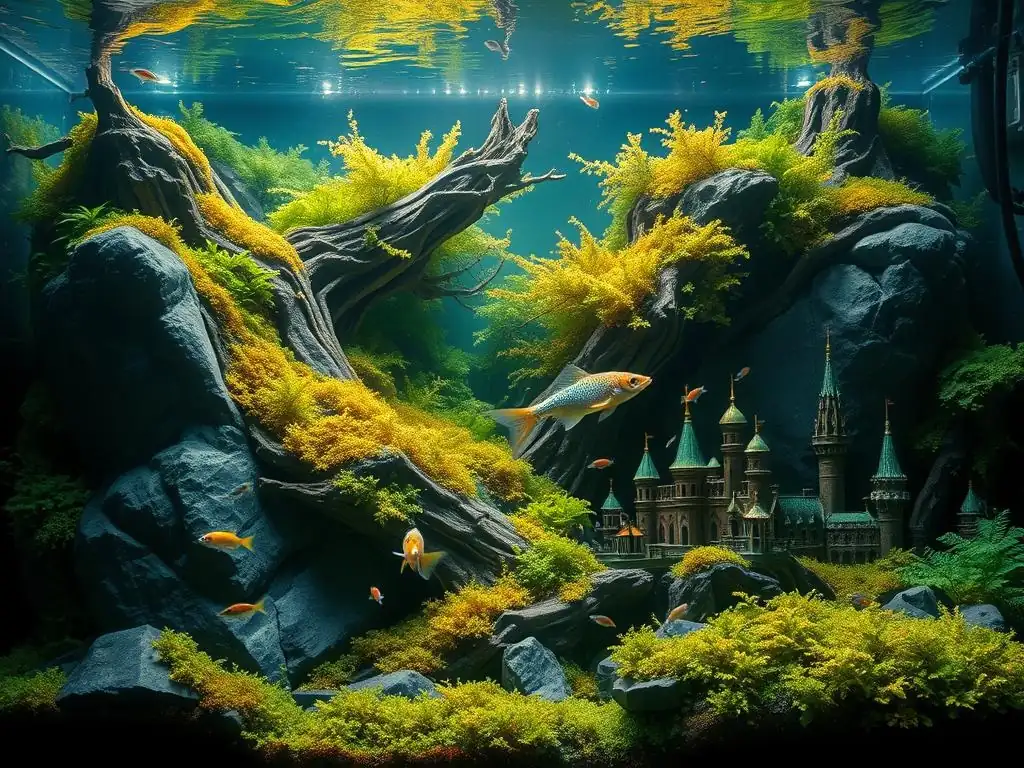
Welcome to Aquarium Mastery!
Curious about overfertilizing your freshwater aquarium? You're in the right place! Discover the often-overlooked dangers and surprisingly common mistakes that can lead to unbalanced water and unhappy inhabitants. Let's dive in and uncover the signs, risks, and, most importantly, the quick fixes to restore harmony to your aquatic paradise. Are you ready to master your aquarium?
- Understanding Overfertilization in Freshwater Aquariums
- Recognizing the Signs of Overfertilizing Your Freshwater Tank
- The Dangers of Overfertilizing Freshwater Aquariums
- Diagnosing Overfertilization Issues in Your Aquarium
- Quick Fixes for Overfertilization in Freshwater Aquariums
- Long-Term Solutions to Prevent Overfertilization
- Choosing the Right Fertilizers for Your Planted Aquarium
- Preventing Future Overfertilization Problems
-
Frequently Asked Questions
- How can I tell if I'm overfertilizing my freshwater aquarium?
- What are the main dangers of overfertilizing my freshwater aquarium?
- What types of algae are typically associated with overfertilization?
- Can overfertilization directly kill my fish?
- What's the quickest way to fix an overfertilized aquarium?
- Final Reflection: Navigating the Delicate Balance of Aquatic Life
- Revitalize Your Reef: Take Control of Your Aquarium's Health!
Understanding Overfertilization in Freshwater Aquariums
The Role of Fertilizers in Planted Aquariums
Fertilizers are crucial for the thriving health and vibrant growth of aquatic plants in a freshwater aquarium. These supplements provide essential macronutrients like Nitrogen (N), Phosphorus (P), and Potassium (K), alongside vital micronutrients such as Iron (Fe), Manganese (Mn), Boron (B), and Zinc (Zn). Plants utilize these elements for photosynthesis, cellular development, and overall structural integrity, much like terrestrial plants require garden soil amendments. Without adequate fertilization, aquatic plants can exhibit signs of deficiency, such as yellowing leaves from lack of iron or stunted growth due to insufficient nitrogen, leading to a dull and unhealthy aquascape.
The primary goal of fertilizing a planted tank is to ensure that all plants have access to the nutrients they need to grow robustly and outcompete algae for available resources. A well-balanced nutrient supply supports lush foliage, strong root systems, and vibrant coloration, contributing significantly to the aesthetic appeal and ecological stability of the aquarium. However, achieving this balance is an art; while plants absorb these nutrients, any excess that remains in the water column becomes an open invitation for opportunistic algae to proliferate, leading to a host of problems for the freshwater aquarium.
Why Overfertilization Happens: Common Causes
Overfertilization in a freshwater aquarium often stems from a combination of factors, with the most common being an imbalance between nutrient input and plant consumption. A frequent culprit is simply overdosing, where aquarists add more fertilizer than their plants can effectively utilize, often by strictly following manufacturer instructions meant for heavily planted, high-tech setups, without accounting for their specific tank's needs. For instance, a 20-gallon tank with a few Anubias plants will require significantly less fertilizer than a 50-gallon tank densely packed with fast-growing stem plants.
Another significant reason for overfertilizing freshwater aquarium problems is insufficient plant mass or inadequate CO2 levels. If there aren't enough plants to absorb the added nutrients, or if the plants are carbon-limited (i.e., not enough CO2 for efficient photosynthesis), the excess nutrients will accumulate in the water. Furthermore, a high fish bioload can contribute substantial amounts of nitrogen and phosphorus through waste, making additional liquid fertilization unnecessary or even detrimental. In such cases, adding even a standard dose of fertilizer can push nutrient levels into an undesirable range, paving the way for algae blooms and poor water quality.
Recognizing the Signs of Overfertilizing Your Freshwater Tank
Algae Blooms: A Key Indicator of Excess Nutrients
One of the most obvious and frustrating signs of overfertilizing your freshwater aquarium is the onset of various algae blooms. Algae are opportunistic organisms that thrive on excess nutrients, especially nitrates and phosphates, which are abundant in an overfertilized tank. Different types of algae tend to flourish under specific nutrient imbalances, providing clues to the underlying problem. A sudden explosion of algae growth, particularly after increasing fertilizer dosage or frequency, is a strong signal that nutrient levels are too high for your plants to manage.
These unsightly growths not only detract from the aesthetic beauty of your aquascape but also compete with your desired aquatic plants for light and nutrients, often outcompeting them due to their rapid growth rate. Identifying the specific type of algae can help pinpoint which nutrients might be in excess, although general overfertilization often leads to a combination of several types. Addressing the root cause, which is often overfertilizing freshwater aquarium problems, is essential for long-term algae control.
Green Water Algae: Suspended Algae Overgrowth
Green water algae, scientifically known as Euglena or Chlorella, manifests as a dense, murky green cloud that makes your aquarium water resemble pea soup. This condition is primarily caused by an excess of dissolved nutrients, particularly nitrates and phosphates, combined with high light intensity or extended photoperiods. In an overfertilized tank, these microscopic algae can reproduce at an astonishing rate, often appearing seemingly overnight.
This type of algae is a classic indicator of nutrient imbalance, where plants are not consuming available nutrients as quickly as they are being supplied. For instance, if a 30-gallon aquarium that typically has crystal-clear water suddenly turns cloudy green within 48 hours after a heavy fertilization dose, it's a strong sign of overfertilizing freshwater aquarium problems. The best approach to tackling green water involves reducing light, performing large water changes, and addressing the underlying nutrient excess.
Hair Algae: Stringy and Persistent
Hair algae, characterized by its long, thin, string-like green strands that can grow several inches long, is another common nuisance associated with overfertilization. This algae often attaches to plant leaves, driftwood, and aquarium decor, creating an unsightly mess. While generally harmless to fish, it can smother smaller plants and become extremely difficult to remove manually once established.
Excess iron and nitrates, particularly when coupled with strong lighting, are frequently implicated in hair algae outbreaks. For example, if you consistently dose iron-rich micronutrient solutions and notice delicate plant leaves becoming covered in fine green threads, it suggests that the plants aren't utilizing all the iron, or there's an overall nutrient surplus. This persistent algae type highlights the need for careful nutrient management to prevent overfertilizing freshwater aquarium problems.
Black Beard Algae (BBA): A Stubborn Invader
Black Beard Algae (BBA), or Audouinella, appears as dark, fuzzy, brush-like patches, typically black, dark green, or purplish-red. It commonly attaches to the edges of plant leaves, filter inlets, heaters, and driftwood. BBA is notoriously difficult to eradicate and is often a sign of unstable CO2 levels, coupled with an excess of organic waste and phosphates, which can be exacerbated by overfertilization.
While CO2 instability is a major trigger, an abundance of available nutrients, especially phosphates, provides BBA with the fuel it needs to proliferate rapidly. If you observe BBA forming on older leaves or hardscape, it indicates that conditions are ripe for this stubborn invader, often due to an imbalance created by overfertilizing freshwater aquarium problems. Eradicating BBA usually requires a multi-pronged approach, including nutrient reduction and CO2 stabilization.
Fish Behavior Changes Linked to Overfertilization
Beyond visible algae, overfertilizing your freshwater aquarium can subtly, yet significantly, impact the health and behavior of your fish. The sudden influx of nutrients and subsequent algae blooms can rapidly degrade water quality, leading to stress and even mortality for your aquatic inhabitants. Observing changes in fish behavior is a critical diagnostic tool for identifying underlying water parameter issues.
When water quality deteriorates due to overfertilization, fish are often the first to show distress. These behavioral changes are direct indicators that the aquatic environment is no longer optimal, prompting immediate action. Ignoring these signs can lead to more severe health complications and, in worst-case scenarios, widespread fish loss within the aquarium.
Gasping at the Surface: Low Oxygen Levels
One of the most alarming signs of overfertilizing freshwater aquarium problems is fish constantly gasping for air at the water's surface. This behavior indicates a severe depletion of dissolved oxygen (DO) in the tank. When massive algae blooms occur due to excess nutrients, these algae consume oxygen during their respiration cycle, especially at night. Furthermore, the subsequent decomposition of large quantities of dead algae and plant matter by aerobic bacteria rapidly consumes vast amounts of available oxygen.
For instance, in a 40-gallon planted tank experiencing a severe green water bloom, dissolved oxygen levels can plummet from a healthy 7-8 milligrams per liter (mg/L) during the day to below 2 mg/L overnight, a level critically low for most freshwater fish. This oxygen deficit puts immense stress on fish gills and can quickly lead to suffocation if not addressed promptly.
Lethargy and Stress Signs in Fish
Overfertilization can lead to a cascade of negative effects on water quality, including spikes in ammonia and nitrite from decaying organic matter, and overall nutrient imbalances. These changes create a highly stressful environment for fish, leading to visible signs of lethargy and stress. Fish may appear sluggish, spend more time hiding, or exhibit clamped fins (holding their fins tightly against their body).
Their vibrant colors might dull, and their appetite could significantly decrease. For example, a school of active Neon Tetras might become unusually still, hovering near the bottom with faded stripes, indicating severe discomfort from poor water conditions. These behavioral shifts are clear warnings that the water chemistry has been compromised, often a direct result of overfertilizing freshwater aquarium problems, and necessitate immediate corrective action to prevent further decline in fish health.
Plant Health Problems: When Too Much is Too Much
Paradoxically, overfertilizing your freshwater aquarium can also negatively impact the very plants you're trying to help. While fertilizers are essential for plant growth, an excessive amount of certain nutrients can become toxic or create imbalances that hinder nutrient uptake, leading to various plant health problems. It's a common misconception that more fertilizer equals healthier plants; in reality, there's a delicate balance required.
When plants are subjected to an overabundance of nutrients, their metabolic processes can be disrupted, leading to symptoms that might even resemble nutrient deficiencies. This confusing scenario often prompts aquarists to add more fertilizer, exacerbating the problem. Understanding these specific symptoms is key to correctly diagnosing overfertilizing freshwater aquarium problems.
Leaf Burn and Nutrient Toxicity in Aquatic Plants
Excessive concentrations of certain nutrients, particularly micronutrients like copper or iron, can become toxic to aquatic plants, leading to symptoms often described as "leaf burn" or "melting." For instance, while iron is vital for chlorophyll production, an extreme overdose can cause browning or blackening of leaf edges, or even entire leaves to turn translucent and disintegrate. Similarly, high levels of copper, sometimes present in trace element mixes, can be lethal to sensitive plants and invertebrates alike.
This toxicity occurs when nutrient levels in the water column exceed the plant's capacity to safely absorb and process them, leading to cellular damage. In a scenario where an aquarist doubles the recommended dose of a comprehensive liquid fertilizer in a 20-gallon tank, sensitive stem plants like Rotala could show browning tips and melting leaves within a few days, indicating chemical burn from nutrient overload.
Stunted Growth Despite Fertilization
One of the most counterintuitive signs of overfertilizing freshwater aquarium problems is stunted growth, despite seemingly providing abundant nutrients. This phenomenon, known as "nutrient lockout" or "antagonism," occurs when an excessive amount of one nutrient inhibits the plant's ability to absorb or utilize other essential nutrients. For example, very high phosphate levels can sometimes interfere with iron uptake, even if iron is present in sufficient quantities.
Plants might appear to be "stuck," not growing or showing very slow, abnormal growth, even as algae flourish around them. A patch of Cryptocoryne plants, normally robust growers, might remain small and fail to send out runners, even after consistent fertilization. This indicates that the nutrient balance is off, and despite the presence of fertilizers, the plants are effectively starving due to an induced deficiency, highlighting the complexity of nutrient management in planted aquariums.
The Dangers of Overfertilizing Freshwater Aquariums
Imbalanced Water Chemistry: Ammonia, Nitrite, and Nitrate Spikes
Overfertilizing a freshwater aquarium poses significant risks to water chemistry, potentially leading to dangerous spikes in toxic compounds. When an excess of nutrients fuels massive algae blooms, the subsequent die-off of these algae, along with any plant matter that suffers from nutrient toxicity, leads to a rapid increase in decaying organic material. This decomposition process, primarily carried out by beneficial bacteria, consumes dissolved oxygen and releases ammonia into the water.
Ammonia is highly toxic to fish and invertebrates. While the nitrogen cycle typically converts ammonia to less toxic nitrite and then to nitrate, an overwhelming influx of ammonia from widespread decay can exceed the filter's biological capacity.
This can cause dangerous spikes in ammonia (e.g., from 0 parts per million (ppm) to 0.25 ppm or higher in a 24-hour period in a 100-gallon tank) and nitrite (e.g., 0.5 ppm), leading to acute toxicity for aquatic life. Even if ammonia and nitrite are processed, the resultant nitrates can accumulate to extremely high levels (e.g., exceeding 80 ppm), further stressing fish and promoting more algae.
Oxygen Depletion: Harming Fish and Beneficial Bacteria
One of the most immediate and life-threatening dangers of overfertilizing freshwater aquarium problems is severe oxygen depletion. During a large algae bloom, algae, like plants, perform photosynthesis during the day, producing oxygen. However, at night, they respire, consuming oxygen. A massive bloom can dramatically reduce dissolved oxygen levels overnight, especially in tanks with limited surface agitation.
Furthermore, the decomposition of the vast amounts of dead algae and plant material, a common consequence of an overfertilized tank, is an aerobic process, meaning it requires oxygen. The bacteria responsible for this breakdown consume large quantities of dissolved oxygen, often more rapidly than it can be replenished.
This can cause dissolved oxygen levels to plummet below 2 mg/L, a critical threshold for most fish. In a 75-gallon tank, a major algae crash can lead to fish gasping at the surface within hours, and if left unaddressed, can result in widespread fish mortality and even damage to the beneficial nitrifying bacteria colony due to lack of oxygen.
Toxic Algae Growth: A Threat to Aquarium Health
While most common aquarium algae are not directly toxic, severe overfertilization can create conditions favorable for the growth of potentially harmful types, particularly cyanobacteria, often referred to as blue-green algae (BGA). Although technically bacteria, they behave like algae and can form unsightly mats on substrate and decor. In rare, severe cases, some strains of cyanobacteria are known to produce toxins, such as microcystins, that can be harmful or even lethal to fish, invertebrates, and even pets that drink the aquarium water.
While instances of mass fish deaths directly attributed to cyanobacterial toxins in home aquariums are less common than in natural bodies of water, the risk increases with prolonged and severe overfertilization. These toxins can cause liver damage, neurological issues, or general organ failure in fish. Therefore, preventing conditions that promote widespread cyanobacteria, such as nutrient imbalances from overfertilizing freshwater aquarium problems, is crucial for maintaining a truly healthy and safe aquatic environment.
Impact on Invertebrates: Shrimp and Snail Sensitivity
Invertebrates such as freshwater shrimp (e.g., Cherry Shrimp, Amano Shrimp) and various snail species (e.g., Nerite Snails, Mystery Snails) are often significantly more sensitive to changes in water parameters and the presence of certain chemicals than fish. Overfertilization can have a particularly devastating impact on these delicate creatures. Many aquarium fertilizers contain trace elements like copper, which, while essential in minute amounts, can be highly toxic to invertebrates at elevated concentrations.
For instance, copper levels exceeding 0.03 parts per million (ppm) can be lethal to many shrimp species, leading to paralysis, difficulty molting, and eventual death. Furthermore, invertebrates are highly susceptible to the low oxygen levels and ammonia/nitrite spikes that result from the decomposition of excess algae and plant matter in an overfertilized tank. A sudden die-off of shrimp or snails without any obvious cause often points towards a rapid decline in water quality, frequently triggered by nutrient overload or the subsequent oxygen depletion, highlighting the sensitivity of these valuable tank inhabitants to overfertilizing freshwater aquarium problems.
Diagnosing Overfertilization Issues in Your Aquarium
Water Testing: Identifying High Nutrient Levels
Regular and accurate water testing is the cornerstone of diagnosing overfertilization issues in your aquarium. While visual cues like algae blooms are strong indicators, testing provides concrete data on nutrient concentrations, allowing you to quantify the problem and track your progress in resolving it. Relying solely on visual observation can lead to delayed intervention, as algae might already be well-established before they become overtly noticeable.
A comprehensive test kit is an invaluable tool for any aquarist, especially those with planted tanks. By consistently monitoring key parameters, you can identify nutrient imbalances that contribute to overfertilizing freshwater aquarium problems before they escalate into severe issues affecting fish and plants.
Testing for Nitrates and Phosphates
When suspecting overfertilization, testing for nitrates (
For example, if your weekly test reveals nitrates at 50 ppm and phosphates at 3 ppm in a moderately planted 50-gallon tank, it's highly likely you're overfertilizing or not performing sufficient water changes. Using a reliable liquid test kit provides more accurate results than test strips for these crucial parameters, enabling precise adjustments to your fertilization regimen.
Monitoring Ammonia and Nitrite Levels
While ammonia (
Detecting any measurable ammonia or nitrite levels (ideally, both should always be 0 ppm in a cycled tank) indicates a severe breakdown in water quality. This is often a secondary consequence of overfertilizing freshwater aquarium problems, where the resulting decomposition has pushed the nitrogen cycle to its limits, posing an immediate threat to fish health.
Observing Plant Growth and Algae Presence
Beyond water testing, diligent observation of your aquarium's plants and the prevalence of algae offers crucial visual cues for diagnosing overfertilization. Healthy aquatic plants are the best indicators of a balanced nutrient regimen; they should exhibit robust growth, vibrant coloration, and minimal signs of distress. Conversely, a tank struggling with overfertilization will tell its story through the plants and the opportunistic algae.
Pay close attention to changes in plant appearance and the types of algae that are flourishing. These visual diagnostics complement water test results and help paint a complete picture of the nutrient dynamics within your freshwater aquarium.
Evaluating Fish Health and Behavior
The well-being and behavior of your fish provide another vital diagnostic layer for identifying overfertilization issues. Fish are highly sensitive to changes in water quality, and their reactions can serve as early warning signals of an unhealthy environment, often before other signs become overtly obvious. Any deviation from their normal behavior warrants immediate investigation.
Observe your fish for signs of stress, lethargy, or unusual swimming patterns. These behavioral changes, especially when combined with high nutrient readings or a burgeoning algae problem, strongly suggest that the water conditions are deteriorating due to overfertilizing freshwater aquarium problems. Promptly addressing these concerns is crucial for the survival and long-term health of your aquatic inhabitants.
Quick Fixes for Overfertilization in Freshwater Aquariums
Immediate Actions: Water Changes and Algae Removal
When faced with overfertilizing freshwater aquarium problems, immediate action is crucial to mitigate the negative impacts on your tank's inhabitants and overall health. The fastest way to reduce excess nutrient concentrations and physically remove much of the problematic algae is through large water changes combined with manual cleaning. These steps provide instant relief and buy you time to implement long-term solutions.
Acting swiftly not only improves water quality but also reduces the organic load that contributes to oxygen depletion and further nutrient cycling. These initial interventions are non-negotiable for anyone experiencing severe overfertilization issues.
Performing a Large Water Change: Diluting Excess Nutrients
The most effective immediate fix for overfertilization is to perform a large water change. A 50% or even 75% water change will significantly dilute the concentration of excess nitrates, phosphates, and any other accumulated nutrients in the water column. For example, a 50% water change in a 60-gallon tank will reduce the concentration of nitrates from 40 ppm to approximately 20 ppm in a single step.
In severe cases, you may need to perform multiple large water changes over a few days until nutrient levels return to acceptable ranges (e.g., nitrates below 20 ppm, phosphates below 1 ppm). Always ensure the new water is dechlorinated and temperature-matched to avoid shocking your fish. This rapid dilution is critical for reducing the fuel source for algae and alleviating stress on fish.
Manual Algae Removal: Scrubbing and Siphoning
While water changes address dissolved nutrients, manual algae removal tackles the visible problem directly. Physically scrub algae from aquarium glass using a magnetic cleaner or scraper. For algae on plants, gently wipe or pick off strands, being careful not to damage delicate leaves. Use a soft brush or toothbrush for algae on decor and rocks.
After scrubbing, use a gravel vacuum or siphon to remove any dislodged algae, detritus, and uneaten food from the substrate. This step is vital because decaying algae contributes to the overall organic load and releases nutrients back into the water. For instance, removing a large mat of hair algae from the substrate can prevent several grams of organic matter from decomposing and releasing additional nitrates and phosphates into a 29-gallon tank.
Reducing Light Intensity and Duration
Light is a critical component for both plant and algae growth. In an overfertilized tank, where nutrients are abundant, excess light becomes the primary driver for algae proliferation. Therefore, reducing light intensity and duration is a highly effective quick fix to slow down and eventually suppress algae blooms. This strategy aims to starve the algae of one of their essential growth factors.
Adjusting your lighting schedule and potentially introducing light-blocking elements can provide significant relief from algae overgrowth while your plants adapt to the new, leaner nutrient conditions. This step is particularly impactful in addressing overfertilizing freshwater aquarium problems.
Adjusting Lighting Schedules to Control Algae
One of the most impactful adjustments you can make is to reduce your aquarium's photoperiod. For tanks experiencing severe algae blooms due to overfertilizing freshwater aquarium problems, cut the light duration down to 6-8 hours per day, or even less for a few days if the bloom is particularly aggressive. Some aquarists also employ a "siesta" period, where the lights are on for 4 hours, off for 2-3 hours, then on again for another 4 hours. This break can disrupt algae's photosynthetic cycle more effectively than it impacts established aquatic plants.
For example, if your lights are currently on for 10-12 hours daily, reducing it to 7 hours can significantly curb algae growth within a week. This reduction starves the algae of the energy they need to utilize the abundant nutrients, allowing your plants a better chance to compete.
Using Floating Plants to Shade the Aquarium
Introducing fast-growing floating plants like Duckweed ( Lemna minor), Frogbit ( Limnobium laevigatum), or Salvinia ( Salvinia minima) can serve as an excellent natural shade and nutrient sponge. These plants quickly cover the water surface, blocking a significant amount of light from reaching submerged algae. More importantly, they are incredibly efficient at absorbing excess nitrates and phosphates directly from the water column, effectively outcompeting submerged algae for available nutrients.
A dense canopy of floating plants can reduce light penetration by 30-50% and absorb excess nitrates at a rate of several ppm per day in a moderately planted tank. While some find them unsightly, they are a highly effective, natural solution to combat overfertilizing freshwater aquarium problems, especially during an algae outbreak.
Adding Chemical Filtration: Nutrient Absorption
For targeted removal of specific excess nutrients, chemical filtration media can be highly effective. These media absorb or bind with dissolved compounds, making them unavailable to algae and helping to restore water clarity. While not a substitute for addressing the root cause of overfertilizing freshwater aquarium problems, they can provide significant assistance in the short term.
These specialized media are typically placed within your aquarium filter (canister, hang-on-back, or sump) where water flows through them, allowing them to efficiently remove unwanted substances.
Using Phosphate Removers
Phosphate removers, such as Granular Ferric Oxide (GFO) or aluminum-based media, are highly effective at absorbing excess phosphates from the water column. Phosphates are a key nutrient for many types of algae, and their reduction can significantly curb algae growth. These media work by chemically binding with phosphate ions, rendering them inert.
For instance, a standard 100-gram bag of GFO can reduce phosphate levels from 2 ppm to near undetectable levels in a 50-gallon tank within 24-48 hours. They are typically placed in a media bag within a filter chamber or a dedicated media reactor. Regular replacement according to manufacturer instructions is necessary as they become saturated over time.
Employing Nitrate Removing Resins
Nitrate-removing resins are another form of chemical filtration that can help combat overfertilizing freshwater aquarium problems by directly targeting excess nitrates. Products like specialized ion-exchange resins or activated carbon blends designed for nitrate removal can be placed in your filter. These resins either absorb nitrates directly or facilitate their biological breakdown.
While less common than phosphate removers for immediate nutrient export, they can be useful in tanks struggling with persistently high nitrate levels despite water changes. For example, a high-quality nitrate resin in a 30-gallon tank could reduce nitrates from 40 ppm to 10 ppm over several days, providing sustained relief from nitrogenous compounds.
Long-Term Solutions to Prevent Overfertilization
Adjusting Fertilizer Dosing Schedules
The most fundamental long-term solution to prevent overfertilizing freshwater aquarium problems is to precisely adjust your fertilizer dosing schedule. This involves moving away from generic recommendations and tailoring nutrient input to the specific needs of your aquarium. Overdosing is the primary cause of nutrient surplus, so optimizing this aspect is paramount for a healthy, algae-free planted tank.
This requires careful observation and a willingness to experiment with dosing amounts and frequencies until the perfect balance is achieved for your unique aquatic ecosystem.
Calculating Fertilizer Needs Based on Plant Mass
To prevent overfertilization, it is crucial to calculate fertilizer needs based on the actual plant mass and growth rate within your aquarium, rather than relying solely on bottle instructions. A heavily planted 75-gallon tank with fast-growing stem plants will consume significantly more nutrients than a sparsely planted 20-gallon tank dominated by slow-growing Anubias. Start with a conservative approach, perhaps 25-50% of the recommended dose, and closely observe your plants for signs of deficiency or excess.
For instance, if your plants show healthy green growth and minimal algae at 50% of the suggested dose, there's no need to increase it. Conversely, if leaves yellow or show holes, a slight increase might be warranted. This iterative process allows you to dial in the precise amount of nutrients your plants are actively consuming, avoiding unnecessary accumulation.
Using Lean Dosing Methods
For long-term prevention of overfertilizing freshwater aquarium problems, adopting a "lean dosing" method can be highly effective. Unlike the Estimative Index (EI) method, which aims to provide an excess of nutrients to ensure no deficiencies exist (and relies on large weekly water changes to reset), lean dosing focuses on providing just enough nutrients to meet daily plant demands, with minimal excess. This approach minimizes the nutrient load available for algae.
This often involves dosing smaller amounts of fertilizers more frequently (e.g., daily or every other day instead of weekly) and closely monitoring plant health and water parameters. For a 30-gallon low-tech tank, this might mean adding just 1/4 of the recommended weekly dose of a comprehensive liquid fertilizer three times a week, rather than the full dose once. This strategy requires keen observation of plant health but offers superior control over nutrient levels.
Optimizing CO2 Levels for Plant Health
Optimizing CO2 levels is a critical long-term solution to prevent overfertilizing freshwater aquarium problems, especially in medium to high-tech planted tanks. Carbon dioxide is the most important nutrient for aquatic plant photosynthesis; without sufficient CO2, plants cannot efficiently utilize other available nutrients (like nitrates, phosphates, and micronutrients), even if those nutrients are abundant in the water column. This leads to nutrient accumulation and provides a prime opportunity for algae to proliferate.
Maintaining stable CO2 levels between 20-30 ppm during the lighting period allows plants to grow vigorously, outcompeting algae for light and nutrients. For example, if a 50-gallon tank has 30 ppm of nitrates but only 5 ppm of CO2, the plants will likely struggle to grow, leaving the nitrates available for algae. By increasing CO2 to 25 ppm, the plants will rapidly absorb the nitrates, reducing the algae's food source. This synergy between CO2 and fertilizers is key to a balanced, algae-free planted tank.
Selecting Appropriate Substrates for Plant Growth
The choice of substrate plays a significant role in long-term nutrient management and can help prevent overfertilizing freshwater aquarium problems. Nutrient-rich substrates, often called "aquasoil" or "planted tank substrates," are specifically designed to provide a slow, steady release of essential nutrients to plant roots over an extended period. These substrates can significantly reduce the need for high doses of liquid fertilizers, particularly for root-feeding plants.
For example, a tank established with a high-quality aquasoil may only require minimal liquid dosing of macronutrients for several months, as the substrate acts as a primary nutrient reservoir. Conversely, if you use an inert substrate like sand or gravel, you will need to rely entirely on liquid fertilizers or root tabs to supply nutrients, requiring more diligent and precise dosing to avoid overfertilization. Matching your substrate to your plant choices and fertilization strategy is crucial for long-term success.
Maintaining a Balanced Ecosystem: Fish Load and Plant Density
Achieving a balanced ecosystem within your freshwater aquarium is a crucial long-term strategy to prevent overfertilizing freshwater aquarium problems. This involves carefully considering the relationship between your fish bioload (the amount of waste produced by fish) and your plant density (the amount of nutrients consumed by plants). An imbalance in this relationship can quickly lead to nutrient surpluses that fuel algae growth.
An overcrowded tank will produce excessive amounts of nitrates and phosphates from fish waste, which can overwhelm even a heavily planted tank's nutrient consumption capacity. Conversely, a tank with too few plants relative to its fish population will struggle to absorb the available nutrients. Aim for a moderate fish load and a substantial amount of healthy, fast-growing plants to create a self-sustaining system where plants efficiently utilize fish waste products, minimizing the need for excessive external fertilization and reducing the likelihood of overfertilization.
Choosing the Right Fertilizers for Your Planted Aquarium
Understanding Macronutrients (NPK) and Micronutrients
To effectively fertilize your planted aquarium and avoid overfertilizing freshwater aquarium problems, it's essential to understand the two main categories of nutrients: macronutrients and micronutrients. Macronutrients are required by plants in larger quantities and include Nitrogen (N), Phosphorus (P), and Potassium (K), often referred to as NPK. Nitrogen is vital for leaf growth and overall plant vigor, phosphorus is crucial for root development and flowering, and potassium supports strong stems and overall plant health.
Micronutrients, while needed in smaller amounts, are equally critical for plant metabolic processes. These include Iron (Fe), Manganese (Mn), Boron (B), Zinc (Zn), Copper (Cu), Molybdenum (Mo), and Chlorine (Cl). Iron, for instance, is essential for chlorophyll production, and a deficiency often manifests as yellowing new growth (chlorosis). A balanced fertilizer regimen provides both macronutrients and a comprehensive array of micronutrients to ensure plants have everything they need without excess.
Liquid vs. Dry Fertilizers: Advantages and Disadvantages
When choosing fertilizers for your planted aquarium, you generally have two main options: liquid formulations and dry salts. Both have distinct advantages and disadvantages, and the best choice depends on your tank size, budget, and desired level of control over nutrient ratios, all of which impact the potential for overfertilizing freshwater aquarium problems.
Liquid fertilizers offer convenience and ease of dosing, especially for smaller tanks or those new to planted aquariums. They are pre-mixed and ready to use, providing a balanced dose of nutrients. However, they can be more expensive per dose in the long run, and their fixed ratios might not always perfectly match your tank's specific needs, leading to potential surpluses of certain nutrients. Dry fertilizers, on the other hand, are highly economical, especially for larger tanks or those with high nutrient demands.
They allow for precise customization of nutrient ratios, enabling aquarists to mix their own solutions to target specific deficiencies or adjust for varying plant consumption rates. This precision can help prevent overfertilization. However, they require more effort in preparation and accurate weighing of salts.
Fertilizer Recommendations for Different Plant Types
The ideal fertilizer regimen varies significantly depending on the types of plants you cultivate in your freshwater aquarium. Overfertilizing freshwater aquarium problems often arise from a one-size-fits-all approach. Understanding your plants' specific needs is key to preventing nutrient imbalances.
- Heavily Planted, High-Tech Tanks (with CO2 injection): These tanks typically feature fast-growing stem plants and require comprehensive dosing of both macro and micronutrients. Methods like the Estimative Index (EI) or Lean Dosing are popular, where nutrients are dosed frequently and generously (EI) or precisely to meet demand (Lean Dosing), often using dry salts for cost-effectiveness and customization.
- Low-Tech, Low-Light Tanks (no CO2 injection): Tanks with slow-growing plants like Anubias, Java Ferns, and Cryptocorynes have much lower nutrient demands. They often benefit most from occasional liquid micronutrient dosing and nutrient-rich substrates or root tabs. Excess macronutrients from liquid dosing can quickly lead to algae in these setups, as plants cannot utilize them efficiently without CO2.
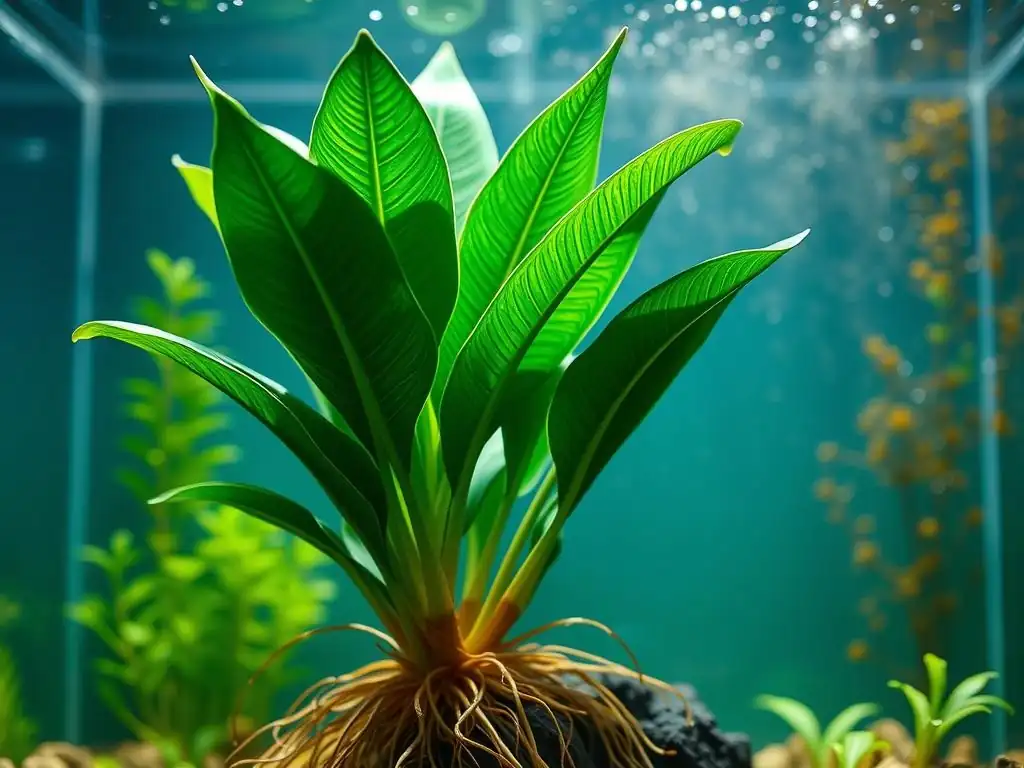
- Root Feeders: Plants like Amazon Swords ( Echinodorus spp.) and Cryptocorynes ( Cryptocoryne spp.) primarily absorb nutrients through their root systems. For these plants, nutrient-rich substrates or regular replenishment with root tabs placed directly under their root zones are more effective than relying solely on water column dosing, helping to prevent nutrient accumulation in the water.
Preventing Future Overfertilization Problems
Regular Water Testing and Monitoring
To effectively prevent future overfertilizing freshwater aquarium problems, consistent and regular water testing and monitoring are indispensable. This proactive approach allows you to detect subtle shifts in nutrient levels before they escalate into major algae outbreaks or harm your fish and plants. Think of it as a routine health check for your aquarium.
By consistently tracking key parameters, you gain valuable insights into your tank's nutrient consumption rates and can make informed adjustments to your fertilization schedule. This data-driven approach is far more effective than reacting to visible problems, which often means the issue is already well-established.
Observing Your Aquarium Ecosystem Closely
Beyond numerical water test results, keen observation of your entire aquarium ecosystem is a powerful tool for preventing future overfertilization problems. Your tank constantly provides visual and behavioral cues that indicate its health and nutrient balance. Developing an eye for these subtle signs can help you catch issues early, often before they become apparent on a test kit or as a full-blown algae bloom.
Pay attention to plant growth patterns, the presence of even small amounts of algae, and the overall demeanor of your fish. For instance, a slight greenish tint to the water or a few strands of hair algae appearing on a piece of driftwood can be early warnings that nutrient levels are creeping up, even if your test kit shows acceptable numbers. Regularly spending time simply observing your tank will make you more attuned to these crucial indicators, allowing for timely intervention and preventing overfertilizing freshwater aquarium problems from taking hold.
Implementing a Consistent Maintenance Routine
A consistent and comprehensive maintenance routine is fundamental to preventing future overfertilizing freshwater aquarium problems. While targeted fertilizer adjustments are crucial, regular maintenance ensures that overall water quality remains high and that accumulated organic waste, which contributes to nutrient load, is promptly removed. Neglecting routine tasks can quickly undermine even the most carefully planned fertilization strategy.
This routine should include regular partial water changes to export excess nutrients, gravel vacuuming to remove detritus and uneaten food from the substrate, and periodic filter cleaning to ensure efficient mechanical and biological filtration. For instance, performing a 25-30% partial water change weekly in a 50-gallon planted tank helps export accumulated nitrates and phosphates, preventing their buildup. This systematic approach reduces the overall nutrient burden on the system, creating a stable environment where plants thrive and algae struggle to gain a foothold.
Frequently Asked Questions
How can I tell if I'm overfertilizing my freshwater aquarium?
You might notice signs like an algae bloom, cloudy water, or a sudden increase in plant growth far exceeding what's healthy. These are key indicators of excess nutrients.
What are the main dangers of overfertilizing my freshwater aquarium?
Overfertilization leads to imbalances like elevated nitrate and phosphate levels, which can harm fish and invertebrates. The resulting algae outbreaks also deplete oxygen.
What types of algae are typically associated with overfertilization?
Common culprits include green water algae (causing cloudy water), hair algae, and black beard algae. These thrive in nutrient-rich environments created by excess fertilizer.
Can overfertilization directly kill my fish?
Indirectly, yes. The rapid algae growth consumes oxygen, leading to oxygen depletion that can suffocate fish. The resulting stress also weakens their immune systems.
What's the quickest way to fix an overfertilized aquarium?
Perform a large water change (25-50%) immediately. Reduce or halt fertilization. Consider adding algae-eating creatures like snails and shrimp to help control the problem.
The dangers of overfertilization, as we've explored, are not merely theoretical; they represent a tangible threat to the delicate ecosystems we create within our aquariums. The rapid algae blooms, the stressed fish, and the potential for complete system collapse are stark reminders of the importance of mindful aquarium management, a principle that resonates far beyond the glass walls of our tanks and into our broader relationship with the natural world.
This journey into understanding the nuances of aquarium fertilization has highlighted the interconnectedness of all living things within a closed environment. It's a microcosm of the larger world, where imbalances can have cascading effects. The best fertilizer is the gardener's shadow,
a saying that reminds us that observation and thoughtful intervention are often more effective than simply adding more. This principle applies not only to gardening but also to the art of maintaining a healthy and thriving aquarium.
As you consider the lessons learned about overfertilizing and its consequences, I encourage you to reflect on the broader implications of balance and moderation in your own life. Just as a carefully managed aquarium flourishes, so too can your own endeavors when approached with awareness and a commitment to sustainable practices. Take the time to observe, to understand, and to act with intention, and you'll find that the principles of a healthy aquarium can illuminate the path to a more balanced and fulfilling life.
Revitalize Your Reef: Take Control of Your Aquarium's Health!
Thanks for diving deep into the world of aquarium fertilization! We hope you've gained valuable insights into recognizing and rectifying over-fertilization in your aquatic ecosystem. Now, it's time to put that knowledge into action and ensure a thriving environment for your underwater friends.
Here are a few steps you can take right now:
- Immediately test your aquarium water parameters to get a baseline reading of nutrient levels. This crucial step will guide your corrective actions and allow you to monitor progress.
- Share this article with fellow aquarium enthusiasts to spread awareness about the dangers of over-fertilization. Help them avoid common pitfalls and create healthier aquatic environments.
- Consider starting a detailed log of your fertilization schedule and water parameters. Uncommonly, include photographic evidence. This will help you identify patterns and prevent future imbalances.
What's the first step you'll take to restore balance to your aquarium, and what challenges do you anticipate along the way? Share your plans and concerns in the comments below!