
Lighting & Flow for Luscious Caulerpa: A Comprehensive Care Guide by Aquarium Mastery

Welcome to Aquarium Mastery!
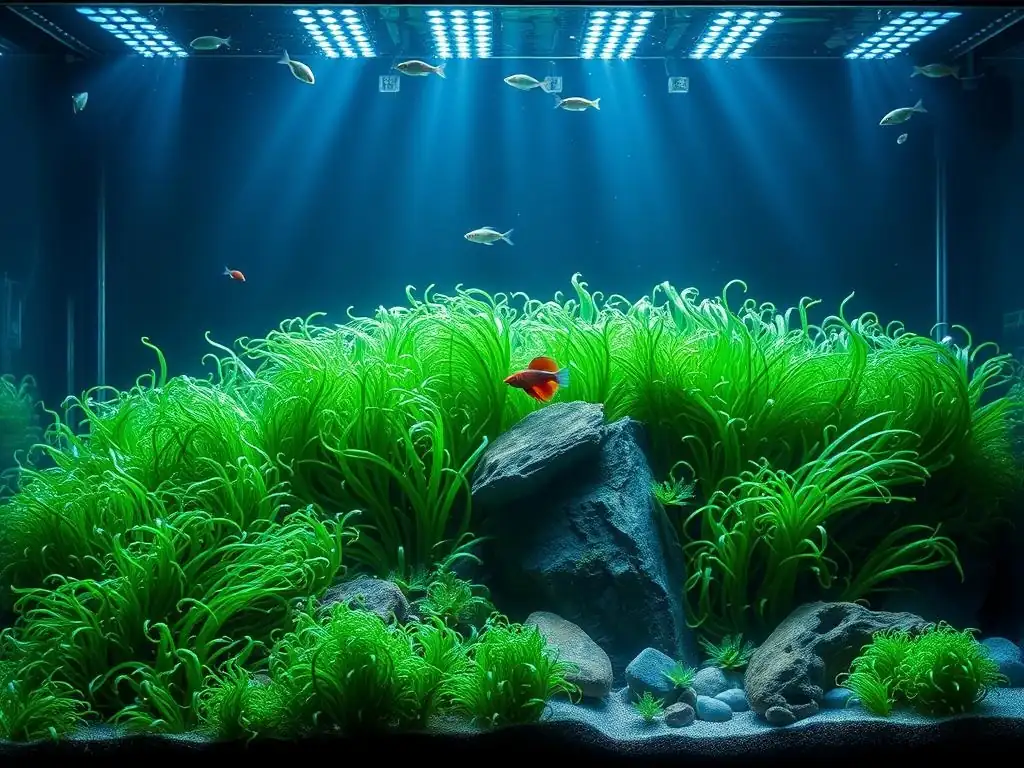
Ever wondered how to unlock the secrets to vibrant, thriving Caulerpa in your aquarium? Dive in! This guide is your key to understanding the nuances of Caulerpa lighting flow care, ensuring your macroalgae flourishes. Discover the ideal conditions and avoid common pitfalls – your journey to aquarium mastery starts here!
- Lighting & Flow for Macroalgae: A Comprehensive Care Guide
- Introduction to Macroalgae in Saltwater Aquariums
-
Optimizing Lighting for Healthy Macroalgae Growth
- The Importance of PAR (Photosynthetically Active Radiation) for Macroalgae
- Ideal Lighting Spectrum for Macroalgae: Replicating Natural Sunlight
- Recommended Light Types for Macroalgae: LEDs, Metal Halides, and T5s
- Lighting Schedule for Macroalgae: Balancing Growth and Algae Control
- Troubleshooting Common Lighting Problems with Macroalgae
-
Mastering Water Flow for Thriving Macroalgae
- Why Water Flow is Essential for Nutrient Uptake and Waste Removal
- Ideal Water Flow Rate for Macroalgae Species
- Achieving Proper Water Circulation in Your Macroalgae Refugium
- Using Powerheads and Wave Makers to Enhance Macroalgae Health
- The Impact of Water Flow on Macroalgae Morphology and Growth Patterns
- Nutrient Management and Water Parameters for Optimal Macroalgae Growth
- Strategies for Controlling Macroalgae Growth
- Selecting the Right Macroalgae Species for Your Aquarium
- Troubleshooting Common Macroalgae Problems
- Integrating Macroalgae into Your Saltwater Aquarium Ecosystem
- Conclusion: Achieving Thriving Macroalgae with Proper Lighting and Flow
- Frequently Asked Questions
- Final Reflection: Illuminating the Path to Caulerpa Cultivation
- Ignite Your Caulerpa's Growth!
Lighting & Flow for Macroalgae: A Comprehensive Care Guide
Introduction to Macroalgae in Saltwater Aquariums
Understanding the Appeal and Benefits of Macroalgae
Macroalgae, often referred to as "seaweed," play a vital role in the delicate ecosystem of a saltwater aquarium, offering both aesthetic appeal and significant practical benefits. Beyond their vibrant colors and diverse forms, species like Caulerpa are highly effective in nutrient export, consuming nitrates and phosphates that would otherwise fuel undesirable nuisance algae. This natural filtration process helps maintain pristine water quality, leading to a healthier and more stable environment for fish and corals.
Furthermore, macroalgae provide essential habitat and foraging grounds for various invertebrates and small fish, increasing biodiversity within the aquarium. For instance, a dense patch of Caulerpa prolifera can offer refuge for copepods and amphipods, which are crucial live food sources for many reef inhabitants. Their presence can also reduce the need for frequent water changes by actively absorbing excess nutrients, making them an invaluable asset for any serious aquarist aiming for a balanced and self-sustaining reef system.
Why Macroalgae Lighting and Flow are Crucial for Success
The success of cultivating thriving macroalgae, particularly species like Caulerpa, hinges critically on optimizing two primary environmental factors: lighting and water flow. These elements directly influence the photosynthetic processes and nutrient uptake mechanisms that drive macroalgae growth and overall health. Insufficient or inappropriate lighting can lead to stunted growth, discoloration, or even the dreaded "melting" of macroalgae, while improper water flow can impede nutrient delivery and waste removal, causing stagnation and decline.
Achieving the right balance in Caulerpa lighting flow care is not merely about providing light and movement; it's about replicating the specific conditions these organisms experience in their natural marine habitats. For example, Caulerpa species often thrive in areas with moderate light and consistent, yet not turbulent, water movement. Understanding and meticulously controlling these parameters is fundamental to ensuring your macroalgae not only survive but flourish, becoming a robust part of your aquarium's biological filtration system.
Optimizing Lighting for Healthy Macroalgae Growth
The Importance of PAR (Photosynthetically Active Radiation) for Macroalgae
Photosynthetically Active Radiation (PAR) measures the amount of light available for photosynthesis, expressed in micromoles per square meter per second (µmol/m²/s). For macroalgae, particularly those grown in a refugium, the correct PAR level is paramount for robust growth. While some macroalgae are adaptable, many Caulerpa species, such as Caulerpa taxifolia or Caulerpa racemosa, generally thrive in moderate PAR ranges, typically between 50 and 150 µmol/m²/s. Providing too little PAR will result in slow growth, pale coloration, and a reduced capacity for nutrient export, effectively negating their primary benefit.
Conversely, excessive PAR can stress macroalgae, leading to bleaching, stunted growth, or even the encouragement of nuisance algae on their fronds. It's crucial to measure PAR at the depth where your macroalgae will be cultivated, as light intensity diminishes significantly with water depth. Aquarists often use a PAR meter to precisely dial in their lighting, ensuring that the Caulerpa lighting flow care regimen provides the optimal energy needed for efficient photosynthesis without causing detrimental effects.
Ideal Lighting Spectrum for Macroalgae: Replicating Natural Sunlight
The spectral quality of light, referring to the color wavelengths emitted, is as important as its intensity for macroalgae growth. Macroalgae, like terrestrial plants, primarily utilize blue and red wavelengths for photosynthesis. Blue light (around 400-500 nm) penetrates deeper into water and is crucial for chlorophyll production, while red light (around 600-700 nm) is highly efficient for driving photosynthetic processes. A balanced spectrum that mimics natural sunlight is generally ideal.
Many aquarists find success with full-spectrum lights that offer a color temperature between 6500K and 10000K. Lights with a higher blue component, often seen in reef tank lighting, can also be beneficial for macroalgae in a refugium, especially if they also provide adequate red wavelengths. Some specialized refugium lights are designed to emphasize these specific spectra to maximize macroalgae growth and nutrient uptake, contributing significantly to effective Caulerpa lighting flow care.
Recommended Light Types for Macroalgae: LEDs, Metal Halides, and T5s
Several types of lighting can be effectively used for cultivating macroalgae, each with its own advantages and considerations. LEDs (Light Emitting Diodes) are increasingly popular due to their energy efficiency, long lifespan, and customizable spectrums. Many dedicated refugium LED lights are available, offering specific wavelengths optimized for macroalgae growth, and they run cooler than traditional bulbs, reducing heat transfer to the water.
T5 fluorescent lamps are another excellent choice, providing broad coverage and good spectrums. A combination of 6500K daylight bulbs and actinic blue bulbs can create an effective spectrum for macroalgae. While less common for dedicated refugiums now due to heat and energy consumption, Metal Halide lamps, particularly those with a 6500K or 10000K rating, can also provide intense, full-spectrum light suitable for very robust macroalgae growth, though they are often overkill for typical Caulerpa lighting flow care setups in a sump.
Lighting Schedule for Macroalgae: Balancing Growth and Algae Control
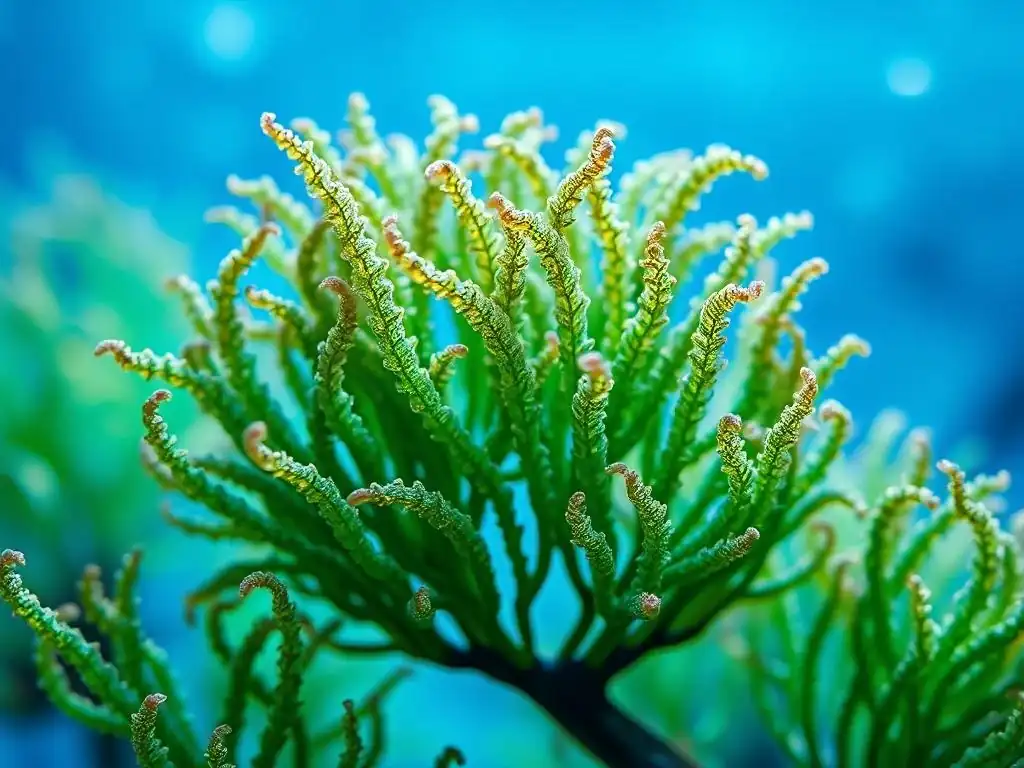
Establishing the correct lighting schedule is a crucial aspect of Caulerpa lighting flow care. For refugiums, a reverse photoperiod is widely recommended. This means that the macroalgae lights are on when the main display tank lights are off (e.g., 8 to 12 hours during the night). This strategy helps stabilize pH levels in the aquarium by allowing macroalgae to consume carbon dioxide during the night when the main tank's photosynthetic organisms (corals, display algae) are not, thus preventing a significant pH drop.
A consistent lighting schedule, typically 8 to 12 hours per day, provides sufficient time for photosynthesis without promoting the growth of nuisance algae in the display tank. Longer durations can sometimes lead to macroalgae "going sexual" (releasing gametes) for certain species like Caulerpa taxifolia, which can be detrimental to water quality. Monitoring your macroalgae's growth rate and overall health will help you fine-tune the ideal duration for your specific setup.
Troubleshooting Common Lighting Problems with Macroalgae
Macroalgae Turning White or Transparent: Insufficient Light
If your macroalgae, particularly Caulerpa species, begin to turn white, transparent, or develop a pale, washed-out appearance, it's a strong indicator of insufficient lighting. This symptom suggests that the algae are not receiving enough Photosynthetically Active Radiation (PAR) to support their metabolic processes and maintain their vibrant pigmentation. The chlorophyll within the algae, responsible for its green color and photosynthetic capabilities, starts to degrade without adequate light, leading to a visible loss of color.
To address this, first verify your light's intensity and spectrum. If using an older bulb, consider replacing it, as light output degrades over time. For LED fixtures, ensure they are set to an appropriate intensity for macroalgae, potentially increasing the blue and red channels. Adjusting the light fixture closer to the water's surface or upgrading to a more powerful light source can provide the necessary boost in PAR. Regularly checking PAR levels with a meter can help prevent this issue and ensure proper Caulerpa lighting flow care.
Excessive Algae Growth on Macroalgae: Too Much Light
Conversely, if you observe a proliferation of unwanted nuisance algae, such as diatoms, hair algae, or cyanobacteria, growing directly on your macroalgae, it often signals that your lighting is too intense or the photoperiod is too long. While macroalgae thrive on light, an overabundance of light combined with available nutrients can create ideal conditions for faster-growing nuisance algae to outcompete and smother your desirable macroalgae. This can manifest as a green or brown film covering the fronds of your Caulerpa.
To mitigate this, consider reducing the intensity of your refugium light, either by dimming it if possible or by raising the fixture further from the water. Shortening the daily photoperiod by an hour or two can also be effective. For example, if you're running lights for 14 hours, try reducing it to 10-12 hours.
It's also wise to check for elevated nutrient levels (nitrates and phosphates) in the water, as high nutrients combined with excessive light create a perfect storm for nuisance algae. Adjusting your Caulerpa lighting flow care to a more balanced approach will help restore the health of your macroalgae.
Mastering Water Flow for Thriving Macroalgae
Why Water Flow is Essential for Nutrient Uptake and Waste Removal
Water flow is an often-underestimated but critically important factor in the successful cultivation of macroalgae, particularly for species like Caulerpa. While lighting provides the energy, water flow acts as the delivery system for essential nutrients and the removal mechanism for metabolic waste products. Macroalgae absorb dissolved nutrients like nitrates, phosphates, and trace elements directly from the surrounding water. Without adequate flow, a "boundary layer" of nutrient-depleted water can form around the algae fronds, hindering efficient absorption and stunting growth.
Moreover, proper water movement ensures that any detritus or shed cells are swept away, preventing their accumulation and subsequent decomposition, which could otherwise degrade water quality. For instance, in a refugium, a consistent, gentle flow prevents stagnant zones where anaerobic pockets might form, which can be detrimental to the overall health of the system. Thus, effective Caulerpa lighting flow care encompasses not only the illumination but also the dynamic movement of water around the algae.
Ideal Water Flow Rate for Macroalgae Species
The ideal water flow rate for macroalgae species varies, but generally, a gentle to moderate, consistent flow is preferred. Unlike corals that may require turbulent, random flow, most macroalgae, including various Caulerpa species (e.g., Caulerpa racemosa or Caulerpa prolifera), thrive in laminar or semi-laminar flow that prevents stagnation without physically damaging their delicate structures. A common recommendation for a refugium is to have a flow rate that turns over the refugium's volume 5 to 10 times per hour.
For example, a 20-gallon refugium might benefit from a 100-200 GPH flow rate. Excessive flow can tear or damage macroalgae fronds, dislodge them from their substrate, or even cause them to "ball up" and perish. Conversely, insufficient flow leads to the aforementioned nutrient depletion and waste buildup. Observing how your Caulerpa sways gently in the current without being violently tossed is a good visual indicator of appropriate flow.
Achieving Proper Water Circulation in Your Macroalgae Refugium
Achieving proper water circulation within a macroalgae refugium involves strategic placement of the inlet and outlet, as well as considering the overall design of the sump or dedicated refugium chamber. The goal is to ensure that water moves through the entire macroalgae bed, preventing any dead spots. If your refugium is part of a larger sump, the design often dictates the flow path; water typically enters from one end and exits from the other, passing over or through the macroalgae.
For standalone refugiums or sumps with multiple chambers, you might need to adjust baffles or the position of the return pump output to direct flow efficiently. Some aquarists use a small, dedicated submersible pump or powerhead within the refugium itself, separate from the main system return pump, to create specific flow patterns beneficial for Caulerpa lighting flow care. This allows for independent control over the flow within the macroalgae section.
Using Powerheads and Wave Makers to Enhance Macroalgae Health
While wave makers are typically associated with display tanks for coral health, small powerheads can be strategically employed in larger refugiums or macroalgae cultivation tanks to enhance water flow and overall macroalgae health. A small, low-flow powerhead (e.g., 100-200 GPH) placed at one end of the macroalgae chamber can create a gentle, consistent current that sweeps across the entire bed. This helps in delivering nutrients to all parts of the macroalgae colony and prevents detritus from settling.
When selecting a powerhead for a refugium, opt for models with a wide, diffused flow rather than a concentrated jet, which could damage the macroalgae. Ensure the powerhead is positioned so it doesn't blast directly onto the algae but rather creates a general circulation pattern. Regular cleaning of the powerhead is also important to maintain consistent flow and prevent buildup of biofilm or detritus. This attention to detail in your Caulerpa lighting flow care will yield healthier, more robust growth.
The Impact of Water Flow on Macroalgae Morphology and Growth Patterns
Water flow significantly influences the morphology and growth patterns of macroalgae. In conditions with very low or stagnant flow, macroalgae like Caulerpa may grow in a more compact, stunted, or bushy form, as they struggle to access nutrients from the surrounding water. The lack of flow also encourages the accumulation of detritus within the algae, leading to potential degradation.
Conversely, in areas with appropriate, consistent flow, macroalgae tend to develop more elongated, branching, and open structures. This allows for maximum surface area exposure to the water column, optimizing nutrient uptake and light absorption. For example, Caulerpa prolifera might grow longer, more distinct blades in good flow, while in stagnant conditions, its blades might be shorter and clumpier. Understanding this relationship is key to providing optimal Caulerpa lighting flow care and encouraging the desired growth form for efficient nutrient export.
Nutrient Management and Water Parameters for Optimal Macroalgae Growth
The Role of Nitrate and Phosphate in Macroalgae Health
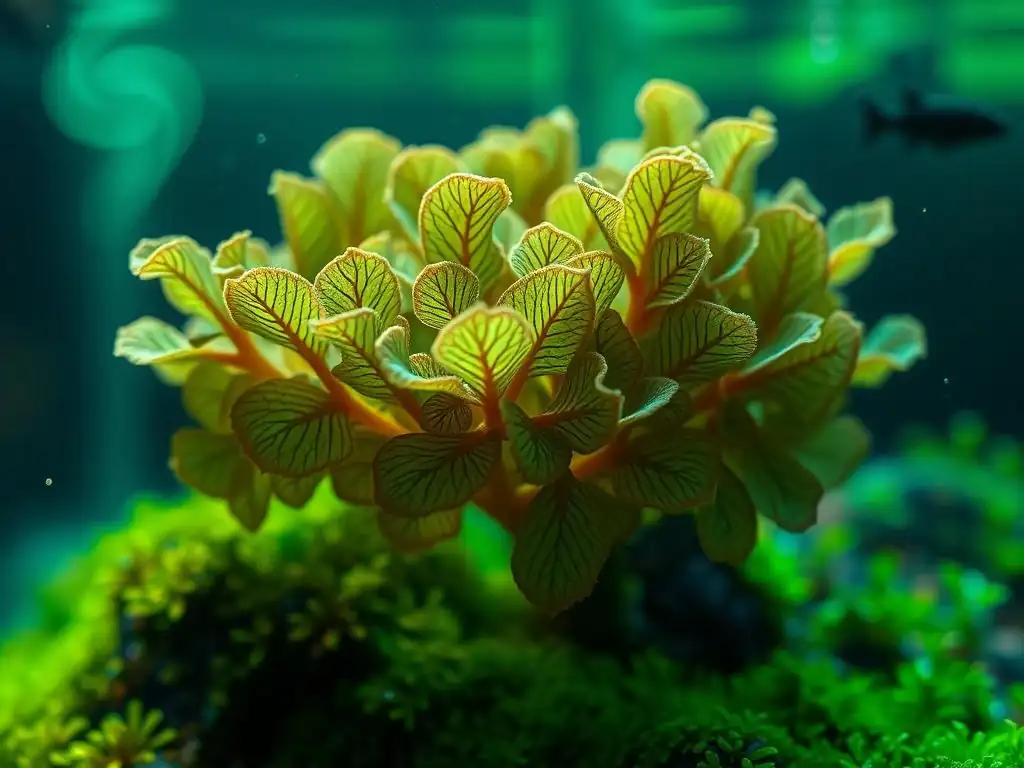
Nitrate and phosphate are the primary macronutrients that fuel macroalgae growth, acting as essential building blocks for their cellular structure and photosynthetic processes. While often viewed as undesirable in display tanks due to their role in nuisance algae blooms, a certain level of these nutrients is crucial for healthy macroalgae. For robust growth of species like Caulerpa, maintaining detectable but not excessively high levels of nitrates, typically in the range of 5 to 20 ppm, and phosphates, around 0.03 to 0.1 ppm, is generally recommended.
Macroalgae thrive by consuming these nutrients, effectively exporting them from the water column as they grow. If nitrate and phosphate levels fall too low, macroalgae can become stunted, pale, or even "melt" due to nutrient starvation. Conversely, excessively high levels, while promoting rapid growth, can also lead to issues like nutrient imbalances or even the encouragement of undesirable algae in the refugium itself. Regular testing of these parameters is vital for effective Caulerpa lighting flow care and overall system health.
Maintaining Proper Salinity and pH Levels for Macroalgae
Just like other marine organisms, macroalgae require stable salinity and pH levels to thrive. Salinity, the measure of dissolved salts in the water, should be maintained within the standard range for saltwater aquariums, typically between 1.023 and 1.026 specific gravity, or 32 to 35 parts per thousand (ppt). Fluctuations outside this range can stress macroalgae, hindering their growth and nutrient uptake capabilities. Regular top-offs with RODI water are crucial to counteract evaporation and maintain stable salinity.
pH levels, which indicate the acidity or alkalinity of the water, are also critical. Macroalgae perform optimally in a pH range of 8.0 to 8.4, similar to natural seawater. A stable pH is particularly important because macroalgae consume carbon dioxide during photosynthesis, which can cause pH to rise during their lit period. Using a reverse photoperiod for your Caulerpa lighting flow care helps to stabilize the overall aquarium pH by buffering drops that occur in the main display tank during its dark cycle.
Regular Water Changes and their Importance for Macroalgae
While macroalgae are excellent at nutrient export, regular water changes remain an indispensable part of maintaining overall water quality and ensuring the long-term health of your macroalgae. Water changes replenish essential trace elements that macroalgae consume as they grow, such as iodine, iron, potassium, and magnesium, which might not be adequately replaced by dosing alone. These elements are vital for various metabolic processes and vibrant coloration.
A routine of 10-20% weekly or bi-weekly water changes helps to dilute any accumulated inhibitors or pollutants that macroalgae might not fully process. It also ensures that the water parameters remain stable and within optimal ranges, preventing the buildup of dissolved organic compounds (DOCs) that can negatively impact both the macroalgae and the main display tank. Consistent water changes are a fundamental component of comprehensive Caulerpa lighting flow care.
Supplementing with Trace Elements for Enhanced Macroalgae Color and Growth
Even with regular water changes, rapidly growing macroalgae, especially dense beds of Caulerpa, can quickly deplete specific trace elements from the water column. Iron, in particular, is a critical micronutrient for chlorophyll synthesis and overall photosynthetic efficiency in macroalgae. If iron levels become too low, macroalgae may appear pale or yellowish, and their growth will slow significantly.
Many aquarists choose to supplement with a dedicated macroalgae trace element solution, often containing iron, manganese, zinc, and other vital components. Dosing should be done cautiously and according to product instructions, ideally after testing for specific deficiencies. For example, liquid iron supplements are readily available and can be dosed directly into the refugium. Proper supplementation ensures that your macroalgae have all the necessary building blocks to grow robustly, exhibit vibrant coloration, and maximize their nutrient export capabilities, completing the cycle of effective Caulerpa lighting flow care.
Strategies for Controlling Macroalgae Growth
Understanding the Risks of Macroalgae Proliferation
While macroalgae are beneficial nutrient exporters, their rapid growth, especially for species like Caulerpa taxifolia or Caulerpa racemosa, can sometimes lead to unintended consequences if left unchecked. Uncontrolled proliferation can result in the macroalgae outcompeting and smothering desirable corals or other sessile invertebrates in the main display tank if it manages to escape the refugium. Even within the refugium, an overly dense macroalgae bed can impede water flow, create stagnant zones, and potentially lead to nutrient release if portions die off and decompose.
Furthermore, some Caulerpa species have the potential to "go sexual," meaning they release gametes into the water column. This event can cause a milky cloudiness in the water, a sudden drop in water quality due to the release of dissolved organic compounds, and a rapid die-off of the parent algae, leading to a significant nutrient spike. Understanding these risks is crucial for proactive management and ensuring the benefits of your macroalgae outweigh any potential drawbacks.
Methods for Controlling Macroalgae Growth: Pruning and Harvesting
The most effective and common method for controlling macroalgae growth and ensuring continuous nutrient export is regular pruning and harvesting. As macroalgae grow, they absorb nitrates and phosphates; removing a portion of the biomass physically removes these trapped nutrients from the system. For Caulerpa species, this typically involves using scissors to trim back excessive growth.
A good practice is to harvest approximately 25-50% of the macroalgae biomass every 1-2 weeks, or as needed based on growth rate and nutrient levels. When pruning, try to remove the oldest or densest sections, allowing younger, more efficient growth to take its place. Always discard the harvested algae; never return it to the aquarium or dispose of it in a way that could introduce it to natural waterways, especially for invasive species like Caulerpa taxifolia. This consistent maintenance is a cornerstone of effective Caulerpa lighting flow care.
Natural Predators and Herbivores that Help Manage Macroalgae
While manual pruning is the primary method of control for macroalgae in a refugium, some natural predators and herbivores can assist in managing growth if integrated carefully into the display tank (not typically the refugium itself). Herbivorous fish like certain species of Tangs (e.g., Yellow Tangs, Sailfin Tangs) or Rabbitfish are voracious algae eaters and can help keep stray macroalgae in check if they make their way into the main display. However, their dietary preferences vary, and some may not consume all types of macroalgae.
Invertebrates such as Sea Hares ( Aplysia spp.) or various types of marine snails (e.g., Turbo snails, Trochus snails) can also graze on macroalgae. However, it's important to note that many Caulerpa species contain noxious chemicals or are unpalatable to most herbivores, making them less susceptible to predation. Therefore, while these animals can be a supplementary measure for general algae control, they are rarely a substitute for diligent manual harvesting when it comes to managing the growth of specific macroalgae like Caulerpa.
Selecting the Right Macroalgae Species for Your Aquarium
Different Types of Macroalgae and Their Specific Needs
The world of marine macroalgae is diverse, with various species offering different growth habits, aesthetic qualities, and nutrient uptake efficiencies. Some of the most popular types for reef aquariums include:
- Caulerpa spp.: A very common genus, with species like Caulerpa prolifera (blade-like), Caulerpa racemosa (grape-like), and Caulerpa taxifolia (fern-like). Caulerpa is known for its rapid growth and excellent nutrient export, but some species can be invasive or "go sexual."
- Chaetomorpha spp. (Chaeto): Often referred to simply as "Chaeto," this is a popular filamentous macroalgae that grows in a tumbleweed-like fashion. It's highly efficient at nutrient export, very hardy, and does not "go sexual," making it a favorite for refugiums.
- Gracilaria spp.: This genus includes various red macroalgae, such as Gracilaria parvispora (Red Ogo). They offer beautiful coloration and are good nutrient exporters, often used as a food source for herbivorous fish.
- Ulva spp. (Sea Lettuce): A green, sheet-like macroalgae that grows rapidly and is an excellent nutrient absorber.
Each of these types has slightly different requirements concerning Caulerpa lighting flow care and nutrient levels, making species selection crucial for success.
Choosing Macroalgae Species Based on Lighting and Flow Conditions
When selecting macroalgae for your aquarium, it's essential to match the species to the specific lighting and water flow conditions you can provide. For instance, if your refugium has moderate to high PAR lighting (e.g., 80-150 µmol/m²/s) and consistent, gentle to moderate flow, then most Caulerpa species, like Caulerpa prolifera or Caulerpa racemosa, would be excellent choices. These species appreciate stable conditions and will grow robustly under such parameters, maximizing their nutrient export capabilities.
If your setup provides lower PAR ( 50-80 µmol/m²/s) or has a more turbulent flow, Chaetomorpha might be a more forgiving option, as it is highly adaptable to a wider range of conditions and less prone to "melting" from stress. Red macroalgae like Gracilaria often prefer slightly lower flow and moderate light, making them suitable for areas of a sump that might receive less direct current. Researching the specific Caulerpa lighting flow care needs of your chosen species ensures optimal growth and long-term success.
Troubleshooting Common Macroalgae Problems
Macroalgae Melting or Disintegrating: Identifying the Cause
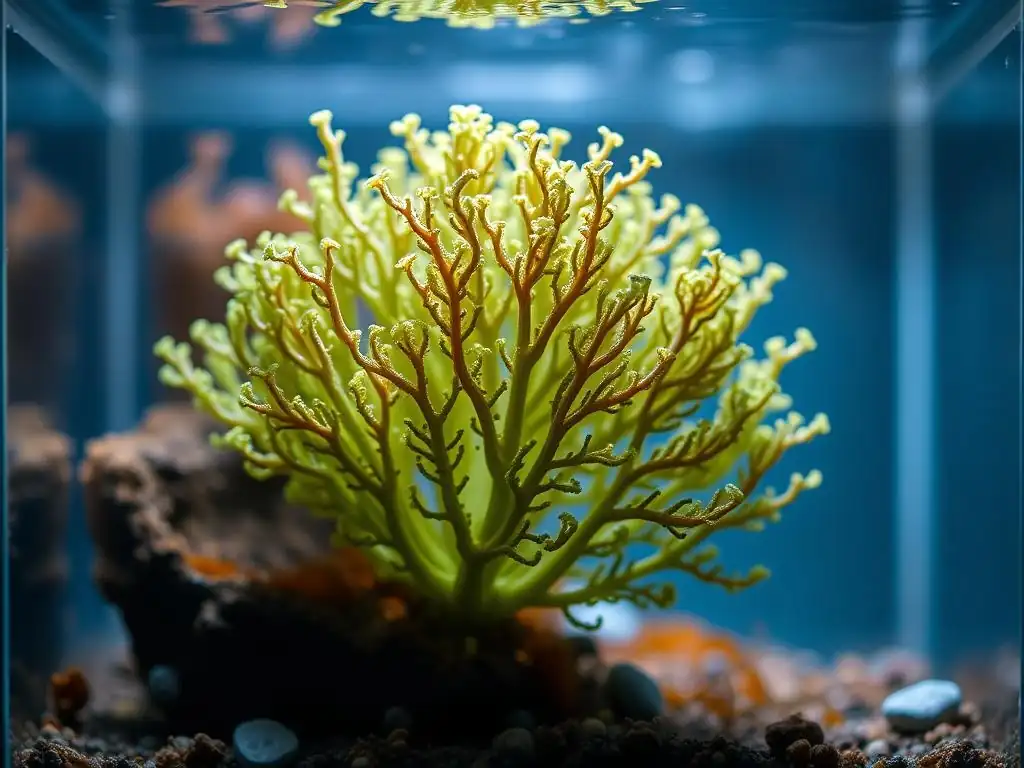
One of the most alarming problems aquarists encounter with macroalgae, particularly Caulerpa species, is "melting" or rapid disintegration. This manifests as the algae turning to mush, releasing its contents into the water, and often causing a noticeable foul odor. The primary cause is typically severe stress, often linked to sudden, drastic changes in water parameters or prolonged unfavorable conditions.
Common triggers include:
- Sudden nutrient depletion: If nitrates or phosphates drop to undetectable levels rapidly, Caulerpa can starve.
- Temperature shock: Large, sudden temperature swings.
- Salinity shock: Rapid changes in specific gravity.
- Going sexual: As mentioned, some Caulerpa species can release gametes, leading to die-off.
- Insufficient or incorrect lighting: Prolonged exposure to very low PAR or an unsuitable spectrum can lead to decline.
- Lack of trace elements: Depletion of vital micronutrients like iron.
To mitigate melting, ensure stable water parameters, consistent nutrient levels, and appropriate Caulerpa lighting flow care. If melting occurs, remove as much of the disintegrating algae as possible and perform a water change to dilute released toxins.
Macroalgae Turning Brown or Black: Potential Issues and Solutions
When macroalgae, including Caulerpa, turn brown or black, it's usually an indication of stress, decay, or the presence of unwanted algae growing on its surface.
- Browning/Darkening due to Decay: This often suggests parts of the algae are dying. Causes can include poor water flow leading to detritus accumulation, nutrient deficiency (especially iron), or physical damage. Ensure good circulation and check nutrient levels.
- Blackening from Cyanobacteria: Black patches or a slimy black coating on macroalgae can be a sign of cyanobacteria (red slime algae) overgrowth. This indicates high organic pollutants, low flow, or nutrient imbalances (e.g., very low nitrates with high phosphates). Increase flow, reduce feeding, and consider adding a beneficial bacteria supplement.
- Browning from Excessive Light: While less common than bleaching, sometimes too much light can cause browning or a burnt appearance, particularly if the algae is not accustomed to high PAR. Adjusting light intensity or raising the fixture can help.
Addressing browning or blackening requires a thorough check of all aquarium parameters, especially focusing on your Caulerpa lighting flow care and nutrient stability to identify the root cause.
Dealing with Unwanted Algae Growing on Macroalgae
It's not uncommon to find nuisance algae, such as diatoms (brown film), hair algae (green strands), or even dinoflagellates, growing directly on your desirable macroalgae. This indicates that conditions are favorable for these opportunistic algae to outcompete or colonize the macroalgae.
Common causes include:
- Excessive light intensity or duration: Too much light can benefit fast-growing nuisance algae more than your macroalgae.
- High nutrient levels: Elevated nitrates and phosphates provide ample fuel for nuisance algae.
- Insufficient water flow: Stagnant areas within the macroalgae bed can allow nuisance algae to settle and proliferate.
- Lack of competition: If the macroalgae itself is not growing robustly, it's less able to outcompete nuisance species.
To combat unwanted algae, first optimize your Caulerpa lighting flow care by reducing light intensity or duration if too high, and ensuring adequate, gentle flow throughout the macroalgae bed. Second, re-evaluate your nutrient export strategy; consider more frequent water changes, reducing feeding, or increasing the biomass of your macroalgae to consume more nutrients. Manual removal of the nuisance algae from the macroalgae can also help in the short term.
Integrating Macroalgae into Your Saltwater Aquarium Ecosystem
Macroalgae as a Natural Nutrient Exporter
The primary function of macroalgae in a saltwater aquarium ecosystem is its role as a natural nutrient exporter. Through the process of photosynthesis, macroalgae actively absorb dissolved nitrates, phosphates, and other undesirable compounds from the water column. As the macroalgae grow, these nutrients become locked within their biomass. When you harvest a portion of the macroalgae, you are physically removing these absorbed nutrients from your system, effectively purifying the water.
This biological filtration method is highly effective and completely natural, reducing the reliance on chemical filtration media and minimizing the frequency of large water changes. For instance, a well-established bed of Caulerpa prolifera in a refugium can significantly lower nitrate levels from 20 ppm to undetectable levels over time, contributing to a healthier, more stable environment for sensitive corals and fish. This continuous nutrient export is a cornerstone of maintaining pristine water quality in a reef tank.
Using Macroalgae in a Refugium or Sump
The most common and effective way to integrate macroalgae into a saltwater aquarium is by cultivating them in a dedicated refugium or a section of the sump. A refugium is a separate, often dimly lit (relative to the display tank), chamber that provides a safe haven for beneficial organisms to thrive without predation from the main display tank. This setup allows macroalgae to grow without being consumed by herbivorous fish.
Within the refugium, macroalgae like Caulerpa or Chaetomorpha are typically placed in a section with moderate water flow and dedicated lighting (often on a reverse photoperiod). This arrangement ensures that the macroalgae can efficiently absorb nutrients as water passes through, acting as a biological filter before the water returns to the main display. The refugium also serves as a breeding ground for beneficial copepods and amphipods, which then migrate to the main tank, providing a natural food source for fish and corals, further enhancing the ecosystem.
Macroalgae as a Food Source for Fish and Invertebrates
Beyond their primary role in nutrient export, certain species of macroalgae can also serve as a valuable and natural food source for various herbivorous fish and invertebrates within the saltwater aquarium. Many species of Tangs, Rabbitfish, and some Angelfish naturally graze on algae in the wild, and providing them with fresh macroalgae can supplement their diet and promote natural behaviors.
For example, species like Gracilaria parvispora (Red Ogo) or Ulva lactuca (Sea Lettuce) are highly palatable to many herbivorous fish. Aquarists often rotate these types of macroalgae through their refugium or offer small portions directly to their display tank inhabitants. While Caulerpa species are generally less palatable due to their chemical defenses, some herbivorous snails or sea hares might graze on them. Providing a diverse diet, including fresh macroalgae, contributes to the overall health, vibrancy, and longevity of your aquarium inhabitants.
Conclusion: Achieving Thriving Macroalgae with Proper Lighting and Flow
Key Takeaways for Successful Macroalgae Care
Cultivating thriving macroalgae in your saltwater aquarium is a highly rewarding endeavor that significantly enhances water quality and ecosystem stability. The cornerstone of this success lies in mastering the intricate balance of Caulerpa lighting flow care and comprehensive nutrient management. Remember that macroalgae, particularly sensitive species like Caulerpa, require consistent and appropriate PAR levels, often within the 50-150 µmol/m²/s range, delivered by a full-spectrum light on a reverse photoperiod of 8-12 hours.
Equally critical is providing gentle to moderate water flow, ensuring that nutrients are constantly delivered to the algae and waste products are swept away, preventing stagnant zones. Maintaining stable water parameters, including salinity ( 1.023-1.026), pH ( 8.0-8.4), and detectable levels of nitrates ( 5-20 ppm) and phosphates ( 0.03-0.1 ppm), is also vital. Regular pruning and harvesting are essential for sustained nutrient export and preventing overgrowth or "sexual" events. By diligently applying these principles of Caulerpa lighting flow care, aquarists can transform their refugiums into highly efficient biological filters and vibrant mini-ecosystems.
Further Resources and Information on Macroalgae
For aquarists keen to deepen their understanding and refine their Caulerpa lighting flow care techniques, a wealth of information is available. Aquarium Mastery continually updates its comprehensive guides on various macroalgae species, offering detailed profiles and troubleshooting tips. Exploring community forums and scientific articles on marine botany can provide insights into the specific needs of less common macroalgae or advanced cultivation methods.
Additionally, consulting with experienced aquarists or local fish store experts can offer practical advice tailored to your specific setup. Continuous learning and observation are key to mastering macroalgae cultivation, allowing you to adapt your care regimen as your system evolves. By leveraging these resources, you can ensure your macroalgae flourish, contributing immensely to the health and beauty of your saltwater aquarium.
Frequently Asked Questions
How much light does Caulerpa need to thrive in a saltwater aquarium?
Caulerpa requires moderate to high lighting for optimal growth. Insufficient light can lead to die-off and nutrient imbalances. Using a PAR meter can help dial in the correct light levels.
What type of water flow is best for Caulerpa?
Caulerpa benefits from moderate water flow. This helps deliver nutrients and carbon dioxide to the algae while preventing detritus buildup. Too little flow can lead to stagnation.
Can I use Caulerpa as a nutrient export method in my aquarium?
Yes, Caulerpa is often used as a natural nutrient export method. It absorbs nitrates and phosphates from the water, helping to maintain water quality. Regular harvesting is essential to remove the absorbed nutrients.
What are some common problems associated with Caulerpa growth?
Common issues include sexual reproduction (going sexual), which can crash the tank, and overgrowth, which can shade corals. Maintaining proper water parameters and regular trimming can help prevent these problems.
How do I properly introduce Caulerpa to my aquarium?
Acclimate Caulerpa slowly to your tank's water parameters. Quarantine it first to prevent the introduction of unwanted pests or hitchhikers. Start with a small amount and monitor its growth closely.
Final Reflection: Illuminating the Path to Caulerpa Cultivation
The journey through the intricacies of Caulerpa lighting and flow reveals more than just the technical aspects of aquarium keeping; it highlights the delicate balance required to nurture life within a closed ecosystem. Understanding these fundamental principles allows us to not only cultivate vibrant Caulerpa but also to appreciate the interconnectedness of all living things, mirroring the complex relationships found in the ocean's depths.
This exploration into Caulerpa care has profoundly influenced the aquascaping community, fostering a deeper understanding of the plant's needs and its role in a thriving reef environment. Witnessing the transformation of a barren tank into a lush, green haven is a testament to the power of informed care and dedication. The best way to predict the future is to create it.
This sentiment resonates deeply with the aquarist's journey, as we actively shape the environment to foster growth and beauty.
Now, armed with this knowledge, I invite you to reflect on your own approach to aquarium keeping and beyond. Consider how the principles of providing optimal light and flow can be applied to other areas of your life, fostering growth and creating a harmonious environment. Embrace the challenge of nurturing life, and watch as your efforts bloom into something truly extraordinary.
Ignite Your Caulerpa's Growth!
Thank you for diving deep into the world of Caulerpa care! Now that you're armed with the knowledge to nurture these vibrant algae, it's time to put that expertise into action. Let's transform your aquarium into a thriving underwater garden!
- First and foremost:Carefully assess your current lighting setup and adjust the photoperiod to 10-14 hours daily for optimal growth.
- Share this guide with fellow reefing enthusiasts to spread the knowledge and help others cultivate lush Caulerpa in their tanks.
- Experiment with gentle water flow variations near your Caulerpa and document any differences in growth and coloration – you might discover a unique trick!
What fascinating insights have you observed regarding Caulerpa's response to different lighting conditions in your aquarium?