
Beyond the Basics: Pair Bonding & Courtship Secrets of Saltwater Breeders

Welcome to Aquarium Mastery!
Ever wondered about the intricate dance behind successful saltwater breeding? Dive in to uncover the fascinating secrets of Saltwater breeder pair bonding. This article goes beyond the basics, exploring the subtle cues, environmental factors, and even a little bit of underwater romance that can lead to thriving, bonded pairs. Ready to unlock the mysteries of courtship and spawning? Let's begin!
- Beyond the Basics: Pair Bonding & Courtship Secrets of Clownfish Breeders
- Understanding Clownfish Pair Bonding: An Advanced Guide
- Selecting Compatible Clownfish Pairs for Breeding
- Creating an Ideal Environment to Encourage Clownfish Pair Bonding
- Clownfish Courtship Rituals: Recognizing and Encouraging Natural Behaviors
- Advanced Techniques for Promoting Clownfish Breeder Pair Bonding
- Troubleshooting Common Challenges in Clownfish Pair Bonding
- The Long-Term Management of Clownfish Breeding Pairs
- Case Studies: Successful Clownfish Breeder Pair Bonding in Captivity
- Future Trends in Clownfish Pair Bonding and Breeding Techniques
-
Frequently Asked Questions
- How important is tank size when attempting to breed saltwater fish?
- What are some key indicators that a saltwater pair is successfully bonding?
- What water parameters are most important when trying to encourage saltwater fish to breed?
- What kind of diet best supports saltwater breeder pairs and their fry?
- How can I minimize aggression between a newly introduced saltwater pair?
- Final Reflection: The Enduring Dance of Partnership
- Ignite Your Reef Tank: Unlock Breeding Secrets!
Beyond the Basics: Pair Bonding & Courtship Secrets of Clownfish Breeders
Understanding Clownfish Pair Bonding: An Advanced Guide
The Importance of Pair Bonding in Clownfish Breeding
Successful clownfish breeding, particularly for those aiming for consistent larval production, hinges almost entirely on the establishment of a stable and compatible pair bond. Unlike many other aquarium species where promiscuous spawning or group breeding is common, clownfish exhibit a strong monogamous tendency within their breeding cycle.
This deep-seated bond significantly reduces stress for both individuals, leading to more frequent and viable spawns. For instance, well-established Amphiprion ocellaris or Amphiprion percula pairs in optimal conditions can spawn as frequently as every 10 to 14 days, a remarkable feat largely attributed to their strong pair dynamics and the reduced energetic cost of constant re-pairing.
The stability provided by a strong saltwater breeder pair bonding allows the fish to channel their energy into reproductive efforts rather than territorial disputes or the search for a mate. This translates directly into higher egg counts, improved fertilization rates, and ultimately, a greater yield of healthy larvae.
Breeders often observe that newly formed pairs might take several weeks or even months to begin spawning consistently, while long-term, bonded pairs demonstrate a predictable spawning rhythm, sometimes producing clutches of over 1,000 eggs per spawn, depending on the species and female size. This consistent output is invaluable for commercial operations and serious hobbyists alike, showcasing the profound impact of a well-formed pair.
Clownfish are well-known for their fascinating social structure, primarily characterized by protandrous hermaphroditism. This means all clownfish are born male, and the largest, most dominant individual in a group will transition into a female. The second largest fish then assumes the role of the dominant male, forming the core of the breeding pair. Any other smaller individuals in the group typically remain non-reproductive males or undifferentiated juveniles, effectively suppressed by the dominant pair. This rigid hierarchy is fundamental to how a saltwater breeder pair bonding forms and functions, with the female exerting clear dominance over the male.
The pair bond is defined by this established hierarchy, where the female is significantly larger and more assertive than the male. In a natural or captive breeding setup, this typically involves two individuals: a large, mature female and a slightly smaller, mature male.
This size disparity, often with the female being 1.5 to 2 times the length of the male, is crucial for maintaining the peace and facilitating successful breeding. The male, despite being smaller, plays an active role in maintaining the nest site, fanning the eggs, and guarding them until hatching, all under the protective umbrella of the female's presence.
Factors Influencing Successful Pair Formation in Clownfish
Several critical factors influence the successful formation of a strong saltwater breeder pair bonding in clownfish, encompassing both environmental conditions and inherent biological traits. Environmentally, stable and optimal water parameters are paramount; this includes consistent salinity (typically 1.023-1.026 specific gravity), temperature (25-27°C or 77-81°F), and pH (8.1-8.4).
Fluctuations in these parameters can cause stress, inhibiting the fish from bonding or spawning. Furthermore, adequate tank size, offering sufficient territory for the pair (often 20 gallons or more for a single pair, larger for multiple pairs or species requiring more space), and the presence of a host anemone or a suitable host surrogate (like a ceramic pot or PVC pipe) provide security and a designated spawning site, which are vital for pair stability.
Biologically, the age and size difference between potential mates play a significant role in successful pair formation. Younger, smaller clownfish are generally easier to pair as they are less likely to be entrenched in a dominant role and are more adaptable. Introducing two juvenile clownfish of similar size often allows them to naturally establish their hierarchy, with one growing faster to become the female.
Conversely, attempting to pair two large, established males or a large female with an equally large male can lead to intense aggression, sometimes resulting in serious injury or death. Species compatibility is also key; while some species like Ocellaris ( Amphiprion ocellaris) are relatively easy to pair, others such as Maroon Clownfish ( Premnas biaculeatus) are known for their aggressive tendencies and require more careful introduction strategies to achieve a stable saltwater breeder pair bonding.
Selecting Compatible Clownfish Pairs for Breeding
Choosing the Right Clownfish Species for Your Experience Level
When embarking on the journey of clownfish breeding, selecting the appropriate species is a foundational step directly tied to your experience level and resources. For novice breeders, the Ocellaris Clownfish ( Amphiprion ocellaris) and Percula Clownfish ( Amphiprion percula) are highly recommended due to their relatively docile nature, smaller size, and well-documented breeding protocols.
These species are known for forming stable saltwater breeder pair bonding more readily and are less prone to extreme aggression during courtship or pair formation, making the process more forgiving for newcomers. Their eggs and larvae are also somewhat hardier, offering a higher success rate for first-time larval rearing.
Conversely, more experienced aquarists might consider species like Maroon Clownfish ( Premnas biaculeatus), Tomato Clownfish ( Amphiprion frenatus), or Clarkii Clownfish ( Amphiprion clarkii). These species are generally larger and exhibit more pronounced aggressive tendencies, particularly during the pairing process or when defending their territory.
For example, a Maroon Clownfish female can be notoriously aggressive towards an introduced male, potentially leading to severe injury if not managed correctly. Breeding these species often requires larger tanks, more robust aquascaping to provide hiding spots, and a deeper understanding of clownfish behavior to successfully achieve and maintain a productive saltwater breeder pair bonding.
Identifying Healthy and Genetically Diverse Clownfish Breeding Pairs
Identifying healthy and genetically diverse individuals is paramount for establishing robust saltwater breeder pair bonding and ensuring the long-term viability of your breeding program. Healthy clownfish should exhibit vibrant coloration, clear eyes, intact fins, and active swimming behavior. Avoid fish that appear lethargic, have clamped fins, cloudy eyes, visible lesions, or signs of disease like ich or velvet. A healthy appetite is also a strong indicator of a fish's overall well-being. It is advisable to source fish from reputable suppliers or local breeders who can provide information on their lineage, minimizing the risk of introducing genetically compromised individuals.
Genetic diversity is crucial to prevent inbreeding depression, which can manifest as reduced fertility, lower larval survival rates, and increased susceptibility to disease in subsequent generations. While precise genetic testing is often impractical for hobbyists, aiming to acquire potential breeding partners from different sources or lineages can help ensure a broader genetic pool.
For instance, rather than purchasing two siblings, acquiring one fish from a local fish store and another from a different online vendor or private breeder increases the likelihood of genetic diversity. This proactive approach supports the long-term health and productivity of your saltwater breeder pair bonding, yielding stronger offspring.
Quarantine and Acclimation Strategies for New Clownfish Pairs
Proper quarantine and acclimation are non-negotiable steps when introducing new clownfish, especially when aiming to establish a saltwater breeder pair bonding. A dedicated quarantine tank, separate from your main breeding system, is essential. This tank should be fully cycled and equipped with a heater, filtration, and some PVC pipes or small pots for hiding.
All new fish should be quarantined for a minimum of four to six weeks. During this period, observe them closely for any signs of disease, parasites, or unusual behavior. Prophylactic treatments for common parasites like Cryptocaryon irritans (marine ich) or flukes are often employed during this phase, ensuring the fish are disease-free before introduction.
Acclimation, both to the quarantine tank and eventually to the main breeding system, should be slow and methodical to minimize stress. Drip acclimation over several hours is generally recommended to gradually equalize water parameters (temperature, pH, salinity) between the transport water and the tank water. When introducing potential breeding partners, particularly if they are not already a bonded pair, a "buddy system" or gradual introduction can be beneficial.
For example, placing two smaller clownfish in the quarantine tank together allows them to establish their hierarchy and bond in a less stressful environment before being moved to the larger breeding tank. This careful approach significantly increases the chances of a successful and stable saltwater breeder pair bonding.
Creating an Ideal Environment to Encourage Clownfish Pair Bonding
Tank Size and Aquascaping Considerations for Clownfish Breeding Pairs
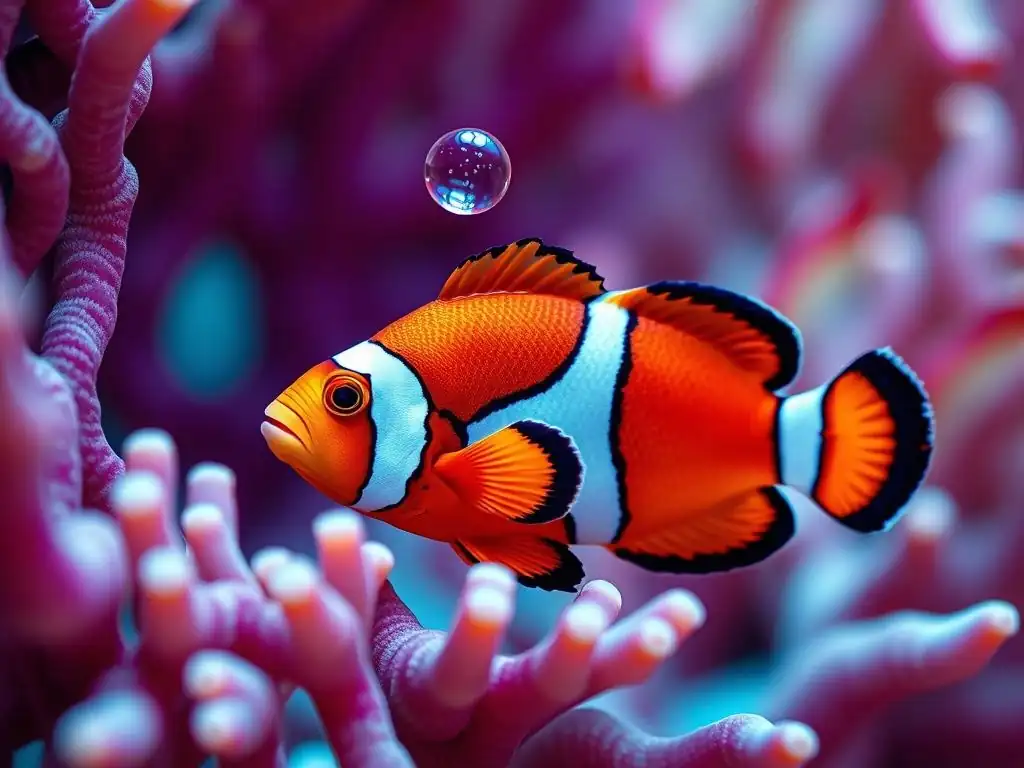
The physical environment plays a crucial role in encouraging and maintaining a strong saltwater breeder pair bonding. While a single clownfish pair can technically survive in a 10-gallon tank, a minimum of 20 to 30 gallons is strongly recommended for a dedicated breeding setup. This larger volume provides ample swimming space, helps maintain stable water parameters, and offers sufficient territory to reduce potential aggression between the pair. For larger or more aggressive species like Maroons, a 40-gallon breeder tank or larger is often necessary to prevent serious conflict and allow for natural behaviors.
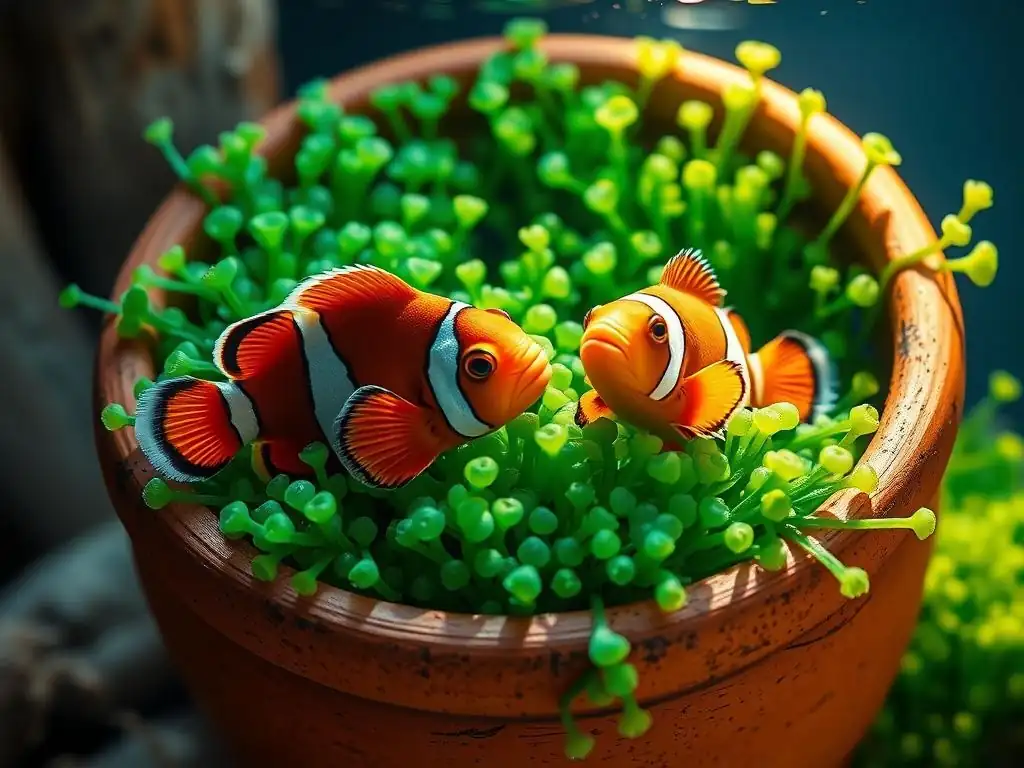
Aquascaping should prioritize functionality for a breeding pair. The primary focus should be on providing a suitable spawning site and a sense of security. If using a host anemone, ensure it is well-established and large enough to accommodate both fish. For those opting for host surrogates, ceramic pots, terracotta saucers, or even large pieces of PVC pipe placed horizontally or at an angle are excellent choices.
These should be positioned in a quiet, low-flow area of the tank where the pair feels secure. Avoid overly elaborate rockwork that creates too many complex hiding spots, as this can sometimes prevent the pair from interacting consistently, potentially hindering the development of a strong saltwater breeder pair bonding. A relatively open area around the spawning site is beneficial for the male to fan eggs effectively.
Water Parameter Optimization for Clownfish Reproduction
Maintaining pristine and stable water parameters is non-negotiable for successful clownfish reproduction and the health of your saltwater breeder pair bonding. Consistent salinity levels, ideally between 1.023 and 1.026 specific gravity, are crucial. Fluctuations can cause osmotic stress, directly impacting the fish's ability to spawn or the viability of eggs. Temperature should be kept stable within the range of 25-27°C (77-81°F). Slightly elevating the temperature within this range, often to 79-80°F, can sometimes stimulate spawning activity.
Beyond salinity and temperature, attention to other key parameters is vital. pH should be maintained between 8.1 and 8.4. Alkalinity (dKH) should be stable, typically between 8-12 dKH, as it buffers pH and supports calcification processes. Ammonia, nitrite, and nitrate levels must be meticulously controlled.
Ammonia and nitrite should always be undetectable (0 ppm), and nitrates should be kept very low, ideally below 10-20 ppm, through regular water changes (e.g., 10-20% weekly or bi-weekly). High nitrates can inhibit spawning and reduce egg viability. Consistent monitoring with reliable test kits and timely adjustments are essential for a thriving saltwater breeder pair bonding.
Maintaining Optimal Lighting and Flow for Breeding Success
Optimal lighting and water flow are often overlooked but significantly contribute to the success of a saltwater breeder pair bonding and subsequent spawning. Lighting should mimic a natural day/night cycle, typically 10-12 hours of light followed by 12-14 hours of darkness. A gradual sunrise/sunset effect, achievable with programmable LED lights, can further reduce stress and encourage natural behaviors. While clownfish don't require intense lighting for their own health, if a host anemone is present, its needs for appropriate PAR (photosynthetically active radiation) levels must be met, as a healthy anemone contributes to a secure environment for the breeding pair.
Water flow in the breeding tank should be moderate and varied, but not overly turbulent, especially around the chosen spawning site. Strong, direct flow can dislodge eggs, make fanning difficult for the male, and stress the pair. Powerheads should be positioned to create gentle circulation throughout the tank, ensuring good gas exchange and preventing dead spots, but the area directly around the anemone or spawning pot should have relatively calmer flow.
Many breeders use small, adjustable powerheads or return pumps set at a lower flow rate. This balance ensures the tank remains clean and oxygenated while providing a conducive environment for the delicate processes of spawning and egg incubation by the saltwater breeder pair bonding.
Clownfish Courtship Rituals: Recognizing and Encouraging Natural Behaviors
Identifying Key Courtship Behaviors in Different Clownfish Species
Recognizing the subtle yet distinct courtship behaviors is crucial for any aspiring clownfish breeder, as these signals indicate an impending spawn and a strong saltwater breeder pair bonding. The most common and recognizable behavior is "wiggling" or "dancing" by the male. He will often tremble or rapidly shake his body, particularly in front of the female or near the chosen spawning site (anemone base or pot).
This behavior is thought to stimulate the female and prepare the site. Another key indicator is the male meticulously cleaning the chosen spawning surface with his mouth, often for several days leading up to the spawn.
Both the male and female may exhibit increased aggression towards other tank inhabitants, even mild nipping, as they become more territorial around their chosen nesting site. The female's belly may appear noticeably distended with eggs in the days preceding spawning. While these behaviors are largely consistent across common species like Ocellaris and Percula, more aggressive species such as Maroons might display more intense nipping or chasing during courtship, requiring careful observation to ensure it doesn't escalate into harmful aggression. Observing these rituals confirms the strength of the saltwater breeder pair bonding and signals that conditions are ripe for reproduction.
Understanding and Managing Aggression During Courtship
While some level of aggression is a natural part of clownfish courtship, particularly in establishing dominance and defending the spawning site, understanding and managing it is critical to prevent harm and maintain a healthy saltwater breeder pair bonding. Initial aggression is common during the pairing process itself, where the larger fish establishes dominance. However, even in established pairs, the female may exhibit nipping or chasing towards the male during courtship. This is typically a form of "herding" to guide the male to the nest or to reinforce her dominance, ensuring he performs his duties.
If aggression escalates to the point where the male is constantly hiding, has torn fins, or shows signs of significant stress (e.g., rapid breathing, loss of color), intervention may be necessary. This could involve adding more hiding spots, adjusting the aquascaping to break line of sight, or, in severe cases, temporarily separating the fish with a tank divider.
Ensuring the tank is adequately sized for the species is also crucial; a larger territory can diffuse aggression. For notoriously aggressive species like the Maroon clownfish, introducing the male first and allowing him to settle before adding a smaller female, or using a clear divider for several weeks, can minimize initial conflict and help establish a stable saltwater breeder pair bonding.
Providing Optimal Nutrition to Support Courtship and Spawning
Optimal nutrition is a cornerstone for successful clownfish courtship and continuous spawning, directly impacting the health of the saltwater breeder pair bonding and the viability of their offspring. A varied, high-quality diet provides the necessary energy and nutrients for egg production in the female and sustained activity in both partners. This should include a mix of live, frozen, and high-quality pellet or flake foods. Live foods such as brine shrimp (enriched), mysis shrimp, and copepods are excellent for conditioning, as their natural movement stimulates feeding responses and provides essential fatty acids.
Frozen foods like enriched mysis shrimp, spirulina-enriched brine shrimp, and finely chopped seafood (e.g., squid, fish flesh) should be a staple. High-quality pellets or flakes formulated for marine omnivores, ideally fortified with vitamins and astaxanthin (for color and reproductive health), should also be offered daily. Feeding small amounts multiple times a day (2-3 times) is often more effective than one large feeding, as it mimics their natural foraging behavior and reduces waste. A well-fed saltwater breeder pair bonding will exhibit vibrant colors, active behavior, and significantly higher spawning frequency and egg quality, leading to greater larval survival.
Advanced Techniques for Promoting Clownfish Breeder Pair Bonding
Using Visual and Chemical Cues to Stimulate Mating Behaviors
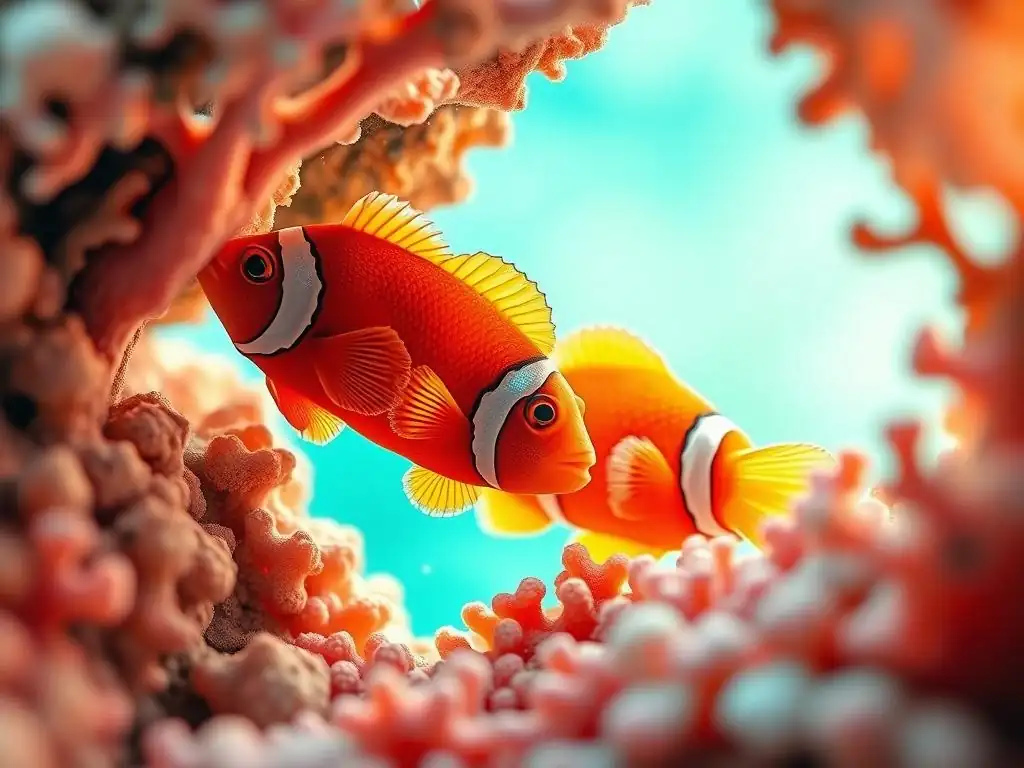
Beyond environmental optimization, advanced breeders often leverage visual and chemical cues to further stimulate mating behaviors and strengthen saltwater breeder pair bonding. One effective visual cue involves providing a clear, suitable spawning surface that the pair can easily access and clean. This could be a terracotta pot, a flat rock, or even the base of a host anemone.
The presence of a clean, defined nesting site often triggers the male's cleaning behavior, which is a key precursor to spawning. Some breeders have also experimented with placing a mirror outside the tank for short periods to encourage territorial displays, which can sometimes "prime" the fish for courtship, though this must be used sparingly to avoid undue stress.
Chemical cues, though less directly manipulated by hobbyists, are naturally present in a healthy, mature aquarium. The presence of stable, clean water parameters acts as a positive chemical cue. Furthermore, the subtle release of hormones and pheromones by the fish themselves plays a role in signaling readiness to spawn.
Maintaining a stable, mature biological filter helps process waste while allowing these natural chemical signals to persist. Some advanced techniques involve using water from a known successful breeding tank to 'seed' a new tank, though this carries the risk of transferring pathogens and is generally not recommended unless strict quarantine protocols are followed. The overall goal is to create an environment where the saltwater breeder pair bonding feels secure and physiologically ready to reproduce.
Implementing Strategic Introductions to Minimize Aggression
Strategic introduction methods are paramount, especially when attempting to pair adult clownfish or species known for aggression, to minimize conflict and foster a strong saltwater breeder pair bonding. The "size difference" method is widely popular: introduce two juveniles of the same species and allow them to grow together. The dominant one will become female, the other male. If pairing established adults, introduce the smaller, presumed male first into the breeding tank, allowing him to acclimate for several weeks. Once he is comfortable, introduce the larger, presumed female. This gives the male time to establish territory without immediate competition.
For highly aggressive species like Maroon Clownfish, a clear tank divider can be invaluable. Place the male on one side and the female on the other, allowing them to see and smell each other without direct physical contact. This "visual pairing" period can last from a few days to several weeks, helping them become accustomed to each other's presence.
Once signs of aggression diminish (e.g., less flaring, no attempts to bite through the divider), the divider can be removed, usually when the lights are out to reduce immediate stress. This controlled introduction significantly increases the likelihood of a stable saltwater breeder pair bonding.
Employing "Target Feeding" to Strengthen Pair Bonds
"Target feeding" is an advanced technique that not only ensures optimal nutrition but also plays a subtle yet significant role in strengthening the saltwater breeder pair bonding. This method involves directly delivering food to the breeding pair, often with a long pipette or turkey baster, ensuring they receive ample nutrition without competition from other tank inhabitants (if any) or excessive waste. By focusing food delivery on the pair, especially the female, you ensure she has the caloric intake necessary for consistent egg production, which is vital for sustained spawning.
Beyond nutrition, the act of target feeding can become a positive interaction between the fish and the breeder, reducing stress and fostering a sense of security. The fish learn to associate the breeder's presence with food, making them more comfortable and less prone to shyness. This comfort level is crucial for encouraging natural behaviors, including courtship and spawning.
For instance, feeding enriched mysis shrimp directly to the pair allows them to consume nutrient-dense food efficiently, providing the building blocks for healthy eggs and larvae. This consistent, focused feeding regimen reinforces the well-being of the saltwater breeder pair bonding, contributing to their overall reproductive success.
Troubleshooting Common Challenges in Clownfish Pair Bonding
Addressing Aggression Issues Between Potential Mates
Aggression is perhaps the most common and challenging obstacle in establishing and maintaining a saltwater breeder pair bonding. While some mild chasing or nipping is normal during hierarchy establishment or courtship, persistent aggression leading to injury or extreme stress in one fish requires immediate intervention. If aggression is severe (e.g., torn fins, constant hiding, refusal to eat), the first step is to separate the fish using a tank divider or by moving one to a temporary holding tank. This allows both individuals to de-stress and recover.
Once separated, re-introduction should be gradual. For instance, after a few days or weeks apart, re-introduce them using a clear tank divider for several days to weeks, allowing them to habituate to each other's presence without physical contact. Ensure the tank has ample hiding spots and visual barriers (e.g., rockwork, tall corals) to break line of sight, reducing opportunities for constant confrontation.
Increasing tank size can also significantly diffuse aggression by providing more territory. For example, upgrading a 20-gallon tank to a 40-gallon breeder can often resolve persistent aggression issues in a clownfish pair, allowing them to establish a stable saltwater breeder pair bonding.
Identifying and Correcting Environmental Factors Inhibiting Pair Formation
Suboptimal environmental conditions are frequent culprits behind a reluctance to pair bond or spawn. The first step in troubleshooting is to meticulously re-evaluate all water parameters: temperature, salinity, pH, alkalinity, ammonia, nitrite, and nitrate. Even slight deviations from the ideal ranges (e.g., temperature consistently below 77°F or high nitrates above 20 ppm) can cause chronic stress, inhibiting reproductive readiness. Use reliable test kits and ensure consistency; daily checks for a week can reveal subtle fluctuations. Correcting these through small, frequent water changes or adjusting heating/salinity can often resolve the issue.
Beyond water chemistry, assess the physical tank environment. Is the tank size adequate for the species? A 10-gallon tank might be too small for an aggressive pair, leading to constant conflict. Is there a suitable spawning site (anemone, pot, flat rock) that the fish feel secure about?
Sometimes, simply relocating the spawning site to a quieter, lower-flow area of the tank can make a significant difference. Insufficient hiding spots or overly strong water flow around the potential nesting area can also be deterrents. Adjusting powerhead positions or adding more secure retreats can encourage the saltwater breeder pair bonding to feel safe enough to commence courtship and spawning activities.
Overcoming Nutritional Deficiencies Affecting Breeding Success
Nutritional deficiencies are a common yet often overlooked reason for a lack of spawning or poor egg quality in clownfish. A diet consisting solely of dry flakes, for instance, rarely provides the full spectrum of nutrients required for continuous egg production. If your saltwater breeder pair bonding is not spawning or producing small, infertile clutches, re-evaluate their diet. Introduce a wider variety of high-quality live and frozen foods. Live foods like enriched brine shrimp or copepods are excellent for conditioning, as they are packed with essential fatty acids and proteins.
Frozen foods such as mysis shrimp, spirulina-enriched brine shrimp, and finely chopped seafood should be offered frequently. Supplementing the diet with marine vitamin supplements (e.g., Selcon, Vita-Chem) can also address potential micronutrient deficiencies. Ensure the food is appropriately sized for the fish; very small clownfish might struggle with large mysis shrimp. Increase feeding frequency to 2-3 times per day, ensuring both fish get enough food. A well-nourished pair will not only be more likely to spawn but will also produce larger, healthier clutches of eggs, significantly boosting the success rate of your saltwater breeder pair bonding efforts.
The Long-Term Management of Clownfish Breeding Pairs
Maintaining a Stable Environment for Continuous Breeding
The key to long-term, consistent spawning from a saltwater breeder pair bonding lies in unwavering environmental stability. Once a pair is established and spawning regularly, any significant fluctuation in water parameters can disrupt their cycle, leading to skipped spawns or reduced egg viability. This means adhering strictly to a regular maintenance schedule: consistent weekly or bi-weekly water changes (e.g., 10-20% of tank volume), routine testing of pH, salinity, temperature, alkalinity, ammonia, nitrite, and nitrate, and prompt correction of any deviations. For example, maintaining salinity at 1.025 ± 0.001 and temperature at 79°F ± 1°F minimizes physiological stress.
Beyond water chemistry, the physical environment must remain secure and undisturbed. Avoid major aquascaping changes or sudden shifts in lighting schedules. Ensure filtration systems are regularly cleaned but not over-cleaned to preserve beneficial bacteria. A mature biological filter is paramount for processing the increased bioload from frequent feeding. The goal is to create a predictable and stress-free habitat where the saltwater breeder pair bonding feels completely secure, allowing them to focus their energy on reproduction rather than adapting to environmental shifts. Consistent stability is the ultimate long-term breeding strategy.
Monitoring and Addressing Health Issues in Breeding Pairs
Vigilant monitoring for health issues is critical for the long-term productivity of a saltwater breeder pair bonding. Breeding is energetically demanding, making the fish more susceptible to stress-related illnesses if not properly managed. Regularly observe the pair for any changes in behavior, appetite, coloration, or physical appearance. Signs of illness include clamped fins, rapid breathing, fading colors, white spots (ich), velvet, or unusual growths. Any decline in spawning frequency or egg quality can also be an early indicator of underlying health issues.
Prompt intervention is essential. If a health issue is suspected, first review water parameters and diet to rule out environmental or nutritional causes. Isolate the affected fish in a dedicated quarantine or hospital tank for treatment if necessary, to avoid medicating the main breeding system and potentially harming the eggs or beneficial bacteria.
For instance, a common issue like marine ich might require a copper-based treatment in a separate tank. Maintaining excellent water quality, providing a highly nutritious diet, and minimizing stressors are the best preventative measures to keep your saltwater breeder pair bonding healthy and productive for many years.
Ethical Considerations in Clownfish Breeding and Pair Management
Ethical considerations are paramount in the long-term management of a saltwater breeder pair bonding, emphasizing the well-being of the fish above all else. This includes ensuring that the breeding environment meets all their needs, not just for survival but for thriving. Providing adequate tank size for the species (e.g., a minimum 30-gallon for Ocellaris, 50+ for Maroons) is crucial to prevent stress and aggression. A varied, high-quality diet must be maintained consistently, not just during spawning periods, to support their overall health and longevity.
Furthermore, consider the long-term fate of the offspring. Over-breeding without a plan for the fry can lead to overcrowding or the need for difficult decisions. Responsible breeders ensure they have the resources (e.g., larval tanks, appropriate food) and a market or plan for their offspring. Avoiding excessive intervention unless absolutely necessary for health or safety is also key. The goal is to facilitate natural processes with minimal stress, fostering a healthy and productive saltwater breeder pair bonding while ensuring the humane treatment of both the parent fish and their progeny throughout their lifespan.
Case Studies: Successful Clownfish Breeder Pair Bonding in Captivity
Case Study 1: Ocellaris Clownfish and the "Divide and Conquer" Method
One notable success story in establishing a stable saltwater breeder pair bonding involves an Ocellaris Clownfish pair using a modified "divide and conquer" method in a 40-gallon breeder tank. The breeder initially acquired two juvenile Ocellaris clownfish of similar size, approximately 1.5 inches each, from different sources to ensure genetic diversity. They were introduced simultaneously into a 20-gallon quarantine tank with a clear plastic divider in the middle. For two weeks, the fish could see and smell each other but not physically interact.
After this period, the divider was removed. Initial mild chasing occurred, but within 48 hours, a clear hierarchy was established, with one fish (later the female) growing noticeably faster. Once the female reached about 3.5 inches and the male 2 inches, they were transferred to the larger 40-gallon breeding tank equipped with a terracotta pot. Within three months of transfer, the pair began regular spawning, producing clutches of 300-500 eggs every 12-14 days. This case highlights the effectiveness of controlled introduction and providing ample space for natural hierarchy formation for a successful saltwater breeder pair bonding.
Case Study 2: Maroon Clownfish and Addressing Initial Aggression
A challenging but ultimately successful saltwater breeder pair bonding was achieved with a pair of Maroon Clownfish, notorious for their aggression. The breeder started with a 2-inch male and a 4-inch female, recognizing the significant size difference required. The male was introduced alone into a 50-gallon breeding tank with a large, established bubble-tip anemone. He was allowed to acclimate for three weeks, establishing his territory and relationship with the anemone.
When the female was introduced, she immediately exhibited extreme aggression, relentlessly chasing and nipping the male, who sought refuge within the anemone. After 24 hours of continuous high aggression, the breeder intervened by placing a robust, rigid tank divider (egg crate material) to separate them. This divider remained in place for four weeks.
During this time, the male gained confidence, and the female's aggression visibly lessened. Upon removal of the divider, there was a brief chase, but the male quickly retreated to the anemone, and within a few hours, the aggression subsided. Within two months, the pair began spawning consistently, producing clutches of 800-1000 eggs every 18-21 days, demonstrating that patience and strategic intervention can overcome even significant initial aggression for a stable saltwater breeder pair bonding.
Lessons Learned from Successful Clownfish Breeding Programs
Successful clownfish breeding programs consistently highlight several key lessons. Firstly, patience is paramount. Establishing a stable saltwater breeder pair bonding and achieving consistent spawning often takes months, sometimes even a year, especially with less docile species. Rushing the process or constant intervention can be detrimental. Secondly, environmental stability is non-negotiable. Consistent water parameters, appropriate tank size, and a secure spawning site are fundamental. Programs that prioritize stable, pristine water quality report higher success rates and healthier offspring.
Thirdly, optimal and varied nutrition is critical. Breeders who feed a diverse diet of high-quality live and frozen foods consistently achieve better egg quality and more frequent spawns. Lastly, observational skills and adaptability are vital. Understanding the subtle cues of clownfish behavior, recognizing aggression early, and being willing to adjust strategies (e.g., re-introducing fish, modifying aquascaping) based on the pair's specific needs are hallmarks of successful programs. These lessons underscore that successful saltwater breeder pair bonding is a blend of scientific principles, careful husbandry, and a deep understanding of the fish's natural instincts.
Future Trends in Clownfish Pair Bonding and Breeding Techniques
Advancements in Understanding Clownfish Communication and Behavior
Future trends in clownfish pair bonding and breeding techniques are poised to benefit significantly from advancements in understanding clownfish communication and behavior. Researchers are increasingly using sophisticated acoustic and visual monitoring technologies to decipher the subtle cues clownfish use to interact, establish dominance, and coordinate spawning. For instance, studies are exploring the specific "chatter" or clicking sounds produced by clownfish, which are believed to play a role in territorial defense and courtship. Understanding these acoustic signals could lead to the development of environmental enrichment devices that mimic natural sounds, potentially stimulating the saltwater breeder pair bonding process.
Furthermore, detailed behavioral analyses, often aided by artificial intelligence and machine learning, are providing deeper insights into the nuances of clownfish courtship dances, fin movements, and color changes. This granular understanding could allow breeders to identify prime breeding conditions or potential conflicts even before they become obvious. For example, recognizing specific pre-spawning behaviors unique to certain species could allow for more precise timing of environmental adjustments, optimizing conditions for successful egg laying and fertilization by the saltwater breeder pair bonding.
Exploring New Technologies for Optimizing Breeding Environments
The future of clownfish breeding will undoubtedly see the integration of new technologies aimed at optimizing breeding environments for a stronger saltwater breeder pair bonding and higher yields. Automated monitoring systems that track water parameters (pH, salinity, temperature, ORP, nitrates) in real-time and alert breeders to deviations are becoming more accessible. This proactive approach minimizes stress on breeding pairs by ensuring constant stability, a critical factor for consistent spawning. Smart dosing systems, capable of precisely adding supplements or trace elements based on real-time data, will further refine water chemistry management.
Beyond monitoring, advancements in LED lighting systems with customizable spectrums and programmable diurnal cycles can more accurately replicate natural light conditions, potentially influencing hormonal cycles and encouraging spawning. Closed-loop aquaculture systems, incorporating advanced filtration (e.g., moving bed bioreactors, protein skimmers with ozone), are evolving to provide ultra-stable and pathogen-free environments, reducing disease risk and maximizing the productivity of saltwater breeder pair bonding. Even innovations in tank design, such as specialized spawning cones or removable egg trays, aim to simplify egg collection and improve post-spawn management.
The Role of Citizen Science in Advancing Clownfish Breeding
Citizen science initiatives are set to play an increasingly vital role in advancing clownfish pair bonding and breeding techniques. The vast network of hobbyist breeders, collectively observing thousands of clownfish pairs across diverse home aquarium setups, represents an invaluable, untapped resource for data collection. By standardizing reporting protocols, citizen scientists can contribute real-world data on pairing success rates for different species, the effectiveness of various introduction methods, and the impact of subtle environmental variations on spawning frequency and egg viability.
Platforms that allow hobbyists to log detailed observations on their saltwater breeder pair bonding behavior, environmental parameters, and spawning outcomes can create massive datasets. This aggregated information can then be analyzed by researchers to identify trends, validate laboratory findings in a broader context, and even uncover novel breeding strategies. For example, a large dataset might reveal that a specific type of substrate consistently leads to higher egg survival, or that certain behavioral patterns reliably predict an impending spawn across many different species. This collaborative approach accelerates knowledge acquisition, benefiting both scientific understanding and practical breeding applications for clownfish.
Frequently Asked Questions
How important is tank size when attempting to breed saltwater fish?
Tank size is crucial for successful breeding. A sufficiently large tank provides enough space for the pair to establish a territory, reduce stress, and allows for adequate water quality, which is vital for fry survival.
What are some key indicators that a saltwater pair is successfully bonding?
Observe closely for signs like mutual preening, swimming closely together, and defending a specific area of the tank. Reduced aggression and increased tolerance are also positive indicators of bonding.
What water parameters are most important when trying to encourage saltwater fish to breed?
Maintaining stable and pristine water quality is paramount. Focus on parameters like temperature, salinity, pH, and ammonia/nitrite/nitrate levels. Consistent water changes are also critical for breeding success.
What kind of diet best supports saltwater breeder pairs and their fry?
A varied and nutritious diet is essential. Offer a mix of high-quality flake food, frozen foods, and live foods to provide the necessary nutrients for egg production and fry growth.
How can I minimize aggression between a newly introduced saltwater pair?
Introduce the pair simultaneously if possible. Provide plenty of hiding places and visual barriers within the tank to allow each fish to establish its own territory and reduce the likelihood of conflict, this will help them establish a territory.
Final Reflection: The Enduring Dance of Partnership
The intricacies of saltwater breeder pair bonding, as we've explored, are not merely biological imperatives but rather a testament to the power of cooperation and mutual investment in the face of a challenging environment. Understanding these dynamics is more crucial than ever, as the pressures on our marine ecosystems intensify, and successful breeding programs become increasingly vital for conservation efforts.
This journey into the underwater world of courtship and commitment has underscored the profound influence of these behaviors on the health and resilience of marine populations. Witnessing the dedication and intricate rituals involved in pair bonding reminds us of the fundamental importance of connection and collaboration, not just in the animal kingdom, but in our own lives as well. The best and most beautiful things in the world cannot be seen or even touched - they must be felt with the heart.
- Helen Keller, a sentiment that resonates deeply when observing the unseen bonds that tie these creatures together.
As we conclude, consider the lessons learned from these saltwater breeders. Let their dedication to partnership inspire you to cultivate deeper connections, foster mutual respect, and invest in the relationships that truly matter. Embrace the enduring dance of partnership, and contribute to a world where cooperation and understanding thrive, both above and below the surface.
Ignite Your Reef Tank: Unlock Breeding Secrets!
Thanks for diving into the fascinating world of saltwater fish breeding! You've now got the knowledge to understand the complex dance of courtship and pair bonding. Ready to put that knowledge into action?
Here's how to take your reef tank to the next level:
- Begin researching compatible pairs for your specific tank setup. Consider size, temperament, and environmental needs to ensure a successful pairing.
- Explore local aquarium clubs or online forums to connect with experienced breeders and learn from their successes and challenges.
- Document your observations! Start a breeding journal or create a video log to share your experiences and contribute to the community's collective knowledge.
What surprising behavior did you observe in your tank today that might be a sign of budding romance?