
The Black Round Tub (BRT) Advantage for Productive Saltwater Larval Rearing

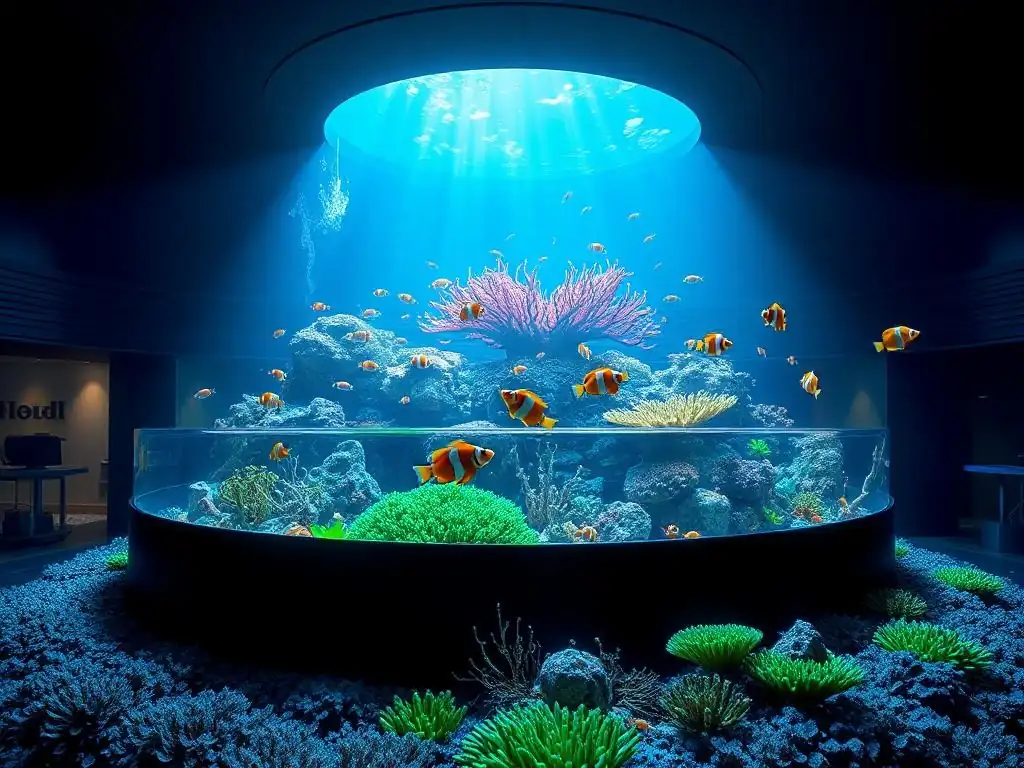
Welcome to Aquarium Mastery!
Ever wondered how professional breeders achieve such incredible success with saltwater fish larvae? Dive into the world of BRT saltwater larval rearing and unlock the secrets behind the Black Round Tub (BRT) method. Discover its unique advantages and how it can revolutionize your approach to breeding. Intrigued? Let's explore the science and practical applications together!
- Optimizing Saltwater Clownfish Larval Rearing with Black Round Tubs (BRTs)
- Introduction to BRT Systems for Clownfish Larval Culture
- What is a Black Round Tub (BRT) and Why Use It for Clownfish?
- Benefits of Black Round Tubs for Clownfish Larval Rearing
- Setting Up a BRT System for Clownfish Larvae
- Managing Water Quality in BRT Larval Rearing for Clownfish
- Feeding Clownfish Larvae in Black Round Tubs
- Preventing and Treating Diseases in Clownfish BRT Larval Cultures
- Optimizing BRT Design and Operation for Enhanced Clownfish Productivity
- Case Studies: Successful Clownfish Breeding with BRT Systems
- Troubleshooting Common Issues in Clownfish BRT Larval Rearing
- Conclusion: The Future of Clownfish Larval Rearing Lies in BRT Innovation
-
Frequently Asked Questions
- What is BRT saltwater larval rearing, and why is it considered advantageous?
- How does the black color of the BRT contribute to better larval rearing results?
- What are some key considerations when setting up a BRT system for saltwater larval rearing?
- What types of saltwater fish larvae are most suitable for rearing in BRT systems?
- Where can I find more detailed information about setting up and maintaining a BRT system for saltwater larval rearing?
- Final Reflection: Cultivating Life in the Black Round
- Dive Deeper: Transform Your Larval Rearing Today!
Optimizing Saltwater Clownfish Larval Rearing with Black Round Tubs (BRTs)
Introduction to BRT Systems for Clownfish Larval Culture
Understanding the Challenges of Clownfish Larval Rearing
Rearing clownfish larvae, particularly in their early stages, presents significant challenges to even experienced aquarists and commercial breeders. The delicate nature of newly hatched larvae makes them highly susceptible to environmental stressors, poor water quality, and nutritional deficiencies. Traditional rearing methods in clear, rectangular tanks often result in high mortality rates, sometimes exceeding 90% in the first few weeks post-hatch due to larvae becoming trapped in corners, colliding with tank walls, or struggling to locate food efficiently.
Furthermore, clownfish larvae possess specific physiological and behavioral traits that complicate their survival. They are pelagic, meaning they drift in the water column, and are visual feeders, requiring a clear, well-distributed food source. Any deviation from optimal water parameters—such as fluctuating pH, elevated ammonia, or incorrect salinity—can rapidly lead to stress, disease, and mass die-offs, making the initial weeks a critical bottleneck in clownfish aquaculture.
The Adoption of Black Round Tubs (BRTs) in Clownfish Aquaculture
The advent of Black Round Tubs (BRTs) marked a significant shift in the approach to marine fish larval rearing, including the challenging process of BRT saltwater larval rearing for clownfish. Originally gaining traction in commercial aquaculture for species like snapper and grouper, the principles behind BRT design were soon recognized as highly beneficial for the delicate larvae of ornamental marine fish. Their adoption stems from a need to mitigate the high mortality rates associated with traditional, brightly lit, and angular rearing tanks.
This transition reflects an industry-wide move towards creating more natural and less stressful environments for developing larvae. BRTs provide a controlled setting that addresses critical issues such as light reflection, water circulation, and feeding efficiency, thereby offering a more conducive environment for the survival and growth of clownfish larvae. The success seen with BRT saltwater larval rearing has cemented their status as a preferred method for serious breeders.
What is a Black Round Tub (BRT) and Why Use It for Clownfish?
Defining the Black Round Tub (BRT) System
A Black Round Tub (BRT) system is a specialized larval rearing tank characterized by its circular shape and dark, typically black or dark blue, interior. These tubs are commonly constructed from inert, non-toxic materials such as food-grade polyethylene or fiberglass, ensuring they do not leach harmful substances into the water. The fundamental design principle behind the BRT is to create a controlled, low-stress environment that mimics the open ocean, where many marine fish larvae naturally develop.
The absence of corners in a BRT eliminates dead spots where larvae can become trapped or where waste can accumulate, promoting more uniform water flow and distribution of live feeds. The dark interior plays a crucial role by absorbing light, reducing glare and reflection, and making the live food organisms more visible against the dark background, which is critical for the visual feeding behavior of clownfish larvae.
Key Features of a BRT for Clownfish Larval Rearing
The design of a BRT incorporates several key features that are specifically advantageous for the sensitive process of BRT saltwater larval rearing of clownfish. Firstly, the smooth, non-abrasive interior surfaces prevent physical damage to the delicate larval bodies, which can occur from friction against rough tank walls or sharp corners in traditional rectangular tanks. This significantly reduces instances of physical stress and injury.
Secondly, the uniform circular flow, often created by gentle aeration, ensures that live feed items remain suspended evenly throughout the water column, preventing them from settling at the bottom where they become inaccessible. This continuous suspension maximizes feeding opportunities for the larvae. Lastly, the dark color minimizes external visual stimuli and reflections that can disorient or stress larvae, allowing them to conserve energy and focus on feeding and growth, thereby enhancing the overall success of BRT saltwater larval rearing.
Advantages of Using Black Round Tubs Over Traditional Methods for Clownfish
The advantages of employing Black Round Tubs for clownfish larval rearing are numerous and directly address the shortcomings of traditional clear, rectangular tanks. One primary benefit is the significant reduction in larval stress. In clear tanks, larvae are often disoriented by reflections and can exhaust themselves by attempting to swim through perceived exits or by colliding with transparent walls. The dark, opaque walls of a BRT eliminate these visual distractions, promoting a calmer environment where larvae can exhibit more natural swimming and feeding behaviors.
Furthermore, BRTs dramatically improve feeding efficiency. The dark background provides excellent contrast for live foods like rotifers and copepods, making them highly visible to the visually-oriented clownfish larvae. This enhanced visibility translates to higher feeding rates and, consequently, faster growth and better survival. Studies and anecdotal evidence suggest that survival rates in BRT saltwater larval rearing systems can be significantly higher, often reaching 50-70% or more, compared to the 5-20% commonly observed in less optimized traditional setups. The circular flow also prevents food from settling, ensuring constant availability, a crucial factor for fish that require frequent, small meals.
Benefits of Black Round Tubs for Clownfish Larval Rearing
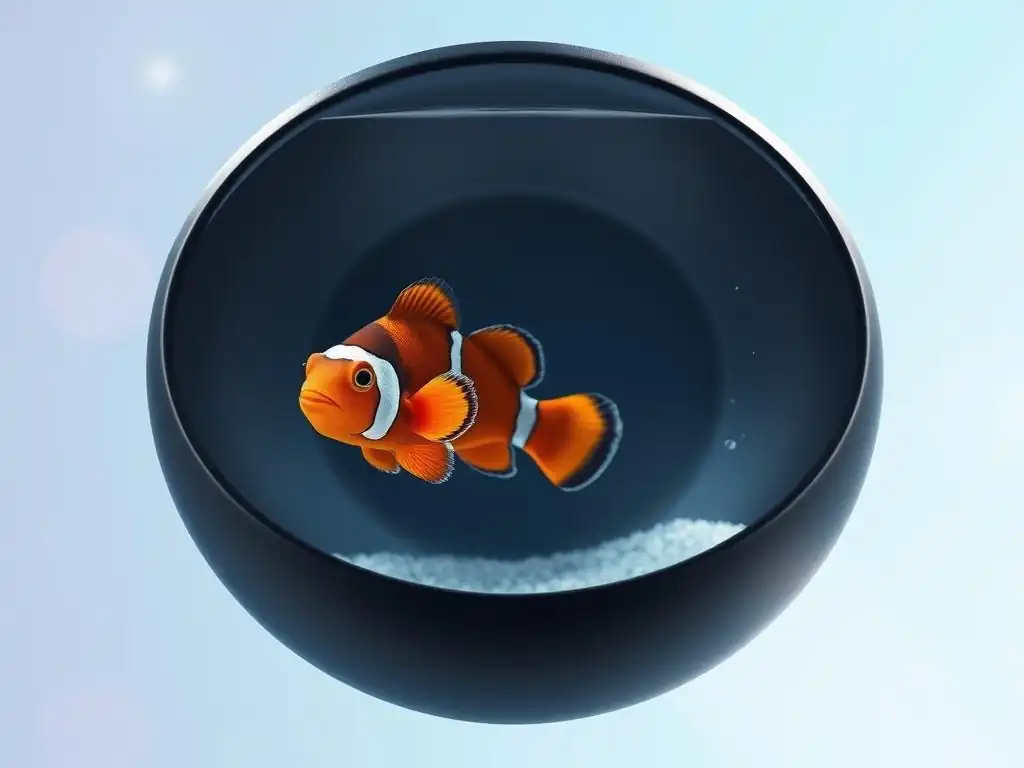
Improved Clownfish Larval Survival Rates with BRTs
A paramount benefit of utilizing Black Round Tubs for clownfish larval rearing is the remarkable improvement in survival rates. Traditional rearing methods often struggle with larval mortality rates exceeding 80-90% in the first two weeks due to stress, starvation, and physical trauma. In contrast, well-managed BRT saltwater larval rearing systems have consistently demonstrated the ability to achieve survival rates ranging from 40% to 70% or even higher for species like Amphiprion ocellaris and A. percula. This substantial increase is attributed to the combination of reduced stress, enhanced feeding efficiency, and superior water quality management inherent in the BRT design.
The dark, cornerless environment minimizes physical impingement and disorienting reflections, allowing larvae to allocate more energy towards growth and development rather than escaping perceived threats or navigating complex tank geometries. This reduced energy expenditure, coupled with consistent access to food, translates directly into stronger, healthier larvae that are more resilient to the challenges of early life stages, significantly boosting the overall productivity of clownfish breeding operations.
Enhanced Feeding Efficiency in BRT Systems for Clownfish
Enhanced feeding efficiency is a cornerstone advantage of BRT saltwater larval rearing for clownfish. Clownfish larvae are primarily visual predators, relying on sight to detect and consume their microscopic prey, such as rotifers and copepods. In clear tanks, light reflections and the transparency of the water column can make it challenging for larvae to discern their food, leading to wasted energy and potential starvation. The dark interior of a BRT, typically black or dark blue, provides a stark contrast against which the translucent live feeds become highly visible.
This improved visibility means larvae spend less time searching for food and more time actively feeding, leading to faster growth rates and reduced competition. Furthermore, the circular flow patterns generated within a BRT ensure that food particles remain uniformly suspended throughout the water column, preventing them from settling to the bottom where they would become unavailable. This constant availability, combined with the visual advantage, ensures that clownfish larvae receive optimal nutrition, contributing significantly to their development and survival.
Reduced Stress in Clownfish Larvae Raised in BRTs
The reduction of stress in clownfish larvae is a critical, yet often underestimated, benefit of BRT saltwater larval rearing. Larvae are incredibly delicate and highly susceptible to environmental stressors, which can compromise their immune systems, hinder development, and lead to increased mortality. In traditional clear tanks, larvae can become disoriented by reflections, mistakenly perceiving their own images or external stimuli as threats. This constant state of alarm leads to frantic swimming, physical collisions with tank walls, and energy depletion.
The opaque, dark walls of a BRT eliminate these visual distractions, creating a calm, secure environment that closely mimics the open pelagic waters where many marine larvae naturally develop. Without the constant visual bombardment, larvae can conserve energy, exhibit more natural behaviors, and focus on feeding and growth. This reduction in chronic stress directly translates to healthier, more robust larvae with stronger immune responses, significantly improving their chances of survival and successful metamorphosis.
Easier Observation and Maintenance of BRT Larval Cultures for Clownfish
While seemingly counterintuitive given their dark color, BRTs actually facilitate easier observation and maintenance of clownfish larval cultures compared to clear tanks. The dark background, when illuminated by a focused light source (such as a flashlight or small LED), makes the translucent larvae and their tiny live food particles much more discernible. Instead of struggling to see against a distracting, reflective background, aquarists can clearly observe larval activity, feeding response, and overall health. This enhanced visibility allows for timely detection of issues such as poor feeding, lethargy, or signs of disease.
From a maintenance perspective, the circular design of BRTs, devoid of corners, promotes efficient waste collection. Detritus, uneaten food, and dead larvae are gently swept towards the center or a designated outflow point by the circular current, making siphoning and cleaning far more straightforward and less disruptive to the delicate larvae. This ease of maintenance contributes to maintaining pristine water quality, a crucial factor for successful BRT saltwater larval rearing and the overall health of the clownfish larvae.
Setting Up a BRT System for Clownfish Larvae
Choosing the Right Size and Material for Your Clownfish BRT
Selecting the appropriate size and material for your clownfish BRT is a foundational step in successful BRT saltwater larval rearing. For hobbyist breeders, BRTs ranging from 50 to 200 liters (approximately 13 to 53 gallons) are typically sufficient, offering enough volume for a single clownfish clutch without requiring excessive space or water changes. Commercial operations, however, may utilize larger tubs, often several hundred liters or more, to accommodate higher larval densities. The chosen size should balance the need for sufficient volume to dilute waste with ease of management and water changes.
Regarding material, food-grade high-density polyethylene (HDPE) or fiberglass are the preferred choices. These materials are inert, meaning they will not leach harmful chemicals into the saltwater, and are durable enough to withstand repeated cleaning and use. Importantly, the interior surface should be smooth to prevent any abrasion to the delicate larvae. While black is the most common and effective color for the interior due to its light-absorbing properties, dark blue or dark grey can also be acceptable alternatives, provided they offer sufficient contrast for larval feeding.
Essential Equipment for a Clownfish BRT Larval Rearing System
Beyond the tub itself, several pieces of essential equipment are required to create a functional and optimal BRT saltwater larval rearing system for clownfish. At its core, the system needs an efficient air pump to provide gentle, consistent aeration and circulation, typically connected to fine-bubble air stones. A reliable submersible heater, accurately controlled by a thermostat, is crucial for maintaining stable water temperatures within the optimal range for clownfish larval development, usually between 26-28°C (78-82°F).
Monitoring equipment is equally vital, including a high-quality thermometer for daily temperature checks and a refractometer for precise salinity measurements (aiming for 1.023-1.025 specific gravity). While extensive biofiltration is often avoided in larval tanks due to the need for frequent water changes and the risk of trapping larvae, a simple air-driven sponge filter might be used in some setups for very light mechanical filtration, though direct water changes are the primary method for water quality control in BRT saltwater larval rearing. Lastly, a low-intensity light source is necessary for a consistent photoperiod.
Air Stones and Circulation in Clownfish BRTs
Proper air stone placement and circulation are paramount in BRT saltwater larval rearing, directly impacting larval health and feeding efficiency. Instead of aggressive bubbling, the goal is to create a gentle, even gyre within the circular tub that keeps food particles suspended and prevents larvae from settling or becoming trapped. A common setup involves placing a single, fine-pore air stone (such as a cylindrical or disc-type) centrally or slightly off-center at the bottom of the BRT.
The gentle stream of fine bubbles creates an upward current, which then spreads outwards and descends along the tub walls, forming a continuous, slow rotation of the water column. This ensures uniform distribution of live feeds like rotifers and copepods, making them constantly available to the visually-oriented clownfish larvae. This gentle circulation also helps to prevent the formation of dead spots where waste could accumulate, contributing to overall water quality management without unduly stressing the delicate larvae.
Lighting Considerations for Clownfish Larval Development in BRTs
Lighting in BRT saltwater larval rearing systems for clownfish requires careful consideration to support proper development without causing stress. Unlike adult clownfish tanks, larval BRTs typically require low-intensity, diffuse lighting. High-intensity lighting can disorient larvae, contribute to algae growth, and increase stress. A common recommendation is to provide illumination equivalent to that of a dimly lit room, often in the range of 50-100 lux, for a consistent photoperiod of 14-16 hours of light followed by 8-10 hours of darkness.
The dark walls of the BRT help to absorb excess light and reduce reflections, ensuring that the low-intensity light is effectively utilized by the larvae for visual feeding. A simple LED strip light or a small fluorescent fixture positioned above the BRT can provide adequate illumination. Consistency in the photoperiod is crucial, as it helps regulate the larvae's metabolic rhythms and feeding cycles, promoting healthy growth and development within the BRT saltwater larval rearing environment.
Temperature Control in Clownfish BRT Larval Rearing Tanks
Precise and stable temperature control is non-negotiable for successful BRT saltwater larval rearing of clownfish. Clownfish larvae are ectothermic, meaning their body temperature is regulated by the surrounding water, and their metabolic processes, growth rates, and immune functions are highly dependent on maintaining an optimal temperature range. For most common clownfish species like Amphiprion ocellaris and A. percula, the ideal temperature range is typically between 26°C and 28°C (78°F to 82°F).
Fluctuations outside this range, even by a few degrees, can induce significant stress, slow growth, increase susceptibility to disease, and ultimately lead to high mortality. A reliable submersible heater with an accurate thermostat is essential to maintain this stability. It is advisable to use a separate thermometer to verify the heater's accuracy daily. Consistent temperature ensures optimal larval metabolism, efficient digestion of live feeds, and proper development through their critical early life stages, making it a cornerstone of effective BRT saltwater larval rearing.
Preparing the BRT for Initial Clownfish Larval Introduction
Thorough preparation of the BRT is a critical prerequisite before introducing delicate clownfish larvae. The tub must be meticulously cleaned and sterilized to eliminate any potential pathogens, chemical residues, or unwanted organisms. This typically involves scrubbing the interior with a mild, non-toxic cleaner or a dilute bleach solution (e.g., 1 part bleach to 10 parts water), followed by extensive rinsing with fresh water to ensure no chemical traces remain. After rinsing, allowing the tub to air dry completely can help dissipate any residual volatile compounds.
Once clean, fill the BRT with aged, pre-conditioned saltwater that matches the precise parameters (temperature, salinity, pH) of the water the larvae are currently in, or the desired optimal parameters. All essential equipment—heater, air stone, thermometer—should be installed and running for at least 24-48 hours prior to introduction. This allows the water parameters to stabilize and ensures all systems are functioning correctly, providing a pristine and stable environment for the immediate well-being and successful BRT saltwater larval rearing of the newly hatched clownfish.
Managing Water Quality in BRT Larval Rearing for Clownfish
Maintaining Optimal Water Parameters in BRTs for Clownfish
Maintaining pristine and stable water quality is arguably the most critical factor for successful BRT saltwater larval rearing of clownfish. Larvae are exquisitely sensitive to even minute fluctuations or accumulations of waste products, far more so than adult fish. Unlike established adult aquariums, larval rearing systems, especially BRTs, often have minimal or no biological filtration in the traditional sense, relying heavily on diligent water changes to manage parameters.
Therefore, continuous monitoring of key parameters such as ammonia, nitrite, nitrate, pH, and salinity is non-negotiable. Any deviation from optimal levels can rapidly lead to stress, compromised immune function, and mass mortality events. A proactive approach to water quality, involving frequent testing and immediate corrective actions, is essential to ensure the delicate clownfish larvae thrive in their BRT saltwater larval rearing environment.
Ammonia, Nitrite, and Nitrate Control in Clownfish BRT Systems
Controlling nitrogenous waste products – ammonia, nitrite, and nitrate – is paramount in BRT saltwater larval rearing for clownfish, as these compounds are highly toxic to delicate larvae. Ammonia (NH3) is the most dangerous, even at concentrations as low as 0.1 mg/L, causing severe gill damage and mortality. Nitrite (NO2), while less toxic than ammonia, can still impair oxygen uptake at levels above 0.2 mg/L. Nitrate (NO3), the end product, is less harmful but high concentrations (above 20-30 mg/L) can still stress larvae.
Given the minimal or absent biological filtration in many larval BRTs, the primary method of control is frequent, small water changes. Daily water changes of 10-20% are common practice to dilute and remove these toxins before they accumulate to harmful levels. Additionally, careful feeding to avoid overfeeding and prompt removal of dead larvae or uneaten food are crucial steps to minimize the production of these harmful compounds, ensuring a healthy environment for BRT saltwater larval rearing.
pH Stability in Saltwater BRT Larval Rearing for Clownfish
Maintaining a stable pH is another critical component of water quality management in BRT saltwater larval rearing for clownfish. The ideal pH range for clownfish larvae typically falls between 8.0 and 8.3, consistent with natural marine environments. Significant fluctuations or deviations outside this narrow range can cause severe stress, interfere with physiological processes, and increase susceptibility to disease.
Saltwater naturally has a buffering capacity, which helps to resist pH changes, but in a heavily fed larval system with minimal buffering from live rock or extensive substrate, this capacity can be depleted. Respiration from larvae and live feeds, along with the breakdown of organic waste, can gradually acidify the water, leading to a pH drop. Regular water changes are the most effective method to replenish buffers and maintain pH stability. Monitoring pH daily with a reliable test kit or probe is essential to ensure the environment remains conducive to healthy clownfish larval development.
Salinity Management in Black Round Tubs for Clownfish
Precise salinity management is fundamental to successful BRT saltwater larval rearing of clownfish. Clownfish larvae, like their adult counterparts, are euryhaline but thrive best within a stable salinity range, typically 1.023 to 1.025 specific gravity (or 32-35 parts per thousand). Fluctuations in salinity, even small ones, can cause osmotic stress, leading to dehydration or over-hydration of larval cells, which can be fatal to their delicate systems.
Evaporation is the primary factor that increases salinity in open BRT systems. Therefore, daily top-offs with fresh RO/DI (reverse osmosis/deionized) water are essential to compensate for evaporated water and maintain a consistent specific gravity. Using a high-quality refractometer for daily measurements is highly recommended for accuracy. Maintaining stable salinity ensures that the larvae's internal osmotic balance is undisturbed, allowing them to allocate energy to growth and development rather than osmoregulation, thus optimizing the BRT saltwater larval rearing environment.
Water Change Strategies for BRT Systems Housing Clownfish Larvae
Effective water change strategies are the cornerstone of water quality management in BRT saltwater larval rearing for clownfish, especially given the typically low or absent biological filtration. Due to the rapid accumulation of waste products from high feeding rates and larval metabolism, frequent, small water changes are generally preferred over infrequent large ones. A common strategy involves daily water changes of 10% to 20% of the total tank volume.
These regular, gentle water changes serve multiple critical functions: they dilute and remove toxic ammonia, nitrite, and nitrate, replenish essential trace elements and buffering capacity, and remove uneaten food and dead larvae. When performing water changes, it is crucial to use pre-mixed, temperature-matched saltwater and to siphon water out gently from the bottom of the tub, where waste tends to accumulate, to avoid disturbing or accidentally removing delicate larvae.
The new water should also be added slowly and carefully to prevent sudden shifts in parameters, ensuring a stable and healthy environment for the clownfish larvae throughout the BRT saltwater larval rearing process.
Feeding Clownfish Larvae in Black Round Tubs
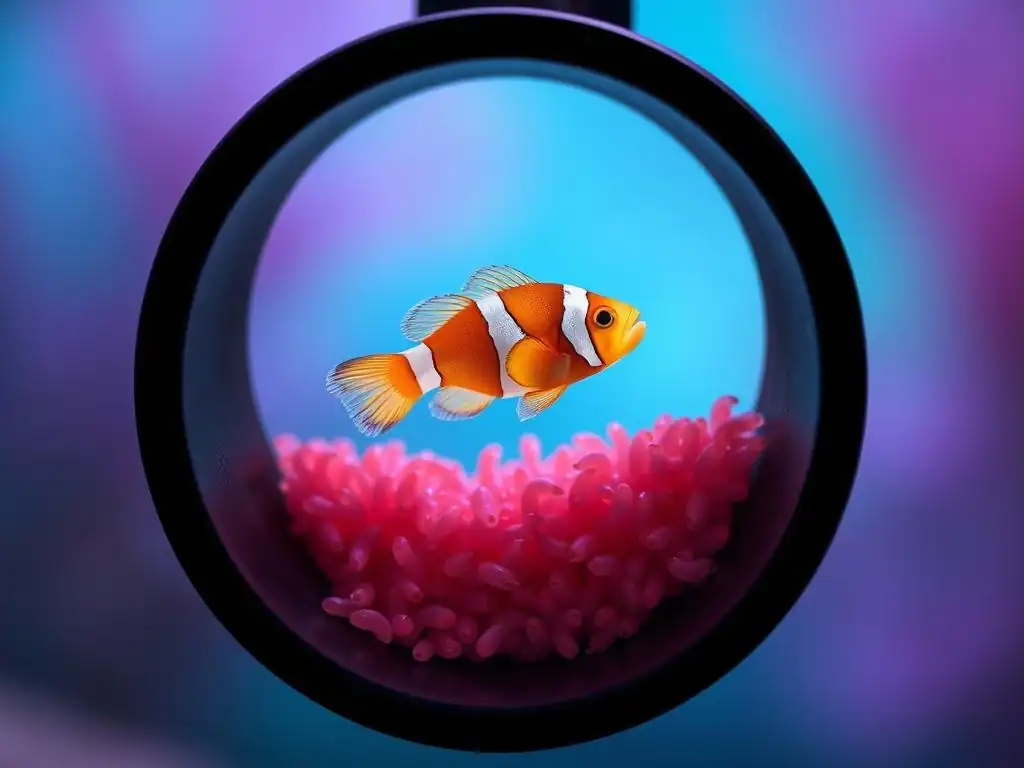
Selecting Appropriate Larval Feeds for Clownfish BRT Systems
Selecting the appropriate larval feeds is paramount for successful clownfish BRT saltwater larval rearing, as their nutritional requirements are highly specific and evolve as they grow. Newly hatched clownfish larvae are incredibly small, typically around 3-4 mm, and require live, motile prey that fits their tiny mouths and provides essential nutrients. The initial diet is critical for survival and proper development.
Therefore, the primary food sources for early larval stages are live rotifers and copepods, which must be gut-loaded with nutrient-rich phytoplankton to maximize their nutritional value. As the larvae grow, their dietary needs shift, and they can gradually be transitioned to larger prey items, ensuring they receive a comprehensive and balanced diet throughout their development in the BRT saltwater larval rearing system.
Rotifers and Copepods as Primary Food Sources for Clownfish
For the initial stages of clownfish BRT saltwater larval rearing, rotifers (primarily Brachionus plicatilis or L-type rotifers) are the indispensable primary food source. Their small size (typically 100-300 microns) and slow swimming motion make them perfectly suited for the tiny mouths of newly hatched clownfish larvae. However, rotifers themselves are nutritionally poor unless enriched.
Therefore, they must be "gut-loaded" by feeding them phytoplankton (e.g., Nannochloropsis oculata or Tetraselmis chuii) for several hours before being introduced into the larval tub. This enrichment process provides crucial highly unsaturated fatty acids (HUFA), like DHA and EPA, which are vital for larval development, nervous system formation, and pigmentation.
As clownfish larvae grow, typically after 5-7 days post-hatch, copepods become an increasingly important, if not superior, supplemental or primary food source. Species like Tisbe or Apocyclops provide a more natural and nutritionally complete diet, often richer in HUFAs and other essential compounds than even enriched rotifers. Their jerky swimming motion can also stimulate a stronger feeding response in larvae. The strategic use of both enriched rotifers and copepods ensures a diverse and high-quality diet for optimal growth and survival in BRT saltwater larval rearing.
Supplementation with Algae and Other Live Feeds for Clownfish
While rotifers and copepods form the backbone of the clownfish larval diet, supplementation with algae and the eventual introduction of other live feeds are crucial for a comprehensive nutritional profile in BRT saltwater larval rearing. Phytoplankton, such as Nannochloropsis, Tetraselmis, or Isochrysis, is not only essential for gut-loading rotifers and copepods, but can also be added directly to the larval tub in small quantities. This "green water" technique provides a continuous food source for the live prey, ensuring their nutritional value remains high, and some larvae may even consume smaller algal cells directly.
As clownfish larvae grow, typically around 7-10 days post-hatch, they become large enough to consume newly hatched brine shrimp nauplii ( Artemia salina). Artemia are highly motile and nutritious, but like rotifers, they should be enriched with HUFA supplements before feeding to maximize their nutritional benefit. The gradual transition to larger live feeds like Artemia helps prepare the larvae for eventually accepting dry, commercial feeds as they metamorphose into juveniles, marking significant milestones in the BRT saltwater larval rearing process.
Feeding Schedules and Techniques for Optimal Growth of Clownfish
Establishing precise feeding schedules and employing effective techniques are paramount for optimal growth and survival of clownfish larvae in BRT saltwater larval rearing systems. Clownfish larvae have extremely high metabolic rates and require a near-constant supply of food. Therefore, frequent, small feedings throughout the day and night are essential. A common schedule involves feeding rotifers or copepods every 3-4 hours, or even implementing a continuous drip feeding system for rotifers, to ensure that live food is always available in the water column.
The technique of feeding also matters: food should be introduced gently to avoid startling the larvae and distributed evenly across the BRT to maximize feeding opportunities. Monitoring larval gut fullness (a visible orange or green tint in their belly) and the concentration of live food in the water (e.g., aiming for 5-10 rotifers/ml) is crucial to prevent both starvation and overfeeding, which can rapidly degrade water quality. Adjustments to feeding frequency and quantity should be made based on larval consumption and growth rates, ensuring the most efficient BRT saltwater larval rearing.
Preventing and Treating Diseases in Clownfish BRT Larval Cultures
Common Diseases Affecting Clownfish Larvae in BRTs
Despite the controlled environment of BRT saltwater larval rearing, clownfish larvae remain susceptible to a range of common diseases that can decimate an entire batch if not addressed promptly. Bacterial infections are particularly prevalent, with Vibrio species being a common culprit, often manifesting as rapid onset mortality, lethargy, cloudy eyes, or fin erosion. These infections are frequently opportunistic, arising from poor water quality, overcrowding, or stress.
Fungal infections, though less common than bacterial issues in a clean BRT, can also occur, especially on dead or injured larvae, and can spread if conditions are not optimal. Parasitic infestations are rare in a properly sterilized BRT system utilizing clean live feeds, but can be introduced if biosecurity measures are breached. Recognizing early symptoms such as abnormal swimming, refusal to feed, or discoloration is critical for intervention, though prevention remains the most effective strategy in delicate BRT saltwater larval rearing.
Proactive Disease Prevention Strategies for Clownfish BRT Systems
Proactive disease prevention is far more effective and less stressful than treatment when it comes to delicate clownfish larvae in BRT saltwater larval rearing. The cornerstone of prevention lies in maintaining impeccable water quality: stable parameters, low nitrogenous waste, and appropriate temperature and salinity are non-negotiable. Regular, gentle water changes are crucial for this. Strict biosecurity measures are also paramount; this includes thoroughly cleaning and sterilizing all equipment before use, using only high-quality, pathogen-free broodstock, and culturing live feeds in a sterile environment to prevent the introduction of pathogens.
Reducing stress through optimal stocking densities, gentle handling, and providing a dark, calm BRT environment allows larvae to maintain a robust immune response. Furthermore, ensuring a nutritionally complete diet through enriched live feeds strengthens larval health, making them more resilient to potential infections. Implementing these preventative strategies significantly minimizes the risk of disease outbreaks, contributing to higher survival rates in BRT saltwater larval rearing.
Treatment Options for Larval Diseases in Black Round Tubs for Clownfish
Treating diseases in clownfish larvae within BRT saltwater larval rearing systems is exceptionally challenging due to their small size and extreme sensitivity to medications. Many common fish medications are too harsh for larvae or can negatively impact their development. Therefore, prevention remains the primary and most effective strategy. However, in cases of suspected bacterial infections, a very dilute, short-term bath treatment with broad-spectrum antibiotics like Furan-2 or Maracyn might be cautiously attempted, strictly following dosage recommendations for sensitive fish and observing for adverse reactions.
For persistent issues, a complete water change and disinfection of the BRT (transferring larvae to a temporary, clean tub during the process) can sometimes help reset the system by drastically reducing pathogen load. It is crucial to remember that any treatment carries significant risks to larvae, and the focus should always be on identifying and rectifying the underlying cause of the disease, such as poor water quality or inadequate nutrition, rather than relying solely on chemical interventions.
Optimizing BRT Design and Operation for Enhanced Clownfish Productivity
Flow Rate and Circulation Optimization in BRTs for Clownfish
Optimizing flow rate and circulation in BRT saltwater larval rearing systems is pivotal for enhancing clownfish productivity. The ideal circulation within a BRT is a gentle, uniform gyre that keeps live food particles suspended throughout the water column without physically stressing or exhausting the delicate larvae. Aggressive aeration or strong currents can sweep larvae against the tub walls, cause physical injury, or make it difficult for them to feed effectively.
This optimized flow is typically achieved by strategic placement of a fine-bubble air stone (or multiple smaller ones) that creates a subtle upward current in the center, which then spreads outwards and descends along the tub walls. This ensures that rotifers and copepods remain evenly distributed and accessible to the visually-oriented clownfish larvae, maximizing feeding opportunities. Proper circulation also prevents the accumulation of detritus and uneaten food in dead spots, contributing to cleaner water and overall larval health, directly impacting BRT saltwater larval rearing success.
Light Intensity and Photoperiod Adjustments for Clownfish
Fine-tuning light intensity and photoperiod is a subtle yet crucial aspect of optimizing BRT saltwater larval rearing for clownfish productivity. While BRTs are inherently dark, a consistent, low-intensity light source is still necessary to support larval development and feeding cycles. Excessive light can stress larvae and promote unwanted algae growth, while too little light can hinder their visual feeding. An intensity of approximately 50-100 lux is generally recommended, provided by an overhead LED or fluorescent fixture.
The photoperiod should mimic natural day-night cycles, typically a 14-hour light and 10-hour dark cycle. Consistency is key, as abrupt changes in light can startle larvae. Some breeders even incorporate a gradual dimming and brightening cycle at dawn and dusk to further reduce stress. Adjusting these parameters based on observations of larval activity and feeding response can significantly enhance their well-being and growth rates, contributing to superior BRT saltwater larval rearing outcomes.
Larval Density Management in Black Round Tubs for Clownfish
Effective larval density management is a critical factor in optimizing BRT saltwater larval rearing for clownfish productivity. While it might seem intuitive to maximize the number of larvae per tub, overcrowding can lead to significant issues, including increased competition for food, higher stress levels, rapid deterioration of water quality, and heightened susceptibility to disease. Initial stocking densities for newly hatched clownfish larvae typically range from 10 to 20 larvae per liter, depending on the species and the breeder's experience.
As larvae grow and their biomass increases, the demands on the system intensify. If densities are too high, growth can be stunted, and mortality rates may climb. Therefore, it is often necessary to reduce larval density as they develop, either by transferring a portion of the larvae to additional BRTs or by culling smaller or weaker individuals to ensure that the remaining larvae have ample space, food, and optimal water quality. Careful management of larval density directly correlates with healthier, faster-growing clownfish juveniles and improved overall yields from the BRT saltwater larval rearing process.
Case Studies: Successful Clownfish Breeding with BRT Systems
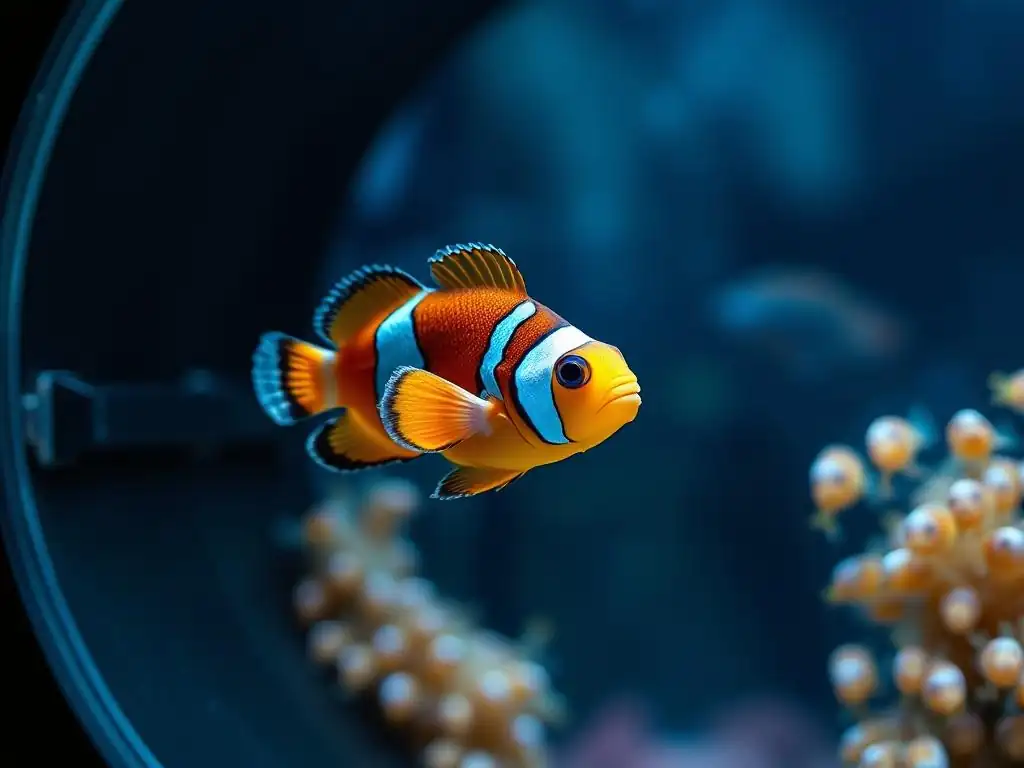
Case Study: Enhanced Amphiprion ocellaris Larval Rearing in a BRT
A notable example of enhanced Amphiprion ocellaris larval rearing using BRT technology comes from a medium-scale aquaculture facility, "Reef Aquatic Innovations," which struggled with inconsistent survival rates in traditional clear, rectangular tanks. Prior to implementing BRTs, their average survival from hatch to metamorphosis for A. ocellaris rarely exceeded 15%, often yielding only 500-700 juveniles from a typical 5,000-egg clutch. Recognizing the limitations, they invested in 100-liter Black Round Tubs, meticulously cleaned and set up with gentle aeration and precise temperature control.
By transitioning their newly hatched A. ocellaris larvae into these BRTs and optimizing their feeding regimen with enriched rotifers and copepods, Reef Aquatic Innovations observed a dramatic improvement. Within six months, their average survival rate for A. ocellaris surged to an impressive 55-60%, consistently producing 2,500 to 3,000 viable juveniles per successful hatch. This substantial increase was directly attributed to the reduced stress environment, improved food visibility, and more efficient waste removal facilitated by the BRT design, underscoring the efficacy of BRT saltwater larval rearing.
Case Study: Improved Amphiprion percula Breeding Success with BRT Technology
Another compelling case study illustrating the benefits of BRT technology involves "AquaMar Culture Lab," a research-oriented facility focused on improving breeding protocols for various marine ornamental species, including Amphiprion percula. Previously, their A. percula larval rearing in standard 50-liter glass aquariums yielded inconsistent results, with metamorphosis rates averaging around 20-25% and significant challenges in managing water quality.
Upon adopting purpose-built 50-liter Black Round Tubs, AquaMar Culture Lab implemented stringent water quality protocols, including daily 15% water changes and continuous drip feeding of enriched Tisbe copepods. The dark, cornerless environment of the BRTs significantly reduced larval stress and enhanced feeding behaviors. Over a year of systematic trials, their metamorphosis success rate for A. percula consistently climbed to an average of 65-70%, producing robust, well-pigmented juveniles. This dramatic improvement in A. percula production firmly established BRT saltwater larval rearing as the gold standard for their breeding program, demonstrating the technology's profound impact on larval survival and development.
Troubleshooting Common Issues in Clownfish BRT Larval Rearing
Identifying and Addressing Poor Clownfish Larval Growth
Poor growth in clownfish larvae within a BRT saltwater larval rearing system is a common issue that can indicate underlying problems and lead to increased mortality. Symptoms include larvae appearing smaller than expected for their age, exhibiting lethargy, or showing a lack of active feeding behavior (e.g., clear guts when they should be full of food). The primary causes are typically insufficient or nutritionally inadequate food, poor water quality, or sub-optimal environmental parameters.
To address this, first, verify that live feeds (rotifers, copepods) are being properly enriched and are present at sufficient concentrations (e.g., 5-10 rotifers/ml). Increase feeding frequency if necessary. Second, meticulously check all water parameters: ammonia, nitrite, nitrate, pH, temperature, and salinity. Perform an immediate, larger water change (e.g., 30-40%) if any parameters are off. Ensure the temperature is within the optimal 26-28°C range and stable. Finally, inspect for signs of disease or physical stress, adjusting flow or larval density if needed to ensure the BRT saltwater larval rearing environment supports vigorous growth.
Resolving Water Quality Problems in Clownfish BRT Systems
Water quality problems in clownfish BRT saltwater larval rearing systems can manifest rapidly and lead to catastrophic mortality if not promptly resolved. Common indicators include cloudy water, a foul odor, high ammonia or nitrite readings, or a sudden pH crash. These issues are most often caused by overfeeding, insufficient water changes, or the presence of dead larvae or uneaten food decomposing in the system.
Immediate action is crucial. The first step is to perform a significant water change, often 50% or more, using pre-mixed, temperature-matched saltwater. This dilutes toxins and replenishes buffers. Simultaneously, gently siphon out any visible detritus, uneaten food, and dead larvae from the bottom of the BRT. Reduce feeding frequency and quantity temporarily to prevent further accumulation of waste. Increase aeration if the water appears stagnant or if larvae are gasping. Consistent daily monitoring and proactive small water changes are key to preventing these issues from recurring and maintaining a stable BRT saltwater larval rearing environment.
Managing Algae Blooms and Other Unwanted Organisms in Clownfish Tanks
While the dark nature of BRT saltwater larval rearing tanks inherently reduces the likelihood of severe algae blooms compared to clear tanks, they can still occur if conditions are favorable. Algae blooms, typically green or brown films on the walls or cloudy water, are usually indicative of excess nutrients (nitrates, phosphates) and/or too much light. Other unwanted organisms, such as hydroids or flatworms, can sometimes be introduced with live feeds or unsterilized equipment, posing a threat to delicate larvae.
To manage algae, first, reduce light intensity and duration. Second, increase the frequency and volume of water changes to export excess nutrients. Manually wiping down the BRT walls can also help. For unwanted organisms, prevention is key: ensure all live feeds are cultured in clean, isolated systems, and all equipment is thoroughly sterilized before use. If an infestation occurs, manual removal is often the safest option, as chemical treatments are generally too harsh for clownfish larvae. Maintaining meticulous hygiene and appropriate lighting ensures a clean and safe BRT saltwater larval rearing environment.
Conclusion: The Future of Clownfish Larval Rearing Lies in BRT Innovation
The Long-Term Benefits of Implementing BRT Systems for Clownfish
The long-term benefits of implementing Black Round Tub (BRT) systems for clownfish larval rearing are profound, transforming what was once a highly challenging endeavor into a more predictable and productive process. For hobbyists, BRTs offer a significantly higher chance of successfully raising clownfish from hatch to juvenile stage, leading to a deeper understanding and enjoyment of marine aquaculture. For commercial breeders, the consistent increase in survival rates, often from below 20% to well over 50-60%, translates directly into substantially higher yields of saleable fish, improving economic viability and sustainability.
Beyond mere survival, larvae raised in BRTs tend to be healthier, more robust, and exhibit less stress-related deformities due to the optimized environment. This leads to a higher quality product for the market and a more resilient individual for the home aquarium. The cumulative effect of reduced stress, enhanced feeding, and superior water quality management inherent in BRT saltwater larval rearing positions it as the gold standard for clownfish aquaculture, fostering the continued growth and success of the industry.
Future Developments and Research in BRT Technology for Clownfish Aquaculture
The evolution of BRT technology for clownfish aquaculture is far from complete, with ongoing research and future developments promising even greater efficiencies and success rates in BRT saltwater larval rearing. Future innovations may include the integration of advanced sensor technology for real-time monitoring of water parameters, allowing for automated adjustments to temperature, pH, and even nutrient dosing based on larval needs. Automated feeding systems, capable of precise and continuous delivery of live feeds, could further optimize nutritional intake and reduce manual labor.
Research is also focusing on refining BRT designs themselves, exploring optimal dimensions, materials, and internal flow dynamics tailored to specific clownfish species or even different larval developmental stages. Furthermore, studies into optimal light spectrums for larval development, the role of beneficial microbes in BRT systems, and advanced biosecurity protocols will continue to push the boundaries of what's possible in BRT saltwater larval rearing. These continuous advancements aim to make clownfish breeding even more accessible, efficient, and sustainable for both hobbyists and commercial operations.
Frequently Asked Questions
What is BRT saltwater larval rearing, and why is it considered advantageous?
BRT saltwater larval rearing refers to using Black Round Tubs for raising saltwater fish larvae. The advantages include improved larval survival due to reduced light reflection and better water circulation, leading to healthier and more robust juveniles.
How does the black color of the BRT contribute to better larval rearing results?
The black color minimizes light reflection within the tank. This reduces stress on the light-sensitive larvae, promoting better feeding habits and overall development.
What are some key considerations when setting up a BRT system for saltwater larval rearing?
Important factors include maintaining optimal water quality parameters (salinity, temperature, pH), providing appropriate live food cultures (rotifers, copepods), and implementing gentle but effective water circulation.
What types of saltwater fish larvae are most suitable for rearing in BRT systems?
Many species benefit, particularly those with light-sensitive larvae during their early developmental stages. Examples include clownfish, gobies, and some species of angelfish.
Where can I find more detailed information about setting up and maintaining a BRT system for saltwater larval rearing?
AquariumMastery.com offers detailed guidance on aquarium setups, water chemistry, and species profiles. You can find resources related to larval rearing techniques and troubleshooting common tank issues on our website.
Final Reflection: Cultivating Life in the Black Round
The insights shared throughout this article highlight the remarkable potential of Black Round Tubs (BRTs) in revolutionizing saltwater larval rearing. From enhanced visibility and temperature stability to improved larval survival rates, the evidence strongly suggests that BRTs offer a significant advantage over traditional methods. This isn't just about optimizing a process; it's about fostering a more sustainable and productive future for aquaculture.
The adoption of BRT technology represents a shift in perspective, a willingness to embrace innovative solutions for age-old challenges. This journey into the world of BRT saltwater larval rearing has underscored the profound impact that seemingly simple design choices can have on complex biological systems. As we continue to explore the nuances of larval development, it's crucial to remember the words of Jacques Cousteau: The sea, once it casts its spell, holds one in its net of wonder forever.
This "net of wonder" compels us to seek better ways to nurture marine life, ensuring its prosperity for generations to come.
Now, consider the implications of these findings. How can you, whether you're a seasoned aquaculturist or a curious enthusiast, apply the principles of observation, adaptation, and innovation to your own endeavors? Let the success of BRT saltwater larval rearing inspire you to question conventional wisdom, experiment with new approaches, and ultimately, contribute to a more vibrant and sustainable future for our oceans. Embrace the black round, and cultivate life to its fullest potential.
Dive Deeper: Transform Your Larval Rearing Today!
Thank you for exploring the Black Round Tub (BRT) method with us! We hope you've uncovered valuable insights to enhance your saltwater larval rearing success. Now, it's time to put that knowledge into action.
Here's how you can take the next steps:
- Begin your BRT conversion: Identify a suitable tank and commit to converting it into a BRT setup. The sooner you start, the sooner you will see results!
- Explore advanced techniques: Research methods for maintaining optimal water quality in your BRT, such as the implementation of algae scrubbers.
- Share your journey: Connect with fellow breeders on aquarium forums or social media groups and document your BRT successes and challenges.
What is the first change you will make to your larval rearing setup based on what you've learned?