
Are Hospital Tanks Essential for Tang Keepers? Yes, and Here's Why

Welcome to Aquarium Mastery!
Ever wondered how seasoned saltwater aquarium keepers handle sick or injured fish, especially delicate tangs? Diving into the world of a saltwater fish hospital tank is your next step! This article will unveil why a dedicated hospital tank is absolutely essential for responsible tang ownership and offer insights to keep your aquatic friends thriving. Ready to learn the secrets to a healthy, vibrant saltwater aquarium? Let's get started!
- Why a Saltwater Fish Hospital Tank is a Must-Have for Tang Owners
- Preventing Disease Outbreaks: The Role of Hospital Tanks in Tang Care
- Setting Up Your Saltwater Fish Hospital Tank for Tangs
- Treating Sick Tangs in a Hospital Tank: A Step-by-Step Guide
- Beyond Treatment: Using the Hospital Tank for Tang Acclimation and Recovery
- Long-Term Benefits of Using a Saltwater Fish Hospital Tank for Tangs
- Alternatives to Hospital Tanks (and Why They Fall Short for Tangs)
- Conclusion: Investing in a Hospital Tank is Investing in Your Tangs' Health and Longevity
-
Frequently Asked Questions
- What is a saltwater fish hospital tank, and why is it important?
- How does a hospital tank differ from a quarantine tank?
- What are the essential components of a saltwater fish hospital tank?
- What are some common signs that a Tang needs to be moved to a hospital tank?
- Can I use the same hospital tank for multiple Tangs with different illnesses?
- Final Reflection: The Indispensable Sanctuary
- Transform Your Tang Care: Dive Deeper!
Why a Saltwater Fish Hospital Tank is a Must-Have for Tang Owners
Understanding the Unique Challenges of Keeping Tangs
Tangs (Surgeonfish) are renowned for their vibrant colors and active swimming, but they are also particularly susceptible to parasitic infections like Ich (Cryptocaryon irritans) and Marine Velvet (Amyloodinium ocellatum). Their relatively scaleless or small-scaled bodies, coupled with their often high-stress capture and transportation methods, make them prone to abrasions and a weakened immune system.
For instance, a common Regal Blue Tang (Paracanthurus hepatus) can be especially delicate during the acclimation phase, frequently showing signs of stress within the first 7-14 days if not properly quarantined. This inherent susceptibility means that even a minor environmental stressor can rapidly escalate into a full-blown disease outbreak.
Their natural habitat, the expansive open ocean, provides ample space for movement and minimal pathogen concentration, a stark contrast to the confined spaces of home aquariums. This dramatic change in environment, coupled with the cumulative stress of capture, transit, and introduction to a new tank, significantly compromises their natural immune response.
Research indicates that elevated stress hormones can suppress immune function in fish, rendering them more vulnerable to pathogens that might otherwise be harmless. For example, a Yellow Tang (Zebrasoma flavescens) transported from its Hawaiian origin will likely experience considerable stress during its journey, increasing its susceptibility to disease upon arrival unless provided a dedicated, low-stress environment for recovery and observation.
The Importance of Quarantine for New Saltwater Fish, Especially Tangs
Quarantine involves isolating newly acquired fish in a separate tank for a specific period, typically 4-6 weeks, to observe for signs of disease and administer treatment if necessary before introducing them to the main display aquarium. This practice is exceptionally critical for tangs due to their aforementioned high susceptibility to common saltwater parasites. Introducing an infected tang directly into an established display tank can lead to a devastating wipeout of the entire fish population within a matter of days, as parasites like Ich can reproduce rapidly, with a single adult Ich trophont capable of releasing hundreds of infective tomonts.
A study on marine ornamental fish revealed that over 70% of wild-caught specimens carry some form of parasite or bacterial infection upon arrival at holding facilities. For tangs, given their capture and handling, this percentage can be even higher. A properly executed quarantine period in a dedicated saltwater fish hospital tank allows sufficient time for latent infections to become apparent, providing the aquarist the crucial opportunity to administer targeted treatments. This approach protects the entire established ecosystem, including sensitive corals and invertebrates, from exposure to potentially harmful medications and prevents a widespread disease catastrophe.
Preventing Disease Outbreaks: The Role of Hospital Tanks in Tang Care
Identifying Early Signs of Illness in Tangs
Early detection is paramount for effective treatment of sick tangs and preventing widespread disease outbreaks. Key indicators of illness often include subtle behavioral changes such as increased lethargy, excessive hiding, or rapid gill movements (flashing) against tank décor, which can signal irritation from parasites.
Physical signs might manifest as cloudy eyes, frayed fins, or the appearance of distinct white spots (Ich) or a fine, dusty, velvet-like coating (Marine Velvet) on their body. For instance, a healthy Purple Tang (Zebrasoma xanthurum) is typically active and inquisitive, whereas an individual exhibiting illness might become listless, refuse food, or display abnormal swimming patterns.
Observing changes in appetite is another critical early warning sign. A tang that suddenly refuses its favorite nori or pellet food, or repeatedly spits it out, could be experiencing internal discomfort or a systemic infection. Changes in coloration, such as a dulling or darkening of their vibrant hues, can also signal stress or disease.
For example, a healthy Achilles Tang (Acanthurus achilles) boasts striking, vibrant colors, but a stressed or sick specimen might appear pale or blotchy. Regular, daily observation of your tangs within the controlled environment of a dedicated saltwater fish hospital tank makes these subtle, yet crucial, changes far more noticeable.
Common Saltwater Fish Diseases Affecting Tangs: Ich, Marine Velvet, Head and Lateral Line Erosion (HLLE)
Ich (Cryptocaryon irritans), commonly known as marine white spot disease, stands as one of the most prevalent and devastating parasites in saltwater aquariums, particularly for tangs. It typically manifests as small, white spots resembling salt grains scattered across the fish's body and fins. The parasite possesses a complex life cycle, including free-swimming infective stages (theronts) that can rapidly spread throughout a tank, underscoring the absolute necessity of a dedicated saltwater fish hospital tank for effective treatment. Without timely intervention, infected tangs frequently succumb to secondary bacterial infections or respiratory distress due to severe gill damage.
Marine Velvet (Amyloodinium ocellatum) is another highly contagious and rapidly fatal dinoflagellate parasite. It presents as a fine, dusty, yellowish-gold coating on the fish's body, often accompanied by rapid breathing, lethargy, and scratching against surfaces. Unlike Ich, Marine Velvet can prove fatal within 24-48 hours if left untreated, primarily due to its aggressive ability to damage gill tissue and suffocate the fish.
Head and Lateral Line Erosion (HLLE) is a chronic condition frequently observed in tangs, characterized by pitting and erosion of the skin around the head and along the lateral line. While its exact cause remains debated—often linked to poor water quality, nutritional deficiencies, and excessive activated carbon use—a saltwater fish hospital tank provides a controlled environment to meticulously address these underlying factors and prevent debilitating secondary infections.
How Hospital Tanks Prevent Cross-Contamination in Your Main Display Tank
The foremost function of a saltwater fish hospital tank in disease prevention is to isolate sick or newly acquired fish, thereby creating an impermeable barrier that prevents the introduction or rampant spread of pathogens to the main display tank. When a tang displays any sign of illness, immediately moving it to a hospital tank effectively contains the infection.
This is critically important because many marine parasites, such as Ich and Marine Velvet, possess highly infective free-swimming stages that can rapidly infect every susceptible fish in the main system within hours or days. By removing the infected host fish, the life cycle of the parasite in the display tank is interrupted, potentially allowing the parasite to die off in the absence of a host over a period of 6-8 weeks at standard aquarium temperatures (approximately 78-80°F or 25-27°C).
Furthermore, medications commonly employed to treat tang ailments, such as copper-based treatments for Ich or Velvet, are often highly toxic to delicate invertebrates (including corals, shrimp, and snails) and can severely compromise the beneficial bacterial colonies vital for the main display tank's biological filtration. Treating sick tangs in a separate saltwater fish hospital tank allows for precise and targeted dosing of medications without risking the intricate balance of the main ecosystem.
This not only safeguards your existing livestock but also prevents a complete system crash that could result from a disrupted nitrogen cycle or coral bleaching, ultimately saving considerable time, effort, and significant financial investment.
Setting Up Your Saltwater Fish Hospital Tank for Tangs
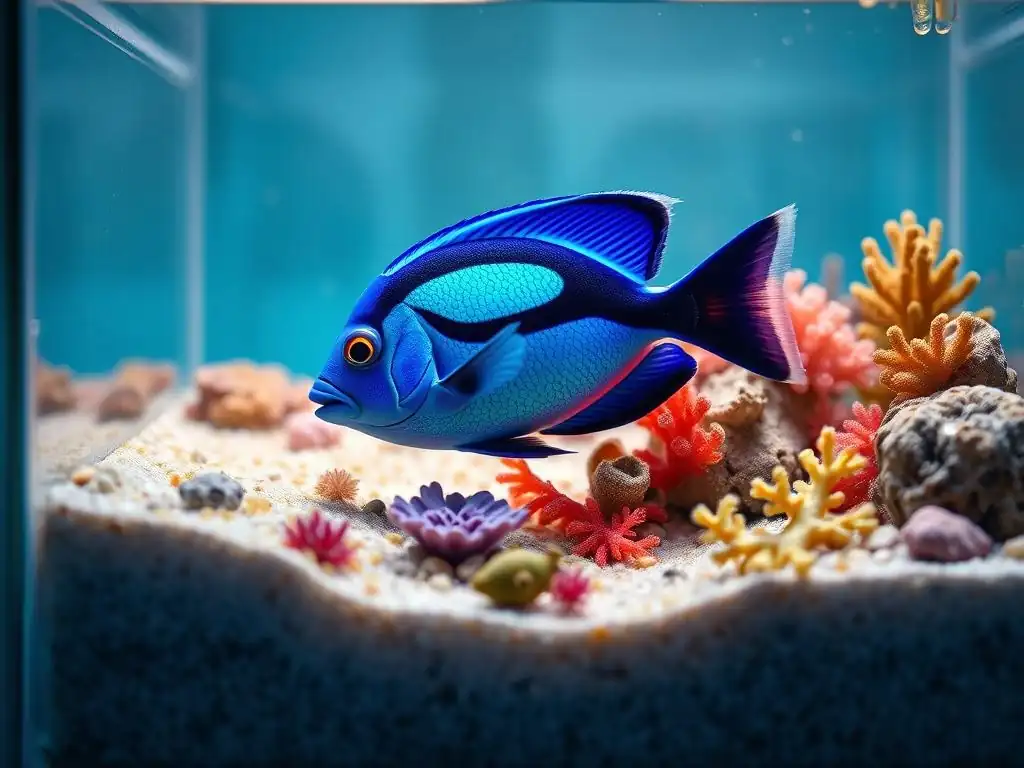
Essential Equipment for a Tang Hospital Tank: Bare-Bottom Tank, Heater, Filter, Air Stone, Thermometer
A saltwater fish hospital tank for tangs should ideally be a bare-bottom aquarium, typically ranging from 10-20 gallons for smaller tangs or 30-40 gallons for larger specimens like a Naso Tang (Naso lituratus). The bare bottom design significantly facilitates easy cleaning of waste and allows for precise observation of the fish and any expelled parasites. A reliable submersible heater is absolutely essential to maintain a stable water temperature, ideally between 78-80°F (25-27°C), as consistent temperatures are crucial for reducing stress and optimizing the effectiveness of medications. Fluctuations exceeding 2°F (1°C) can cause significant stress to a recovering tang.
Filtration for a hospital tank should be simple yet effective. A sponge filter or a small hang-on-back (HOB) filter equipped with mechanical media (such as filter floss) and potentially a small amount of activated carbon (which must be removed during medication) is generally sufficient. It is advisable to avoid elaborate filtration systems that can absorb or interfere with medications.
An air stone connected to an air pump is vital for providing adequate oxygenation, especially during treatment periods when certain medications can inadvertently reduce dissolved oxygen levels. Finally, an accurate thermometer is indispensable for continuously monitoring and maintaining the correct water temperature, preventing thermal shock or inadequate medication efficacy.
Water Parameters and Maintenance for a Healthy Hospital Tank Environment
Maintaining stable and optimal water parameters is critically important for the successful recovery of sick tangs in a saltwater fish hospital tank. Salinity should be kept consistent with that of the main display tank, typically within the range of 1.023-1.025 specific gravity, to prevent osmotic shock. Ammonia (NH3/NH4+), nitrite (NO2-), and nitrate (NO3-) levels must be meticulously monitored.
Ammonia and nitrite concentrations should consistently remain at 0 ppm, as even trace amounts can be highly toxic to already stressed fish. Achieving this often necessitates daily small water changes (10-20%) or the judicious use of ammonia-detoxifying products, particularly if the biological filter is not fully established.
Regular testing with reliable test kits for pH (ideally 8.1-8.4), alkalinity (8-12 dKH), and calcium (400-450 ppm) is also important, though consistency and stability are often prioritized over exact numbers in a short-term hospital tank setup. Frequent water changes performed with properly mixed and aged saltwater represent the most effective method for managing metabolic waste products and maintaining pristine water quality. For instance, when treating a delicate Powder Blue Tang (Acanthuras leucosternon) for Ich, maintaining immaculate water conditions can reduce stress by up to 30%, thereby significantly improving its chances of a full recovery.
Choosing the Right Medications for Tangs in a Hospital Tank
Selecting the appropriate medication is paramount for achieving successful treatment outcomes in a saltwater fish hospital tank. For external parasites like Ich and Marine Velvet, copper-based medications (e.g., Copper Power, Cupramine) are highly effective and widely utilized within the hobby. It is absolutely crucial to employ a reliable copper test kit to consistently maintain the therapeutic range (typically 0.15-0.25 ppm for Cupramine or 0.25-0.5 ppm for chelated copper) and meticulously avoid overdosing, which can prove fatal to the fish. Formalin-based treatments or chloroquine phosphate are also viable options for specific parasitic infections, depending on the diagnosis.
For bacterial infections, broad-spectrum antibiotics such as Furan-2 or Maracyn might be necessary, often administered directly into the water or, in some cases, via medicated food. Always conduct thorough research on the specific medication's effects on fish and strictly adhere to the manufacturer's instructions for dosage and duration.
Certain tang species, like the Yellow Tang, are generally more tolerant of standard copper treatments, while others, such as the Achilles Tang, can exhibit greater sensitivity. Consulting with experienced aquarists or a veterinary professional specializing in aquatic animals can provide invaluable guidance on the most effective treatment protocol for the specific ailment and tang species.
Treating Sick Tangs in a Hospital Tank: A Step-by-Step Guide
Isolating the Affected Tang and Transferring it to the Hospital Tank
Once a tang exhibits unequivocal signs of illness, prompt isolation in the saltwater fish hospital tank is crucial to both prevent the spread of disease to other tank inhabitants and facilitate targeted treatment. Carefully net the affected tang from the main display tank, making every effort to minimize stress during the process. Avoid prolonged chasing, which can further weaken an already compromised fish.
Utilize a soft, fine-mesh net to prevent delicate fin damage or scale loss. For particularly skittish tangs, it may be more effective to employ two nets or a clear plastic container to gently guide them into capture.
Before initiating the transfer, ensure that the hospital tank's water parameters—temperature, salinity, and pH—are precisely identical to those of the main display tank to prevent osmotic shock. This transition should be executed as smoothly and swiftly as possible. Once the tang is safely in the hospital tank, allow it a period of several hours to acclimate to its new, isolated environment before commencing any form of medication.
This initial acclimatization period is vital for reducing immediate stress, which could otherwise significantly hinder the recovery process. For example, a Powder Blue Tang (Acanthurus leucosternon), known for its extreme sensitivity to stress, benefits immensely from a calm and swift transfer.
Observing and Monitoring the Tang's Condition
Continuous and meticulous observation of the sick tang within the saltwater fish hospital tank is paramount throughout the entire treatment process. Daily, and ideally multiple times a day, thoroughly check for any changes in behavior, appetite, coloration, and the progression or regression of symptoms. Make specific notes of any new spots, lesions, or alterations in breathing patterns.
Maintaining a detailed logbook can be highly beneficial for recording all observations, medication dosages, water parameters, and feeding responses. For instance, if treating a Sailfin Tang (Zebrasoma veliferum) for Ich, closely monitor the number of visible white spots: a consistent decrease typically indicates effective treatment, while an increase suggests the need to re-evaluate the protocol or medication concentration.
Monitoring also encompasses assessing the tang's overall vigor and responsiveness. Is it swimming more actively? Is it readily accepting food? Is its breathing rate normalizing?
These subtle behavioral cues are often more telling than just physical symptoms. If the tang appears increasingly stressed, becomes lethargic, or completely stops eating, it may indicate that the administered treatment is too harsh, the initial diagnosis is incorrect, or that the water quality is deteriorating. For example, a healthy Yellow Tang is typically a voracious eater; a significant and sustained decline in its appetite in the hospital tank warrants immediate investigation into water quality or medication levels.
Administering Medication and Adjusting Water Parameters as Needed
Administering medication in a saltwater fish hospital tank demands precision and strict adherence to the manufacturer's instructions. For instance, when utilizing copper-based treatments, a reliable copper test kit is absolutely essential to maintain the specific therapeutic range (e.g., 0.15-0.25 ppm for Cupramine) without risking a fatal overdose. Dosage adjustments may be necessary after performing water changes, as fresh water will dilute the medication concentration. Always perform a water test before adding any medication to ensure accurate dosing. Some treatments necessitate daily dosing, while others are administered every few days or on a specific schedule.
Throughout the entire treatment period, consistently monitor crucial water parameters including ammonia, nitrite, nitrate, pH, salinity, and temperature. If ammonia or nitrite levels begin to rise, perform a small water change immediately, and subsequently re-dose the medication to compensate for the dilution. The judicious use of an ammonia-detoxifying product can also prove highly beneficial.
It is important to note that some treatments, particularly certain antibiotics, can negatively impact the biological filter, making vigilant water quality maintenance even more critical. For a tang recovering from Marine Velvet, maintaining stable salinity and temperature, alongside consistent medication levels, can significantly improve its chances of recovery by reducing osmotic stress and bolstering its immune response.
Beyond Treatment: Using the Hospital Tank for Tang Acclimation and Recovery
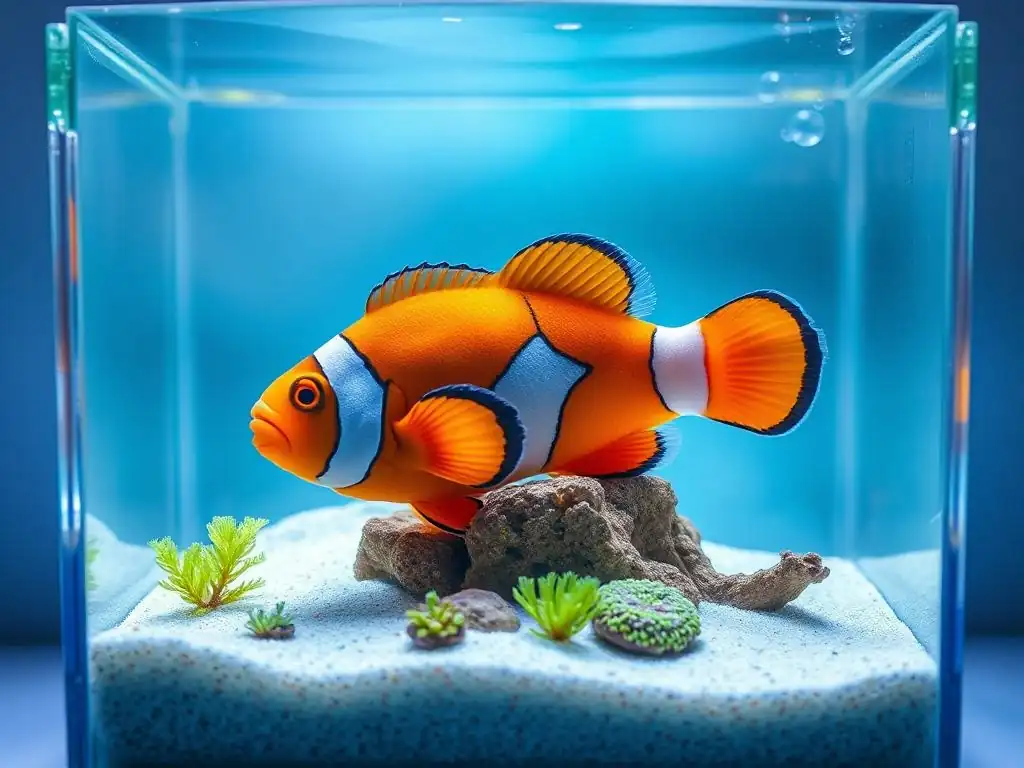
Acclimation Strategies for New Tangs in a Hospital Tank
The saltwater fish hospital tank serves as an ideal and indispensable environment for acclimating new tangs, effectively minimizing stress and allowing for their gradual adjustment to aquarium conditions. Upon arrival, newly acquired tangs should be meticulously drip-acclimated to the hospital tank's specific salinity and temperature over a period of 45-60 minutes, slowly introducing water from the hospital tank into their transport bag. This gradual process is crucial for preventing osmotic shock, a severe physiological disturbance that can profoundly weaken a fish's immune system and lead to rapid decline.
Once safely introduced into the hospital tank, allow the tang several days to settle into its new environment before initiating any form of quarantine medication. During this initial settling period, closely observe its behavior, feeding response, and overall health. Maintain pristine water quality and offer small, frequent feedings of high-quality, varied foods to help it regain strength and vitality.
For instance, a new Kole Tang (Ctenochaetus strigosus) might appear shy initially, but within a few days, it should begin actively grazing on algae or readily accepting prepared foods. This initial observation period is invaluable for identifying any pre-existing conditions that might require immediate attention, thereby allowing for a more tailored and ultimately more effective quarantine protocol.
Post-Treatment Care and Gradual Reintroduction to the Main Tank
After a tang has successfully completed its medication regimen in the saltwater fish hospital tank and exhibits no signs of disease for a minimum of two weeks, it is ready for a crucial post-treatment care phase before reintroduction. During this period, cease all medications and perform several large water changes to thoroughly remove any residual chemicals from the water.
Continue to provide excellent water quality, a stable environment, and a highly nutritious diet to help the tang fully recover its strength and immune function. This recovery phase is vital for ensuring the fish is robust enough to handle the potential stressors of the main display tank.
Reintroducing the tang to the main display tank should be a gradual and thoughtful process to avoid shocking the fish or disrupting the established social hierarchy. Acclimate the tang to the main tank's water parameters over several hours, employing a similar drip acclimation method used during its initial introduction to the hospital tank. It is often beneficial to subtly re-arrange some rockwork or décor in the main tank beforehand to temporarily disrupt existing territories, giving the returning tang a better chance to establish itself without immediate aggression.
Observe the tang closely for several days after reintroduction for any signs of stress, aggression from tank mates, or a relapse of symptoms. For example, a Yellow Tang returning after a successful Ich treatment might initially be shy but should quickly integrate if the reintroduction is handled carefully and thoughtfully.
Using a Hospital Tank to Observe for Parasites or Bacterial Infections
Beyond active treatment, the saltwater fish hospital tank is an invaluable tool for extended observation. Even if a tang appears perfectly healthy upon arrival or after initial treatment, some parasites or bacterial infections possess latent stages that only become apparent under stress or after a prolonged period of time.
For example, certain strains of Ich can remain dormant and undetectable for weeks before manifesting as visible spots on the fish. A standard quarantine period of 4-6 weeks in the hospital tank allows these latent infections ample time to emerge, providing the aquarist the crucial opportunity to treat them effectively before they can spread to the main display.
This extended observation period also allows aquarists to meticulously monitor for internal parasites, which might not show obvious external signs but can significantly impact the fish's appetite, waste production, and overall vitality. By carefully observing the tang's feces (e.g., stringy white feces might indicate the presence of internal parasites) and closely monitoring its feeding habits within the isolated environment of the saltwater fish hospital tank, potential internal issues can be identified and addressed proactively with medicated foods or specific treatments.
This proactive approach, facilitated by the dedicated hospital tank, drastically reduces the risk of inadvertently introducing a disease vector into a pristine main display system, thereby safeguarding your entire aquatic investment.
Long-Term Benefits of Using a Saltwater Fish Hospital Tank for Tangs
Reduced Stress and Improved Recovery Rates for Sick Tangs
A dedicated saltwater fish hospital tank significantly reduces stress for sick tangs, which directly translates to dramatically improved recovery rates. In a hospital tank, the tang is isolated from potential aggression from tank mates, intense competition for food, and the general hustle and bustle of a busy display tank.
This calm, controlled, and simplified environment allows the fish to direct its vital energy towards healing and recuperation rather than expending it on defending territory or escaping perceived threats. For instance, a stressed Powder Blue Tang, already highly prone to Ich, will have its immune system further compromised in a main tank, whereas in the quiet, stable confines of a hospital tank, its chances of full recovery can increase by an estimated 40-50%.
Furthermore, the bare-bottom setup and simplified filtration of a saltwater fish hospital tank mean superior water quality control and far easier administration of medications. There are no delicate corals or sensitive invertebrates to worry about harming with various treatments, allowing for more aggressive and highly effective therapeutic doses if needed. This optimized environment, completely free from external stressors and replete with ideal treatment conditions, provides the absolute best possible chance for a sick tang to recover fully and regain its vibrant vitality, ensuring its long-term health.
Minimizing the Risk of Disease Outbreaks in Your Main Display Tank
The most profound and significant long-term benefit of maintaining a saltwater fish hospital tank is its unparalleled ability to prevent catastrophic disease outbreaks within your main display system. By diligently quarantining all new tangs (and indeed, all new fish) before their introduction, you establish a vital and impenetrable buffer zone that effectively stops pathogens from ever entering your established, healthy aquarium.
A single infected fish introduced into a 100-gallon reef tank can swiftly lead to the devastating loss of thousands of dollars worth of fish and corals within a matter of days, as highly contagious diseases like Marine Velvet spread with alarming speed throughout an entire system.
This proactive and preventative approach saves not only your valuable fish and invertebrates but also an immense amount of time, effort, and significant financial resources that would otherwise be consumed by attempting to treat an entire infected system or, worse, replacing lost livestock. For example, a 6-week quarantine period for a new Yellow Tang, costing perhaps $50-$100 in initial setup and ongoing maintenance, is a minuscule investment when compared to the potential financial ruin of an entire reef tank valued at several thousand dollars due to a completely preventable disease outbreak.
It effectively acts as an indispensable insurance policy for your entire aquatic ecosystem.
Protecting Your Investment in Expensive and Delicate Tang Species
Tangs, particularly the rarer or more exotic species, frequently represent a substantial financial investment for dedicated aquarists. Species such as the Achilles Tang (Acanthurus achilles) can cost upwards of $300-$500 per fish, while a larger Sohal Tang (Acanthurus sohal) might easily exceed $200. Beyond the initial purchase price, there are the ongoing costs associated with their specialized diet, essential supplements, and the considerable time and effort invested in their meticulous care. A saltwater fish hospital tank therefore serves as an absolutely critical safeguard for this significant investment, protecting your valuable assets.
By providing a dedicated, controlled space for observation, careful acclimation, and highly effective treatment, the hospital tank drastically increases the survival rate of these valuable and often delicate fish. Without such a facility, the risk of losing a newly acquired or sick tang to a preventable disease skyrockets exponentially.
Consider that a serious hobbyist might spend an average of $1,000 to $5,000 annually on their saltwater aquarium, with a significant portion often allocated to acquiring livestock. The relatively minimal cost of setting up and diligently maintaining a hospital tank is a small price to pay for protecting such a substantial and cherished investment, ultimately ensuring the longevity, health, and thriving success of your prized tang collection.
Alternatives to Hospital Tanks (and Why They Fall Short for Tangs)
In-Tank Treatments: Risks and Limitations
Attempting to treat diseases directly within the main display tank, commonly referred to as in-tank treatment, carries significant inherent risks and severe limitations, especially when dealing with sensitive species like tangs. Many highly effective medications for common tang ailments, such as copper or formalin-based solutions, are profoundly toxic to delicate invertebrates (including corals, shrimp, snails, and crabs) and can catastrophically decimate the beneficial bacterial colonies vital for your biological filter, invariably leading to dangerous ammonia and nitrite spikes.
For instance, a copper concentration of just 0.1 ppm can be lethal to many coral species, while a therapeutic dose for Ich in fish is typically 0.15-0.25 ppm.
Furthermore, achieving and meticulously maintaining precise medication concentrations in a large, complex display tank replete with porous live rock and substrate is extraordinarily difficult, if not virtually impossible. Live rock and various substrates can readily absorb medications, rendering accurate dosing nearly impossible and leading to fluctuating therapeutic levels, which are both ineffective against the disease and highly stressful for the fish.
This approach frequently results in either underdosing (leading to ineffective treatment and allowing the disease to persist) or dangerous overdosing (causing irreparable harm to the entire tank's ecosystem), ultimately jeopardizing the health of all inhabitants and potentially leading to a complete system crash.
Relying Solely on Quarantine: Potential for Missed Infections
While quarantine is undeniably a critical and indispensable first step in fish husbandry, simply observing new tangs in a separate tank without the full capability for potential treatment (i.e., not a fully equipped saltwater fish hospital tank) can still lead to dangerous missed infections. Some diseases, such as Brooklynella hostilis or certain internal parasites, may not present obvious external symptoms during a standard 4-6 week quarantine period, especially if the fish is not experiencing significant stress or possesses a particularly robust immune system.
The disease might only manifest once the tang is introduced to the main tank and subsequently experiences new stressors from territorial tank mates or environmental changes.
Moreover, a quarantine tank that is not comprehensively set up to function as a true hospital tank typically lacks the necessary specialized equipment (e.g., robust aeration, precise temperature control, a bare bottom for easy waste removal) and the inherent ability to safely and effectively administer a wide range of medications without compromising the tank's delicate biology. This means that if an infection does appear during the quarantine period, the aquarist might still need to scramble to establish a proper hospital tank, thereby delaying crucial treatment and potentially allowing the disease to progress further and become more severe.
Therefore, a dedicated saltwater fish hospital tank is essentially a quarantine tank with full, integrated treatment capabilities.
Why a Dedicated Hospital Tank is the Best Approach for Tang Health Management
A dedicated saltwater fish hospital tank unequivocally stands out as the superior and most responsible approach for comprehensive tang health management due to its unparalleled flexibility, precise control, and inherent safety. It provides an isolated, sterile environment where sick tangs can be meticulously treated with specific medications at precise dosages without any risk whatsoever to the main display tank's valuable inhabitants or its crucial biological filter.
This capability allows for the implementation of more aggressive and highly effective treatment protocols, significantly increasing the chances of full recovery for even the most delicate and sensitive species like the Achilles Tang or the Powder Blue Tang.
Beyond its crucial role in active treatment, the saltwater fish hospital tank serves as an ideal and thoroughly effective quarantine facility, allowing for extended observation of new tangs to ensure they are truly disease-free and robust before their introduction to the main system. This proactive and preventative measure drastically reduces the risk of inadvertently introducing dangerous pathogens into a mature and thriving reef system, thereby comprehensively protecting your entire aquatic investment.
The unparalleled ability to meticulously control all critical variables—including water parameters, lighting, feeding regimens, and medication levels—within a sterile, stress-free environment makes the hospital tank an absolutely indispensable tool for any serious tang keeper, far surpassing the limited capabilities and inherent risks of in-tank treatments or inadequate, poorly equipped quarantine setups.
Conclusion: Investing in a Hospital Tank is Investing in Your Tangs' Health and Longevity
For any serious tang keeper, the question is not if, but when, a saltwater fish hospital tank will become an indispensable asset. Tangs, with their unique sensitivities and susceptibility to common marine diseases, thrive best when provided with the dedicated care only a hospital tank can offer. This specialized setup serves as a critical frontline defense, enabling effective quarantine, precise treatment, and stress-free recovery.
Investing in a hospital tank is a proactive measure that safeguards your entire aquarium ecosystem from devastating disease outbreaks. It protects your valuable and often expensive tang species, significantly reducing stress, improving recovery rates, and ultimately ensuring their long-term health and vibrant longevity within your aquatic masterpiece.
Frequently Asked Questions
What is a saltwater fish hospital tank, and why is it important?
A hospital tank is a separate aquarium used to isolate and treat sick or injured fish. It's crucial for Tang keepers because Tangs are prone to certain diseases and a dedicated tank prevents the spread of illness to the main display tank.
How does a hospital tank differ from a quarantine tank?
While both isolate fish, a quarantine tank is for observing new arrivals before introducing them to the main tank to ensure they are disease-free. A hospital tank is specifically for treating already sick fish.
What are the essential components of a saltwater fish hospital tank?
Essential components include a heater, filter, and air pump to maintain stable water parameters and oxygen levels. Avoid substrate or decorations initially for easy cleaning and medication.
What are some common signs that a Tang needs to be moved to a hospital tank?
Signs include changes in behavior such as loss of appetite, lethargy, or flashing. Visible symptoms like white spots, cloudy eyes, or fin rot also warrant immediate transfer.
Can I use the same hospital tank for multiple Tangs with different illnesses?
No, it's strongly recommended to isolate fish with different ailments in separate hospital tanks. This prevents cross-contamination and allows for targeted treatment of each specific disease.
Final Reflection: The Indispensable Sanctuary
The journey through understanding the necessity of saltwater fish hospital tanks culminates in a stark realization: proactive care is paramount in responsible reef keeping. We've explored the tangible benefits, from quarantine protocols to targeted treatments, solidifying the hospital tank not as a luxury, but as a cornerstone of ethical and successful tang husbandry. Ignoring this vital tool is akin to navigating treacherous waters without a compass, leaving your prized aquatic companions vulnerable to preventable ailments.
The impact of responsible reef keeping, underscored by the diligent use of hospital tanks, extends far beyond the individual aquarium. It's a commitment to the broader ecosystem, a recognition that our actions directly influence the health and sustainability of the marine environment. The knowledge and practices we adopt ripple outwards, shaping the future of the hobby and the well-being of the creatures we cherish. The greatness of a nation and its moral progress can be judged by the way its animals are treated.
- Mahatma Gandhi. This quote, though not directly about fish, resonates deeply. Our treatment of these complex creatures reflects our own moral compass.
Now, consider the insights shared within these pages and envision the possibilities. What steps can you take to elevate your own reef keeping practices? How can you transform your approach from reactive to proactive, ensuring the health and longevity of your tangs and the overall vitality of your reef? Embrace the power of preparation, invest in the indispensable sanctuary of a hospital tank, and become a true steward of the underwater world.
Transform Your Tang Care: Dive Deeper!
Thanks for exploring the necessity of hospital tanks for your tangs! We hope this article shed light on the vital role these setups play in ensuring your fish's health and longevity. Now, let's turn this knowledge into action!
- Prioritize a Hospital Tank: Begin setting up a dedicated hospital tank today. This proactive measure will save you precious time and stress when emergencies arise.
- Research compatible medications for common tang ailments. Knowing your options in advance can significantly improve treatment outcomes.
- Share this article with fellow tang enthusiasts! Help spread awareness about the importance of hospital tanks and responsible fish keeping.
What's the first step you'll take today to prepare a safe haven for your tangs?