
Dragonet Diet Secrets: Beyond Pods – Supplementing for a Thriving Fish

Welcome to Aquarium Mastery!
Ever wondered how to ensure your dazzling Dragonet really thrives in your saltwater aquarium? Beyond the initial introduction of copepods, unlocking the secrets of a truly balanced diet is key. Dive into our comprehensive "Dragonet Diet Supplementation Guide" and discover how to provide the essential nutrients these captivating fish need to flourish. Curious to learn more and ensure your Dragonet’s vibrant health? Let's get started!
- Understanding the Dragonet Diet: A Comprehensive Guide
- The Importance of Dragonet Diet Supplementation
- Essential Supplements for Dragonets: A Detailed Guide
- Optimizing Your Dragonet Feeding Strategy: Practical Tips
- Troubleshooting Dragonet Feeding Problems: A Guide
- Long-Term Dragonet Health: Sustaining a Balanced Diet
-
Frequently Asked Questions
- How crucial is supplementing a Dragonet's diet if my tank has a well-established pod population?
- What are some readily available food options I can use to supplement my Dragonet's diet?
- How often should I supplement my Dragonet's diet, and what quantity should I offer?
- My Dragonet seems disinterested in the supplements I offer. What can I do to encourage it to eat?
- What are the potential consequences of neglecting to supplement a Dragonet's diet?
- Final Reflection: Nurturing the Reef's Jewels
- Ignite Your Dragonet's Vitality!
Understanding the Dragonet Diet: A Comprehensive Guide
Natural Diet of Dragonets in the Wild
Dragonets, particularly the popular Mandarinfish ( Synchiropus splendidus), are highly specialized micro-predators in their natural Indo-Pacific coral reef habitats. They spend their days constantly sifting through sand, rubble, and live rock, meticulously hunting for small, benthic invertebrates. Their primary food source consists predominantly of various species of copepods, tiny crustaceans that form a crucial part of the reef's microfauna. Beyond copepods, their diet also includes small amphipods, rotifers, and other minute worms and larval crustaceans, all consumed in vast quantities throughout the day.
This constant foraging behavior is driven by their high metabolism and the relatively low caloric density of their prey. A single wild dragonet can consume thousands of individual copepods and other micro-organisms over a 24-hour period. This continuous intake of diverse, live prey ensures they receive a full spectrum of essential nutrients, including proteins, fats (especially beneficial fatty acids like DHA and EPA), and vitamins, all crucial for their vibrant coloration, immune system, and overall health.
The Challenge of Replicating a Natural Dragonet Diet in Aquariums
Replicating the sheer volume and diversity of a wild dragonet's diet in a closed aquarium system presents a significant challenge for even experienced aquarists. A typical home reef aquarium, even one well-established with a refugium, simply cannot produce the millions of copepods and other microfauna that a single dragonet would consume in its natural environment over an extended period. For instance, a 50-gallon reef tank, no matter how mature, will struggle to sustain the daily caloric needs of an adult dragonet without active intervention.
Furthermore, the limited space and biomass in an aquarium mean that any existing microfauna population is quickly depleted, especially if other pod-eating fish (e.g., certain wrasses) are present. This often leads to a monoculture of less desirable pod species or a complete lack of diversity, which fails to provide the comprehensive nutritional profile a dragonet requires. Without a robust dragonet diet supplementation guide, captive dragonets often suffer from chronic malnutrition, leading to a significantly shortened lifespan compared to their wild counterparts.
The Importance of Dragonet Diet Supplementation
Why Pods Alone Are Often Not Enough for Dragonet Health
While copepods are undeniably a cornerstone of the dragonet diet, relying solely on the naturally occurring population in a home aquarium is almost always insufficient for long-term health. Even a tank with a thriving refugium might only produce a fraction of the thousands of pods an adult dragonet needs daily. For example, a single adult Mandarinfish can consume an estimated 100-200 copepods per hour during active foraging. If the tank's production cannot meet this demand consistently, the dragonet will slowly starve, even if it appears to be constantly picking at the rockwork.
Moreover, the nutritional content of copepods can vary depending on their species and what they themselves consume. A diet consisting of only one or two types of copepods, even in adequate numbers, might lack specific essential fatty acids (like DHA and EPA, crucial for immune function and coloration) or vital vitamins. Therefore, a comprehensive dragonet diet supplementation guide is essential to provide the necessary nutritional diversity and caloric intake that the aquarium's natural production cannot sustain.
Recognizing the Signs of Malnutrition in Dragonets
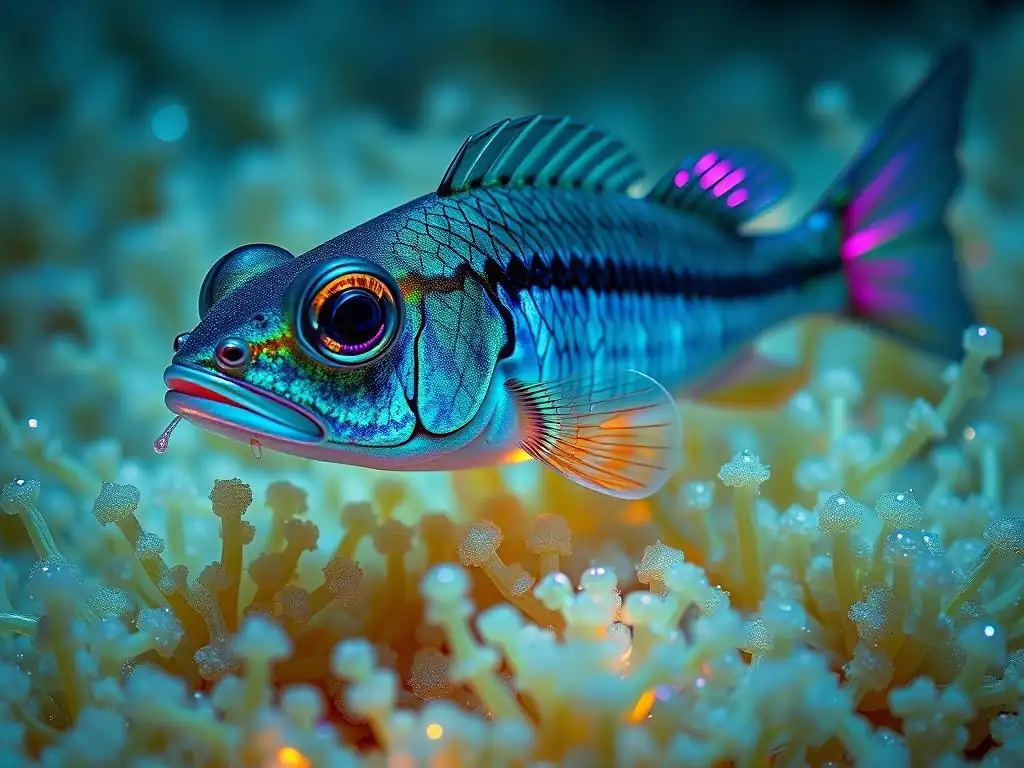
Early recognition of malnutrition is crucial for a dragonet's survival. The most common and critical sign of an underfed dragonet is a "pinched" or sunken belly, where the stomach area appears concave rather than rounded and full. This is a clear indication that the fish is not receiving enough food to meet its metabolic demands and is starting to consume its own muscle mass. This sign can become noticeable within weeks of insufficient feeding.
Other indicators of malnutrition include faded or dull coloration, which can be particularly striking in the normally vibrant Mandarinfish, and lethargy or reduced activity levels. A healthy dragonet is usually active, constantly sifting and picking. If your dragonet spends more time hiding, appears listless, or shows a general lack of interest in its surroundings, it could be suffering from nutritional deficiencies. These physical and behavioral changes underscore the critical need for a well-planned dragonet diet supplementation guide.
Dragonet Survival: The Role of Proper Feeding
Proper feeding is, without exaggeration, the single most critical factor determining the long-term survival and thriving of dragonets in captivity. Many dragonets, particularly the Mandarinfish, are notoriously difficult to keep long-term, with many perishing within 6 to 12 months after introduction to a new aquarium. This high mortality rate is almost exclusively attributable to starvation, not disease, due to inadequate food supply.
A robust dragonet diet supplementation guide ensures that these specialized feeders receive not only sufficient calories but also the complete array of vitamins, minerals, and essential fatty acids necessary for their unique physiological needs. A well-nourished dragonet will exhibit vibrant colors, active foraging behavior, a rounded belly, and a strong immune system, making it more resilient to stress and potential diseases. This proactive approach to feeding is what transforms a challenging species into a rewarding, long-term inhabitant of a reef aquarium.
Essential Supplements for Dragonets: A Detailed Guide
Copepods and Amphipods: Maintaining a Sustainable Pod Population
Copepods and amphipods are the natural, foundational diet for dragonets, and maintaining a robust population within the aquarium and/or refugium is paramount. Common copepod species used in the hobby include Tisbe, Tigriopus, and Apocyclops, each offering slightly different nutritional profiles and sizes. Amphipods, being larger, provide more substantial meals. A diverse population of these tiny crustaceans ensures a broader spectrum of nutrients. To sustain them, a large refugium (ideally 10-20% of the display tank's volume) packed with live rock rubble and macroalgae like Chaetomorpha or Ulva is highly beneficial, providing both habitat and food sources for the pods.
Regular re-seeding of copepods and amphipods, typically monthly or quarterly, is often necessary to prevent the dragonet from completely depleting the population. Limiting other pod-eating tank mates is also crucial, as even a small wrasse can decimate a pod population rapidly. A healthy, diverse pod population acts as a continuous, natural food source, reducing the reliance on manual feeding and serving as a vital component of any effective dragonet diet supplementation guide.
Culturing Copepods for Dragonet Feeding
Culturing copepods at home provides an invaluable, consistent, and cost-effective food source for dragonets, significantly bolstering a dragonet diet supplementation guide. A simple setup involves a 2-5 gallon container (a bucket or small tank), filled with aerated saltwater (specific gravity matching your display tank). Introduce a starter culture of copepods, and feed them regularly with a high-quality liquid phytoplankton solution. Phytoplankton serves as the base of the food chain, allowing the copepods to reproduce rapidly.
A well-maintained copepod culture can yield thousands of pods per week. Harvesting can be done by simply pouring a portion of the culture through a fine mesh net (e.g., 50-micron) and then rinsing the collected copepods before adding them to the display tank. Daily or every-other-day feeding of these live, gut-loaded copepods directly into the tank ensures the dragonet receives a steady supply of highly nutritious food, often triggering their natural foraging instincts more effectively than non-moving foods.
Amphipod Introduction and Management
Amphipods are larger, more substantial crustaceans than copepods, making them an excellent supplemental food source for dragonets and other small benthic feeders. They thrive in refugiums with ample hiding places, such as deep sand beds, live rock crevices, and dense macroalgae beds. Unlike copepods, which are often free-swimming, amphipods tend to burrow and crawl, making them a more challenging but rewarding hunt for dragonets.
Due to their larger size and sometimes slower reproductive rates compared to copepods, amphipods may need less frequent but consistent re-introduction from commercial sources. They contribute significantly to the biodiversity of the clean-up crew in a refugium and provide a varied textural and nutritional offering for the dragonet. While they may not be consumed in the same sheer numbers as copepods, their larger caloric contribution per individual makes them a valuable component of a comprehensive dragonet diet supplementation guide.
Frozen Foods: Supplementing with Variety
Frozen foods are a critical component of any effective dragonet diet supplementation guide, offering convenience and a broad spectrum of nutrients that can complement or even replace natural pod populations. While dragonets can be notoriously finicky about accepting non-moving food, training them to eat frozen options is often key to their long-term survival. A diverse selection of frozen foods, such as mysis shrimp, cyclops, rotifers, enriched brine shrimp, and even finely chopped clam or scallop, can provide a comprehensive nutritional profile.
The challenge lies in their reluctance to consume non-live prey. However, the benefits of success are immense: frozen foods are readily available, can be gut-loaded by manufacturers with beneficial nutrients, and allow for precise portion control. Patience and consistent training are essential to transition dragonets from live-only diets to accepting these vital frozen supplements.
Selecting High-Quality Frozen Foods for Dragonets
When selecting frozen foods for your dragonet, quality is paramount to ensure maximum nutritional benefit. Look for brands that utilize flash-freezing techniques, as this helps preserve the cellular integrity and nutrient content of the food. Check the ingredient list; high-quality frozen foods will list marine proteins (e.g., mysis shrimp, krill, fish roe) as the primary ingredients, with minimal binders or fillers. Products enriched with spirulina, garlic, or essential fatty acids (like DHA/EPA) are particularly beneficial as they provide concentrated nutrition.
Avoid products with excessive "freezer burn" or large ice crystals, as these indicate thawing and refreezing, which degrades nutritional value. Smaller, single-serving cube packs are often more convenient and help maintain freshness compared to large slabs that are repeatedly thawed and refrozen. A careful selection of frozen foods is a cornerstone of a successful dragonet diet supplementation guide.
Proper Thawing and Feeding Techniques for Frozen Foods
Proper preparation of frozen foods is essential to maximize their nutritional value and minimize tank pollution. Always thaw a small portion of frozen food in a cup of tank water or clean RO/DI water for 5-10 minutes. Never use a microwave, as this can destroy vital nutrients. After thawing, it is highly recommended to rinse the food through a fine mesh net (e.g., a brine shrimp net) to remove any excess phosphates, nitrates, or residual liquids that can degrade water quality in the aquarium.
Feed small amounts frequently, ideally 2-3 times daily, rather than one large meal. Dragonets are slow, deliberate eaters, and feeding small portions ensures less food goes to waste or fouls the water. Use target feeding methods (like a turkey baster or pipette) to deliver the food directly to the dragonet, preventing faster tank mates from consuming it. This precise technique is vital for any effective dragonet diet supplementation guide.
Live Foods: Enhancing Dragonet Feeding Habits
Live foods play a critical role in a dragonet diet supplementation guide, especially for newly acquired or finicky specimens. Their natural movement triggers the dragonet's innate predatory instinct, often making them the first supplemental food a dragonet will accept beyond naturally occurring pods. While live foods can be more expensive and require more effort than frozen alternatives, they are invaluable for conditioning and strengthening a dragonet that is struggling to adapt to captivity.
They serve as an excellent bridge to transition dragonets onto a more varied diet, as the fish gains confidence and associates the feeding process with positive experiences. However, continuous reliance on live foods can be unsustainable long-term due to cost and availability.
Brine Shrimp (Artemia): Nutritional Value and Limitations
Newly hatched brine shrimp nauplii ( Artemia) are highly attractive to dragonets due to their erratic swimming motion, making them an excellent choice for enticing reluctant feeders. They are relatively easy and inexpensive to culture at home from cysts, providing a constant supply of live, moving prey. This makes them a popular initial offering in a dragonet diet supplementation guide.
However, a significant limitation of brine shrimp is their poor nutritional value, particularly after the first 24-48 hours post-hatch. They are essentially "empty calories" unless they are gut-loaded. To enhance their nutritional profile, brine shrimp should be fed a high-quality phytoplankton or spirulina diet for several hours before being offered to the dragonet. Without gut-loading, they offer little more than movement and can lead to deficiencies if relied upon heavily.
Mysis Shrimp: A Preferred Live Food for Dragonets
Live mysis shrimp are often considered a superior live food choice for dragonets compared to brine shrimp due to their excellent nutritional profile. They are rich in protein, lipids, and essential fatty acids, providing a much more substantial and beneficial meal. Their size is also appropriate for most dragonets, offering a more satisfying hunt. Live mysis are readily accepted by most dragonets and can significantly aid in bulking up a thin or newly acquired specimen.
The primary drawback of live mysis shrimp is their availability and cost. They are generally harder to source consistently than brine shrimp and are significantly more expensive. Despite this, their nutritional density makes them an invaluable tool for initial conditioning and as a periodic, high-value treat to enrich a dragonet's diet, solidifying their place in a comprehensive dragonet diet supplementation guide.
Blackworms: Another Option for Supplementation
Live blackworms ( Lumbriculus variegatus) are freshwater worms that can survive for several hours in saltwater, making them a viable and highly palatable live food option for dragonets. They are rich in protein and fat, and their wriggling motion is highly attractive to many fish, including finicky feeders like dragonets. Blackworms are relatively easy to acquire from local fish stores or online suppliers.
When using blackworms, it's crucial to rinse them thoroughly with fresh water before introducing them to the aquarium to remove any debris or contaminants from their culture water. They can be target-fed directly to the dragonet using a pipette or turkey baster, ensuring the dragonet gets the full benefit. Blackworms offer another excellent alternative for dragonets that are resistant to frozen foods, serving as an effective component of a diversified dragonet diet supplementation guide.
Commercially Available Dragonet Food: A Review
In recent years, some aquarium food manufacturers have developed specialized pellet or flake foods specifically formulated for finicky, small-mouthed fish like dragonets. These products often boast high marine protein content, added vitamins, and attractants designed to entice reluctant feeders. While the concept is appealing for its convenience, success rates with these commercial foods vary widely among individual dragonets.
Many dragonets, particularly those not previously conditioned to accept non-moving foods, may completely ignore these pellets or flakes. Training and persistence are often required, and even then, some dragonets may never fully accept them. However, for those that do, these commercial foods can provide a valuable, convenient, and nutritionally balanced component of their diet, reducing the reliance on live or frozen foods alone.
Evaluating Dragonet-Specific Food Formulations
When considering commercial foods for your dragonet, a thorough evaluation of the formulation is crucial. Look for products where marine proteins (e.g., fish meal, krill, spirulina, squid meal) are listed as the first few ingredients, indicating a high protein content appropriate for carnivorous fish. Avoid formulations with excessive fillers like wheat or soy. Ensure the food contains a complete vitamin and mineral profile, and ideally, includes omega-3 fatty acids like DHA and EPA, which are vital for marine fish health.
Particle size is also a critical factor; dragonets have very small mouths, so the food must be finely ground or offered as micro-pellets. Some formulations are designed to be slow-sinking, giving the dragonet more time to locate and consume the food before it settles into the substrate or is swept away by currents. A careful selection of these specialized foods contributes significantly to a robust dragonet diet supplementation guide.
How to Introduce Commercial Foods to Picky Dragonets
Introducing commercial dry foods to finicky dragonets requires immense patience and a strategic approach. Start by mixing a tiny amount of the commercial food with a live or frozen food that your dragonet already readily accepts, such as live copepods or frozen mysis shrimp. The goal is for the dragonet to inadvertently consume the dry food along with its preferred meal. Gradually, over days or weeks, increase the proportion of the commercial food.
Another effective technique is target feeding. Use a turkey baster or pipette to deliver a small amount of the mixed food directly in front of the dragonet. Offer the commercial food immediately after their preferred food, or during times when the dragonet is most active and seemingly hungry. Consistency is key; continue offering the food daily, even if initially rejected. It can take several weeks or even months for a dragonet to fully accept a new, non-moving food source, but the long-term benefits of a diversified diet are well worth the effort.
Optimizing Your Dragonet Feeding Strategy: Practical Tips
Target Feeding Techniques for Dragonets
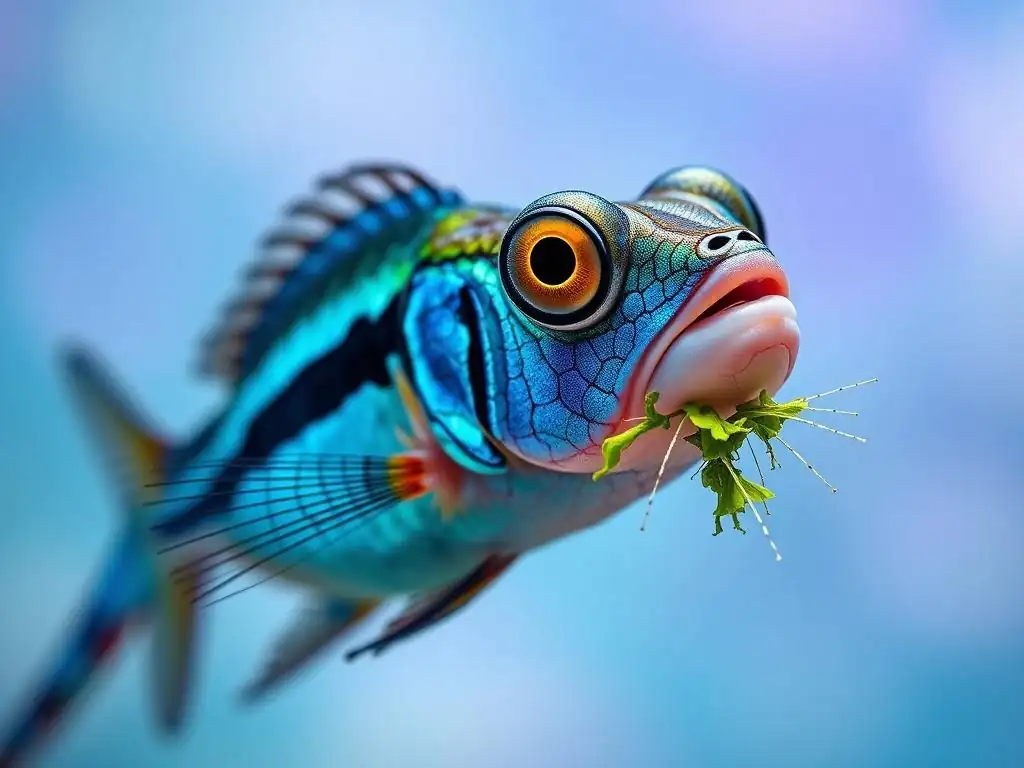
Target feeding is an indispensable technique for ensuring your dragonet receives adequate nutrition, especially when using supplemental foods. Dragonets are slow, deliberate eaters and are notoriously poor competitors compared to most other reef fish. Without targeted delivery, faster, more aggressive tank mates will quickly consume all the food before the dragonet even has a chance to react.
Consistency in target feeding is also vital. By feeding at the same time(s) each day and in the same location, the dragonet can learn to associate that routine with food availability. This helps to reduce stress and encourages the dragonet to be present and ready to feed, maximizing the chances of successful food intake. This focused approach is a core element of any effective dragonet diet supplementation guide.
Using a Turkey Baster or Pipette for Targeted Feeding
A turkey baster or a long-handled pipette is an essential tool for target feeding dragonets. To use it effectively, first thaw a small portion of your chosen frozen food (e.g., mysis shrimp, cyclops) in a cup of tank water. Draw the thawed food and a small amount of water into the baster or pipette. Slowly approach the dragonet in the tank.
Gently release the food directly in front of, or slightly above, the dragonet. Aim for a spot where the current is minimal, allowing the food to drift slowly towards the fish's mouth. This method ensures that the food lands precisely where the dragonet can find and consume it, minimizing waste and preventing it from being swept away or consumed by other tank inhabitants. Consistent application of this technique significantly improves feeding success for these specialized fish.
Creating a Feeding Station for Dragonets
Establishing a dedicated "feeding station" can further enhance the effectiveness of your dragonet feeding strategy. This involves designating a specific, low-flow area in the aquarium where food is consistently delivered. A small, flat piece of live rock, a clean clam shell, or even a small, shallow petri dish can serve as a suitable feeding station. Place it in an area easily accessible to the dragonet but less frequented by faster, more competitive tank mates.
Over time, your dragonet may learn to associate this specific spot with feeding time, making it easier for you to deliver food and for the fish to anticipate its meal. This also helps to concentrate the food in one area, reducing dispersion and waste. A feeding station, combined with precise target feeding, forms a powerful duo in any comprehensive dragonet diet supplementation guide.
Maintaining Water Quality for Optimal Dragonet Health
Pristine water quality is fundamentally important for the overall health and appetite of dragonets. Poor water parameters, such as elevated nitrates, phosphates, or fluctuating salinity and temperature, can induce significant stress in these sensitive fish. Stress, in turn, suppresses their immune system and, critically, diminishes their appetite, making them even less likely to accept supplemental foods.
A stable and clean environment encourages a dragonet's natural foraging behaviors and general well-being. Furthermore, good water quality directly supports the health and reproduction of the beneficial microfauna (copepods and amphipods) within the aquarium and refugium, which serve as the dragonet's primary natural food source. This symbiotic relationship underscores why maintaining excellent water quality is an indirect yet crucial component of a successful dragonet diet supplementation guide.
The Impact of Water Parameters on Dragonet Appetite
Dragonets are highly sensitive to deviations from ideal water parameters, and even subtle shifts can negatively impact their appetite. Optimal conditions include stable salinity (typically 1.023-1.026 specific gravity), consistent temperature (around 74-78°F or 23-26°C), and very low levels of nitrates (<10 ppm) and phosphates (<0.03 ppm). Fluctuations in pH or alkalinity can also cause stress, leading to lethargy and a decreased willingness to eat.
When water parameters are out of optimal range, a dragonet's metabolism can slow down, and its overall health can decline, making it less inclined to actively forage or accept offered foods. Therefore, consistent monitoring and maintenance of these parameters are not just about tank health, but directly impact the dragonet's ability and willingness to consume its essential diet.
Regular Water Testing and Adjustments
To ensure optimal water quality for your dragonet, implement a routine of regular water testing. Daily visual inspection for clarity and fish behavior is a good start, but weekly testing for key parameters such as salinity, alkalinity, calcium, magnesium, nitrates, and phosphates is crucial. Documenting these results can help identify trends and prevent issues before they become critical.
Based on test results, perform necessary adjustments. This typically involves regular partial water changes, for example, 10-20% bi-weekly, using high-quality RO/DI water mixed with a good marine salt. Water changes help export accumulated nutrients and replenish essential trace elements. Maintaining stable parameters through consistent testing and adjustments creates a healthy environment that promotes a strong appetite and overall vitality in your dragonet, reinforcing the effectiveness of your dragonet diet supplementation guide.
Choosing the Right Tank Mates for Dragonets
The selection of appropriate tank mates is critically important for the successful feeding and long-term health of dragonets. Dragonets are slow, deliberate feeders and highly susceptible to food competition. Aggressive or fast-eating fish will inevitably outcompete a dragonet for any offered supplemental foods, even with target feeding. Furthermore, overly active or boisterous tank mates can stress a dragonet, leading to reduced appetite and a weakened immune system.
Ideal tank mates for dragonets are peaceful, slow-moving, and do not share the same primary food source (i.e., benthic microfauna). Careful consideration of compatibility ensures that your dragonet has the best possible chance to thrive and receive its necessary diet without constant stress or competition.
Avoiding Competition for Food
To prevent food competition, it is generally advisable to avoid housing dragonets with other known pod-eaters, especially in tanks under 100 gallons. Common culprits include certain species of wrasses (e.g., Six-Line Wrasse, Leopard Wrasse, Melanurus Wrasse), which can decimate a tank's copepod and amphipod population much faster than a dragonet can. Even if you diligently target feed, these faster fish will often snatch the food before the dragonet can react.
Similarly, avoid very fast, aggressive, or large-mouthed feeders (e.g., Damsels, Tangs, some large Gobies) that will quickly consume any broadcast-fed food. The goal is to create an environment where the dragonet feels secure and has ample opportunity to forage and consume its supplemental diet without constant pressure from tank mates.
Selecting Peaceful Tank Mates
When choosing tank mates for a dragonet, prioritize species that are known for their peaceful temperament and do not directly compete for benthic microfauna. Good choices often include small, docile gobies (e.g., Watchman Goby, Yellow Watchman Goby, Firefish Goby – ensure they don't exclusively sand-sift in the same manner as the dragonet), clownfish (especially tank-bred pairs), and certain blennies (e.g., Tailspot Blenny, Starry Blenny) that primarily graze on algae.
Invertebrates such as snails, hermit crabs, and cleaner shrimp are generally excellent tank mates as they pose no threat to the dragonet's food supply and contribute to the tank's clean-up crew. By carefully selecting non-competitive and calm tank mates, you significantly improve the chances of your dragonet becoming a long-term, thriving resident, benefiting from your dedicated dragonet diet supplementation guide.
Troubleshooting Dragonet Feeding Problems: A Guide
Identifying the Reasons Behind a Dragonet's Refusal to Eat
A dragonet's refusal to eat supplemental foods, or even to actively forage, is a critical sign that requires immediate attention. Several factors can contribute to this issue. The most common reason is an insufficient natural copepod population in the tank, leading to a constant state of hunger but an inability to find food. Other factors include intense competition from other tank mates, stress from a new environment or aggressive fish, internal parasites, or underlying illness. A newly introduced dragonet might also take several days, or even weeks, to acclimate and begin feeding confidently.
To diagnose the problem, observe your dragonet's behavior closely: Is it actively picking at rocks but appearing thin? This suggests a lack of microfauna. Is it hiding or showing faded colors? This points to stress or illness. Is food being offered but snatched by other fish? Competition is the likely culprit. A systematic approach to identifying the root cause is the first step in resolving feeding issues.
Addressing Competition from Other Fish
Competition for food is a primary reason dragonets fail to thrive in community aquariums. If you observe faster or more aggressive fish consuming all the offered food before your dragonet can react, immediate action is necessary. One effective strategy is to feed the more competitive fish at one end of the tank, or with a larger, broadcast feeding, and then immediately target-feed your dragonet at the opposite end or in a designated, low-flow feeding station.
In severe cases where competition remains an issue, consider rehoming the highly competitive fish. As a temporary measure, a small acrylic feeding box or isolation chamber can be used during feeding times to ensure the dragonet gets its share without interference. This allows the dragonet to eat at its own slow pace, reducing stress and ensuring adequate nutritional intake.
Overcoming Finicky Eating Habits in Dragonets
Overcoming a dragonet's finicky eating habits requires immense patience, consistency, and a multi-pronged approach. For dragonets that refuse all non-live foods, start by exclusively offering live foods like copepods, live mysis shrimp, or blackworms. The movement of these foods is highly stimulating and often triggers their feeding response, helping them gain strength and confidence.
Once the dragonet is consistently eating live foods, gradually introduce frozen options by mixing tiny amounts with the live food. For example, add a few frozen cyclops to a serving of live copepods. Slowly increase the proportion of frozen food over days or weeks. Experiment with different brands and types of frozen foods; some dragonets might prefer one type over another. Persistence is key; it can take several weeks or even months to successfully train a dragonet to accept a varied diet, but this effort is crucial for their long-term survival and vitality.
Improving Pod Population in the Aquarium
If your dragonet is constantly foraging but appears thin, it's a strong indicator that your aquarium's natural copepod and amphipod population is insufficient. To improve the pod population, first, ensure your refugium (if you have one) is optimized. Add more live rock rubble and dense macroalgae like Chaetomorpha, which provide ideal habitats and food sources for microfauna. Ensure adequate light for macroalgae growth, as this forms the base of the food chain for pods.
Regularly re-seed your tank and refugium with commercially available copepod cultures. Introduce different species to promote diversity. If possible, reduce predation by other tank inhabitants; for instance, avoid using filter socks that might remove pods from the water column. Briefly turning off powerheads during pod introduction can also help the new cultures settle into the rockwork and sand. A thriving pod population is the backbone of a successful dragonet diet supplementation guide.
Long-Term Dragonet Health: Sustaining a Balanced Diet
Monitoring Dragonet Weight and Behavior
Consistent monitoring of your dragonet's physical condition and behavior is paramount for ensuring its long-term health and the effectiveness of your dragonet diet supplementation guide. Regularly observe your dragonet for signs of a sunken belly or loss of body mass; a healthy dragonet should have a rounded, full belly. Pay attention to its coloration – vibrant, rich colors typically indicate good health and nutrition, while faded hues can suggest stress or deficiencies.
Beyond physical appearance, observe its activity levels and foraging behavior. A thriving dragonet will be constantly active, sifting through sand, picking at rockwork, and actively searching for food. Any significant decrease in activity, increased hiding, or lack of interest in food offerings should prompt a review of your feeding strategy and tank conditions. Keeping a mental or even written log of these observations can help you track progress and identify issues early.
Adjusting Supplementation Based on Observation
The art of successful dragonet keeping lies in the continuous adjustment of your supplementation strategy based on your observations. If your dragonet appears thin despite regular feeding, it's a clear signal to increase the frequency or portion sizes of supplemental foods. This might mean adding an extra feeding session per day or slightly increasing the amount of frozen or live food offered at each meal.
Conversely, if your dragonet appears overly plump or if water quality begins to decline due to excess uneaten food, you may need to slightly reduce portion sizes. Periodically rotating the types of supplemental foods (e.g., alternating between frozen mysis, cyclops, and enriched brine shrimp) ensures a broad nutritional intake, preventing specific deficiencies. This dynamic approach, guided by careful observation, is key to a truly effective dragonet diet supplementation guide.
Dragonet Diet Supplementation Guide: Achieving Success
Achieving long-term success with dragonets in a captive environment hinges on a multifaceted and dedicated feeding strategy that extends far beyond merely relying on naturally occurring copepod populations. It demands a proactive commitment to providing a diverse, consistent, and targeted food supply. The journey to a thriving dragonet involves understanding their unique dietary needs, diligently supplementing with various live and frozen foods, and employing precise feeding techniques.
By embracing the principles outlined in this dragonet diet supplementation guide – from culturing copepods and training for frozen foods to maintaining pristine water quality and selecting appropriate tank mates – aquarists can transform the often-challenging experience of keeping these exquisite fish into a rewarding endeavor. With a comprehensive and adaptable feeding plan, your dragonet will not only survive but truly thrive, showcasing its full splendor and fascinating behaviors for many years to come.
Frequently Asked Questions
How crucial is supplementing a Dragonet's diet if my tank has a well-established pod population?
While copepods are their natural food source, relying solely on them can be risky. Diet supplementation ensures nutritional needs are met, especially as pod populations fluctuate. A varied diet leads to a healthier and more vibrant Dragonet.
What are some readily available food options I can use to supplement my Dragonet's diet?
Frozen foods like mysis shrimp and cyclops are excellent options. You can also try high-quality flake food if your Dragonet will accept it, though this may require some training. Remember to soak foods in vitamin supplements for added benefit.
How often should I supplement my Dragonet's diet, and what quantity should I offer?
Supplementation should be daily or every other day, depending on the Dragonet's health and pod availability. Offer small portions, ensuring the Dragonet actively consumes the food within a few minutes. Avoid overfeeding to maintain water quality.
My Dragonet seems disinterested in the supplements I offer. What can I do to encourage it to eat?
Try different feeding techniques like squirting food near the Dragonet with a pipette. Varying food types can also pique their interest. Consider a live food culture of small invertebrates to trigger their natural hunting instincts.
What are the potential consequences of neglecting to supplement a Dragonet's diet?
Without proper supplementation, Dragonets can suffer from malnutrition, leading to weakened immune systems and increased susceptibility to disease. Eventually, starvation is a serious risk, resulting in a shorter lifespan.
Final Reflection: Nurturing the Reef's Jewels
The insights shared throughout this Dragonet Diet Supplementation Guide are more crucial now than ever, as reef ecosystems face increasing pressures. The delicate balance within our aquariums mirrors the fragility of the natural world, and ensuring the well-being of these captivating dragonets is a testament to our commitment to responsible reef keeping. It's a reminder that even the smallest creatures require our utmost care and attention to thrive.
This journey into the nuances of dragonet nutrition has profoundly influenced my perspective on the interconnectedness of life within a reef aquarium. Understanding their specific dietary needs has transformed my approach to reef keeping, shifting from simply maintaining a tank to actively fostering a thriving ecosystem. The greatness of a nation and its moral progress can be judged by the way its animals are treated.
- Mahatma Gandhi. This quote resonates deeply, reminding us that our responsibility extends to every living being under our care, including these enchanting dragonets.
As you close this guide, I invite you to reflect on the knowledge you've gained and consider how you can apply it to enhance the lives of your own dragonets. Embrace the challenge of providing a diverse and enriching diet, and witness the vibrant health and captivating beauty that will reward your dedication. Let's all strive to be responsible stewards of these miniature reefs, ensuring a future where dragonets flourish in our care.
Ignite Your Dragonet's Vitality!
Thanks for diving into the secrets of dragonet nutrition! We hope you’ve gained valuable insights into keeping these fascinating fish thriving in your aquarium. Now it's time to put that knowledge into action and ensure your dragonet's health and happiness.
Here are a few ways to continue the journey:
- Commit to a Live Food Culture: Start a small copepod culture today! This is the single best thing you can do to ensure your dragonet always has access to natural, nutritious food.
- Explore alternative supplemental feeding options. Research enriched brine shrimp or rotifers to diversify your dragonet's diet.
- Share your dragonet feeding successes (or challenges!) with other reef keepers on aquarium forums and social media.
What innovative feeding strategies have you found most effective for your dragonet?