
The Complete Freshwater Snail Care Guide: Happy Snails, Healthy Tank

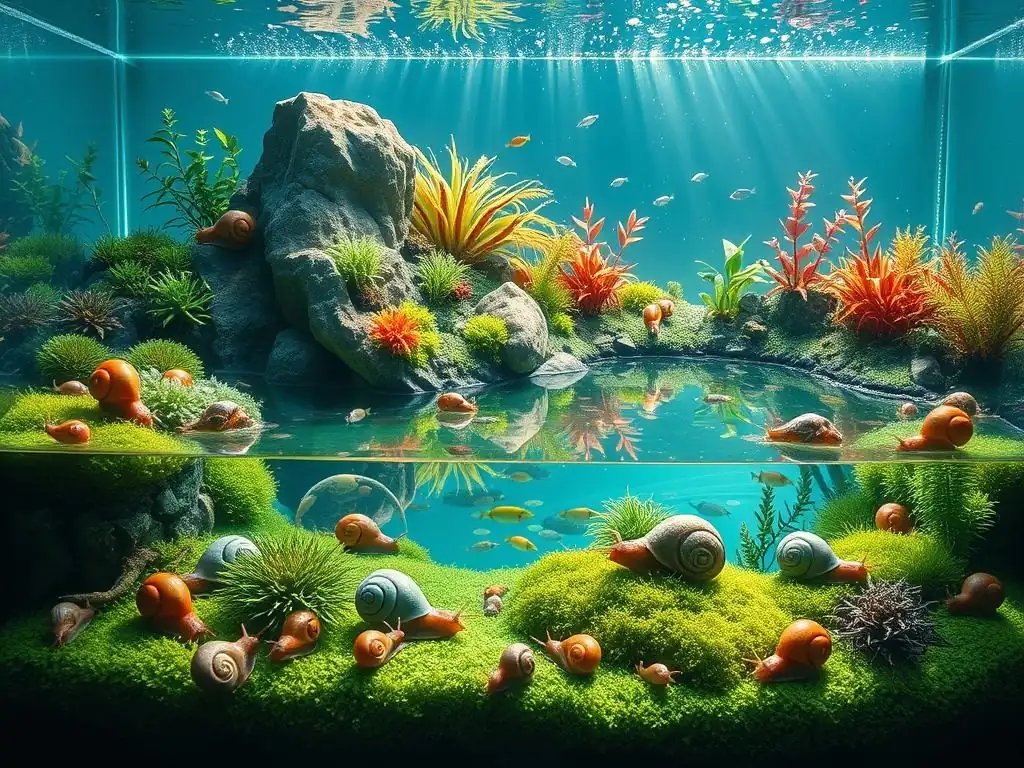
Welcome to Aquarium Mastery, fellow aquarist!
Ever wondered if your freshwater snails are truly thriving? Or if you're giving them the best possible life in your aquarium? Dive into our comprehensive guide on Freshwater Snail Care Tips and unlock the secrets to a balanced and vibrant tank. Discover the simple yet crucial steps you can take to ensure your shelled friends are happy and healthy – and learn how they can contribute to a pristine aquarium environment. Ready to become a snail care pro? Let's get started!
- Introduction to Freshwater Snail Keeping
- Essential Freshwater Snail Care
- Freshwater Snail Diet and Feeding
- Freshwater Snail Tank Mates
- Freshwater Snail Health and Disease
- Freshwater Snail Breeding and Population
- Specific Snail Species Care
- Troubleshooting Snail Problems
- Advanced Snail Keeping
- Conclusion: Maintaining a Healthy Snail Population
-
Frequently Asked Questions
- How often should I clean my freshwater snail's tank?
- What type of food should I feed my freshwater snails?
- Are there any specific water parameters I need to maintain for my freshwater snails?
- Can I keep different types of freshwater snails together in the same tank?
- How can I prevent my freshwater snails from overpopulating my aquarium?
- Final Reflection: The Quiet Wonders of Aquatic Life
- Ignite Your Snail-Keeping Journey!
Introduction to Freshwater Snail Keeping
Benefits of Keeping Freshwater Snails
Freshwater snails offer a surprising array of benefits to the home aquarium, extending far beyond their aesthetic appeal. Many species, particularly nerite snails, are renowned for their exceptional ability to consume various types of algae, including stubborn diatoms and green spot algae, acting as a natural cleaning crew. Their constant grazing helps to keep tank surfaces, decorations, and even plant leaves free from unsightly algal growths, contributing to a clearer and more visually appealing aquatic environment.
Beyond algae control, freshwater snails play a vital role as detritivores, diligently consuming uneaten fish food, decaying plant matter, and other organic waste that can accumulate on the substrate. This scavenging behavior helps to break down detritus, preventing its buildup and reducing the potential for harmful ammonia and nitrite spikes. Species like Malaysian Trumpet Snails (MTS) further contribute by burrowing into the substrate, aerating it and preventing the formation of anaerobic pockets, which can release toxic gases and harm beneficial bacteria.
Popular Freshwater Snail Species for Aquariums
Several freshwater snail species are commonly kept in home aquariums due to their unique characteristics, ease of care, and beneficial roles. Nerite snails (e.g., Zebra Nerites, Horned Nerites, Olive Nerites) are celebrated for their highly effective algae-eating capabilities and attractive shell patterns. They typically remain small, often reaching about 1 inch in diameter, and have the distinct advantage of not reproducing prolifically in freshwater setups, as their larvae require brackish water to develop.
Another widely popular choice is the Mystery snail (often incorrectly called Apple snails, which are much larger). These active, brightly colored snails can grow up to 2 inches in diameter and come in a variety of hues, including blue, gold, ivory, and purple. They are omnivorous scavengers, consuming algae, detritus, and soft plant matter, and are known for laying distinctive egg clutches above the waterline.
Ramshorn snails (red, blue, brown varieties) are smaller, disk-shaped snails that are excellent scavengers and detritivores, reproducing readily in freshwater. Malaysian Trumpet Snails (MTS) are slender, cone-shaped snails that are highly beneficial for substrate aeration, though they can reproduce rapidly. Finally, Assassin snails are unique carnivorous snails kept specifically to control populations of other pest snails, adding another dimension to freshwater snail care tips.
Essential Freshwater Snail Care
Maintaining Optimal Water Parameters
Maintaining stable and appropriate water parameters is paramount for the health and longevity of freshwater snails. Most commonly kept species thrive in a pH range of 7.0 to 8.0, with some tolerance for slightly more acidic or alkaline conditions depending on the species. Crucially, water hardness, specifically General Hardness (GH) and Carbonate Hardness (KH), plays a significant role.
A GH of 8-18 dGH (degrees of General Hardness) and a KH of 4-12 dKH (degrees of Carbonate Hardness) are generally recommended for robust shell growth. Lower hardness levels, especially a low KH, can lead to pH instability and shell erosion over time.
Temperature requirements vary by species, but most tropical freshwater snails prefer temperatures between 72°F and 80°F (22°C to 27°C). Rapid fluctuations in temperature can stress snails, making a stable heating system essential. Regular testing of pH, GH, KH, and temperature ensures that conditions remain within the optimal range. Providing consistent, suitable parameters is one of the most fundamental freshwater snail care tips to prevent common health issues like shell degradation.
The Importance of Water Quality
Beyond stable parameters, pristine water quality is a non-negotiable aspect of successful freshwater snail care. Snails are highly sensitive to nitrogenous compounds, particularly ammonia and nitrite, which are toxic even at low concentrations. Ammonia and nitrite levels should always be undetectable (0 ppm), while nitrates should be kept below 20 ppm, ideally much lower. High nitrate levels, though less immediately toxic than ammonia or nitrite, can still contribute to long-term stress and health problems.
Regular partial water changes, typically 25% weekly, are crucial for diluting nitrates and replenishing essential minerals. Always use a high-quality water conditioner to neutralize chlorine and chloramines present in tap water, as these chemicals are highly detrimental to snails and beneficial bacteria. Furthermore, avoiding the use of copper-based medications in a tank containing snails is critical, as copper is extremely toxic to all invertebrates, including snails. Consistent monitoring and maintenance of water quality are among the most important freshwater snail care tips for a thriving snail population.
Choosing the Right Substrate
The choice of substrate is an often-overlooked but important aspect of freshwater snail care. Fine-grained substrates like sand or smooth, small-sized gravel are generally preferred. Sharp or coarse gravel can potentially injure the soft bodies of snails as they glide across the bottom or burrow. For species like Malaysian Trumpet Snails (MTS), a sand substrate is essential, as it allows them to burrow effectively, fulfilling their natural behavior and aiding in substrate aeration.
A substrate that does not significantly alter water chemistry is also ideal. Inert substrates are generally safe, whereas certain active substrates designed for plants might lower pH or hardness, which could be detrimental to snail shell health over time if not carefully monitored. A well-chosen substrate not only provides a safe surface for snails to traverse and forage but also supports the growth of beneficial biofilm and detritus, which serve as natural food sources, enhancing their overall well-being.
Freshwater Snail Diet and Feeding
Dietary Needs of Freshwater Snails
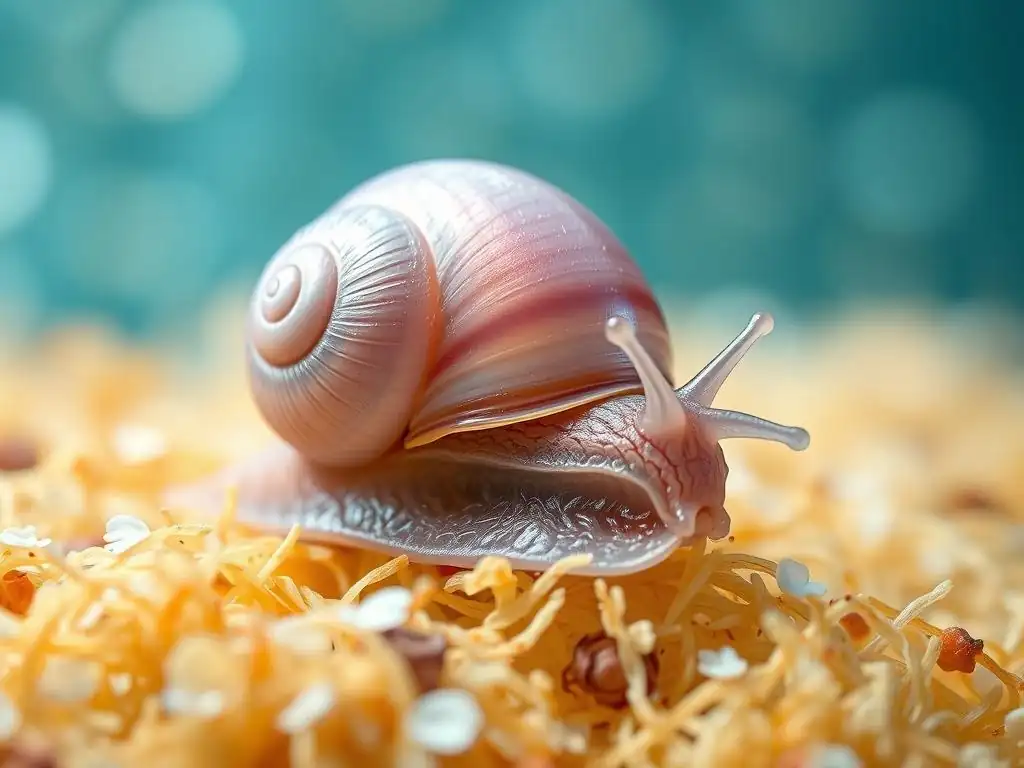
The dietary needs of freshwater snails vary significantly depending on the species, but most are primarily herbivores or detritivores. Common aquarium snails like Nerites, Ramshorns, and Malaysian Trumpet Snails are excellent algae eaters and scavengers, consuming biofilm, diatoms, green algae, and decaying plant matter. For these species, a diet primarily consisting of naturally occurring tank algae and detritus is often sufficient, especially in well-established aquariums. However, when natural food sources are scarce, supplementation is crucial.
Appropriate supplemental foods include sinking algae wafers, spirulina flakes, and blanched vegetables such as zucchini, spinach, kale, or cucumber. Mystery snails, while largely herbivorous, also benefit from occasional protein sources, which can be provided through high-quality sinking pellets formulated for omnivorous bottom feeders or even a small amount of finely crushed fish flake food. Understanding these specific dietary requirements is a fundamental aspect of providing comprehensive freshwater snail care tips, ensuring their nutritional needs are met.
Supplementing Calcium
Calcium is an absolutely critical nutrient for freshwater snails, as it is the primary building block for their shells. A deficiency in calcium, often exacerbated by soft water or an inadequate diet, can lead to serious shell problems such as pitting, erosion, and even cracks. To ensure strong, healthy shells, it's often necessary to supplement their calcium intake.
One effective method is to offer calcium-rich foods like blanched dark leafy greens (kale, spinach) or specialized calcium-fortified snail foods. Additionally, various aquarium-safe calcium supplements can be utilized. Cuttlebone, commonly sold for birds, can be added directly to the tank; it slowly dissolves, releasing calcium into the water. Crushed coral or aragonite can be incorporated into the substrate or filter media to gradually increase GH and KH. Liquid calcium supplements are also available, providing a direct dose. Ensuring adequate calcium is a top freshwater snail care tip for preventing shell degradation and promoting overall vitality.
Avoiding Overfeeding
While providing adequate nutrition is vital, overfeeding is a common pitfall in freshwater snail care that can lead to a cascade of problems. Excess food that goes uneaten quickly decomposes, releasing ammonia and nitrites into the water, thereby compromising water quality and potentially leading to toxic spikes. This not only harms the snails themselves but also other tank inhabitants.
Furthermore, overfeeding, especially with high-protein foods, can lead to rapid population explosions in prolific snail species like Ramshorns and Malaysian Trumpet Snails. These species reproduce based on food availability, and an abundance of food signals ideal conditions for breeding. To avoid these issues, feed only small amounts of food that snails can consume within a few hours. Observe your snails' feeding habits and adjust quantities accordingly. A lean diet, supplemented only when necessary, contributes significantly to a balanced aquarium ecosystem and helps manage snail populations effectively.
Freshwater Snail Tank Mates
Compatible Tank Mates
Choosing appropriate tank mates is crucial for the well-being of freshwater snails. Ideal companions are peaceful, non-aggressive fish that do not view snails as a food source or a nuisance. Good choices include small, community-oriented fish such as Tetras (e.g., Neon Tetras, Cardinal Tetras, Ember Tetras), Rasboras (e.g., Harlequin Rasboras), Corydoras catfish, and Otocinclus catfish. These fish typically occupy different areas of the tank and have no inclination to harass or consume snails.
Other peaceful invertebrates, such as Amano shrimp and most Neocaridina shrimp (e.g., Cherry shrimp), also make excellent companions. They share similar water parameter requirements and will not harm snails. Ensuring that all inhabitants have similar temperature and water chemistry needs is a key element of successful freshwater snail care, promoting a harmonious and thriving aquatic environment for all species involved.
Fish to Avoid
When considering freshwater snail care, it is equally important to identify and avoid fish species that are known to prey on or harass snails. Loaches, particularly Clown Loaches, are notorious snail predators and will actively hunt and consume snails of all sizes. Pufferfish of various species (e.g., Figure 8 Puffer, Dwarf Puffer) are also highly specialized snail eaters and should never be housed with desired snail populations.
Large or aggressive Cichlids, such as Oscars, Jack Dempseys, or Convict Cichlids, are generally unsuitable tank mates. While they may not specifically target snails as food, their territorial and aggressive nature can stress or injure snails. Even some seemingly peaceful fish like certain Gouramis (e.g., Dwarf Gouramis, Paradise Fish) might occasionally nip at snail antennae or attempt to eat smaller snails. Researching the specific dietary and behavioral traits of any potential tank mate is a critical freshwater snail care tip to prevent unfortunate outcomes.
Invertebrate Compatibility
While many shrimp species are compatible with freshwater snails, not all invertebrates make suitable tank mates. Most ornamental freshwater shrimp, such as Amano shrimp and Neocaridina varieties (Cherry, Blue Dream, etc. ), coexist peacefully with snails, often sharing similar diets of algae and biofilm. They generally do not interfere with each other and can even help maintain tank cleanliness together.
However, certain invertebrates, particularly freshwater crabs and crayfish, are generally incompatible with snails. These crustaceans are often opportunistic predators and possess strong claws capable of injuring or consuming snails. Even if they are fed well, their natural instincts can lead them to prey on slower-moving snails. Assassin snails are another unique case; while they are snails themselves, they are predatory on other snails, so they should only be introduced if the goal is to control an overpopulation of other snail species, not if you wish to keep a diverse snail community.
Freshwater Snail Health and Disease
Common Snail Diseases
While generally hardy, freshwater snails can suffer from a few common ailments, often linked to environmental conditions. Shell erosion is perhaps the most prevalent issue, characterized by pitting, thinning, or even holes in the shell. This is typically caused by persistently low pH, insufficient water hardness (lack of calcium and magnesium), or an inadequate diet lacking in calcium. It's a clear indicator that water parameters or nutrition need immediate adjustment.
Fungal infections are rare in snails but can occur, often as secondary infections in stressed or injured individuals. Parasitic infections, such as trematodes, are also uncommon in tank-bred snails but can be introduced via wild-caught specimens or contaminated live foods. Bacterial infections are even rarer and usually signify severe water quality issues. It is important to note that common fish diseases like Ich (white spot disease) do not directly affect snails, but medications used to treat fish diseases, especially those containing copper, are highly toxic to snails and must be avoided.
Recognizing Signs of Illness
Early recognition of illness is crucial for effective freshwater snail care. A healthy snail is typically active, moving around the tank, grazing, and extending its foot fully. Signs of illness often include lethargy or prolonged periods of inactivity, where the snail remains stationary for extended times or stays retracted into its shell. A snail that repeatedly falls off tank walls or decorations and remains upside down for long periods may also be distressed.
Other indicators include a swollen or shrunken foot, unusual discoloration of the body, or visible damage to the shell (pitting, cracks) that wasn't previously present. A snail persistently floating at the water's surface (unless it's a Mystery snail intentionally going up for air) can also signal distress, often due to poor water quality. If multiple snails exhibit these behaviors, immediately test water parameters for ammonia, nitrite, and nitrate, as poor water quality is the leading cause of snail distress and disease.
Quarantine Procedures
Implementing a quarantine procedure for new freshwater snails is a highly recommended, yet often overlooked, freshwater snail care tip. Quarantining new aquatic inhabitants, including snails, in a separate, dedicated tank for a period of 2 to 4 weeks helps prevent the introduction of diseases, parasites, and unwanted pests into your main aquarium. This isolation period allows you to observe the new snails for any signs of illness or unusual behavior without risking the health of your established tank.
A quarantine tank doesn't need to be elaborate; a simple 1-5 gallon tank with a sponge filter, heater (if needed), and a hiding spot is sufficient. During quarantine, perform regular water changes and monitor water parameters closely. If any signs of illness appear, the snails can be treated without exposing your main tank to medication. Crucially, avoid using any copper-based medications in the quarantine tank, as these are lethal to snails. This preventive measure significantly reduces the risk of widespread health issues in your primary display tank.
Freshwater Snail Breeding and Population
Snail Reproduction
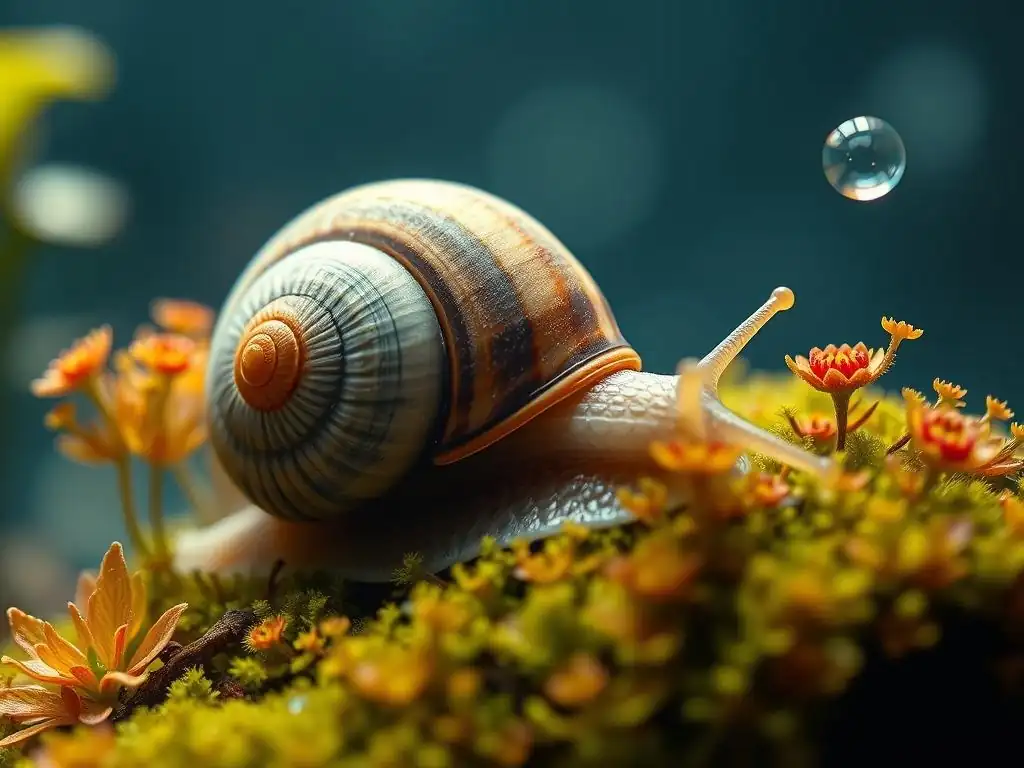
Freshwater snail reproduction varies significantly by species, impacting population management. Mystery snails are dioecious, meaning they have separate sexes, and lay distinctive clutches of gelatinous, pearl-like eggs above the waterline, often on the tank lid or glass. These clutches can contain dozens to hundreds of eggs and require high humidity to hatch. Ramshorn snails and Malaysian Trumpet Snails (MTS) are highly prolific, often hermaphroditic or parthenogenetic, and lay clear, inconspicuous egg masses directly on tank surfaces or within the substrate. Their rapid reproduction can lead to population explosions if conditions are favorable.
In contrast, Nerite snails lay tiny, hard, white egg capsules (often called "sesame seeds") on tank surfaces, but their larvae require brackish water to develop. This means they will not successfully reproduce in a pure freshwater aquarium, making them an excellent choice for aquarists who want to avoid overpopulation. Assassin snails also have separate sexes and lay individual, square-shaped eggs on hard surfaces, reproducing at a much slower rate than most other common freshwater snails. Understanding these reproductive differences is key to managing snail populations effectively.
Population Control Methods
For prolific freshwater snail species like Ramshorns and Malaysian Trumpet Snails, population control can become a necessary aspect of freshwater snail care. The most effective long-term strategy is to address the root cause of overpopulation: overfeeding. Snails reproduce in response to abundant food sources. By reducing the amount of food introduced into the tank and ensuring uneaten food is promptly removed, you can significantly curb their breeding rate. Feed only what your fish (and snails) can consume within a few minutes, typically once a day or even every other day.
Other methods include manual removal, where snails are simply picked out of the tank as they appear. Snail traps, often homemade with blanched lettuce or zucchini placed overnight, can also be effective. For a biological control, Assassin snails can be introduced, as they actively prey on other snails; however, be aware that they will reduce all other snail populations.
Certain fish, like Clown Loaches, are voracious snail eaters, but they typically require large tanks and specific care, making them unsuitable for many community aquariums. A balanced approach combining reduced feeding with selective removal is often the most sustainable freshwater snail care tip for population management.
Specific Snail Species Care
Nerite Snail Care
Nerite snails (e.g., Zebra, Horned, Olive, Tiger) are highly valued in freshwater aquariums for their exceptional algae-eating abilities and striking shell patterns. They are primarily herbivorous, making them fantastic cleaners of glass, decorations, and plant leaves. A key freshwater snail care tip for Nerites is their inability to reproduce in freshwater, as their larvae require brackish conditions, meaning you won't face an overpopulation issue.
These snails thrive in stable water parameters, preferring a pH range of 7.0 to 8.5 and temperatures between 72-78°F (22-26°C). Crucially, they require moderately hard to hard water (GH 8-18 dGH, KH 4-12 dKH) to maintain their strong shells; soft water can lead to shell erosion over time. While they are expert algae grazers, if your tank is too clean or lacks sufficient natural algae, it's vital to supplement their diet with high-quality algae wafers or blanched vegetables like zucchini or spinach. They are also known for their climbing abilities, so a tight-fitting lid is essential to prevent escapes.
Mystery Snail Care
Mystery snails (often sold as Apple snails, though true Apple snails are much larger) are popular for their vibrant colors (gold, blue, ivory, purple) and active personalities. Growing up to 2 inches in diameter, they are omnivorous scavengers, consuming algae, detritus, and soft plant matter. A fundamental freshwater snail care tip for Mystery snails is their need for calcium-rich water and diet to support their large, beautiful shells. They prefer a pH of 7.0-8.0 and temperatures ranging from 68-82°F (20-28°C).
They are known for laying distinctive clutches of eggs above the waterline, requiring a few inches of air space between the water surface and the tank lid for successful breeding. While they are good algae eaters, they often need supplemental feeding with sinking algae wafers, blanched vegetables (like zucchini or kale), and occasional protein sources. Due to their size and active feeding, they can produce a fair amount of waste, necessitating good filtration and regular water changes to maintain water quality.
Ramshorn Snail Care
Ramshorn snails are small, disk-shaped snails that come in a variety of colors, including red, blue, and brown. They are highly adaptable and excellent scavengers, making them beneficial members of the aquarium cleanup crew. They primarily consume algae, biofilm, and decaying plant matter, and are particularly good at cleaning up uneaten fish food. These snails are quite hardy, tolerating a wide range of water parameters, typically thriving in pH 6.5-8.0 and temperatures from 65-80°F (18-27°C).
A key characteristic of Ramshorn snails, and an important freshwater snail care tip, is their prolific breeding. They are hermaphroditic and can reproduce rapidly, laying clear egg masses on tank surfaces. Their population size is directly linked to food availability; overfeeding your fish will inevitably lead to a Ramshorn snail explosion. While generally harmless and beneficial detritivores, their numbers may need to be managed through reduced feeding or manual removal if they become overwhelming.
Assassin Snail Care
Assassin snails are unique among common aquarium snails because they are carnivorous, specifically preying on other snails. Their striking yellow and black striped shells make them an attractive addition for aquarists looking for a natural method of pest snail control. A vital freshwater snail care tip for Assassin snails is understanding their predatory nature; they will actively hunt and consume Ramshorn, Malaysian Trumpet, and Bladder snails.
They prefer a pH of 7.0-8.0 and temperatures between 70-80°F (21-27°C). While they will readily consume other snails, if the pest snail population is low, it's crucial to supplement their diet with protein-rich foods such as sinking carnivorous pellets, bloodworms, or brine shrimp to ensure their nutritional needs are met. Assassin snails reproduce much slower than their prey, laying individual, square-shaped eggs. They do not eat algae or plants, so they won't help with algae control in your tank.
Malaysian Trumpet Snail Care
Malaysian Trumpet Snails (MTS) are slender, conical-shelled snails highly valued for their beneficial role in substrate aeration. These nocturnal burrowers dig through the substrate, preventing the formation of anaerobic pockets, which can release harmful gases. This activity also helps distribute nutrients to plant roots and prevents compaction. They are primarily detritivores, consuming decaying organic matter and biofilm within the substrate.
MTS are extremely hardy and adaptable, tolerating a wide range of water conditions, typically thriving in pH 6.5-8.0 and temperatures from 70-85°F (21-29°C). A key freshwater snail care tip for MTS is their prolific nature; they are livebearers and can reproduce very rapidly, especially in tanks with abundant food sources. While beneficial for substrate health, their numbers can quickly escalate if overfed. Managing their population often involves reducing food input and, if necessary, manual removal or the introduction of Assassin snails.
Troubleshooting Snail Problems
Shell Issues: Causes and Solutions
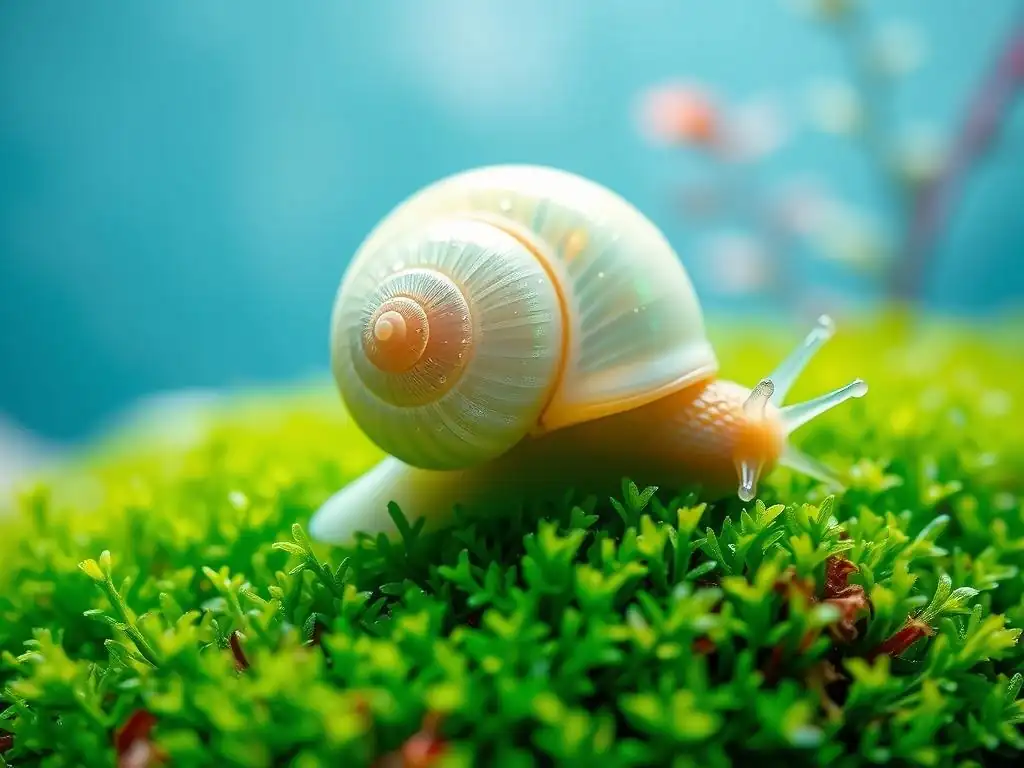
Shell issues are among the most common problems encountered in freshwater snail care and are typically indicative of underlying environmental deficiencies. Pitting, erosion, and thinning shells are primarily caused by insufficient calcium or magnesium in the water (low GH/KH) or consistently low pH (acidic water). Acidic conditions can dissolve the calcium carbonate that forms their shells, leading to degradation.
To address these issues, first, test your water parameters for pH, GH, and KH. If pH is below 7.0 or hardness is low, steps should be taken to increase them gradually. Adding crushed coral or aragonite sand to the substrate or filter media can slowly buffer the water and release calcium.
Placing a piece of cuttlebone (available at pet stores for birds) in the tank will also release calcium as it dissolves. Additionally, ensure your snails' diet is rich in calcium by offering blanched dark leafy greens like kale or spinach, or calcium-fortified snail foods. Consistent maintenance of optimal water parameters and diet are crucial freshwater snail care tips for healthy shells.
Abnormal Snail Behavior
Observing abnormal snail behavior is often the first sign that something is amiss in the aquarium environment. A healthy snail is typically active, moving around, grazing, and fully extending its foot. Signs of distress include prolonged inactivity or lethargy, where the snail remains motionless for extended periods, often retracted deep within its shell. Snails falling off tank walls or decorations and remaining upside down for long durations, unable to right themselves, is another serious indicator of stress.
Persistently staying at the water line or floating aimlessly (unless it's a Mystery snail intentionally surfacing for air) can also signal poor water quality. If you notice these behaviors, immediately test your water for ammonia, nitrite, and nitrate levels. Ammonia and nitrite spikes are particularly toxic to snails and can cause rapid deterioration. Perform a partial water change if any toxins are detected. Also, check the tank temperature for sudden fluctuations. Addressing water quality issues promptly is paramount in these situations, making it a critical freshwater snail care tip for recovery.
Algae Control
While many freshwater snails, particularly Nerites, are excellent at algae control, they are not a complete solution for severe algae outbreaks. Their role is to graze on existing algae and biofilm, helping to keep surfaces clean. However, if your tank experiences a persistent algae problem, it's essential to address the root causes rather than solely relying on snails. Common causes of excessive algae growth include overfeeding, too much light (either too intense or on for too many hours, typically more than 8-10 hours daily), and excess nutrients (high nitrates or phosphates).
To effectively control algae, reduce feeding frequency and quantity, ensure your lighting schedule is appropriate, and perform regular water changes to dilute nutrient levels. Snails can then assist in maintaining the cleanliness. If natural algae is scarce, it's important to supplement your snails' diet with algae wafers or blanched vegetables to ensure they receive adequate nutrition, as a lack of food can stress them. Understanding this balance is a key freshwater snail care tip for both healthy snails and a clean tank.
Advanced Snail Keeping
Biofilm Management
Biofilm is a critical, often underestimated, food source for many freshwater snails, particularly smaller species like Ramshorns and Malaysian Trumpet Snails, as well as young snails. Biofilm is a complex matrix of microorganisms, including bacteria, algae, and fungi, that naturally grows on all surfaces within an aquarium. It provides a constant, nutritious grazing ground for detritivorous and herbivorous snails.
In advanced freshwater snail care, managing biofilm involves striking a balance. While excessive algae can be unsightly, completely scrubbing every surface clean too frequently can deprive snails of their primary food source, leading to starvation or increased reliance on supplemental feeding. Allow some biofilm to establish on decorations and glass that are not visually prominent. This natural food source contributes significantly to the overall health and well-being of the snail population, making them more resilient and less prone to nutritional deficiencies.
Live Plants and Snail Health
Live plants are a tremendous asset in any freshwater aquarium, and they offer numerous benefits that directly contribute to snail health. Plants provide additional surface area for the growth of beneficial biofilm and algae, offering continuous grazing opportunities for snails. They also offer natural hiding spots and shelter, reducing stress for the snails. Furthermore, live plants play a crucial role in maintaining water quality by absorbing nitrates and other waste compounds, contributing to a more stable and healthier environment.
When incorporating plants into a snail tank, consider robust species like Anubias, Java Fern, and various Cryptocoryne species, as these are generally less palatable to larger snails like Mystery snails, which might nibble on softer-leaved plants. Ensure that any plant fertilizers used are snail-safe, as some micronutrient blends can contain copper, which is toxic to invertebrates. A well-planted tank not only enhances the aesthetic appeal but also creates a more natural and stable ecosystem for your freshwater snails, embodying advanced freshwater snail care tips.
Snails in the Aquarium Ecosystem
Freshwater snails are far more than just tank decorations; they are integral components of a balanced and thriving aquarium ecosystem. Their primary role as scavengers and detritivores makes them essential members of the clean-up crew, diligently consuming uneaten food, decaying plant matter, and various forms of algae. This activity helps to break down organic waste, preventing its accumulation and contributing to the nitrogen cycle by making nutrients available for beneficial bacteria and plants.
Beyond waste management, burrowing species like Malaysian Trumpet Snails aerate the substrate, preventing anaerobic conditions that can lead to toxic gas buildup. Snails can also serve as bio-indicators; sudden changes in their behavior (e.g., lethargy, prolonged retraction) often signal deteriorating water quality before fish show signs of distress. Their continuous grazing and scavenging contribute to a dynamic micro-ecosystem, where nutrients are constantly recycled and surfaces are kept clean, showcasing the holistic approach of comprehensive freshwater snail care.
Conclusion: Maintaining a Healthy Snail Population
Successfully maintaining a healthy freshwater snail population is a rewarding endeavor that significantly benefits your aquarium's overall ecosystem. The cornerstone of effective freshwater snail care tips lies in providing consistently pristine water quality, characterized by stable parameters like appropriate pH and sufficient hardness for shell health. Coupled with a balanced and species-appropriate diet, ensuring adequate calcium intake, these environmental factors are crucial for preventing common ailments like shell erosion and promoting robust growth.
Beyond the basics, understanding the specific needs and behaviors of different snail species, from the prolific Ramshorns to the algae-munching Nerites or the predatory Assassin snails, allows for tailored care and effective population management. By integrating snails thoughtfully into your tank, choosing compatible tank mates, and observing their behavior for early signs of distress, you harness their natural abilities as cleaners and detritivores. Ultimately, a thriving snail population signifies a well-balanced and mature aquarium, a testament to diligent and informed freshwater snail care.
Frequently Asked Questions
How often should I clean my freshwater snail's tank?
Regular tank maintenance is crucial. You should perform a partial water change (around 25%) about every 2-4 weeks, depending on the snail's bioload and tank size. Vacuum the gravel to remove debris and uneaten food.
What type of food should I feed my freshwater snails?
Freshwater snails are generally algae eaters, but they also need supplemental food. Offer them algae wafers, blanched vegetables (like zucchini or spinach), and occasional protein sources like fish food flakes.
Are there any specific water parameters I need to maintain for my freshwater snails?
Yes, maintaining proper water parameters is vital. Aim for a pH between 7.0 and 8.0, and a stable water temperature appropriate for the snail species. Keep ammonia and nitrite levels at zero.
Can I keep different types of freshwater snails together in the same tank?
Generally, yes, but research compatibility first! Some snails may have different water parameter preferences or dietary needs. Also, avoid snails known to prey on others or plants if you want a peaceful community.
How can I prevent my freshwater snails from overpopulating my aquarium?
Snail populations can explode quickly! Control feeding to avoid excess food. Manually remove snails or their eggs as you see them. Introduce a natural predator like assassin snails with caution.
Final Reflection: The Quiet Wonders of Aquatic Life
The journey through the world of freshwater snails, as detailed in this guide, underscores a crucial point: even the smallest creatures play a vital role in the delicate balance of our ecosystems. Understanding and respecting the needs of these often-overlooked invertebrates is not just about maintaining a healthy aquarium; it's about fostering a deeper appreciation for the interconnectedness of all life. By implementing these freshwater snail care tips, we actively contribute to a more sustainable and thriving aquatic environment, both within our tanks and beyond.
This exploration into snail care has profoundly impacted my perspective, highlighting the importance of mindful observation and responsible stewardship in our interactions with nature. The seemingly simple act of providing the right conditions for these creatures reveals a complex web of biological processes and the profound impact we can have on them. As the renowned naturalist John Muir wisely stated: When we try to pick out anything by itself, we find it hitched to everything else in the Universe.
This quote perfectly encapsulates the essence of responsible aquarium keeping and the ripple effect of our actions.
Now, as you close this guide, I invite you to reflect on the lessons learned. Consider how you can apply these principles of attentive care and environmental responsibility not only to your aquarium but also to your broader interactions with the natural world. Let the quiet wonders of freshwater snails inspire you to cultivate a deeper understanding and appreciation for the intricate beauty and delicate balance of life around us.
Ignite Your Snail-Keeping Journey!
Thanks for diving into the world of freshwater snails with us! We hope you’ve unlocked some valuable insights to create a thriving environment for your shelled friends. Now, let's translate that knowledge into action!
Here are a few ways to continue your journey:
- Immediately assess your tank's current snail situation. Observe their behavior, check water parameters, and ensure they have the right food available. This is your primary action for immediate positive impact!
- Explore different snail species. Research and discover which snails would best complement your existing aquarium ecosystem and personal preferences. Consider snails not just as cleaners, but as fascinating tank mates.
- Share your newfound snail wisdom! Educate fellow aquarium enthusiasts on the benefits and responsibilities of snail keeping. Post photos of your thriving snails and tag us @AquariumMastery!
What's the first small change you'll make in your tank to better support your snails’ well-being?