
Spotting Stress & Sickness in Your Freshwater Snails, Crayfish, & Crabs

Welcome to Aquarium Mastery!
Ever wondered if your freshwater snail is really just chilling on the glass, or if something more serious is going on? Understanding the subtle signs of freshwater snail illness symptoms can be tricky, but it's crucial for maintaining a healthy and thriving aquarium ecosystem. Delve in to unlock the secrets to spotting stress and sickness in your shelled friends, and learn how to keep your snails, crayfish, and crabs happy and healthy!
- Introduction: Understanding Freshwater Invertebrate Health
- Identifying Freshwater Snail Illness Symptoms
- Recognizing Stress and Disease in Freshwater Crayfish
- Detecting Sickness and Stress in Freshwater Crabs
- Water Quality and its Impact on Invertebrate Health
- Prevention and Treatment Strategies for Invertebrate Diseases
- Maintaining a Healthy Habitat for Freshwater Snails, Crayfish, and Crabs
- Conclusion: Proactive Invertebrate Care for a Thriving Aquarium
-
Frequently Asked Questions
- What are some common early warning signs that my freshwater snail might be sick or stressed?
- How does poor water quality specifically contribute to freshwater snail illness?
- Besides water quality, what other environmental factors can negatively impact my freshwater snail's health?
- What are some visible physical symptoms of illness I should look for in freshwater snails?
- What steps should I take if I suspect my freshwater snail is showing symptoms of illness?
- Final Reflection: The Silent Language of Aquatic Life
- Dive Deeper: Fortify Your Aquatic Friendships!
Introduction: Understanding Freshwater Invertebrate Health
Why Early Detection of Illness Matters for Aquarium Invertebrates
Early detection of illness in freshwater invertebrates like snails, crayfish, and crabs is paramount for the overall health and stability of an aquarium ecosystem. These creatures often serve as crucial indicators of water quality issues and can be more sensitive to environmental changes than many fish species.
Their relatively short lifespans and unique physiological responses mean that diseases can progress rapidly, potentially leading to widespread losses if not addressed promptly. For instance, a sudden increase in snail deaths, particularly when observing freshwater snail illness symptoms, can signal a toxic event or a severe water parameter imbalance that could soon affect other tank inhabitants.
Furthermore, many invertebrate diseases are highly contagious, capable of spreading quickly through a confined aquarium environment. Ignoring the initial signs of distress or sickness in one individual can jeopardize the entire population, including fish. By recognizing subtle behavioral or physical changes early on, aquarists can isolate affected individuals, adjust water parameters, or initiate appropriate treatments before a minor problem escalates into a catastrophic outbreak. This proactive approach minimizes suffering, reduces the need for aggressive chemical interventions, and ultimately saves the hobbyist time and resources.
Common Stressors Affecting Freshwater Snails, Crayfish, and Crabs
Freshwater snails, crayfish, and crabs are susceptible to various stressors that can compromise their immune systems and make them vulnerable to illness. One of the most prevalent stressors is poor water quality, including fluctuations in pH, sudden temperature changes, or elevated levels of ammonia, nitrite, or nitrate. For example, ammonia levels as low as 0.25 ppm can begin to stress sensitive invertebrates, leading to lethargy and a weakened state. Overcrowding is another significant stressor, as it increases competition for resources, elevates waste production, and can lead to aggressive interactions, particularly among territorial crayfish and crabs.
Incompatible tank mates also contribute significantly to stress. Aggressive fish species that nip at fins or antennae, or predatory fish that view invertebrates as food, can cause constant fear and physical injury.
Additionally, an inadequate diet lacking essential nutrients, insufficient hiding places, or a substrate that doesn't meet their specific needs (e.g., too coarse for burrowing snails, or too fine for digging crayfish) can all induce chronic stress. Even seemingly minor issues like rapid changes in lighting cycles or excessive vibrations near the tank can disrupt their natural rhythms and reduce their resilience to disease, making it crucial to understand these common stressors when looking for freshwater snail illness symptoms or issues in other invertebrates.
Identifying Freshwater Snail Illness Symptoms
Visual Cues: Recognizing Abnormal Snail Behavior and Appearance
Shell Degradation: A Sign of Poor Water Quality or Calcium Deficiency
Shell degradation is one of the most common and visible freshwater snail illness symptoms, often manifesting as pitting, erosion, or a general thinning of the shell. This issue frequently points to either consistently low pH levels or insufficient calcium in the aquarium water.
Snail shells are primarily composed of calcium carbonate, and acidic water (pH consistently below 7.0) can slowly dissolve their protective outer layer over time, making them brittle and susceptible to damage. For instance, a pH of 6.5, while suitable for some fish, can be detrimental to snail shells over several months, leading to noticeable erosion, especially in larger species like Mystery Snails or Apple Snails.
Beyond pH, a lack of available calcium and other essential minerals in the water directly impacts a snail's ability to build and repair its shell. Aquariums with very soft water (General Hardness, GH, below 4 dGH) often struggle to provide enough calcium for robust shell growth.
Without adequate calcium, new shell growth may appear translucent or malformed, and existing shells can become weak, making the snail vulnerable to physical injury and bacterial infections. Addressing this requires increasing water hardness through calcium-rich additives or supplements, aiming for a GH of at least 8-12 dGH for optimal snail shell health, which directly mitigates these particular freshwater snail illness symptoms.
Lethargy and Reduced Activity: Potential Indicators of Snail Illness
Lethargy and significantly reduced activity are critical freshwater snail illness symptoms that should immediately alert an aquarist. Healthy snails are typically active, constantly exploring the tank, grazing on algae, or moving across surfaces. If a snail remains motionless for extended periods, perhaps clinging to a single spot or lying upside down for more than a few hours without attempting to right itself, it's a strong sign of distress or illness. This can be particularly concerning if multiple snails exhibit this behavior simultaneously, suggesting a widespread environmental problem like a sudden ammonia spike or oxygen deprivation.
This general malaise can stem from a variety of underlying issues, ranging from minor stress to severe internal infections. For example, a snail might become lethargic if exposed to even low levels of copper from fish medications, as copper is highly toxic to all invertebrates.
Similarly, internal parasitic infections can drain a snail's energy, causing it to become withdrawn and inactive. Observing a snail with its operculum (trapdoor) partially open while retracted into its shell for prolonged periods, or failing to respond to gentle touch, further indicates severe discomfort or approaching mortality, underscoring the importance of investigating these freshwater snail illness symptoms promptly.
Unusual Body Swelling or Discoloration in Freshwater Snails
Unusual body swelling or discoloration are definitive freshwater snail illness symptoms that often point to internal issues or severe infections. Healthy snails typically have a uniform body color characteristic of their species, and their flesh should appear firm but not distended. Any noticeable bloating, particularly around the foot or head region, can indicate fluid retention, organ failure, or a severe internal bacterial infection. For instance, a snail suffering from dropsy-like symptoms might exhibit a visibly swollen foot, making it difficult for them to move or adhere to surfaces.
Similarly, changes in body coloration, such as the appearance of dark spots, unusual pallor, or a reddish tint, can signal serious problems. A snail that normally has a vibrant, consistent color but suddenly develops pale or mottled patches might be experiencing severe stress, oxygen deprivation, or a systemic infection. These discolorations can also be associated with tissue necrosis or fungal growth. Observing these visual cues early on is crucial, as they often represent advanced stages of illness, demanding immediate investigation into water parameters and potential treatments to address these severe freshwater snail illness symptoms.
Diagnosing Specific Snail Ailments
Parasitic Infections in Freshwater Aquarium Snails: Symptoms and Treatment
While less commonly observed in typical home aquariums compared to fish parasites, freshwater aquarium snails can indeed suffer from parasitic infections, particularly if wild-caught or introduced from unreliable sources. One significant group of parasites are trematodes (flukes), which often use snails as intermediate hosts in their life cycle. Symptoms of a severe parasitic load in snails might include extreme emaciation despite feeding, unusual growths or cysts on the body, or a general failure to thrive. In some cases, the snail's behavior may become erratic, or it might struggle to move properly as the parasites consume its resources.
Diagnosing specific parasitic infections often requires microscopic examination of snail tissue or feces, which is usually beyond the scope of the average hobbyist. However, if multiple snails are exhibiting these freshwater snail illness symptoms and other causes like poor water quality have been ruled out, parasitic infection should be considered. Treatment options for parasitic snails are limited in a community tank, as many antiparasitic medications are harmful to other invertebrates.
Isolation of infected snails to a quarantine tank is often the first step, where specific medications like fenbendazole (used with extreme caution and at very low doses) might be considered, though success rates vary. Preventing introduction through proper quarantine of new specimens is the most effective strategy.
Bacterial Infections Affecting Snail Health: Identification and Management
Bacterial infections are a common cause of freshwater snail illness symptoms, often occurring as secondary infections when a snail is already stressed or has physical damage. These infections can manifest in various ways, including open sores, lesions on the foot or mantle, or a general "rotting" appearance of the body tissue. Swelling, particularly of the foot or internal organs, can also indicate a systemic bacterial infection. In severe cases, the snail may become completely withdrawn into its shell, with foul-smelling discharge or visible decay of its soft body parts, and may eventually detach from surfaces and die.
Management of bacterial infections in snails primarily focuses on improving water quality, as poor conditions often exacerbate these issues. Ensuring pristine water parameters (ammonia and nitrite at 0 ppm, nitrates below 20 ppm) and stable temperatures can significantly aid a snail's recovery. For mild cases, clean water alone might suffice.
For more advanced infections, some broad-spectrum antibiotics, such as those containing erythromycin or sulfamethoxazole, might be considered, but their use requires extreme caution. Many antibiotics can harm beneficial nitrifying bacteria in the filter, and some formulations may be toxic to other invertebrates or fish. It's crucial to consult product labels carefully and, if possible, treat affected snails in a separate quarantine tank to minimize impact on the main aquarium.
The Impact of Copper Exposure on Freshwater Snail Health
Copper exposure is one of the most lethal and overlooked causes of freshwater snail illness symptoms and rapid mortality. Many common fish medications, particularly those designed to treat external parasites like Ich (Ichthyophthirius multifiliis) or velvet, contain copper sulfate or other copper compounds. Even at very low concentrations, often below 0.1 ppm, copper is highly toxic to all invertebrates, including snails, crayfish, and crabs.
Symptoms of copper poisoning in snails typically include sudden lethargy, refusal to move, retraction into the shell with the operculum tightly shut, and eventually, failure to respond to stimuli. Mass snail deaths within hours or a day of copper-based medication being added to the tank are a clear indicator of this issue.
The danger lies in the fact that while copper is effective against certain fish parasites, invertebrates lack the detoxification mechanisms that fish possess. Their copper-based blood system (hemocyanin) makes them particularly vulnerable, as the copper ions directly interfere with their physiological processes. Therefore, aquarists must exercise extreme caution when using any medication in a tank containing invertebrates.
Always read product labels thoroughly to check for copper content. If copper treatment is necessary for fish, all invertebrates must be removed to a separate, copper-free quarantine tank before medication is administered to the main display tank. Carbon filtration can help remove residual copper, but prevention is the only sure way to protect your delicate snails.
Recognizing Stress and Disease in Freshwater Crayfish
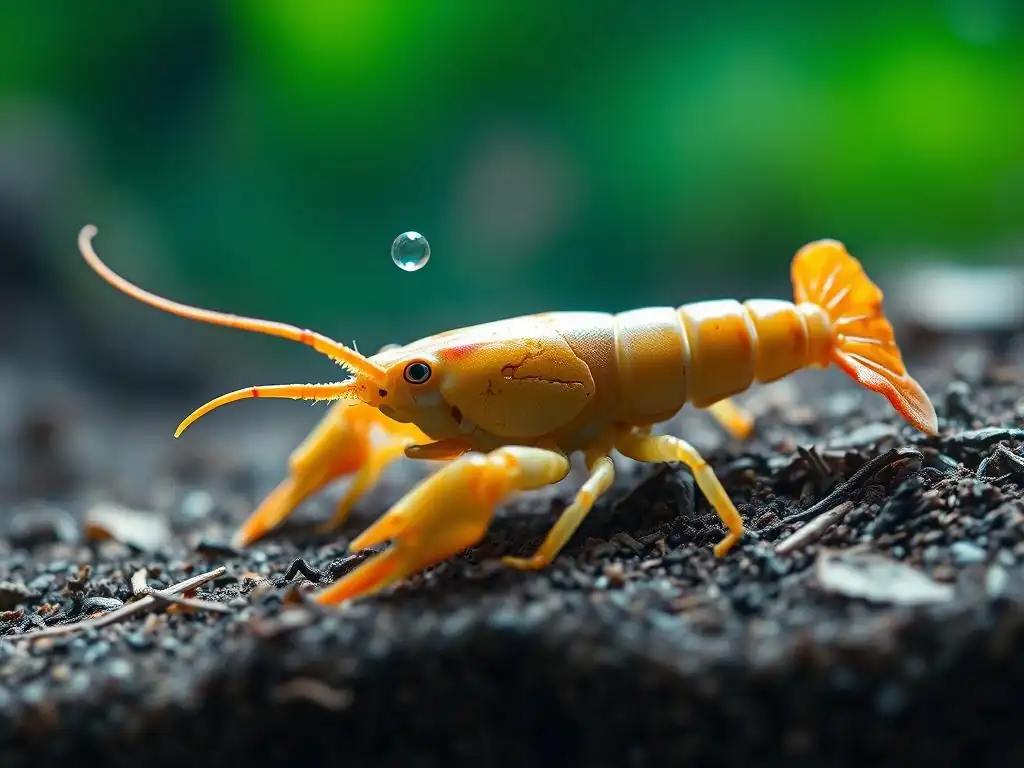
Behavioral Changes in Crayfish: Signs of Distress
Loss of Appetite and Reduced Molting Frequency in Crayfish
A significant loss of appetite and a noticeable reduction in molting frequency are critical behavioral indicators of stress and potential illness in freshwater crayfish. Healthy crayfish are typically opportunistic feeders, readily accepting a variety of foods and exhibiting strong foraging behaviors. If a crayfish suddenly refuses food for several days, despite it being offered, it's a strong signal that something is amiss. This can be a general sign of discomfort, poor water quality, or the onset of an underlying disease that is sapping their energy and digestive capabilities.
Molting is a vital process for crayfish growth and health, as they shed their old exoskeleton to grow larger. Young crayfish may molt every few weeks, while adults molt less frequently, perhaps every few months. A healthy crayfish will typically prepare for molting by becoming somewhat reclusive and then successfully shed its old shell, often consuming it for calcium.
If a crayfish stops molting entirely, or attempts to molt but fails (known as a "bad molt" or "molt death"), it's a severe sign of stress, often due to inadequate water parameters (especially low calcium or incorrect pH), poor nutrition, or chronic illness. Such failures can lead to immediate death or leave the crayfish highly vulnerable to infection.
Erratic Swimming and Uncoordinated Movements in Crayfish
Erratic swimming and uncoordinated movements are clear behavioral signs of distress or neurological issues in freshwater crayfish. Healthy crayfish typically move deliberately, whether walking along the substrate or using their tail fan for rapid backward propulsion when startled. If a crayfish begins to swim erratically, spinning uncontrollably, or exhibiting jerky, uncoordinated movements, it suggests a significant problem. This can be indicative of severe water parameter imbalances, such as sudden and extreme pH shifts, or exposure to toxic substances like ammonia or heavy metals.
Beyond environmental toxins, uncoordinated movements can also point to internal parasitic infections that affect the nervous system, or advanced bacterial diseases. A crayfish that struggles to maintain its balance, frequently falls over, or appears disoriented is likely suffering from a serious condition that requires immediate investigation. Such symptoms often precede complete paralysis or death if the underlying cause is not identified and rectified quickly, underscoring the urgency of addressing these behavioral deviations in crayfish.
Physical Symptoms of Crayfish Illness
Shell Rot and Lesions on Crayfish: Causes and Prevention
Shell rot and the appearance of lesions are common and concerning physical symptoms of illness in freshwater crayfish. Shell rot typically presents as black or brown spots, pitting, or erosion on the exoskeleton, which can progress to open sores if left untreated. These lesions are usually caused by bacterial or fungal infections that take advantage of a compromised shell or a weakened immune system. Poor water quality, particularly high levels of nitrates or insufficient oxygen, significantly contributes to the development of shell rot, as these conditions stress the crayfish and provide a conducive environment for pathogenic growth.
Prevention of shell rot hinges on maintaining pristine water conditions, ensuring stable parameters, and providing a varied, nutritious diet rich in calcium. Regular water changes are crucial to keep nitrate levels low (ideally below 20 ppm for crayfish).
Additionally, providing adequate hiding spots reduces stress from aggression or predation, and a proper substrate allows for natural burrowing behavior, which can protect the exoskeleton. If shell rot is observed, isolating the affected crayfish to a quarantine tank with meticulously clean water and considering a broad-spectrum antibiotic dip (e.g., using a product containing Furan-2, with extreme caution as some medications can be harmful to crustaceans) can help manage the infection before it becomes systemic.
Gill Issues in Crayfish: Detecting and Addressing Respiratory Problems
Gill issues in crayfish are serious physical symptoms indicating respiratory distress and often point to severe water quality problems or infections. Healthy crayfish gills, located under the carapace, are typically clean and feathery, allowing for efficient oxygen exchange. Signs of gill problems include a crayfish spending excessive time at the water's surface (gasping), rapid gill movements, or visible discoloration, swelling, or accumulation of debris on the gills. In severe cases, the gills may appear eroded or inflamed, hindering their ability to extract oxygen from the water.
The primary causes of gill issues are often low dissolved oxygen levels, high concentrations of ammonia or nitrite, or heavy metal poisoning. Ammonia, even at levels as low as 0.25 ppm, can damage gill tissue, impairing oxygen uptake. Overcrowding, insufficient aeration, or decomposing organic matter can deplete oxygen.
Addressing gill problems requires immediate rectification of water parameters: performing large water changes (50-75%), increasing aeration with an air stone, and ensuring ammonia and nitrite are at zero. In some cases, external parasitic infections or fungal growths can also affect gills, requiring species-specific treatments, but improving water quality is always the first and most critical step.
Recognizing Crayfish Plague: A Deadly Threat
Crayfish plague, caused by the oomycete Aphanomyces astaci, is a highly virulent and almost universally fatal disease for non-native European and North American freshwater crayfish species, including common aquarium varieties like the Marbled Crayfish ( Procambarus fallax) or Blue Crayfish ( Procambarus alleni). While largely absent from tanks unless introduced from wild sources or infected imports, it represents a deadly threat. Symptoms appear rapidly, often within days of exposure.
Infected crayfish become extremely lethargic, lose their self-preservation instincts, and may exhibit uncoordinated movements. A characteristic sign is a whitish fungal growth that can appear on the joints, limbs, or underside of the carapace, though this may not always be visible externally.
The disease spreads incredibly quickly through waterborne spores, and there is no known cure once a crayfish is infected. Mortality rates are virtually 100% for susceptible species. The greatest danger lies in its potential to decimate entire populations.
If crayfish plague is suspected, immediate and strict quarantine protocols are necessary. All affected animals should be humanely euthanized, and the tank should be thoroughly disinfected (e.g., with bleach solution, followed by extensive rinsing and aeration) before any new inhabitants are introduced. This extreme measure is necessary to prevent the spread of this devastating pathogen, highlighting the importance of responsible sourcing for all aquarium inhabitants.
Detecting Sickness and Stress in Freshwater Crabs
Observing Crab Behavior for Signs of Illness
Changes in Activity Level and Hiding Behavior in Freshwater Crabs
Significant changes in activity level and an increase in hiding behavior are key indicators of stress or illness in freshwater crabs. Healthy freshwater crabs, such as Thai Micro Crabs or Vampire Crabs, typically exhibit consistent activity levels; they might forage, explore their territory, or interact with tank mates. If a crab suddenly becomes unusually lethargic, remaining motionless for extended periods or showing no interest in food, it's a strong sign of distress. Conversely, an increase in frantic, aimless activity can also indicate discomfort or poisoning.
An abrupt increase in hiding behavior is equally concerning. While crabs naturally seek shelter, especially during molting, prolonged or unusual reclusiveness far beyond their normal patterns suggests they are feeling vulnerable or unwell. This can be triggered by poor water quality, bullying from aggressive tank mates, or the onset of disease. For instance, a crab that normally ventures out frequently but now remains hidden for days on end might be experiencing internal issues or preparing for a difficult molt, necessitating closer observation and water parameter checks.
Problems with Molting: A Critical Indicator of Crab Health
Molting is a critical and energy-intensive process for freshwater crabs, essential for growth and repair. Problems with molting are therefore one of the most significant indicators of poor health or environmental stress. A healthy crab will typically shed its old exoskeleton in one piece, leaving behind a perfect, ghostly replica of itself. Signs of a problematic molt include a crab struggling to emerge from its old shell, getting stuck halfway, or dying during the process. The old shell might appear fragmented or the crab might emerge with missing limbs or deformed body parts.
Molting difficulties are often rooted in inadequate water parameters, particularly insufficient calcium or iodine, which are crucial for hardening the new exoskeleton. Low water hardness (GH) or unstable pH levels can also contribute to this issue. Additionally, a poor diet lacking essential nutrients, chronic stress from unsuitable tank mates, or polluted water can weaken a crab, making it too weak to successfully complete the molting process. Providing optimal water conditions, a calcium-rich diet, and a stress-free environment are paramount to ensuring successful molts and overall crab longevity.
Physical Signs of Disease in Freshwater Crabs
Shell Problems in Freshwater Crabs: Identifying and Treating Issues
Shell problems in freshwater crabs, similar to crayfish, are common physical signs of illness and often indicate underlying environmental or nutritional deficiencies. These issues can range from pitting, erosion, or discoloration (black or brown spots) on the carapace to soft or brittle shells. Healthy crab shells should be hard and intact, providing robust protection. A soft shell outside of the immediate post-molt period is a severe sign of calcium deficiency or a failed hardening process, leaving the crab highly vulnerable to injury and infection.
These shell issues are frequently caused by low calcium levels in the water (low GH), acidic water (low pH), or a diet lacking in essential minerals. Poor water quality and high organic waste can also foster bacterial or fungal infections that lead to shell rot.
Treatment involves immediately correcting water parameters to suitable levels (e.g., pH 7.0-8.0, GH 8-15 dGH), ensuring a calcium-rich diet (e.g., calcium blocks, blanched vegetables, specialized invertebrate food), and performing frequent water changes. For bacterial shell rot, isolating the crab and considering mild, invertebrate-safe antiseptic dips (e.g., with methylene blue, if safe for the species) can help prevent further progression.
Limb Loss and Injury: Prevention and Care for Freshwater Crabs
Limb loss and injury are common physical signs observed in freshwater crabs, which can be due to various factors ranging from natural occurrences to severe distress or disease. Crabs can regenerate lost limbs over successive molts, but frequent or unexplained limb loss is a red flag.
While minor limb loss can occur during aggressive interactions with tank mates or during a difficult molt, excessive or spontaneous limb loss often indicates severe stress, poor water quality, or a systemic health problem. For example, a crab might autotomize (self-amputate) a limb if it's severely injured, infected, or experiencing extreme pain due to environmental toxins.
Prevention focuses on creating a safe and stable environment. This includes providing ample hiding spots to reduce territorial conflicts, ensuring compatible tank mates (avoiding aggressive fish or other crabs), and maintaining pristine water parameters to minimize stress. A diet rich in calcium and other essential minerals supports healthy exoskeleton growth, which can make limbs less prone to breakage. If limb loss occurs, ensure the water quality is impeccable to prevent secondary infections at the wound site. Providing a safe, low-stress environment will allow the crab to recover and regenerate its limbs successfully during subsequent molts.
Recognizing Common Crab Diseases and Parasites
While specific diseases in freshwater crabs are less extensively documented in the aquarium hobby compared to fish, they are susceptible to bacterial, fungal, and some parasitic infections, often as secondary conditions to stress. Bacterial infections can manifest as lethargy, loss of appetite, or external lesions and shell rot, as discussed. Fungal infections might appear as fuzzy white or gray growths on the body or limbs, particularly if the crab has been injured or is in poor water quality. These often target weakened or damaged tissue.
Parasites, while less common for species typically kept in aquariums, can be introduced with wild-caught specimens or contaminated live foods. Symptoms might be vague, such as emaciation, behavioral changes, or unusual growths. For instance, some leeches or nematodes can attach externally or internally.
The key to managing these issues lies in prevention: always quarantine new crabs for several weeks, observe them closely for any freshwater snail illness symptoms or crab-specific issues, and ensure their habitat is clean and stress-free. Treatment for specific crab diseases is often limited, relying heavily on improving water quality and providing supportive care, as many medications are harmful to these sensitive invertebrates.
Water Quality and its Impact on Invertebrate Health
The Role of Water Parameters in Maintaining Healthy Snails, Crayfish, and Crabs
Ammonia, Nitrite, and Nitrate Levels: Maintaining a Safe Aquatic Environment
Maintaining precise control over nitrogenous waste products—ammonia, nitrite, and nitrate—is absolutely critical for the health and survival of freshwater snails, crayfish, and crabs. These invertebrates are significantly more sensitive to elevated levels of these compounds than most fish. Ammonia (NH3/NH4+) and nitrite (NO2-) are highly toxic, even at very low concentrations. For instance, ammonia levels as low as 0.25 ppm can cause severe stress, irreversible gill damage, and rapid death in many freshwater invertebrates, while healthy levels should consistently be 0 ppm. Nitrite, similarly, interferes with oxygen uptake and should also be undetectable (0 ppm).
Nitrate (NO3-), the end product of the nitrogen cycle, is less toxic than ammonia or nitrite but can still cause chronic stress and weaken immune systems at elevated concentrations. While fish might tolerate nitrates up to 40 ppm, invertebrates, including those showing freshwater snail illness symptoms, often begin to suffer at levels above 20 ppm.
High nitrates can lead to suppressed appetite, lethargy, and increased susceptibility to diseases like shell rot. Regular water changes (e.g., 25-50% weekly or bi-weekly depending on stocking and feeding) are essential to dilute nitrates and prevent the accumulation of these harmful compounds, ensuring a safe and thriving environment for all invertebrates.
pH Levels and Water Hardness: Essential Factors for Invertebrate Well-being
pH levels and water hardness (GH and KH) are fundamental water parameters that directly impact the physiological well-being of freshwater snails, crayfish, and crabs. Most freshwater invertebrates thrive in slightly alkaline to neutral water with a pH range of 7.0 to 8.0. Consistently low pH (acidic water, below 7.0) is particularly detrimental to shelled invertebrates like snails and crustaceans. Acidic conditions can slowly dissolve their calcium carbonate shells and exoskeletons, leading to shell pitting, erosion, and molting difficulties, as evidenced by common freshwater snail illness symptoms related to shell degradation.
Water hardness, specifically General Hardness (GH) and Carbonate Hardness (KH), is equally vital. GH measures the concentration of dissolved calcium and magnesium ions, which are essential for shell and exoskeleton formation. For most snails and crustaceans, a GH of at least 8-12 dGH is recommended to provide sufficient minerals for healthy growth and molting.
KH, or alkalinity, acts as a buffer, stabilizing the pH and preventing drastic fluctuations. A KH of 4-8 dKH is ideal to prevent pH crashes, which can be lethal to sensitive invertebrates. Regular testing and appropriate mineral supplementation (e.g., crushed coral, aragonite, or specialized liquid additives) are often necessary to maintain these crucial parameters.
Performing Regular Water Tests and Adjustments
Performing regular water tests is non-negotiable for anyone keeping freshwater snails, crayfish, or crabs, as it is the most effective way to detect potential problems before they manifest as severe illness. A comprehensive liquid test kit should be used weekly, or even more frequently if new inhabitants are added or problems are suspected. Key parameters to monitor include ammonia, nitrite, nitrate, pH, GH, and KH. For instance, a sudden rise in ammonia or nitrite, even to 0.25 ppm, necessitates immediate intervention, such as a large water change and investigation into the cause (e.g., overfeeding, filter crash).
Based on test results, timely adjustments must be made to maintain optimal conditions. If pH is too low, adding crushed coral or baking soda (with caution) can slowly raise it and buffer the water. If GH is insufficient, adding a calcium supplement or using mineral-rich substrate can help. High nitrates require increased frequency or volume of water changes. It's crucial to make adjustments gradually, as sudden drastic changes in water parameters can be just as stressful and harmful to invertebrates as poor water quality itself. Consistent monitoring and small, regular adjustments are far superior to reactive, large-scale interventions.
Prevention and Treatment Strategies for Invertebrate Diseases
Quarantine Procedures for New Invertebrates
Implementing strict quarantine procedures for all new freshwater invertebrates is the single most effective preventative measure against introducing diseases and parasites into an established aquarium. New snails, crayfish, or crabs, even if they appear healthy, can carry pathogens or parasites that may not affect them but could devastate existing tank inhabitants. A dedicated quarantine tank, even a small 5-10 gallon setup, should be established with a filter, heater, and appropriate substrate/decorations.
New invertebrates should be kept in this quarantine tank for a minimum of 2-4 weeks, or even longer if any freshwater snail illness symptoms or other signs of distress emerge. During this period, observe them closely for any behavioral changes, physical lesions, or signs of parasitic activity. Perform regular water changes and monitor water parameters diligently. This isolation period allows any latent diseases to manifest, giving the aquarist an opportunity to treat them without risking the main display tank. If a problem is identified, the quarantine period should be extended until the invertebrate is fully recovered.
Medications and Treatments for Common Snail, Crayfish, and Crab Ailments
Treating common ailments in freshwater snails, crayfish, and crabs requires extreme caution, as many medications safe for fish are highly toxic to invertebrates. The most critical rule is to never use copper-based medications in an invertebrate tank, as even trace amounts (e.g., >0.05 ppm) are lethal to them. Similarly, many antiparasitic medications containing formaldehyde or malachite green can also be harmful. Therefore, the first line of defense for any invertebrate ailment is always to improve water quality through large, frequent water changes and ensure optimal parameters.
For specific issues, limited invertebrate-safe options exist. For bacterial infections leading to shell rot or lesions, some broad-spectrum antibiotics like Furan-2 or Maracyn are sometimes used, but always with extreme caution and in a separate quarantine tank, as they can harm beneficial bacteria. For fungal issues, methylene blue can be used as a dip, but again, sparingly and with awareness of its impact on beneficial bacteria.
Natural remedies, such as adding Indian Almond Leaves, which release beneficial tannins, can provide mild antibacterial and antifungal properties while reducing stress. Always research specific product safety for invertebrates before use, as misapplication can lead to rapid fatality.
Natural Remedies and Supportive Care for Sick Invertebrates
When faced with sick freshwater invertebrates, especially those showing freshwater snail illness symptoms, natural remedies and supportive care often prove to be the safest and most effective initial approach, particularly when specific diagnoses are elusive or traditional medications are too risky. The cornerstone of supportive care is pristine water quality. Frequent small water changes (e.g., 10-20% daily) can significantly reduce stress and allow the invertebrate's immune system to recover naturally. Ensuring optimal water parameters—zero ammonia/nitrite, low nitrates (<20 ppm), and stable pH/GH/KH—is paramount.
Beyond water quality, certain natural additions can aid recovery. Indian Almond Leaves (Catappa leaves) release tannins, which have mild antiseptic and antifungal properties, reduce stress, and can lower pH slightly, creating a more natural environment. Providing a varied, high-quality diet rich in calcium (e.g., blanched greens, calcium supplements, specialized invertebrate pellets) supports shell health and overall vitality.
Adequate hiding spots and a stress-free environment free from aggressive tank mates also contribute significantly to a sick invertebrate's ability to recover. In many cases, consistent supportive care is all that's needed to nurse an invertebrate back to health, without resorting to potentially harmful chemicals.
Maintaining a Healthy Habitat for Freshwater Snails, Crayfish, and Crabs
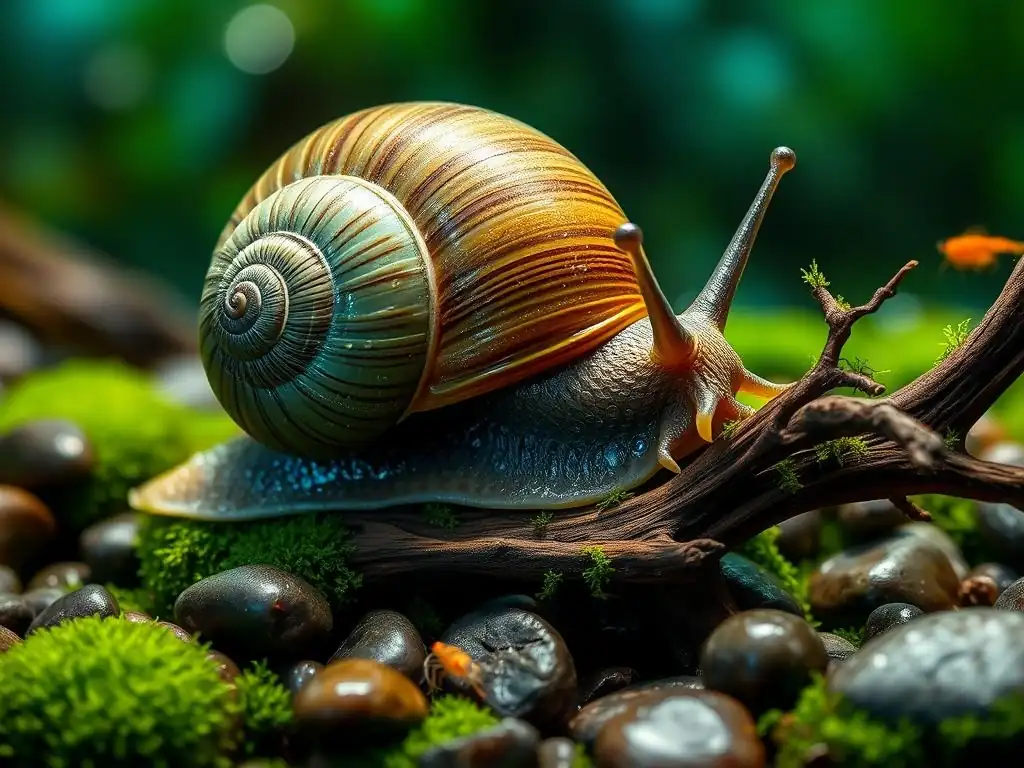
Tank Size and Substrate Considerations
Appropriate tank size and substrate selection are fundamental to maintaining a healthy habitat for freshwater snails, crayfish, and crabs, directly impacting their stress levels and susceptibility to illness. Overcrowding is a major stressor, leading to poor water quality and increased aggression. For example, a single adult Mystery Snail requires at least 2.5-5 gallons of water, while a single adult crayfish (like a Blue Crayfish) needs a minimum of 10-20 gallons to thrive. Crabs also require specific space; a pair of Vampire Crabs might need a 5-gallon paludarium, while larger species demand more.
Substrate choice is equally crucial. Snails that burrow, like Malaysian Trumpet Snails, benefit from a fine sand substrate (e.g., 0.5-2 mm grain size), which also prevents food from getting trapped and rotting. Crayfish and many crabs prefer sand or fine gravel (e.g., 2-5 mm) that allows them to dig and create burrows for security and molting. A rough or sharp substrate can cause physical injuries and stress, making them vulnerable to bacterial infections. Providing adequate depth of substrate (at least 2-3 inches for burrowing species) is also essential for their natural behaviors and overall well-being.
Providing Proper Diet and Nutrition for Optimal Health
Providing a proper and varied diet is essential for the optimal health and disease resistance of freshwater snails, crayfish, and crabs. Malnutrition can weaken their immune systems, stunt growth, and lead to specific deficiencies, such as shell problems in snails or molting issues in crustaceans. Snails are primarily detritivores and herbivores; they graze on algae, biofilm, and decaying plant matter. Supplementing their diet with blanched vegetables (e.g., zucchini, spinach, kale), algae wafers, and calcium-rich foods (like cuttlebone or calcium blocks) is vital for strong shells and overall vitality, mitigating many freshwater snail illness symptoms.
Crayfish and crabs are omnivores, requiring a balanced diet of both plant and animal matter. They benefit from high-quality sinking pellets formulated for crustaceans, along with occasional protein sources like bloodworms or brine shrimp, and blanched vegetables. Calcium is particularly crucial for crustaceans to support their exoskeletons and successful molting; therefore, ensuring their diet is rich in calcium is paramount. Avoid overfeeding, as excess food can rapidly foul the water, leading to stress and illness in these sensitive invertebrates. A well-nourished invertebrate is far more resilient to environmental fluctuations and potential pathogens.
The Importance of Tank Mates and Avoiding Overcrowding
Careful consideration of tank mates and actively avoiding overcrowding are critical for preventing stress and disease in freshwater snails, crayfish, and crabs. Invertebrates can be easily stressed or injured by aggressive or predatory fish. For instance, many cichlids or even larger gouramis might view snails as a food source, nipping at their antennae or attempting to extract them from their shells. Crayfish and crabs can be aggressive towards each other and smaller tank mates, potentially causing injury or death, especially during molting.
Overcrowding, regardless of species, leads to increased competition for resources, elevated waste production, and heightened stress levels. In a crowded environment, water quality deteriorates more rapidly, and invertebrates are more susceptible to disease outbreaks. For example, a tank with too many snails will quickly accumulate waste, leading to ammonia spikes if filtration isn't adequate. Ensuring that each invertebrate has sufficient space, hiding spots, and appropriate tank mates that are non-aggressive and do not compete for the same niche drastically reduces stress, promotes natural behaviors, and significantly lowers the risk of illness.
Conclusion: Proactive Invertebrate Care for a Thriving Aquarium
Key Takeaways for Identifying and Addressing Invertebrate Health Issues
Identifying and addressing invertebrate health issues proactively is fundamental to maintaining a thriving freshwater aquarium. The key takeaways emphasize vigilance and a holistic understanding of their needs. Firstly, recognizing subtle behavioral changes – such as lethargy, erratic movements, or unusual hiding – is often the earliest indicator of distress in snails, crayfish, and crabs. Secondly, physical signs like shell degradation, lesions, discolored gills, or molting difficulties provide concrete evidence of underlying problems, including common freshwater snail illness symptoms. These visual cues demand immediate attention and investigation.
Furthermore, understanding the critical role of pristine water quality cannot be overstated. Consistent monitoring of ammonia, nitrite, nitrate, pH, and hardness is paramount, as imbalances in these parameters are the most frequent culprits behind invertebrate ailments. When issues arise, prioritizing water changes and natural supportive care over harsh chemical treatments is often the safest and most effective approach, given the invertebrates' extreme sensitivity to many common aquarium medications. Finally, prevention through strict quarantine, appropriate tank size, compatible tank mates, and a balanced diet forms the backbone of long-term invertebrate health, minimizing the need for reactive interventions.
Resources for Further Learning About Freshwater Snail, Crayfish, and Crab Care
For aquarists passionate about the well-being of their freshwater snails, crayfish, and crabs, continuous learning is key to mastering their specialized care. Numerous online communities and forums dedicated to invertebrate keeping offer invaluable peer-to-peer advice and troubleshooting tips. Websites specializing in aquarium husbandry, like Aquarium Mastery, provide detailed species profiles, care guides, and troubleshooting sections that delve into specific needs and common health challenges. These platforms often feature comprehensive articles on topics such as specific freshwater snail illness symptoms and their remedies.
Beyond digital resources, reputable books on freshwater invertebrate keeping offer in-depth scientific information on their biology, common diseases, and advanced care techniques. Consulting with experienced local fish store owners who specialize in invertebrates can also provide practical insights and access to specific products. Engaging with university extension programs or aquatic biology departments, though less common for hobbyists, can sometimes offer access to diagnostic services or expert advice for more complex or unusual health issues. Leveraging these diverse resources empowers aquarists to provide the best possible environment for their fascinating freshwater invertebrates, ensuring their longevity and vitality.
Frequently Asked Questions
What are some common early warning signs that my freshwater snail might be sick or stressed?
Look for changes in behavior like reduced activity, refusal to eat, or staying out of the water for extended periods. Also, observe the shell for cracks or discoloration.
How does poor water quality specifically contribute to freshwater snail illness?
Poor water quality, especially high levels of ammonia and nitrites, can severely stress snails. This weakens their immune system, making them vulnerable to infections and diseases.
Besides water quality, what other environmental factors can negatively impact my freshwater snail's health?
Inconsistent water temperature, lack of essential minerals like calcium, and aggressive tank mates can all cause stress. This stress can lead to weakness and increased susceptibility to illness.
What are some visible physical symptoms of illness I should look for in freshwater snails?
Observe for shell erosion, unusual growths, or retracted bodies. Lethargy and a loss of appetite are also important indicators of potential health problems.
What steps should I take if I suspect my freshwater snail is showing symptoms of illness?
Immediately isolate the snail in a quarantine tank with clean, properly conditioned water. Then, test your main tank's water parameters and adjust them as needed to improve water quality.
Final Reflection: The Silent Language of Aquatic Life
The ability to recognize early signs of stress and illness in our freshwater invertebrates is more critical now than ever, as hobbyists and researchers alike grapple with the increasing pressures of environmental change and the spread of aquatic diseases. By understanding the subtle cues these creatures offer, we not only safeguard their well-being but also gain valuable insights into the health of our broader aquatic ecosystems.
This journey into the world of freshwater snails, crayfish, and crabs has profoundly underscored the interconnectedness of life. Observing these often-overlooked creatures teaches us patience, attentiveness, and a deeper appreciation for the delicate balance of nature. The greatness of a nation and its moral progress can be judged by the way its animals are treated.
- Mahatma Gandhi. This quote resonates deeply when we consider the responsibility we bear towards these vulnerable aquatic inhabitants.
Now, armed with this knowledge, I invite you to become a more conscientious observer of your own aquatic environments. Whether you're a seasoned aquarist or simply curious about the natural world, take the time to truly see the creatures around you. By paying attention to the silent language of freshwater snails, crayfish, and crabs, you can contribute to their health, and in doing so, contribute to a healthier planet for us all.
Dive Deeper: Fortify Your Aquatic Friendships!
Thank you for exploring the secrets to maintaining vibrant health in your freshwater snails, crayfish, and crabs! Now that you're equipped with the knowledge to spot early warning signs, let's turn that insight into action.
Here's how you can further enhance their lives:
- Implement a weekly "Well-being Check". Spend focused time observing your invertebrates for any changes in behavior, shell condition, or appetite. Record your observations in a small notebook to track trends over time.
- Research a specific plant species known to boost the immune system of your invertebrates, and consider adding it to your aquarium to provide natural support against illness.
- Share your own experiences and tips in the comments below or on our forum! Help other enthusiasts learn from your successes and challenges.
What small change will you make today to ensure a thriving environment for your aquatic companions?