
Pinto Shrimp Uncovered: The Art of Breeding These Patterned Caridina

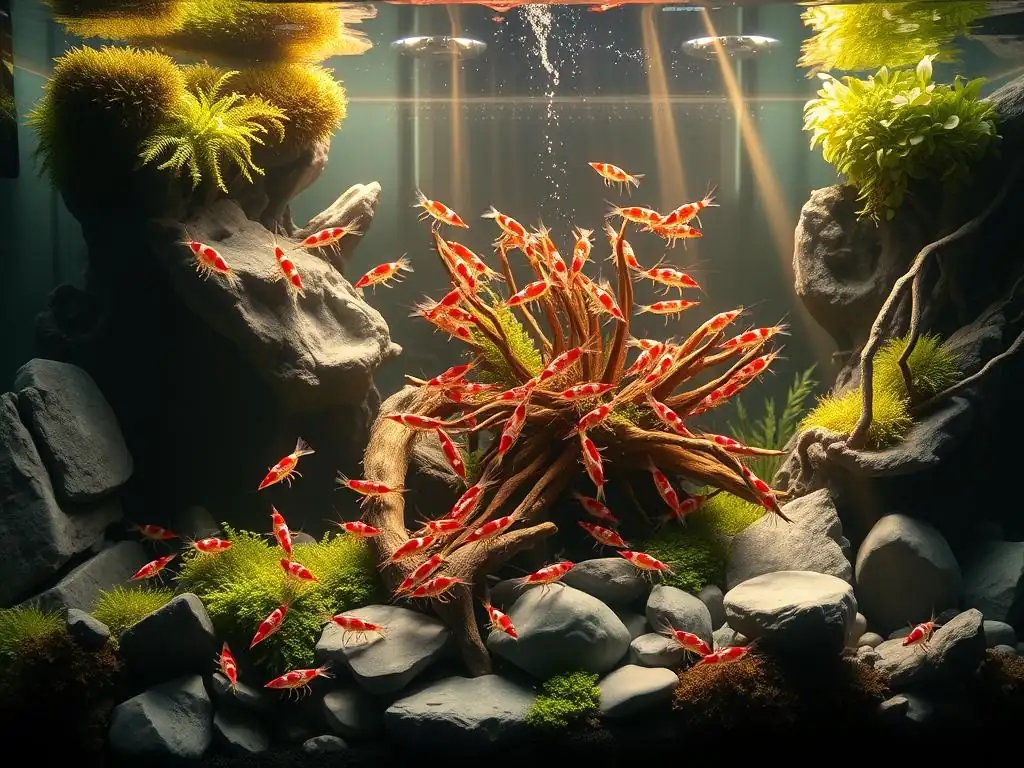
Welcome to Aquarium Mastery!
Ever wondered how to unlock the secrets of breeding those stunningly patterned Pinto Shrimp? These little gems can be a challenge, but incredibly rewarding. Dive into our comprehensive Pinto Shrimp Breeding Guide to uncover the tips and tricks you need to successfully raise these captivating Caridina. Ready to transform your aquarium into a thriving Pinto paradise? Let's get started!
- Pinto Shrimp Breeding: A Comprehensive Guide
- Understanding Pinto Shrimp
- Setting Up the Pinto Shrimp Breeding Tank
- The Pinto Shrimp Breeding Process
- Raising Pinto Shrimp Fry
- Troubleshooting Breeding Challenges
- Selective Breeding for Desired Traits
- Advanced Breeding Techniques
-
Frequently Asked Questions
- What are the key factors to consider for successful Pinto shrimp breeding?
- What specific water parameters are crucial for Pinto shrimp breeding?
- What type of food should I feed my Pinto shrimp to encourage breeding?
- How can I minimize stress in my Pinto shrimp aquarium to promote breeding?
- How long does it typically take for Pinto shrimp to breed and for the eggs to hatch?
- Final Reflection: The Enduring Allure of Miniature Worlds
- Ignite Your Shrimp Breeding Journey!
Pinto Shrimp Breeding: A Comprehensive Guide
Understanding Pinto Shrimp
What are Pinto Shrimp? Defining Caridina cantonensis 'Pinto'
Pinto shrimp are a highly sought-after, selectively bred variant of the Caridina cantonensis species, renowned for their intricate and often striking patterns. Originating primarily from Taiwan, these freshwater invertebrates are not found in the wild but are the result of meticulous cross-breeding efforts, largely stemming from Taiwan Bee shrimp lines. Their distinct patterns, which can include stripes, spots, or a combination, set them apart from their more uniformly colored Caridina relatives.
The development of Pinto shrimp began around the early 2010s, building upon the genetic foundation of Taiwan Bee shrimp, which themselves are a mutation of Crystal Red/Black Shrimp. This complex lineage makes Pintos particularly sensitive to water parameters, requiring stable and specific conditions to thrive and breed successfully. Their unique appearance and the challenge of their care contribute to their premium status and higher market value within the aquarium hobby.
Pinto Shrimp Varieties: Patterns and Color Variations
Pinto shrimp exhibit a fascinating array of patterns and color combinations, making each individual a miniature work of art. Common patterns include the "Zebra Pinto," characterized by distinct vertical stripes; the "Spotted Head Pinto," featuring dots on the head and often a clean body; and the "Fishbone Pinto," which displays a branching, skeletal-like pattern along its back. Other notable patterns include "Skunk Pinto" with a dorsal stripe, and "Galaxy Pinto" combining spots with stripes.
These patterns typically manifest on a base of black, red, or less commonly, blue or blonde, with crisp white coloration forming the patterns. For instance, a Black Zebra Pinto will have black and white stripes, while a Red Spotted Head Pinto will feature red and white spots. The consistency and intensity of these patterns are highly valued, with clearer, more defined markings fetching higher prices, reflecting years of dedicated selective breeding by aquarists worldwide.
Pinto Shrimp vs. Other Caridina cantonensis Species: Distinguishing Traits
While Pinto shrimp share the same species designation ( Caridina cantonensis) as popular varieties like Crystal Red Shrimp (CRS), Crystal Black Shrimp (CBS), and Taiwan Bee shrimp, they possess several distinguishing traits. The most obvious difference lies in their unique and often complex patterns, which are absent in the solid or two-toned coloration of CRS/CBS and the more blocky patterns of Taiwan Bees. Pintos typically have a more robust, slightly larger body structure compared to many common Caridina strains.
Beyond aesthetics, the primary distinction often lies in their care requirements, particularly water parameters. Pinto shrimp, due to their specialized breeding, tend to be more sensitive to fluctuations and require stricter adherence to specific water chemistry, often thriving in softer, more acidic water (pH 5.8-6.8) than their ancestors. This increased sensitivity means that successful Pinto shrimp breeding guide often emphasizes precise parameter control, making them a more advanced challenge for many aquarists.
Setting Up the Pinto Shrimp Breeding Tank
Tank Size: Determining Adequate Space
For a successful Pinto shrimp breeding guide, selecting the appropriate tank size is a foundational step. A minimum tank size of 10 gallons (approximately 38 liters) is generally recommended for starting a small breeding colony of 10-15 shrimp. This size provides enough water volume to maintain stable parameters and allows the shrimp sufficient space to graze and establish territories without excessive stress.
However, many experienced breeders prefer larger tanks, such as 20-gallon (approximately 76 liters) or even 40-gallon (approximately 150 liters) setups, especially for more extensive breeding projects. Larger tanks offer greater water volume, which inherently provides more stability against sudden parameter shifts, ammonia spikes, or temperature fluctuations. This stability is crucial for the delicate Pinto shrimp, leading to higher breeding rates and better shrimplet survival.
Water Parameters: Essential for Breeding Success
Maintaining precise and stable water parameters is arguably the most critical factor for successful Pinto shrimp breeding. These delicate invertebrates are highly sensitive to changes in their environment, and even minor fluctuations can lead to stress, reduced breeding, or mortality. Key parameters to monitor include General Hardness (GH), Carbonate Hardness (KH), and pH.
Optimal conditions for Pinto shrimp typically involve soft, slightly acidic water. Deviations from these ideal ranges, or sudden swings, can inhibit molting, reduce fertility, and significantly impact the survival rate of both adults and shrimplets. Therefore, a reliable testing regimen and a consistent approach to water management are indispensable components of any successful Pinto shrimp breeding guide.
GH and KH Levels: Achieving Optimal Hardness
For Pinto shrimp breeding, specific GH and KH levels are paramount. The ideal General Hardness (GH) range typically falls between 4-6 dGH. This level ensures that shrimp have access to sufficient minerals like calcium and magnesium, which are vital for healthy molting and shell development. A GH below 4 dGH can lead to molting difficulties, while a GH above 6 dGH can stress the shrimp and inhibit breeding.
Carbonate Hardness (KH) should be kept very low, ideally between 0-1 dKH. A low KH is crucial because Pinto shrimp thrive in slightly acidic conditions, and higher KH acts as a buffer, preventing the pH from dropping to the desired range. To achieve these parameters, most breeders use reverse osmosis (RO) or deionized (DI) water, which is then remineralized using a specialized product like SaltyShrimp GH+ (which does not add KH) to reach the target GH.
pH Stability: Maintaining Ideal Acidity
Maintaining stable pH levels is as critical as managing hardness for Pinto shrimp breeding success. The optimal pH range for these Caridina is typically between 5.8 and 6.8. Stability within this range is far more important than hitting a specific number, as sudden pH swings can be highly detrimental, causing severe stress, molting complications, and even death.
To achieve and maintain this acidic and stable pH, active buffering substrates are almost universally employed in Pinto shrimp setups. These specialized substrates, such as ADA Aqua Soil Amazonia or Fluval Stratum, actively absorb carbonates from the water, lowering the KH and consequently buffering the pH into the desired acidic range. Regular monitoring with a reliable pH meter or liquid test kit is essential to ensure consistent conditions.
Substrate: Impact on Water Chemistry
The choice of substrate plays a pivotal role in establishing and maintaining the specific water chemistry required for Pinto shrimp breeding. Active buffering substrates are indispensable for these Caridina species. These specialized soils, typically clay-based, are designed to gradually lower and buffer the pH and KH (carbonate hardness) of the aquarium water, creating the soft, acidic conditions that Pinto shrimp thrive in.
Brands like ADA Aqua Soil Amazonia, Fluval Stratum, or Brightwell Aquatics FlorinVolcanit are popular choices among breeders. These substrates not only condition the water to the ideal parameters but also provide a large surface area for beneficial bacteria to colonize and for biofilm to grow, which serves as a crucial food source for newly hatched shrimplets. The buffering capacity of these substrates typically lasts for 1-2 years before they become inert and may need replacement.
Filtration: Maintaining Water Quality
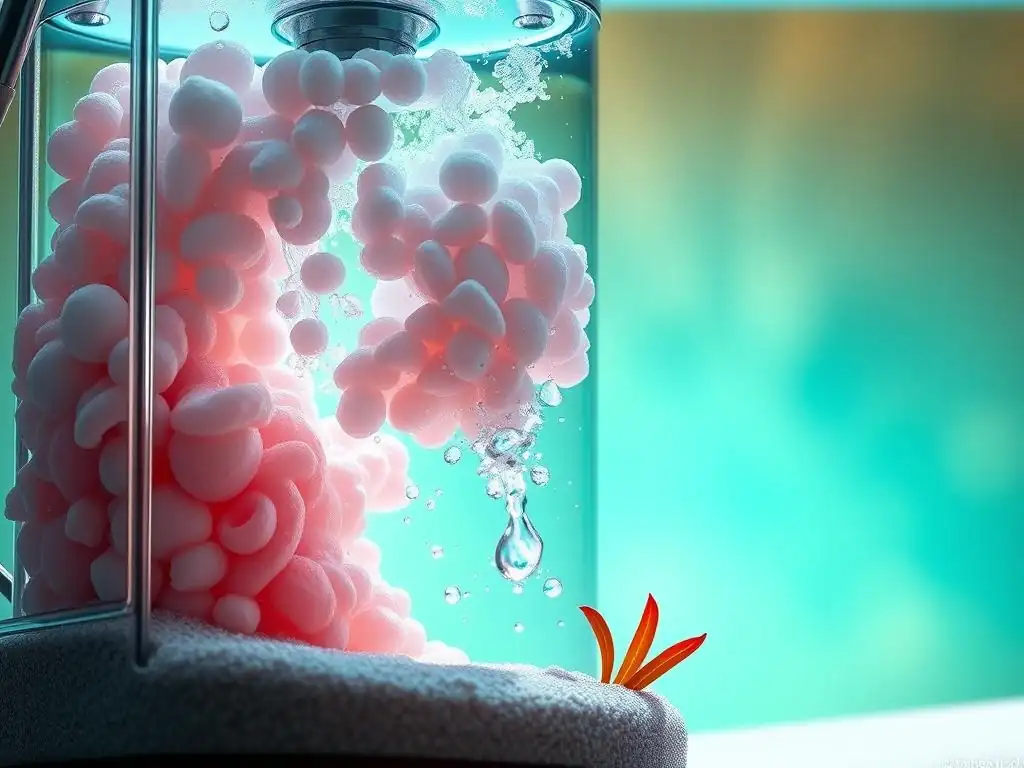
Effective filtration is essential for maintaining the pristine water quality necessary for a successful Pinto shrimp breeding guide. Sponge filters are the most widely recommended filtration method for shrimp tanks due to their gentle flow and shrimplet-safe design. Their porous structure provides a vast surface area for beneficial nitrifying bacteria, which are crucial for breaking down harmful ammonia and nitrites into less toxic nitrates.
Alternatively, hang-on-back (HOB) filters can be used, provided they are equipped with a pre-filter sponge over the intake to prevent shrimplets from being sucked in. It is critical to ensure that the filtration system provides adequate biological filtration without creating strong currents that could stress the shrimp. Regular, gentle cleaning of the sponge filter by rinsing it in old tank water during a water change helps maintain its effectiveness without destroying the bacterial colony.
Plants and Decorations: Providing Shelter and Security
Incorporating live plants and appropriate decorations is vital for creating a thriving environment for Pinto shrimp breeding. Live plants, particularly dense, slow-growing varieties like Java Moss, Bucephalandra, Anubias nana, and various moss balls, offer numerous benefits. They provide extensive surface area for the growth of biofilm and micro-organisms, which are primary food sources for shrimplets, and serve as excellent hiding spots for both adults and vulnerable fry.
Beyond live plants, safe decorations such as cholla wood, Indian almond leaves, and small ceramic caves can significantly enhance the tank's environment. Cholla wood and Indian almond leaves gradually release beneficial tannins into the water, which can have mild antibacterial and antifungal properties, and also provide additional grazing surfaces. These elements contribute to a sense of security for the shrimp, reducing stress and encouraging natural breeding behaviors.
The Pinto Shrimp Breeding Process
Identifying Male and Female Shrimp
Accurately identifying male and female Pinto shrimp is a key step for any Pinto shrimp breeding guide, though it can be challenging, especially with younger specimens. Generally, adult female Pinto shrimp are larger and have a more robust, rounded body shape, particularly noticeable in their underside, which is adapted for carrying eggs (the "berry"). They also often display a "saddle" – a greenish or yellowish mass of developing eggs visible in their cephalothorax – before they are berried.
Male Pinto shrimp, in contrast, are typically smaller, more slender, and possess a straighter underside. Their primary role is to actively seek out and mate with receptive females, and they are often observed darting around the tank, especially when a female has recently molted and released pheromones. Observing these size, shape, and behavioral differences over time will help in distinguishing the sexes within a mature colony.
Conditioning for Breeding: Diet and Environment
Conditioning Pinto shrimp for optimal breeding performance involves a combination of a high-quality, varied diet and a stable, stress-free environment. Providing a diet rich in essential nutrients, including protein, minerals, and vitamins, is crucial. Specialized shrimp foods (e.g., GlasGarten, Shirakura, Shrimp King) that contain spirulina, algae, and various plant-based ingredients are excellent choices. Supplementing with blanched vegetables like spinach or nettle leaves, and occasional protein sources like bee pollen, can further stimulate breeding activity.
Environmental stability is equally important. Consistent water parameters within the ideal range (GH 4-6, KH 0-1, pH 5.8-6.8) and stable temperatures around 72-74°F (22-23°C) minimize stress, which is a major inhibitor of breeding. Regular, small water changes using carefully remineralized RO/DI water, coupled with a calm tank environment free from aggressive tank mates, will encourage the shrimp to breed consistently.
Observing Mating: Recognizing Successful Breeding
Observing the actual mating process of Pinto shrimp can be subtle but is a clear indicator of successful breeding activity. Mating typically occurs shortly after a female molts, as she releases pheromones into the water to signal her readiness to breed. Males, sensing these pheromones, will become highly active, darting frantically around the tank in search of the receptive female.
Once a male locates a female, he will often cling to her underside for a brief period, transferring sperm. The most definitive sign of successful breeding, however, is the appearance of eggs (often referred to as "berries") attached to the female's pleopods (swimmerets) under her tail. These eggs are usually pale yellow or greenish initially and will be constantly fanned by the female to ensure oxygenation and prevent fungal growth.
Caring for Berried Females: Ensuring Hatching Success
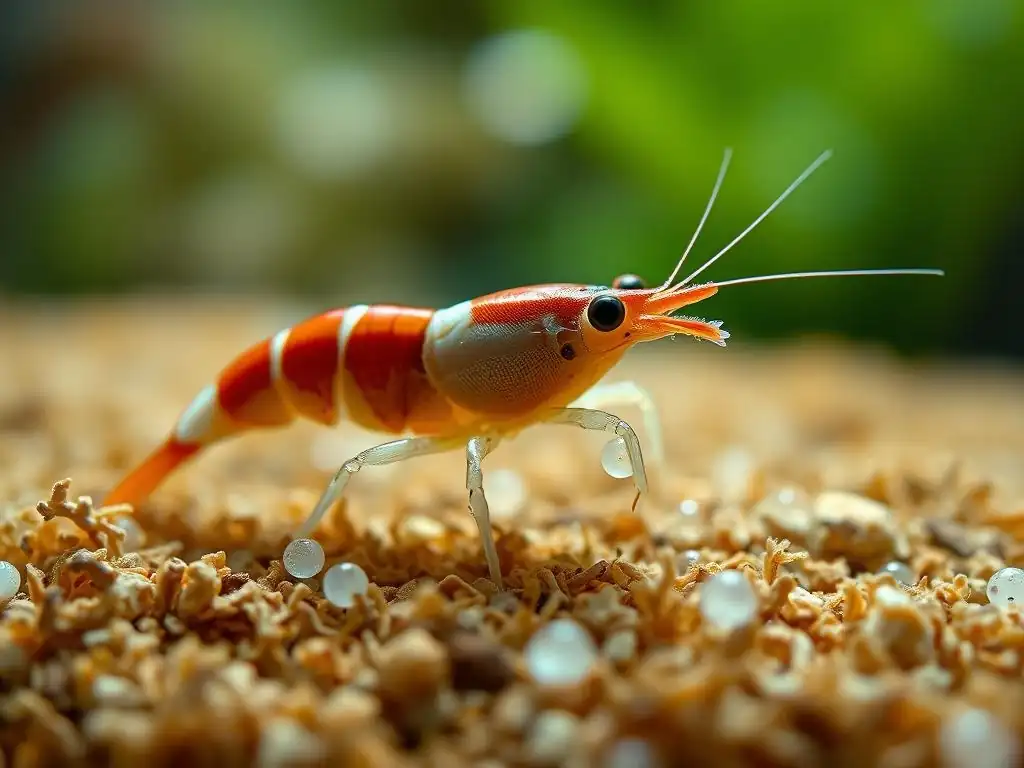
Caring for berried Pinto shrimp females is crucial for ensuring the successful hatching of shrimplets. During the approximate 25-30 day incubation period, it is paramount to maintain the most stable and pristine water conditions possible. Avoid any large water changes or sudden fluctuations in temperature, pH, or hardness, as these can stress the female and potentially lead to her dropping the eggs prematurely.
Ensure that the berried female has access to adequate food, but avoid overfeeding, which can foul the water. A consistent, high-quality diet will support her health and the development of the eggs. Providing plenty of hiding spots and dense plant cover will also help reduce stress, allowing the female to calmly carry her eggs to term until the tiny, fully formed shrimplets hatch and disperse into the tank.
Protecting Shrimplets: Preventing Predation and Providing Sustenance
Protecting newly hatched Pinto shrimplets is a critical aspect of any successful Pinto shrimp breeding guide. In a dedicated breeding tank with no other inhabitants besides shrimp, predation is generally not an issue, as adult shrimp do not prey on their young. However, if the breeding tank contains even small fish or other invertebrates, providing ample hiding spots is essential. Dense mosses like Java Moss or Christmas Moss, and fine-leaved plants, offer excellent cover.
Beyond protection, ensuring adequate sustenance for the incredibly tiny shrimplets is vital. Their primary food source in the first few days is biofilm and micro-organisms that naturally grow on tank surfaces, plants, and substrate. Supplementing this with specialized powdered shrimp fry food (e.g., Shrimp King Baby, Bacter AE) or finely crushed spirulina powder ensures they receive sufficient nutrition for rapid growth and development.
Raising Pinto Shrimp Fry
First Foods: Nutritional Requirements for Shrimplets
The nutritional requirements for Pinto shrimp fry are unique and critical for their survival and development. Upon hatching, these tiny shrimplets are miniature versions of the adults and will immediately begin to graze. Their primary food source is the biofilm that naturally forms on all surfaces within a mature aquarium, including plants, substrate, and decorations. This biofilm is rich in microscopic organisms, algae, and detritus, providing essential nutrients.
To supplement this natural food source and ensure robust growth, it is highly recommended to introduce specialized powdered shrimp fry foods. Products like Shrimp King Baby, GlasGarten Bacter AE, or finely ground spirulina powder are designed to be easily consumed by the minuscule fry. These foods should be dosed in very small amounts, typically once or twice daily, to avoid overfeeding and polluting the delicate fry environment.
Water Changes: Maintaining Water Quality for Fry
Maintaining impeccable water quality is paramount when raising delicate Pinto shrimp fry. While regular water changes are necessary, they must be performed with extreme caution to avoid shocking the tiny shrimplets. Small, frequent water changes are preferable to large, infrequent ones; for instance, a 10-15% weekly water change is often recommended.
Crucially, the new water must perfectly match the existing tank parameters (temperature, pH, GH, KH) to prevent any sudden shifts that could be fatal to the fry. Using a slow drip method for adding new, remineralized RO/DI water is highly advised. This gradual introduction minimizes stress and allows the shrimplets to acclimate without experiencing rapid changes in their environment.
Monitoring Growth: Ensuring Proper Development
Monitoring the growth and development of Pinto shrimp fry is an important aspect of successful breeding. Initially, the shrimplets will be incredibly small, almost imperceptible. Over the first few weeks, they will undergo several molts, gradually increasing in size and developing their distinct Pinto patterns. A healthy growth rate indicates adequate nutrition and stable water parameters.
Active grazing behavior is a strong indicator of healthy fry. Observing them constantly foraging on surfaces suggests they are finding sufficient food. Any signs of lethargy, unusual coloration, or lack of growth should prompt an immediate check of water parameters and food availability. With proper care, Pinto shrimplets typically reach sexual maturity and begin breeding themselves within 3-4 months.
Troubleshooting Breeding Challenges
Low Breeding Rate: Identifying Causes
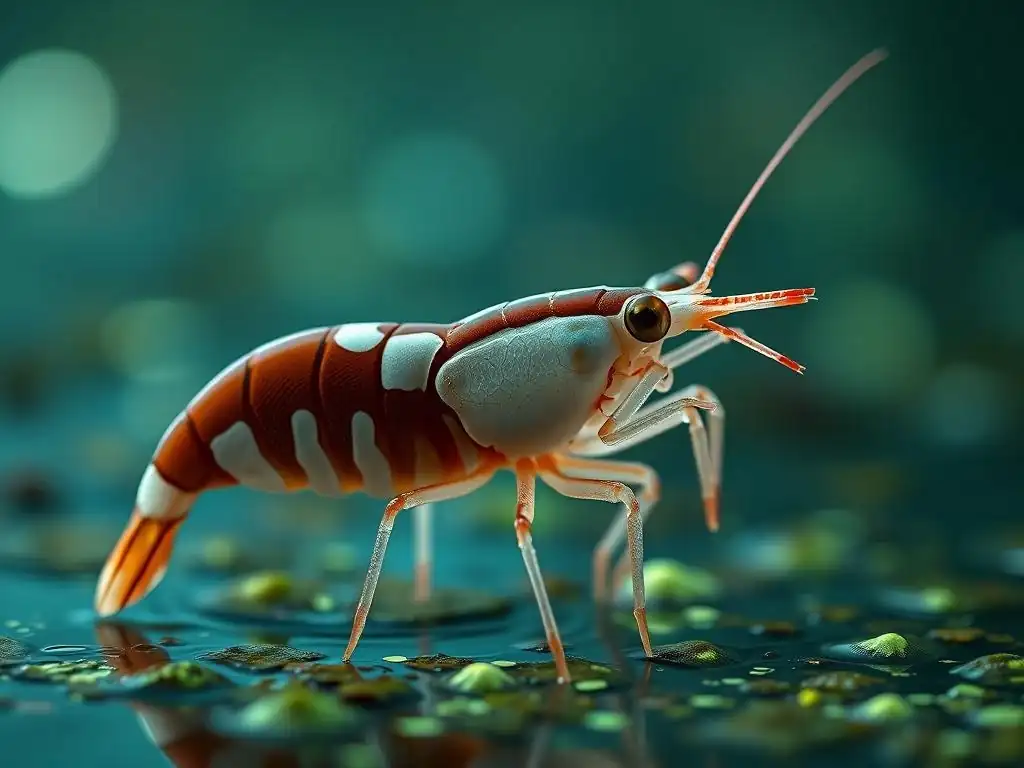
A low breeding rate in a Pinto shrimp colony can be a frustrating challenge for aquarists. The primary culprits often revolve around suboptimal water parameters. Fluctuations in GH, KH, or pH, or parameters that fall outside the ideal range (GH 4-6, KH 0-1, pH 5.8-6.8), are major stressors that inhibit breeding. Additionally, consistently high nitrate levels (above 10-20 ppm) can suppress breeding activity.
Other contributing factors include an imbalanced male-to-female ratio, where too few males might lead to unfertilized eggs, or too few females reduce overall output. Insufficient or unvaried diet, especially one lacking adequate protein or minerals, can also hinder reproductive vigor. Finally, environmental stressors such as overcrowding, aggressive tank mates, or unstable temperatures will significantly reduce a colony's willingness to breed.
Shrimplet Mortality: Addressing Contributing Factors
High shrimplet mortality rates are a common and disheartening issue in Pinto shrimp breeding. The most frequent cause is poor water quality, particularly the presence of ammonia or nitrite, even in trace amounts, which are highly toxic to delicate fry. Sudden, drastic shifts in water parameters during water changes are also a major killer, as the tiny shrimplets are extremely sensitive to environmental shock.
Another critical factor is the lack of adequate food. Newly hatched shrimplets rely heavily on biofilm and microscopic organisms. If the tank is too clean, or if supplemental fry food is not provided consistently in sufficient quantities, the shrimplets can starve. Predation, even by seemingly harmless tank mates like snails, or being sucked into filter intakes without a pre-filter sponge, can also contribute to losses.
Genetic Considerations: Understanding Potential Issues
Genetic considerations play a significant role in long-term Pinto shrimp breeding success and challenges. Inbreeding, if not carefully managed, can lead to inbreeding depression, manifesting as reduced fertility, smaller adult size, weaker immune systems, and an increased incidence of deformities or genetic defects in offspring. This can severely impact the vigor and viability of a breeding line.
Furthermore, some genetic lines may inherently carry predispositions to certain weaknesses or sensitivities. For example, certain patterns might be linked to more delicate constitutions, or specific lines might be more susceptible to bacterial infections. Understanding the lineage of your shrimp and sourcing them from reputable breeders who maintain diverse gene pools is crucial to mitigate these potential genetic issues and ensure a healthy, robust colony.
Disease and Parasite Management
Disease and parasite management in Pinto shrimp can be particularly challenging due to their sensitivity to many common aquarium medications. Shrimp are susceptible to bacterial infections (e.g., cotton wool disease, often appearing as white patches), fungal infections (e.g., Saprolegnia), and external parasites (e.g., Vorticella, a stalked ciliate appearing as fuzzy white spots). These issues are often secondary to stress caused by poor water quality, overcrowding, or sudden parameter changes.
Prevention is the most effective strategy: maintaining pristine water conditions, avoiding overfeeding, and quarantining any new shrimp for several weeks before introduction to the main tank. If an outbreak occurs, treatment options are limited. Often, improving water quality and providing a stable environment can help shrimp recover. Some mild treatments, like Indian almond leaves or specialized shrimp-safe medications, might be considered, but caution is always advised due to the risk of harming the shrimp.
Selective Breeding for Desired Traits
Understanding Genetics: Recessive and Dominant Traits in Pintos
Understanding the basic genetics of recessive and dominant traits is fundamental to selective Pinto shrimp breeding for desired patterns and colors. While the precise genetic mechanisms behind all Pinto patterns are complex and not fully elucidated, many of the striking traits, such as specific white patterns (e.g., Zebra, Fishbone), are often considered to be influenced by recessive genes. This means that an offspring must inherit the gene from both parents to express the trait.
For example, crossing two shrimp that visually display a "Pinto" pattern will likely yield a high percentage of Pinto offspring, as both parents carry the necessary recessive genes. However, crossing a Pinto with a non-Pinto (e.g., a Taiwan Bee) might result in offspring that do not show the Pinto pattern but are "carriers" of the recessive gene, capable of producing Pintos in subsequent generations when bred with another carrier or a visual Pinto. This knowledge allows breeders to plan crosses for specific outcomes.
Selective Breeding Techniques: Enhancing Color and Pattern
Selective breeding techniques are essential tools for enhancing the vibrant colors and intricate patterns of Pinto shrimp. The primary technique involves "culling," which is the process of removing shrimp that do not meet the desired standards from the breeding pool. This includes individuals with poor color intensity, faded patterns, deformities, or slow growth. By removing these less desirable shrimp, breeders ensure that only the highest quality individuals pass on their genes, gradually improving the overall quality of the line.
Another crucial technique is "line breeding," where related individuals with desirable traits are bred together to concentrate specific genes within a lineage. This often involves careful record-keeping of parentage and offspring characteristics to track the inheritance of patterns like Zebra, Fishbone, or Spotted Head. Through consistent culling and thoughtful line breeding, aquarists can stabilize and intensify specific Pinto patterns and colors over multiple generations, turning a hobby into an art form.
Maintaining Genetic Diversity: Avoiding Inbreeding
While selective breeding often involves breeding related individuals to concentrate desirable traits, maintaining genetic diversity is equally critical to the long-term health and vigor of a Pinto shrimp colony. Prolonged and indiscriminate inbreeding can lead to "inbreeding depression," a phenomenon where the overall health, fertility, and resilience of a line decline over generations. This can manifest as smaller shrimp, reduced breeding rates, increased susceptibility to disease, and higher mortality rates.
To counteract inbreeding depression, breeders employ strategies to introduce new genetic material periodically. This might involve acquiring new, unrelated bloodlines of Pinto shrimp from different reputable breeders every 1-2 years and carefully integrating them into existing lines. Establishing multiple, somewhat separated breeding lines within a single facility can also help maintain diversity. Meticulous record-keeping of parentage ensures that breeders can avoid excessively close crosses and plan for outcrosses when necessary, preserving the genetic health of their prized Pinto shrimp.
Advanced Breeding Techniques
Breeding Boxes: Isolating Shrimp for Controlled Breeding
For advanced Pinto shrimp breeding, breeding boxes offer a precise method for isolating specific shrimp for controlled crosses. These enclosures, typically made of mesh or acrylic, are placed inside the main aquarium, allowing water circulation while physically separating selected individuals. This technique is invaluable when a breeder wants to ensure a specific male breeds with a specific female, preventing unwanted crosses from other shrimp in the main colony.
Breeding boxes are particularly useful for testing the genetic potential of new or experimental crosses, or for isolating high-grade individuals to ensure their offspring inherit desired traits without dilution. While effective for control, these boxes have a smaller water volume, which can be less stable than the main tank. Therefore, careful monitoring of water parameters within the box and ensuring adequate food and gentle water flow are crucial for the well-being of the isolated shrimp.
Fine-Tuning Water Parameters: Experimentation for Optimal Results
Experienced Pinto shrimp breeders often engage in fine-tuning water parameters, experimenting within the accepted ranges to achieve optimal breeding results. While the general guidelines (GH 4-6, KH 0-1, pH 5.8-6.8) provide a solid foundation, slight adjustments can sometimes lead to increased breeding rates or improved shrimplet survival. For instance, some breeders might find a pH of 6.2 yields better results than 6.8 for a specific line, or a GH of 5 dGH is superior to 4 dGH.
This level of precision requires advanced water testing equipment, such as highly accurate digital pH meters and TDS (Total Dissolved Solids) meters, to consistently monitor and adjust mineral content. Subtle changes in remineralization formulas or buffering substrate usage can influence these parameters. Such experimentation, however, should be done gradually and with extreme caution, as sudden shifts can be detrimental to these sensitive Caridina.
Future Trends in Pinto Shrimp Breeding
The world of Pinto shrimp breeding is constantly evolving, driven by the passion of hobbyists and professional breeders alike. Future trends are likely to focus on the development of even more stable and visually striking patterns. Breeders are continuously working towards solidifying existing patterns like "Fishbone" or "Galaxy" to ensure a higher percentage of high-grade offspring in each generation.
Furthermore, there is a growing interest in new color variations beyond the traditional black and red, with blues, yellows, and even multi-color combinations being explored. Advancements in specialized shrimp foods and water conditioning products may also emerge, offering new tools to optimize breeding success and improve the health of these delicate invertebrates. The collaborative nature of the breeding community, often sharing knowledge and new genetic lines, will continue to drive innovation in this fascinating niche of the aquarium hobby.
Frequently Asked Questions
What are the key factors to consider for successful Pinto shrimp breeding?
Success hinges on maintaining stable water parameters, providing a suitable diet, and ensuring a stress-free environment within the aquarium.
What specific water parameters are crucial for Pinto shrimp breeding?
Maintaining a stable pH between 6.0 and 6.8, a GH of 4-6, and a KH of 0-2 are vital for successful breeding.
What type of food should I feed my Pinto shrimp to encourage breeding?
A varied diet consisting of high-quality shrimp food, supplemented with natural foods like algae and biofilm, is recommended. Regular feeding is also important.
How can I minimize stress in my Pinto shrimp aquarium to promote breeding?
Avoid sudden changes in water parameters, provide plenty of hiding places, and ensure compatible tank mates to reduce stress.
How long does it typically take for Pinto shrimp to breed and for the eggs to hatch?
It usually takes around 4-6 weeks for a female to carry and hatch her eggs, depending on the water temperature and overall environmental conditions.
Final Reflection: The Enduring Allure of Miniature Worlds
The journey into the intricate world of Pinto shrimp breeding, as we've explored, reveals not just the technical aspects of genetics and water parameters, but also a deeper connection to the beauty and complexity of miniature ecosystems. The increasing popularity of these patterned Caridina is a testament to our inherent fascination with the natural world and our desire to cultivate beauty in even the smallest of spaces. This pursuit extends beyond mere hobbyism; it's an engagement with life itself, a microcosm reflecting the larger challenges and rewards of nurturing and understanding the delicate balance of nature.
This exploration has profoundly influenced my perspective, highlighting the dedication and patience required to truly understand and appreciate the nuances of any living creature. The intricate patterns of the Pinto shrimp, each a unique work of art, serve as a constant reminder of the beauty that can be found in detail. The devil is in the details, but so is salvation.
This quote resonates deeply, as mastering the art of Pinto shrimp breeding demands meticulous attention, ultimately leading to the reward of witnessing the emergence of these captivating creatures.
Now, as we conclude this guide, I invite you to reflect on the lessons learned. Consider how the principles of patience, observation, and dedication, so crucial in Pinto shrimp breeding, can be applied to other aspects of your life. Embrace the challenge of creating your own miniature world, not just as a hobby, but as a reminder of the beauty, complexity, and interconnectedness of all living things. Let the vibrant patterns of the Pinto shrimp inspire you to cultivate beauty and harmony in your own life, one small step at a time.
Ignite Your Shrimp Breeding Journey!
Thanks for diving deep into the captivating world of Pinto shrimp! We hope you've discovered new insights and inspiration to elevate your shrimp-keeping passion. Ready to take the next step?
Here are a few actions you can take right now:
- Start planning your Pinto shrimp breeding tank! Research the ideal water parameters and set up a dedicated space for these beauties to thrive.
- Share this article with a fellow shrimp enthusiast and discuss your favorite Pinto patterns. Collaboration often leads to new discoveries!
- Explore the genetics of Pinto shrimp breeding. Understanding the underlying science can drastically improve your success rate and lead to unique offspring.
What intriguing Pinto pattern are you most excited to try and breed?