
Selective Breeding Neocaridina: Enhancing Color Intensity and Purity Lines

Welcome to Aquarium Mastery, your ultimate guide to thriving aquatic ecosystems!
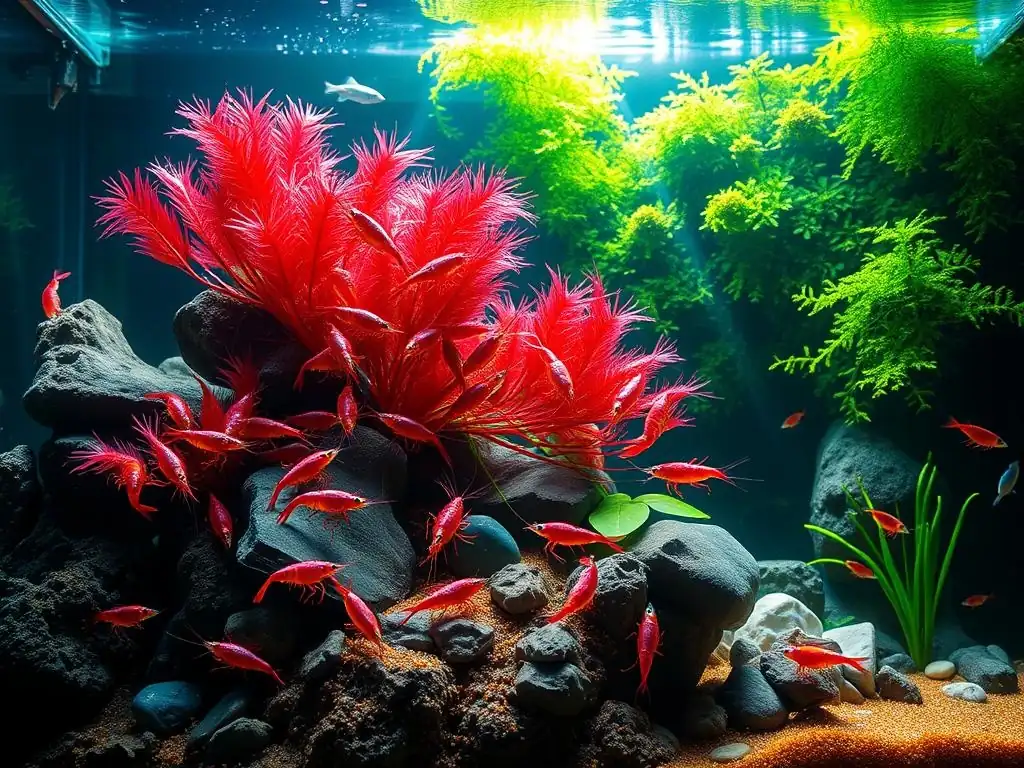
Ever wondered how to unlock the vibrant potential hidden within your Neocaridina shrimp? This article dives deep into Neocaridina color breeding tips, revealing the secrets to enhancing color intensity and establishing stunning, pure-line shrimp colonies. Get ready to explore the art and science of selective breeding and transform your aquarium into a living masterpiece. Let's begin your journey to shrimp-keeping mastery!
- Understanding Neocaridina Shrimp Genetics for Color Breeding
- Setting Up Your Neocaridina Selective Breeding Program
- Neocaridina Color Breeding Techniques: Step-by-Step Guide
- Enhancing Neocaridina Color Intensity: Advanced Techniques
- Maintaining Neocaridina Purity Lines: Avoiding Genetic Drift
- Troubleshooting Common Neocaridina Color Breeding Challenges
- Advanced Neocaridina Breeding: Creating New Color Morphs
- Resources for Neocaridina Shrimp Breeders
-
Frequently Asked Questions
- What is selective breeding and how does it apply to Neocaridina shrimp?
- What are the key factors to consider when selecting Neocaridina shrimp for color breeding?
- How many generations of selective breeding are typically required to achieve a stable color line in Neocaridina?
- What is culling in the context of Neocaridina shrimp breeding, and why is it important?
- Are there any specific water parameters or tank conditions that are crucial for successful Neocaridina color breeding?
- Final Reflection: The Vibrant Legacy of Neocaridina
- Unleash the Rainbow: Begin Your Shrimp Breeding Journey!
Understanding Neocaridina Shrimp Genetics for Color Breeding
Basic Principles of Shrimp Genetics: Genes and Phenotypes
The vibrant colors of Neocaridina shrimp, from the fiery red of a Cherry shrimp to the deep blue of a Blue Dream, are dictated by their genetic makeup. Each shrimp carries a set of genes, which are segments of DNA that contain instructions for various traits, including coloration. These genes are expressed as phenotypes, which are the observable characteristics of the shrimp, such as its specific color and pattern.
Understanding dominant and recessive genes is fundamental to Neocaridina color breeding tips, as breeders aim to concentrate desirable traits within a population. For instance, the genes responsible for opaque red coloration in a high-grade Red Cherry shrimp are often recessive or polygenic, requiring careful selection over generations to achieve consistent expression.
Color in Neocaridina shrimp is often a polygenic trait, meaning multiple genes interact to produce the final hue and intensity. This complexity is why achieving "purity" in a color line can be challenging and requires consistent selective breeding. Breeders observe the phenotypic expression – the actual color visible on the shrimp – and then use this information to infer the underlying genetics.
For example, a shrimp exhibiting a dull, translucent red might carry genes for a less intense color, or even genes from a "wild type" ancestor, despite having parents with strong coloration. This observation guides the selection process, making it a crucial aspect of effective Neocaridina color breeding tips.
Neocaridina Color Variations: A Spectrum of Possibilities
Neocaridina shrimp, primarily Neocaridina davidi, have been selectively bred over decades to produce an astonishing array of colors and patterns, showcasing the power of focused Neocaridina color breeding tips. Popular variations include the classic Red Cherry, the striking Blue Dream, the sunny Yellow Goldenback, the deep Green Jade, and the velvety Black Rose. Each of these varieties originated from wild-type Neocaridina, which typically display a brownish or greenish, somewhat translucent coloration, through the meticulous isolation and enhancement of specific mutations.
The spectrum of possibilities extends beyond primary colors to include variations in opacity, sheen, and even unique patterns. For example, some lines of Blue Dream shrimp exhibit a metallic sheen, while certain Red Rili shrimp display a distinct clear band in the middle of their bodies. These diverse expressions are a testament to the genetic plasticity of Neocaridina davidi and the dedication of breeders applying advanced Neocaridina color breeding tips. Understanding the genetic lineage of these variations is key for anyone aiming to enhance existing colors or even develop new morphs.
Defining Color Purity in Neocaridina Shrimp
Color purity in Neocaridina shrimp refers to the consistency and uniformity of a specific color trait throughout a breeding line. For a Red Cherry shrimp, purity means a deep, opaque red that covers the entire body, with no clear spots, brown patches, or "wild type" markings. This contrasts sharply with lower-grade shrimp, which might exhibit patchy coloration or translucency. Achieving and maintaining high color purity is a primary goal for serious aquarists implementing Neocaridina color breeding tips, as it signifies a stable genetic line where desired traits are consistently passed down to offspring.
The definition of purity can vary slightly between different color morphs and even between individual breeders, but generally, it involves the absence of undesirable pigments and the consistent expression of the target color. For instance, a high-grade Blue Dream shrimp should have an even, opaque blue color from head to tail, without any red or black spots, which would indicate a lack of purity.
Breeders often use grading systems (e.g., S, SS, SSS for Red Cherries) to quantify color purity, with higher grades denoting more intense and uniform coloration. These standards are essential benchmarks for anyone seeking to master Neocaridina color breeding tips.
Setting Up Your Neocaridina Selective Breeding Program
Choosing the Right Neocaridina Shrimp for Breeding: Selecting for Color and Health
The foundation of a successful Neocaridina color breeding program lies in selecting the highest quality initial stock. Do not compromise on the health and vibrancy of your starter shrimp; this is arguably the most critical of all Neocaridina color breeding tips. Look for individuals that exhibit the most intense and uniform coloration for their specific morph, showing no signs of translucency or undesirable markings. Beyond aesthetics, prioritize health: select active, alert shrimp with full stomachs, intact antennae, and no visible deformities or shell issues. A healthy shrimp is a productive breeder, capable of passing on strong genetics.
It is highly recommended to source your initial breeding stock from reputable breeders who are known for their pure and stable lines. Inquire about their breeding practices and the grading of their shrimp. Starting with 10-20 high-quality adult shrimp provides a good genetic base and increases the likelihood of finding individuals with superior color traits. For example, if breeding for SSS-grade Red Cherry shrimp, begin with at least SS or SSS grade parents to maximize your chances of producing similarly high-grade offspring, saving significant time in the culling process.
Setting Up Dedicated Breeding Tanks for Neocaridina Color Strains
To effectively implement Neocaridina color breeding tips, dedicated tanks for each color strain are absolutely essential. This prevents accidental cross-breeding, which can quickly dilute purity and lead to undesirable "wild type" offspring. A 5-10 gallon aquarium is an ideal size for a breeding colony, allowing for close observation of individuals and easier culling. Equip each tank with a gentle filtration system, such as a sponge filter, which is safe for tiny shrimplets and provides ample surface area for beneficial bacteria.
The choice of substrate can also influence the perceived color of your shrimp. A dark, inert substrate (like black sand or fine gravel) often makes colors appear more vibrant due to contrast, enhancing the visual impact of your Neocaridina color breeding efforts. Ensure the tank is well-cycled before introducing shrimp, and provide plenty of hiding spots like mosses (e.g., Java moss, Christmas moss), cholla wood, or ceramic shrimp caves. A typical breeding setup might involve a main breeding tank, a grow-out tank for juveniles, and a separate tank for culling, allowing for systematic management of your lines.
Water Parameters for Optimal Neocaridina Color Development
Maintaining stable and optimal water parameters is paramount for the health, reproduction, and vibrant coloration of Neocaridina shrimp. Fluctuating water conditions stress shrimp, which can lead to duller colors, reduced breeding rates, and even fatalities. For most Neocaridina varieties, a temperature range of 70-78°F (21-25°C) is ideal. The pH should be maintained between 6.5 and 7.5, and the General Hardness (GH) between 4-8 dGH (70-140 ppm). Carbonate Hardness (KH) should be in the range of 2-6 dKH (35-105 ppm), and Total Dissolved Solids (TDS) between 150-250 ppm.
These parameters ensure that shrimp have access to the necessary minerals for healthy molting and robust shell development, which directly impacts color intensity and opacity. For instance, insufficient GH can lead to molting issues and pale coloration, as calcium and magnesium are critical for shell formation. Regular testing with reliable kits (at least weekly) is a non-negotiable step among Neocaridina color breeding tips. Consistent water changes, typically 10-20% weekly using aged or remineralized reverse osmosis (RO) water, help maintain these stable conditions and prevent the buildup of nitrates and other pollutants.
Neocaridina Color Breeding Techniques: Step-by-Step Guide
Identifying and Isolating Superior Color Traits in Neocaridina Shrimp
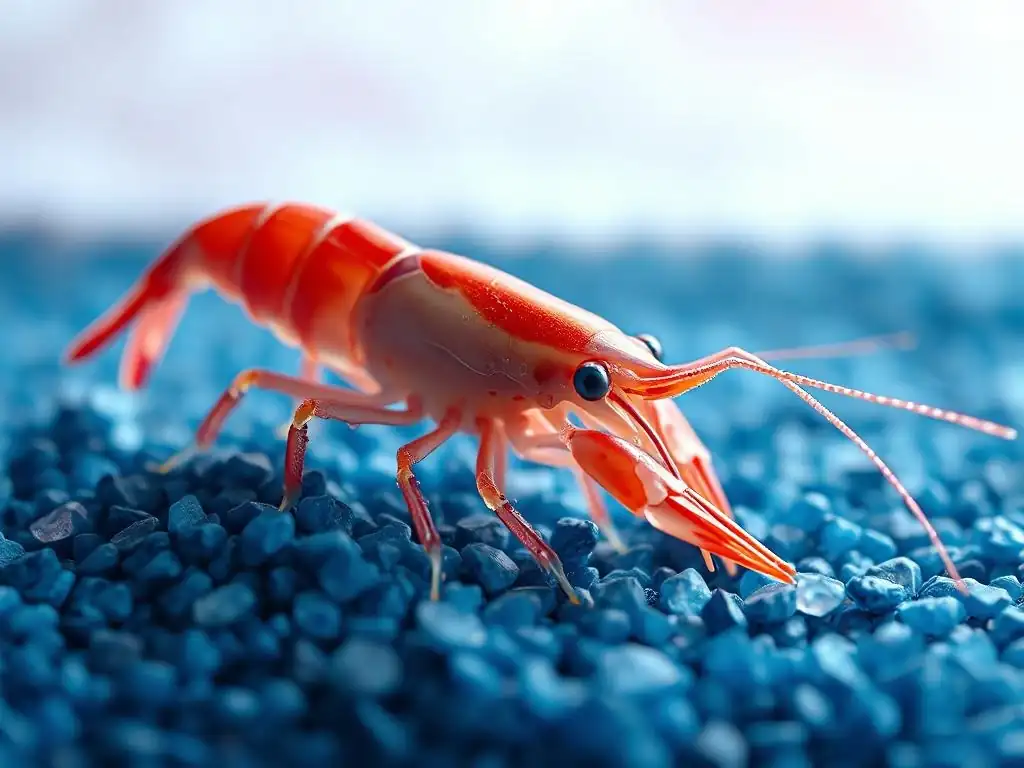
The cornerstone of selective Neocaridina color breeding tips is the meticulous identification and isolation of individuals exhibiting superior color traits. This process requires daily observation of your shrimp colony. Look for individuals that display the most intense, opaque, and uniform coloration, consistent with the desired grade for your specific morph. For example, when breeding Red Cherry shrimp, you would be looking for the deepest, most solid red individuals, with no clear patches or signs of "wild type" patterns. Females often show color more prominently than males, making them key indicators of genetic potential.
Once identified, these superior individuals should be carefully isolated and moved to a dedicated breeding tank. This ensures that only the best examples of your desired color line reproduce, thereby concentrating the genes responsible for those traits in subsequent generations. For instance, if you have a tank of 50 Red Cherry shrimp, you might select the top 5-10% (i.e., 3-5 individuals) that truly stand out in terms of color intensity and opacity for your primary breeding group. This targeted selection is critical for accelerating the enhancement of color and purity in your Neocaridina lines.
Implementing a Culling Strategy for Unwanted Neocaridina Traits
Culling is an indispensable, albeit sometimes challenging, aspect of Neocaridina color breeding tips aimed at enhancing purity and intensity. It involves the systematic removal of shrimp that do not meet your desired color standards or exhibit undesirable traits such as dull coloration, clear spots, translucent shells, or "wild type" markings. Without consistent culling, your breeding line will inevitably regress towards the wild type, and the color intensity you've worked to achieve will diminish over generations. Regular culling, perhaps every 2-4 weeks as juveniles mature, is vital to maintain the integrity of your selective breeding program.
The culled shrimp can be moved to a separate "cull tank" where they can live out their lives, or they can be used as feeders for other aquatic animals, depending on your ethical considerations. The key is to prevent them from breeding within your primary color line. For example, if you are breeding Blue Dream shrimp, any offspring that show signs of red, brown, or clear patches, or exhibit a less intense blue, should be culled.
In early generations, you might find yourself culling as much as 50-70% of the offspring, gradually decreasing as your line becomes more stable. This rigorous approach ensures that only the genetics contributing to superior color are propagated.
Line Breeding vs. Crossbreeding: Strategies for Color Enhancement
Two primary breeding strategies are employed in Neocaridina color breeding tips: line breeding and crossbreeding. Line breeding involves breeding related individuals (e.g., siblings, parent-offspring) to concentrate specific desired genes within a line. This method is highly effective for rapidly enhancing color intensity and purity, as it increases the homozygosity of genes responsible for the target traits.
For example, breeding the most vibrant red female with her most vibrantly red male offspring can quickly intensify the red coloration over a few generations. However, prolonged line breeding without introducing new blood can lead to inbreeding depression, manifesting as smaller size, reduced fertility, and weaker immune systems.
Crossbreeding, on the other hand, involves breeding individuals from different, unrelated lines of the same color morph, or even different color morphs to create new variations. When crossbreeding two unrelated high-quality Red Cherry lines, for example, you introduce new genetic diversity, which can invigorate the line, improve overall health, and potentially enhance color intensity beyond what line breeding alone could achieve.
For creating new color morphs, crossbreeding different colors (e.g., a Blue Dream with a Yellow Goldenback) can produce novel combinations in the F1 generation, though stabilizing these new traits often requires extensive selective line breeding over many subsequent generations. Each strategy has its place in a comprehensive Neocaridina color breeding program.
Enhancing Neocaridina Color Intensity: Advanced Techniques
The Role of Diet in Neocaridina Coloration: Optimizing Nutrition
Diet plays a crucial role in enhancing Neocaridina color intensity, particularly for red, orange, and yellow morphs. These colors are primarily derived from carotenoid pigments, such as astaxanthin, which shrimp cannot synthesize themselves and must obtain through their diet. Therefore, optimizing nutrition is a vital component of advanced Neocaridina color breeding tips. Feeding high-quality specialized shrimp foods that are rich in natural color enhancers like spirulina, chlorella, and astaxanthin is highly recommended. Many commercial shrimp pellets are formulated specifically to boost coloration, often listing these ingredients prominently.
Beyond commercial foods, incorporating natural sources of carotenoids can further intensify colors. Blanched vegetables such as spinach, carrots, and bell peppers can provide additional pigments. For instance, feeding blanched carrot pieces or a spirulina-rich diet consistently 3-4 times a week can visibly deepen red and orange hues over several weeks. A varied diet not only ensures a full spectrum of nutrients for overall health but also provides the specific pigments necessary for vibrant and opaque coloration, making it an essential practice for anyone focused on Neocaridina color enhancement.
Using Substrate and Lighting to Enhance Neocaridina Color Perception
While diet affects the actual physiological coloration of Neocaridina shrimp, substrate and lighting significantly influence how those colors are perceived. This is an important, often overlooked, aspect of Neocaridina color breeding tips. A dark, inert substrate, such as black sand or fine black gravel, provides a strong contrast that makes the shrimp's colors "pop" and appear more intense. On a light-colored substrate, shrimp often appear paler as they try to blend in with their surroundings, sometimes even reducing their pigment expression to match.
For lighting, a moderate, full-spectrum LED light is generally best. Avoid overly bright lights, which can stress shrimp and cause them to hide, potentially dulling their colors over time. Some breeders experiment with lighting that has a higher red spectrum component, which can make red and orange shrimp appear even more vibrant to the human eye, though this doesn't necessarily change the shrimp's actual pigment levels. The goal is to create an environment where the shrimp feel secure and their colors are showcased to their maximum potential, aiding in the visual assessment crucial for selective breeding.
Impact of Calcium and Magnesium on Neocaridina Color Development
Calcium and magnesium are essential minerals for Neocaridina shrimp, playing a critical role in shell development, molting, and indirectly, color intensity. A healthy, robust shell contributes to the opacity and vibrancy of the shrimp's coloration. Deficiencies in these minerals can lead to molting problems (known as "molt death syndrome"), weakened shells, and visibly duller or translucent colors. This makes proper mineral balance a non-negotiable element of effective Neocaridina color breeding tips.
The General Hardness (GH) of the water, which primarily measures calcium and magnesium ions, should be maintained within the optimal range of 4-8 dGH. If your source water is naturally soft (low GH), it is crucial to remineralize it using products specifically designed for freshwater invertebrates, such as Salty Shrimp GH/KH+. These products ensure that shrimp have access to the necessary building blocks for their exoskeletons, promoting successful molts and ultimately, healthier, more intensely colored shrimp. Regular testing of GH levels and appropriate supplementation are vital for long-term success in Neocaridina color breeding.
Maintaining Neocaridina Purity Lines: Avoiding Genetic Drift
Preventing Cross-Contamination Between Neocaridina Color Strains
Preventing cross-contamination is paramount for maintaining the purity of Neocaridina color lines, making it one of the most emphasized Neocaridina color breeding tips. If different color morphs breed, their offspring (F1 generation) will often revert to a "wild type" coloration, typically brownish or clear, effectively diluting the pure lines you have worked so hard to establish. This necessitates keeping each distinct color strain in a completely separate aquarium. Even a single shrimplet accidentally transferred between tanks can compromise a breeding program.
Rigorous protocols should be in place to prevent accidental mixing. This includes using dedicated nets for each tank, thoroughly cleaning any equipment (like siphons or plant trimmers) before moving them between tanks, and careful inspection of new plants or decor before introduction. Some breeders even implement a "no sharing" policy for equipment between different color lines. For example, if you breed Red Cherry, Blue Dream, and Yellow Goldenback shrimp, you would need at least three separate, distinct tank setups to ensure the genetic integrity of each line.
Documenting Your Neocaridina Breeding Program: Pedigree Tracking
Comprehensive documentation is a highly valuable, yet often overlooked, aspect of successful Neocaridina color breeding tips. Maintaining detailed records of your breeding program allows you to track the progress of your lines, identify successful pairings, and troubleshoot issues like color regression or infertility. A simple notebook or a spreadsheet can serve this purpose effectively. Key information to record includes:
- Date of birth/hatch: Helps track generations.
- Parent IDs: Identifies the specific male and female used for a spawn.
- Number of offspring: Provides data on fertility.
- Number of culled shrimp and reasons for culling: Tracks the effectiveness of your culling strategy and the percentage of high-grade offspring.
- Observed color grades of offspring: Allows you to monitor color intensity and purity over generations.
For example, tracking that a specific pair of SSS Red Cherry shrimp consistently produces 80% SSS offspring, while another pair yields only 50% SSS, helps you make informed decisions about which individuals to prioritize for future breeding. This systematic approach transforms Neocaridina color breeding into a more scientific and predictable endeavor.
Recognizing and Addressing Genetic Bottlenecks in Neocaridina Breeding
Genetic bottlenecks occur when a breeding line is started from too few individuals or undergoes aggressive, prolonged culling without the introduction of new genetic material. This severely reduces genetic diversity within the line, leading to inbreeding depression. Symptoms of a genetic bottleneck include smaller shrimp size, decreased fertility, higher rates of shrimplet mortality, increased susceptibility to disease, and a general decline in vigor, despite seemingly good water parameters and diet. These are critical signs to recognize when applying Neocaridina color breeding tips.
To address or prevent genetic bottlenecks, it's crucial to maintain a sufficiently large breeding population, ideally 20-30 adults for each line, to ensure a broader genetic pool. If a bottleneck is suspected, the most effective solution is to introduce new, unrelated individuals of the same high-quality color line from a different reputable breeder.
This process, known as outcrossing, injects fresh genetic diversity, revitalizing the line's vigor and health, often leading to improved fertility and even enhanced color intensity in subsequent generations. While it might temporarily introduce some minor variations, the long-term benefits for the line's health and stability are significant.
Troubleshooting Common Neocaridina Color Breeding Challenges
Dealing with Color Regression in Neocaridina Shrimp
Color regression, where shrimp in a breeding line gradually lose their intensity or purity and revert towards a duller, "wild type" coloration, is a common and frustrating challenge in Neocaridina color breeding. This issue is primarily caused by inconsistent or insufficient culling, poor diet lacking essential pigments, environmental stress due to fluctuating water parameters, or genetic drift due to a lack of proper selection pressure. It signifies that the Neocaridina color breeding tips applied might not be rigorous enough.
To address color regression, first re-evaluate and tighten your culling strategy, ensuring that only the most vibrantly colored and opaque individuals are allowed to breed. Secondly, enrich the diet with high-quality foods containing astaxanthin and other carotenoids, as discussed previously. Thirdly, meticulously check and stabilize your water parameters, ensuring they are consistently within the optimal ranges for Neocaridina shrimp to reduce stress. If these measures don't yield improvement, consider introducing new, unrelated high-grade individuals of the same color morph to refresh the genetic pool and re-establish strong color genes.
Addressing Infertility Issues in Neocaridina Breeding Lines
Infertility or consistently low breeding rates in a Neocaridina breeding line can be a significant setback for anyone applying Neocaridina color breeding tips. Several factors can contribute to this problem, including inbreeding depression resulting from prolonged line breeding with a small genetic pool, sub-optimal water parameters, nutritional deficiencies, or simply the old age of the breeding stock. Identifying the root cause is crucial for effective intervention.
If inbreeding depression is suspected, the most effective solution is to introduce new, unrelated individuals of the same high-grade color morph from a different source. Ensure water parameters (temperature, pH, GH, KH, TDS) are stable and within the ideal range, as fluctuations or extremes can suppress breeding. Provide a varied and nutritious diet, including protein-rich foods, to ensure breeders are in peak condition. Lastly, shrimp typically have a breeding lifespan of about 1-1.5 years; replace aging breeders with vigorous, young adults to maintain high fertility rates.
Managing Bacterial Infections in Neocaridina Breeding Tanks
Bacterial infections can decimate a Neocaridina breeding tank, posing a serious threat to your color lines. Symptoms often include lethargy, loss of appetite, opaque or milky muscles, white rings around the shell, or fuzzy growths on the body. Prevention is by far the best strategy, as many common shrimp medications can be harmful to invertebrates. This makes maintaining pristine water quality one of the most important Neocaridina color breeding tips for health.
Regular, consistent water changes (10-20% weekly) are crucial to prevent the buildup of organic waste and nitrates, which can foster bacterial growth. Avoid overfeeding, as uneaten food quickly fouls the water.
Quarantining all new shrimp, plants, and decor for 2-4 weeks before introducing them to your breeding tanks can prevent the introduction of pathogens. If an infection does occur, mild salt baths (e.g., 1 tablespoon of aquarium salt per 5 gallons for short durations, observing shrimp closely) can sometimes help, but specific antibiotics should be used with extreme caution and only as a last resort, as many are toxic to shrimp.
Advanced Neocaridina Breeding: Creating New Color Morphs
Understanding the Risks and Rewards of Crossbreeding Different Neocaridina Varieties
Crossbreeding different Neocaridina varieties (e.g., a Red Cherry with a Blue Dream) is an advanced technique aimed at creating entirely new color morphs, but it comes with significant risks alongside potential rewards. The primary risk is a high percentage of "wild type" offspring in the F1 (first filial) generation, often 80-90% or more. This means the majority of offspring will be brownish, clear, or otherwise undesirable, diluting your existing pure lines if not managed carefully. The outcomes can also be highly unpredictable, with many crosses yielding dull or uninteresting colors.
However, the reward is the exciting possibility of creating a truly novel and stable color strain that has never been seen before. For example, crossing certain blue and red lines might, over many generations of selective breeding, eventually yield a stable purple or pink line. This process requires immense patience, dedication, and a deep understanding of Neocaridina color breeding tips, as it involves extensive culling and line breeding over multiple generations to stabilize any promising new traits. It is a long-term commitment for the most dedicated aquarists.
Stabilizing New Neocaridina Color Strains
Once a promising new color or pattern emerges from a crossbreed, the challenge shifts to stabilizing that new Neocaridina color strain. This is a multi-generational process that requires rigorous application of selective breeding and culling. The goal is to ensure that the desired trait is consistently passed down to offspring, with minimal variation and no reversion to wild type. This stabilization typically involves breeding the best individuals from the F1 generation, then continuing to selectively breed the most vibrant and pure offspring through the F2, F3, F4, and subsequent generations.
It is not uncommon for it to take 3-5 or even more generations of consistent selection and culling to achieve a truly stable new color morph. For example, the journey from a wild-type Neocaridina to a stable Red Cherry line took many years of meticulous breeding by early hobbyists. Each generation, individuals that do not meet the desired color standard must be culled to concentrate the genes responsible for the new trait. This sustained effort is what transforms a random mutation into a recognized and reproducible Neocaridina color form.
Ethical Considerations in Neocaridina Selective Breeding
As with any form of animal breeding, ethical considerations are paramount in Neocaridina selective breeding. While the pursuit of new and vibrant color morphs is exciting, it should never come at the expense of the shrimp's health and welfare. Responsible Neocaridina color breeding tips emphasize prioritizing the overall health, vigor, and longevity of the shrimp over extreme aesthetic traits that might compromise their well-being. This means avoiding breeding for traits that lead to deformities, reduced lifespan, or chronic health issues.
Furthermore, responsible culling practices are essential. Culled shrimp should be rehomed to a separate tank where they can live out their lives comfortably, or humanely euthanized if necessary, rather than simply being discarded. The ultimate goal of selective breeding should be to improve the genetic health and vitality of the line, alongside enhancing desirable aesthetic traits. Breeders should strive for transparency in their practices and educate others on responsible breeding, ensuring that the hobby remains sustainable and humane.
Resources for Neocaridina Shrimp Breeders
Online Forums and Communities for Sharing Neocaridina Breeding Tips
Online forums and communities are invaluable resources for Neocaridina shrimp breeders, offering a wealth of collective knowledge, experience, and support. Platforms like "The Shrimp Spot," "Aquatic Plant Central," and various dedicated Facebook groups (e.g., "Neocaridina Shrimp Keepers," "Shrimp Breeders Network") provide a space for aquarists to share their Neocaridina color breeding tips, ask questions, troubleshoot problems, and even trade or sell shrimp. These communities are often populated by both seasoned veterans and eager beginners, fostering a collaborative learning environment.
Engaging with these online communities allows breeders to stay updated on the latest breeding techniques, discover new color morphs, and learn from the successes and failures of others. Many members share detailed accounts of their breeding projects, including water parameters, feeding regimens, and culling strategies. This peer-to-peer support can be incredibly beneficial for anyone looking to refine their Neocaridina color breeding skills and accelerate their progress.
Recommended Books and Articles on Shrimp Genetics and Breeding
For those seeking a deeper understanding of the scientific principles behind Neocaridina color breeding tips, a variety of books and academic articles can provide invaluable insights. While specific titles might vary in availability, look for comprehensive guides on freshwater invertebrate care, particularly those with dedicated sections on shrimp keeping and breeding. Books by well-known aquarists or authors specializing in aquatic invertebrates often delve into topics like water chemistry, nutrition, and genetic principles relevant to shrimp.
Beyond general hobbyist literature, exploring scientific databases for research articles on Neocaridina davidi genetics can offer a more technical understanding of color inheritance, mutations, and selective breeding methodologies. Although these can be more challenging to interpret, they provide the foundational knowledge for truly advanced Neocaridina color breeding. Searching for keywords like "Neocaridina genetics," "shrimp selective breeding," and "carotenoid pigmentation in crustaceans" can yield relevant academic resources.
Finding Reputable Neocaridina Shrimp Breeders and Suppliers
Starting with high-quality, genetically pure Neocaridina shrimp is crucial for any successful breeding program. Finding reputable breeders and suppliers is therefore one of the most important Neocaridina color breeding tips. A reputable breeder will prioritize the health and genetic integrity of their shrimp, often providing detailed information about their breeding lines, water parameters, and feeding regimens. They should be transparent about their practices and willing to answer any questions you may have.
Look for breeders with positive reviews within the online communities mentioned above, or those who consistently produce high-grade shrimp. Local fish stores with a dedicated shrimp section and knowledgeable staff can also be a good source. Online vendors with a strong reputation for careful packing and healthy arrivals are another option. Attending local aquarium club meetings or conventions can also provide opportunities to meet breeders directly and inspect their stock, ensuring you acquire the best possible foundation for your Neocaridina color breeding endeavors.
Frequently Asked Questions
What is selective breeding and how does it apply to Neocaridina shrimp?
Selective breeding is the process of choosing Neocaridina shrimp with desired traits, such as vibrant color, and breeding them together to enhance those traits in future generations. This helps improve color intensity and establish pure color lines.
What are the key factors to consider when selecting Neocaridina shrimp for color breeding?
Focus on selecting Neocaridina with strong, consistent color and healthy physical characteristics. Avoid shrimp with faded or mottled colors, as these traits can be passed down.
How many generations of selective breeding are typically required to achieve a stable color line in Neocaridina?
It typically takes several generations (3-5 or more) of selective breeding to establish a truly stable color line. This requires patience and consistent culling of undesirable offspring.
What is culling in the context of Neocaridina shrimp breeding, and why is it important?
Culling involves removing shrimp that do not meet the desired color or physical standards. This prevents undesirable traits from being passed on and helps maintain the purity and intensity of the color line.
Are there any specific water parameters or tank conditions that are crucial for successful Neocaridina color breeding?
Maintaining stable and optimal water parameters (pH, temperature, GH/KH) is crucial. A clean and well-cycled tank with appropriate substrate and hiding places will reduce stress and promote healthy breeding.
Final Reflection: The Vibrant Legacy of Neocaridina
The journey we've explored in enhancing Neocaridina shrimp through selective breeding isn't just about creating aesthetically pleasing creatures; it's about understanding and manipulating the very fabric of genetics to unlock a spectrum of possibilities. The techniques discussed, from identifying desirable traits to establishing pure lines, are not merely hobbyist pursuits, but powerful tools applicable to a broader understanding of inheritance and artificial selection.
This dedication to color and purity has undeniably shaped the Neocaridina landscape, transforming them from simple scavengers into living jewels. The passion and meticulous effort poured into each generation, each cull, speaks volumes about our enduring fascination with nature's artistry and our desire to participate in its evolution. The beauty of selective breeding lies not just in the outcome, but in the intimate connection it fosters between the breeder and the organism, a partnership in shaping a future vision.
As we conclude this exploration of Neocaridina color breeding, I invite you to consider the potential within your own endeavors. What vibrant possibilities lie dormant, waiting to be unlocked through patience, observation, and a touch of creative vision? Embrace the challenge, experiment with confidence, and remember that the most rewarding discoveries often arise from the most unexpected places. Let the vibrant legacy of Neocaridina inspire you to cultivate beauty and innovation in all aspects of your life.
Unleash the Rainbow: Begin Your Shrimp Breeding Journey!
Thanks for exploring the fascinating world of Neocaridina shrimp breeding with us! We hope you’ve discovered the secrets to unlocking vibrant colors and establishing pure lines. Now, let's put that knowledge into action!
Here are some steps you can take to enhance your shrimp keeping experience:
- Start your first selective breeding project! Focus on a single color morph and begin culling to improve color saturation.
- Share your journey! Document your breeding process on social media or aquarium forums, inspiring others with your successes (and learning from your challenges! ).
- Experiment with unconventional foods to see if they impact color development in your shrimp. You might be surprised by the results!
What unique color combination will you strive to create in your shrimp tank? Let us know in the comments!