
The Enigmatic Possum and PinkStreaked Wrasses: Tiny Titans of the Nano Reef

Welcome to Aquarium Mastery!
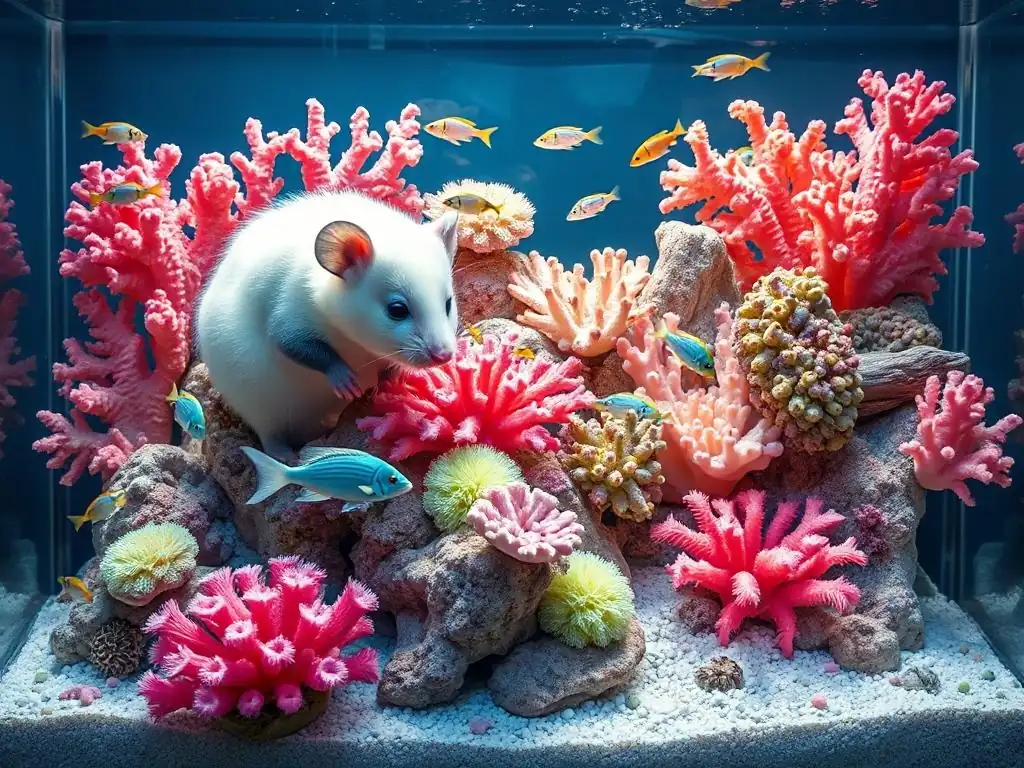
Ever wondered if you could bring the vibrant energy of a coral reef into a nano-sized aquarium? Prepare to be amazed! Dive in to uncover the secrets of keeping the enigmatic Possum Wrasse thriving in your miniature reef ecosystem. From their fascinating personalities to the perfect tank mates, including the beautiful Pink Streaked Wrasse, this article unlocks the secrets to successful nano reef possum care. Get ready to master the art of creating a thriving underwater world in a small package!
- The Subtle Beauty of Pygmy Wrasses: Nano Reef Stars
- Introduction to Pygmy Wrasses for Nano Reefs
- Yellowtail Wrasse (Paracheilinus flavicauda): A Detailed Profile
- Nano Reef Yellowtail Wrasse Care: Essential Guidelines
- Filamented Flasher Wrasse (Paracheilinus filamentosus): A Stunning Nano Reef Addition
- Filamented Flasher Wrasse Care in a Nano Reef Setting
- Compatibility with Other Nano Reef Inhabitants
- Common Health Issues and Prevention
- Breeding Yellowtail and Filamented Flasher Wrasses: Challenges and Possibilities
- Where to Purchase Yellowtail and Filamented Flasher Wrasses
- Conclusion: Thriving with Yellowtail and Filamented Flasher Wrasses in Your Nano Reef
-
Frequently Asked Questions
- What exactly is a "nano reef" and why is it relevant to Possum Wrasses?
- What are the main care requirements for Possum Wrasses in a nano reef environment?
- How do I ensure my Possum Wrasse thrives in a nano reef with other inhabitants, especially the Pink-Streaked Wrasse?
- What common problems might I encounter when keeping Possum Wrasses in a nano reef, and how can I address them?
- What is the ideal diet for a Possum Wrasse in a nano reef, and how often should I feed them?
- Final Reflection: Embracing the Miniature Marvels
- Unleash the Nano Reef Keeper Within!
The Subtle Beauty of Pygmy Wrasses: Nano Reef Stars
Introduction to Pygmy Wrasses for Nano Reefs
Exploring the Appeal of Small Wrasses in Nano Aquariums
Pygmy wrasses, a captivating group of marine fish, have surged in popularity among nano reef enthusiasts due to their vibrant colors, engaging behaviors, and relatively small adult sizes. Unlike their larger cousins, these diminutive species, typically reaching no more than 3 to 4 inches, thrive in the more confined spaces of a nano reef aquarium, which often range from 10 to 30 gallons. Their compact size allows aquarists to enjoy the dynamic activity and striking beauty characteristic of wrasses without the need for a massive tank, making advanced reef keeping accessible to those with limited space.
The allure of pygmy wrasses extends beyond their size; many exhibit fascinating flashing displays, especially the Paracheilinus genus, where males will rapidly intensify their colors to attract mates or assert dominance. This natural spectacle adds a layer of excitement and visual interest to a nano reef system, providing constant entertainment. Furthermore, their active foraging habits often contribute to a healthier reef ecosystem by picking at small invertebrates and detritus, demonstrating that even tiny titans can play a significant role in maintaining the delicate balance of a thriving nano reef environment.
Understanding Reef Compatibility: Selecting Suitable Pygmy Wrasses
Selecting the right pygmy wrasse for a nano reef demands careful consideration of its temperament and specific needs to ensure long-term success and a harmonious community. While many pygmy wrasses are generally peaceful, some species can exhibit territorial behavior, especially towards similar-looking fish or other wrasses. Researching the maximum adult size and known aggression levels for each species is paramount. For instance, species from the Paracheilinus genus, such as the Yellowtail Flasher Wrasse, are typically excellent candidates due to their non-aggressive nature towards corals and most invertebrates.
True reef compatibility means the chosen wrasse will not harm corals, sessile invertebrates, or other tank inhabitants. Most pygmy wrasses are considered "reef-safe," meaning they pose no threat to corals or ornamental shrimp. However, it's always wise to observe new additions closely for any signs of nipping or aggression, particularly during the first few days. Prioritizing species known for their peaceful disposition and suitability for smaller volumes is key to successful nano reef possum care, ensuring that the tiny ecosystem remains balanced and stress-free for all its inhabitants.
Yellowtail Wrasse (Paracheilinus flavicauda): A Detailed Profile
Identifying Characteristics of the Yellowtail Wrasse
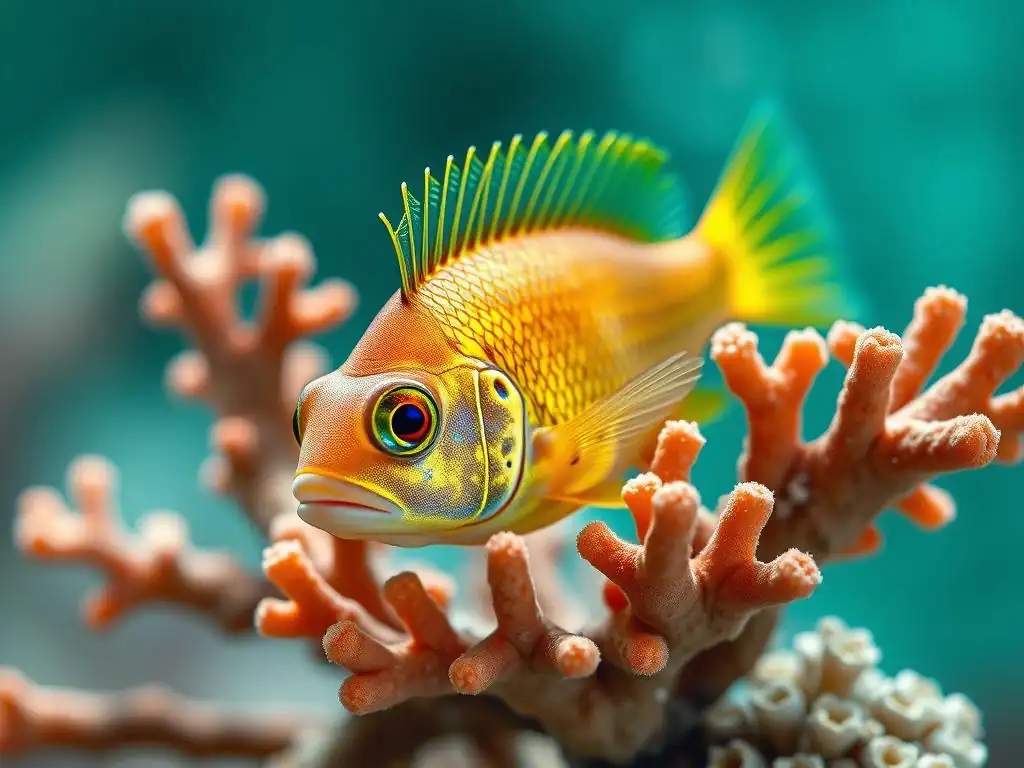
The Yellowtail Wrasse, scientifically known as Paracheilinus flavicauda, is a striking member of the flasher wrasse group, renowned for its brilliant coloration and dynamic displays. Males typically exhibit a stunning palette of iridescent blues, greens, and reds across their bodies, often accentuated by vibrant orange or yellow markings on their fins, particularly the caudal (tail) fin, which gives them their common name. During "flashing" events, these colors intensify dramatically, creating a breathtaking spectacle of rapidly changing hues. Females and juveniles tend to be more subdued in coloration, often displaying muted tones of brown or red with less pronounced patterns.
A key identifying feature of Paracheilinus flavicauda is its slender body shape, reaching an adult size of approximately 2.5 to 3 inches (about 6-8 cm). They possess a pointed snout and small, protractile mouths, adapted for picking small invertebrates from rockwork. Their dorsal and anal fins are elongated, especially in mature males, contributing to their elegant appearance during their elaborate courtship displays. Careful observation will also reveal the distinct yellow or orange band on their tail, a consistent characteristic that helps differentiate them from other Paracheilinus species.
Natural Habitat and Behavior of the Yellowtail Wrasse
The Yellowtail Wrasse is native to the coral-rich waters of the Western Pacific Ocean, with documented populations around Fiji, Tonga, and Samoa. They typically inhabit outer reef slopes and rubble zones at depths ranging from 10 to 60 feet (about 3-18 meters), where they can find ample cover among the live rock and coral formations. In their natural environment, these wrasses are often observed in small groups, with one dominant male overseeing a harem of females. Their behavior is characterized by constant foraging, darting in and out of crevices in search of tiny crustaceans and other microfauna.
One of the most captivating aspects of their behavior is the "flashing" display performed by males. This rapid intensification and shimmering of colors is primarily a courtship ritual, but can also be used to assert dominance or ward off perceived threats. These displays are typically brief, lasting only a few seconds, but are incredibly vibrant.
Yellowtail Wrasses are diurnal, meaning they are active during the day, and will bury themselves in the sand at night or when startled, a natural protective behavior. This burying habit is crucial for their well-being in a nano reef, underscoring the need for a suitable sand bed.
Is a Yellowtail Wrasse Right for Your Nano Reef? Considerations Before Buying
Before introducing a Yellowtail Wrasse to your nano reef, several factors should be carefully weighed to ensure its long-term health and compatibility. Firstly, tank size is important; while small, a minimum of 20 gallons (approximately 75 liters) is generally recommended to provide adequate swimming space and stable water parameters. A mature tank with established live rock and a fine sand bed of at least 2-3 inches (5-7.5 cm) is essential for their burying behavior. Without a suitable substrate, the wrasse can become stressed and vulnerable.
Secondly, consider existing tank inhabitants. Yellowtail Wrasses are typically peaceful and reef-safe, making them excellent choices for mixed reef aquariums. However, they can be intimidated by overly aggressive or much larger tank mates. They generally coexist well with most corals, ornamental shrimp, and other small, peaceful fish. Finally, assess your commitment to providing consistent nano reef possum care, including stable water quality and a varied diet. These wrasses thrive in well-maintained systems, and their vibrant health is a direct reflection of the care they receive.
Nano Reef Yellowtail Wrasse Care: Essential Guidelines
Tank Size Requirements for Yellowtail Wrasses in Nano Reefs
While Yellowtail Wrasses are relatively small, their active nature and need for stable environments necessitate careful consideration of tank size in a nano reef setting. A minimum tank volume of 20 gallons (approximately 75 liters) is generally recommended for a single Yellowtail Wrasse. This size provides sufficient swimming space for their darting movements and allows for greater stability in water parameters compared to smaller tanks. For a pair or a small harem, a tank of 30 gallons (around 113 liters) or larger would be more appropriate to mitigate potential territorial disputes and provide ample room for each individual.
Crucially, the tank should also feature a fine sand bed, ideally 2 to 3 inches (5-7.5 cm) deep, for the wrasse to bury itself in at night or when stressed. This burying behavior is vital for their security and well-being. Without a suitable substrate, the wrasse may become highly stressed, leading to health issues.
Additionally, ample live rock with plenty of crevices and hiding spots should be incorporated into the aquascape, offering the wrasse a sense of security and areas to explore during the day. Proper nano reef possum care for these active fish includes providing a spacious and structurally rich habitat.
Water Parameters and Stability for Optimal Yellowtail Wrasse Health
Maintaining pristine and stable water parameters is paramount for the health and longevity of Yellowtail Wrasses in a nano reef. These fish thrive in conditions that mimic their natural tropical marine environment. The ideal temperature range is between 74-82°F (23-28°C). Salinity should be kept stable at 1.023-1.026 specific gravity. pH levels should consistently range from 8.1 to 8.4. Ammonia and nitrite levels must remain at zero, while nitrates should be kept as low as possible, ideally below 10 ppm.
Consistency is key; sudden fluctuations in any of these parameters can cause significant stress to the wrasse, making it susceptible to disease. Regular water changes, typically 10-20% weekly or bi-weekly depending on tank bioload, are essential for maintaining water quality. Utilizing a high-quality salt mix, reliable testing kits, and potentially an auto top-off system to compensate for evaporation will greatly contribute to the stability required for optimal nano reef care for Yellowtail Wrasses. Consistent monitoring and proactive maintenance are non-negotiable for their well-being.
Diet and Feeding Habits of the Yellowtail Wrasse: What to Feed
Yellowtail Wrasses are micro-predators in their natural habitat, constantly foraging for small invertebrates among the rocks and sand. In the home aquarium, providing a varied and nutritious diet is crucial for their vibrant coloration and overall health. They are primarily carnivorous and will readily accept a range of small, meaty foods. High-quality frozen preparations such as mysis shrimp, brine shrimp (enriched), cyclop-eeze, and finely chopped clam or krill should form the staple of their diet. Small pellets or flakes formulated for marine carnivores can also be offered, though they may not always be accepted immediately.
Feeding frequency should be two to three times per day, offering small portions that can be consumed within a few minutes. This frequent feeding helps to mimic their natural grazing behavior and ensures they receive adequate nutrition, especially given their active metabolism. Overfeeding should be avoided as it can degrade water quality. Observing their feeding response and body condition will help adjust the quantity. A well-fed Yellowtail Wrasse will exhibit bright colors, active swimming, and a healthy, plump appearance, reflecting excellent nano reef possum care.
Maintaining a Healthy Environment for Your Yellowtail Wrasse
Beyond water parameters and diet, creating a truly healthy and stimulating environment for a Yellowtail Wrasse involves several other considerations. Adequate flow is important, but it should not be overly strong; moderate, turbulent flow that mimics natural reef currents is ideal. This helps keep detritus suspended for filtration and encourages the wrasse's natural swimming patterns. Provide plenty of live rock aquascaping with numerous caves, overhangs, and hiding spots. These structures offer security and exploration opportunities, reducing stress and promoting natural behaviors.
Lighting should be appropriate for the corals you keep, as the wrasse itself is not particularly sensitive to light intensity, though extreme brightness without shaded areas can be stressful. Most importantly, minimize stress factors. Avoid sudden changes in tank conditions, aggressive tank mates, or excessive handling. A peaceful and stable environment, coupled with a vigilant approach to disease prevention and regular observation, will ensure your Yellowtail Wrasse thrives and displays its full spectrum of beauty in your nano reef.
Filamented Flasher Wrasse (Paracheilinus filamentosus): A Stunning Nano Reef Addition
Physical Attributes and Appearance of the Filamented Flasher Wrasse
The Filamented Flasher Wrasse, Paracheilinus filamentosus, is one of the most sought-after species in the Paracheilinus genus, primarily due to the breathtaking "flashing" displays exhibited by the males. These wrasses are characterized by an elongated, torpedo-shaped body, typically reaching an adult size of about 3.5 to 4 inches (9-10 cm), making them a perfect fit for larger nano reef systems. Males boast an incredible array of iridescent colors, including vibrant blues, purples, oranges, and reds, often with intricate patterns of spots or stripes that become incredibly pronounced during their displays.
A distinguishing feature, from which they derive their name, is the presence of elongated, filamentous rays on their dorsal and anal fins, particularly prominent in mature males. These filaments, along with their shimmering colors, create a truly spectacular visual when the male "flashes." Females and juveniles are generally more cryptically colored, exhibiting muted oranges, browns, and reds, but still possess an understated beauty. The unique combination of their slender form, brilliant coloration, and signature fin filaments makes the Filamented Flasher Wrasse an undeniably stunning centerpiece for any dedicated nano reef.
Behavior and Temperament of the Filamented Flasher Wrasse
Filamented Flasher Wrasses are known for their active and engaging behavior, constantly swimming and foraging among the rockwork during the day. Like other Paracheilinus species, they are diurnal and will bury themselves in the sand at night or when feeling threatened, a crucial adaptation for their safety. In their natural habitat, they are typically found in small groups or harems, with a dominant male overseeing several females. This social structure can be replicated in larger nano reef tanks (30+ gallons) if multiple females are introduced simultaneously, though a single male can also thrive alone.
The most captivating aspect of their temperament is the male's "flashing" behavior. This rapid, intense color change and fin spreading occurs frequently, especially when a female is present, or when rival males are in sight. These displays are not only a courtship ritual but also a form of communication and territorial assertion. Despite these flamboyant displays, Filamented Flasher Wrasses are generally peaceful towards other tank inhabitants, including corals and most invertebrates. They are not known to nip at corals or bother ornamental shrimp, making them excellent candidates for a peaceful mixed reef environment.
Assessing the Suitability of Filamented Flasher Wrasses for Nano Reef Tanks
Determining the suitability of a Filamented Flasher Wrasse for a nano reef requires careful evaluation of tank size, community compatibility, and the aquarist's commitment to specific nano reef possum care practices. Given their slightly larger adult size (up to 4 inches) and active swimming nature, a minimum tank volume of 30 gallons (approximately 113 liters) is strongly recommended for a single specimen to ensure adequate space and stable water conditions. For multiple individuals, even larger tanks are preferable.
A fine sand bed of at least 3 inches (7.5 cm) is absolutely essential to accommodate their burying behavior, which is crucial for reducing stress and providing a secure resting place. Without it, the wrasse will become highly stressed and may injure itself attempting to burrow into rock.
Furthermore, while generally peaceful, ensure that tank mates are not overly aggressive or large enough to intimidate the wrasse. Provided these environmental needs are met and consistent water quality is maintained, the Filamented Flasher Wrasse can be a spectacular and rewarding addition, bringing unparalleled beauty and dynamic behavior to a well-planned nano reef.
Filamented Flasher Wrasse Care in a Nano Reef Setting
Ideal Tank Conditions for Filamented Flasher Wrasses
Providing ideal tank conditions is fundamental to the thriving of Filamented Flasher Wrasses in a nano reef environment. As active swimmers and burrowers, these wrasses require a minimum tank size of 30 gallons (approximately 113 liters) for a single specimen, with larger tanks (40+ gallons) being more suitable for a male and multiple females. A crucial element is a deep, fine sand bed, at least 3 inches (7.5 cm) deep, composed of aragonite sand or similar fine substrate. This allows the wrasse to safely bury itself at night or when startled, a natural behavior essential for its well-being.
Beyond substrate, the aquascape should include ample live rock with numerous caves, crevices, and overhangs, providing plenty of hiding spots and exploration opportunities. Moderate water flow, mimicking natural reef currents, is beneficial without being overly turbulent, ensuring good oxygenation and detritus suspension. Lighting should be appropriate for the corals being kept, as the wrasse itself is not highly light-sensitive, though it appreciates shaded areas within the rockwork. Maintaining these structural and environmental parameters is key to successful nano reef possum care for these exquisite wrasses.
Nutritional Needs and Feeding Strategies for Filamented Flasher Wrasses
Filamented Flasher Wrasses are primarily carnivorous and possess a high metabolism due to their active lifestyle. Meeting their nutritional needs requires a diverse diet of small, meaty foods offered frequently throughout the day. High-quality frozen foods such as mysis shrimp, cyclop-eeze, enriched brine shrimp, finely chopped krill, and various marine fish roe are excellent staples. They may also accept high-quality marine pellets or flakes, but these should not form the sole basis of their diet. Live foods, such as copepods or amphipods, can also be a valuable supplement, particularly upon introduction to encourage feeding.
It is recommended to feed Filamented Flasher Wrasses two to three times daily, offering small portions that can be consumed within a few minutes. This frequent feeding schedule mimics their natural continuous foraging behavior and ensures they receive adequate sustenance. Overfeeding should be avoided to prevent water quality degradation. A well-fed wrasse will display vibrant colors, active swimming, and a healthy, plump body condition. Consistent and varied feeding is a cornerstone of effective nano reef care, ensuring these fish remain robust and colorful.
Ensuring a Stress-Free Environment for Your Filamented Flasher Wrasse
A stress-free environment is paramount for the long-term health and vibrant display of Filamented Flasher Wrasses. Key to this is maintaining stable water parameters, as sudden fluctuations in temperature, salinity, or pH can be highly detrimental. Regular water testing and consistent maintenance practices, including scheduled water changes and proper filtration, are essential. Ammonia and nitrite must always be zero, and nitrates kept as low as possible (under 10 ppm).
Compatibility with tank mates is another critical factor. While generally peaceful, Filamented Flasher Wrasses can be shy or intimidated by very aggressive or boisterous fish. Choose peaceful, similarly sized tank mates. Provide ample hiding spots within the live rock structure, allowing the wrasse to retreat if it feels threatened.
Avoid sudden movements around the tank or excessive handling, which can cause undue stress. The presence of a fine sand bed for burrowing is non-negotiable, offering a vital sense of security and a safe place to rest. By diligently addressing these elements, aquarists can significantly reduce stress and promote a thriving environment for their Filamented Flasher Wrasse, ensuring beautiful nano reef possum care.
Compatibility with Other Nano Reef Inhabitants
Compatible Tank Mates for Yellowtail and Filamented Flasher Wrasses
When selecting tank mates for Yellowtail and Filamented Flasher Wrasses in a nano reef, the primary goal is to choose peaceful, similarly sized species that will not outcompete them for food or stress them with aggressive behavior. Ideal companions include other small, docile marine fish like small gobies (e.g., watchman gobies, clown gobies), blennies (e.g., Two-Spot Blenny, Starry Blenny), and small cardinalfish (e.g., Banggai Cardinalfish). These species generally occupy different niches in the aquarium, minimizing direct competition.
Other excellent choices include small, peaceful damselfish (avoiding aggressive species like the Domino Damsel), and even some small, non-aggressive angelfish like the Coral Beauty or Flame Angelfish, provided the tank is sufficiently large (30+ gallons) and well-established. It's crucial to introduce new fish slowly and observe interactions closely. A well-planned community ensures that these flasher wrasses can exhibit their natural behaviors, including their spectacular flashing displays, without undue stress, contributing to a harmonious nano reef environment.
Fish to Avoid: Incompatible Species for a Peaceful Nano Reef
To maintain a peaceful and thriving nano reef for Yellowtail and Filamented Flasher Wrasses, certain fish species should be strictly avoided. Highly aggressive or territorial fish, such as large damselfish (e.g., Blue Devil Damsel), aggressive dottybacks, or larger predatory fish, will undoubtedly harass and stress smaller wrasses, potentially leading to injury or death. These wrasses are typically timid and will not fare well against dominant tank mates.
Furthermore, fish that are known to be fin-nippers, like some triggerfish or large angelfish, should also be avoided as they can damage the delicate fins of the wrasses, particularly the elongated filaments of the Paracheilinus filamentosus. Fast-swimming, boisterous fish that constantly dart around can also outcompete the wrasses for food or simply make them feel insecure. Prioritizing peaceful cohabitation is central to effective nano reef possum care, ensuring the wrasses can thrive without constant fear or competition.
Invertebrate Compatibility: Corals, Shrimp, and Snails
Yellowtail and Filamented Flasher Wrasses are considered excellent choices for mixed reef aquariums due to their high compatibility with a wide range of invertebrates. They are generally "reef-safe," meaning they will not bother corals, whether they are small polyp stony (SPS), large polyp stony (LPS), or soft corals. In fact, their constant foraging behavior can sometimes benefit corals by preying on small pests like flatworms or nudibranchs, though they should not be solely relied upon for pest control.
They also coexist peacefully with most ornamental shrimp species, such as Cleaner Shrimp, Peppermint Shrimp, and Fire Shrimp, as well as various snail species (e.g., Turbo Snails, Nassarius Snails) and hermit crabs. Their small mouths prevent them from consuming larger invertebrates. This high level of invertebrate compatibility allows aquarists to create a diverse and vibrant nano reef ecosystem, where the beauty of the flasher wrasses can be admired alongside a thriving community of corals and beneficial clean-up crew members.
Common Health Issues and Prevention
Recognizing Signs of Illness in Yellowtail and Filamented Flasher Wrasses
Early detection of illness is crucial for the successful treatment and recovery of Yellowtail and Filamented Flasher Wrasses. Aquarists should regularly observe their wrasses for any deviations from normal behavior or appearance. Signs of illness can include lethargy, loss of appetite, rapid or labored breathing (gilling), clamped fins, and visible spots or lesions on the body or fins. For instance, white spots resembling salt grains could indicate Ich (Cryptocaryon irritans), while a dusty, shimmering appearance might suggest Velvet (Amyloodinium ocellatum).
Other indicators of distress or disease include scratching against rocks or substrate (flashing), hiding excessively, changes in coloration (becoming dull or abnormally dark/light), or a bloated or emaciated appearance. Swollen eyes (pop-eye) or cloudy eyes are also clear signs of bacterial infection or poor water quality. Any persistent change in behavior or physical appearance warrants immediate investigation and, if necessary, isolation in a quarantine tank to prevent the spread of potential pathogens to other nano reef inhabitants.
Preventing Common Diseases in Nano Reef Wrasses
Prevention is always more effective than treatment when it comes to fish health, especially in the sensitive environment of a nano reef. The cornerstone of disease prevention for Yellowtail and Filamented Flasher Wrasses is maintaining consistently stable and pristine water quality. Regular testing for ammonia, nitrite, nitrate, pH, and salinity, coupled with consistent water changes (e.g., 10-20% weekly), will significantly reduce stress and bolster the wrasse's immune system. Overfeeding should be avoided as it contributes to nutrient build-up and poor water quality.
Providing a varied and nutritious diet also plays a vital role in disease prevention by ensuring the wrasse receives all necessary vitamins and minerals. Minimizing stress factors, such as aggressive tank mates, inadequate hiding spots, or sudden environmental changes, is equally important. A crucial preventative measure, often overlooked, is proper quarantine procedures for all new additions. By isolating new fish for 3-4 weeks and observing them for signs of disease, aquarists can prevent the introduction of pathogens into their established nano reef, safeguarding the health of their existing wrasses and other inhabitants.
Quarantine Procedures for New Additions
Implementing a robust quarantine procedure for all new Yellowtail and Filamented Flasher Wrasses, as well as any other new tank inhabitants, is the most effective way to prevent the introduction of diseases into an established nano reef. A separate quarantine tank (QT), typically 10-20 gallons, should be set up with a heater, small power filter, and an air stone. It should also include PVC pipes or inert plastic decorations for hiding, but no sand bed, to simplify observation and potential medication.
New wrasses should be kept in the QT for a minimum of three to four weeks. During this period, observe them daily for any signs of illness, such as spots, clamped fins, or unusual behavior. Perform regular small water changes with water from the main display tank (if healthy) to maintain water quality. If any signs of disease appear, appropriate medication can be administered in the QT without harming the sensitive corals or invertebrates in the main display. This diligent approach to nano reef possum care significantly reduces the risk of devastating outbreaks in your main aquarium.
Breeding Yellowtail and Filamented Flasher Wrasses: Challenges and Possibilities
Understanding the Breeding Behavior of These Wrasses
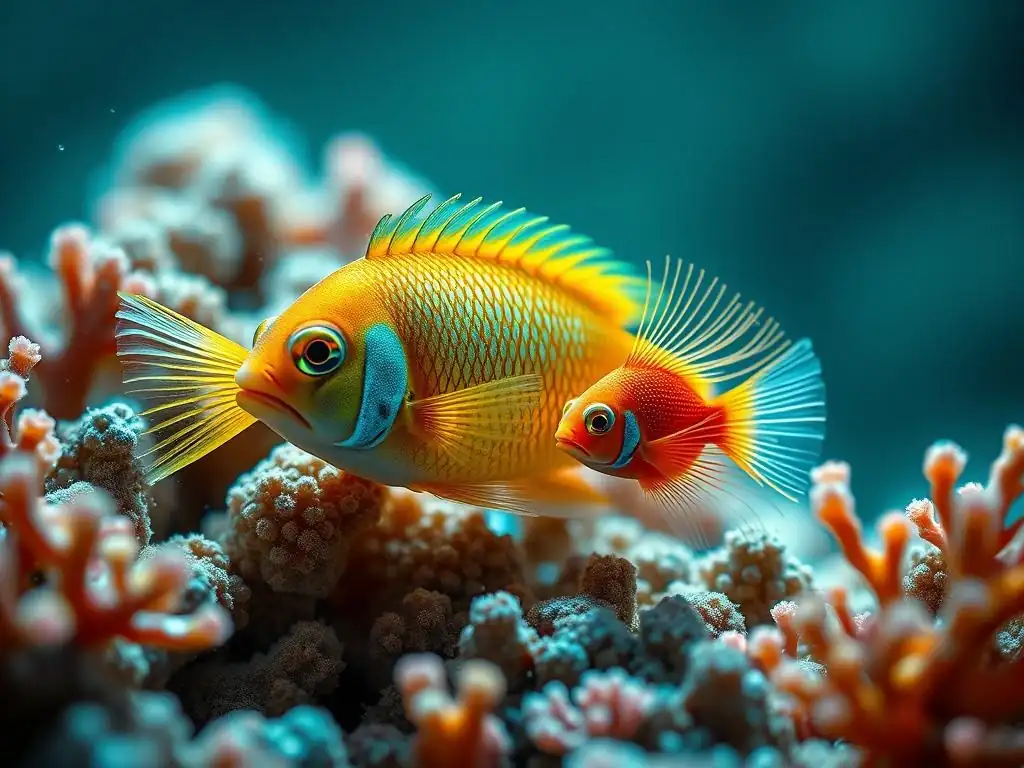
Breeding Yellowtail and Filamented Flasher Wrasses in a home aquarium setting presents significant challenges, primarily due to their pelagic spawning habits and the minute size of their eggs and larvae. In their natural habitat, these wrasses typically form harems, with a single dominant male overseeing several females. Spawning usually occurs at dusk, where the male and a female engage in a rapid, upward dash towards the surface, releasing eggs and sperm at the apex of their ascent. The fertilized eggs are then buoyant and drift with the ocean currents.
The male's elaborate "flashing" display is a crucial part of this courtship ritual, intensifying his colors and extending his fins to entice a female. While these wrasses may exhibit spawning behavior in a well-established and mature home aquarium, the successful collection of eggs and subsequent rearing of fry is exceedingly rare. This is largely due to the eggs being broadcast into the water column and the larvae requiring specific, often microscopic, food sources that are difficult to cultivate in captivity.
Creating a Suitable Breeding Environment
While challenging, creating a suitable environment that encourages spawning behavior in Yellowtail and Filamented Flasher Wrasses involves several key factors. A spacious aquarium, ideally 50 gallons or larger, is recommended to allow for a male and multiple females to establish a natural harem structure without excessive aggression. The tank should be mature, with pristine and stable water parameters, mimicking their natural reef environment as closely as possible. Optimal temperature (around 78-80°F or 25-27°C) and salinity (1.025) are crucial.
A diverse and highly nutritious diet, including live foods like copepods and enriched frozen preparations, is essential to condition the wrasses for spawning. Providing ample live rock with plenty of hiding spots helps reduce stress and encourages natural behaviors. Strong, yet diffused, lighting cycles that simulate natural daylight can also play a role. While these conditions may induce spawning, the main hurdle remains the collection and successful rearing of the pelagic eggs and larvae, which typically drift away and become food for other organisms in a display tank.
Raising Fry: A Step-by-Step Guide
Raising the fry of Yellowtail and Filamented Flasher Wrasses is an extremely advanced undertaking, with very few documented successes in the hobbyist community. The eggs are tiny and pelagic, meaning they float in the water column and are easily consumed by filtration or other tank inhabitants. If eggs are successfully collected (often requiring a dedicated spawning tank with specialized overflow systems), they would need to be transferred to a separate rearing tank immediately.
The larvae that hatch are minuscule, often less than 2mm, and require live, microscopic food sources such as rotifers for the first few days, followed by increasingly larger live foods like newly hatched brine shrimp nauplii as they grow. Maintaining incredibly clean water in the rearing tank, despite the constant need for live food, is a delicate balance.
Specialized filtration, gentle aeration, and meticulous attention to water quality are essential. Due to the high mortality rates and the specific requirements for larval nutrition and environment, raising flasher wrasse fry remains primarily the domain of professional aquaculture facilities rather than typical home nano reef possum care.
Where to Purchase Yellowtail and Filamented Flasher Wrasses
Selecting Reputable Suppliers and Breeders
When acquiring Yellowtail or Filamented Flasher Wrasses for your nano reef, selecting reputable suppliers and breeders is paramount to ensure you receive healthy, well-acclimated specimens. Look for local fish stores that have a strong reputation for maintaining clean, well-kept saltwater systems and knowledgeable staff. Observe their tanks: are the fish active, bright-colored, and free of visible signs of disease (e.g., Ich spots, clamped fins, ragged fins)? Are the tanks themselves clean and free of excessive algae or dead inhabitants?
Online retailers can also be a viable option, but it's crucial to research their reviews, policies, and shipping methods thoroughly. Reputable online vendors will often provide detailed information about their fish, including origin, size, and conditioning status. They should also offer a live arrival guarantee and have clear procedures for handling issues. Prioritizing suppliers who demonstrate ethical collection practices or, ideally, offer aquacultured specimens (though rare for these species) supports sustainable marine aquarium keeping.
Considerations Before Buying: Health and Acclimation
Before making a purchase, a thorough visual inspection of the Yellowtail or Filamented Flasher Wrasse is essential. Look for clear eyes, intact fins, and a full, not sunken, belly. The fish should be active and alert, not listless or hiding excessively (unless recently introduced to the store tank). Observe its breathing; rapid gilling can indicate stress or disease. Inquire about its feeding habits at the store and what it has been eating. A wrasse that is actively eating is generally a good sign of health.
Upon bringing the wrasse home, proper acclimation is critical to minimize stress and prevent shock from changes in water parameters. A drip acclimation method, slowly introducing tank water to the bag water over 45-60 minutes, is highly recommended. After acclimation, transfer the wrasse gently into a pre-established quarantine tank (QT) rather than directly into the main display. This allows for observation and potential treatment of any diseases before they can spread to your main nano reef. Careful acclimation is a key component of responsible nano reef possum care.
Conclusion: Thriving with Yellowtail and Filamented Flasher Wrasses in Your Nano Reef
The Joys of Keeping These Tiny Reef Jewels
Keeping Yellowtail and Filamented Flasher Wrasses in a nano reef is an incredibly rewarding experience, bringing a dynamic splash of color and captivating behavior to your aquatic display. Their active foraging, graceful swimming, and the male's awe-inspiring "flashing" displays provide endless entertainment and a unique window into the vibrant life of a coral reef. Despite their small size, these wrasses possess a robust personality and contribute significantly to the visual appeal and ecological balance of a well-maintained nano ecosystem.
The successful care of these tiny titans is a testament to an aquarist's dedication to precise water parameters, a varied diet, and a thoughtfully designed habitat. Witnessing a male Filamented Flasher Wrasse erupt into a shimmering spectrum of colors during a display, or observing a Yellowtail Wrasse playfully darting through the rockwork, underscores the immense joy and satisfaction derived from providing optimal nano reef possum care. They are truly living jewels, transforming a compact aquarium into a miniature underwater paradise.
Continuing Education: Resources for Nano Reef Wrasse Keepers
The journey of keeping Yellowtail and Filamented Flasher Wrasses, like all aspects of marine aquarium keeping, is one of continuous learning and adaptation. To ensure the long-term health and vibrancy of these beautiful fish, aquarists should commit to ongoing education and stay informed about best practices in nano reef care. Online forums and dedicated communities, such as those found on Reef2Reef or Nano-Reef.com, offer invaluable platforms for sharing experiences, asking questions, and learning from seasoned hobbyists.
Accessing scientific articles and reputable aquarium husbandry guides, often available through university marine biology departments or specialized aquaculture websites, can provide deeper insights into their natural history and specific needs. Attending local aquarium club meetings or expos can also offer opportunities for networking and discovering new techniques. By actively seeking out information and engaging with the wider aquarist community, keepers of Yellowtail and Filamented Flasher Wrasses can continually refine their nano reef possum care techniques, ensuring their tiny titans thrive for years to come.
Frequently Asked Questions
What exactly is a "nano reef" and why is it relevant to Possum Wrasses?
A nano reef is a small saltwater aquarium, typically under 30 gallons, focusing on miniature reef ecosystems. Possum Wrasses are popular in nano reefs because they are small and peaceful fish suitable for these confined spaces.
What are the main care requirements for Possum Wrasses in a nano reef environment?
Possum Wrasses need a stable environment, including specific water parameters and plenty of hiding places. They also require a diet of small meaty foods and benefit from a well-established reef with copepods and other small invertebrates.
How do I ensure my Possum Wrasse thrives in a nano reef with other inhabitants, especially the Pink-Streaked Wrasse?
Carefully select compatible tank mates; while Pink-Streaked Wrasses can coexist, monitor for aggression. Provide ample space and hiding spots to reduce stress and competition for resources.
What common problems might I encounter when keeping Possum Wrasses in a nano reef, and how can I address them?
Common issues include parasitic infections, which can be treated with appropriate medications, and difficulty acclimating to a new tank. Quarantine new arrivals and ensure stable water parameters to minimize these risks.
What is the ideal diet for a Possum Wrasse in a nano reef, and how often should I feed them?
Possum Wrasses primarily eat small invertebrates like copepods; supplement with frozen or live foods such as mysis shrimp and brine shrimp. Feed them small amounts multiple times a day to ensure they get enough nutrition.
Final Reflection: Embracing the Miniature Marvels
The journey into the world of nano reefs, particularly the care of enigmatic possum wrasses and vibrant pink-streaked wrasses, reveals a microcosm of the ocean's beauty and complexity, demanding a level of dedication and understanding often underestimated. This exploration highlights not only the specific needs of these tiny titans but also the broader responsibility we bear as stewards of even the smallest ecosystems.
The allure of the nano reef lies in its accessibility, yet its delicate balance underscores the profound interconnectedness of life. Cultivating a thriving environment for these creatures requires more than just technical proficiency; it demands empathy and a willingness to learn from the subtle cues they provide. In the end, we will conserve only what we love; we will love only what we understand; and we will understand only what we are taught.
- Baba Dioum. This quote resonates deeply, urging us to continually deepen our understanding and appreciation for the intricate web of life within our nano reefs.
Now, as you consider the information shared about nano reef possum care and the vibrant world of pink-streaked wrasses, I invite you to reflect on the power of small actions. Just as a single coral polyp contributes to a vast reef, so too can your informed choices and dedicated care create a haven for these miniature marvels. Embrace the challenge, celebrate the successes, and remember that every thriving nano reef is a testament to the beauty and resilience of life, and to your commitment to preserving it.
Unleash the Nano Reef Keeper Within!
Thanks for diving deep into the world of possum and pink-streaked wrasses in nano reefs! We hope you've gained valuable insights into creating a thriving miniature ecosystem. Now, let's turn that knowledge into action:
- Start planning your own nano reef! Research compatible corals and create a stocking list that will ensure a harmonious environment for your tiny titans.
- Share this article with fellow reefing enthusiasts and spark a discussion about the unique challenges and rewards of nano reef keeping.
- Consider participating in a local reef club meeting to learn from experienced nano reef keepers and discover innovative techniques.
What's one unexpected design element you'd incorporate into your nano reef to enhance the well-being of its inhabitants?