
Crafting the Ideal Butterflyfish Haven: Tank Size, Flow, and Aquascape Secrets

Welcome to Aquarium Mastery!
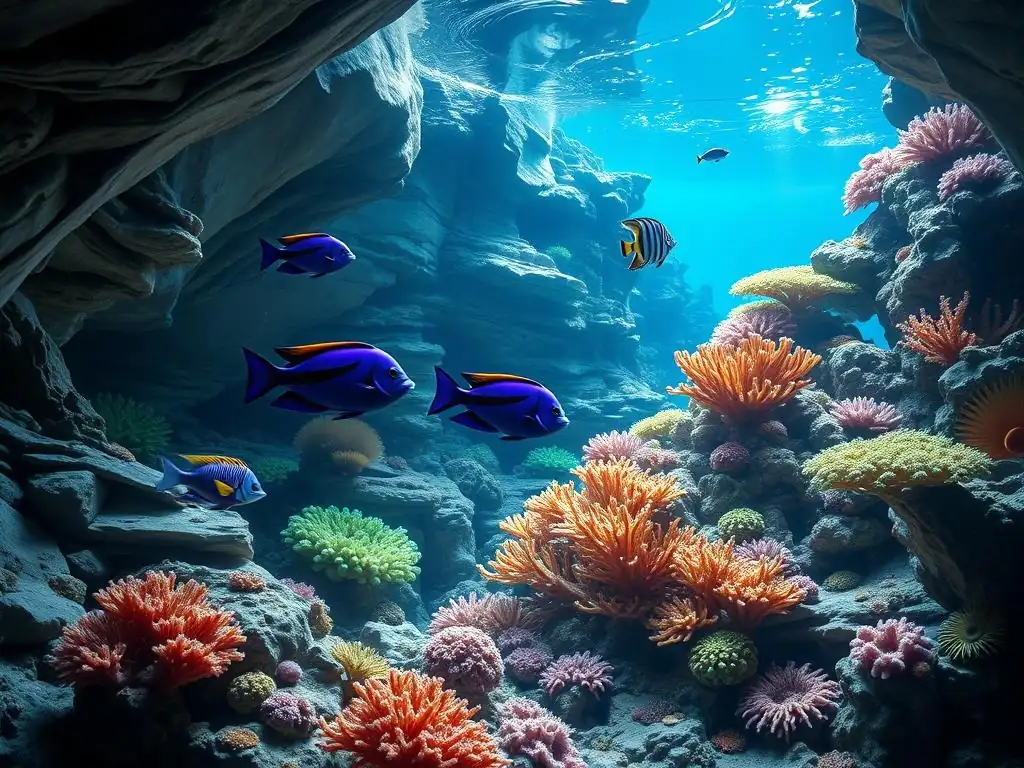
Ever dreamt of a vibrant reef teeming with the dazzling colors of Butterflyfish? You've come to the right place! Dive into our latest article, "Crafting the Ideal Butterflyfish Haven: Tank Size, Flow, and Aquascape Secrets," where we unlock the secrets to creating the perfect environment for these stunning saltwater beauties. What essential elements are crucial for their well-being, and how can you avoid common pitfalls? Let's explore!
- Understanding Butterflyfish Needs: A Comprehensive Tank Setup Guide
- Selecting the Right Aquarium Size for Butterflyfish
- Mastering Water Flow for a Thriving Butterflyfish Tank
- Aquascaping Your Butterflyfish Tank: Creating a Natural and Functional Environment
- Water Chemistry: Maintaining Pristine Conditions for Butterflyfish
- Lighting Considerations for a Vibrant Butterflyfish Aquarium
- Choosing the Right Tank Mates for Butterflyfish
- Feeding Butterflyfish: A Nutritional Guide
- Preventing and Treating Common Butterflyfish Diseases
- Butterflyfish Acclimation: Introducing New Fish to Your Aquarium
- Maintaining a Healthy Butterflyfish Tank: Routine Care and Best Practices
-
Frequently Asked Questions
- What is the minimum recommended tank size for a Butterflyfish tank?
- What type of water flow is ideal for a Butterflyfish tank?
- What are some important considerations when aquascaping a Butterflyfish tank?
- What are some common water chemistry parameters to monitor in a Butterflyfish tank?
- What are some suitable tank mates for Butterflyfish, and what should I avoid?
- Final Reflection: Embracing the Delicate Dance of Ecosystem Creation
- Cultivate Your Coral Reef Paradise!
Understanding Butterflyfish Needs: A Comprehensive Tank Setup Guide
The Unique Requirements of Butterflyfish in Captivity
Butterflyfish, native to the vibrant coral reefs of the Indo-Pacific and Atlantic oceans, are renowned for their striking colors and intricate patterns. In their natural habitat, these active swimmers often form pairs or small schools, navigating complex reef structures and feeding on specific diets ranging from coral polyps and small invertebrates to zooplankton. Their delicate nature and specialized feeding habits make them particularly sensitive to environmental changes and require a meticulously planned and stable captive environment.
Successful Butterflyfish tank setup guide must account for their inherent stress susceptibility. Unlike some hardier marine species, butterflyfish can quickly succumb to poor water quality, inadequate nutrition, or aggressive tank mates. Many species, such as the Copperband Butterflyfish ( Chelmon rostratus), are known for their difficulty in adapting to prepared foods, necessitating a varied diet and a stable, mature aquarium ecosystem to thrive.
Why Proper Tank Setup is Crucial for Butterflyfish Health and Longevity
A well-executed Butterflyfish tank setup guide is paramount for ensuring the health, longevity, and natural behavior of these exquisite fish. A properly designed habitat minimizes stress, which is a leading cause of disease in captive marine fish. When butterflyfish are housed in an environment that closely mimics their natural reef, their immune systems are stronger, making them more resilient to common ailments like marine ich and velvet.
Conversely, an inadequate Butterflyfish tank setup guide can lead to chronic stress, stunted growth, faded coloration, and a significantly reduced lifespan. For instance, a butterflyfish that might live 5-10 years in an optimal environment could only survive a year or two in a poorly maintained or undersized tank. Providing ample swimming space, appropriate water flow, and a functional aquascape directly contributes to their physical well-being and psychological comfort, allowing them to exhibit natural behaviors like foraging and schooling.
Selecting the Right Aquarium Size for Butterflyfish
Minimum Tank Size Recommendations for Different Butterflyfish Species
The appropriate tank size is a critical factor in any Butterflyfish tank setup guide. For smaller, less active species like the Copperband Butterflyfish ( Chelmon rostratus), which can reach up to 8 inches, a minimum tank size of 75 gallons is generally recommended. This provides sufficient swimming room and water volume for stability. More active or larger species, such as the Raccoon Butterflyfish ( Chaetodon lunula), which also grows to about 8 inches, or the Threadfin Butterflyfish ( Chaetodon auriga), reaching up to 9 inches, typically require a minimum of 125 to 150 gallons respectively.
These recommendations are based on the adult size, activity level, and territorial needs of the species. While a juvenile butterflyfish might seem comfortable in a smaller tank, their rapid growth necessitates planning for their mature size. A larger tank not only offers more physical space but also provides increased water volume, which helps dilute waste products and maintain more stable water parameters, significantly benefiting the delicate butterflyfish.
The Importance of Swimming Space and Territory for Butterflyfish
Butterflyfish are active, free-swimming species that require considerable open water for their well-being. In their natural reef environments, they traverse vast areas, and a confined space in an aquarium can lead to stress and aggression, particularly if multiple individuals or similar species are housed together. Providing ample swimming lanes allows them to exhibit natural schooling or pairing behaviors, reducing territorial disputes and promoting overall health.
Beyond open water, a successful Butterflyfish tank setup guide must also incorporate adequate "escape routes" and clear lines of sight within the aquascape. This means designing rockwork that offers both hiding spots and pathways, preventing a dominant fish from constantly cornering a submissive one. A tank that feels too small or cluttered will inevitably lead to constant stress, which can compromise the butterflyfish's immune system and make them highly susceptible to disease.
Overstocking Risks: Avoiding Common Mistakes in Butterflyfish Aquariums
Overstocking is a common pitfall that can severely compromise a Butterflyfish tank setup guide. Introducing too many fish into an aquarium, regardless of size, rapidly increases the bioload, leading to accelerated accumulation of nitrates and other waste products. This can quickly degrade water quality, reduce dissolved oxygen levels, and create an environment ripe for disease outbreaks. Even a slight increase in the bioload beyond the tank's filtration capacity can trigger a cascade of negative effects, especially with sensitive species like butterflyfish.
Moreover, an overcrowded tank exacerbates aggression and stress among inhabitants. Butterflyfish, though generally peaceful, can become territorial in confined spaces, leading to fin nipping, bullying, and constant pursuit. This relentless stress prevents them from feeding properly and weakens their defenses against pathogens. A responsible Butterflyfish tank setup guide prioritizes quality over quantity, advocating for fewer, healthier fish that have ample space to thrive, rather than many stressed individuals struggling for survival.
Mastering Water Flow for a Thriving Butterflyfish Tank
Replicating Natural Reef Currents: Understanding Butterflyfish Flow Preferences
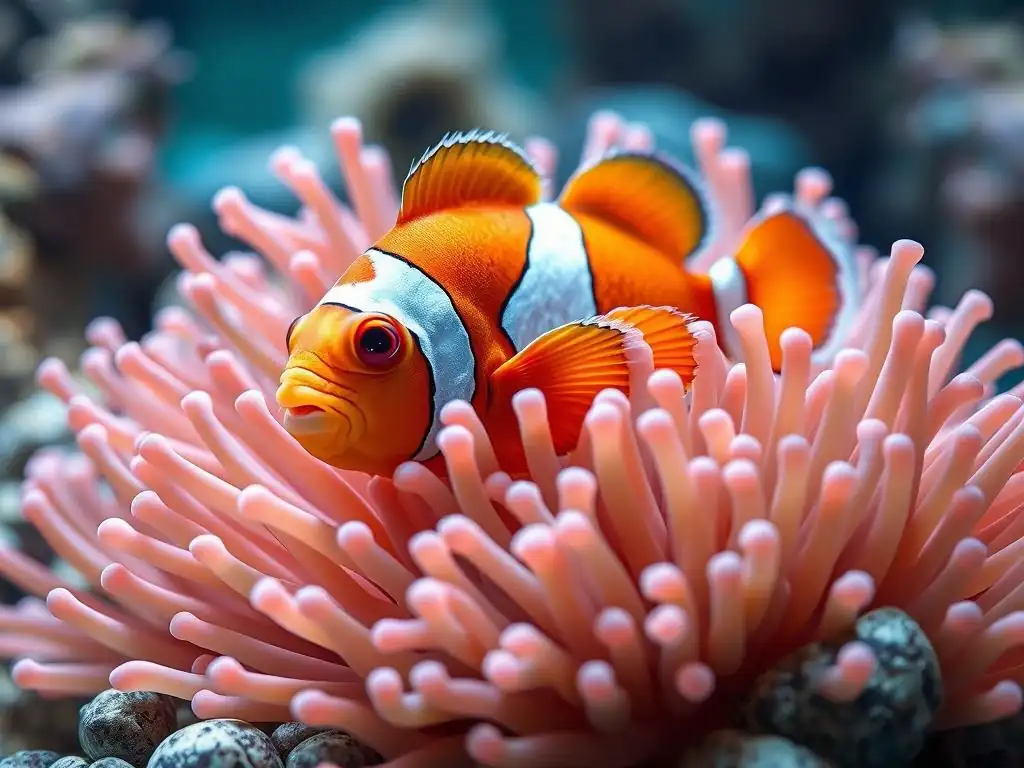
Butterflyfish originate from dynamic reef environments where water currents are often strong and variable. Replicating this natural water movement is crucial for their health and comfort in captivity. They generally prefer moderate to strong, yet diffused, flow that mimics the surge and ebb of ocean currents, rather than direct, turbulent blasts. This type of flow helps to keep detritus suspended, allowing for efficient mechanical filtration, and ensures excellent oxygenation throughout the water column.
The specific flow preference can vary slightly by species; for instance, a Pearlscale Butterflyfish ( Chaetodon xanthurus) might tolerate slightly more vigorous flow than a Copperband Butterflyfish. A well-designed Butterflyfish tank setup guide will acknowledge these nuances, aiming for a turbulent yet non-directional water movement that prevents stagnant areas. This constant, gentle movement also provides exercise for the fish, maintaining their muscle tone and overall vitality.
Choosing the Right Powerheads and Wave Makers for Butterflyfish
To achieve optimal water flow, selecting the right equipment is essential for any Butterflyfish tank setup guide. Adjustable powerheads or wave makers (e.g., Tunze Turbelle, EcoTech Marine VorTech, Jebao) are highly recommended as they can create varied and oscillating flow patterns. For a 75-gallon butterflyfish aquarium, a total water turnover rate of 10-20 times the tank volume per hour (750-1500 gallons per hour, GPH) distributed across multiple devices is an excellent starting point.
Positioning these devices strategically is key: avoid pointing them directly at the aquascape or any sensitive corals, as this can cause localized high flow that stresses inhabitants. Instead, aim for broad, dispersed flow patterns that bounce off the opposite glass or rockwork, creating a natural, random effect. Models with random flow generators or wave-making functions further enhance the natural feel, providing the dynamic environment that butterflyfish instinctively seek.
Optimal Water Circulation Patterns for Nutrient Distribution and Waste Removal
Proper water circulation is a cornerstone of maintaining pristine water quality, which is vital for the delicate butterflyfish. Optimal flow patterns prevent the accumulation of detritus and waste in "dead spots" within the aquarium, such as behind large rock structures or in corners. Stagnant areas can lead to the development of anaerobic zones, which produce harmful hydrogen sulfide, and allow nitrates and phosphates to build up rapidly, fueling nuisance algae growth.
Furthermore, effective water movement ensures the even distribution of dissolved oxygen and essential nutrients throughout the tank. This not only benefits the fish but also any corals or beneficial bacteria in the live rock and substrate. A well-circulated Butterflyfish tank setup guide aids mechanical filtration by continuously pushing suspended particles towards the overflow box or filter intakes, thereby removing organic waste before it breaks down and pollutes the water.
Aquascaping Your Butterflyfish Tank: Creating a Natural and Functional Environment
Rockwork Design: Providing Shelter, Hiding Places, and Grazing Surfaces for Butterflyfish
The aquascape is more than just aesthetically pleasing; it is a functional necessity for butterflyfish. Utilizing ample live rock, typically 1 to 1.5 pounds per gallon (meaning 75-112 pounds for a 75-gallon tank), allows for the creation of intricate caves, overhangs, and swim-throughs. This mimics their natural reef habitat, providing crucial shelter and secure hiding places where butterflyfish can retreat when stressed or sleep at night.
Beyond shelter, the rockwork also serves as a grazing surface for certain butterflyfish species. For example, some corallivorous species might pick at the biofilm or microfauna on the rocks, even if they are not consuming corals. When designing the rockwork, ensure stability by interlocking pieces or using aquarium-safe epoxy. Critically, arrange the rocks to allow for open swimming lanes both in front of and behind the main structure, balancing cover with necessary open space.
Coral Placement Considerations: Ensuring Compatibility and Minimizing Stress
A significant consideration in any Butterflyfish tank setup guide is their compatibility with corals. Many butterflyfish species are not considered reef-safe due to their natural diets, which often include coral polyps. For instance, species like the Ornate Butterflyfish ( Chaetodon ornatissimus) or the Raccoon Butterflyfish ( Chaetodon lunula) are notorious for nipping at or consuming soft and stony corals, including LPS (Large Polyp Stony) corals like Euphyllia and Acanthastrea, and various soft corals such as Zoanthids and mushrooms.
If keeping corals is a priority, it is best to select primarily planktivorous butterflyfish species, such as the Pyramid Butterflyfish ( Hemitaurichthys polylepis), which are generally considered reef-safe. Even with these species, close observation is recommended. If mixed reefs are attempted, place more sensitive corals in areas less accessible to potential nipping, or choose very hardy, fast-growing coral species that can tolerate some grazing pressure.
Substrate Selection: Choosing the Right Sand or Gravel for Butterflyfish
The choice of substrate plays a vital role in the overall health and stability of a butterflyfish aquarium. A sand bed, typically composed of aragonite or crushed coral, of 1 to 4 inches in depth is generally ideal. Aragonite sand, with a grain size of 0.5-1.5 mm, is preferred as it helps to buffer pH and alkalinity, is less likely to scratch delicate fish, and is easy for beneficial bacteria to colonize.
While a shallow sand bed is beneficial for biological filtration and maintaining water chemistry, deep sand beds (over 4 inches) require careful management to prevent them from becoming anaerobic zones, which can produce harmful gases. A shallow bed is also easier to keep clean, preventing the accumulation of detritus and uneaten food that can lead to elevated nutrient levels. This decision is a crucial component of a comprehensive Butterflyfish tank setup guide focused on long-term stability.
Water Chemistry: Maintaining Pristine Conditions for Butterflyfish
Essential Water Parameters: Temperature, Salinity, pH, and Alkalinity
Maintaining stable and pristine water parameters is absolutely critical for the health and longevity of delicate butterflyfish. The ideal temperature range for most butterflyfish is between 75-82°F (24-28°C). Salinity should be kept consistent at 1.023-1.026 specific gravity, or 33-35 ppt. The pH should be stable between 8.1 and 8.4, and alkalinity (dKH) maintained between 8-12 dKH (or 2.8-4.2 meq/L). Additionally, calcium levels should be 400-450 ppm and magnesium 1200-1350 ppm, especially if corals are present.
Fluctuations in these parameters are often more detrimental than slight deviations from the ideal range. Butterflyfish are highly sensitive to sudden shifts, which can lead to severe stress and compromise their immune systems. Regular testing with reliable, high-quality test kits (e.g., Hanna, Salifert, API) is non-negotiable to monitor these parameters consistently and take corrective action promptly when needed.
The Importance of Regular Water Changes for Butterflyfish Health
Regular water changes are a cornerstone of maintaining pristine conditions in a Butterflyfish tank setup guide. Performing weekly or bi-weekly water changes of 10-20% of the total tank volume is crucial for several reasons. This practice effectively replenishes essential trace elements that are consumed by the aquarium inhabitants and removed by protein skimmers, while simultaneously diluting and exporting accumulated nitrates, phosphates, and other dissolved organic compounds that filtration alone cannot fully remove.
For a 75-gallon butterflyfish tank, this translates to changing 7.5 to 15 gallons of water per week. It is imperative to use high-quality RODI (Reverse Osmosis De-Ionized) water mixed with a reputable marine salt mix to ensure no contaminants are introduced. The new water should be precisely matched in temperature and salinity to the existing tank water to prevent shocking the fish during the change, ensuring a stable and healthy environment.
Monitoring and Adjusting Water Chemistry for a Stable Butterflyfish Environment
Beyond routine testing, vigilant monitoring of your butterflyfish's behavior provides invaluable insights into water chemistry stability. Lethargy, clamped fins, rapid breathing (gilling), or unusual hiding can all be indicators of deteriorating water quality or parameter imbalances. While test kits provide numerical data, the fish themselves are often the best real-time indicators of their environment's suitability.
Having a proactive plan for adjusting water chemistry is also essential for a stable Butterflyfish tank setup guide. If alkalinity or calcium levels begin to drop, consider dosing appropriate buffers or two-part solutions to maintain stability. If nitrates spike, increased water changes, reduced feeding, or improved nutrient export methods (like adding macroalgae or a refugium) should be implemented. Consistent monitoring and swift, informed adjustments are key to providing a consistently healthy habitat.
Lighting Considerations for a Vibrant Butterflyfish Aquarium
Choosing the Right Lighting Spectrum and Intensity for Coral Growth (if applicable)
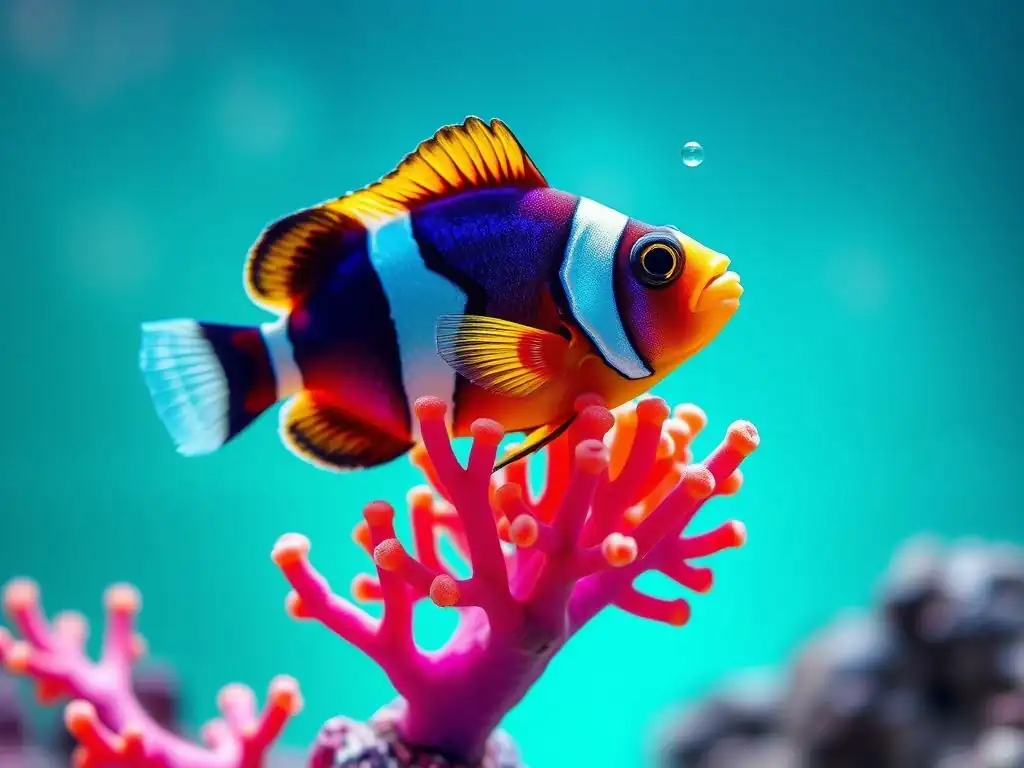
For a Butterflyfish tank setup guide that includes corals, selecting the appropriate lighting spectrum and intensity is crucial. If you are keeping primarily planktivorous butterflyfish that are generally considered reef-safe, and wish to incorporate corals, the lighting must cater to the corals' photosynthetic needs. LED, T5, or Metal Halide fixtures are common choices, with LEDs offering the most control over spectrum and intensity.
For LPS and soft corals, moderate PAR (Photosynthetically Active Radiation) levels, typically ranging from 50-150 PAR, are often sufficient. The spectrum should be rich in blue light (around 450-470nm), which promotes coral growth and fluorescence, complemented by white light (6500K-10000K) for a balanced visual appearance. Overly intense lighting can stress both corals and fish, potentially leading to bleaching in corals or excessive algae growth.
Simulating Natural Daylight Cycles for Butterflyfish Wellbeing
Simulating a natural daylight cycle is beneficial for the overall wellbeing of butterflyfish. A photoperiod of 10-12 hours of light followed by 12-14 hours of darkness closely mimics their natural environment. This consistent cycle helps regulate their circadian rhythm, influencing feeding patterns, activity levels, and reproductive behaviors. Using an automatic timer for your lighting system ensures reliability and prevents sudden, jarring light changes that can stress the fish.
Modern LED light fixtures often come with programmable features that allow for a gradual ramp-up and ramp-down of light intensity, simulating sunrise and sunset. This gentle transition reduces stress on the fish compared to an abrupt "on" or "off" switch. A consistent and natural lighting schedule is an often-overlooked yet vital component of a comprehensive Butterflyfish tank setup guide.
Avoiding Algae Blooms: Balancing Light, Nutrients, and Water Flow
Controlling algae blooms is a perpetual challenge in marine aquariums, and lighting plays a significant role. Excessive light duration or intensity, particularly when combined with elevated nutrient levels (nitrates above 10 ppm and phosphates above 0.03 ppm), creates an ideal environment for nuisance algae to proliferate. This can quickly overwhelm the aquascape, reduce water clarity, and compete with corals for light and nutrients.
To prevent algae blooms, a balanced approach is necessary. Ensure your lighting schedule is appropriate (10-12 hours maximum) and that PAR levels are not excessively high for your tank's inhabitants. Critically, maintain low nutrient levels through regular water changes, efficient protein skimming, and proper water flow to prevent detritus buildup. A well-designed Butterflyfish tank setup guide integrates these elements to maintain a clean and vibrant display.
Choosing the Right Tank Mates for Butterflyfish
Compatible Fish Species: Creating a Peaceful and Harmonious Community
Selecting appropriate tank mates is crucial for a peaceful and harmonious butterflyfish aquarium. Choose fish species that are generally peaceful, non-aggressive, and won't outcompete butterflyfish for food or territory. Good choices often include certain species of gobies (e.g., watchman gobies), blennies (e.g., lawnmower blennies), cardinalfish (e.g., Banggai cardinalfish), and some smaller, peaceful wrasses. Avoid highly territorial fish, extremely fast swimmers, or large predatory species that could intimidate or injure butterflyfish.
Consider the adult size and temperament of any potential tank mate. For instance, a Yellow Tang ( Zebrasoma flavescens) can be a suitable companion in a sufficiently large system (100+ gallons), but their territorial nature requires careful observation. Conversely, large angelfish, triggerfish, and puffers are generally incompatible due to their aggressive or predatory tendencies, which can cause severe stress or harm to delicate butterflyfish.
Invertebrate Compatibility: Selecting Reef-Safe or Butterflyfish-Safe Options
The compatibility of butterflyfish with invertebrates is a nuanced aspect of any Butterflyfish tank setup guide. Many butterflyfish species, particularly those that are corallivores or omnivores, will readily nip at or consume ornamental shrimp, crabs, and even some corals. For example, while a Copperband Butterflyfish is excellent at controlling Aiptasia anemones, it may also consume small feather duster worms, fan worms, and even pick at soft corals.
Therefore, careful selection is required if you plan to keep invertebrates. Hermit crabs, snails (e.g., Nassarius, Trochus), and certain starfish may be compatible, but constant observation is necessary. For a truly invertebrate-safe Butterflyfish tank setup guide, species such as the Yellow Pyramid Butterflyfish ( Hemitaurichthys polylepis) are generally the best choice, as they are primarily planktivores and rarely bother corals or other invertebrates.
Avoiding Aggressive Tank Mates that May Bully or Stress Butterflyfish
Introducing aggressive tank mates is one of the quickest ways to compromise the health of butterflyfish. Fish species known for their territoriality or overt aggression, such as certain damselfish, large dottybacks, or some larger marine angelfish, can relentlessly bully butterflyfish. This constant harassment leads to chronic stress, causing butterflyfish to hide, refuse food, and develop clamped fins, ultimately weakening their immune system and making them highly susceptible to disease.
When stocking your aquarium, it is often advisable to add the butterflyfish first, or at the same time as other peaceful fish, allowing them to establish themselves before any potentially more assertive species are introduced. Ensure there are ample hiding spots and visual barriers within the aquascape to allow bullied fish to retreat. A peaceful community is essential for a thriving Butterflyfish tank setup guide.
Feeding Butterflyfish: A Nutritional Guide
Understanding Butterflyfish Dietary Needs: Specialized Feeding Habits
Understanding the specialized dietary needs of butterflyfish is paramount for their long-term health and a critical component of any Butterflyfish tank setup guide. Their feeding habits vary significantly by species: some are omnivores (e.g., Raccoon Butterflyfish), readily accepting various foods; others are strict corallivores (e.g., Ornate Butterflyfish), making them notoriously difficult to convert to prepared foods in captivity; and some are planktivores (e.g., Pyramid Butterflyfish).
For example, the popular Copperband Butterflyfish primarily feeds on small invertebrates and Aiptasia anemones in the wild. In captivity, this means they often require a diet rich in live or frozen foods such as Mysis shrimp, brine shrimp (often enriched with spirulina), finely chopped clam, squid, or other high-quality seafood. Successfully transitioning them to prepared foods can be challenging and requires patience and consistency.
Offering a Varied Diet: Ensuring Optimal Health and Coloration
To ensure optimal health, vibrant coloration, and a robust immune system for butterflyfish, offering a varied and balanced diet is essential. Relying on a single food type, even a high-quality one, can lead to nutritional deficiencies over time. A diverse diet should include a mix of high-quality frozen foods like Mysis shrimp, spirulina-enriched brine shrimp, finely chopped krill, clam, and squid. High-quality marine flakes or pellets specifically formulated for marine fish can also be offered, though some species may refuse them initially.
For species that are difficult to feed, live foods such as blackworms or enriched brine shrimp can be used to stimulate a feeding response. It is generally recommended to feed butterflyfish small amounts multiple times a day (2-3 times) rather than one large meal. This mimics their natural grazing behavior on the reef and helps to reduce water pollution from uneaten food.
Avoiding Food Competition: Ensuring Butterflyfish Receive Adequate Nutrition
Food competition is a common issue in community aquariums that can severely impact the nutritional intake of butterflyfish, particularly the shyer or slower-feeding species. Fast-eating, aggressive tank mates can quickly consume all available food before the butterflyfish have a chance to feed adequately. This can lead to malnourishment, stunted growth, and a weakened immune system.
To mitigate food competition, observe your butterflyfish closely during feeding times to ensure they are getting enough to eat. For particularly shy or specialized feeders, target feeding with a pipette or a feeding stick may be necessary. This allows you to deliver food directly to the butterflyfish, guaranteeing they receive adequate nutrition. A comprehensive Butterflyfish tank setup guide considers these feeding dynamics to ensure every fish thrives.
Preventing and Treating Common Butterflyfish Diseases
Recognizing Early Signs of Illness in Butterflyfish
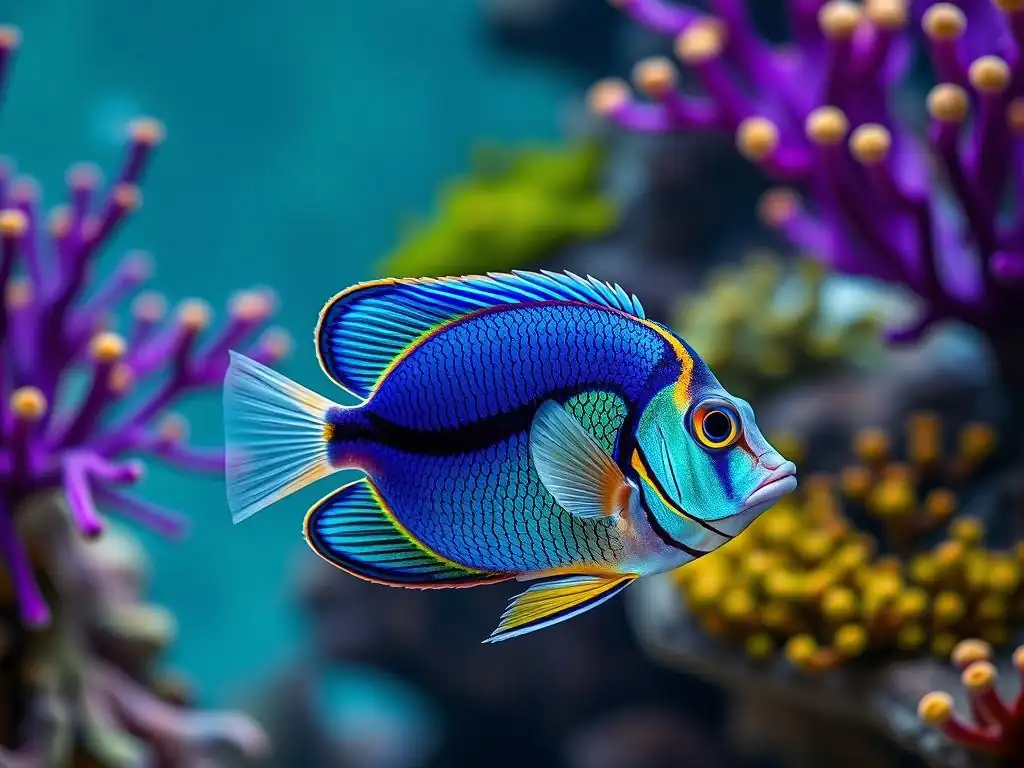
Early recognition of illness is paramount for successful treatment and preventing the spread of disease in a butterflyfish aquarium. Vigilant observation of your fish's behavior and physical appearance can provide crucial early warning signs. Look for changes such as clamped fins, rapid breathing (gilling), scratching against rocks or substrate (flashing), refusal to eat, lethargy, or faded coloration. Physical symptoms might include white spots (indicative of marine ich), a dusty or velvety appearance (marine velvet), sores, fin rot, or abnormal growths.
A healthy butterflyfish is typically active, curious, has clear eyes, and exhibits vibrant, consistent coloration. Any deviation from these normal behaviors or appearances should prompt immediate closer inspection. Early detection allows for prompt intervention, significantly increasing the chances of successful recovery and preventing the illness from escalating or affecting other tank inhabitants.
Quarantine Procedures: Isolating New Arrivals and Sick Fish
A dedicated quarantine tank (QT) is an indispensable tool in any responsible Butterflyfish tank setup guide for preventing disease. All new fish, especially sensitive species like butterflyfish, should spend a minimum of 4-6 weeks in a separate QT of at least 20-30 gallons before being introduced to the main display. This allows for observation for signs of illness and prophylactic treatment for common parasites like marine ich ( Cryptocaryon irritans) or marine velvet ( Amyloodinium ocellatum) without exposing the main tank.
If a fish in the main display begins to show signs of illness, it should be promptly removed and transferred to the QT for diagnosis and treatment. This isolates the sick fish, prevents the potential spread of pathogens to other tank inhabitants, and allows for more targeted and effective treatment without harming the delicate biological filtration or invertebrates in the main system.
Common Butterflyfish Diseases: Identification, Treatment, and Prevention
Butterflyfish are susceptible to common marine fish diseases. Marine Ich, characterized by small white spots resembling salt grains, is frequently encountered; it can be treated effectively in a quarantine tank with copper-based medications (e.g., Cupramine, Copper Power) or hyposalinity (reducing specific gravity to 1.008-1.009 for 4-6 weeks). Marine Velvet, which appears as a fine, dusty coating, is more aggressive and requires immediate and sustained copper treatment, often at a higher concentration.
Beyond parasites, bacterial infections (e.g., fin rot, cloudy eyes) and internal parasites can also affect butterflyfish. Maintaining excellent water quality, providing a varied and nutritious diet, and minimizing stress are the best preventive measures, as they boost the fish's natural immunity. Always ensure that any chosen treatment is safe for the specific butterflyfish species, as some can be sensitive to certain medications.
Butterflyfish Acclimation: Introducing New Fish to Your Aquarium
Gradual Acclimation Techniques: Minimizing Stress and Shock
Proper acclimation is a critical, yet often overlooked, step in any Butterflyfish tank setup guide for minimizing stress and shock when introducing new fish. Drip acclimation is highly recommended for sensitive species like butterflyfish. Begin by floating the sealed bag in the aquarium for 15-20 minutes to equalize the water temperature. Then, using airline tubing with a knot to control the drip rate, slowly drip tank water into the bag, aiming for one drip per second. Continue this process for 45-60 minutes, or until the volume of water in the bag has quadrupled.
This gradual process allows the fish to slowly adjust to the new water parameters (pH, salinity, temperature) without experiencing sudden, drastic shifts that can be fatal. Avoid exposing the fish to air during transfer. Gently net the fish (or carefully pour through a fine mesh net) into the quarantine tank, discarding the bag water to prevent introducing any potential pathogens or pollutants from the source.
Monitoring New Arrivals: Observing Behavior and Appetite
Once the new butterflyfish has been successfully acclimated and transferred to the quarantine tank, vigilant monitoring is essential. For the first few days, observe the fish closely for any signs of stress, such as clamped fins, rapid breathing, excessive hiding, or erratic swimming patterns. Pay close attention to their appetite; a healthy feeding response is one of the strongest indicators of successful acclimation and overall well-being.
Offer small, familiar foods to encourage them to eat. If the fish refuses to eat for more than 24-48 hours, it may indicate continued stress or underlying health issues. Note any unusual spots, lesions, or changes in coloration. This initial period of intense observation allows for early detection of problems, enabling prompt intervention and significantly improving the chances of a smooth transition.
Post-Acclimation Care: Ensuring a Smooth Transition to the New Environment
After a successful quarantine period and acclimation, the transition to the main display tank still requires careful attention. When moving the butterflyfish to the main aquarium, consider dimming the lights for the first few hours to reduce stress during the initial introduction. Ensure that the main tank has ample hiding spots and that existing tank mates are not overly aggressive, as new fish can be perceived as intruders.
Continue to monitor the new butterflyfish's behavior and appetite closely for the first few days and weeks in the main tank. Maintain pristine water quality through regular maintenance and offer consistent, nutritious meals. A smooth and stress-free transition, guided by a thorough Butterflyfish tank setup guide, is vital for the long-term health and thriving of your butterflyfish in their new home.
Maintaining a Healthy Butterflyfish Tank: Routine Care and Best Practices
Regular Maintenance Schedule: Water Changes, Filter Cleaning, and Testing
A consistent and thorough maintenance schedule is the backbone of a healthy butterflyfish aquarium. Weekly tasks should include performing a 10-20% water change, cleaning the protein skimmer collection cup, and checking/cleaning filter socks or other mechanical filtration media. Essential water parameters such as salinity, temperature, pH, alkalinity, nitrates, and phosphates should also be tested weekly. Bi-weekly or monthly, depending on bioload, powerheads and return pumps should be cleaned to prevent detritus buildup and maintain optimal flow.
This routine maintenance prevents the accumulation of harmful nutrients, stabilizes crucial water parameters, and ensures that all equipment is functioning efficiently. Consistency in these practices significantly reduces the likelihood of stress-related illnesses and disease outbreaks, creating a stable environment where butterflyfish can thrive.
Observing Butterflyfish Behavior: Identifying Potential Problems Early
Daily observation of your butterflyfish is one of the most effective tools for identifying potential problems early. Spend time watching their swimming patterns, breathing rate, appetite, and interactions with other tank mates. A healthy butterflyfish will be active, curious, and exhibit natural behaviors like foraging and schooling. Their coloration should be vibrant and consistent.
Any subtle deviation from their normal behavior, such as increased hiding, clamped fins, rapid gilling, refusal to eat, or unusual spots, can be an early warning sign of stress, disease, or deteriorating water quality. Promptly identifying these changes allows for quick investigation and intervention, often preventing minor issues from escalating into major health crises that could jeopardize the entire aquarium.
Troubleshooting Common Issues: Addressing Problems Promptly and Effectively
Even with the best Butterflyfish tank setup guide and diligent care, common issues can arise. Being prepared to troubleshoot these problems promptly and effectively is crucial. For instance, if you notice an algae bloom, investigate potential causes such as excessive light duration, high nutrient levels (nitrates/phosphates), or insufficient water flow. Solutions might include reducing light, increasing water changes, improving filtration, or adding nutrient export methods like macroalgae.
Elevated nitrates can often be addressed by increasing water change frequency, reducing feeding amounts, or enhancing protein skimming. In the event of a suspected disease outbreak, having a quarantine tank ready and a basic "first-aid kit" for your aquarium (including reliable test kits, quality salt mix, RODI water, and possibly some common medications) allows for swift action. Prompt and informed responses based on a solid understanding of your Butterflyfish tank setup guide can make all the difference in maintaining a thriving aquatic environment.
Frequently Asked Questions
What is the minimum recommended tank size for a Butterflyfish tank?
The minimum tank size depends on the species of Butterflyfish, but generally, a 75-gallon tank is recommended for smaller species, and larger species may require 125 gallons or more.
What type of water flow is ideal for a Butterflyfish tank?
Butterflyfish thrive in environments with moderate to strong water flow. This helps to oxygenate the water and mimic their natural reef habitats.
What are some important considerations when aquascaping a Butterflyfish tank?
Provide plenty of live rock for grazing and shelter. Leave ample open swimming space and avoid aggressive corals that might compete for resources.
What are some common water chemistry parameters to monitor in a Butterflyfish tank?
Maintaining stable water parameters is crucial. Regularly monitor ammonia, nitrite, and nitrate levels, and aim for a pH of 8.1-8.4.
What are some suitable tank mates for Butterflyfish, and what should I avoid?
Consider peaceful fish species that won't compete aggressively for food. Avoid aggressive fish such as triggers or large angelfish.
Final Reflection: Embracing the Delicate Dance of Ecosystem Creation
The journey of setting up a butterflyfish tank, as we've explored, is far more than just assembling equipment; it's about creating a miniature, thriving ecosystem. The principles of tank size, water flow, and aquascaping, when thoughtfully applied, transform a simple glass box into a vibrant haven, mirroring the complex beauty of the coral reefs these magnificent fish call home. This understanding is crucial now, as responsible reef keeping becomes increasingly vital in the face of environmental challenges.
This endeavor has profoundly influenced my perspective on aquarium keeping, shifting it from a mere hobby to a conscious act of stewardship. The delicate balance required to sustain these creatures underscores the interconnectedness of all life, both within the tank and beyond. In the end, we will conserve only what we love; we will love only what we understand; and we will understand only what we are taught.
- Baba Dioum. This quote perfectly encapsulates the responsibility we undertake when choosing to care for these animals.
Now, I invite you to reflect on your own role in this intricate dance. Consider how you can apply the principles of mindful creation, not just in aquarium keeping, but in all aspects of your life. Strive to build environments, both literal and figurative, that foster growth, harmony, and a deep appreciation for the delicate beauty that surrounds us. Let's all become architects of thriving ecosystems, one thoughtful action at a time.
Cultivate Your Coral Reef Paradise!
Thank you for exploring the fascinating world of butterflyfish and their unique habitat needs. Now that you're equipped with the knowledge to create a thriving environment, let's put that inspiration into action!
Here are a few ways to start:
- Plan your dream tank: Sketch out your ideal butterflyfish aquascape, considering rock placement and flow. This is the first step to making their life amazing.
- Delve deeper: Research specific butterflyfish species and their compatibility with your existing (or future) reef inhabitants.
- Spread the wonder: Share this guide with fellow aquarium enthusiasts and inspire them to create butterflyfish havens of their own!
What's one small change you can make this week to move closer to creating your butterflyfish paradise?