
Butterflyfish Tank Blueprint: A StepbyStep Setup for Optimal Health

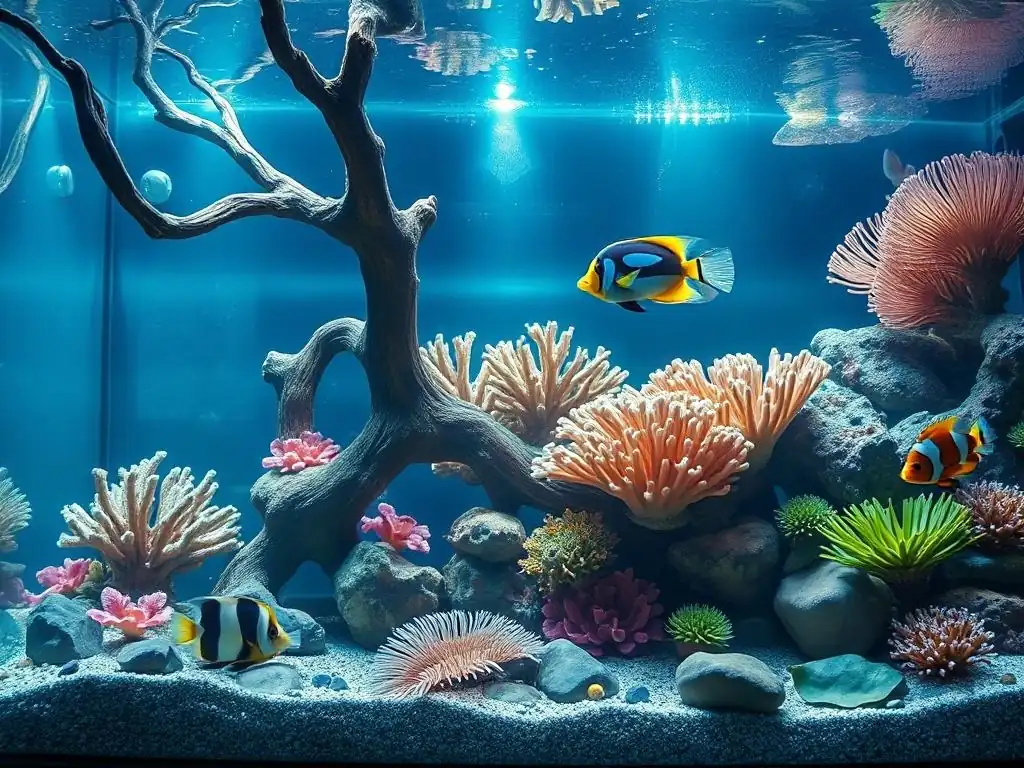
Welcome to Aquarium Mastery, where your aquatic dreams take shape!
Ever wondered how to create the perfect haven for those stunning, delicate Butterflyfish? Our detailed "Butterflyfish Tank Blueprint" is your starting point. Dive in and discover the secrets to a thriving ecosystem, ensuring your Butterflyfish not only survive but truly flourish. Ready to unlock the mysteries of saltwater aquarium success? Let's get started!
- Introduction to Butterflyfish and Their Unique Tank Requirements
- Planning Your Butterflyfish Tank: Essential Considerations
- Step-by-Step Guide to Setting Up Your Butterflyfish Tank
- Maintaining Optimal Water Quality for Butterflyfish Health
- Feeding Your Butterflyfish: Nutritional Needs and Strategies
- Preventing and Treating Common Butterflyfish Diseases
- Choosing the Right Tank Mates for Butterflyfish
- Troubleshooting Common Butterflyfish Tank Problems
- Conclusion: Creating a Thriving Butterflyfish Aquarium
-
Frequently Asked Questions
- ### What size tank is recommended for butterflyfish?
- ### What are the key water parameters to monitor in a butterflyfish tank?
- ### What type of filtration is best for a butterflyfish aquarium?
- ### What kind of lighting is needed for a butterflyfish tank, especially if I want corals?
- ### What should I feed my butterflyfish, and how often?
- Final Reflection: Cultivating Underwater Harmony
- Unleash the Vibrant Reef in Your Home!
Introduction to Butterflyfish and Their Unique Tank Requirements
Understanding the Needs of Butterflyfish in Captivity
Butterflyfish, members of the Chaetodontidae family, are renowned for their vibrant colors and intricate patterns, making them highly desirable additions to saltwater aquariums. However, their beauty often belies their delicate nature and specific care requirements. Many species are highly sensitive to water quality fluctuations, stress, and improper diet, often leading to a shorter lifespan in captivity if their needs are not meticulously met. Their natural habitats on coral reefs provide a stable, pristine environment, which must be closely mimicked in the home aquarium.
In captivity, Butterflyfish require specific parameters, including stable salinity (typically 1.023-1.026 specific gravity), consistent temperature (around 74-78°F or 23-26°C), and a pH range of 8.1-8.4. Beyond these chemical parameters, their behavioral needs are also crucial. Many species are active swimmers, requiring ample open space, while others are shy and need plenty of rockwork for hiding and security. Their diverse dietary preferences, ranging from obligate corallivores to omnivores, also necessitate careful research into the specific species you intend to keep.
Why a Dedicated Butterflyfish Tank Setup is Crucial for Their Well-being
A specialized Butterflyfish tank setup is not merely a recommendation but a critical factor in ensuring the long-term health and survival of these sensitive marine fish. Unlike general community reef tanks, a dedicated setup allows for precise control over water parameters and environmental conditions tailored specifically to the often-demanding needs of Butterflyfish. This minimizes stressors such as fluctuating water quality, aggressive tank mates, or inadequate feeding opportunities, which can quickly compromise their immune systems and lead to disease.
Moreover, a dedicated Butterflyfish tank setup guide helps aquarists create an environment that caters to their unique feeding habits and social structures. For instance, some species are slow or shy eaters and can easily be outcompeted by more aggressive fish in a mixed community tank. By isolating them in a species-specific or carefully curated tank, you can ensure they receive adequate nutrition and thrive without constant competition or territorial disputes. This focused approach significantly increases the chances of success for keeping these delicate beauties.
Planning Your Butterflyfish Tank: Essential Considerations
Determining the Ideal Tank Size for Butterflyfish Species
The appropriate tank size is a foundational element for any successful Butterflyfish tank setup. While some smaller species like the Pearlyscale Butterflyfish ( Chaetodon xanthurus) might tolerate a minimum of 75 gallons, many popular species such as the Copperband Butterflyfish ( Chelmon rostratus) or the Longnose Butterflyfish ( Forcipiger flavissimus) thrive in tanks of 100 gallons or more. Larger species, like the Pyramid Butterflyfish ( Hemitaurichthys polylepis), truly need 125 gallons or even 180 gallons to accommodate their adult size and active swimming patterns.
Adequate tank volume is not just about providing swimming space; it also contributes significantly to water stability. A larger body of water is more resistant to rapid fluctuations in temperature, pH, and salinity, and it dilutes waste products more effectively. This buffering capacity is invaluable for sensitive species like Butterflyfish, reducing stress and the likelihood of disease. Therefore, when planning your Butterflyfish tank setup, always aim for the largest tank you can reasonably accommodate and maintain.
Selecting the Right Location for Your Saltwater Butterflyfish Aquarium
Choosing the right location for your saltwater Butterflyfish aquarium is paramount for both the fish's well-being and your convenience. The chosen spot must be able to support the considerable weight of a filled tank; for example, a 100-gallon aquarium can weigh over 1,000 pounds when filled with water, substrate, and live rock. Ensure the floor is level and structurally sound, preferably resting on a load-bearing wall or directly over floor joists.
Beyond structural considerations, practical aspects are crucial. Position the tank away from direct sunlight to prevent excessive algae growth and undesirable temperature swings. Avoid areas with high foot traffic or sudden noises, as these can stress timid Butterflyfish. Proximity to electrical outlets, a water source (for water changes), and a drain is also highly beneficial for ease of maintenance, making your Butterflyfish tank setup more manageable in the long run.
Budgeting for Your Butterflyfish Tank: Initial Costs and Ongoing Expenses
Setting up a Butterflyfish tank involves a significant initial investment, and understanding these costs upfront is vital for a successful project. A basic 75-gallon saltwater setup, including the tank, stand, lighting, robust filtration (sump, protein skimmer), heaters, powerheads, and initial live rock, can easily range from $800 to $1,500, excluding the cost of the fish themselves. Larger tanks and more advanced equipment, such as high-end LED lighting or specialized sumps, can push initial expenses well beyond $2,500.
Beyond the initial setup, ongoing expenses are a continuous consideration. These include salt mix for water changes, RO/DI water, high-quality fish food, replacement filter media, and electricity to power pumps, heaters, and lights. Monthly operational costs for a well-maintained Butterflyfish tank can range from $30 to $100 or more, depending on tank size, equipment efficiency, and the frequency of water changes. Factoring in these recurring costs is an essential part of any comprehensive Butterflyfish tank setup guide.
Step-by-Step Guide to Setting Up Your Butterflyfish Tank
Step 1: Choosing the Right Aquarium Tank for Butterflyfish
Glass vs. Acrylic Tanks: Which is Best for Butterflyfish?
When selecting the physical tank for your Butterflyfish, you'll primarily choose between glass and acrylic. Glass tanks are generally more scratch-resistant, less prone to yellowing over time, and often more affordable for standard sizes. However, they are significantly heavier than acrylic, which can be a consideration for larger tanks, and they offer less insulation, meaning temperature stability might require more precise heater control.
Acrylic tanks, conversely, are much lighter, offer superior clarity (often appearing seamless), and are more impact-resistant, making them less likely to crack or shatter. They also provide better insulation, which can help maintain stable water temperatures for sensitive Butterflyfish. The main drawbacks are their higher cost, susceptibility to scratching from abrasive cleaning tools or decor, and a tendency to yellow slightly over many years. Both materials can create a beautiful Butterflyfish tank setup, but your choice should align with your budget, aesthetic preference, and maintenance approach.
Considerations for Tank Shape and Dimensions
The shape and dimensions of your aquarium play a crucial role in providing an optimal environment for Butterflyfish. Rectangular tanks are generally recommended as they offer the most linear swimming space, which is essential for these active fish. Avoid tall, narrow tanks or hexagonal shapes, as they limit horizontal movement, which is critical for species that cruise the mid-water column.
When considering dimensions, prioritize length and depth over excessive height. For instance, a 48-inch long, 18-inch deep, and 21-inch high 75-gallon tank provides excellent swimming room, whereas a taller, narrower tank of the same volume would be less suitable. Ample surface area also benefits gas exchange, contributing to overall water quality. A well-proportioned tank is a fundamental aspect of a thriving Butterflyfish tank setup.
Step 2: Selecting Essential Equipment for Your Butterflyfish Aquarium
Choosing the Best Filtration System for Butterflyfish
Robust and multi-stage filtration is non-negotiable for maintaining the pristine water quality that Butterflyfish demand. A sump-based filtration system is highly recommended, as it significantly increases the total water volume, provides ample space for essential equipment, and allows for diverse filtration media. This typically includes mechanical filtration (e.g., filter socks or sponges to remove particulate matter), biological filtration (live rock, bio-balls, or ceramic media for beneficial bacteria), and chemical filtration (activated carbon for removing dissolved organics and GFO for phosphates).
Over-filtration is a beneficial principle when designing a Butterflyfish tank setup. Aim for a system that can handle a bioload greater than what you anticipate. A well-designed sump can also incorporate a refugium, a separate chamber for growing macroalgae (like Chaetomorpha) to absorb nitrates and phosphates, further enhancing water purity and stability, which is vital for the delicate nature of Butterflyfish.
Selecting an Aquarium Heater and Thermostat
Maintaining a stable water temperature between 74-78°F (23-26°C) is critical for Butterflyfish health. Rapid temperature fluctuations can severely stress these sensitive fish, leading to weakened immune systems and disease. It is advisable to use two smaller, appropriately sized heaters rather than a single large one. This provides redundancy in case one unit fails and ensures more even heat distribution throughout the tank.
Pair your heaters with a high-quality, external thermostat or a dedicated aquarium controller. These devices offer precise temperature monitoring and control, preventing overheating or chilling. A deviation of more than 2°F (1°C) from the set temperature can be detrimental to Butterflyfish, making reliable heating and temperature regulation an indispensable part of your Butterflyfish tank setup.
Lighting Considerations for a Butterflyfish Tank
For a Butterflyfish-only or fish-only with live rock (FOWLR) tank, lighting requirements are primarily for viewing aesthetics and to support the beneficial microfauna on the live rock. Moderate, full-spectrum LED lighting is generally sufficient. You do not need intense, specialized lighting unless you plan to incorporate photosynthetic corals, which is often not recommended for tanks primarily dedicated to Butterflyfish due to their potential to nip at corals.
A standard lighting schedule of 8-10 hours per day is typical. Excessive lighting can contribute to undesirable algae growth, especially if nutrient levels are high. When planning your Butterflyfish tank setup, consider programmable lighting systems that can simulate dawn and dusk cycles, which can reduce stress for the fish as they transition between light and dark periods.
The Importance of a Protein Skimmer for Saltwater Butterflyfish
A high-quality protein skimmer is arguably the most crucial piece of equipment for maintaining pristine water quality in a saltwater Butterflyfish tank. It works by creating a column of fine bubbles that attract and remove organic waste (proteins, amino acids, carbohydrates) from the water before they can break down into harmful nitrates and phosphates. This proactive removal of pollutants significantly reduces the bioload on the biological filter.
For Butterflyfish, whose health is highly dependent on ultra-clean water, selecting an oversized skimmer is often recommended. Choose a model rated for a tank size 1.5 to 2 times your actual tank volume to ensure maximum efficiency. Regular cleaning of the skimmer collection cup is essential to maintain optimal performance, making it a cornerstone of any effective Butterflyfish tank setup guide.
Wave Makers and Powerheads: Enhancing Water Circulation
Adequate water circulation is vital in a Butterflyfish tank, mimicking the natural currents of their reef environment. Wave makers and powerheads prevent stagnant areas, help suspend detritus for removal by the filtration system, and ensure proper gas exchange at the water's surface. Stagnant zones can lead to oxygen depletion and the buildup of harmful waste products.
Position multiple powerheads strategically to create turbulent, varied flow patterns throughout the tank. Aim for a total water turnover rate of 10 to 20 times the tank volume per hour, depending on the species and aquascape. Some Butterflyfish, like planktivores, appreciate strong, turbulent flow, while others prefer calmer areas. Proper circulation is a key factor in maintaining a healthy and dynamic Butterflyfish tank setup.
Step 3: Preparing Your Substrate and Aquascaping
Selecting a Suitable Substrate for a Butterflyfish Tank
For a Butterflyfish tank setup, an aragonite-based sand or crushed coral substrate is generally recommended. These materials help buffer the water, contributing to stable pH and alkalinity levels, which are crucial for saltwater environments. A shallow sand bed, typically 1 to 2 inches deep, is often preferred as it is easier to keep clean and less prone to accumulating detritus and forming anaerobic pockets that can produce harmful hydrogen sulfide gas.
While deeper sand beds (4+ inches) can provide additional biological filtration through denitrification, they require careful maintenance, such as regular siphoning of the top layers, to prevent issues. For most Butterflyfish aquariums, a shallower bed offers sufficient aesthetic appeal and functional benefits without the added complexity of a deep sand bed.
Creating a Natural and Functional Aquascape
The aquascape in your Butterflyfish tank should be both aesthetically pleasing and highly functional for the fish. Design stable rock structures using cured live rock, creating plenty of caves, overhangs, and swim-throughs. These features provide essential hiding spots for shy or stressed Butterflyfish and can help break up lines of sight, reducing aggression among tank mates or within a group of Butterflyfish.
Ensure that the rockwork is securely stacked and won't topple, especially with active fish. Leave ample open swimming space, particularly in the front and mid-water sections of the tank, as many Butterflyfish are active cruisers. Consider the adult size of your chosen species when planning the layout, ensuring they have room to maneuver without constantly bumping into decor. A thoughtful aquascape is integral to a successful Butterflyfish tank setup.
Incorporating Live Rock for Biological Filtration
Live rock is the cornerstone of biological filtration in a saltwater aquarium and is indispensable for a Butterflyfish tank setup. It provides an immense surface area for beneficial nitrifying bacteria to colonize, converting toxic ammonia and nitrite into less harmful nitrate. Aim for approximately 1 to 1.5 pounds of live rock per gallon of tank volume to ensure robust biological filtration.
Beyond its primary role in filtration, live rock also offers other benefits. It provides grazing surfaces for some omnivorous Butterflyfish species, and it can introduce beneficial micro-crustaceans and other microfauna that serve as a natural food source. Using fully cured live rock is crucial to avoid ammonia spikes during the initial setup phase, ensuring a smoother cycling process.
Step 4: Cycling Your Butterflyfish Tank
Understanding the Nitrogen Cycle in a Saltwater Aquarium
The nitrogen cycle is a fundamental biological process that must be fully established before any fish, especially sensitive ones like Butterflyfish, are introduced into a new aquarium. It begins with fish waste, uneaten food, and decaying organic matter releasing highly toxic ammonia. Specialized bacteria (Nitrosomonas) then convert this ammonia into another toxic compound, nitrite. Finally, a different group of bacteria (Nitrobacter) converts nitrite into much less harmful nitrate.
This cycle is the natural detoxification system of your aquarium. Without a fully cycled tank, ammonia and nitrite will accumulate to lethal levels, leading to immediate stress, disease, and ultimately death for your fish. Understanding and patiently completing the nitrogen cycle is the most critical step in any Butterflyfish tank setup guide.
Step-by-Step Guide to Cycling Your New Tank
Cycling your new Butterflyfish tank typically takes 4 to 8 weeks, but patience is key. First, set up all your equipment (tank, filtration, heater, powerheads) and fill with properly mixed saltwater. Add your chosen substrate and cured live rock. Next, introduce an ammonia source; this can be a small piece of frozen shrimp left to decompose or a measured dose of pure ammonia solution (without surfactants).
Over the coming weeks, monitor ammonia, nitrite, and nitrate levels daily or every few days using accurate liquid test kits. You will observe ammonia levels rise, then fall as nitrite levels spike, and finally, nitrite levels will drop to zero as nitrate levels begin to rise. Once both ammonia and nitrite consistently read zero for several days, and nitrate is present, your tank is fully cycled and ready for the slow introduction of livestock.
Monitoring Water Parameters During the Cycling Process
Consistent and accurate monitoring of water parameters is paramount during the cycling process to ensure the tank is truly ready for delicate Butterflyfish. Key parameters to test regularly include salinity (target 1.023-1.026 specific gravity), temperature (stable at 74-78°F), pH (target 8.1-8.4), ammonia (must be 0 ppm before fish), nitrite (must be 0 ppm before fish), and nitrate (should be present, ideally below 20 ppm for Butterflyfish).
Utilize reliable liquid reagent test kits, as they are far more accurate than test strips. Daily or every-other-day testing allows you to track the progression of the nitrogen cycle and identify any issues early. Once all toxic compounds (ammonia and nitrite) have consistently registered zero for at least a week, and nitrate is evident, your Butterflyfish tank setup has achieved biological maturity.
Step 5: Introducing Your Butterflyfish to Their New Home
Acclimation Techniques for Butterflyfish
Acclimating new Butterflyfish to their tank is a crucial step that minimizes stress and shock from changes in water parameters (salinity, pH, temperature). The drip acclimation method is highly recommended for sensitive marine fish. Begin by floating the sealed bag in your display tank for 15-20 minutes to equalize the water temperature.
After temperature equalization, open the bag and use an airline tube to siphon water from your display tank into the bag, controlling the flow with a knot or valve to a slow drip (e.g., 2-3 drips per second). Allow the water volume in the bag to slowly triple over 60-90 minutes. Once acclimated, gently net the fish and transfer it to the tank, discarding the bag water, which may contain pollutants or medications, to avoid introducing it into your pristine Butterflyfish tank setup.
Monitoring Your Butterflyfish for Signs of Stress
After introduction, closely monitor your new Butterflyfish for any signs of stress for the first few days to weeks. Common indicators of stress include rapid or labored breathing, clamped fins (fins held close to the body), excessive hiding, loss of vibrant coloration, erratic or darting swimming, and refusal to eat. These symptoms can suggest poor water quality, incompatible tank mates, or the onset of disease.
Early detection of stress or illness allows for prompt intervention, which can significantly improve the outcome. Continue to test water parameters daily during this initial period to ensure stability. Providing plenty of hiding spots and a calm environment can help new Butterflyfish adjust more quickly to their Butterflyfish tank setup.
Maintaining Optimal Water Quality for Butterflyfish Health
Regular Water Testing and Adjustments
Maintaining stable and pristine water quality is paramount for the long-term health of Butterflyfish. Regular water testing, ideally weekly, is essential. Key parameters to monitor include salinity (1.023-1.026 SG), temperature (74-78°F), pH (8.1-8.4), ammonia (0 ppm), nitrite (0 ppm), and nitrate (ideally below 10 ppm for sensitive species). Additionally, test alkalinity (8-12 dKH), calcium (400-450 ppm), and magnesium (1250-1350 ppm), especially if live rock is abundant or if you plan to keep any corals.
Based on test results, make precise adjustments. Use buffering solutions to maintain alkalinity and pH, and specific supplements for calcium and magnesium. For salinity, use RO/DI water for top-offs to compensate for evaporation, and ensure your salt mix is accurately measured for water changes. Consistency in parameters is more important than hitting exact numbers, as fluctuations can be highly stressful for Butterflyfish.
Performing Water Changes to Maintain Stability
Regular partial water changes are a cornerstone of maintaining optimal water quality in a Butterflyfish tank setup. They achieve several critical objectives: replenishing essential trace elements that are depleted over time, diluting accumulated nitrates and phosphates, and removing dissolved organic compounds that can build up even with efficient protein skimming. A typical schedule involves changing 10-20% of the tank volume bi-weekly or 20-25% monthly, depending on bioload and filtration efficiency.
When performing water changes, it is crucial to prepare the new saltwater precisely. Ensure the new water's temperature and salinity are matched as closely as possible to the display tank's parameters to prevent shock to the fish. Use high-quality marine salt mix and purified RO/DI water, as tap water often contains undesirable contaminants like chlorine, chloramines, phosphates, and nitrates that can harm your delicate Butterflyfish.
The Role of Trace Elements in Butterflyfish Health
Trace elements, such as iodine, strontium, molybdenum, and various vitamins, are vital micronutrients that are essential for the metabolic processes, immune function, and vibrant coloration of marine fish, including Butterflyfish. In a closed aquarium system, these elements are gradually depleted through uptake by inhabitants, protein skimming, and chemical filtration. Without replenishment, deficiencies can lead to compromised health, reduced vitality, and susceptibility to disease.
While regular water changes with a high-quality salt mix replenish a significant portion of these trace elements, targeted supplementation may be beneficial, especially in heavily stocked tanks or those with a high demand for specific elements. However, caution is advised, as overdosing can be harmful. Always follow manufacturer instructions and monitor your fish for any signs of deficiency or adverse reactions. A balanced approach to trace element management contributes significantly to a thriving Butterflyfish tank setup.
Feeding Your Butterflyfish: Nutritional Needs and Strategies
Understanding the Dietary Requirements of Different Butterflyfish Species
The diverse dietary needs of Butterflyfish species are a critical factor in their successful long-term care. Some species are obligate corallivores, meaning they feed almost exclusively on live coral polyps in the wild (e.g., some Chaetodon species). These are generally not suitable for home aquariums unless specialized diets can be consistently provided. Many other Butterflyfish are omnivores, grazing on small invertebrates, algae, and detritus found on live rock. Examples include the Copperband Butterflyfish, which is known for eating Aiptasia anemones, but also requires a varied diet of frozen foods.
Planktivorous Butterflyfish, such as the Pyramid Butterflyfish ( Hemitaurichthys polylepis), primarily feed on zooplankton in the water column. It is paramount to research the specific dietary requirements of your chosen Butterflyfish species before purchase. Providing an inappropriate diet is a leading cause of malnutrition and premature death in these fish, underscoring the importance of tailored nutritional strategies in your Butterflyfish tank setup.
Selecting High-Quality Foods for Butterflyfish
To meet the varied nutritional needs of Butterflyfish, offer a diverse diet of high-quality foods. For most captive species, this includes a variety of frozen foods such as mysis shrimp, brine shrimp (enriched), finely chopped seafood (clam, squid, krill), and marine-specific prepared foods. Look for frozen foods that are fortified with vitamins and fatty acids.
Supplementing with high-quality marine flakes or pellets designed for omnivorous or carnivorous marine fish can also be beneficial, but ensure they are small enough for your Butterflyfish to consume easily. For species that graze on algae, offer spirulina flakes or marine algae sheets. A varied diet mimics their natural foraging habits and ensures they receive a full spectrum of nutrients, which is essential for a robust Butterflyfish tank setup.
Feeding Frequency and Portion Control
Butterflyfish generally benefit from multiple small feedings throughout the day rather than one large meal. Feeding two to three times a day in small portions mimics their natural grazing behavior and reduces the amount of uneaten food that can degrade water quality. Offer only what your fish can consume within a few minutes to prevent excess food from decaying in the tank.
Overfeeding is a common mistake that can lead to elevated nitrates, phosphates, and algae blooms, all of which are detrimental to Butterflyfish health. Observing your fish during feeding will help you determine the appropriate portion size. If there's uneaten food after five minutes, you're likely feeding too much.
Supplementing Your Butterflyfish's Diet
Beyond high-quality staple foods, supplementing your Butterflyfish's diet can further enhance their health and vitality. Soaking frozen or dry foods in liquid vitamin supplements, such as Selcon or other marine vitamin complexes, can boost nutritional intake, especially for new or stressed fish, or those recovering from illness. This ensures they receive essential vitamins (e.g., A, D, E, C) that might be lacking in prepared foods.
For omnivorous or herbivorous Butterflyfish, incorporating marine algae sheets, nori, or spirulina-based foods provides crucial plant matter and pigments that contribute to vibrant coloration and digestive health. Some species may also benefit from the micro-organisms found on healthy live rock, which they can graze upon throughout the day, complementing their prepared diet.
Preventing and Treating Common Butterflyfish Diseases
Identifying Common Butterflyfish Ailments
Butterflyfish, being sensitive to environmental stress, are susceptible to several common marine aquarium diseases. Marine Ich ( Cryptocaryon irritans) manifests as small white spots resembling salt grains on the fish's body and fins, often accompanied by flashing (rubbing against decor) and rapid breathing. Marine Velvet ( Amyloodinium ocellatum) presents as a fine, dusty, yellowish or brownish coating, causing similar symptoms but progressing much faster.
Bacterial infections can cause fin rot (frayed fins), cloudy eyes, or body lesions. Internal parasites may lead to emaciation despite the fish eating well, or stringy white feces. Recognizing these symptoms early is critical for successful treatment. Observing your fish daily for behavioral changes or physical abnormalities is an essential practice in any Butterflyfish tank setup.
Quarantine Procedures for New Butterflyfish
Implementing a strict quarantine procedure for all new Butterflyfish is the single most effective way to prevent the introduction of diseases into your main display tank. A dedicated quarantine tank (QT) should be set up with basic filtration, a heater, and PVC pipes or other non-porous decor for hiding. It should be kept bare-bottomed for easy cleaning and observation.
New fish should be quarantined for a minimum of 4-6 weeks. During this period, observe them closely for any signs of disease, ensure they are eating well, and treat any detected ailments in the QT. This proactive approach ensures that only healthy, robust fish are introduced to your established Butterflyfish tank setup, significantly reducing the risk of devastating outbreaks.
Treatment Options for Butterflyfish Diseases
Treatment options for Butterflyfish diseases vary depending on the ailment, but caution is always advised as many Butterflyfish species are sensitive to medications, particularly copper-based ones. For Marine Ich and Velvet, copper sulfate or chelated copper treatments are common in a quarantine tank, but dosage must be precise. Alternatively, hyposalinity (gradually reducing salinity to 1.008-1.009 SG) or tank transfer methods can be effective non-medicinal approaches for Ich.
Bacterial infections often require antibiotics, sometimes administered via medicated food. For internal parasites, praziquantel or metronidazole in food can be used. Always research the specific medication's compatibility with Butterflyfish, follow dosage instructions meticulously, and consider consulting with an experienced marine aquarist or aquatic veterinarian. Prevention through a well-maintained Butterflyfish tank setup and rigorous quarantine is always the best strategy.
Choosing the Right Tank Mates for Butterflyfish
Compatible Species for a Peaceful Aquarium Environment
Choosing appropriate tank mates is crucial for the well-being of Butterflyfish, as many species can be shy or easily stressed by overly aggressive or boisterous fish. Compatible species are generally peaceful, non-aggressive, and do not compete directly for food or territory. Good options often include certain species of gobies (like watchman gobies), blennies (e.g., lawnmower blennies), cardinalfish, and some docile tangs (if the tank size permits their adult size and swimming needs).
Consider fish that occupy different niches within the aquarium. For instance, a bottom-dwelling goby will not interfere with a mid-water swimming Butterflyfish. Ensure that any potential tank mates can thrive in the same water parameters and environmental conditions as your Butterflyfish, fostering a harmonious and stress-free Butterflyfish tank setup.
Avoiding Aggressive or Competitive Tank Mates
To prevent stress, injury, and starvation, it is imperative to avoid housing Butterflyfish with aggressive, highly territorial, or overly competitive species. Fish like triggerfish, large angelfish (some species can be nippy or territorial), certain puffers, and large groupers are generally unsuitable as tank mates, as they may harass, nip at the fins of, or outcompete the often more delicate Butterflyfish for food.
Furthermore, avoid very fast-swimming or highly active fish that might constantly dart around, stressing the typically more serene Butterflyfish. If your Butterflyfish species is known to be an obligate corallivore, it should not be housed in a reef tank with live corals unless you are prepared for potential coral damage and can provide a specialized diet. Careful selection of tank mates is a vital component of a successful Butterflyfish tank setup guide.
Troubleshooting Common Butterflyfish Tank Problems
Dealing with Algae Blooms in a Saltwater Butterflyfish Tank
Algae blooms, manifesting as green water, hair algae, or diatom outbreaks, are common issues in saltwater aquariums and often indicate an imbalance in the Butterflyfish tank setup. Excess nutrients, primarily nitrates and phosphates, are usually the root cause, coupled with excessive light. Identifying the specific type of algae can help pinpoint the problem: green hair algae often points to high nitrates/phosphates, while diatoms can indicate new tank syndrome or silicates in the water.
To combat algae, first reduce nutrient inputs by decreasing feeding amounts and performing more frequent partial water changes. Enhance nutrient export by ensuring your protein skimmer is operating efficiently and consider adding phosphate-removing media (GFO). Reduce lighting duration to 8-10 hours daily. Adding a compatible algae-eating invertebrate, such as a turbo snail or a small hermit crab, can also help, but addressing the underlying nutrient issue is key.
Addressing Water Quality Issues and Imbalances
Water quality issues, such as persistently high nitrates, fluctuating pH, or low alkalinity, are significant stressors for Butterflyfish. High nitrates and phosphates usually stem from overfeeding, inadequate filtration, insufficient water changes, or decaying organic matter. pH swings often indicate low alkalinity or insufficient buffering capacity in the water.
Solutions involve a multi-pronged approach. Regular and appropriately sized water changes with fresh, RO/DI-prepared saltwater are crucial for diluting pollutants and replenishing buffers. Ensure your protein skimmer is clean and efficient, and consider adding or replacing chemical filter media like activated carbon and GFO. Test alkalinity and calcium frequently, adjusting with appropriate supplements to maintain stability. Adequate aeration from powerheads and sumps also aids in gas exchange, helping maintain stable pH.
Managing Aggression and Territoriality in Butterflyfish
While many Butterflyfish species are generally peaceful, some can exhibit aggression or territoriality, particularly towards conspecifics (other Butterflyfish of the same species) or fish with similar body shapes and coloration. This behavior is often exacerbated in tanks that are too small or lack sufficient hiding spots and visual barriers.
To manage aggression, ensure your Butterflyfish tank setup provides ample swimming space and a well-structured aquascape with numerous caves, overhangs, and rock formations that break up lines of sight. Introducing fish simultaneously, or adding less aggressive species first, can sometimes help. If aggression persists and causes stress or injury, separating the aggressive fish or rehoming it may be necessary to maintain a peaceful environment for the other inhabitants.
Conclusion: Creating a Thriving Butterflyfish Aquarium
Recap of Key Steps for Successful Butterflyfish Keeping
Creating a thriving Butterflyfish aquarium is a rewarding endeavor that hinges on meticulous planning and consistent execution of best practices. Key steps include selecting an appropriately sized tank (often 75-125 gallons or more) and a stable location, followed by the installation of robust equipment, particularly a highly efficient protein skimmer and multi-stage filtration. The patient and complete cycling of the nitrogen cycle is non-negotiable, ensuring a biologically mature environment before any fish are introduced.
Careful acclimation, regular water testing, and consistent maintenance through partial water changes are vital for maintaining the pristine water quality these sensitive fish demand. A varied, high-quality diet tailored to the specific species' needs, coupled with a strict quarantine protocol for new arrivals, will significantly contribute to their long-term health. Finally, choosing peaceful, compatible tank mates and providing a stimulating aquascape with ample hiding spots completes the blueprint for a successful Butterflyfish tank setup.
Resources for Further Learning about Butterflyfish Care
The journey of keeping Butterflyfish is one of continuous learning and adaptation. While this Butterflyfish tank setup guide provides a comprehensive foundation, we strongly encourage aquarists to delve deeper into the specific care requirements of individual Butterflyfish species, as their needs can vary significantly. Reliable online forums dedicated to marine aquariums, reputable aquarium books focusing on saltwater fish, and experienced local fish store professionals are invaluable resources for expanding your knowledge.
Engaging with online communities or local aquarium clubs can provide opportunities to learn from the experiences of other aquarists, troubleshoot problems, and share successes. Staying informed about new research in marine biology and aquaculture will also contribute to your ability to provide the best possible care for these exquisite and delicate inhabitants of your Butterflyfish tank.
Frequently Asked Questions
### What size tank is recommended for butterflyfish?
A tank of at least 75 gallons is generally recommended for a single butterflyfish, with larger tanks required for multiple fish or more active species. This provides enough swimming space and helps maintain water quality.
### What are the key water parameters to monitor in a butterflyfish tank?
Maintaining stable water parameters is crucial. Key parameters include temperature (72-78°F), salinity (1.023-1.025 specific gravity), pH (8.1-8.4), and low levels of nitrates and ammonia.
### What type of filtration is best for a butterflyfish aquarium?
A robust filtration system is essential. This usually includes a protein skimmer, mechanical filtration (like filter floss), and biological filtration (live rock or a bio-wheel) to remove waste and maintain water clarity.
### What kind of lighting is needed for a butterflyfish tank, especially if I want corals?
The lighting requirements depend on whether you plan to keep corals. If so, stronger reef-capable lighting is needed to support their growth. If not, standard aquarium lighting for viewing the fish is sufficient.
### What should I feed my butterflyfish, and how often?
Butterflyfish have varied diets. Offer a mix of high-quality frozen foods, flake foods, and potentially live foods to ensure they get all the nutrients they need. Feed them multiple times a day in small portions.
Okay, here's a final reflection designed to close your article "Butterflyfish Tank Blueprint: A Step-by-Step Setup for Optimal Health," tailored to resonate with readers interested in a "Butterflyfish tank setup guide":
Final Reflection: Cultivating Underwater Harmony
The journey to creating a thriving butterflyfish tank, as we've explored, is more than just assembling equipment; it's about understanding and respecting the delicate balance of a miniature ecosystem. This commitment to responsible aquascaping translates directly into the health and longevity of these captivating creatures, and ultimately, the joy we derive from observing them. The principles outlined in this guide are not merely suggestions, but rather a foundation for ensuring a sustainable and enriching environment for your butterflyfish.
The allure of butterflyfish lies in their vibrant colors and intricate behaviors, a constant reminder of the beauty and complexity of the natural world. My hope is that this guide has not only provided practical steps but has also fostered a deeper appreciation for the responsibility that comes with keeping these animals. As Jacques Cousteau eloquently stated, The sea, once it casts its spell, holds one in its net of wonder forever.
This "net of wonder" compels us to act as stewards of the marine environment, even within the confines of our own homes.
Now, as you embark on your own butterflyfish tank setup, I encourage you to see it as an ongoing learning experience. Observe closely, adapt thoughtfully, and never stop seeking knowledge. Your dedication to creating a healthy and harmonious environment will not only benefit your butterflyfish but will also enrich your own life with the profound satisfaction of nurturing a piece of the ocean's magic. Let your tank be a testament to your commitment to responsible aquascaping and a vibrant reflection of the beauty you seek to preserve.
Unleash the Vibrant Reef in Your Home!
Thank you for diving into the world of butterflyfish! We hope this guide has illuminated the path to creating a thriving underwater haven for these captivating creatures. Now, let’s transform that knowledge into action.
Here are a few ways to continue your aquarium journey:
- Start planning your butterflyfish tank setup today. Use our guide as your blueprint and begin gathering the necessary equipment. Don't delay the joy of a vibrant reef!
- Explore our other articles on specialized reef inhabitants to discover compatible tank mates and expand your aquatic expertise.
- Share this guide with fellow reef enthusiasts to spread the joy of butterflyfish keeping and build a vibrant community of aquarium lovers.
What's the first step you'll take towards creating your butterflyfish paradise? Share your plans in the comments below!