
HighTech Aquarium Lights Demystified: Spectrum, PAR, and PUR Explained for Optimal Choice

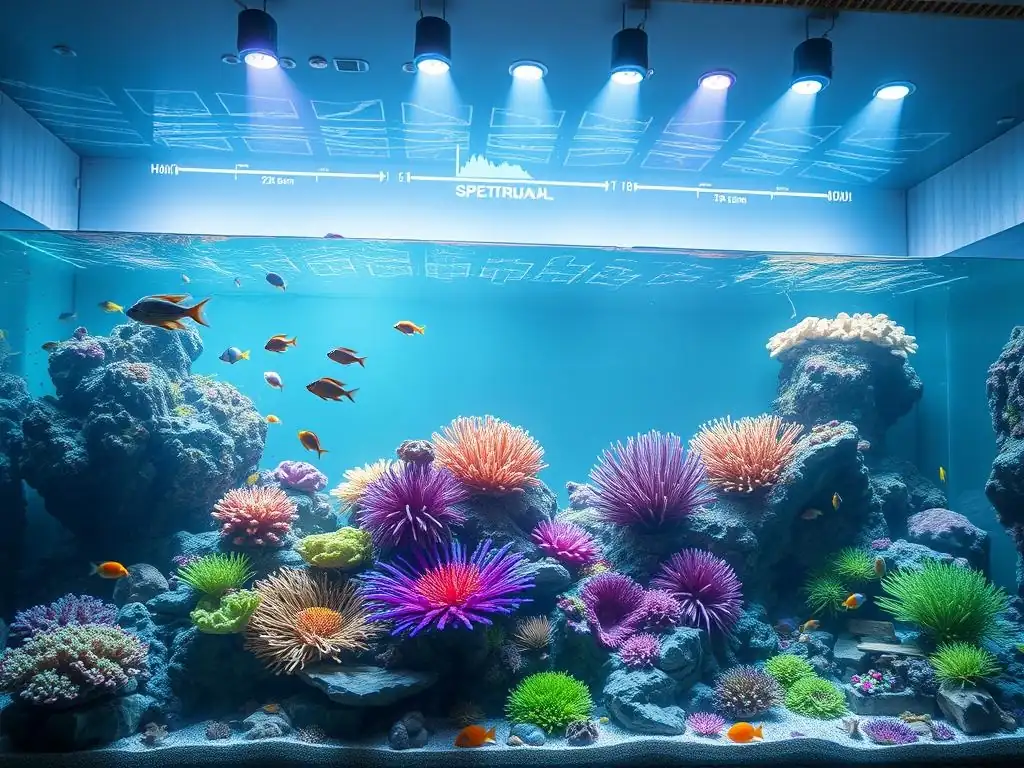
Welcome to Aquarium Mastery!
Ever wondered how to unlock the full potential of your high-tech aquarium? Dive deep into our comprehensive High-Tech Aquarium Lighting Guide and discover the secrets to achieving vibrant colors, flourishing plant growth, and a thriving aquatic ecosystem. Ready to decode spectrum, PAR, and PUR and choose the perfect light for your underwater paradise? Let's get started!
- Understanding High-Tech Aquarium Lighting: A Comprehensive Guide
- Decoding Aquarium Lighting Jargon: PAR, PUR, and Spectrum
- Choosing the Right High-Tech Aquarium Light: A Buyer's Guide
- High-Tech Aquarium Lighting: Reviews and Recommendations
- Optimizing Your High-Tech Aquarium Lighting Setup
- Conclusion: Mastering High-Tech Aquarium Lighting for a Thriving Ecosystem
-
Frequently Asked Questions
- What is the primary difference between high-tech aquarium lighting and standard aquarium lighting?
- What do PAR and PUR stand for, and why are they important in choosing high-tech aquarium lights?
- How does the light spectrum affect plant growth in a high-tech aquarium?
- Can I use high-tech aquarium lighting in a low-tech planted tank?
- What are some common mistakes people make when selecting high-tech aquarium lights?
- Final Reflection: Illuminating the Depths of Understanding
- Ignite Your Aquarium's Potential!
Understanding High-Tech Aquarium Lighting: A Comprehensive Guide
Why High-Tech Lighting Matters for Planted and Reef Aquariums
High-tech aquarium lighting is not merely an accessory; it is the fundamental energy source that drives the complex biological processes within planted and reef aquariums. For aquatic plants and corals, light is as vital as food and water are for land-based organisms.
Inadequate or inappropriate lighting directly leads to stunted growth, poor coloration, and ultimately, the decline of photosynthetic inhabitants. Many professional aquascapers report achieving impressive growth rates of 1 to 2 inches per week for fast-growing stem plants, while many Small Polyp Stony (SPS) corals can add 0.5 to 1 inch of new growth per month under optimal high-tech lighting conditions.
The distinction between basic, low-tech lighting and advanced high-tech solutions lies in precision and control. Basic lighting, such as simple incandescent bulbs or entry-level LEDs, provides general illumination but lacks the specific spectral output and intensity required by demanding species. High-tech aquarium lighting, conversely, offers meticulous control over light intensity (measured in PAR), spectral composition (PUR), and photoperiod.
This granular control is essential for cultivating vibrant, stable ecosystems that mimic natural environments. For instance, a comprehensive high-tech aquarium lighting guide often recommends specific PAR values, such as 50-80 µmol/m²/s for medium-light planted tanks and 200-400 µmol/m²/s for demanding SPS coral reefs, demonstrating the critical role of tailored illumination.
The Importance of Light for Aquarium Health and Growth
Beyond fueling photosynthesis, light plays a crucial role in the overall health and balance of an aquarium ecosystem. Photosynthesis, driven by light, is the primary producer of oxygen within the tank, a vital gas for fish and beneficial bacteria, while simultaneously consuming carbon dioxide. This process is instrumental in maintaining stable water chemistry and reducing the accumulation of excess nutrients. Research conducted at the University of Florida, for example, has indicated that properly illuminated planted tanks often experience significantly fewer algae outbreaks compared to underlit setups, primarily because robust plant growth effectively outcompetes algae for available nutrients.
Furthermore, the quality and quantity of light profoundly influence the aesthetic appeal of an aquarium. The correct spectrum enhances the natural pigments of fish, the vibrant greens and reds of aquatic plants, and the striking fluorescence of corals, transforming the tank into a captivating display.
Specific wavelengths of light can trigger particular physiological responses; blue light, for instance, is known to promote the growth of symbiotic zooxanthellae in corals, while red light encourages stem elongation and branching in plants. A well-designed high-tech aquarium lighting setup can lead to a 30-50% increase in plant biomass within a typical three-month period, not only improving the ecosystem but also elevating the visual splendor of the aquatic landscape.
Decoding Aquarium Lighting Jargon: PAR, PUR, and Spectrum
PAR (Photosynthetically Active Radiation): Measuring Light Intensity
What is PAR and How is It Measured?
PAR, or Photosynthetically Active Radiation, quantifies the total amount of light within the specific wavelength range of 400 to 700 nanometers (nm) that photosynthetic organisms, such as plants and corals, can utilize for energy. It is measured in micromoles per square meter per second (µmol/m²/s). Crucially, PAR measures the quantity of light available for photosynthesis, not its quality or spectral composition.
To put this into perspective, a heavily overcast day might register a PAR of around 500 µmol/m²/s, while direct midday sunlight can exceed 2000 µmol/m²/s. In the controlled environment of an aquarium, PAR values typically range from 20 to 500 µmol/m²/s, depending on the specific setup and the needs of the inhabitants.
Accurate PAR measurement is achieved using a dedicated PAR meter, which features a specialized spherical sensor designed to capture light uniformly from all angles. PAR readings are highly sensitive to factors such as water depth, the distance from the light source, and the presence of any obstructions. A common practice in advanced aquariums involves creating a detailed "PAR map" by taking multiple readings at various points and depths throughout the tank.
This ensures that light is distributed evenly and meets the specific requirements of different areas within the aquascape. For example, a high-power LED fixture might provide 180 µmol/m²/s directly beneath it at a 12-inch depth, but only 60 µmol/m²/s at the tank's corners at the same depth, highlighting the importance of precise mapping in any effective high-tech aquarium lighting guide.
The PAR Requirements of Different Aquarium Plants and Corals
Low-Light Plant PAR Needs: Anubias and Java Fern
Low-light aquatic plants are well-adapted to environments with less intense illumination, typically requiring PAR levels ranging from 15 to 30 µmol/m²/s at the substrate. Popular examples include Anubias barteri, Java Fern ( Microsorum pteropus), and various Cryptocoryne species like Cryptocoryne wendtii. These plants possess a remarkable efficiency in utilizing lower light intensities and can thrive without the need for supplemental CO2 injection or a rigorous fertilization regimen, making them ideal for beginner or low-maintenance planted tanks. For instance, a healthy Anubias nana can maintain robust growth with as little as 20 µmol/m²/s PAR.
It is important to note that providing excessively high PAR to low-light plants can be detrimental. Over-lighting often leads to the proliferation of nuisance algae on plant leaves, or in severe cases, can cause "burning," characterized by yellowing or melting of the foliage.
This underscores the principle that "more light" is not always "better light"; an excess of PAR can stress these plants if other critical parameters, such as available nutrients and CO2, are not proportionally elevated. A common pitfall highlighted in any comprehensive high-tech aquarium lighting guide is the application of excessive light to a low-tech setup, which invariably results in persistent algae issues rather than enhanced plant growth.
High-Light Plant PAR Needs: Rotala and Monte Carlo
Demanding aquatic plants, often referred to as high-light plants, necessitate significantly higher PAR levels, typically ranging from 50 to 100+ µmol/m²/s at the substrate. This category includes popular species like Rotala rotundifolia, Hemianthus callitrichoides (Monte Carlo), Glossostigma elatinoides, and Alternanthera reineckii.
When provided with adequate PAR, alongside consistent CO2 injection and a comprehensive fertilization program, these plants exhibit rapid growth, intense coloration (e.g., the vibrant reds of Rotala varieties), and dense carpeting behavior. For example, a Monte Carlo carpet can fully establish itself across a 10-gallon tank within 2 to 3 months under optimal conditions of 70 µmol/m²/s PAR and consistent CO2.
These high-demand plants require not only intense illumination but also a balanced supply of macro and micronutrients, and critically, a stable source of dissolved CO2. Without these co-factors, even high PAR levels can lead to stunted growth, nutrient deficiencies, or severe algae outbreaks, as the plants are unable to efficiently convert light energy into biomass. To facilitate optimal growth, high-light planted tanks typically maintain dissolved CO2 concentrations in the range of 25-30 parts per million (ppm), demonstrating that light intensity must be balanced with other essential elements for a successful high-tech aquarium lighting setup.
Coral PAR Needs: Soft, LPS, and SPS Corals
Coral PAR requirements vary significantly based on their type, reflecting their natural habitat and photosynthetic efficiency. Soft corals, such as Zoanthids, Mushroom Corals, and Leather Corals, generally thrive in PAR levels between 50 and 150 µmol/m²/s. Large Polyp Stony (LPS) corals, including Euphyllia (Torch, Hammer, Frogspawn), Acanthastrea, and Duncanopsammia, typically require a moderate range of 75-250 µmol/m²/s. Small Polyp Stony (SPS) corals, like Acropora, Montipora, and Stylophora, are the most light-demanding, often needing 200-450+ µmol/m²/s, especially when positioned deeper in the tank. Some shallow-water Acropora species can even benefit from PAR values exceeding 500 µmol/m²/s.
Acclimation is paramount when introducing new corals or significantly upgrading a high-tech aquarium lighting system. Exposing corals to excessively high PAR too rapidly can cause coral bleaching, a phenomenon where the symbiotic zooxanthellae algae are expelled from the coral tissue due to stress. To prevent this, it is crucial to gradually increase light intensity over several weeks. A common acclimation strategy involves starting the new light at 30-50% of its full intensity and then incrementally increasing it by 5-10% weekly, allowing the corals ample time to adapt their photosynthetic machinery and thrive under the new conditions.
PUR (Photosynthetically Usable Radiation): Efficiency for Photosynthesis
Understanding the PUR Spectrum
PUR, or Photosynthetically Usable Radiation, represents the specific wavelengths within the broader PAR range that are most efficiently absorbed and utilized by photosynthetic organisms. While PAR quantifies the total amount of light energy, PUR focuses on the quality of that light – its spectral distribution. For aquatic plants, the most photosynthetically active wavelengths typically fall within the blue (420-470 nm) and red (620-670 nm) regions of the spectrum, which correspond to the peak absorption of chlorophyll.
Although green light is less efficiently absorbed, it still plays a role in penetrating deeper into plant tissues. For corals, the blue spectrum, particularly around 440-470 nm, is exceptionally critical for the photosynthesis of their symbiotic zooxanthellae.
A light fixture may produce a high PAR reading, but if its spectral output does not align with the PUR needs of the inhabitants, it will be less efficient. For instance, a generic white LED might yield a high PAR value but lack sufficient peaks in the blue or red wavelengths, leading to suboptimal growth despite the apparent intensity. Conversely, a light specifically engineered with strong blue and red peaks, even with a slightly lower overall PAR, can promote superior photosynthetic efficiency.
A truly effective high-tech aquarium lighting guide emphasizes PUR alongside PAR. High-end reef lights, for example, often exhibit a pronounced spectral peak around 450-460 nm (royal blue) and a secondary peak near 660 nm (deep red) to maximize coral PUR.
How PUR Impacts Plant and Coral Growth
Optimized PUR directly translates to more efficient photosynthesis, resulting in accelerated growth and enhanced coloration in both plants and corals. For aquatic plants, a balanced PUR spectrum, rich in both red and blue light, is essential. Red light is vital for chlorophyll a absorption, promoting stem elongation and flowering, while blue light influences chlorophyll b production and encourages compact, bushy growth.
A light with an ideal PUR profile can lead to faster growth rates, stronger root systems, and more vibrant leaf coloration. For example, plants grown under a light with optimized red/blue PUR can exhibit up to 20% faster growth compared to those under a broad-spectrum light with similar overall PAR.
In reef aquariums, blue light, specifically within the 440-470 nm range, is paramount for the photosynthetic activity of coral zooxanthellae. This wavelength also penetrates deeper into the water column than other colors, reaching corals at various depths. Lights with a strong PUR component in the blue spectrum promote healthier coral tissue, facilitate calcification for skeletal growth, and enhance the stunning fluorescence that reef aquarists highly value. Many successful reef aquariums aim for a color temperature equivalent to 14,000K to 20,000K, which is rich in blue light, to maximize coral PUR and achieve desirable visual effects.
Spectrum: The Color of Light and Its Effects on Your Aquarium
Full Spectrum vs. Specific Spectrum Lighting: What's the Difference?
"Full spectrum" lighting aims to replicate the comprehensive range of wavelengths found in natural sunlight, typically encompassing the entire visible light spectrum from approximately 400 to 700 nanometers. These lights generally appear white to the human eye, often targeting a color temperature of 6500K-7500K, which is considered ideal for promoting overall plant growth and achieving natural color rendition in planted aquariums. They provide a balanced output across all colors, ensuring that plants receive all necessary wavelengths for various physiological processes, from photosynthesis to photomorphogenesis.
In contrast, "specific spectrum" lighting focuses on emphasizing particular wavelengths, often to maximize targeted biological processes or aesthetic outcomes. For instance, reef tank lights are predominantly blue, with strong peaks in the royal blue and violet ranges, because these wavelengths are crucial for coral zooxanthellae photosynthesis and fluorescence. Similarly, some planted tank lights might boost red and blue channels to accelerate plant growth, even if the overall light appears less "natural" to the human eye.
While not visually replicating sunlight, specific spectrum lights are highly efficient for their intended purpose, making them a cornerstone of any detailed high-tech aquarium lighting guide. A reef light, for example, might have 60-70% of its total output concentrated in the blue spectrum.
The Role of Red, Blue, and Green Light in Photosynthesis
Each primary color of light plays a distinct role in photosynthesis and overall plant and coral health. Red light (620-700 nm) is highly absorbed by chlorophyll a and b, making it exceptionally efficient at driving the primary photosynthetic reactions. It primarily promotes stem elongation, leaf expansion, and can induce flowering in some aquatic plants. However, an excess of red light without sufficient blue can lead to "leggy" or stretched plant growth.
Blue light (400-500 nm) is also strongly absorbed by chlorophylls and carotenoids. It influences compact growth, chlorophyll production, and the opening of stomata in plants. In corals, blue light is absolutely paramount for zooxanthellae photosynthesis and contributes significantly to coral coloration and health.
Green light (500-600 nm), while historically considered less important for photosynthesis due to its lower absorption by chlorophyll, is now recognized for its unique contributions. Recent research suggests that green light penetrates deeper into plant tissues and water columns, reaching lower leaves that might be shaded from red and blue light.
It also plays a vital role in enhancing the visual vibrancy of green plants and fish, making the aquarium more aesthetically pleasing. While red and blue light account for the majority of photosynthetic efficiency, a small percentage of green light (e.g., 10-20% of total light output) can significantly improve the overall health and visual appeal of a high-tech planted tank.
Adjusting Spectrum for Optimal Color Rendition and Growth
Modern high-tech aquarium lighting, particularly advanced LED fixtures, offers unprecedented control over the light spectrum. Aquarists can precisely customize the ratio of red, green, and blue (RGB) LEDs, often in conjunction with white and specialized UV/violet diodes, to achieve specific aesthetic looks or optimize for particular growth goals. For a vibrant planted tank, a balanced spectrum with strong peaks in the red and blue regions, complemented by sufficient green light for visual "pop," is often desired to promote both lush growth and striking coloration.
For reef tanks, spectrum adjustment primarily involves tuning the various blue channels (e.g., royal blue, deep blue, violet) to enhance coral fluorescence and coloration, while incorporating white, red, and green channels for visual balance and to meet the broader spectral needs of zooxanthellae. Many high-end reef lights allow control over 7-10 or more individual LED channels.
For example, a popular setting for SPS corals might involve a spectrum comprising 80% blue, 10% violet, 5% white, and 5% red/green, providing both optimal PUR for coral growth and stunning visual effects. This level of customization is a defining characteristic of a truly effective high-tech aquarium lighting guide.
Choosing the Right High-Tech Aquarium Light: A Buyer's Guide
Factors to Consider When Selecting an Aquarium Light
Tank Size and Depth: Matching Light to Your Aquarium Dimensions
When selecting high-tech aquarium lighting, the physical dimensions of your tank, especially its depth, are paramount. A light fixture designed for a shallow 12-inch deep tank will inevitably be insufficient for a 24-inch or deeper tank, regardless of its PAR output at the surface. This is because light intensity diminishes significantly with water depth due to absorption and scattering.
Deeper tanks necessitate more powerful fixtures or multiple units to ensure that adequate PAR levels reach the substrate for plants or the lower coral colonies. As a general rule, light intensity can decrease by as much as 50% for every 10-12 inches of water depth in certain setups.
Furthermore, consider the footprint of the light fixture relative to the tank's length and width. A single, powerful point-source LED might create intense "hot spots" directly underneath it while leaving significant areas at the tank edges underlit, leading to uneven growth. Wider or longer tanks often benefit from multiple smaller fixtures or a single, longer fixture equipped with wide-angle optics to ensure uniform light distribution across the entire aquascape.
For example, a single 24-inch light fixture might only effectively cover a 30-inch area of a 48-inch long tank, leaving the ends underlit and prone to algae or stunted growth. This crucial consideration is a cornerstone of any practical high-tech aquarium lighting guide.
Plant and Coral Types: Tailoring Light to Your Inhabitants
It is absolutely crucial to match the light intensity (PAR) and spectral composition (PUR) precisely to the specific requirements of your aquarium's inhabitants. Attempting to illuminate a tank predominantly populated by low-light plants like Java Moss or soft corals such as Mushroom Corals with a light designed for high-demand Acropora corals or carpeting plants like Monte Carlo will inevitably lead to severe algae outbreaks and stress for the less demanding species. Conversely, placing high-demand plants or corals under insufficient lighting will result in stunted growth, poor coloration, and eventual failure to thrive, negating the purpose of a high-tech setup.
Before making a purchase, thoroughly research the specific PAR and spectrum requirements of every plant or coral species you intend to keep. For instance, a planted tank aiming to cultivate a dense Monte Carlo carpet will require a light fixture capable of consistently delivering 70-100 µmol/m²/s PAR at the substrate level. In contrast, a tank primarily featuring Anubias or Cryptocorynes might only need 20-30 µmol/m²/s. This targeted approach prevents both unnecessary overspending on overpowered equipment and the frustration of underperformance, making informed decisions a key component of any effective high-tech aquarium lighting guide.
Budget: Balancing Performance and Cost
High-tech aquarium lighting represents a significant investment, with costs ranging from a few hundred dollars for entry-level setups to well over a thousand for premium, feature-rich systems. While budget constraints are a reality for most hobbyists, it is important to view this expenditure as an investment that often yields long-term benefits.
A quality light fixture typically leads to superior plant and coral health, reduced energy consumption (especially with modern LEDs), and fewer frustrating issues like persistent algae blooms or stunted growth. A mid-range LED fixture suitable for a 20-gallon planted tank might cost between $150 and $300, whereas a high-end unit for a 120-gallon reef tank could range from $800 to $1500 or even more.
Aquarists should prioritize features based on their specific needs and goals. If precise spectrum control, advanced programming capabilities, and maximum PAR output are crucial for a high-end reef or heavily planted tank, a higher budget is unequivocally justified.
For a moderately planted tank with less demanding species, a more budget-friendly LED with reliable PAR output and a suitable fixed full spectrum might be perfectly adequate. While the initial cost varies, LEDs generally boast significantly lower operating costs due to their superior energy efficiency (often consuming 50-70% less energy than traditional metal halides) and remarkably longer lifespans, typically exceeding 50,000 hours, making them a cost-effective choice in any modern high-tech aquarium lighting guide.
High-Tech Aquarium Light Options: LEDs, Metal Halides, and T5s
LED Aquarium Lights: Energy Efficiency and Controllability
LEDs (Light Emitting Diodes) have rapidly become the dominant and most popular choice for high-tech aquarium lighting due to their continuous innovation and numerous advantages. Their primary benefits include exceptional energy efficiency, often consuming 50-70% less power than older lighting technologies for comparable light output. LEDs also boast an impressively long lifespan, with many fixtures rated for 50,000 hours or more, significantly reducing the frequency and cost of bulb replacements. Crucially, LEDs offer unparalleled controllability, allowing for precise dimming, fine-tuning of spectrum across multiple color channels, and sophisticated programming of photoperiods, including realistic sunrise and sunset simulations.
The versatility of LED high-tech aquarium lighting is another significant draw. They are available in a vast array of designs, from compact units perfectly suited for nano tanks to powerful, modular arrays capable of illuminating the largest reef systems. Their relatively low heat output (compared to metal halides) and compact form factor make them easy to integrate seamlessly into diverse aquarium setups.
While the initial purchase cost of premium LED fixtures can be higher, their long-term economic benefits, derived from lower running costs and extended longevity, often make them the most economical choice over several years. For instance, a 150-watt metal halide fixture might incur $15-$20 in monthly electricity costs, whereas a comparable 75-watt LED might only cost $7-$10, solidifying their position as a top recommendation in any high-tech aquarium lighting guide.
Example: The AquaIllumination Hydra 64 HD LED Reef Light: Features and Benefits
The AquaIllumination (AI) Hydra 64 HD stands as a premier example of high-end high-tech aquarium lighting for reef tanks, setting a benchmark for performance and control. A key innovation is its "HD" (HyperDrive) technology, which dynamically reallocates power from unused color channels to active ones, allowing for higher maximum output on the colors actually being used. This fixture offers an extensive and highly customizable color spectrum through its 7 distinct color channels, including specialized UV, violet, royal blue, deep blue, green, red, and cool white diodes, enabling precise tuning for specific coral coloration and growth goals.
Control of the Hydra 64 HD is intuitive and comprehensive, managed effortlessly via the MyAI app, available on smart devices. This application provides robust scheduling capabilities, allowing for complex light programs, simulated weather effects like cloud cover, and gradual acclimation modes for new corals.
Its formidable PAR output can readily exceed 300-400 µmol/m²/s at depths of 18-24 inches, making it perfectly suited for even the most demanding SPS coral species. The Hydra 64 HD's compact design, coupled with its efficient active cooling system, further enhances its appeal, establishing it as a leading choice in the realm of high-tech aquarium lighting.
Example: The NICREW ClassicLED Plus Planted Aquarium Light: A Budget-Friendly Option
For aquarists seeking an effective yet budget-friendly high-tech aquarium lighting solution for planted tanks, the NICREW ClassicLED Plus offers an excellent balance of performance and affordability. While it may not boast the granular control of premium fixtures, it provides a robust full-spectrum output, typically ranging from 6500K to 7500K, which is well-suited for low to medium-light aquatic plants. Its straightforward design, often featuring a slim profile and adjustable mounting brackets, ensures easy installation and compatibility with various tank sizes.
This fixture consistently delivers PAR values in the range of 30-50 µmol/m²/s at 12-18 inches depth, making it ideal for popular and relatively undemanding plants such as Vallisneria, Amazon Swords, and Java Moss. Despite lacking advanced programmable features, its consistent light output and reliable performance make it a highly popular choice for beginners entering the planted tank hobby or for experienced aquarists seeking a cost-effective, dependable high-tech aquarium lighting setup. It proves that effective plant growth can be achieved without breaking the bank, offering a practical entry point into the world of specialized aquarium illumination.
Metal Halide Aquarium Lights: High Intensity for Demanding Corals
Historically, metal halide lighting was the undisputed gold standard for high-intensity illumination in demanding reef aquariums, particularly those housing sensitive and light-hungry SPS corals. These fixtures are renowned for their immense PAR output and exceptional light penetration, often delivering PAR values of 400-600 µmol/m²/s at significant depths (24-36 inches). Their point-source nature creates a distinctive and highly desirable "shimmer" effect on the water's surface, closely mimicking the natural light conditions found on sun-drenched coral reefs.
While their popularity has waned with the advent of more energy-efficient and controllable LED technologies, metal halides remain undeniably effective for raw light intensity. They typically produce a broad, balanced spectrum that has been proven to support overall coral health and vibrant coloration. Despite their efficacy in delivering high PAR, the inherent drawbacks associated with metal halide technology often lead modern aquarists to consider alternative high-tech aquarium lighting solutions that offer a better balance of performance, efficiency, and convenience.
Considerations: Heat Management and Energy Consumption
The significant drawbacks of metal halide lighting primarily revolve around their substantial heat generation and considerable energy consumption. A single 250-watt metal halide bulb can notably increase the tank's water temperature by several degrees Fahrenheit, frequently necessitating the use of a chiller, especially in warmer climates. This additional equipment not only adds to the initial setup cost but also contributes significantly to ongoing operational expenses. Furthermore, their high energy draw translates directly into considerably higher electricity bills compared to their LED counterparts, making long-term running costs a major factor.
Another notable disadvantage is their relatively short bulb lifespan, typically ranging from just 6 to 12 months, which mandates regular and often costly bulb replacements. Unlike modern LEDs, metal halide fixtures also lack inherent dimmability and precise spectrum control without the addition of complex and expensive external equipment. These combined factors of high heat output, substantial energy consumption, frequent bulb replacement, and limited controllability contribute to higher long-term maintenance and running costs, making them a less appealing choice for many modern high-tech aquarium lighting setups, despite their initial intensity.
T5 Aquarium Lights: Proven Performance and Wide Spectrum
T5 fluorescent lights represent a well-established and highly effective option in the realm of high-tech aquarium lighting, particularly favored for planted tanks and mixed reef aquariums. T5 fixtures are known for providing excellent light spread, ensuring consistent PAR output across the entire length of the tube. Their primary advantage lies in their superior spectral control, which is achieved by utilizing a variety of specialized bulb types, including daylight, actinic, purple, and red spectrum bulbs. This allows aquarists to precisely tailor the light to their specific needs, and T5s are considerably more energy-efficient than older T8 or compact fluorescent bulbs.
These lights are capable of producing substantial PAR values, especially when multiple bulbs are incorporated into a single fixture. For instance, a well-configured 4-bulb T5 fixture positioned over a 24-inch deep tank can readily deliver 100-150 µmol/m²/s PAR at the substrate, a range perfectly suitable for supporting most high-light demanding aquatic plants. T5 bulbs are also praised for their consistent light output throughout their operational lifespan, which typically ranges from 12 to 18 months before replacement is recommended.
Combining T5s for a Customized Spectrum
One of the most compelling features of T5 high-tech aquarium lighting is the ability to "mix and match" different bulb types to construct a highly customized spectrum. This modularity allows aquarists to fine-tune the light output to meet the precise needs of their specific inhabitants. For a planted tank, a common and effective combination might involve using two 6500K daylight bulbs alongside two red/pink spectrum bulbs. This blend significantly enhances plant growth and promotes vibrant coloration, particularly in red-leafed species.
For reef aquariums, a popular T5 combination often includes a mix of blue/actinic bulbs with daylight or purple-spectrum bulbs. This combination effectively promotes coral fluorescence, supports zooxanthellae photosynthesis, and provides a visually appealing blend of colors.
This intrinsic modularity offers a high degree of control over the PUR spectrum without the complexity or higher cost often associated with advanced LED controllers. While T5 bulbs do require periodic replacement, their proven performance and the ability to create a biologically effective and aesthetically pleasing spectrum make them a strong contender in any comprehensive high-tech aquarium lighting guide, especially for those seeking a balance between cost and performance.
High-Tech Aquarium Lighting: Reviews and Recommendations
Best High-Tech LED Aquarium Lights for Planted Tanks in 2024
Review: Twinstar 600EA LED Light: A Deep Dive into Its Features and Benefits
The Twinstar 600EA LED light is a highly acclaimed fixture within the planted aquarium community, celebrated for its sleek, minimalist design and exceptional color rendition. This high-tech aquarium lighting solution features a meticulously balanced blend of white, red, green, and blue LEDs specifically engineered to optimize growth and enhance the natural vibrancy of freshwater aquatic plants. It is particularly effective at promoting intense reds in species like Rotala H'ra and lush greens in carpeting plants, while its passive cooling system ensures completely silent operation, a significant advantage for home aquariums.
Designed for serious planted tank enthusiasts, the 600EA model is specifically suited for tanks approximately 60cm (24 inches) in length. It typically consumes between 60 and 70 watts of power and is capable of delivering impressive PAR values ranging from 80 to 120 µmol/m²/s at an 18-inch depth. This makes it an ideal choice for high-tech planted setups that require consistent CO2 injection and robust nutrient dosing to support demanding plant species and achieve professional-level aquascapes.
PAR and PUR Performance Analysis of the Twinstar 600EA
The PAR output of the Twinstar 600EA is notably consistent across a 24-inch tank footprint, effectively minimizing the creation of undesirable hot spots or shadowed areas. At a depth of 12 inches, for instance, PAR readings directly beneath the fixture often range from 150-200 µmol/m²/s, gradually diminishing to 80-100 µmol/m²/s towards the edges of the tank. This uniform distribution is critical for promoting even and healthy plant growth throughout the entire aquascape, preventing situations where some plants thrive while others struggle due to light variability.
From a PUR perspective, the Twinstar 600EA's spectrum is precisely engineered to feature prominent peaks in the red (approximately 660 nm) and blue (around 450 nm) regions. These wavelengths are known to be most efficiently absorbed by chlorophyll, directly contributing to vigorous photosynthesis. This optimized PUR profile results in robust stem elongation, strong root development, and significantly intensified coloration in red-pigmented plants, solidifying its reputation as a leading choice in any comprehensive high-tech aquarium lighting guide.
Color Rendering Capabilities of the Twinstar 600EA
Beyond its photosynthetic efficacy, the Twinstar 600EA is highly lauded for its superior color rendering capabilities, which make aquarium inhabitants "pop." It masterfully enhances the vibrant reds in plants such as Rotala macrandra and the rich greens of carpeting plants like Monte Carlo. The fixture provides a crisp, natural daylight appearance that is neither overly blue nor excessively yellow, creating an aesthetically pleasing and realistic visual experience of the planted scape.
While its primary function is to support robust plant growth, the Twinstar 600EA's exceptional color rendition is a significant added benefit for aquascapers. The light brings out the subtle nuances of plant colors and the intricate patterns of fish, which might otherwise appear dull or washed out under less sophisticated lighting. This dual strength in both biological performance and visual appeal makes it a top recommendation within any high-tech aquarium lighting guide focused on achieving both healthy growth and stunning aesthetics.
Review: ONF Flat Nano+ LED: Programmability and Growth
The ONF Flat Nano+ LED is a premium, compact lighting solution designed specifically for nano planted tanks, typically suitable for aquariums up to 45cm (18 inches) in length. Despite its diminutive size, this fixture delivers remarkable power and incorporates advanced features, positioning it as a sophisticated high-tech aquarium lighting option for smaller aquascapes. It typically operates at a power consumption of around 15-20 watts, making it energy-efficient for its output.
Key selling points of the ONF Flat Nano+ include its integrated dimmer, which allows for manual intensity adjustments, and a sophisticated app-controlled programming system. This app enables users to set highly customized light schedules, including realistic sunrise and sunset effects, and fine-tune the spectrum for intense plant growth and vibrant colors. It is frequently chosen by dedicated aquascapers who prioritize precise control, a minimalist aesthetic, and uncompromising performance in their smaller aquatic setups.
The ONF Flat Nano+'s Spectrum Options
The ONF Flat Nano+ provides a comprehensive full-spectrum output, generally around 7000K, designed to mimic natural daylight conditions. While it doesn't offer individual color channel control like some larger reef lights, its accompanying mobile application allows for sophisticated control over intensity and the setting of intricate custom light schedules. This includes programmable ramp-up and ramp-down periods for sunrise/sunset effects, creating a less stressful and more natural lighting environment for aquarium inhabitants.
Its spectrum is meticulously tuned to enhance the red and green pigments in aquatic plants, resulting in visually striking aquascapes. The light promotes strong, true-to-life coloration in species such as Ludwigia Super Red and maintains the vibrant green hues of carpeting plants, making it a versatile and aesthetically pleasing option for any high-tech aquarium lighting guide focused on planted tanks. This precise tuning ensures that plants not only grow well but also display their most vibrant potential.
Real-World Results: Plant Growth with the ONF Flat Nano+
In real-world applications, the ONF Flat Nano+ consistently delivers robust growth in even the most demanding carpeting plants, including Dwarf Hairgrass and Monte Carlo. When paired with consistent CO2 injection and a comprehensive nutrient dosing regimen, users frequently report achieving dense, lush carpets within 8-10 weeks. Stem plants exhibit strong vertical growth, with species like Rotala often adding 1-2 inches per week, accompanied by excellent side branching, leading to a fuller, healthier appearance.
Despite its compact size, the ONF Flat Nano+'s PAR output is remarkably impressive for nano tanks, typically providing 60-90 µmol/m²/s at depths of 10-12 inches. This powerful output ensures that it is fully capable of supporting even challenging, high-light demanding plants in smaller setups. Its combination of performance, programmability, and compact design solidifies its position as a top-tier high-tech aquarium lighting option for dedicated nano planted tank enthusiasts.
Top High-Tech LED Aquarium Lights for Reef Tanks in 2024
Review: Ecotech Marine Radion G6 Pro: Advanced Control and Spectrum Tuning
The EcoTech Marine Radion G6 Pro stands as a flagship high-tech LED light, designed for the most discerning reef aquarists. It is widely recognized for its cutting-edge technology, including advanced HEI2 (Hemispherical Edge Illumination) optics that ensure superior light spread and exceptional penetration, minimizing shadowing and hot spots. The G6 Pro boasts a highly customizable spectrum with multiple independent LED channels, catering specifically to the needs of the most demanding SPS coral keepers.
This fixture features robust build quality, incorporating active cooling to maintain optimal operating temperatures and prolong LED lifespan. It seamlessly integrates with EcoTech's intuitive Mobius app and other VorTech and Vectra equipment, offering a unified control ecosystem. The Radion G6 Pro models typically consume between 170-200 watts depending on the specific unit, and a single fixture is engineered to provide comprehensive lighting for tanks up to 30x30 inches, making it a powerful solution for a high-tech aquarium lighting setup.
Radion G6 Pro: PAR and PUR Metrics for Coral Growth
The Radion G6 Pro excels in both PAR output and spectral efficiency, providing exceptional light for coral growth. It is capable of delivering PAR values exceeding 400-500 µmol/m²/s at depths of 18-24 inches, making it perfectly suited for the most light-hungry Acropora and Montipora species. Its innovative HEI2 optics ensure a remarkably even PAR spread across the entire tank, significantly reducing shadowing and localized hot spots, which is crucial for uniform coral health and growth.
Its sophisticated PUR optimization is achieved through 10 distinct LED channels, including specialized UV, violet, and deep blue diodes. These specific wavelengths are critically important for the photosynthesis of coral zooxanthellae and for enhancing coral fluorescence. The ability to individually tune these channels allows aquarists to precisely match the PUR needs of their diverse coral inhabitants, leading to accelerated growth, enhanced coloration, and overall vitality. This level of granular detail is indispensable for any comprehensive high-tech aquarium lighting guide focused on advanced reef keeping.
Radion G6 Pro: Spectrum Control and Customization
The EcoTech Marine Radion G6 Pro offers unparalleled spectrum control and customization through its intuitive Mobius app. Users can create highly detailed daily light schedules, adjusting intensity and color points at precise 15-minute intervals. This allows for the simulation of realistic sunrise and sunset cycles, dynamic cloud cover effects, and even accurate lunar phases, meticulously mimicking natural reef conditions and reducing stress on inhabitants.
Furthermore, the app provides the flexibility to fine-tune the color output for specific coral aesthetics or growth objectives. For example, increasing the intensity of violet and deep blue channels can significantly enhance the "pop" of fluorescent proteins in corals, while adjusting white and red channels can provide a more natural daylight appearance. The "CoralLab" feature within the app even suggests optimal spectrums for various coral types, making the Radion G6 Pro a truly advanced and adaptable high-tech aquarium lighting solution for demanding reef environments.
Review: AI Prime 16HD Reef: Compact Power and Affordability
The AquaIllumination (AI) Prime 16HD Reef is an exceptionally popular and compact LED light, ideally suited for nano reef tanks (up to 24x24 inches) or as supplemental lighting for larger systems. It ingeniously leverages the same "HD" (HyperDrive) technology found in the larger Hydra series, enabling dynamic power allocation across its LED channels. This allows it to deliver impressive light output despite its small footprint. At full power, the AI Prime 16HD Reef typically consumes around 55 watts, striking an excellent balance between energy efficiency and performance.
This fixture stands out for its compelling balance of performance, affordability, and advanced features. Despite its compact size, it offers comprehensive spectrum control and smart functionalities, making high-tech aquarium lighting accessible to a broader range of reef keepers. Its user-friendly interface and robust capabilities have made it a go-to choice for hobbyists looking for a powerful yet space-efficient lighting solution.
AI Prime 16HD Reef: PAR and PUR Metrics for Coral Growth
The AI Prime 16HD Reef delivers an impressive PAR output for its compact size. It is capable of providing 150-250 µmol/m²/s PAR at depths of 12-18 inches, making it perfectly suitable for a wide array of soft corals, LPS (Large Polyp Stony) corals, and even some of the less demanding SPS (Small Polyp Stony) corals often found in nano reef tanks. Its innovative HD technology ensures that power is efficiently distributed across its 16 individual LEDs, maximizing light delivery to the corals.
The fixture's PUR optimization is achieved through its 7 distinct color channels, which include UV, violet, royal blue, deep blue, green, red, and cool white. This broad spectral capability allows for precise tuning to meet the specific photosynthetic needs of various coral types, promoting healthy growth, vibrant coloration, and desirable fluorescence. This comprehensive spectral control is a significant advantage for a compact high-tech aquarium lighting setup, ensuring corals receive the exact light they need to thrive.
AI Prime 16HD Reef: Spectrum Control and Customization
The AI Prime 16HD Reef offers user-friendly and extensive spectrum control via the MyAI app. Aquarists can effortlessly adjust individual color channels, set custom daily light schedules, and utilize a variety of pre-programmed lighting modes. The app provides a clear visual representation of the spectrum, making it intuitive to dial in desired colors and intensities to achieve specific aesthetic looks or optimize for coral growth.
This fixture's flexibility makes it highly versatile for different reef setups. Whether the goal is a deep blue, "actinic" look to maximize coral fluorescence and "pop," or a brighter, more natural white appearance, the AI Prime 16HD allows for extensive customization. This combination of powerful performance, advanced features, and an attractive price point solidifies its position as a top recommendation in any high-tech aquarium lighting guide, particularly for those with smaller reef tanks or seeking supplemental lighting.
High-Tech Aquarium Lighting: Dimmers, Controllers and Accessories
Controlling Your Light: Dimmers and Timers
Dimmers and timers are indispensable components in any high-tech aquarium lighting setup, providing essential control over the light environment. Dimmers allow for precise adjustment of light intensity, which is crucial for the gradual acclimation of new inhabitants to a powerful lighting system or for fine-tuning PAR levels to prevent algae or stress. Timers automate the photoperiod, ensuring consistent daily light cycles (e.g., 8-10 hours for most planted tanks, 10-12 hours for reef tanks). This consistency is vital for preventing nuisance algae outbreaks and maintaining the natural biological rhythms of aquatic life.
A distinction exists between integrated controllers, which are common in high-end LED fixtures, and external dimmers or timers. Integrated systems often boast advanced features such as realistic sunrise/sunset simulations, dynamic cloud effects, and lunar cycles, providing a more natural and less stressful transition for aquarium inhabitants. External timers, while simpler, are nonetheless essential for lights without built-in control, ensuring consistent daily on/off cycles. For instance, a common digital timer can be programmed for multiple daily on/off periods and can manage several lighting devices simultaneously, a basic yet crucial element in any high-tech aquarium lighting guide.
Monitoring PAR: PAR Meters and Sensors
The accurate assessment of light intensity in a high-tech aquarium is critical, and this is where PAR meters become indispensable tools. Relying solely on visual estimation of light levels is inherently unreliable; a PAR meter provides objective, quantitative data in µmol/m²/s, precisely indicating how much photosynthetically active light is reaching different depths and areas of the tank. This data is absolutely crucial for optimizing light placement, adjusting fixture height, and setting intensity levels to meet the exact needs of plants and corals.
PAR meters help aquarists prevent both over-lighting, which often leads to rampant algae blooms, and under-lighting, which results in stunted growth and poor health for photosynthetic organisms. While professional-grade PAR meters can represent a significant investment, often ranging from $400-$700, some companies offer rental services, or hobbyists may opt for more affordable, albeit less precise, handheld sensors. Regular PAR measurements, ideally taken quarterly, are recommended to ensure consistent light delivery as LED diodes age or as the aquascape evolves. This proactive monitoring is a vital step outlined in any comprehensive high-tech aquarium lighting guide.
Example: Apogee Instruments MQ-510 PAR Meter: Accurate PAR Measurement
The Apogee Instruments MQ-510 PAR Meter is widely recognized and highly regarded as one of the most accurate and reliable PAR meters available for aquarium use. It features a robust, submersible quantum sensor specifically designed to provide precise measurements of photosynthetically active radiation (400-700 nm) even underwater. Its durable construction and consistent, dependable readings have made it a favorite tool among serious aquarists, professional aquascapers, and researchers.
The primary benefit of the MQ-510 is its ability to provide instantaneous PAR readings, empowering aquarists to create detailed "PAR maps" of their tanks. This capability allows for exceptionally precise adjustments of light height, intensity settings, and even the strategic placement of light fixtures to ensure optimal and uniform light distribution for all plants and corals. While representing a considerable investment, typically exceeding $500, the Apogee MQ-510's unmatched accuracy is invaluable for those truly committed to mastering and optimizing their high-tech aquarium lighting setup for peak performance and health.
Optimizing Your High-Tech Aquarium Lighting Setup
Acclimation: Slowly Introduce New Lighting to Your Aquarium
The process of acclimation is critical when introducing a new, more powerful high-tech aquarium lighting system or adding new, light-sensitive inhabitants to an existing high-light setup. A sudden, drastic increase in PAR and a shift in spectrum can severely shock plants and corals. This shock can manifest as stress, melting (in plants), or bleaching (in corals), as their symbiotic algae struggle to adapt to the abrupt change in light intensity and quality. The photosynthetic machinery of these organisms requires time to adjust to new light conditions, and rapid changes can overwhelm their systems.
To prevent such stress, a gradual increase in light intensity over several weeks is highly recommended. A common strategy involves starting the new light at a reduced intensity, typically 50-60% of its full power, or initially shortening the photoperiod by 2-3 hours.
Subsequently, the intensity can be gradually increased by 5-10% weekly, or the photoperiod extended by 30 minutes every few days, until the desired light levels and duration are achieved. This slow and controlled transition allows plants and corals to adjust their photosynthetic pigments and chlorophyll content, significantly minimizing stress and ensuring a smoother adaptation to the new high-tech aquarium lighting.
Fine-Tuning: Adjusting Spectrum and Intensity for Optimal Results
Even with the guidance of a comprehensive high-tech aquarium lighting guide, initial settings are often merely a starting point. Continuous observation of plant and coral health, growth rates, and coloration is absolutely essential for effective fine-tuning. For aquatic plants, closely monitor leaf color, stem thickness, the direction of growth, and any signs of algae. For corals, observe polyp extension, tissue integrity, and the vibrancy of their colors. These visual cues provide invaluable feedback on whether your lighting parameters are optimal.
Provide examples of specific adjustments: If stem plants appear "leggy" or stretched with sparse leaves, it's a clear indication of insufficient light intensity, suggesting an increase in PAR or blue light. If nuisance algae is rampant, consider reducing overall light intensity by 10-20% or shortening the photoperiod. If corals show signs of bleaching, immediately reduce light intensity. Modern LED controllers, which allow for precise adjustments of individual color channels, empower aquarists to experiment and dial in the perfect balance for their specific tank's needs, often leading to superior growth and aesthetics within 4-6 weeks of consistent optimization.
Troubleshooting Common Lighting Issues
Algae Blooms: Identifying and Addressing Light-Related Causes
Algae blooms are a common and frustrating symptom of imbalances within an aquarium, frequently linked to lighting issues. Excessively high PAR levels, an overly long photoperiod (e.g., exceeding 10-12 hours daily), or an imbalanced spectrum (such as too much green light for planted tanks) can all contribute to rapid algae proliferation. This occurs because algae species are often more opportunistic and efficient at utilizing excess light and available nutrients compared to desirable aquatic plants or corals, quickly outcompeting them.
To address light-related algae issues, several corrective actions can be taken. Begin by reducing the overall light intensity (PAR) by 10-20% or shortening the photoperiod by 1-2 hours. Raising the light fixture higher above the water surface can also effectively reduce PAR. Crucially, ensure that desired plants have adequate CO2 and nutrient levels to outcompete algae for resources. For instance, reducing the photoperiod from 12 hours to 8 hours for a period of 1-2 weeks can often significantly curb persistent algae growth, a key troubleshooting tip in any effective high-tech aquarium lighting guide.
Plant Deficiencies: Recognizing and Correcting Light-Related Issues
Insufficient or incorrect lighting can directly manifest as various plant deficiencies, even when other nutrients are seemingly adequate. Common signs include yellowing or pale leaves, stunted growth, lack of vibrant coloration, or even the melting of plant foliage. These symptoms often indicate that the plants are not receiving enough PAR, or that the light spectrum lacks the essential red or blue wavelengths critical for efficient photosynthesis and healthy development.
Corrective actions typically involve increasing the available PAR by either lowering the light fixture closer to the water surface or increasing the light's intensity settings. If using a customizable LED, adjust the spectrum to boost the red and blue channels, as these are vital for chlorophyll production and overall plant vigor.
It is also important to differentiate light-related deficiencies from nutrient deficiencies; for example, iron deficiency usually causes yellowing of new leaves, whereas general light deficiency might affect older leaves or overall growth without specific pattern. If stem plants are noticeably "stretching" towards the light with sparse leaves, it's a clear indication of insufficient intensity that needs to be addressed for optimal high-tech aquarium lighting.
Conclusion: Mastering High-Tech Aquarium Lighting for a Thriving Ecosystem
Mastering high-tech aquarium lighting is undeniably one of the most critical aspects of cultivating a thriving and aesthetically captivating aquatic ecosystem, whether it's a lush planted tank or a vibrant reef. The comprehensive shift towards highly efficient, precisely controllable, and spectrally versatile LED systems has revolutionized the hobby, offering aquarists unprecedented tools to mimic natural light conditions. A deep understanding of fundamental concepts like PAR (Photosynthetically Active Radiation), PUR (Photosynthetically Usable Radiation), and the specific roles of different light spectrums is no longer optional, but essential for achieving sustained success and vibrant health in your aquatic inhabitants.
The Future of Aquarium Lighting Technology
Looking ahead, the future of high-tech aquarium lighting technology promises even more remarkable innovations. We can anticipate continued advancements in LED efficiency, leading to even lower power consumption and higher light output from smaller footprints. Miniaturization will likely allow for more discreet and integrated lighting solutions, seamlessly blending with tank aesthetics.
The integration of "smart" technologies, such as AI-driven light programs that dynamically adapt to real-time tank conditions (e.g., nutrient levels, CO2 fluctuations), or even more precise spectral targeting for specific photosynthetic pigments, is a strong possibility. These ongoing developments will undoubtedly lead to even more user-friendly interfaces and potentially more affordable, high-performance options, making the mastery of high-tech aquarium lighting increasingly accessible and rewarding for hobbyists worldwide.
Frequently Asked Questions
What is the primary difference between high-tech aquarium lighting and standard aquarium lighting?
High-tech lighting generally refers to lights with higher intensity and a wider spectrum, necessary for supporting demanding aquatic plants that require intense light for photosynthesis. Standard lighting is often insufficient for these high-light plants.
What do PAR and PUR stand for, and why are they important in choosing high-tech aquarium lights?
PAR stands for Photosynthetically Active Radiation, measuring the total amount of light available for photosynthesis. PUR stands for Photosynthetically Usable Radiation, measuring the portion of PAR that is actually used by plants. Choosing lights with optimal PAR and PUR ensures efficient plant growth.
How does the light spectrum affect plant growth in a high-tech aquarium?
Different wavelengths of light within the spectrum are more effectively absorbed by different plant pigments. A full-spectrum light provides a wider range of wavelengths, supporting more diverse and vigorous plant growth.
Can I use high-tech aquarium lighting in a low-tech planted tank?
While possible, it's generally not recommended without careful adjustment. High-tech lighting can promote algae growth in low-tech tanks, which often lack the CO2 injection and nutrient management needed to balance the increased light intensity.
What are some common mistakes people make when selecting high-tech aquarium lights?
A common mistake is choosing lights based solely on wattage without considering PAR, PUR, or spectrum. Also, overlighting can lead to algae blooms and stressed fish, so proper research is essential before purchasing.
Final Reflection: Illuminating the Depths of Understanding
The journey through the intricacies of high-tech aquarium lighting, as we've explored, reveals that informed choices are paramount to creating thriving aquatic ecosystems. No longer are we limited by rudimentary illumination; instead, we possess the power to sculpt light itself, optimizing it for the specific needs of our underwater inhabitants. This understanding is especially crucial today, as the demand for sustainable and visually stunning aquariums continues to grow, pushing the boundaries of what's possible in home aquascaping.
This exploration has profoundly underscored the delicate balance between art and science that defines the modern aquarium hobby. It's not merely about aesthetics; it's about fostering an environment where life flourishes. In the end, we will conserve only what we love; we will love only what we understand; and we will understand only what we are taught.
- Baba Dioum. This quote resonates deeply, reminding us that understanding the science behind our actions is the foundation for responsible and rewarding aquascaping.
Now, armed with this knowledge of spectrum, PAR, and PUR, I invite you to reflect on your own aquariums and the light that sustains them. Consider how you can apply these principles to create a more vibrant, healthy, and sustainable underwater world. Let the information shared here illuminate not only your tanks, but also your understanding and appreciation for the delicate ecosystems you cultivate. The future of aquascaping lies in informed choices, and that future begins with you.
Ignite Your Aquarium's Potential!
Thank you for diving into the world of high-tech aquarium lighting! Now that you're equipped with the knowledge of spectrum, PAR, and PUR, it's time to bring your aquatic vision to life. Ready to transform your tank into a thriving underwater paradise?
Here are a few ways to get started:
- Calculate Your Tank's Lighting Needs: Armed with your understanding of PAR, PUR, and spectrum, precisely determine the optimal lighting requirements for your specific coral or plant species. A little math can go a long way in ensuring healthy growth and vibrant colors!
- Join the Aquarium Mastery Community: Share your current lighting setup and future plans with fellow aquarists! Discuss challenges, successes, and get feedback on your lighting strategy.
- Experiment with Substrate Reflection: Did you know the color of your substrate can impact the light reflected back into your tank? Try swapping out your gravel for a lighter color and see how it impacts algae growth.
What's the first lighting upgrade you're planning for your aquarium, and how will you measure its impact on your aquatic ecosystem?