
Aquarium Mastery: Advanced Troubleshooting for Saltwater Egg Development Issues

Welcome to Aquarium Mastery!
Ever wondered why those promising saltwater eggs just aren't hatching? Unlocking the secrets to successful saltwater egg development can be tricky, but you've come to the right place. Dive into our expert guide on saltwater egg development troubleshooting tips and discover the crucial steps to nurturing healthy marine life from the very beginning. Ready to transform your breeding efforts? Let's get started!
- Clownfish Breeding: Advanced Troubleshooting for Egg Development Issues
- Introduction to Clownfish Egg Development Challenges
- Identifying Common Clownfish Egg Development Issues
-
Clownfish Egg Development Troubleshooting Tips: A Step-by-Step Guide
- Water Quality Parameters Impacting Clownfish Egg Development
- Addressing Bacterial and Fungal Infections Affecting Clownfish Eggs
- Nutritional Deficiencies and Their Impact on Clownfish Egg Quality
- Environmental Factors and Their Role in Clownfish Egg Development
- Parental Care and Its Influence on Clownfish Egg Success
- Advanced Techniques for Improving Clownfish Egg Hatching Rates
- Case Studies: Successful Clownfish Egg Development Strategies
- Preventing Future Clownfish Egg Development Problems
- Conclusion: Mastering Clownfish Egg Development for Aquarium Success
-
Frequently Asked Questions
- How can I tell if my saltwater fish eggs are fertilized?
- What are the most common water quality issues that hinder saltwater egg development?
- What type of filtration is best for a saltwater tank with developing eggs?
- How often should I perform water changes when trying to breed saltwater fish?
- What should I do if I notice fungus growing on my saltwater fish eggs?
- Final Reflection: The Delicate Dance of Life
- Ignite Your Reef: Master the Art of Successful Hatching!
Clownfish Breeding: Advanced Troubleshooting for Egg Development Issues
Introduction to Clownfish Egg Development Challenges
The Delicate Process of Clownfish Reproduction: An Overview
Clownfish, particularly species like the Ocellaris (Amphiprion ocellaris) and Percula (Amphiprion percula), are among the most popular marine fish for captive breeding, known for their relatively straightforward spawning habits. The reproductive cycle begins with a pair establishing a territory, often near a flat surface like a terracotta pot or rock. The female lays several hundred to over a thousand eggs, typically in batches every 10 to 14 days, with the male diligently fertilizing them. These eggs are demersal, adhesive, and usually laid in a tight cluster.
Following fertilization, the male clownfish assumes primary responsibility for parental care. He meticulously fans the eggs with his fins to ensure adequate oxygenation and removes any unfertilized or diseased eggs, often consuming them to maintain clutch health. Embryonic development proceeds over 7 to 10 days, depending on water temperature, with visible changes occurring daily as the embryos mature. Just before hatching, tiny silver eyes become distinct, and the eggs may appear darker. Successful hatching typically occurs shortly after lights out, when the larvae, known as fry, emerge into the water column.
Why Clownfish Egg Development is Prone to Problems
Despite their perceived hardiness, clownfish egg development is a remarkably delicate process, highly susceptible to environmental fluctuations and biological stressors, making effective Saltwater egg development troubleshooting tips essential. Even minor deviations from optimal conditions can lead to significant reductions in hatching rates or complete clutch failure. One primary reason for this vulnerability is the eggs' direct exposure to the aquarium environment; unlike livebearers, the embryos are not protected internally.
Furthermore, the specific requirements for successful embryonic development—such as precise water chemistry, consistent temperature, adequate oxygen, and protection from pathogens—create numerous points of potential failure. Issues ranging from suboptimal nutrition of the parent fish leading to poor egg quality, to bacterial or fungal infections rapidly spreading through a clutch, or even stress-induced parental neglect, can derail the entire process. Identifying the root cause of these issues often requires careful observation and systematic troubleshooting.
Identifying Common Clownfish Egg Development Issues
Visual Indicators of Unhealthy Clownfish Eggs
Observing the clutch daily is a critical step in identifying problems early and applying effective Saltwater egg development troubleshooting tips. Healthy clownfish eggs are typically translucent, ranging from a light amber to an orange-brown color, depending on the species and stage of development. They should appear plump and uniformly shaped, adhering firmly to the substrate. As development progresses, the developing embryo becomes more visible, eventually showing distinct eye spots just before hatching.
Any deviation from this healthy appearance signals a potential problem. For instance, a common issue is the presence of opaque white eggs, which usually indicates unfertilized eggs or those that have died and begun to decompose. Fuzzy, cotton-like growths on the eggs are a clear sign of fungal infection, often spreading rapidly if not addressed. Understanding these visual cues is the first line of defense in maintaining a healthy clutch.
Color Changes in Clownfish Eggs: What They Mean
The color of clownfish eggs provides crucial clues about their viability and health. Initially, freshly laid and fertilized eggs are typically a vibrant orange or amber, gradually darkening as the embryos develop due to pigment formation. A healthy clutch will show this uniform progression. However, if eggs turn opaque white, they are almost certainly unfertilized or have died. This opaqueness is caused by protein denaturation and bacterial decomposition. If only a few eggs turn white, it might be normal, but a significant portion indicates a problem with fertilization, water quality, or parental care.
Conversely, some eggs might develop a greenish or brownish hue, which could indicate the presence of algae or a severe bacterial biofilm, especially if accompanied by a slimy texture. Black spots or patches on the eggs, distinct from the developing embryo's eye spots, often signify an advanced stage of bacterial or fungal infection, where the egg tissue has begun to decay. These color changes are strong indicators that immediate intervention is required to prevent further loss of the clutch.
Clownfish Egg Shape and Texture Abnormalities
Beyond color, the physical appearance of clownfish eggs—their shape and texture—can also provide vital information for Saltwater egg development troubleshooting tips. Healthy eggs are typically ovoid or teardrop-shaped, plump, and firm to the touch (though one should avoid touching them directly). They should form a cohesive, well-organized cluster on the spawning surface. Any significant deviation from this indicates a problem.
Eggs that appear shriveled or deflated might be suffering from osmotic stress due to incorrect salinity, or they could be infertile eggs that are dehydrating. Irregularly shaped eggs, or those that are noticeably smaller than the rest of the clutch, could point to nutritional deficiencies in the parent fish or genetic abnormalities. A slimy or excessively sticky texture, especially if accompanied by a cloudy appearance in the surrounding water, often suggests a bacterial bloom or a severe fungal infection, making it difficult for the male to properly clean and aerate the clutch.
Microscopic Examination of Clownfish Eggs: A Diagnostic Tool
For advanced aquarists and breeders, microscopic examination of a few affected eggs can provide invaluable insights into the specific nature of the problem, offering precise Saltwater egg development troubleshooting tips. While not always necessary for routine issues, it can differentiate between unfertilized eggs, early embryonic mortality, and specific pathogen infections. A low-power microscope (40x to 100x magnification) is usually sufficient.
When examining eggs, look for signs of cell division in the early stages (first 24-48 hours). In later stages, observe the developing embryo's structure: a clear, well-defined neural tube, forming somites, and a beating heart. The presence of motile bacteria (rod or cocci shapes) or fungal hyphae (thread-like structures) on the egg surface or within the egg membrane is a definitive sign of infection. Conversely, if no embryonic development is observed in eggs that were seemingly fertilized, it could indicate issues with gamete quality or genetic incompatibility.
Clownfish Egg Development Troubleshooting Tips: A Step-by-Step Guide

Water Quality Parameters Impacting Clownfish Egg Development
Maintaining pristine and stable water quality is paramount for successful clownfish egg development and a cornerstone of effective Saltwater egg development troubleshooting tips. Any fluctuations in key parameters can stress the developing embryos, making them susceptible to disease or outright mortality. Regular testing with reliable kits is non-negotiable.
Focus on stability rather than just hitting target numbers. Even if parameters are within acceptable ranges, rapid shifts can be more detrimental than slightly off but stable conditions. For example, a pH swing from 8.2 to 7.8 can be more harmful than a consistent pH of 7.9. Implement a consistent water change schedule, typically 10-20% weekly, using properly mixed and aged saltwater to replenish essential elements and dilute pollutants.
Maintaining Optimal Salinity for Clownfish Egg Hatching
Optimal salinity is crucial for the osmotic balance of clownfish eggs. The ideal specific gravity (SG) for clownfish egg development and hatching is typically between 1.023 and 1.025, or 33-35 parts per thousand (ppt). Deviations outside this narrow range can lead to osmotic stress, causing eggs to shrivel or swell, ultimately leading to embryonic death.
If your salinity fluctuates, first check your top-off water. Using an auto top-off (ATO) system with RO/DI water is highly recommended to maintain stable salinity. Regularly calibrate your refractometer or hydrometer with a known standard solution (e.g., 35 ppt reference solution) to ensure accurate readings. If salinity is consistently too high or too low, adjust slowly over several hours by adding small amounts of RO/DI water or pre-mixed saltwater, respectively. Rapid changes can shock the system and the delicate eggs.
The Importance of pH Stability in Clownfish Breeding
pH stability is another critical factor influencing clownfish egg development. The ideal pH range for clownfish breeding tanks is generally between 8.0 and 8.4. Fluctuations outside this range can directly impact the metabolic processes within the developing embryos, leading to deformities or mortality. Unstable pH can also affect the toxicity of ammonia, making even trace amounts more dangerous.
To maintain pH stability, ensure proper alkalinity (carbonate hardness) levels, typically 8-12 dKH (degrees of carbonate hardness). Alkalinity acts as a buffer, preventing drastic pH swings. Regular water changes with properly buffered saltwater help. If pH is consistently low, consider adding a high-quality buffer solution specifically designed for marine aquariums, or a calcium reactor if you have a large system. Avoid using tap water directly, as it often has unstable pH and contains chlorine/chloramines harmful to eggs.
Controlling Ammonia, Nitrite, and Nitrate Levels for Healthy Clownfish Eggs
The presence of nitrogenous waste products – ammonia, nitrite, and nitrate – is highly toxic to developing clownfish eggs and larvae, making their control a top priority in Saltwater egg development troubleshooting tips. Ammonia (NH3) and nitrite (NO2-) should always be at undetectable levels (0 ppm) in a mature breeding tank. Even minute concentrations can cause severe damage to embryonic tissues and lead to mass mortality.
Nitrate (NO3-) levels, while less acutely toxic than ammonia or nitrite, should also be kept as low as possible, ideally below 20 ppm, and certainly below 40 ppm. High nitrates can stress eggs and larvae, reduce oxygen carrying capacity, and contribute to overall poor water quality. Regular partial water changes are the most effective method for reducing nitrate. Ensure robust biological filtration, avoid overfeeding, and remove any uneaten food promptly to prevent the accumulation of these harmful compounds.
Addressing Bacterial and Fungal Infections Affecting Clownfish Eggs
Bacterial and fungal infections are common culprits in clownfish egg mortality and require prompt intervention. These pathogens often thrive in conditions of poor water circulation, high organic loads, or if eggs are unfertilized and begin to decompose, providing a nutrient source. Distinguishing between them visually can be challenging, but both manifest as abnormal growths on the egg surface.
Early detection is key. Regularly inspect the clutch for any fuzzy white patches (often fungal) or slimy, opaque films (often bacterial). If an infection is localized to a few eggs, the male parent may attempt to remove them. However, if it spreads, manual intervention or water treatment may be necessary. Improving water flow directly over the clutch is often the first, simplest, and most effective step in prevention and early treatment for both types of infections.
Identifying and Treating Fungal Infections in Clownfish Eggs
Fungal infections, often caused by species like Saprolegnia, present as distinctive white, cotton-like or fuzzy growths on the surface of clownfish eggs. These infections typically target unfertilized or damaged eggs first, but can rapidly spread to healthy, viable eggs, suffocating the developing embryos. The male clownfish may try to remove infected eggs, but if the infection is widespread, intervention is required.
Effective Saltwater egg development troubleshooting tips for fungal infections include improving water circulation around the clutch, which helps dislodge fungal spores and increases oxygen. A gentle air stone positioned near the clutch can achieve this without disturbing the parents. In more severe cases, a very dilute bath of methylene blue (e.g., 1-2 drops per gallon of water in a separate container, for short durations if eggs are removed, or very sparingly in the tank if parents are present and moved later) can inhibit fungal growth.
Some breeders also report success with very low doses of hydrogen peroxide (e.g., 1ml of 3% H2O2 per 10 gallons daily for a few days, with extreme caution and observation), but this carries risks to the main tank inhabitants and should be a last resort. Removing infected eggs manually with fine tweezers, if the parents tolerate it, can also help contain the spread.
Managing Bacterial Blooms That Threaten Clownfish Egg Development
Bacterial blooms, often indicated by cloudy water or a slimy film developing over the eggs, can be detrimental to clownfish egg development. These blooms occur when there's an excess of dissolved organic compounds in the water, providing a food source for rapid bacterial proliferation. The bacteria consume dissolved oxygen, which is vital for the developing embryos, and can also directly infect the eggs.
To manage bacterial blooms as part of your Saltwater egg development troubleshooting tips, the primary focus should be on reducing the organic load. This involves increasing the frequency and volume of water changes, ensuring no uneaten food remains in the tank, and maintaining efficient protein skimming. UV sterilization units can also be highly effective in reducing free-floating bacteria in the water column.
If the bloom is severe and affecting the eggs, a gentle increase in water flow over the clutch can help prevent bacterial settlement and ensure oxygen delivery. In extreme cases, a very short-term, low-dose treatment with a broad-spectrum antibiotic (like Furan-2 or Nitrofurazone, only if absolutely necessary and with caution) might be considered, but this should be a last resort due to potential harm to beneficial bacteria in the filtration system.
Nutritional Deficiencies and Their Impact on Clownfish Egg Quality
The quality of clownfish eggs is directly linked to the nutritional status of the breeding pair. If the parents are not receiving a comprehensive and balanced diet, their bodies cannot produce high-quality gametes, leading to unfertilized eggs, eggs with poor viability, or embryos that fail to develop properly. This is a common, yet often overlooked, area in Saltwater egg development troubleshooting tips.
Symptoms of nutritional deficiencies in eggs might include smaller clutch sizes, eggs that appear pale or abnormally shaped, or a high percentage of eggs that turn white shortly after spawning. Even if eggs appear healthy initially, poor parental nutrition can lead to weaker larvae post-hatch, with lower survival rates. A robust feeding regimen for the breeding pair is therefore foundational to successful egg development.
Providing the Right Diet for Breeding Clownfish
A varied and high-quality diet is crucial for breeding clownfish to ensure optimal egg development. Relying solely on flakes or pellets, even premium ones, is often insufficient. Breeding pairs should be fed a diverse array of foods at least 2-3 times per day, sometimes more. This includes high-quality marine pellets and flakes, but more importantly, a variety of frozen and live foods.
Excellent choices for frozen foods include mysis shrimp, enriched brine shrimp, spirulina-enriched brine shrimp, bloodworms (marine-appropriate), and finely chopped marine-grade seafood like squid or clam. Live foods, such as blackworms, enriched brine shrimp, or copepods, can provide additional essential nutrients and stimulate feeding responses. Ensure that frozen foods are thawed properly before feeding and that any uneaten food is promptly removed to maintain water quality.
Supplementing Essential Nutrients for Optimal Clownfish Egg Development
Beyond a varied diet, specific nutrient supplementation can significantly impact clownfish egg quality and viability. Highly Unsaturated Fatty Acids (HUFA), particularly DHA (Docosahexaenoic Acid) and EPA (Eicosapentaenoic Acid), are critical for the development of healthy eggs and larvae. Many frozen foods are pre-enriched, but additional liquid HUFA supplements can be soaked into foods before feeding.
Vitamins, especially Vitamin C and Vitamin E, also play vital roles. Vitamin C is an antioxidant that supports overall health and immune function, while Vitamin E is crucial for reproductive success and acts as an antioxidant. Many high-quality fish foods contain these, but dedicated vitamin supplements for marine fish can be used periodically to ensure adequate intake. Calcium and iodine, though often maintained through regular water changes and Kalkwasser or two-part dosing, are also important for overall fish health and indirectly, egg quality.
Environmental Factors and Their Role in Clownfish Egg Development
Beyond water chemistry, several environmental factors within the breeding tank significantly influence the success of clownfish egg development. These factors relate to the physical conditions that directly impact the eggs during their incubation period. Overlooking these aspects can lead to clutch failure, even if water parameters are otherwise ideal.
Proper temperature, light cycles, and water circulation directly affect embryonic metabolism, oxygen supply, and protection from detritus and pathogens. Adjusting these elements can be a simple yet highly effective aspect of Saltwater egg development troubleshooting tips. Ensure the breeding tank environment closely mimics the stable, optimal conditions found in their natural habitat.
Maintaining Proper Water Temperature for Clownfish Egg Incubation
Water temperature directly impacts the rate of embryonic development in clownfish eggs. The ideal temperature range for clownfish breeding and egg incubation is generally between 78-82°F (25.5-27.8°C). Temperatures below this range will significantly slow down development, potentially increasing the risk of fungal infections or extended vulnerability to predators. For example, at 75°F, hatching might take 10-11 days, whereas at 82°F, it could be as short as 7 days.
Conversely, temperatures consistently above 82°F can accelerate development too rapidly, potentially leading to deformities or weakened larvae, and can also stress the parent fish. It's crucial to maintain a stable temperature throughout the incubation period, avoiding daily fluctuations of more than 1-2°F. Use a reliable aquarium heater and consider a temperature controller for added precision and safety.
Optimizing Light Levels for Healthy Clownfish Embryo Growth
Light plays a subtle but important role in clownfish egg development, particularly in regulating the daily rhythm of the embryos and signaling hatch time. While direct, intense light is not necessary and can even be detrimental, a consistent photoperiod is important. A typical breeding tank should follow a 12-14 hour light cycle, mimicking natural daylight hours.
Excessively bright or direct light on the eggs can stress the developing embryos and may even inhibit development. Conversely, too little light might disrupt the natural cues for hatching, which typically occurs shortly after the lights go out. Ensure that the breeding tank lights are on a timer for consistency and that the eggs are not exposed to direct sunlight or harsh external lighting that could disrupt the photoperiod.
Ensuring Adequate Water Circulation for Clownfish Egg Oxygenation
Adequate water circulation directly over the clownfish eggs is absolutely vital for successful development. The developing embryos require a continuous supply of oxygen, and proper flow ensures that oxygenated water reaches every egg in the clutch while simultaneously removing metabolic waste products and preventing the settlement of detritus, bacteria, and fungal spores.
The male clownfish typically fans the eggs diligently to achieve this, but sometimes additional flow is beneficial, especially for larger clutches or in tanks with overall low flow. A small powerhead or air stone positioned a few inches from the egg clutch, directed to create a gentle, laminar flow over the eggs without blasting them, can significantly improve oxygenation and prevent fungal/bacterial issues. Observe the eggs to ensure they are gently "dancing" in the current, not being buffeted or disturbed too much.
Parental Care and Its Influence on Clownfish Egg Success
The role of the parent clownfish, particularly the male, is indispensable for the successful development and hatching of eggs. Their natural behaviors directly contribute to the eggs' health and survival. Any disruption to these behaviors or issues with the parents themselves can severely impact the clutch, making parental observation a key part of Saltwater egg development troubleshooting tips.
Understanding normal parental behavior and recognizing signs of neglect or stress is crucial. Sometimes, the best "troubleshooting" involves ensuring the parents are comfortable and able to perform their natural duties without interference.
Understanding Parental Incubation Behaviors
The male clownfish exhibits remarkable parental care during the 7-10 day incubation period. His primary duties include fanning the eggs continuously with his pectoral fins to ensure constant water circulation and oxygenation. This fanning also helps to dislodge detritus and prevents the growth of algae, bacteria, and fungi on the egg surface. He also meticulously cleans the eggs by mouthing them, removing any unfertilized eggs, dead embryos, or fungal strands.
Observing these behaviors is critical. A male that is not fanning diligently, or is consuming too many healthy eggs, may be stressed, inexperienced, or suffering from a nutritional deficiency. If the male is frequently leaving the clutch, it might indicate aggression from other tank mates (if in a community tank) or general discomfort with the environment. Ensuring a peaceful, dedicated breeding tank environment is paramount to allow the male to perform his duties effectively.
Separating Parents from Clownfish Eggs: When and How
While parental care is beneficial, there are scenarios where separating the eggs from the parents is a necessary Saltwater egg development troubleshooting tip, particularly for maximizing larval survival. This is usually done just before hatching, typically on day 7 or 8 for a 9-day development cycle. The primary reason for removal is to prevent parents from consuming the newly hatched larvae, which is a common occurrence, and to provide the delicate fry with a dedicated, controlled environment.
To remove the eggs, gently scrape the spawning surface (if it's a removable tile or pot) into a separate larval rearing tank filled with water from the breeding tank and maintained at the same parameters. If the eggs are on a fixed surface, a razor blade or thin plastic card can be used to carefully detach them.
Alternatively, some breeders move the entire spawning rock or pot into the larval tank. Once moved, artificial incubation methods (like egg tumblers) become essential to provide the fanning and circulation that the parents would have supplied, ensuring continued oxygenation and preventing fungal growth.
Advanced Techniques for Improving Clownfish Egg Hatching Rates
Artificial Incubation Methods for Clownfish Eggs
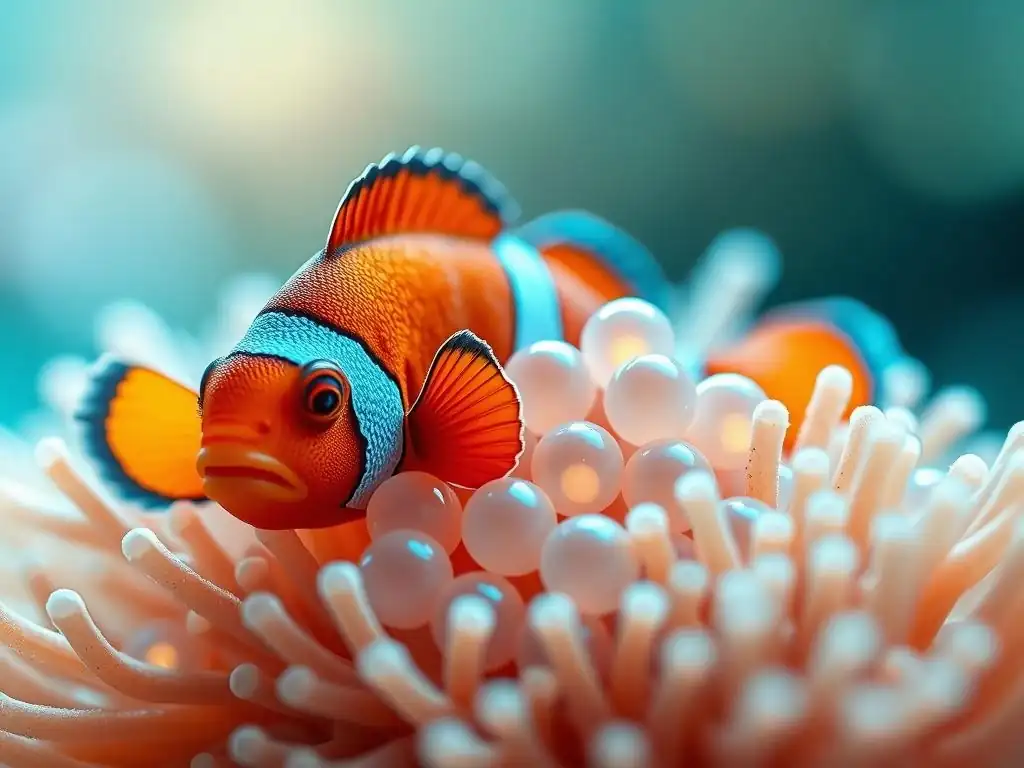
Artificial incubation methods are powerful Saltwater egg development troubleshooting tips, especially when parental care is lacking, clutches are very large, or when aiming for maximum hatching rates. These methods involve removing the eggs from the breeding tank and incubating them in a separate, controlled environment, often a dedicated larval rearing tank. This allows for precise control over water flow, temperature, and protection from predators or pathogens present in the main tank.
The primary goal of artificial incubation is to replicate the fanning action of the male clownfish, providing continuous oxygenation and preventing detritus buildup. This is typically achieved through gentle water movement created by air stones or specialized egg tumblers. Proper setup and monitoring of the artificial incubation system are critical for success.
Building a DIY Clownfish Egg Tumbler
A DIY clownfish egg tumbler is an effective and economical way to artificially incubate clownfish eggs. It replicates the gentle flow and oxygenation provided by the male parent. A common design involves a piece of PVC pipe (e.g., 2-3 inches in diameter, 6-8 inches long) capped at one end with a fine mesh screen (e.g., 500-micron mesh) secured with a rubber band or zip tie. The other end is left open.
To use, carefully place the spawning tile or rock with the eggs inside the tumbler. An air line with an air stone is then placed inside the PVC pipe, extending just below the eggs. When air is supplied, the bubbles create an upward current, gently tumbling the eggs and ensuring consistent water flow over them. The entire assembly is placed in a larval rearing tank with stable water parameters. Ensure the air flow is gentle enough not to damage the delicate eggs but strong enough to keep them agitated and oxygenated.
Using Commercial Clownfish Egg Incubators
For those seeking a more streamlined or professional approach, commercial clownfish egg incubators offer ready-to-use solutions for artificial incubation. These incubators are typically designed to provide optimal flow, oxygenation, and protection for the eggs. They often consist of a clear acrylic or plastic chamber with a built-in air lift or water pump mechanism to create the necessary gentle circulation.
Commercial incubators offer advantages such as consistent design, ease of cleaning, and often better visibility for monitoring the eggs. They can be particularly useful for breeders handling multiple clutches or those who prefer a less DIY approach. When selecting a commercial incubator, look for models that allow for adjustable flow rates, are easy to disassemble for cleaning, and are made of reef-safe materials. Ensure the incubator is placed in a stable, heated larval rearing tank to maintain the correct temperature.
Enhancing Clownfish Egg Viability Through Water Treatments
Beyond basic water quality, specific water treatments can proactively enhance clownfish egg viability and prevent common issues, serving as advanced Saltwater egg development troubleshooting tips. These methods aim to reduce the pathogen load in the water and improve overall water quality, creating a more sterile and conducive environment for delicate embryonic development.
However, these techniques must be used judiciously and with understanding, as some can have unintended side effects if not applied correctly. Always research thoroughly and start with conservative dosages or durations.
Using UV Sterilization to Reduce Pathogens
UV (Ultraviolet) sterilization is an effective method for reducing the load of free-floating bacteria, viruses, and parasites in the water column, thereby creating a cleaner environment for clownfish eggs. A UV sterilizer works by passing aquarium water through a chamber containing a UV-C lamp. The UV-C light disrupts the DNA of microorganisms, rendering them unable to reproduce and effectively killing them.
For clownfish breeding, running a UV sterilizer on the breeding or larval rearing tank can significantly lower the risk of bacterial blooms and infections that might otherwise target the delicate eggs. Ensure the UV unit is properly sized for your tank volume and that the flow rate through it is appropriate for effective sterilization. Regularly clean the quartz sleeve and replace the UV bulb according to the manufacturer's recommendations (typically every 6-12 months) to maintain efficiency.
Employing Ozone to Improve Water Quality for Clownfish Egg Development
Ozone (O3) is a powerful oxidizer that can significantly improve water quality by breaking down dissolved organic compounds and killing pathogens, thus contributing to better clownfish egg development. Ozone increases the water's redox potential (ORP), indicating cleaner water. It can reduce yellowing in the water, improve skimmer efficiency, and directly neutralize bacteria and viruses.
However, ozone must be used with extreme caution in marine aquariums, especially when dealing with sensitive eggs and larvae. It is highly reactive and can be toxic to marine life if not properly controlled. Ozone generators must always be used in conjunction with an ORP controller to prevent overdosing, and the ozonated water should ideally pass through a protein skimmer or activated carbon reactor before returning to the main tank to remove any residual ozone. For breeding setups, ensure the ozone is introduced to a separate sump or an external reaction chamber, never directly into the breeding tank.
Genetic Considerations in Clownfish Egg Development
While environmental factors and parental care are crucial, genetic factors also play a significant, though often less understood, role in clownfish egg development and hatching success. Genetic issues can manifest as a high percentage of unfertilized eggs, eggs that fail to develop past early stages, or embryos with visible deformities. Considering genetics is an advanced Saltwater egg development troubleshooting tip.
Understanding the genetic background of your breeding pair can help explain persistent problems even when all other parameters seem optimal. This often involves careful selection of breeding stock and sometimes, the introduction of new bloodlines.
Understanding Genetic Factors Affecting Hatching Success
Genetic factors can significantly impact the viability and hatching success of clownfish eggs. Inbreeding, for example, can lead to inbreeding depression, resulting in reduced fertility, smaller clutch sizes, lower hatching rates, and weaker, more susceptible larvae. This occurs when closely related individuals are bred repeatedly, increasing the likelihood of homozygous recessive genes for undesirable traits or defects.
Furthermore, specific genetic incompatibilities between a male and female, or the presence of lethal recessive genes within a bloodline, can cause embryonic mortality at various stages. If you consistently experience low fertilization rates despite healthy parents and optimal water quality, or if a high percentage of embryos die early in development without obvious signs of infection, genetic issues might be at play. Keeping records of breeding pairs and their offspring over generations can help identify such patterns.
Selective Breeding to Improve Clownfish Egg Quality
Selective breeding is an advanced strategy to improve clownfish egg quality and overall breeding success over time. This involves intentionally choosing robust, healthy, and consistently prolific individuals with high hatching rates for future breeding pairs. By continuously selecting for desirable traits like large clutch sizes, high fertilization rates, and strong larval vigor, breeders can gradually enhance the genetic quality of their stock.
When setting up new breeding pairs, consider sourcing individuals from different lineages to minimize inbreeding. Observe potential breeders for traits such as consistent spawning, diligent parental care, resistance to common diseases, and, most importantly, the quality of their offspring. While it's a long-term strategy, selective breeding is a powerful tool for advancing clownfish aquaculture and overcoming persistent Saltwater egg development troubleshooting tips related to egg viability.
Case Studies: Successful Clownfish Egg Development Strategies
Case Study 1: Overcoming Fungal Infections in Ocellaris Clownfish Eggs
Challenge: A breeder consistently faced significant losses of Ocellaris clownfish clutches due to widespread fungal infections, typically observed on day 3-4 post-spawn. Despite maintaining excellent water parameters (Salinity 1.024, pH 8.2, Ammonia/Nitrite 0, Nitrate < 10 ppm), over 50% of each clutch would succumb to fuzzy white growth. The male was fanning diligently, but the infection seemed to overwhelm his efforts.
Saltwater egg development troubleshooting tips applied:
- Increased Water Circulation: The breeder observed that the male's fanning, while consistent, couldn't reach all areas of the large, dense clutch. A small, adjustable flow powerhead (e.g., a Hydor Koralia Nano 240) was positioned to create a very gentle, laminar flow across the egg clutch, supplementing the male's fanning. The flow was adjusted to ensure the eggs gently "danced" without being dislodged.
- Targeted Water Treatment: During water changes in the breeding tank (15% every 3 days), a very low dose of methylene blue (0.5 ml per 10 gallons of tank water) was added, diluted first, to provide a mild antifungal presence. This was done cautiously to avoid stressing the parent fish.
- Enhanced Parental Nutrition: The breeding pair's diet was diversified beyond frozen mysis and pellets to include daily feedings of live copepods and spirulina-enriched brine shrimp, ensuring higher levels of HUFAs and vitamins, which can indirectly boost egg immunity.
Outcome: Within two spawning cycles, the incidence of fungal infections dropped dramatically. Clutch losses due to fungus decreased from over 50% to less than 5%. The increased circulation prevented fungal spores from settling and proliferating, while the improved parental nutrition likely contributed to more robust, resistant eggs. The methylene blue provided an initial barrier. This demonstrated that a multi-faceted approach, combining environmental adjustments with nutritional improvements, effectively addressed the recurrent fungal issues.
Case Study 2: Improving Hatching Rates with Enhanced Water Circulation
Challenge: A seasoned Percula clownfish breeder noticed that while clutches were large and appeared healthy, hatching rates were consistently below expected levels, averaging around 60-70% when typically 85-90% was achieved with similar pairs. Many eggs would appear fully developed with eye spots but simply wouldn't hatch, or the larvae would be weak and perish quickly after hatching. Water parameters were stable and pristine (Salinity 1.025, pH 8.1, Ammonia/Nitrite 0, Nitrate 5 ppm).
Saltwater egg development troubleshooting tips applied:
- Microscopic Examination: A few unhatched eggs were examined under a microscope. While the embryos appeared fully formed, there were signs of slight oxygen deprivation (e.g., sluggish movement within the egg, subtle discoloration). This suggested insufficient oxygen supply to the innermost eggs of the dense clutch.
- Optimized Water Circulation: The existing powerhead in the breeding tank provided general flow but wasn't directly targeting the egg clutch effectively. The breeder repositioned the powerhead, directing a more focused, yet still gentle, flow directly across the spawning tile. The goal was to ensure every egg, even those in the center of the clutch, received ample oxygenated water.
- Artificial Incubation (Trial): For one clutch, the eggs were removed on day 8 and placed in a DIY egg tumbler. The tumbler provided consistent, gentle agitation and flow.
Outcome: After optimizing the in-tank circulation, the hatching rates for subsequent clutches increased to over 90% consistently. The larvae that hatched were noticeably more vigorous and had higher survival rates. The trial with the egg tumbler also yielded excellent hatching rates (95%), reinforcing the diagnosis that oxygen deprivation due to inadequate circulation was the primary limiting factor. This case highlighted the critical importance of localized, effective water flow for successful embryonic development and hatching, even when overall tank parameters are ideal.
Preventing Future Clownfish Egg Development Problems
Establishing a Proactive Water Quality Monitoring Program
A proactive water quality monitoring program is the cornerstone of preventing future clownfish egg development problems. Rather than reacting to issues, regular testing and consistent maintenance allow breeders to identify and correct deviations before they impact the delicate eggs. This involves more than just occasional spot checks.
Implement a strict testing schedule: daily for temperature and salinity, every 2-3 days for pH, and weekly for ammonia, nitrite, and nitrate. Keep a log of all readings and any actions taken (e.g., water changes, additive dosing). This data helps identify trends and potential underlying issues. Using high-quality, regularly calibrated test kits is essential for accurate readings. Investing in an ORP monitor can also provide a continuous gauge of overall water cleanliness.
Implementing Quarantine Procedures for Breeding Stock
One of the most effective Saltwater egg development troubleshooting tips is prevention through strict quarantine. Many common diseases and parasites that can stress breeding fish and indirectly affect egg quality or cause clutch failure are introduced with new fish or invertebrates. Implementing a robust quarantine procedure for all new breeding stock is non-negotiable.
New clownfish should be quarantined in a separate tank for at least 4-6 weeks. During this period, observe them closely for signs of disease (e.g., Ich, Velvet, bacterial infections, internal parasites). Prophylactic treatments may be administered during this time. This ensures that only healthy, disease-free fish are introduced into your dedicated breeding system, minimizing the risk of pathogen outbreaks that could devastate a clutch or stress the breeding pair to the point of neglecting their eggs.
Continuously Improving Breeding Protocols Through Data Analysis
Mastering clownfish egg development is an ongoing process of learning and refinement. Continuously improving breeding protocols through meticulous data analysis is an advanced strategy for long-term success. This involves more than just recording water parameters; it means tracking every aspect of the breeding cycle.
Maintain detailed records for each spawning event: date, clutch size, egg appearance, parental behavior, hatching date, hatching rate, and initial larval survival. Note any interventions or changes made to the system (e.g., diet changes, flow adjustments). Over time, analyzing this data can reveal patterns, correlations, and the effectiveness of different Saltwater egg development troubleshooting tips.
For example, you might discover that a specific dietary supplement consistently leads to larger clutches, or that a slight temperature increase improves hatching rates for a particular pair. This data-driven approach allows for precise adjustments and optimized protocols, leading to more consistent and higher-quality egg production.
Conclusion: Mastering Clownfish Egg Development for Aquarium Success
Mastering clownfish egg development is a rewarding yet intricate aspect of marine aquaculture, demanding keen observation, precise environmental control, and a proactive approach to potential challenges. From understanding the delicate balance of water chemistry and nutrition to recognizing subtle visual cues of distress in a developing clutch, successful breeding hinges on a comprehensive strategy. The effective application of Saltwater egg development troubleshooting tips, whether addressing fungal infections, optimizing water flow, or refining parental diets, significantly elevates hatching rates and the viability of future generations.
The journey from a newly laid clutch to a thriving swarm of fry is fraught with potential pitfalls, but armed with knowledge, consistent monitoring, and a willingness to adapt, aquarists can overcome these hurdles. By prioritizing stable water parameters, providing superior parental nutrition, implementing preventative measures like quarantine, and utilizing advanced techniques such as artificial incubation or selective breeding, the path to consistent clownfish reproduction becomes clearer. Ultimately, diligent application of these principles not only ensures the health and success of the eggs but also contributes to the broader sustainability and enjoyment of the marine aquarium hobby.
Frequently Asked Questions
How can I tell if my saltwater fish eggs are fertilized?
Fertilized saltwater fish eggs often appear clear and uniform in color. Unfertilized eggs may look cloudy or opaque, and may even start to deteriorate quickly.
What are the most common water quality issues that hinder saltwater egg development?
Poor water quality, especially high ammonia or nitrite levels, is detrimental. Maintaining stable salinity and pH is also crucial for successful egg development.
What type of filtration is best for a saltwater tank with developing eggs?
A gentle sponge filter is often recommended. It provides biological filtration without creating strong currents that could damage the delicate eggs.
How often should I perform water changes when trying to breed saltwater fish?
Regular, small water changes (e.g., 10-20% weekly) are beneficial. This helps to maintain water quality and remove accumulated waste products without stressing the eggs.
What should I do if I notice fungus growing on my saltwater fish eggs?
Fungal growth indicates poor water quality or unfertilized eggs. You may need to remove the affected eggs and improve water conditions to prevent further spread.
Final Reflection: The Delicate Dance of Life
The intricacies of saltwater aquarium keeping, particularly the delicate process of egg development, are more relevant than ever in a world increasingly aware of the fragility of marine ecosystems. What was once a niche hobby is now a vital component of conservation efforts, demanding a deeper understanding and more proactive approach to troubleshooting the challenges that arise.
This journey into the world of saltwater egg development has underscored the profound connection between our actions and the survival of these species. The responsibility we bear as aquarists is not merely to maintain a beautiful display, but to act as stewards of life, fostering healthy environments where even the most delicate processes can thrive. In the end, we will conserve only what we love; we will love only what we understand; and we will understand only what we are taught.
- Baba Dioum's words resonate deeply, reminding us that education and understanding are the cornerstones of effective conservation.
As you close this article, I invite you to reflect on your own role in this intricate dance. Consider how you can apply these troubleshooting tips, not just to solve immediate problems, but to cultivate a deeper understanding of the needs of these creatures. Let your aquarium become a microcosm of the ocean, a space where you actively contribute to the health and vitality of our planet.
Ignite Your Reef: Master the Art of Successful Hatching!
Thank you for diving deep into the world of saltwater egg development! We hope you've gained valuable insights to overcome common challenges and unlock your aquarium's full potential. Now, it's time to put that knowledge into action!
Here's how you can continue your journey to becoming a true reef master:
- Immediately reassess your current egg development setup. Are you hitting all the key parameters discussed? Identify one area for improvement today.
- Explore advanced techniques by documenting and sharing your journey within our Aquarium Mastery community forum. Offer advice and learn from fellow enthusiasts.
- Dare to experiment! Try introducing a new, ethically sourced live food to your hatching larvae and meticulously track the results.
What one small tweak will you make this week to drastically improve your hatching success rate?