
Aquarium Mastery: Gentle Egg Collection Techniques for Delicate Saltwater Species

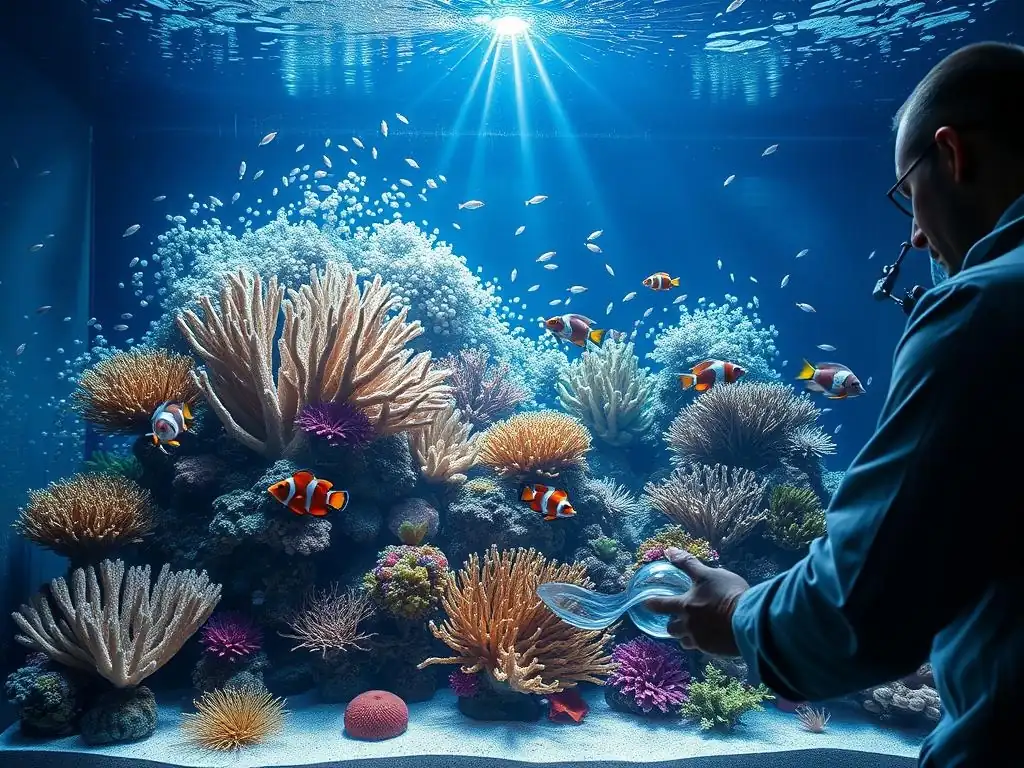
Welcome to Aquarium Mastery, your ultimate guide to thriving underwater ecosystems! Ever wondered about the delicate art of saltwater fish egg collection? Discover the secrets within – from identifying fertile eggs to nurturing them into vibrant life. Dive in and unlock the expert techniques to successfully breed your favorite saltwater species, ensuring the future of your aquatic family.
- Clownfish Breeding: Gentle Egg Collection Techniques for High Hatch Rates
- Introduction to Clownfish Egg Collection
- Preparing for Clownfish Egg Collection: Essential Equipment and Setup
- Step-by-Step Guide to Clownfish Egg Collection
- Gentle Handling Techniques to Maximize Egg Survival Rates
- Specific Egg Collection Challenges for Clownfish
- Post-Collection Care: Hatching and Raising Clownfish Larvae
- Troubleshooting Common Egg Collection Problems
- Advanced Techniques for Clownfish Egg Collection and Hatching
- Conclusion: Mastering Clownfish Egg Collection for Successful Breeding
-
Frequently Asked Questions
- How important is timing when collecting saltwater fish eggs?
- What are the gentlest methods for collecting saltwater fish eggs?
- What kind of container should I use for incubating saltwater fish eggs?
- What water parameters are essential for successful saltwater fish egg hatching?
- How can I prevent fungal infections in saltwater fish eggs?
- Final Reflection: Nurturing Life's Fragile Beginnings
- Nurture New Life: Embark on Your Egg Collection Journey!
Clownfish Breeding: Gentle Egg Collection Techniques for High Hatch Rates
Introduction to Clownfish Egg Collection
The Importance of Gentle Egg Handling in Clownfish Breeding
Successful clownfish breeding hinges significantly on the meticulous care given to their delicate eggs. The early stages of development are incredibly vulnerable, and even minor mishandling can lead to substantial losses. When performing saltwater fish egg collection, aquarists must prioritize methods that preserve the integrity of the egg's chorion and vitelline membrane, which are vital protective layers. Damaged eggs are highly susceptible to fungal and bacterial infections, often resulting in non-hatching clutches. Studies indicate that improper or rough handling can reduce the overall hatch rate by as much as 20-30%, turning a potentially successful spawn into a disappointing one.
The goal of gentle egg handling is to maximize the viability of each embryo, ensuring that the maximum number of larvae develop to hatching. Every step, from the moment the eggs are deposited by the parent clownfish to their transfer into a dedicated hatching system, must be executed with precision and minimal disturbance. This careful approach not only safeguards the current clutch but also contributes to the overall health and productivity of the breeding pair by reducing stress and ensuring future successful spawns.
Understanding Clownfish Breeding Behavior and Egg Deposition
Clownfish, particularly popular species like the Ocellaris ( Amphiprion ocellaris) and Percula ( Amphiprion percula), exhibit fascinating breeding behaviors that directly influence saltwater fish egg collection strategies. They are substrate spawners, meaning they lay their eggs on a flat, cleaned surface within their territory. This surface is typically a smooth rock, a terracotta pot, a piece of PVC pipe, or even the aquarium glass. The male clownfish meticulously cleans the chosen site days before spawning, often quivering and nudging the female.
Egg deposition usually occurs in the morning, with the female laying adhesive, oval-shaped eggs, each measuring approximately 1.5-2.0 mm in length. A typical clutch can range from 100 to over 1,000 eggs, depending on the age, size, and health of the breeding pair. The male then diligently guards and fans the eggs, providing crucial aeration and removing any infertile or fungused eggs.
The eggs are initially an orange or reddish color, gradually darkening as the embryos develop over a period of 7 to 10 days at typical aquarium temperatures (around 78-80°F or 25.5-26.7°C). Understanding this natural cycle is paramount for timing effective and gentle egg retrieval.
Preparing for Clownfish Egg Collection: Essential Equipment and Setup
Setting Up a Dedicated Hatching Tank
A dedicated hatching tank is indispensable for successful clownfish egg collection and subsequent larval rearing. This tank should be relatively small, typically ranging from 5 to 10 gallons, which allows for precise control over water parameters and makes it easier to locate and feed the tiny larvae.
The setup should be minimalistic: a bare bottom to prevent detritus accumulation, a gentle air stone for aeration, a reliable heater to maintain stable temperatures, and a mature sponge filter. A mature sponge filter is crucial as it provides biological filtration without creating strong currents that could harm delicate eggs or newly hatched larvae.
Maintaining stable and optimal water quality is paramount in the hatching tank. Recommended parameters include a salinity of 1.023-1.025 specific gravity, a temperature of 78-80°F (25.5-26.7°C), and a pH between 8.0 and 8.3. Ammonia and nitrite levels must be undetectable (0 ppm), and nitrates kept below 10 ppm. Regular small water changes, perhaps 10-20% daily, using aged, perfectly matched saltwater, help maintain these pristine conditions and are vital for the healthy development of the clownfish eggs after saltwater fish egg collection.
Choosing the Right Collection Devices for Clownfish Eggs
Selecting appropriate tools for saltwater fish egg collection is critical to prevent damage and ensure high hatch rates. The primary objective is to minimize physical contact and maintain the eggs in a stable aquatic environment throughout the transfer process. Different tools are suited for various egg deposition scenarios, emphasizing gentleness and precision.
Gentle Siphons for Egg Collection
For eggs laid on fixed surfaces within the main aquarium, or for individual eggs that may have detached, a gentle siphon made from small-diameter airline tubing (e.g., 1/4 inch) is an excellent tool. The siphon should be operated with minimal suction, allowing for the careful lifting of eggs from the substrate or spawning site without causing mechanical damage.
The flow rate must be controlled to prevent eggs from being crushed against the tubing walls or subjected to excessive turbulence. This method requires a steady hand and keen observation to ensure each egg is drawn into the collection container smoothly and safely.
When employing a siphon for saltwater fish egg collection, it's advisable to direct the siphoned water into a separate container with fine mesh, allowing the water to pass through while retaining the eggs. This prevents the eggs from being exposed to air or stress during the transfer.
Fine-Mesh Nets for Egg Retrieval
Fine-mesh nets are indispensable for retrieving eggs that have been siphoned, or for scooping up eggs laid on removable objects that are then agitated slightly to release the eggs. A brine shrimp net, with its exceptionally fine mesh (typically 100-200 microns), is ideal as it prevents even the smallest clownfish eggs from passing through while allowing water to drain quickly. When using a net, it is crucial to keep the eggs submerged in water as much as possible, transferring them swiftly from one water body to another.
The net should never be used to scrape or aggressively scoop eggs directly from a surface, as this can easily rupture the delicate chorion. Instead, it serves as a gentle receptacle for eggs that are already dislodged or siphoned. The soft material of the net also minimizes abrasion, further protecting the eggs during the brief moments of transfer.
Egg Tumblers: Pros and Cons for Clownfish Eggs
Egg tumblers are devices designed to provide constant, gentle water flow over eggs, mimicking parental fanning and ensuring optimal oxygenation while preventing fungal growth. For clownfish eggs, which are adhesive and often laid on a specific surface, a traditional egg tumbler (a clear cylinder with an air stone or water pump inside) might not be directly applicable unless the entire spawning tile can be placed within it. However, modified tumblers or specialized hatching containers that allow for subtle water circulation around the eggs can be beneficial.
- Pros: Egg tumblers provide consistent aeration, which is vital for embryo development, and help prevent fungal outbreaks by keeping the eggs in constant motion and washing away detritus. They can also reduce the need for manual intervention, minimizing stress to the eggs.
- Cons: If not calibrated correctly, the water flow can be too aggressive, potentially causing mechanical damage to the delicate eggs. This is a significant concern for saltwater fish egg collection and subsequent incubation. They are also less effective for eggs that are firmly adhered to a large, immovable surface. For clownfish, a better approach is often to provide gentle aeration from an air stone placed near the egg clutch in the hatching tank, or to use a specialized egg basket that allows water flow through.
Maintaining Optimal Water Quality for Egg Development
The success of clownfish egg development post-collection is inextricably linked to maintaining pristine and stable water quality in the hatching tank. Any fluctuation in parameters can induce stress, deformities, or mortality in the developing embryos. Beyond the initial setup, continuous monitoring and adjustment are essential.
Regular testing for ammonia, nitrite, and nitrate is critical. Ammonia and nitrite should consistently read 0 ppm, as even trace amounts are highly toxic to developing eggs. Nitrates should be kept below 10 ppm. This necessitates daily small water changes, typically 10-20% of the tank volume, using pre-mixed, aged saltwater that perfectly matches the parameters of the hatching tank.
The new water should be temperature and salinity matched to avoid any osmotic shock. Furthermore, a gentle air stone should provide constant, subtle aeration, ensuring dissolved oxygen levels remain at saturation (7-8 ppm). Adequate oxygenation is vital for metabolic processes within the developing embryos, and its absence can lead to developmental arrest or death.
Step-by-Step Guide to Clownfish Egg Collection
Identifying and Monitoring Egg-Laying Behavior in Clownfish
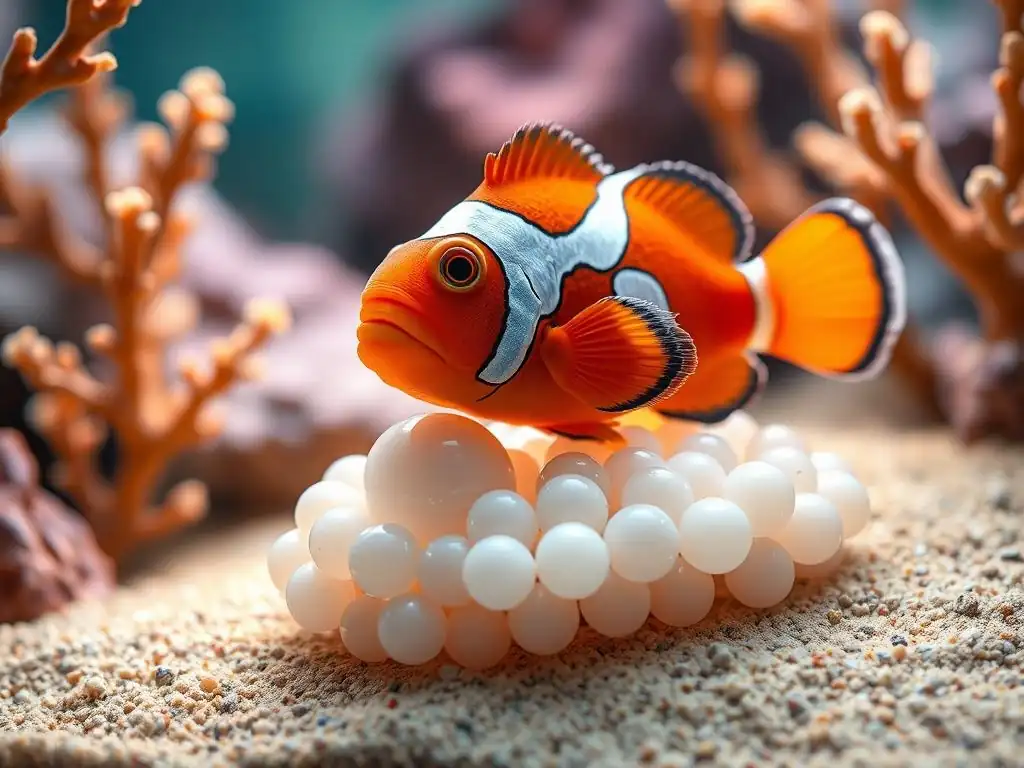
The first crucial step in saltwater fish egg collection for clownfish is accurate identification and monitoring of their egg-laying behavior. Clownfish pairs often become more territorial and aggressive around their chosen spawning site in the days leading up to egg deposition. The male will meticulously clean the surface, often rubbing his body against it and nipping at any debris. This cleaning behavior intensifies hours before the female begins laying.
Egg laying typically occurs in the early morning. The female will pass over the cleaned surface, depositing rows of adhesive eggs, while the male follows closely behind, fertilizing them. The newly laid eggs are usually vibrant orange or reddish.
Over the next 7-10 days, as the embryos develop, the eggs will gradually darken, and eventually, the silver eyes of the developing larvae will become visible a day or two before hatching. Monitoring these color changes and larval development stages helps determine the optimal time for collection, usually 1-2 days before anticipated hatching, ensuring the eggs are robust enough to handle transfer.
Carefully Removing Eggs from the Main Aquarium
The process of removing eggs from the main aquarium requires extreme caution to avoid damaging the delicate clutch and to minimize stress to the parent fish. The method largely depends on where the eggs have been deposited.
If the eggs are laid on a removable object such as a terracotta pot, a small piece of PVC pipe, or a smooth rock, this is the easiest scenario for saltwater fish egg collection. Gently lift the entire object out of the main aquarium, keeping the eggs submerged in tank water as much as possible to prevent exposure to air, which can be detrimental. Transfer the object directly into the pre-prepared hatching tank, ensuring the water parameters in both tanks are perfectly matched to prevent osmotic shock.
If the eggs are laid on a fixed surface, such as the aquarium glass or an immovable rock, a different approach is necessary. A soft, non-abrasive tool like a credit card, a soft silicone spatula, or a specialized egg scraper should be used to gently scrape the eggs off the surface. This must be done slowly and methodically, ensuring the eggs are not torn or crushed.
As the eggs are scraped, they should fall into a small, submerged container (like a glass measuring cup or a plastic food container) filled with water from the main tank. This method requires a steady hand and patience to ensure the integrity of each egg is maintained.
Collecting Demersal Eggs (Bottom-Spawning Species)
Clownfish eggs are demersal, meaning they are laid on and adhere to a substrate. This characteristic influences the best saltwater fish egg collection techniques. Unlike pelagic eggs that float freely, demersal eggs require direct interaction with the spawning surface. As discussed, removing the entire spawning substrate is the preferred method when feasible, as it minimizes direct manipulation of the eggs themselves.
When the substrate is fixed, the gentle scraping technique becomes paramount. It is crucial to understand that direct suction from a standard gravel vacuum is far too powerful and will inevitably damage the eggs. Instead, if individual eggs or small clusters need to be collected from crevices or uneven surfaces, a fine airline tube siphon with extremely gentle, controlled flow can be used.
The siphoned water containing the eggs should be directed into a fine-mesh net or a separate container, ensuring the eggs are always kept submerged and handled with the utmost care. This precision is vital for maximizing the survival rate of the delicate embryos.
Transferring Eggs to the Hatching Tank
Once the clownfish eggs have been carefully removed from the main aquarium, the next critical step is their safe transfer to the dedicated hatching tank. This stage is particularly vulnerable to stress if not executed properly. If the eggs were collected on a removable object, the transfer is relatively straightforward: simply move the object, keeping it fully submerged, from the main tank to the hatching tank. The water levels should be adjusted so the object can be gently lowered without exposing the eggs to air.
For eggs that were scraped into a separate container, the transfer requires even more delicacy. The container holding the eggs and main tank water should be slowly submerged into the hatching tank, allowing the water from the hatching tank to gradually mix with the water in the container.
Once the water levels are equalized and the eggs are fully immersed in the new tank's water, the eggs can be gently poured or siphoned out of the container onto a clean, flat surface within the hatching tank, or into a specialized egg basket. The paramount rule is to avoid any sudden changes in temperature, salinity, or pH, as even a minor difference of 0.001 specific gravity or 0.5°F can induce significant osmotic shock or thermal stress, leading to egg mortality.
Gentle Handling Techniques to Maximize Egg Survival Rates
Minimizing Stress During Clownfish Egg Handling
Minimizing stress is the cornerstone of successful saltwater fish egg collection and subsequent hatching. The primary stressor for eggs during collection and transfer is exposure to air. The delicate chorion, while protective underwater, offers little defense against desiccation or mechanical damage when exposed to the atmosphere. Therefore, eggs should be kept submerged at all times, from the moment they are detached until they are settled in the hatching tank. If a spawning tile or object is removed from the water, it should be immediately placed into a container of tank water.
Physical contact with the eggs should also be severely limited. If direct contact is unavoidable, such as when gently scraping them off a surface, use only soft, non-abrasive tools or gloved hands. Avoid pinching, squeezing, or rolling the eggs, as this can rupture the chorion or damage the developing embryo. Even subtle vibrations or sudden movements can stress the embryos, potentially leading to developmental issues or premature death. Every action should be slow, deliberate, and gentle, prioritizing the delicate nature of the developing life within each egg.
Preventing Fungal Infections in Clownfish Eggs
Fungal infections are a common and devastating threat to developing clownfish eggs. Unfertilized eggs are particularly susceptible, quickly developing a fuzzy white growth that can rapidly spread to healthy, fertilized eggs. Proactive measures are essential to prevent such outbreaks. The most effective strategy is maintaining impeccable water quality in the hatching tank, as discussed previously. Clean, stable water reduces the overall bacterial and fungal load.
Gentle, continuous aeration around the egg clutch is also vital. This ensures a constant supply of oxygen to the embryos and prevents stagnation, which can promote fungal growth. If unfertilized eggs are observed (they typically remain opaque white, unlike healthy eggs that darken), they should be carefully removed using a small pipette or fine-tipped forceps.
This prevents the fungus from spreading. While some aquarists opt for mild prophylactic treatments like methylene blue, these should be used cautiously as they can sometimes stain the eggs or affect water parameters. Often, excellent husbandry and prompt removal of affected eggs are sufficient to keep fungal infections at bay.
Ensuring Proper Oxygenation for Clownfish Embryos
Proper oxygenation is perhaps the single most critical environmental factor for the successful development of clownfish embryos. As the embryos grow within their eggs, their metabolic rate increases, demanding a constant and sufficient supply of dissolved oxygen. Insufficient oxygen can lead to developmental deformities, stunted growth, or complete mortality.
In the hatching tank, a gentle air stone positioned near the egg clutch (but not directly blasting it) is essential. The air stone should produce a stream of fine bubbles that create a subtle current, ensuring that oxygen-rich water constantly circulates around each egg. The dissolved oxygen level in the hatching tank should be maintained at saturation, typically 7-8 parts per million (ppm).
Regular water changes also contribute to maintaining high oxygen levels. Without adequate oxygen, the embryos will struggle to respirate, leading to hypoxia and ultimately, egg death. This continuous, gentle flow of oxygenated water is a non-negotiable aspect of successful saltwater fish egg collection and incubation.
Specific Egg Collection Challenges for Clownfish
Addressing Fragility in Clownfish Eggs
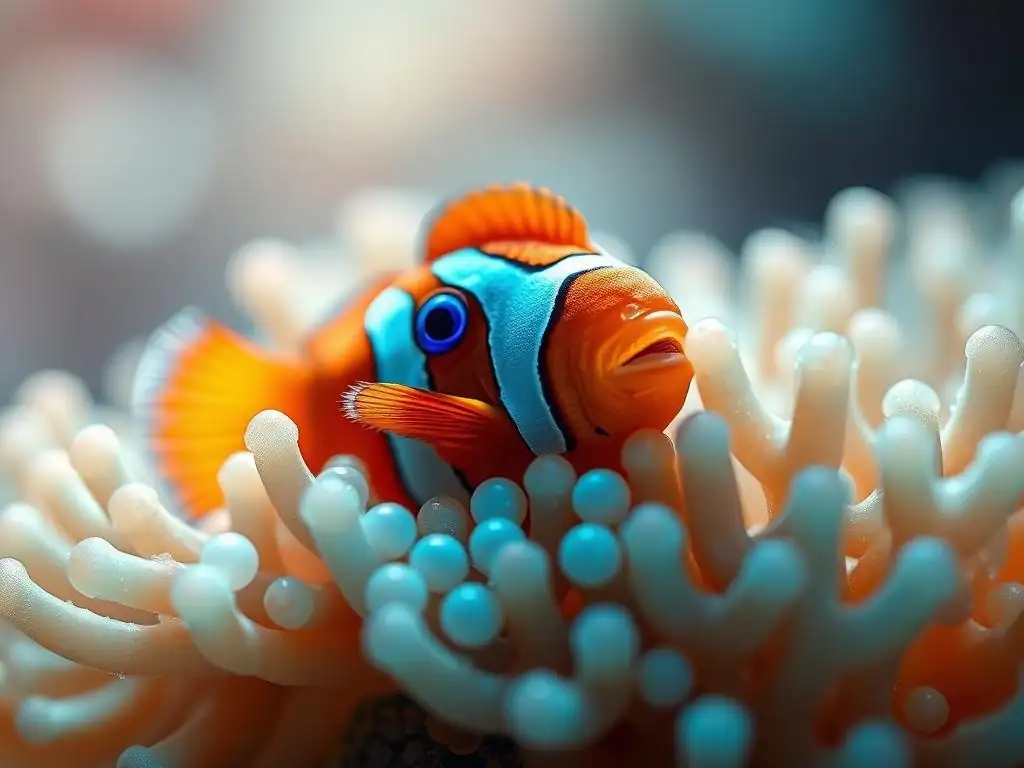
While clownfish eggs are relatively robust compared to some more delicate pelagic species, they are by no means impervious to damage. The primary challenge regarding their fragility lies in the integrity of their chorion – the outermost protective layer. This layer, though seemingly tough, can be compromised by rough handling, sudden environmental shifts, or exposure to air. For instance, dropping an egg clutch even a short distance, or exposing it to air for more than a few seconds, can cause microscopic tears in the chorion, making the egg susceptible to fungal infections or direct mortality.
Studies on similar demersal fish eggs have shown that even slight mechanical stress can lead to a significant reduction in hatch rates, sometimes by as much as 50% if eggs are jostled or scraped too aggressively. The adhesive nature of clownfish eggs, while aiding their attachment to the spawning site, also means they must be carefully detached. Pulling or tearing them can damage the egg or leave behind parts of the chorion that can rot, compromising the entire clutch. Therefore, precision and a soft touch are always paramount during saltwater fish egg collection.
Preventing Damage to Adhesive Eggs
The adhesive quality of clownfish eggs presents a unique challenge during saltwater fish egg collection. Unlike free-floating eggs, these eggs are firmly attached to their substrate, requiring a specific approach for removal without damage. The most effective way to prevent damage is to remove the entire spawning surface (e.g., a terracotta pot or PVC pipe) if it's movable. This allows the eggs to remain undisturbed on their natural substrate, minimizing direct handling.
When the spawning surface is fixed, such as the aquarium glass or a large rock, the challenge intensifies. In such cases, a soft, flexible scraper (like a credit card or a silicone spatula) must be used with extreme care. The goal is to gently push the eggs off the surface rather than tearing them.
The scraper should be kept at a shallow angle to slide under the eggs without piercing them. Any attempt to forcefully peel or pull the eggs can rupture the chorion, leading to immediate egg death or susceptibility to fungal infections. Patience and a very light touch are essential to ensure the eggs detach cleanly and safely.
Managing Light Sensitivity in Clownfish Eggs
Clownfish eggs are generally not considered highly light-sensitive, unlike some other marine species whose eggs require complete darkness. In their natural habitat, clownfish eggs are exposed to ambient light, and the male parent often fans them in well-lit areas. However, sudden, intense changes in light levels can still be a stressor. Directly blasting newly collected eggs with very bright, unfiltered light, especially after they have been in a relatively dim environment, could potentially cause stress or even damage.
For the hatching tank, it is advisable to provide a stable, consistent light cycle, mimicking natural daylight hours (e.g., 14 hours light, 10 hours dark). A moderate light intensity is typically sufficient. Placing the hatching tank in an area away from direct sunlight or harsh artificial light can also be beneficial.
Some aquarists even prefer to keep the hatching tank in a dimly lit room or use a very low-wattage light source during the initial days post-collection. While not as critical as water quality or physical handling, managing light exposure contributes to an overall stress-free environment, promoting optimal development and successful hatching after saltwater fish egg collection.
Post-Collection Care: Hatching and Raising Clownfish Larvae
Creating a Suitable Environment for Clownfish Larvae
Once clownfish eggs have successfully hatched, the newly emerged larvae are incredibly delicate and require a highly specialized environment for survival. The hatching tank, typically 5-10 gallons, should be kept bare-bottomed to facilitate easy cleaning and prevent the accumulation of detritus. Gentle aeration from an air stone is crucial, but powerful filtration systems (like hang-on-back filters or powerheads) should be avoided initially, as their strong currents can easily sweep away or injure the tiny larvae. A mature sponge filter, if used, should have minimal flow.
Water parameters must remain absolutely stable and pristine. Salinity should be maintained at 1.024 SG, temperature at 79°F (26°C), and pH around 8.2. Ammonia and nitrite must remain at 0 ppm. Regular, small water changes (10-20% daily) using perfectly matched, aged saltwater are vital to remove waste products from feeding and larval metabolism, and to replenish essential trace elements. The dim lighting used during the egg stage can be gradually increased slightly as the larvae grow, but still avoid harsh, direct light.
First Foods for Newly Hatched Clownfish
The successful feeding of newly hatched clownfish larvae is the most critical hurdle in their rearing. Clownfish larvae are extremely small, typically around 3-4 mm in length upon hatching, and have tiny mouths, making rotifers ( Brachionus plicatilis) the indispensable first food. Larvae must begin feeding within 12-24 hours of hatching; if they do not find food promptly, they will quickly starve.
Rotifers should be cultured and enriched with nutritional supplements (e.g., phytoplankton like Nannochloropsis or Tetraselmis) to ensure they provide adequate nutrition to the growing larvae. They should be fed frequently, often every 4-6 hours, to maintain a consistent concentration of 10-15 rotifers per milliliter in the larval tank. As the larvae grow, typically after 5-7 days, they can be transitioned to larger food items such as newly hatched artemia nauplii. Consistent and appropriate feeding is paramount for their rapid growth and development.
Monitoring Larval Development and Water Quality
Continuous monitoring of both larval development and water quality is essential for maximizing survival rates. Daily observation of the larvae under a flashlight can reveal their health, feeding response, and developmental progress. Look for active swimming, full bellies (indicating successful feeding), and the absence of deformities. Any signs of lethargy, abnormal swimming, or mortality should prompt an immediate investigation into water quality or feeding practices.
Water quality parameters (ammonia, nitrite, nitrate, salinity, temperature, pH) should be tested daily, especially during the first few weeks. The small volume of the larval tank and the high metabolic activity of the larvae mean that waste products can accumulate rapidly. Regular small water changes, as mentioned, are the primary method for maintaining pristine conditions.
When performing water changes, use a fine-mesh net or a small siphon to gently remove any uneaten food, detritus, or dead larvae from the bare bottom without disturbing the live larvae. This proactive approach to husbandry is key to guiding the delicate larvae through their most vulnerable stages.
Troubleshooting Common Egg Collection Problems
Addressing Egg Loss Due to Predation
Egg loss due to predation is a common problem, especially when clownfish eggs are left in a community tank. While the male clownfish vigorously guards the clutch, other tank inhabitants, and occasionally even the parent clownfish themselves (if stressed or inexperienced), may consume the eggs. Small invertebrates, opportunistic fish, or even snails can pick off eggs.
To prevent this, the most effective solution is timely and gentle saltwater fish egg collection and transfer to a dedicated hatching tank. If immediate collection is not feasible or desired, a physical barrier can be employed. A simple mesh screen or a piece of egg crate placed around the spawning site can deter larger predators while still allowing water flow.
However, this method is less ideal than direct removal, as it still leaves the eggs vulnerable to microscopic threats and potential water quality issues within the main tank. Prompt removal ensures the highest level of protection for the developing embryos.
Dealing with Unfertilized Eggs
Unfertilized eggs are a common occurrence in clownfish clutches, especially from young or inexperienced breeding pairs. These eggs quickly become opaque white and are highly susceptible to fungal growth. If left in the clutch, the fungus from unfertilized eggs can rapidly spread to healthy, fertilized eggs, compromising the entire spawn.
Identifying and removing unfertilized eggs promptly is crucial. They can be distinguished from healthy eggs, which typically darken as the embryo develops. Using a small, sterilized pipette or fine-tipped forceps, carefully siphon or pick out the white, fuzzy eggs. This must be done with extreme gentleness to avoid disturbing or damaging the adjacent healthy eggs. While time-consuming for large clutches, this selective removal significantly reduces the risk of fungal outbreaks and improves the overall hatch rate. Regular inspection of the clutch in the hatching tank allows for timely intervention.
Preventing Egg Fungus and Bacterial Growth
Preventing egg fungus and bacterial growth is paramount for successful clownfish egg development. These issues are primarily driven by poor water quality, lack of aeration, and the presence of dead or unfertilized eggs. The most effective preventative measures revolve around maintaining pristine conditions in the hatching tank.
Firstly, ensure excellent water circulation and aeration around the egg clutch. A gentle air stone creating a steady current helps deliver oxygen and prevents the stagnation that favors fungal and bacterial proliferation. Secondly, as mentioned, promptly remove any unfertilized or visibly fungused eggs. These are breeding grounds for pathogens.
Thirdly, rigorous water quality management is critical: maintain 0 ppm ammonia and nitrite, and perform daily small water changes using perfectly matched, aged saltwater. Some breeders also consider using a very low dose of methylene blue as a prophylactic treatment, but this should be approached with caution as it can stain equipment and may have other effects. Ultimately, a clean environment and proactive removal of compromised eggs are the most reliable defenses against fungal and bacterial threats.
Advanced Techniques for Clownfish Egg Collection and Hatching
Using Egg Separators
Advanced aquarists sometimes employ specialized egg separators or custom-designed hatching devices to optimize saltwater fish egg collection and incubation. These devices are designed to either gently detach eggs from their spawning substrate or to hold the entire substrate in a way that facilitates optimal water flow and aeration for the clutch. Some DIY egg separators involve creating a gentle current that washes eggs off a removable tile into a collection chamber. Commercially available systems might incorporate a small pump or air stone to create a controlled flow over the eggs, mimicking the fanning action of the parent fish.
These advanced tools aim to reduce direct handling of the delicate eggs, thereby minimizing stress and potential damage. By providing a consistent, controlled environment from the moment of collection, egg separators can contribute to higher survival rates and more uniform hatching. They represent a step up from basic siphoning or scraping, offering a more automated and less invasive approach to managing the egg clutch post-deposition.
Optimizing Water Parameters for Clownfish
While maintaining stable water parameters is fundamental, advanced techniques involve fine-tuning specific parameters to potentially boost clownfish egg development and larval health. Beyond the basic salinity, temperature, and pH, experienced breeders may pay close attention to parameters like alkalinity (dKH), calcium, and magnesium. For example, maintaining alkalinity within the upper range of 8-10 dKH and calcium between 420-450 ppm can support proper calcification in developing larvae and contribute to the overall health of the eggs.
The key to optimization is consistency. Rapid fluctuations in any parameter are far more detrimental than a slightly non-ideal but stable value. Regular, precise testing with high-quality test kits is essential. Some breeders also use very small, controlled additions of trace elements, though this requires a deep understanding of water chemistry and can be risky if not done correctly. The goal is to create an environment that precisely mimics the stable, nutrient-rich conditions of the natural reef, promoting robust embryonic development after saltwater fish egg collection.
Improving Hatch Rates Through Environmental Control
Environmental control extends beyond just water parameters and involves optimizing light cycles and temperature to influence clownfish egg development and hatching success. While clownfish eggs are not highly light-sensitive, a consistent light-dark cycle (e.g., 14 hours light, 10 hours dark) can provide a stable environment that mimics natural conditions and supports the biological rhythms of the developing embryos.
Temperature also plays a significant role. A stable temperature around 80°F (26.7°C) is generally ideal for clownfish eggs, promoting consistent development and often shortening the incubation period by a day or two compared to cooler temperatures (e.g., 76-78°F). However, sudden temperature changes should be avoided.
Some advanced breeders might slightly increase the temperature (e.g., to 81-82°F) in the last day or two before anticipated hatching, as a subtle trigger for mass hatching. This can be beneficial for managing larval feeding schedules. Precise control over these environmental factors, coupled with gentle saltwater fish egg collection, contributes significantly to higher and more predictable hatch rates.
Conclusion: Mastering Clownfish Egg Collection for Successful Breeding
The Rewards of Successfully Breeding Clownfish
Mastering the art of gentle saltwater fish egg collection and subsequent rearing of clownfish is an incredibly rewarding endeavor for any aquarist. The journey, from observing the intricate courtship rituals of the adult pair to witnessing the tiny, delicate larvae emerge from their eggs and grow into vibrant juvenile fish, is a testament to patience, precision, and dedication. Beyond the personal satisfaction, successfully breeding clownfish contributes significantly to the marine aquarium hobby by reducing reliance on wild-caught specimens, thus promoting sustainability and conservation of wild reef populations.
The joy of seeing hundreds of tiny, transparent larvae transform into miniature versions of their parents, darting around their rearing tank, is unparalleled. It offers a unique window into the life cycle of these fascinating creatures and deepens an aquarist's understanding of marine biology. Each successful hatch represents a triumph of careful husbandry and meticulous technique, culminating in a thriving new generation of these popular marine inhabitants.
Continuing Education and Resources for Clownfish Aquarists
The journey of breeding clownfish, particularly the delicate process of saltwater fish egg collection and larval rearing, is one of continuous learning and refinement. Even experienced breeders encounter new challenges and discover improved techniques. To truly master this aspect of marine aquaculture, ongoing education and access to reliable resources are invaluable.
Aquarists are encouraged to delve into specialized literature on marine fish breeding, participate in online forums dedicated to marine aquaculture, and connect with local aquarium clubs or professional breeders. These communities offer a wealth of shared knowledge, troubleshooting advice, and often provide access to breeding pairs or essential supplies like rotifer cultures.
Attending workshops or seminars focused on larval rearing techniques can also provide hands-on experience and deeper insights. By embracing a mindset of continuous learning, aquarists can hone their skills, overcome obstacles, and consistently achieve higher success rates in breeding clownfish, contributing to a more sustainable and knowledgeable marine aquarium hobby.
Frequently Asked Questions
How important is timing when collecting saltwater fish eggs?
Timing is crucial for successful hatching. You should collect eggs as soon as possible after spawning, usually within the first 24 hours, to maximize viability and reduce the risk of fungal infections.
What are the gentlest methods for collecting saltwater fish eggs?
Gentle methods include using a turkey baster or a specialized egg collector. Avoid nets that could damage the delicate eggs, and always prioritize minimal disturbance to the spawning fish.
What kind of container should I use for incubating saltwater fish eggs?
Use a clean, food-grade container with appropriate aeration. The container should be adequately sized for the number of eggs and allow for gentle water movement.
What water parameters are essential for successful saltwater fish egg hatching?
Maintain stable water parameters similar to the spawning tank. Key parameters include salinity, temperature, and pH, ensuring a suitable environment for development.
How can I prevent fungal infections in saltwater fish eggs?
Maintaining pristine water quality is paramount. You can also add a small amount of methylene blue or other antifungal treatment, following dosage instructions carefully, to prevent fungal growth.
Final Reflection: Nurturing Life's Fragile Beginnings
The journey of saltwater fish egg collection is more than just a technical process; it's a testament to our dedication to preserving and understanding the delicate balance of marine ecosystems. In a world increasingly threatened by environmental changes, our ability to successfully propagate these species in controlled environments offers a beacon of hope for future generations. This commitment to responsible aquarium practices is now more crucial than ever.
This intricate dance with life's beginnings has profoundly influenced my perspective on the interconnectedness of all living things. Witnessing the fragility and potential within each tiny egg underscores the responsibility we bear as custodians of the natural world. In every tiny seed lies the promise of a mighty tree, and in every delicate egg, the potential for a vibrant life.
This quote encapsulates the awe and reverence that should guide our interactions with the natural world, reminding us that even the smallest actions can have profound consequences.
Now, dear reader, I invite you to reflect on your own role in this grand tapestry of life. Consider how you can contribute to the preservation of our oceans, whether through responsible aquarium keeping, supporting conservation efforts, or simply making conscious choices that minimize your environmental impact. Let us all strive to be gentle stewards, nurturing the fragile beginnings that hold the key to a thriving future for our planet.
Nurture New Life: Embark on Your Egg Collection Journey!
Thank you for diving deep into the art of gentle egg collection! We hope this guide has illuminated the path to successfully nurturing delicate saltwater species in your aquarium. Now, let's put that knowledge into action.
Here are some actionable steps you can take right now:
- Implement one of the gentle egg collection techniques described above, starting with a species you're already familiar with.
- Explore Aquarium Mastery's forums and share your initial observations and any challenges you encounter.
- Research the specific dietary needs of larvae from a species you plan to breed, and prepare a feeding plan.
Ready to transform your aquarium into a thriving nursery and what unique challenges have you encountered while breeding saltwater species?