
Breeding Black Skirt Tetras: From Spawning Rituals to Raising Graceful Fry

Welcome to Aquarium Mastery!
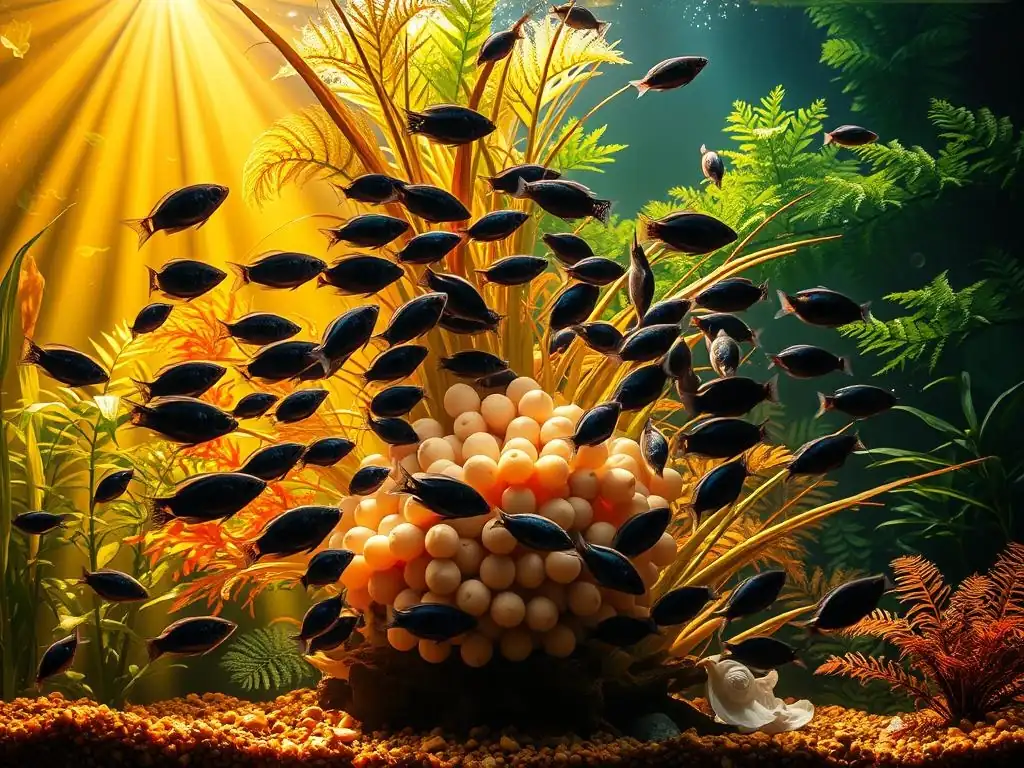
Ever been captivated by the graceful dance of Black Skirt Tetras? Wondering how to unlock the secrets to successful breeding of these fascinating fish? Dive in! This article unveils the fascinating world of Black Skirt Tetra breeding, from the captivating spawning rituals to the delicate art of raising their fry. Get ready to embark on a rewarding journey and witness the miracle of life unfold in your own aquarium. Ready to learn more?
- Understanding Black Skirt Tetra Breeding
- Preparing for Black Skirt Tetra Spawning
- The Black Skirt Tetra Spawning Process
- Caring for Black Skirt Tetra Eggs
- Raising Black Skirt Tetra Fry
- Troubleshooting Black Skirt Tetra Breeding
- Conclusion: Mastering Black Skirt Tetra Breeding
-
Frequently Asked Questions
- What are the ideal water parameters for breeding Black Skirt Tetras?
- What type of spawning substrate should I use for Black Skirt Tetras?
- How can I tell if my Black Skirt Tetras are ready to breed?
- What should I feed Black Skirt Tetra fry?
- How do I protect the Black Skirt Tetra eggs and fry from being eaten by the parents?
- Final Reflection: The Enduring Dance of Life
- Unleash Your Inner Breeder: Start Your Tetra Journey Today!
Understanding Black Skirt Tetra Breeding
Introduction to Black Skirt Tetra Reproduction
Black Skirt Tetras ( Gymnocorymbus ternetzi) are popular freshwater fish known for their distinctive appearance and peaceful schooling behavior. Their reproduction strategy involves scattering hundreds of non-adhesive eggs, typically on fine-leaved plants or spawning mops, rather than exhibiting parental care. This method is common among many characin species, making the black skirt tetra breeding process a fascinating endeavor for aquarists.
These hardy fish originate from the Guaporé and Paraguay River Basins in South America and can live for approximately 3 to 5 years in a well-maintained aquarium. While relatively straightforward to breed compared to more specialized species, successful black skirt tetra breeding requires specific environmental conditions and attentive care to ensure the survival of eggs and fry. Understanding their natural reproductive instincts is the first step towards a successful breeding project.
Why Breed Black Skirt Tetras? [Ethical Considerations and Enjoyment]
Engaging in black skirt tetra breeding offers a deeply rewarding experience for any aquarist, moving beyond simple tank maintenance to observing the intricate cycles of life. Witnessing the transformation from microscopic egg to graceful adult fish provides a unique sense of accomplishment and a deeper connection to the aquatic world. Many hobbyists find immense enjoyment in watching the spawning ritual and the subsequent growth of the tiny fry.
Beyond personal satisfaction, breeding Black Skirt Tetras contributes positively to the aquarium hobby. By producing captive-bred fish, aquarists can help reduce the demand for wild-caught specimens, promoting more sustainable practices. It also offers an opportunity to select for desirable traits, such as the longer fin varieties, or to simply share healthy, homegrown fish with other enthusiasts, fostering a vibrant and ethical community.
Preparing for Black Skirt Tetra Spawning
Setting Up a Dedicated Breeding Tank for Black Skirt Tetras
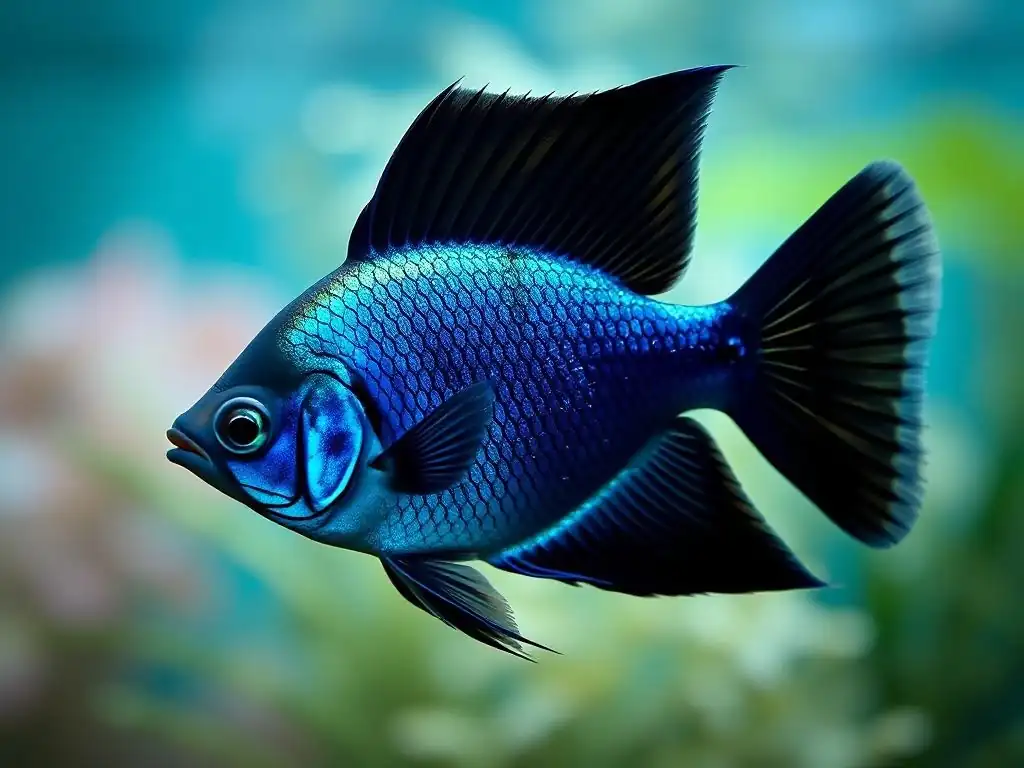
A successful black skirt tetra breeding project begins with a properly prepared environment. A dedicated breeding tank, typically 10 to 20 gallons (approximately 38 to 76 liters) in size, is ideal to prevent parents from consuming eggs and to provide a controlled environment for the delicate fry. The tank should have a bare bottom or a very fine mesh substrate to allow eggs to fall through, out of reach of the adults.
To facilitate egg laying and collection, incorporate spawning mops made of nylon yarn, or dense clumps of fine-leaved plants like Java Moss ( Taxiphyllum barbieri) or Anacharis ( Egeria densa). A gentle air-driven sponge filter is crucial for filtration, as it provides adequate biological filtration without creating strong currents that could harm eggs or newly hatched fry. Dim, indirect lighting and a reliable heater set to the optimal temperature are also essential components for successful black skirt tetra breeding.
Water Parameters for Optimal Black Skirt Tetra Breeding Conditions
Achieving the correct water parameters is paramount for stimulating black skirt tetra breeding and ensuring egg viability. Black Skirt Tetras prefer soft, slightly acidic water for spawning, mimicking their natural habitat. Aim for a water temperature between 75-80°F (24-27°C), as this range encourages spawning and optimizes egg development.
The pH level should be maintained between 6.0 and 7.0, with water hardness in the range of 5-12 dGH (degrees of General Hardness). Using aged tap water, or a mix of reverse osmosis (RO) water and tap water, can help achieve these specific parameters consistently. Pristine water quality, free from ammonia and nitrite, is critical; therefore, perform small, regular water changes with appropriately conditioned water in the breeding tank.
Choosing a Healthy Black Skirt Tetra Breeding Pair
Selecting robust, healthy specimens is a key factor in successful black skirt tetra breeding. Choose fish that are approximately 8 to 12 months old, as they are typically sexually mature and in their prime breeding condition. Look for active fish with vibrant coloration, full bodies, and no signs of disease or stress, such as clamped fins or faded scales.
Distinguishing between male and female Black Skirt Tetras can be subtle but is important for pairing. Females tend to be plumper and rounder, especially when gravid (carrying eggs), while males are generally more slender and may exhibit slightly more intense coloration during courtship. For optimal black skirt tetra breeding success, consider setting up a group of 2-3 males with 3-4 females in the conditioning tank, allowing them to pair naturally.
Conditioning Black Skirt Tetras for Breeding
Proper conditioning of the parent fish significantly increases the likelihood of a successful spawn and the production of healthy, viable eggs. This process involves providing a high-quality, protein-rich diet for at least one to two weeks prior to introducing them to the breeding tank. Live or frozen foods are particularly effective in stimulating egg production and male fertility.
Excellent conditioning foods include newly hatched baby brine shrimp, bloodworms, daphnia, and high-quality flake or micro-pellet foods. Feed the prospective breeding pair several small meals throughout the day, rather than one large feeding, to ensure they receive consistent nutrition without overfeeding. This enriched diet, combined with optimal water parameters, prepares the fish for the rigors of black skirt tetra breeding.
The Black Skirt Tetra Spawning Process
Identifying Spawning Behavior in Black Skirt Tetras
Recognizing the onset of spawning behavior is crucial for timely intervention and egg protection during black skirt tetra breeding. When ready to spawn, Black Skirt Tetras often exhibit increased activity and courtship displays. Males will typically become more assertive, chasing and nudging the females, particularly around the chosen spawning substrate.
The female, if gravid, will appear noticeably fuller in the belly region. The actual spawning usually occurs in the early morning hours, often just as the first light filters into the room. Observing these subtle yet distinct behavioral changes allows aquarists to anticipate the spawn and prepare for the immediate removal of parents to protect the eggs.
The Black Skirt Tetra Spawning Ritual: A Detailed Look
The black skirt tetra spawning ritual is a dynamic and fascinating display. The male will typically pursue the female, nudging her towards the spawning mop or dense plant cluster. As they swim side-by-side or in tight circles, the male will wrap his body around the female, pressing against her to encourage the release of eggs. Simultaneously, he releases milt to fertilize them.
Eggs are released in small batches, typically 5 to 10 at a time, and are scattered freely into the water column. A single spawning session can last for several hours, with a healthy female capable of laying anywhere from 300 to 500 eggs, and sometimes even up to 1,000 eggs in larger, well-conditioned specimens. Once the spawning appears to cease, indicated by a less plump female and reduced activity, the adult fish must be promptly removed from the tank, as they have a strong tendency to consume their own eggs.
Protecting the Eggs: Spawning Substrates and Techniques
Protecting the delicate eggs from parental predation is a critical step in successful black skirt tetra breeding. Since Black Skirt Tetras are notorious egg eaters, various substrates and techniques are employed to ensure the eggs fall out of reach. The most common methods involve using marbles, a mesh grid, or dense spawning mops or plants at the bottom of the breeding tank.
When using marbles, a single layer covering the bottom of the tank allows the eggs to fall into the crevices where the parents cannot reach them. Spawning mops, made from nylon yarn, or large clumps of fine-leaved plants like Java Moss, provide a tangle of fibers where eggs can adhere or fall through to the bottom. These substrates effectively separate the eggs from the adults, dramatically increasing the number of viable eggs available for hatching.
Caring for Black Skirt Tetra Eggs
Identifying Fertilized vs. Unfertilized Black Skirt Tetra Eggs
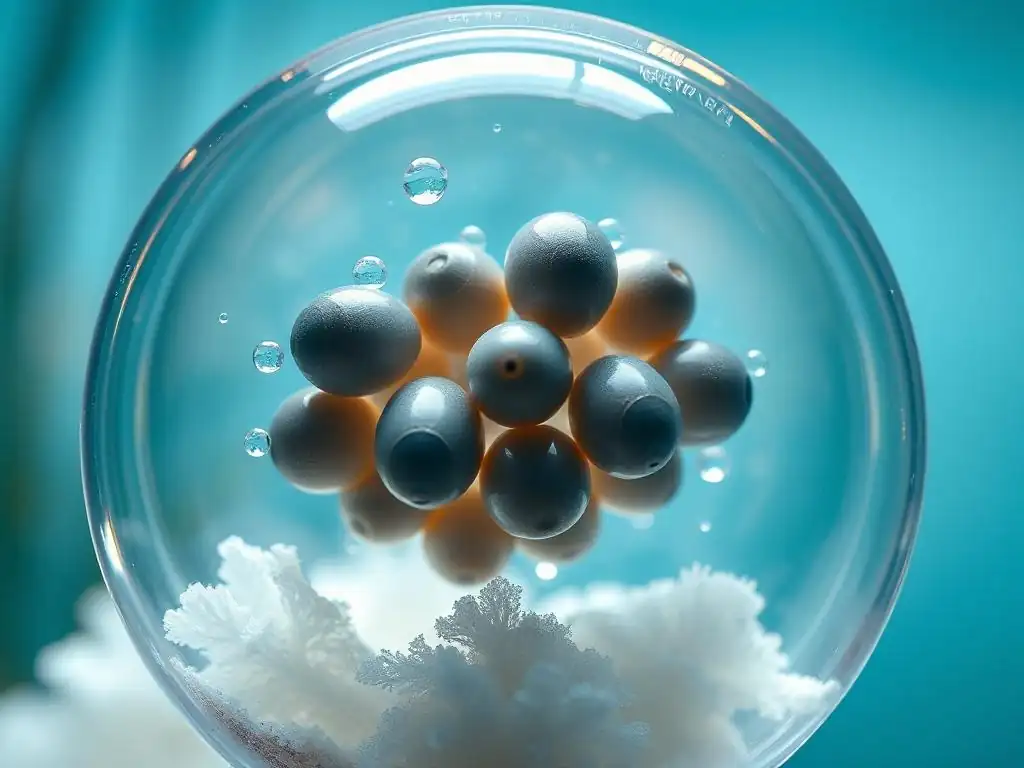
After spawning, a crucial step in black skirt tetra breeding is to differentiate between fertilized and unfertilized eggs. Fertilized Black Skirt Tetra eggs are typically clear, translucent, and very small, approximately 1 millimeter in diameter. They often have a slight amber tint and will show signs of cellular division if viewed under magnification after a few hours.
In contrast, unfertilized eggs will quickly turn opaque white or cloudy within a few hours to a day after spawning. These unfertilized eggs are highly susceptible to fungal growth, which can rapidly spread to and infect healthy, fertilized eggs. Prompt identification and removal of these fungused or infertile eggs are essential to prevent widespread contamination in the breeding tank.
Preventing Fungus and Maintaining Water Quality
Fungal infections are a significant threat to black skirt tetra egg viability. To prevent fungus, maintain pristine water quality in the breeding tank. A very dilute solution of methylene blue can be added to the water (e.g., 1 drop per gallon, or approximately 3.8 liters), as it acts as an antifungal agent without harming the developing embryos.
Gentle aeration using an air stone connected to a small air pump is also beneficial, providing oxygenation and preventing stagnant water conditions around the eggs. Daily inspection and removal of any fungused or opaque eggs using a small pipette or turkey baster are crucial. This proactive approach minimizes the risk of fungal outbreaks, significantly increasing the hatch rate of Black Skirt Tetra eggs.
Incubation Period: From Egg to Fry
The incubation period for Black Skirt Tetra eggs is remarkably short, typically ranging from 24 to 48 hours, heavily dependent on water temperature. At the optimal temperature range of 75-80°F (24-27°C), eggs generally hatch within 1 to 2 days. The newly hatched fry are incredibly tiny and almost transparent, making them difficult to spot initially.
Upon hatching, the fry will appear as tiny, thread-like creatures, often clinging to the sides of the tank or the spawning substrate. They possess a visible yolk sac, which provides their initial nutrition for the first 2-3 days. During this "wiggle stage," the fry are not free-swimming and do not require external feeding until their yolk sacs are fully absorbed.
Raising Black Skirt Tetra Fry
First Foods for Black Skirt Tetra Fry: Infusoria, Liquid Fry Food, and Baby Brine Shrimp
Providing the correct first foods is paramount for the survival and growth of Black Skirt Tetra fry. For the first 3-5 days after becoming free-swimming, the fry are too small to consume anything larger than infusoria – microscopic organisms found in aged aquarium water or cultured specifically. Alternatively, commercial liquid fry foods offer a convenient substitute, providing essential nutrients in a digestible form.
After approximately 4-7 days, once the fry have grown slightly, they can transition to newly hatched baby brine shrimp. These provide an excellent source of protein and essential nutrients, promoting rapid growth. Microworms are another suitable option for this stage. Feed the fry multiple small meals throughout the day, typically 4-6 times, to ensure a constant supply of food for their fast metabolism.
Maintaining a Clean and Healthy Environment for Black Skirt Tetra Fry
Maintaining pristine water quality is absolutely critical for the delicate Black Skirt Tetra fry. Their tiny size and underdeveloped immune systems make them highly susceptible to poor water conditions. Perform small, frequent water changes, typically 10-15% daily or every other day, using aged or reverse osmosis (RO) water that matches the tank's temperature and parameters.
When performing water changes, use an airline tube to gently siphon out waste and uneaten food from the bottom of the tank, avoiding disturbing the fry. Continue to use a gentle sponge filter to provide biological filtration without creating strong currents. Consistent water parameters and stable temperatures are key to preventing stress and disease in the fragile fry, ensuring their successful development during this crucial black skirt tetra breeding phase.
Grow-Out Tank Setup for Juvenile Black Skirt Tetras
As Black Skirt Tetra fry grow, they will eventually outgrow their initial breeding tank and require a larger grow-out environment. Once they reach approximately 1/2 inch (about 1.2 cm) in length, they can be carefully transferred to a larger tank, perhaps 20-30 gallons (76-114 liters) or more, depending on the number of fry. This larger space prevents stunting and allows for continued healthy development.
The grow-out tank should still feature gentle filtration, such as a larger sponge filter, and maintain stable water parameters similar to those of the breeding tank. At this stage, their diet can gradually transition to larger foods like finely crushed flake food, micro pellets, and continued offerings of baby brine shrimp or finely chopped bloodworms. Monitor their growth rates and consider separating larger fry from smaller ones if significant size differences emerge to prevent bullying and ensure all fish receive adequate food.
Preventing Common Diseases in Black Skirt Tetra Fry
The most effective strategy for preventing common diseases in Black Skirt Tetra fry is to maintain impeccable water quality and avoid overfeeding. Poor water conditions, characterized by elevated ammonia or nitrite levels, are the leading cause of stress and susceptibility to illness in young fish. Regular, small water changes are therefore non-negotiable.
Overfeeding can quickly foul the water, leading to bacterial blooms and fin rot. Feed only what the fry can consume within a few minutes. While fry are generally less prone to common adult fish diseases like Ich if kept in a clean, isolated environment, sudden temperature swings or introducing contaminated equipment can trigger outbreaks. Quarantine any new fish or plants before introducing them to the grow-out tank to safeguard the health of your black skirt tetra breeding efforts.
Troubleshooting Black Skirt Tetra Breeding
Common Problems and Solutions in Black Skirt Tetra Reproduction
Despite careful preparation, aquarists may encounter issues during black skirt tetra breeding. One common problem is a lack of spawning; this often points to insufficient conditioning of the parent fish or incorrect water parameters. Solution: increase protein-rich foods and meticulously check temperature, pH, and hardness, adjusting as needed. Another frequent issue is eggs being eaten by parents; this is resolved by promptly removing the adults immediately after spawning or ensuring the spawning substrate effectively protects the eggs.
Low hatch rates can also be frustrating. This is typically due to infertile eggs, fungal infections, or poor water quality. Solution: improve parent conditioning, use a fungicidal agent like methylene blue, and maintain pristine water conditions in the breeding tank. Fry dying shortly after hatching often results from a lack of appropriate first foods, strong currents, or unstable water parameters. Ensure infusoria or liquid fry food is available, reduce water flow, and maintain consistent environmental conditions.
Why Aren't My Black Skirt Tetras Breeding? [Possible Causes]
If your Black Skirt Tetras are not spawning despite your best efforts, several factors could be at play. The most common reason is inadequate conditioning; if the fish are not receiving a rich diet of live or frozen foods for at least a week or two, they may not be physiologically ready to reproduce. Another significant factor is incorrect water parameters; Black Skirt Tetras require soft, slightly acidic water (pH 6.0-7.0, dGH 5-12) and a consistent temperature of 75-80°F (24-27°C) to be stimulated to spawn.
Stress can also inhibit black skirt tetra breeding. This might be caused by too much light, excessive noise, or the presence of other fish in the breeding tank that make them feel insecure. Ensure the breeding tank offers privacy and a peaceful environment. Finally, consider the age and health of your breeding pair; very young or very old fish, or those with underlying health issues, may simply not be capable of breeding successfully.
Dealing with Infertile Eggs and Low Hatch Rates
When facing infertile eggs or consistently low hatch rates in black skirt tetra breeding, a systematic approach to troubleshooting is necessary. First, re-evaluate the conditioning of your adult fish. Ensure they are receiving a diverse and high-protein diet for at least 10-14 days prior to spawning. A nutrient-deficient diet can lead to poor egg quality and male infertility.
Next, double-check your water parameters. Even slight deviations from the optimal temperature, pH, and hardness can impact egg fertilization and viability. Consider using a small amount of peat in your filter or performing water changes with softer, slightly more acidic water to fine-tune conditions. If issues persist, try a different breeding pair. Sometimes, individual fish simply aren't good breeders. Promptly remove any infertile, opaque eggs to prevent fungal spread, which can decimate an entire batch, and ensure gentle aeration to maintain oxygen levels around the viable eggs.
Conclusion: Mastering Black Skirt Tetra Breeding
Continuing Care for Your Black Skirt Tetra School
Once your Black Skirt Tetra fry have grown into robust juveniles, typically reaching about 1 inch (2.5 cm) in length, they can be gradually introduced into a larger community aquarium, provided it offers appropriate tank mates and space. Continue to provide a varied diet, including high-quality flake foods, micro pellets, and occasional live or frozen treats, to support their ongoing growth and health.
Maintaining stable water parameters, similar to those recommended for adults (pH 6.5-7.5, temperature 72-79°F or 22-26°C), is crucial for the long-term well-being of your new black skirt tetra school. Regular tank maintenance, including weekly water changes of 25-30%, will ensure a clean and healthy environment, allowing them to display their characteristic schooling behavior and thrive for years to come.
The Rewards of Successfully Breeding Black Skirt Tetras
Successfully completing the cycle of black skirt tetra breeding, from preparing the tank to raising graceful fry, is one of the most gratifying experiences in the aquarium hobby. It offers a profound sense of accomplishment, demonstrating your skill and dedication as an aquarist. Beyond the personal satisfaction, you contribute to the sustainability of the hobby by producing captive-bred fish, reducing reliance on wild populations.
Watching your self-bred Black Skirt Tetras grow and school together is a constant source of enjoyment and a testament to your efforts. This journey provides invaluable educational insights into fish biology and behavior, deepening your understanding of aquatic life. Ultimately, mastering black skirt tetra breeding is a rewarding endeavor that enriches your hobby and allows you to share the beauty of these fish with others.
Frequently Asked Questions
What are the ideal water parameters for breeding Black Skirt Tetras?
The ideal water parameters include a slightly acidic pH (around 6.5-7.0), a temperature between 78-82°F, and very soft water. Water quality is paramount for successful spawning and fry survival, so regular water changes are essential.
What type of spawning substrate should I use for Black Skirt Tetras?
Fine-leaved plants like Java moss or spawning mops are ideal. These provide a safe haven for the eggs, protecting them from the parents' tendency to eat the eggs.
How can I tell if my Black Skirt Tetras are ready to breed?
Females will appear plumper with eggs, and males will become more vibrant in color and actively pursue the female. Observe their behavior closely; courtship rituals will become apparent.
What should I feed Black Skirt Tetra fry?
Newly hatched fry should be fed infusoria, liquid fry food, or commercially available fry food. As they grow, transition to baby brine shrimp. Nutritious food is critical for healthy growth.
How do I protect the Black Skirt Tetra eggs and fry from being eaten by the parents?
Remove the parents after spawning, or use a spawning trap with a mesh bottom that allows eggs to fall through, preventing the parents from reaching them. Separation is key to fry survival.
Final Reflection: The Enduring Dance of Life
The journey of Black Skirt Tetra breeding, as we've explored, is more than just a technical process; it's a microcosm of life itself, reflecting cycles of creation, nurture, and growth. In a world increasingly disconnected from the natural world, understanding and participating in such processes offers a profound connection to the fundamental rhythms that sustain us all. This understanding is particularly relevant today, as responsible aquarium keeping promotes conservation and appreciation for aquatic ecosystems.
This delicate dance of life, from the spawning ritual to the raising of graceful fry, has deeply influenced my own perspective on patience and dedication. Witnessing the fragility and resilience of these tiny creatures underscores the importance of creating supportive environments, not just for fish, but for all living things. The best way to observe a fish is to become a fish.
- Jacques Cousteau. This quote reminds us that true understanding comes from empathy and immersion, from taking the time to truly see the world from another's perspective.
Now, I invite you to reflect on the lessons learned from the Black Skirt Tetra's journey. Consider how you can apply the principles of patience, dedication, and environmental stewardship in your own life. Whether you choose to embark on your own breeding adventure or simply appreciate the beauty of these fish in your aquarium, remember that every act of care, no matter how small, contributes to a more vibrant and interconnected world. Let the graceful dance of the Black Skirt Tetra inspire you to cultivate life and nurture growth in all its forms.
Unleash Your Inner Breeder: Start Your Tetra Journey Today!
Thank you for diving into the fascinating world of Black Skirt Tetra breeding! We hope you've discovered valuable insights to help you embark on this rewarding journey. Now, it's time to turn that knowledge into action and witness the miracle of life firsthand.
Here are a few steps you can take right now:
- Prepare Your Breeding Tank: Set up a dedicated spawning tank with fine-leaved plants or spawning mops – this is the most important step to increase fry survival!
- Share your newfound knowledge: Discuss your plans and challenges with fellow aquarists on the Aquarium Mastery forum.
- Document Your Journey: Start a breeding log, noting water parameters, spawning behavior, and fry development – you might discover a new tip!
Ready to experience the thrill of successfully raising Black Skirt Tetra fry? What fascinating new observation will you make during your own tetra breeding adventure?