
Parasite Prevention for Your Small Cyprinid Community Tank: A Proactive Guide

Welcome to Aquarium Mastery!
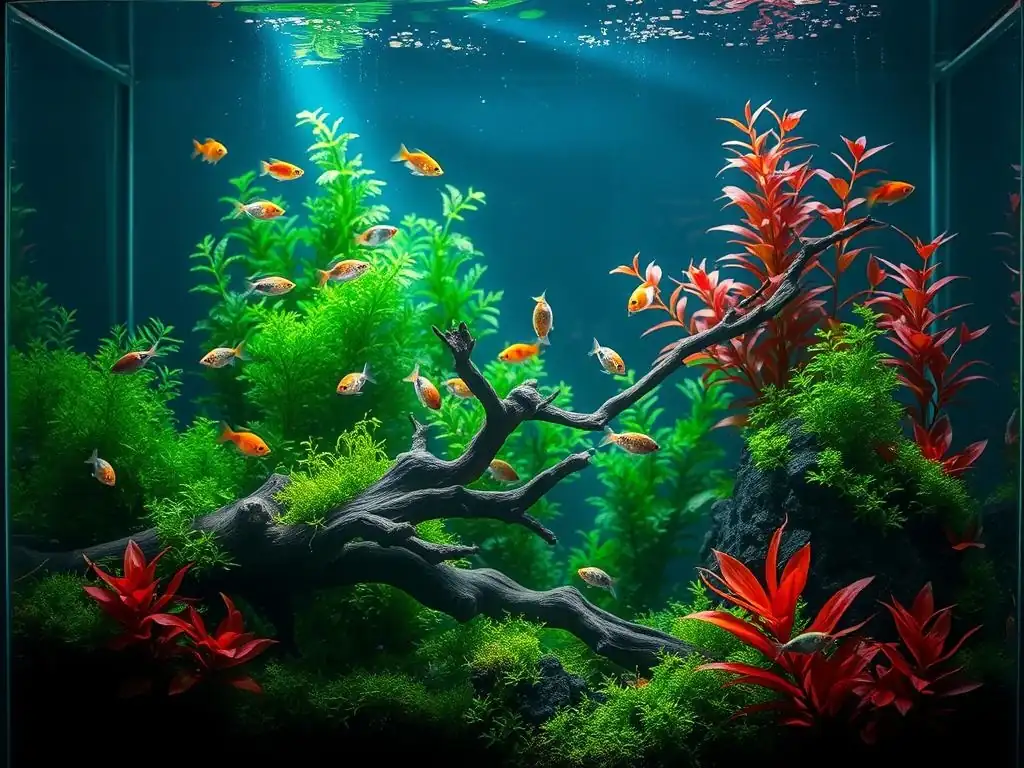
Ever wondered how to keep your dazzling small tank cyprinids thriving and parasite-free? The secret lies in proactive prevention. Dive into our comprehensive guide to unlock the knowledge you need to safeguard your finned friends and ensure a vibrant, healthy aquarium environment. Ready to discover the best strategies for parasite prevention? Let's get started!
- Understanding Parasites in Small Cyprinid Aquariums
- Proactive Strategies for Preventing Parasites in Small Cyprinid Tanks
- Implementing Effective Tank Management Practices
- Safe and Effective Treatments for Cyprinid Parasites (If Prevention Fails)
- Long-Term Parasite Prevention for a Thriving Cyprinid Community
- Advanced Parasite Control Techniques for Cyprinid Aquariums
-
Frequently Asked Questions
- What are the most common parasites that affect small cyprinids in community tanks?
- How can I proactively prevent parasite outbreaks in my small cyprinid tank?
- What are the typical symptoms of a parasitic infection in small cyprinids?
- What water parameters are most important for preventing parasite outbreaks in a cyprinid tank?
- What treatment options are available if my small cyprinids contract a parasitic infection?
- Final Reflection: Safeguarding Tiny Ecosystems
- Safeguard Your Cyprinids: Act Now to Prevent Parasites!
Understanding Parasites in Small Cyprinid Aquariums
Common Cyprinid Parasites in Community Tanks
Small cyprinid community tanks, home to lively Danios, Rasboras, and White Clouds, are susceptible to a range of common parasites. Among the most prevalent is Ichthyophthirius multifiliis, commonly known as Ich or White Spot Disease. This ciliate parasite is highly contagious and manifests as small, salt-like white spots primarily on the fish's body and fins.
Ich is particularly common in small cyprinid tanks due to fluctuating water conditions, which can stress fish and compromise their immune systems, allowing the parasite to quickly take hold. Research suggests that parasitic infections, with Ich often leading the charge, can account for a significant portion of fish losses in home aquariums, sometimes up to 50% if left untreated.
Another significant threat among small tank cyprinid parasites is Velvet Disease, caused by dinoflagellates of the Oodinium genus, which appear as a fine, dusty, yellowish or brownish coating on the fish's skin. Gill flukes ( Dactylogyrus) and skin flukes ( Gyrodactylus) are also frequent culprits. These monogenean trematodes are tiny, worm-like parasites that attach to the gills or body surface, causing irritation and breathing difficulties. In the confined environment of a small community tank, these parasites can rapidly proliferate, overwhelming the fish's defenses and leading to widespread debilitation and mortality if not addressed swiftly.
Recognizing Symptoms of Parasitic Infections in Danios, Rasboras, and White Clouds
Early detection of parasitic infections in your small cyprinid tank is paramount for successful intervention. Behavioral changes are often the first indicators. Infected Danios, Rasboras, or White Clouds may exhibit "flashing," where they rub their bodies against tank decorations or substrate in an attempt to dislodge the parasites. Other common behavioral symptoms include clamped fins, lethargy, reduced appetite, and hiding more frequently than usual. These small, active schooling fish typically display vibrant, synchronized swimming; any deviation from this, such as isolated individuals or erratic movements, should prompt immediate investigation for small tank cyprinid parasites.
Beyond behavioral cues, physical signs provide direct evidence of parasitic presence. For Ich, the characteristic white spots are unmistakable. Velvet disease manifests as a distinctive gold or brownish "dust" on the fish's body. Flukes, though often microscopic, can cause excessive mucus production, frayed fins, or visible red spots where they attach. Rapid gill movement, even in well-oxygenated water, can indicate gill irritation from parasites like Dactylogyrus. Observing your cyprinids daily during feeding allows you to quickly identify these subtle yet critical signs, enabling prompt action against potential small tank cyprinid parasites.
How Parasites Spread in Cyprinid Community Aquariums
The primary vector for introducing small tank cyprinid parasites into an established community aquarium is the addition of new, unquarantined fish. Even seemingly healthy new arrivals can harbor dormant parasites or be asymptomatic carriers. A single infected Danio, Rasbora, or White Cloud introduced directly into the main tank can rapidly spread parasites to the entire population, especially given the close schooling nature of these fish.
Parasites like Ich have a free-swimming stage that actively seeks out new hosts, making transmission highly efficient in a contained aquatic environment. The incubation period for many parasites, such as Ich, can range from 3 to 7 days at warmer temperatures, allowing the infection to become widespread before visible symptoms appear.
Beyond new fish, parasites can also enter your small cyprinid tank through contaminated water, live foods, plants, or even shared equipment. Live foods, if not sourced from reputable, disease-free suppliers, can carry various pathogens. Aquatic plants, while beneficial, can harbor parasite cysts or eggs on their surfaces.
Using nets, gravel vacuums, or buckets that have been used in another tank without proper sterilization can inadvertently transfer microscopic small tank cyprinid parasites. Even tap water can sometimes carry trace amounts of pathogens, though this is less common for aquarium parasites. Understanding these transmission routes is crucial for implementing effective preventative measures.
Proactive Strategies for Preventing Parasites in Small Cyprinid Tanks
Quarantine New Cyprinids Before Introducing Them to the Main Tank
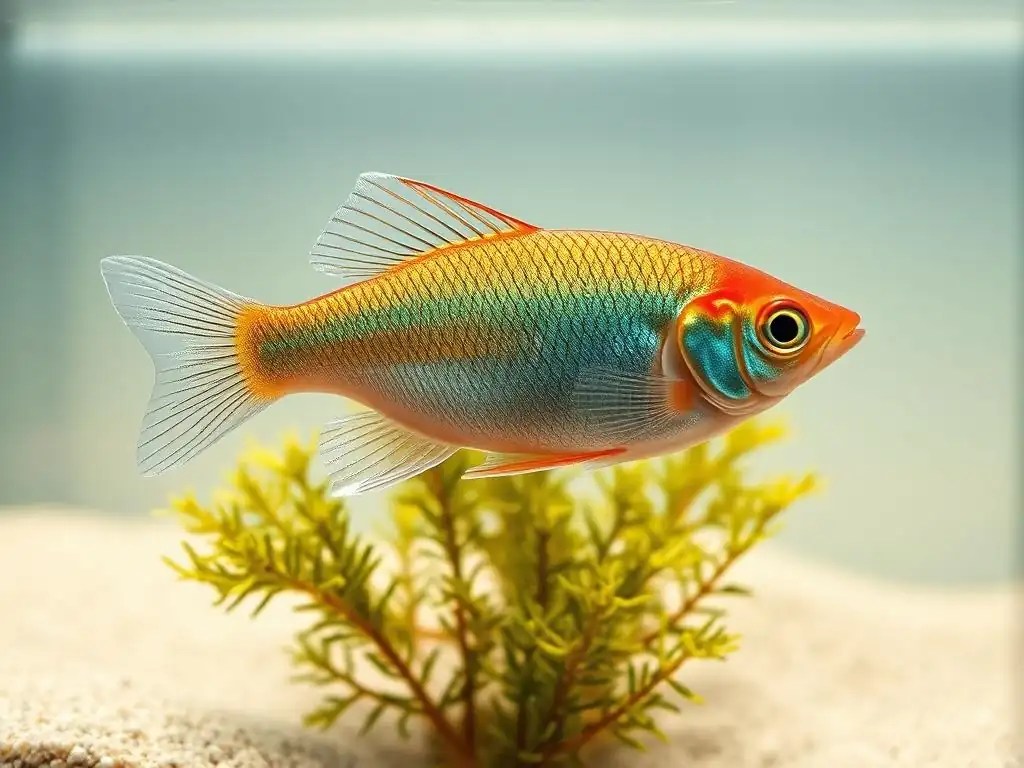
Quarantining new cyprinids is arguably the single most effective proactive measure against introducing small tank cyprinid parasites. A dedicated quarantine tank, typically 5 to 10 gallons for a small school of Danios or Rasboras, should be set up with a heater, a small sponge filter (for gentle biological filtration), and minimal decor. This isolation period allows you to observe new fish for any signs of disease without risking the health of your established community. A recommended quarantine period is typically 2 to 4 weeks, providing sufficient time for most common parasites to manifest if present.
During quarantine, closely monitor the new cyprinids for behavioral changes, physical spots, or unusual swimming patterns. While some aquarists opt for prophylactic treatment with broad-spectrum anti-parasitic medications, observation alone is often sufficient, especially if the fish appear healthy. If any symptoms of small tank cyprinid parasites arise, immediate treatment can be administered in the quarantine tank, preventing the spread to your main display tank. This simple yet critical step saves countless hours of frustration and potential fish loss down the line.
Maintaining Optimal Water Quality to Prevent Parasites
The Importance of Regular Water Changes for Cyprinid Health
Regular water changes are foundational to maintaining pristine water quality, which in turn significantly reduces the risk of small tank cyprinid parasites. Fresh, dechlorinated water dilutes the concentration of pollutants like nitrates and organic waste, which can stress fish and suppress their immune systems.
More importantly, frequent water changes physically remove free-swimming parasite stages (e.g., Ich tomonts) and parasite eggs from the water column, breaking their life cycle and reducing the overall parasite load in the tank. For a typical 10-gallon cyprinid community tank, a weekly water change of 25-30% is often recommended to keep the environment stable and clean.
Beyond pollutant removal, regular water changes replenish essential minerals and trace elements that are gradually depleted from the aquarium water. This fresh infusion of vital components contributes to the overall health and vitality of Danios, Rasboras, and White Clouds, strengthening their natural resilience against various pathogens, including small tank cyprinid parasites. Consistent water changes also help to stabilize pH and temperature, preventing the rapid fluctuations that can induce stress in sensitive fish, making them more vulnerable to opportunistic infections.
Monitoring Ammonia, Nitrite, and Nitrate Levels to Avoid Parasite Outbreaks
The nitrogen cycle is the backbone of a healthy aquarium, and vigilant monitoring of its key parameters is crucial for parasite prevention. Ammonia and nitrite, even at low concentrations, are highly toxic to fish. Elevated levels of these compounds directly poison the fish, causing severe stress, gill damage, and a drastic weakening of their immune system. When the immune system is compromised, Danios, Rasboras, and White Clouds become highly susceptible to parasitic infections, as their natural defenses are unable to fend off even common small tank cyprinid parasites.
Nitrate, the end product of the nitrogen cycle, is less acutely toxic than ammonia or nitrite but can still cause chronic stress at high levels (typically above 20-40 ppm for sensitive fish). Prolonged exposure to high nitrates suppresses the immune response over time, making fish more prone to disease.
Regular testing with a reliable liquid test kit (e.g., weekly or bi-weekly) is essential to ensure ammonia and nitrite levels remain at 0 ppm and nitrates are kept within acceptable limits. Maintaining these parameters consistently within optimal ranges creates a stable, low-stress environment where your small cyprinids can thrive and resist small tank cyprinid parasites.
Proper Filtration for a Healthy Cyprinid Community
Choosing the Right Filter for Your Small Cyprinid Tank
Selecting the appropriate filtration system is fundamental for a healthy small cyprinid community tank, as effective filtration directly impacts water quality and parasite prevention. For tanks housing Danios, Rasboras, or White Clouds, popular choices include sponge filters, hang-on-back (HOB) filters, and small internal filters. Sponge filters offer excellent biological filtration with gentle water flow, making them ideal for small schooling fish and even fry, as they won't pull in delicate fish. HOB filters provide mechanical, chemical, and biological filtration, typically rated for tanks from 10 to 30 gallons, offering versatility and ease of maintenance.
The key is to choose a filter that provides adequate biological filtration to process the nitrogenous waste produced by your fish, thereby preventing toxic ammonia and nitrite spikes. While mechanical filtration removes particulate matter, and chemical filtration can remove odors or medications, biological filtration is the most crucial aspect for preventing stress-induced susceptibility to small tank cyprinid parasites.
Ensure the filter's flow rate is appropriate for small fish, avoiding strong currents that can exhaust or stress them. A filter rated for at least 3-5 times the tank's volume per hour is a good general guideline (e.g., a 10-gallon tank needs a filter rated for 30-50 GPH).
Maintaining Your Filter to Prevent Parasite Proliferation
Consistent and correct filter maintenance is as important as the filter itself for preventing small tank cyprinid parasites. Mechanical filter media, such as sponges or filter floss, should be rinsed regularly (e.g., every 1-2 weeks) in old tank water removed during a water change. This removes trapped detritus and uneaten food, preventing them from decomposing and polluting the water, while preserving the beneficial bacterial colony. Never rinse filter media under chlorinated tap water, as this will kill the beneficial bacteria essential for the nitrogen cycle.
Biological filter media, such as ceramic rings or bio-balls, should be disturbed as little as possible. They only require cleaning if flow is severely restricted, and then only gently rinsed in old tank water. Replacing all filter media simultaneously should be avoided, as it can lead to a crash in the beneficial bacterial colony, causing an ammonia or nitrite spike that severely stresses fish and makes them highly vulnerable to small tank cyprinid parasites. A well-maintained filter ensures stable, healthy water conditions, which are the first line of defense against disease.
Feeding Your Cyprinids a Balanced Diet to Boost Immunity
The Role of Nutrition in Preventing Parasitic Infections
A high-quality, balanced diet is fundamental to bolstering the immune system of your Danios, Rasboras, and White Clouds, making them far more resistant to small tank cyprinid parasites. Just like humans, fish require a diverse range of nutrients to maintain optimal health. A diet rich in essential vitamins (especially Vitamin C, which acts as an antioxidant and immune booster, and Vitamin E), minerals, and high-quality proteins provides the building blocks for a robust immune response. When fish are well-nourished, their bodies are better equipped to fight off pathogens and recover from any environmental stressors.
Conversely, a diet composed solely of low-quality, single-source foods can lead to nutritional deficiencies, weakening the fish's immune system over time. Overfeeding is equally detrimental; excess food decomposes, leading to poor water quality, which in turn stresses fish and makes them more susceptible to parasitic infections. Feed your small cyprinids small amounts multiple times a day, only what they can consume completely within 2-3 minutes, to ensure optimal nutrient intake without polluting the tank.
Recommended Foods for Danios, Rasboras, and White Clouds
For Danios, Rasboras, and White Clouds, a varied diet is key to ensuring complete nutrition and strong immunity against small tank cyprinid parasites. High-quality flake or micro-pellet foods designed for small omnivores should form the staple of their diet. Look for brands that list fish meal, spirulina, and various vitamins as primary ingredients. Many premium flakes offer a crude protein content of 35-45%, which is ideal for these active species.
Supplementing their staple diet with a variety of live or frozen foods provides essential trace nutrients and stimulates natural foraging behaviors. Excellent choices include brine shrimp, daphnia, micro-worms, and finely chopped bloodworms. Spirulina flakes or wafers can also be offered periodically to provide additional plant-based nutrients and fiber. Offering a diverse diet not only enhances their health and vibrant coloration but also significantly strengthens their natural defenses, making them less vulnerable to parasitic infections.
Implementing Effective Tank Management Practices
Regular Gravel Vacuuming to Remove Parasite Hosts
Regular gravel vacuuming is a critical tank management practice that directly aids in preventing small tank cyprinid parasites. Uneaten food, fish waste, and decaying plant matter accumulate in the substrate, forming a rich organic sludge. This detritus provides a breeding ground for harmful bacteria and can harbor various parasite stages, such as the encysted tomonts of Ich. When these organic materials decompose, they also release toxins that degrade water quality and stress fish, further compromising their immunity.
By performing weekly or bi-weekly gravel vacuuming during water changes, you physically remove this accumulated organic waste and, crucially, any parasite cysts or eggs that have settled into the substrate. This significantly reduces the environmental load of small tank cyprinid parasites, breaking their life cycle and preventing re-infection within the community. A thorough vacuuming can remove up to 30-50% of the detritus from the substrate, creating a cleaner, healthier environment for your Danios, Rasboras, and White Clouds.
Plant Health and Parasite Prevention in Cyprinid Tanks
Live plants play a vital, often underestimated, role in preventing small tank cyprinid parasites by contributing to a healthier, more stable aquarium environment. Healthy plants absorb nitrates and other nitrogenous waste products from the water, acting as natural filters. This helps to maintain stable water parameters and reduce the overall pollutant load, which in turn minimizes stress on your fish. During the day, plants also release oxygen through photosynthesis, further improving water quality and providing a well-oxygenated environment that supports fish health.
Furthermore, live plants provide essential cover and hiding spots for small Danios, Rasboras, and White Clouds. This reduces stress from perceived threats, whether from other tank mates or simply the open environment. Less stressed fish have stronger immune systems and are inherently more resistant to opportunistic infections, including parasitic infestations. A well-planted tank creates a natural, balanced ecosystem that is more resilient to outbreaks of small tank cyprinid parasites. However, always quarantine and inspect new plants carefully to avoid introducing unwanted hitchhikers.
Choosing Cyprinid Tank Mates Wisely to Minimize Parasite Risk
The selection of appropriate tank mates for your small cyprinid community tank is crucial for minimizing the risk of parasitic infections. Introducing incompatible species, such as overly aggressive or significantly larger fish, can cause chronic stress to your Danios, Rasboras, and White Clouds. This stress manifests as constant hiding, fin nipping, or an inability to feed properly, all of which suppress the fish's immune system, making them highly susceptible to any lurking small tank cyprinid parasites.
Moreover, different fish species can carry different pathogens to which they are immune but which can be devastating to other species. Introducing fish from unknown sources or those with differing water parameter requirements can also introduce new diseases or create an unstable environment that stresses all inhabitants. Always opt for peaceful, similarly sized tank mates that share the same water temperature and chemistry preferences. Popular compatible choices include peaceful bottom dwellers like Corydoras catfish or other small, docile schooling fish. A harmonious community reduces overall stress, bolstering the collective immunity against small tank cyprinid parasites.
Safe and Effective Treatments for Cyprinid Parasites (If Prevention Fails)
Identifying the Specific Parasite Affecting Your Cyprinids
If, despite your best preventive efforts, your small cyprinid tank experiences a parasitic outbreak, accurate identification of the specific parasite is the first and most critical step towards effective treatment. Different parasites respond to different medications, and using the wrong treatment can be ineffective, delay recovery, or even harm your fish. For instance, Ich (white spots) requires a different approach than Velvet (dusty coating) or flukes (excessive mucus, rapid gill movement).
Carefully observe the symptoms: Are the spots salt-like or dusty? Are the fish gasping at the surface? Are there visible worms? Consult reliable aquarium resources, such as detailed fish health guides or online forums with experienced aquarists, to cross-reference symptoms with common small tank cyprinid parasites. Taking clear photos or videos of affected fish can also aid in diagnosis if you need to consult with a local fish store expert or a veterinarian specializing in aquatic animals. Early and precise identification significantly increases the chances of successful treatment.
Natural Treatments for Minor Parasite Infestations in Small Tanks
For minor or early-stage parasitic infestations in small cyprinid tanks, some natural or less aggressive treatments can be considered, though their effectiveness varies depending on the parasite. For Ich ( Ichthyophthirius multifiliis), a common approach is the heat treatment.
Gradually raising the tank temperature to 82-86°F (28-30°C) over a 24-hour period can accelerate the Ich life cycle, causing the trophonts to drop off the fish faster and making the free-swimming stage more vulnerable to the higher temperature. This method requires increased aeration, as warmer water holds less dissolved oxygen, and careful monitoring to ensure your Danios, Rasboras, and White Clouds tolerate the heat.
Another common natural approach involves the use of aquarium salt (non-iodized). For general stress relief and to aid in osmoregulation, a concentration of 1 tablespoon per 5 gallons is often used. For specific external parasites, some sources suggest up to 3 tablespoons per 5 gallons, though this higher concentration can be detrimental to live plants and sensitive invertebrates like snails or shrimp, which are common in small cyprinid community tanks.
Salt acts as a mild antiseptic and can irritate the outer layers of some small tank cyprinid parasites, potentially helping the fish shed them. Always ensure the salt is fully dissolved before adding it to the tank.
Using Medications Safely in a Cyprinid Community Tank
Dosage and Application Guidelines
When natural methods are insufficient, chemical medications may be necessary to eradicate small tank cyprinid parasites. It is absolutely critical to follow the manufacturer's dosage and application guidelines precisely. Overdosing can be fatal to your fish and beneficial bacteria, while underdosing may lead to ineffective treatment and the development of drug-resistant parasite strains. Always calculate your tank's actual water volume accurately before dosing, accounting for displacement by substrate and decorations. For example, a 10-gallon tank usually holds closer to 8-9 gallons of actual water.
Before administering any medication, it's typically necessary to remove activated carbon from your filter, as it will absorb the medication, rendering it ineffective. Increase aeration during treatment, as some medications can reduce oxygen levels. Many treatments for small tank cyprinid parasites require multiple doses over several days or weeks to target different life stages of the parasite. For instance, Ich medications often need to be dosed every 24-48 hours for 7-14 days to ensure all free-swimming stages are eliminated. Always complete the full treatment course, even if symptoms appear to subside, to prevent recurrence.
Potential Side Effects of Parasite Medications
While effective, parasite medications can have significant side effects that must be considered, especially in a small cyprinid community tank. Many broad-spectrum anti-parasitic treatments, particularly those containing malachite green or formalin, can be harmful to the beneficial bacteria in your biological filter. This can lead to a crash in the nitrogen cycle, resulting in dangerous ammonia and nitrite spikes that are more detrimental than the initial parasitic infection. Always monitor water parameters closely during and after treatment.
Furthermore, certain medications are highly toxic to invertebrates such as snails and shrimp, which are common inhabitants of small community tanks. Copper-based medications, for example, are effective against some parasites but are lethal to most invertebrates and can even be absorbed by substrate, making future invertebrate keeping difficult. Some fish species, including certain Rasboras or very delicate Danios, can also be sensitive to specific chemicals. Always research the medication's compatibility with all your tank inhabitants before initiating treatment for small tank cyprinid parasites.
Long-Term Parasite Prevention for a Thriving Cyprinid Community
Establishing a Consistent Tank Maintenance Routine
Establishing and adhering to a consistent tank maintenance routine is the cornerstone of long-term parasite prevention and overall fish health in your small cyprinid community tank. Predictable care, such as weekly water changes, bi-weekly filter maintenance, and daily feeding observations, minimizes environmental fluctuations that stress fish. This routine ensures stable water parameters, reduces the accumulation of organic waste, and reinforces the fish's natural defenses, making them inherently more resistant to small tank cyprinid parasites.
Consistency in maintenance also makes it easier to spot subtle changes in fish behavior or appearance, allowing for early intervention before any issues escalate. For example, if you perform a 25% water change every Saturday, you'll immediately notice if the water parameters are off or if fish are showing signs of stress. This proactive approach prevents the conditions that allow small tank cyprinid parasites to take hold and proliferate, fostering a stable and resilient aquatic environment.
Regularly Observing Your Cyprinids for Signs of Parasites
Daily, vigilant observation of your Danios, Rasboras, and White Clouds is an indispensable tool for long-term parasite prevention. During feeding times, take a few minutes to watch each fish closely. Look for any deviations from their normal behavior: Are they schooling normally, or are some isolating themselves? Are their fins clamped, or are they flashing against decor? Are there any visible spots, lesions, or changes in coloration?
Catching the earliest signs of stress or disease, even before overt symptoms of small tank cyprinid parasites appear, allows for immediate, targeted intervention. This might involve a small water change, isolation of a potentially affected fish, or a slight adjustment to feeding. Early detection can be the difference between a minor, easily resolved issue and a widespread, devastating parasitic outbreak that compromises the entire community tank.
Maintaining a Healthy and Balanced Ecosystem in Your Aquarium
A healthy and balanced ecosystem is the ultimate defense against small tank cyprinid parasites and other diseases. This holistic approach involves more than just clean water; it encompasses appropriate stocking levels, a mature nitrogen cycle, thriving live plants, and compatible tank mates. An overstocked tank, for instance, leads to rapid waste accumulation and increased aggression, both of which severely stress fish and suppress their immune systems, leaving them highly vulnerable to opportunistic parasites.
A stable environment with minimal fluctuations in temperature, pH, and water chemistry is crucial. Healthy plants contribute to this stability by absorbing nitrates and providing natural hiding places. When all components of the ecosystem are in balance, your small cyprinids will experience less stress, allowing their immune systems to remain robust and fully capable of warding off common small tank cyprinid parasites. This creates a self-sustaining, resilient aquatic environment where your fish can thrive for years.
Advanced Parasite Control Techniques for Cyprinid Aquariums
UV Sterilization for Eliminating Parasites in the Water Column
UV sterilizers represent an advanced technique for controlling small tank cyprinid parasites, particularly those with free-swimming stages in the water column. These devices work by passing aquarium water through a chamber containing an ultraviolet light bulb. The UV-C light damages the DNA of microorganisms, including certain stages of Ich (tomonts), Velvet spores, and various bacteria and algae, preventing them from reproducing or infecting hosts.
While UV sterilizers are highly effective at reducing the parasitic load in the water, it's important to note their limitations. They do not kill parasites that are already attached to fish or embedded in the substrate. Therefore, they are best utilized as a preventative measure or as part of a comprehensive treatment plan to reduce re-infection pressure. For a small cyprinid tank, a low-wattage UV sterilizer (e.g., 5-9 watts) can significantly reduce the likelihood of widespread outbreaks of small tank cyprinid parasites by continually sanitizing the water.
Chemical Treatments: Copper Sulfate and Praziquantel
For persistent or severe parasitic infestations, specific chemical treatments like copper sulfate and praziquantel offer advanced solutions, but their use requires caution. Copper sulfate is highly effective against external parasites such as Ich, Velvet, and some flukes. However, it is a potent chemical that requires precise dosing (typically aiming for 0.15-0.20 ppm in the water) and continuous monitoring with a copper test kit, as overdosing can be fatal to fish. Copper is also highly toxic to invertebrates (snails, shrimp) and can be absorbed by substrate, making it generally unsuitable for planted community tanks.
Praziquantel is a targeted medication primarily used for internal and external flukes (monogeneans like Dactylogyrus and Gyrodactylus) and tapeworms. It is generally considered safer for beneficial bacteria and invertebrates compared to copper, making it a preferred choice for specific worm-related small tank cyprinid parasites. Praziquantel is often administered as a bath treatment or incorporated into medicated food. Always research the specific parasite and medication thoroughly, understanding their efficacy, risks, and proper application for your small cyprinid community.
Probiotic Use to Enhance Cyprinid Immunity
The use of probiotics, beneficial bacteria, is an emerging advanced technique to enhance the immunity of small cyprinids and help them resist parasites. Some high-quality fish foods are now fortified with probiotics that, when ingested, colonize the fish's gut. These beneficial bacteria improve digestion, enhance nutrient absorption, and directly strengthen the fish's immune system, making them more resilient to various pathogens, including small tank cyprinid parasites. A healthier gut microbiome contributes significantly to overall fish vitality.
Beyond dietary probiotics, some aquarists also utilize beneficial bacteria added directly to the water column, distinct from the nitrifying bacteria in the filter. While primarily aimed at improving water clarity and reducing organic sludge, a healthier microbial environment in the water can indirectly reduce stress on fish and outcompete pathogenic bacteria and parasites. While more research is ongoing in this area, fostering a robust, balanced microbial ecosystem, both inside and outside the fish, contributes to a strong defense against small tank cyprinid parasites.
Frequently Asked Questions
What are the most common parasites that affect small cyprinids in community tanks?
Common parasites include Ichthyophthirius multifiliis (Ich or white spot disease), Oodinium (Velvet disease), and various types of internal worms. These can be introduced through new fish or contaminated plants. Early detection is crucial for treatment.
How can I proactively prevent parasite outbreaks in my small cyprinid tank?
Prevention involves a strict quarantine process for new additions, maintaining excellent water quality, and avoiding overcrowding. Regular observation of your fish's behavior is also key.
What are the typical symptoms of a parasitic infection in small cyprinids?
Symptoms can include white spots on the body, rapid breathing, scratching against objects, lethargy, and loss of appetite. The specific symptoms depend on the type of parasite.
What water parameters are most important for preventing parasite outbreaks in a cyprinid tank?
Maintaining stable and appropriate water parameters, including temperature, pH, ammonia, nitrite, and nitrate levels, is crucial. Routine water changes are also essential.
What treatment options are available if my small cyprinids contract a parasitic infection?
Treatment options vary depending on the parasite but often include medications specifically designed for aquarium fish. Water changes and temperature adjustments may also be necessary, along with quarantining infected fish.
Final Reflection: Safeguarding Tiny Ecosystems
The principles of proactive parasite prevention, as outlined in this guide, are not merely theoretical exercises; they are essential cornerstones of responsible fishkeeping, particularly within the delicate confines of a small cyprinid community tank. The health and vitality of these miniature ecosystems hinge on our understanding and diligent application of these preventative measures, ensuring a thriving environment for these fascinating creatures.
This journey into the microscopic world of parasites has hopefully illuminated the profound impact these unseen organisms can have on our beloved fish. The responsibility we bear as caretakers extends beyond simply providing food and water; it encompasses a commitment to understanding and mitigating potential threats to their well-being. The best way to treat a disease is to prevent it.
This timeless adage rings especially true in the context of small tank cyprinids, where early detection and proactive prevention can make all the difference.
Now, armed with this knowledge, I invite you to reflect on your own practices. Consider how you can implement these strategies to create a safer, healthier, and more vibrant environment for your small cyprinid community. Let us all strive to be proactive guardians, ensuring the longevity and prosperity of these tiny, captivating ecosystems.
Safeguard Your Cyprinids: Act Now to Prevent Parasites!
Thank you for exploring this guide to parasite prevention in your cyprinid tank. Now that you're armed with this knowledge, it's time to proactively protect your aquatic companions.
Here are a few steps you can take immediately:
- Implement a quarantine process for all new additions to your tank. This is the single most important step in preventing the introduction of parasites.
- Start a tank health journal! Note the behavior and appearance of the fish once a week.
- Consider offering a garlic-infused food option to naturally boost your cyprinids’ immune systems.
What preventative measures are you excited to try with your cyprinids?