
Bloodfin Tetra Allure: Striking Red Fins and Hardy Nature – Complete Care

Welcome to Aquarium Mastery!
Intrigued by the vibrant flash of red in your aquarium? Dive into our comprehensive Bloodfin Tetra Care Guide and unlock the secrets to keeping these hardy and beautiful fish thriving. Discover everything you need to know about their captivating allure, ideal tank conditions, and how to ensure they flourish in your freshwater haven. Ready to witness their striking fins dance? Let's explore!
- Bloodfin Tetra: Care, Tank Mates, and Breeding Guide
- Introduction to Bloodfin Tetras
- Bloodfin Tetra Appearance
- Bloodfin Tetra Care
- Bloodfin Tetra Diet
- Bloodfin Tetra Tank Mates
- Bloodfin Tetra Behavior
- Bloodfin Tetra Breeding
- Common Diseases and Health Issues
- Troubleshooting Common Problems
- Bloodfin Tetra Care Checklist
- Conclusion
-
Frequently Asked Questions
- How big do Bloodfin Tetras get and what size tank do they need?
- What are the ideal water parameters for Bloodfin Tetras?
- What do Bloodfin Tetras eat and how often should I feed them?
- Are Bloodfin Tetras compatible with other fish species in a community tank?
- How do I maintain the vibrant red color of my Bloodfin Tetras?
- Final Reflection: The Enduring Spark of Life
- Dive Deeper into the Bloodfin Tetra's World!
Bloodfin Tetra: Care, Tank Mates, and Breeding Guide
Introduction to Bloodfin Tetras
Origins and Natural Habitat
Bloodfin Tetras (scientific name: Aphyocharax anisitsi) originate from the extensive river systems of South America, primarily found in the Paraná River basin. This vast area spans across Argentina, Brazil, Paraguay, and Uruguay, encompassing a diverse range of aquatic environments. Their natural habitats typically consist of clear, slow-moving streams, rivers, and tributaries, often characterized by dense marginal vegetation, submerged roots, and leaf litter.
In their native environment, Bloodfin Tetras thrive in waters that are generally soft to moderately hard, with a slightly acidic to neutral pH. Temperatures in these regions typically range from 72°F to 78°F (22°C to 26°C), reflecting the conditions they prefer in an aquarium. They are schooling fish, naturally congregating in large groups to find food and for protection against predators, a behavior that is crucial to replicate in captivity for their well-being.
Benefits of Keeping Bloodfin Tetras
One of the primary benefits of keeping Bloodfin Tetras is their remarkable hardiness, making them an excellent choice for both novice and experienced aquarists. They are relatively forgiving of minor fluctuations in water parameters compared to more sensitive species, which contributes to their reputation as a robust freshwater fish. This resilience makes them a popular choice for beginners looking to establish their first community aquarium.
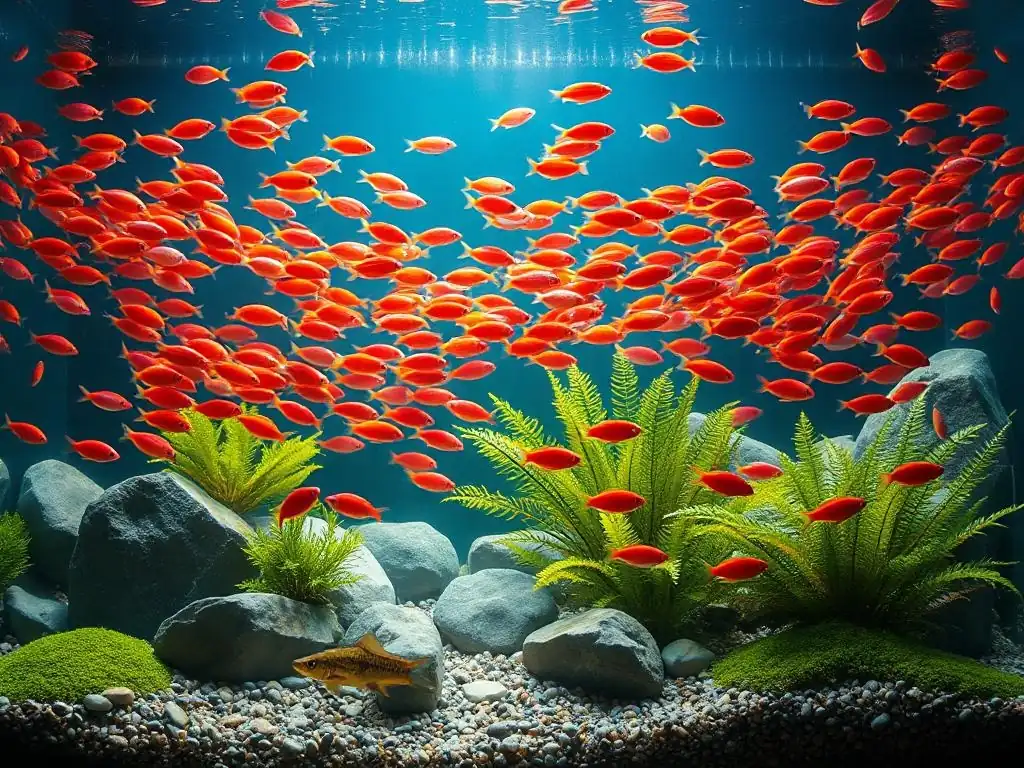
Beyond their hardiness, Bloodfin Tetras offer significant aesthetic appeal with their striking iridescent silver bodies and vibrant red fins, providing a beautiful contrast in any tank. Their active schooling behavior adds dynamic movement and visual interest, constantly darting and weaving through the middle and upper levels of the water column. With proper Bloodfin tetra care, these fish can live for an impressive 5 to 8 years, or even longer, becoming long-term inhabitants of your aquatic display.
Bloodfin Tetra Appearance
Identifying Characteristics
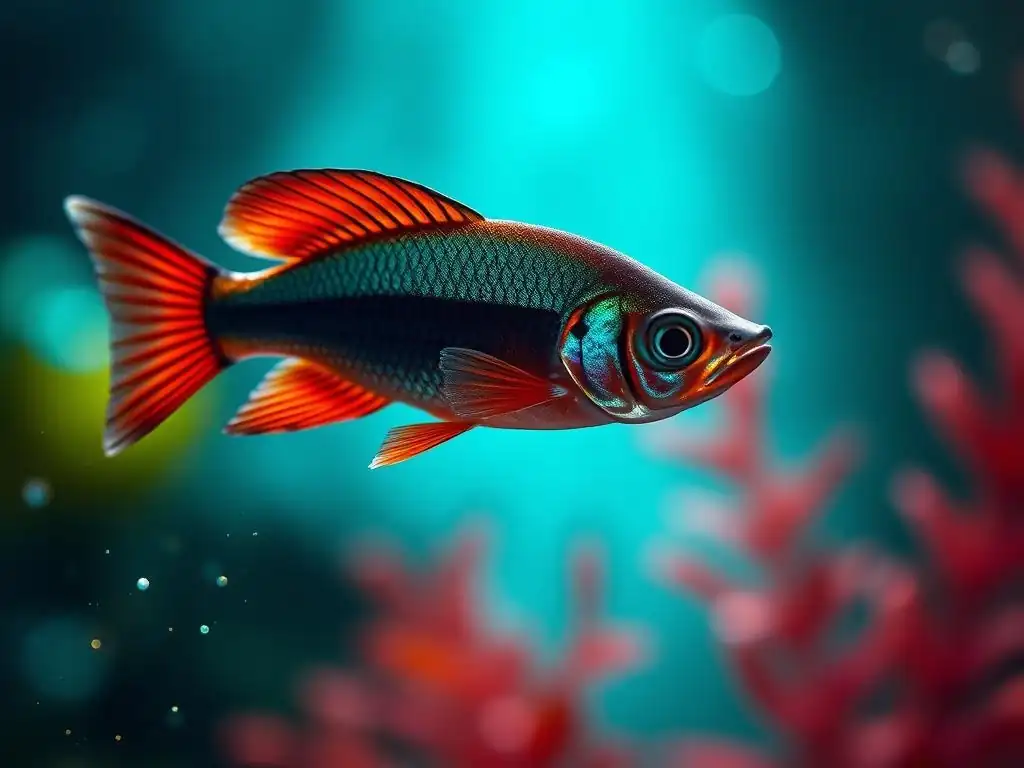
The Bloodfin Tetra is easily recognizable by its sleek, torpedo-shaped body, which is laterally compressed and streamlined for swift movement. Their most distinguishing feature is the vivid red coloration on their caudal (tail), anal, dorsal, and sometimes pectoral fins, which stands in stark contrast to their otherwise iridescent silver body. This silver sheen can sometimes exhibit subtle hints of green or blue, especially under optimal lighting and water conditions.
They possess well-developed fins, including a small adipose fin located between the dorsal and caudal fins, a characteristic common among many tetra species. Sexual dimorphism in Bloodfin Tetras is subtle; males tend to be slightly smaller and more slender with potentially brighter fin coloration, particularly during breeding periods. Females, on the other hand, are typically rounder and fuller-bodied, especially when gravid with eggs.
Size and Lifespan
Bloodfin Tetras are a moderately sized freshwater fish, reaching an average adult length of approximately 2 to 2.5 inches (5 to 6.5 cm). This modest size makes them suitable for a variety of aquarium setups, particularly community tanks where they can coexist peacefully with other similarly sized species. Their compact yet active nature means they require adequate swimming space despite their relatively small stature.
With diligent Bloodfin tetra care, including stable water parameters, a nutritious diet, and appropriate tank mates, these fish can enjoy a considerable lifespan. It is not uncommon for Bloodfin Tetras to live for 5 to 8 years in a well-maintained aquarium environment. Some dedicated aquarists have even reported lifespans exceeding this range, underscoring the importance of consistent and high-quality care in maximizing their longevity.
Bloodfin Tetra Care
Tank Size Requirements
Due to their active nature and obligate schooling behavior, Bloodfin Tetras require ample swimming space to thrive. A minimum tank size of 20 gallons (approximately 75 liters) is recommended for a healthy school of 6 to 8 individuals. This size allows for sufficient horizontal swimming room, which is crucial for these mid-level dwellers. Housing fewer than 6 Bloodfin Tetras can lead to stress, shyness, and a noticeable decrease in their natural schooling behavior.
For larger schools of 10 or more Bloodfin Tetras, or when planning a diverse community tank, a 30-gallon (113-liter) or even 40-gallon (150-liter) aquarium is highly beneficial. A larger tank provides more stability in water parameters, offers more territory for each fish, and allows for more elaborate aquascaping. While the general "one inch of fish per gallon" rule exists, it's often too simplistic for active schooling species like Bloodfin Tetras, as their activity level demands more volume per fish.
Optimal Water Parameters
Maintaining stable and appropriate water parameters is paramount for the health and vibrancy of Bloodfin Tetras. The ideal water temperature range for these fish is between 72°F and 78°F (22°C to 26°C), mimicking their native tropical environment. Fluctuations outside this range can cause stress and compromise their immune system, making them susceptible to disease.
In terms of pH, Bloodfin Tetras prefer slightly acidic to neutral water, with an optimal range of 6.0 to 7.5. Their preferred water hardness (GH/KH) is soft to medium hard, typically between 5 and 15 dGH (89-267 ppm). While hitting these exact numbers is ideal, consistency and stability are often more critical than absolute precision. Regular water testing for ammonia, nitrite, and nitrate levels is essential to ensure a healthy environment, with target levels of 0 ppm for ammonia and nitrite, and nitrates below 20 ppm.
Aquarium Setup
A well-designed aquarium setup significantly contributes to the well-being of Bloodfin Tetras. A dark substrate, such as fine gravel or sand, is recommended as it helps to enhance their vibrant red fin coloration and reduces reflections that can cause stress. While they are active swimmers, providing plenty of open swimming space in the middle and front of the tank is crucial for their schooling activities.
To balance open space with security, incorporate dense planting along the back and sides of the aquarium. Live plants like Java Moss, Anubias, and Cryptocoryne species provide natural hiding spots and visual barriers, allowing the fish to feel secure while still having ample room to swim. Additionally, driftwood or smooth rocks can be used to create interesting aquascapes and further enrich their environment. A moderate lighting scheme is generally preferred, avoiding overly bright illumination which can make them shy.
Maintaining Water Quality
Consistent water quality is the cornerstone of successful Bloodfin tetra care. Regular partial water changes are essential to dilute nitrates, replenish beneficial minerals, and remove accumulated waste products. It is recommended to perform weekly water changes of 25-30% of the tank volume. Using a gravel vacuum during these changes allows for the removal of uneaten food and detritus from the substrate, preventing the build-up of harmful compounds.
Beyond water changes, effective filtration is vital. A good quality hang-on-back or canister filter that provides moderate water flow is suitable, as strong currents can stress these fish. Ensure the filter media is regularly cleaned or replaced to maintain optimal biological and mechanical filtration. Furthermore, never introduce Bloodfin Tetras to an uncycled tank; ensuring the nitrogen cycle is fully established before adding any fish is critical to prevent ammonia and nitrite poisoning.
Bloodfin Tetra Diet
Recommended Food
Bloodfin Tetras are omnivorous, readily accepting a wide variety of foods in captivity. A high-quality staple diet should consist of premium flake food or micro-pellets specifically formulated for tropical omnivores. Look for products that list fish meal or spirulina as primary ingredients to ensure a balanced nutritional profile.
To supplement their staple diet and provide essential nutrients that mimic their natural foraging, offer live or frozen foods regularly. Excellent choices include brine shrimp, daphnia, bloodworms, and small insect larvae. These protein-rich foods not only enhance their coloration and vitality but also provide mental stimulation. Occasionally, blanched vegetables like zucchini or spirulina flakes can be offered to provide necessary plant matter, rounding out their comprehensive Bloodfin tetra care guide.
Feeding Schedule
Establishing a consistent feeding schedule is important for the health and growth of Bloodfin Tetras. It is recommended to feed them small amounts 2 to 3 times a day rather than one large meal. This approach ensures that all fish in the school have an opportunity to eat and prevents overfeeding, which can lead to rapid water quality degradation.
When feeding, observe the fish closely to ensure they consume all the food within 2 to 3 minutes. Any uneaten food should be promptly removed from the tank to prevent it from decaying and polluting the water. Overfeeding can lead to digestive issues, bloating, and contribute to high nitrate levels, making proper portion control a crucial aspect of Bloodfin tetra care.
Bloodfin Tetra Tank Mates
Compatible Species
Choosing appropriate tank mates is vital for the peaceful coexistence and well-being of Bloodfin Tetras. They are generally peaceful schooling fish and thrive best with other non-aggressive, similarly sized community fish. Excellent companions include other small tetra species such as Neon Tetras, Glowlight Tetras, and Lemon Tetras, which share similar water parameter preferences and schooling behaviors.
Other compatible species include various Rasboras (e.g., Harlequin Rasboras, Chili Rasboras), peaceful small Barbs like Cherry Barbs, and bottom-dwelling species such as Corydoras catfish and Otocinclus catfish. Small, peaceful livebearers like Guppies, Mollies, and Platies can also be considered, though it's important to monitor for potential fin nipping from the tetras if their school size is too small or the tank is cramped. The key principle is to select fish that are too large to be eaten by the tetras and are not aggressive or known fin-nippers themselves.
Incompatible Species
To ensure the safety and reduce stress for your Bloodfin Tetras, certain fish species should be avoided as tank mates. Any large or aggressive carnivorous fish, such as most Cichlid species (e.g., Oscar, Jack Dempsey, even some larger Gouramis), are incompatible as they will view Bloodfin Tetras as food. Their predatory nature makes them a significant threat to smaller, peaceful fish.
Furthermore, avoid any fish known for aggressive fin-nipping behavior, especially if the Bloodfin Tetras are not in a large enough school. While some larger Barbs like Tiger Barbs might be considered in very large tanks with a substantial school of their own, they often pose a risk to the delicate fins of Bloodfin Tetras, particularly their vibrant red caudal fins. Very small or extremely delicate fish might also be incompatible, as they could be outcompeted for food or intimidated by the Bloodfin Tetras' active swimming style.
Bloodfin Tetra Behavior
Bloodfin Tetras are obligate schoolers, meaning they must be kept in groups to thrive. A minimum school size of 6 individuals is essential, but a group of 8-10 or more is highly recommended for optimal well-being and to observe their natural behaviors. Keeping them in an appropriately sized school significantly reduces stress, enhances their natural schooling patterns, and makes them feel secure in their environment.
A lone Bloodfin Tetra, or one kept in too small a group, will become highly stressed, shy, prone to disease, and will likely hide most of the time, losing its vibrant coloration and active personality. When kept in a proper school, Bloodfin Tetras are active, mid-level swimmers, constantly darting and weaving through the tank, adding dynamic movement and interest to the aquarium. This natural behavior is a key indicator of their comfort and health.
Signs of Health and Stress
Observing your Bloodfin Tetras regularly can provide crucial insights into their health and stress levels. Healthy Bloodfin Tetras will exhibit vibrant colors, particularly their distinctive red fins, and will actively participate in schooling behavior. They should have clear eyes, an alert demeanor, and a healthy appetite, readily accepting food when offered. Their fins should be erect and undamaged, without any signs of clamping or fraying.
Conversely, signs of stress or illness include faded coloration, especially a dulling of the red fins, which can indicate poor water quality or disease. Clamped fins, erratic swimming patterns, excessive hiding, or isolating themselves from the school are also strong indicators of distress. Rapid gill movement, labored breathing, or a refusal to eat are severe symptoms that warrant immediate attention. Common stressors include poor water quality, incompatible tank mates, an insufficient school size, or sudden environmental changes.
Bloodfin Tetra Breeding
Setting Up a Breeding Tank
To successfully breed Bloodfin Tetras, a dedicated breeding tank is recommended. A small 5-10 gallon (19-38 liter) aquarium is sufficient for a single breeding pair or a small group. The water parameters in the breeding tank should be on the softer side, ideally with a general hardness (GH) of 2-5 dGH, and slightly acidic, with a pH of 6.0-6.5. The temperature should be at the higher end of their preferred range, around 78-80°F (26-27°C), to stimulate spawning.
The breeding tank should be sparsely decorated to allow easy access for egg collection and to prevent parents from consuming eggs. Include fine-leaved plants like Java Moss or artificial spawning mops for egg deposition, as Bloodfin Tetras are egg scatterers. A bare bottom or a mesh layer above the bottom can further protect the eggs from being eaten by the parents. Filtration should be very gentle, ideally a small sponge filter, to prevent eggs or fry from being sucked in.
Breeding Process
Before attempting to breed, condition a healthy breeding pair or a small group (e.g., 2 males and 3 females) with high-quality live or frozen foods, such as bloodworms, brine shrimp, and daphnia, for a week or two. This conditioning period helps the fish develop eggs and milt, increasing their readiness to spawn. Once conditioned, introduce the chosen fish to the breeding tank, preferably in the evening.
Spawning typically occurs in the early morning hours, often at dawn. The male will chase the female, and as she releases eggs, he will fertilize them. The non-adhesive eggs will be scattered among the fine-leaved plants or spawning mop. Bloodfin Tetras are not parental and will readily consume their own eggs once spawning is complete. Therefore, it is crucial to remove the adult fish from the breeding tank immediately after spawning to ensure the survival of the eggs. A single female can lay several hundred eggs, though not all will be viable.
Raising Fry
Bloodfin Tetra eggs are quite small and typically hatch within 24-36 hours, depending on the water temperature. Upon hatching, the fry will be tiny and will initially feed on their yolk sac for the first 3-5 days. During this period, they will be largely immobile and attached to surfaces. Once they become free-swimming, they will require extremely fine food sources.
For the first few days of free-swimming, infusoria or a high-quality liquid fry food is essential. As the fry grow, usually within a week, they can be transitioned to newly hatched brine shrimp or micro-worms, which provide more substantial nutrition. Gradually introduce finely crushed, high-quality flake food as they continue to grow larger. Small, frequent water changes (10-15% daily or every other day) using aged or pre-conditioned water are critical for healthy fry development, as they are very sensitive to water quality fluctuations.
Common Diseases and Health Issues
Identifying Diseases
Despite their hardiness, Bloodfin Tetras can still fall victim to common aquarium diseases, often due to poor water quality or stress. Ich (Ichthyophthirius multifiliis), also known as White Spot Disease, is characterized by small, white spots resembling salt grains on the body and fins. Fin Rot manifests as frayed, ragged, or disintegrating fins, often with a white or reddish edge, and is typically caused by bacterial infections.
Bloat or Dropsy presents as a swollen abdomen, often accompanied by scales protruding from the body, giving a "pinecone" appearance, and is usually a symptom of severe internal organ failure. Velvet (Oodinium) is a parasitic infection that appears as a fine, yellowish-gold dust on the fish's body, causing the fish to "flash" or scratch against tank objects. General signs of illness include lethargy, loss of appetite, abnormal swimming patterns, faded colors, and labored breathing.
Prevention and Treatment
The best approach to managing diseases in Bloodfin Tetras is prevention, which heavily relies on excellent Bloodfin tetra care practices. Maintaining pristine water quality through regular water changes and effective filtration is paramount. Providing a balanced, high-quality diet, avoiding overstocking, and ensuring compatible tank mates significantly reduce stress, thereby boosting their immune system. Always quarantine new fish for 2-4 weeks in a separate tank before introducing them to the main aquarium to prevent the spread of potential pathogens.
If a disease is identified, prompt treatment is crucial. For Ich, gradually increasing the water temperature (if safe for tank mates) and adding aquarium salt or a commercial Ich medication is effective. Fin Rot typically responds to improved water quality and broad-spectrum antibiotics or antifungal medications.
Bloat and Dropsy are often difficult to treat, especially in advanced stages, but isolating the affected fish and trying Epsom salt baths or medicated food can sometimes help. Velvet requires darkening the tank, slightly increasing temperature, and using copper-based medications. Always follow medication instructions carefully and remove activated carbon from filters during treatment, as it can absorb the medication.
Troubleshooting Common Problems
Cloudy Water and Solutions
Cloudy water is a common issue in aquariums and can be caused by several factors. A bacterial bloom is a frequent culprit, especially in new tanks that are still cycling, or in established tanks experiencing an ammonia spike due to overfeeding or inadequate filtration. This appears as a milky white haze. Suspended particles, such as fine substrate dust or detritus, can also make the water appear hazy. Less commonly, a green water algae bloom can cause a greenish cloudiness.
To address a bacterial bloom, reduce feeding immediately and ensure your filter is functioning optimally. In a new tank, it will often resolve on its own as the nitrogen cycle matures. For suspended particles, thoroughly rinse new substrate before adding it to the tank, and consider adding fine filter floss to your filter to polish the water. For an algae bloom, reduce the intensity or duration of lighting and perform partial water changes to lower nitrate levels. Ensuring proper Bloodfin tetra care, especially regarding feeding and filtration, is key to preventing cloudy water.
Loss of Color and Solutions
A noticeable loss of color in Bloodfin Tetras, particularly a dulling of their vibrant red fins, is a significant indicator of stress or illness. The most common causes include poor water quality, such as high ammonia, nitrite, or nitrate levels, or incorrect pH/temperature. Unsuitable tank mates that are aggressive or overly boisterous can also cause chronic stress, leading to faded colors. An insufficient school size (fewer than 6-8 individuals) will make them feel insecure and stressed, manifesting as dullness.
To resolve color loss, first and foremost, thoroughly test your water parameters and perform a partial water change if any levels are off. Ensure the temperature, pH, and hardness are within their optimal range. Review your tank mates to confirm they are compatible and that your Bloodfin Tetras are in a sufficiently large school. Lastly, provide a varied, high-quality diet that includes live or frozen foods, as nutritional deficiencies can also impact coloration. Adjusting lighting to a moderate level can also help, as overly bright lights can make them shy and less vibrant.
Bloodfin Tetra Care Checklist
Essential Care Tips
- Tank Size: Provide a minimum of 20 gallons (75 liters) for a school of 6-8 Bloodfin Tetras; larger tanks are better for bigger schools.
- Schooling: Always keep Bloodfin Tetras in groups of 6 or more, ideally 8-10+, to reduce stress and promote natural behavior.
- Water Parameters: Maintain stable water temperature between 72-78°F (22-26°C), pH 6.0-7.5, and GH 5-15 dGH.
- Water Quality: Perform weekly 25-30% partial water changes and regularly test for ammonia, nitrite, and nitrate (0 ppm for the first two, <20 ppm for nitrates).
- Diet: Feed a high-quality flake or pellet food as a staple, supplemented with live or frozen foods like brine shrimp, daphnia, and bloodworms. Feed small amounts 2-3 times daily.
- Aquarium Setup: Include plenty of open swimming space, dense live plants along the back and sides, and a dark substrate to enhance their colors.
- Compatibility: Choose only peaceful, similarly sized tank mates to prevent stress and fin nipping. Avoid large or aggressive species.
- Observation: Regularly observe your Bloodfin Tetras for any signs of disease, stress, or changes in behavior or coloration.
Conclusion
The Bloodfin Tetra stands out as a truly captivating and rewarding species for any freshwater aquarium. Their striking red fins and iridescent silver bodies bring a splash of vibrant color and dynamic movement to a community tank, while their robust and hardy nature makes them an ideal choice for aquarists of all experience levels. Their inherent schooling behavior ensures a lively and engaging display, provided they are kept in appropriate numbers.
By adhering to a comprehensive Bloodfin tetra care guide, focusing on optimal water quality, a balanced diet, suitable tank mates, and a well-structured environment, these beautiful fish will not only survive but truly thrive. Their longevity and resilience make them a lasting addition to your aquatic hobby, offering years of enjoyment and a testament to proper aquarium husbandry.
Frequently Asked Questions
How big do Bloodfin Tetras get and what size tank do they need?
Bloodfin Tetras typically reach around 2 inches in length. A minimum tank size of 20 gallons is recommended to provide them with enough swimming space. This allows for a proper school and a stable environment.
What are the ideal water parameters for Bloodfin Tetras?
They thrive in slightly acidic to neutral water, with a pH of 6.0-7.5. Maintain a temperature between 72-78°F (22-26°C). Regular water changes are crucial for their health.
What do Bloodfin Tetras eat and how often should I feed them?
Bloodfin Tetras are omnivores and readily accept a variety of foods. Offer them high-quality flake food, supplemented with small live or frozen foods like daphnia or brine shrimp. Feed them 2-3 times a day in small portions.
Are Bloodfin Tetras compatible with other fish species in a community tank?
Yes, Bloodfin Tetras are generally peaceful and do well in community tanks. Avoid keeping them with aggressive or fin-nipping species. Good tankmates include other tetras, rasboras, and peaceful bottom dwellers.
How do I maintain the vibrant red color of my Bloodfin Tetras?
A balanced diet rich in carotenoids is essential for maintaining their color. Provide good water quality through regular water changes and proper filtration. Stress can cause them to lose their color.
Final Reflection: The Enduring Spark of Life
The journey into understanding the Bloodfin Tetra, as we've explored, is more than just mastering aquarium care; it's about appreciating the delicate balance of life within a miniature ecosystem. In a world increasingly disconnected from nature, nurturing these vibrant creatures offers a tangible connection to the beauty and resilience of the natural world, reminding us of the interconnectedness of all living things.
The Bloodfin Tetra, with its striking red fins and hardy nature, serves as a constant reminder of the simple joys and responsibilities that come with caring for another living being. This experience, whether you're a seasoned aquarist or a curious beginner, fosters patience, observation, and a deeper understanding of the natural world. In every walk with nature, one receives far more than he seeks.
- John Muir. This quote perfectly encapsulates the profound connection we can forge with nature through even the smallest of creatures.
Now, as you embark on your own journey with the Bloodfin Tetra, remember that the information shared here is just the beginning. Let the knowledge you've gained inspire you to create a thriving environment for these captivating fish, and in doing so, cultivate a deeper appreciation for the delicate beauty and enduring spark of life that surrounds us all. Let your aquarium become a testament to your commitment to responsible care and a vibrant reflection of the natural world within your own home.
Dive Deeper into the Bloodfin Tetra's World!
Thank you for exploring the fascinating world of Bloodfin Tetras with us. We hope this guide has empowered you with the knowledge to care for these vibrant fish. Now, it's time to take the next step!
Here are some actions you can take to further your understanding and enjoyment of Bloodfin Tetras:
- Consider adding a small school of Bloodfin Tetras to your aquarium. Witness their active schooling behavior and striking colors firsthand!
- Explore other Tetra species and discover unique compatibility options for creating a diverse and thriving community tank.
- Share your Bloodfin Tetra experiences and photos on aquarium forums, inspiring others to appreciate these resilient fish.
What surprising behavior have you observed in your Bloodfin Tetras that you think other hobbyists would find interesting?