
Sexing Gouramis Made Easy: A Visual Guide for Different Species

Welcome to Aquarium Mastery!
Ever wondered how to tell a male Gourami from a female? You're in the right place! Dive into our comprehensive Gourami sexing visual guide and unlock the secrets to identifying these fascinating fish. Prepare to become a true Aquarium Master as we reveal the telltale signs and subtle differences that will have you sexing Gouramis like a pro. Ready to learn more?
- Introduction to Gourami Sexing: Why It Matters
- General Tips for Gourami Gender Identification
-
Gourami Sexing Visual Guide by Species
- Dwarf Gourami (Trichogaster lalius) Sexing: A Detailed Visual Comparison
- Pearl Gourami (Trichopodus leerii) Sexing: Spotting the Differences
- Three Spot Gourami (Trichopodus trichopterus) Sexing: Identifying the Sex
- Kissing Gourami (Helostoma temminckii) Sexing: A More Difficult Task
- Moonlight Gourami (Trichopodus microlepis) Sexing: Recognizing Subtle Cues
- Advanced Techniques for Gourami Sex Determination
- Common Mistakes to Avoid When Sexing Gouramis
- Creating the Ideal Environment for Gourami Breeding
- Conclusion: Mastering Gourami Sexing for Aquarium Success
-
Frequently Asked Questions
- How can I visually differentiate male and female Gouramis?
- Does the color of Gouramis help in determining their sex?
- Is there a difference in body shape between male and female Gouramis?
- Are there any specific behavioral differences that indicate the sex of Gouramis?
- Does the size of Gouramis play a role in determining their sex?
- Final Reflection: Unveiling the Secrets of Gourami Life
- Unveil the Secrets: Become a Gourami Sexing Expert!
Introduction to Gourami Sexing: Why It Matters
Understanding the Importance of Identifying Male and Female Gouramis
Identifying the sex of your gouramis is a fundamental skill for any aquarist, especially those interested in breeding or maintaining a harmonious community tank. Males and females of many gourami species exhibit distinct behavioral patterns and physical attributes that, when understood, can prevent aggression, ensure successful breeding attempts, and contribute to the overall well-being of your fish. For instance, male gouramis, particularly Dwarf Gouramis, can be highly territorial and aggressive towards other males of their species, making accurate sexing crucial for preventing conflict in a shared aquarium.
Beyond aggression management, knowing the gender of your gouramis is paramount for breeding success. Many species require specific male-female ratios or conditions to encourage spawning. Without the ability to differentiate between sexes, aquarists might inadvertently keep an all-male or all-female tank, leading to frustration for breeding efforts or unnecessary stress for the fish. A reliable gourami sexing visual guide can help aquarists pair suitable mates, observe natural courtship rituals, and ensure the continuation of their preferred species within the aquarium hobby.
The Challenge of Gourami Sexing: Species Variations
While the goal of gourami sexing is consistent, the methods for achieving it vary significantly across different species. What works for a Dwarf Gourami might not apply to a Kissing Gourami, and relying on a single set of criteria for all gouramis can lead to misidentification. This variability poses a common challenge for both novice and experienced aquarists, highlighting the need for species-specific knowledge when attempting to determine gender.
The primary difficulty lies in the subtle differences that often distinguish sexes within certain gourami types. Some species exhibit pronounced sexual dimorphism, with males displaying vibrant colors and elaborate finnage, while others show only minor variations in body shape or behavior. This article serves as a comprehensive gourami sexing visual guide, breaking down the specific indicators for popular species to help aquarists accurately identify male and female gouramis, thereby enhancing their aquarium management skills.
General Tips for Gourami Gender Identification
Observing Physical Differences: A Starting Point
The most common approach to gourami gender identification begins with observing physical differences. While these can be subtle, they often provide the first clues. Males of many gourami species tend to be more brightly colored, especially during breeding season, exhibiting more intense hues of red, blue, or orange compared to their female counterparts. Their fins, particularly the dorsal and anal fins, are often longer, more pointed, and more elaborate.
In contrast, female gouramis typically have duller coloration and shorter, more rounded fins. Their body shape might also differ, often appearing fuller or rounder, especially when they are gravid (carrying eggs). Examining the overall size, fin shape, and color intensity across different individuals of the same species can offer significant insights into their gender, forming the initial steps in a reliable gourami sexing visual guide.
Analyzing Behavior: Courtship and Aggression Cues
Beyond physical attributes, behavioral patterns provide crucial insights into gourami sexing. Males often exhibit territorial behavior, chasing or flaring at other males, particularly when trying to establish dominance or attract a mate. During courtship, male gouramis may build bubble nests at the water's surface, a clear indicator of their gender and readiness to breed. They will then attempt to entice females to the nest through elaborate displays and gentle nudging.
Female gouramis, while generally less aggressive, will respond to male courtship rituals. Their behavior around a bubble nest or during a male's display can confirm their sex. Observing these interactions, especially during periods of active breeding interest, can be a highly effective method for accurate gourami gender identification, complementing visual cues to provide a complete picture for a gourami sexing visual guide.
The Importance of Maturity: Sexing Young vs. Adult Gouramis
Accurately sexing gouramis requires patience, as many of the defining characteristics only become apparent as the fish mature. Young, juvenile gouramis often show very little sexual dimorphism, making it nearly impossible to distinguish males from females based on color, fin shape, or body size. Attempting to sex fish that are too young frequently leads to misidentification and frustration.
It is generally recommended to wait until gouramis are at least 2 to 3 inches in length, or around 4-6 months old, before attempting to determine their sex. At this stage, their adult coloration begins to develop, and their fins start to take on their characteristic shapes. Observing a group of young gouramis grow together allows for a comparative analysis, making the task of gourami sexing much easier and more reliable once they reach a suitable size and age.
Gourami Sexing Visual Guide by Species
Dwarf Gourami (Trichogaster lalius) Sexing: A Detailed Visual Comparison
Dwarf Gouramis are among the most popular choices for freshwater aquariums due to their vibrant colors and relatively peaceful nature. However, sexing them accurately is vital to prevent male-on-male aggression. Males are typically more striking in appearance, displaying brilliant patterns of blue, red, and orange stripes across their bodies. Females, in contrast, are generally duller, with muted silver-grey bodies and less intense coloration, making them easier to distinguish.
When observing Dwarf Gouramis, pay close attention to their overall body shape and the specific characteristics of their fins. Males tend to be more slender and elongated, while females often appear rounder, especially when carrying eggs. This distinction in body shape, combined with the significant differences in coloration, forms the core of a reliable Dwarf Gourami sexing visual guide for hobbyists.
Dorsal Fin Shape: Male vs. Female Dwarf Gouramis
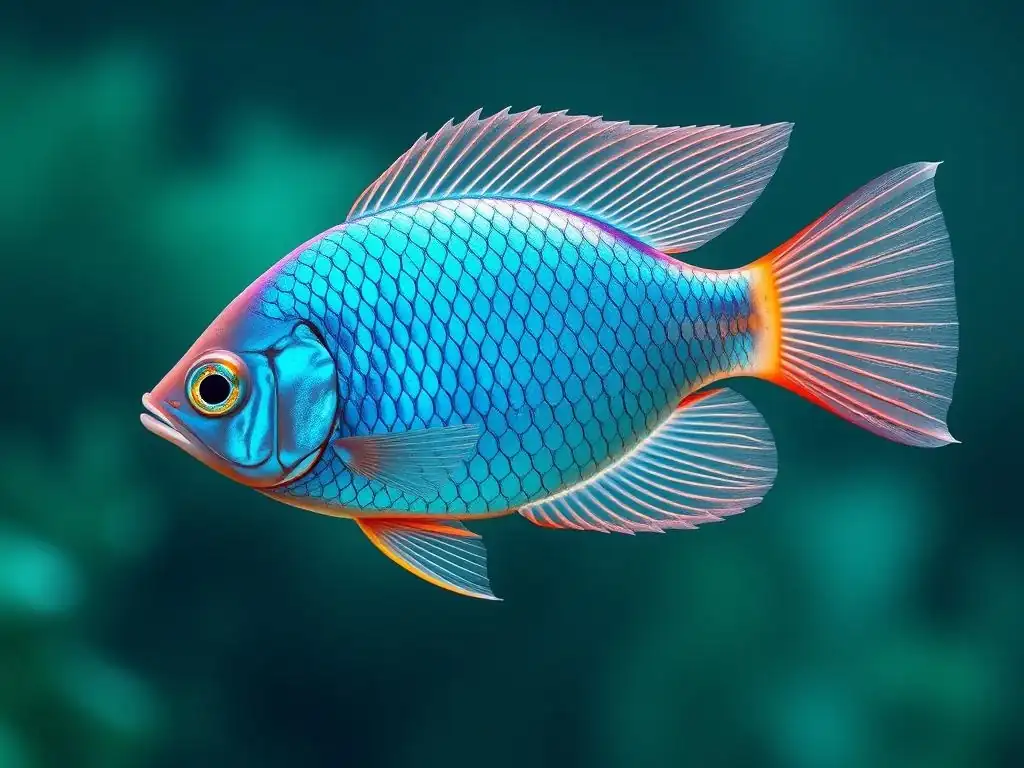
The dorsal fin is one of the most reliable indicators for sexing Dwarf Gouramis. Male Dwarf Gouramis possess a dorsal fin that is noticeably longer and more pointed, extending further back along their body and often tapering to a fine point. This elongated and sharply pointed dorsal fin is a key characteristic that sets them apart from females and is easily identifiable even in juvenile fish that are beginning to mature.
Conversely, female Dwarf Gouramis have a dorsal fin that is shorter and more rounded. It does not extend as far back and lacks the distinct pointed tip seen in males. This difference in dorsal fin morphology is a consistent and highly accurate visual cue for Dwarf Gourami sexing, making it a primary focus when attempting to differentiate the sexes.
Body Shape and Coloration Differences in Dwarf Gouramis
As previously mentioned, male Dwarf Gouramis are renowned for their striking and intense coloration, typically showcasing brilliant blue and red horizontal stripes that cover their entire body. Their colors become even more vibrant when they are healthy, mature, and ready to breed, serving as a clear signal of their male identity. This vividness is a primary attractant for females and a straightforward marker for aquarists.
Female Dwarf Gouramis, on the other hand, exhibit a much plainer appearance. Their bodies are predominantly silver-grey with faint, sometimes barely visible, stripes. They also tend to have a rounder, plumper body shape, particularly when they are gravid with eggs, which adds to their overall less colorful and more demure look compared to the flashy males.
Breeding Tube Observation: A Definitive Method for Dwarf Gouramis
While less common for routine identification, observing the breeding tube (or ovipositor) is a definitive method for sexing female Dwarf Gouramis, especially when they are ready to spawn. The breeding tube is a small, blunt, and slightly protruding tube located near the anal vent, which becomes visible and slightly extended when the female is full of eggs and preparing to lay them. This tube is used to deposit eggs during spawning.
Males do not possess a breeding tube. Therefore, if you observe this small, distinct protrusion on a Dwarf Gourami, you can be certain it is a female. This method is often used by experienced breeders for final confirmation before attempting to pair fish, offering an undeniable piece of evidence in the gourami sexing visual guide.
Pearl Gourami (Trichopodus leerii) Sexing: Spotting the Differences
Pearl Gouramis are admired for their intricate, pearl-like spotting and elegant appearance. Sexing them is generally straightforward once they reach maturity, as males develop distinct features that differentiate them from females. The most prominent male characteristic is the development of a long, flowing dorsal fin and a striking reddish-orange coloration on their throat and chest area, particularly during breeding periods.
Females, while still beautiful, lack these dramatic embellishments. They maintain a more uniform, silvery-grey body color with the characteristic pearl spotting, and their fins remain shorter and less elaborate. Understanding these key visual differences is crucial for any gourami sexing visual guide focused on Pearl Gouramis.
Pearl Gourami Male vs. Female: The Thoracic Filament Distinction
While not a "filament distinction" in the same way as other fins, the male Pearl Gourami's ventral fins (thoracic filaments) are often longer and more developed than those of the female. More significantly, the male's dorsal fin is much longer and more pointed, often extending beyond the caudal fin, creating an impressive trailing effect. This elongated dorsal fin is a primary male characteristic.
Female Pearl Gouramis, conversely, have a much shorter and more rounded dorsal fin that does not extend as far back. This difference in dorsal fin length and shape is a reliable indicator for sexing these elegant fish. The overall body shape of females also tends to be rounder and plumper, especially when gravid, further aiding in their identification.
Body Shape and Finnage: Key Differences in Pearl Gouramis
Male Pearl Gouramis exhibit a more slender body profile compared to females, but their most striking feature is the development of a brilliant reddish-orange coloration on their throat and chest. This color intensifies significantly during courtship and spawning periods, acting as a clear visual signal to attract females. Their finnage, particularly the dorsal and anal fins, are noticeably longer and more pointed, often appearing more ornate and flowing.
Female Pearl Gouramis maintain a more subdued coloration, typically a silvery-grey with the characteristic pearl spots, and lack the vibrant throat coloration of males. Their body tends to be rounder and fuller, especially when carrying eggs, and their fins are shorter and more rounded, lacking the extended, pointed tips seen in males.
Observing Breeding Behavior in Pearl Gouramis
Observing breeding behavior is an excellent way to confirm the sex of Pearl Gouramis. Male Pearl Gouramis are known for constructing elaborate bubble nests at the water's surface, often incorporating bits of plant material. This nest-building activity is exclusively performed by males and is a definitive sign of their gender and readiness to spawn.
During courtship, the male will display his vibrant throat coloration and extended fins, attempting to entice the female to the bubble nest. The female, if receptive, will approach the nest, and the pair will engage in a spawning embrace. Witnessing these behaviors provides undeniable proof of the fish's sex and their readiness for reproduction, making it an invaluable part of any gourami sexing visual guide.
Three Spot Gourami (Trichopodus trichopterus) Sexing: Identifying the Sex
Three Spot Gouramis, also known as Blue Gouramis, Opaline Gouramis, or Gold Gouramis depending on their color morph, are hardy and common aquarium fish. Sexing them can be a bit more subtle than with Dwarf or Pearl Gouramis, but reliable visual cues exist. Males tend to be slightly larger and develop a more pointed dorsal fin, while females typically have a rounder body shape, particularly when gravid.
The "three spots" refer to the eye and the two distinct spots along the lateral line. While these spots are present in both sexes, the overall body shape and finnage are the primary indicators for gender identification. A keen eye for these details is essential for accurate gourami sexing for this species.
Dorsal Fin Characteristics: Male vs. Female Three Spot Gouramis
Similar to many other gourami species, the dorsal fin provides a key indicator for sexing Three Spot Gouramis. Male Three Spot Gouramis typically have a dorsal fin that is longer and more pointed, often extending to a sharp tip. This elongated fin is a consistent characteristic that becomes more pronounced as the male matures.
In contrast, female Three Spot Gouramis possess a dorsal fin that is shorter and more rounded, lacking the distinct pointed extension seen in males. This difference in dorsal fin shape is one of the most reliable visual cues for distinguishing between male and female Three Spot Gouramis, making it a crucial part of a comprehensive gourami sexing visual guide.
Body Shape and Coloration: Recognizing Gender in Three Spot Gouramis
While Three Spot Gouramis do not exhibit the dramatic color differences seen in Dwarf Gouramis, there are still subtle variations. Males may display slightly more intense coloration, especially during breeding periods, though this is less pronounced than in other species. Their body shape tends to be more streamlined.
Female Three Spot Gouramis, on the other hand, generally have a fuller, rounder body shape, which becomes particularly noticeable when they are gravid with eggs. This increased girth is a strong indicator of a female, especially when combined with the difference in dorsal fin shape. Focusing on these two aspects provides a robust method for gourami gender identification for this species.
Kissing Gourami (Helostoma temminckii) Sexing: A More Difficult Task
Sexing Kissing Gouramis is notoriously challenging, even for experienced aquarists, as they exhibit very little sexual dimorphism. Both males and females share similar body shapes, coloration, and finnage, making visual differentiation based on typical gourami sexing methods highly unreliable. There are no distinct fin shapes or vibrant color differences to rely on.
Due to this difficulty, breeders often resort to observing behavioral cues or simply keeping a group of fish in hopes that a pair will naturally form and exhibit breeding behavior. A definitive gourami sexing visual guide for this species relies more on subtle observations and less on overt physical markers.
Body Shape Analysis in Kissing Gouramis: Subtle Differences
While challenging, some aquarists suggest that mature female Kissing Gouramis may develop a slightly fuller or rounder belly compared to males, particularly when they are gravid with eggs. This difference in body shape is often very subtle and can be easily confused with simply being well-fed. It is not a consistently reliable indicator and requires careful observation over time.
Males tend to maintain a more streamlined appearance throughout their lives. Therefore, relying solely on body shape for Kissing Gourami sexing is not recommended, and it should only be considered as a very minor contributing factor in combination with other, albeit equally subtle, cues.
Lip Morphology: Male vs. Female
A common myth circulates that males have larger or more pronounced "kissing" lips than females. However, this is largely unproven and not a reliable method for sexing Kissing Gouramis. The size and shape of their unique labial structures appear to be consistent across both sexes and are primarily used for their characteristic "kissing" behavior, which is a form of sparring rather than courtship.
There is no scientifically accepted visual difference in lip morphology that reliably distinguishes male from female Kissing Gouramis. Aquarists should disregard this as a valid method for gourami gender identification, as it offers no practical utility in a gourami sexing visual guide.
Behavioral Clues: Observing "Kissing" Displays
The famous "kissing" behavior of Kissing Gouramis is not a direct courtship ritual, but rather a form of sparring between individuals, often males establishing dominance or competing for territory. Both males and females can engage in this behavior, making it an unreliable indicator for sexing. However, observing which fish consistently initiate these displays or appear more dominant might offer very subtle, non-definitive clues towards male identity.
True breeding behavior, such as the male building a bubble nest (though less common and often rudimentary in Kissing Gouramis compared to other species) or a pair engaging in a spawning embrace, would be the only definitive behavioral cues for sexing. Without these, Kissing Gourami sexing remains largely a matter of chance or advanced techniques.
Moonlight Gourami (Trichopodus microlepis) Sexing: Recognizing Subtle Cues
Moonlight Gouramis are known for their ethereal, silvery-white appearance and peaceful demeanor. Sexing them is more challenging than with Dwarf or Pearl Gouramis due to their subtle sexual dimorphism. The most reliable visual cues involve slight differences in fin shape and overall body size, which become more apparent as the fish mature.
Males generally exhibit a slightly more pointed dorsal fin, while females tend to be rounder in the body, especially when gravid. The overall clarity and length of the ventral fins (thoracic filaments) can also offer subtle hints. Accurate gourami sexing for this species requires close observation and comparison between individuals.
Dorsal Fin Differences in Moonlight Gouramis: A Closer Look
For Moonlight Gouramis, the dorsal fin is one of the more consistent indicators for sexing, though the differences are less pronounced than in other gourami species. Male Moonlight Gouramis typically have a dorsal fin that is somewhat longer and more pointed, extending slightly further back towards the caudal fin. This subtle elongation gives the male's fin a slightly more triangular appearance.
Female Moonlight Gouramis, conversely, possess a dorsal fin that is shorter and more rounded at the tip. It does not extend as far back and appears less angular. While these differences are subtle, observing them carefully, especially when comparing multiple individuals of similar size, can aid significantly in Moonlight Gourami sexing.
Coloration and Body Shape: Identifying Gender in Moonlight Gouramis
Moonlight Gouramis maintain their characteristic silvery-white to pale blue coloration in both sexes, so color is not a reliable indicator for sexing. However, body shape can offer some clues. Mature female Moonlight Gouramis tend to develop a noticeably rounder and fuller belly, particularly when they are preparing to spawn and are full of eggs. This increased girth makes their body appear plumper than that of males.
Male Moonlight Gouramis generally maintain a more streamlined and slender body profile. While not as pronounced as in some other species, this subtle difference in body contour, combined with the dorsal fin characteristics, provides the best available visual cues for accurate gourami gender identification in this elegant species.
Advanced Techniques for Gourami Sex Determination
Venting Gouramis: A More Invasive Method
Venting, also known as "sexing by vent," is a more invasive but often definitive method for determining the sex of certain fish species, including some gouramis, particularly when visual cues are ambiguous. This technique involves carefully examining the anal vent (the opening through which waste and reproductive products are expelled) of the fish. In many species, the shape and size of the vent differ between males and females.
Typically, a female's vent will appear rounder and possibly more swollen or protruded, especially when she is gravid, as it is designed to pass eggs. A male's vent, in contrast, is usually smaller, more elongated, and less conspicuous. This procedure requires careful handling of the fish, knowledge of fish anatomy, and can be stressful for the animal, so it should only be performed by experienced aquarists when other methods of gourami sexing have failed or for breeding purposes.
DNA Testing: The Most Accurate (and Expensive) Option
For absolute certainty in gourami sex determination, particularly for rare or valuable specimens, DNA testing offers the most accurate solution. This method involves sending a small tissue sample (often a fin clip) from the fish to a specialized laboratory for genetic analysis. The lab can then determine the sex of the fish based on its genetic makeup.
While DNA testing provides undeniable accuracy, it is also the most expensive and least practical option for the average hobbyist. It is typically reserved for professional breeders, research institutions, or individuals with a significant investment in specific fish. For most aquarists, relying on a comprehensive gourami sexing visual guide and behavioral observations remains the preferred and more accessible approach.
Common Mistakes to Avoid When Sexing Gouramis
Misinterpreting Submissive Behavior as Female Characteristics
A common pitfall in gourami sexing is misinterpreting submissive behavior as a characteristic of a female. In a tank with multiple male gouramis, especially species like Dwarf Gouramis, one male will often establish dominance, while others become submissive. A submissive male may appear duller in color, exhibit clamped fins, and try to hide, mimicking some female characteristics.
However, a closer look at their fin shape (e.g., pointed dorsal fin) will usually reveal their true sex. It's crucial not to jump to conclusions based solely on behavior in a stressed or hierarchical environment. Always cross-reference with physical attributes when using a gourami sexing visual guide.
Relying Solely on Coloration: A Risky Approach
While coloration is a strong indicator for sexing some gourami species, especially Dwarf Gouramis, relying solely on it can be a risky approach for others. Factors like stress, diet, water quality, and even lighting can significantly impact a fish's coloration, potentially making a male appear duller or a female temporarily more vibrant. For species like Kissing Gouramis or Moonlight Gouramis, color offers almost no reliable sexing cues.
Therefore, it's imperative to use coloration in conjunction with other physical traits, such as fin shape and body morphology, and behavioral patterns. A holistic approach, combining multiple indicators from a gourami sexing visual guide, yields far more accurate results than single-factor reliance.
Confusing Different Species
Another common mistake, particularly for novice aquarists, is confusing different gourami species or their color morphs when attempting to sex them. For example, a "Honey Gourami" (Trichogaster chuna) is often mistaken for a "Dwarf Gourami" (Trichogaster lalius), but their sexing characteristics, while similar, have subtle differences. Similarly, various color morphs of the Three Spot Gourami (e.g., Blue, Gold, Opaline) are all the same species, but their specific coloration might lead to confusion if one is not familiar with the baseline characteristics.
Always ensure you have correctly identified the specific gourami species before attempting to sex it using a species-specific gourami sexing visual guide. Researching the exact species' unique characteristics is paramount to accurate gender identification and successful aquarium keeping.
Creating the Ideal Environment for Gourami Breeding
Water Parameters for Optimal Gourami Reproduction
Achieving successful gourami breeding hinges significantly on maintaining optimal water parameters that mimic their natural habitat. For most freshwater gourami species, soft to moderately hard water with a pH range of 6.0 to 7.5 is ideal. The water temperature should typically be maintained between 78°F and 82°F (25.5°C to 28°C), as slightly warmer temperatures often stimulate spawning behavior.
Crucially, the water must be pristine, with zero ammonia and nitrites, and very low nitrates. Regular, small water changes (20-25% every few days) using aged or conditioned water can help maintain these conditions and also act as a trigger for spawning. Consistent water quality is paramount for encouraging healthy gourami reproduction.
Tank Setup: Plants and Hiding Places
The physical tank setup plays a vital role in encouraging gourami breeding. A dedicated breeding tank of at least 10-20 gallons (depending on species size) is often recommended. This tank should be heavily planted with live or artificial plants that reach the surface, such as Water Sprite, Hornwort, or floating plants like Duckweed or Frogbit. These plants provide security for the female, hiding places for fry, and anchor points for bubble nests.
Additionally, providing broad-leafed plants or even half a Styrofoam cup floating on the surface can give the male a stable foundation for building his bubble nest. Gentle filtration that doesn't disturb the water surface is also crucial, as strong currents can destroy the delicate bubble nests, hindering successful gourami reproduction.
Encouraging Spawning: Triggering Breeding Behavior
Once the water parameters are optimal and the tank is appropriately set up, several techniques can encourage gourami spawning. Feeding a high-quality diet rich in protein, including live or frozen foods like bloodworms, brine shrimp, and daphnia, can condition the fish for breeding and stimulate egg production in females. Gradually raising the water temperature by a degree or two over a few days can also act as a trigger.
Performing small, frequent water changes with slightly cooler water can simulate rainfall, which often signals the start of the breeding season in their natural environment. Introducing a well-conditioned male and female, ensuring the male has built a robust bubble nest, and providing a peaceful, undisturbed environment will significantly increase the chances of successful gourami reproduction.
Conclusion: Mastering Gourami Sexing for Aquarium Success
Recap of Key Visual Cues
Mastering gourami sexing is an invaluable skill for any aquarist aiming for a thriving and harmonious freshwater aquarium. This comprehensive gourami sexing visual guide has highlighted that accurate gender identification relies on a combination of visual cues and behavioral observations, which vary significantly by species. For species like the Dwarf Gourami, the pointed dorsal fin and vibrant coloration of males versus the rounded fin and muted tones of females are primary indicators. Pearl Gouramis are distinguished by the male's elongated dorsal fin and reddish throat, while Three Spot Gouramis show more subtle dorsal fin differences and body shape variations.
For more challenging species like the Kissing Gourami and Moonlight Gourami, the differences are much more subtle, often relying on slight variations in body girth or very minor fin shape distinctions. Regardless of the species, patience, close observation, and often a comparative analysis of multiple individuals are essential for reliable gourami gender identification. Avoiding common mistakes such as relying on a single cue or misinterpreting submissive behavior is also crucial for success.
Further Resources for Gourami Care and Breeding
For aquarists looking to delve deeper into gourami care and breeding, a wealth of resources is available. Online forums and communities dedicated to freshwater fish provide platforms for sharing experiences and asking specific questions about gourami sexing and reproduction. Reputable aquarium books and specialized websites offer detailed profiles on various gourami species, covering everything from their natural habitats and dietary needs to specific breeding protocols and troubleshooting common issues.
Consulting with experienced local fish store owners or joining local aquarium clubs can also provide invaluable hands-on advice and access to breeding pairs. Continuous learning and observation are key to mastering the nuances of gourami husbandry, ensuring the health and successful reproduction of these fascinating and beautiful fish in your home aquarium.
Frequently Asked Questions
How can I visually differentiate male and female Gouramis?
The primary visual difference often lies in the dorsal fin shape. Males generally have a longer, more pointed dorsal fin, while females have a shorter, rounder one.
Does the color of Gouramis help in determining their sex?
Yes, in many species, males exhibit more vibrant and intense colors compared to the females. This is especially noticeable during breeding season.
Is there a difference in body shape between male and female Gouramis?
Females often have a rounder, fuller body, particularly in the abdomen, especially when carrying eggs. Males tend to be slimmer and more streamlined.
Are there any specific behavioral differences that indicate the sex of Gouramis?
During breeding, males often display more aggressive and territorial behavior. They also engage in bubble nest building in species that exhibit this behavior.
Does the size of Gouramis play a role in determining their sex?
Generally, male Gouramis grow to be slightly larger than females. However, this is not always a reliable indicator, especially in younger fish.
Final Reflection: Unveiling the Secrets of Gourami Life
The ability to accurately identify the sex of gouramis, as detailed in this guide, transcends mere curiosity; it's about fostering responsible and informed fishkeeping. Understanding these subtle visual cues empowers aquarists to create balanced and thriving environments for these fascinating creatures, preventing aggression and promoting successful breeding. This knowledge is particularly crucial in today's aquarium hobby, where ethical considerations and the well-being of aquatic life are increasingly paramount.
This journey into gourami anatomy has not only provided practical identification techniques but has also deepened our appreciation for the intricate beauty and diversity of these fish. Personally, observing the subtle differences between males and females has transformed my own approach to aquarium management, fostering a more mindful and respectful connection with these creatures. In the end, we will conserve only what we love; we will love only what we understand; and we will understand only what we are taught.
- Baba Dioum. This quote perfectly encapsulates the importance of guides like this in cultivating a deeper understanding and, ultimately, a greater commitment to the well-being of gouramis.
Now, armed with this visual guide, I encourage you to look beyond the surface of your own gouramis. Take the time to observe their behavior, study their physical characteristics, and truly understand the nuances that distinguish male from female. By doing so, you not only become a more knowledgeable aquarist but also contribute to a more ethical and sustainable future for the aquarium hobby, ensuring these beautiful fish continue to thrive for generations to come.
Unveil the Secrets: Become a Gourami Sexing Expert!
Thanks for diving deep into the world of gourami sexing! We hope you now feel more confident in identifying the males and females in your aquarium. Now, let's put that knowledge to good use!
Here's what you can do next:
- Immediately practice your newfound skills! Observe your gouramis closely, comparing their dorsal and anal fins to the identifying features we discussed.
- Share this guide with fellow aquarium enthusiasts! Help them unravel the mysteries of gourami sexing too.
- Take a picture of your gouramis and ask for sexing help in an aquarium forum! Your practical experience will enrich the community.
Ready to apply what you've learned and finally tell your gouramis apart?