
The Rarest Betta Colors: Chasing Rainbows in Your Aquarium

Welcome to Aquarium Mastery!
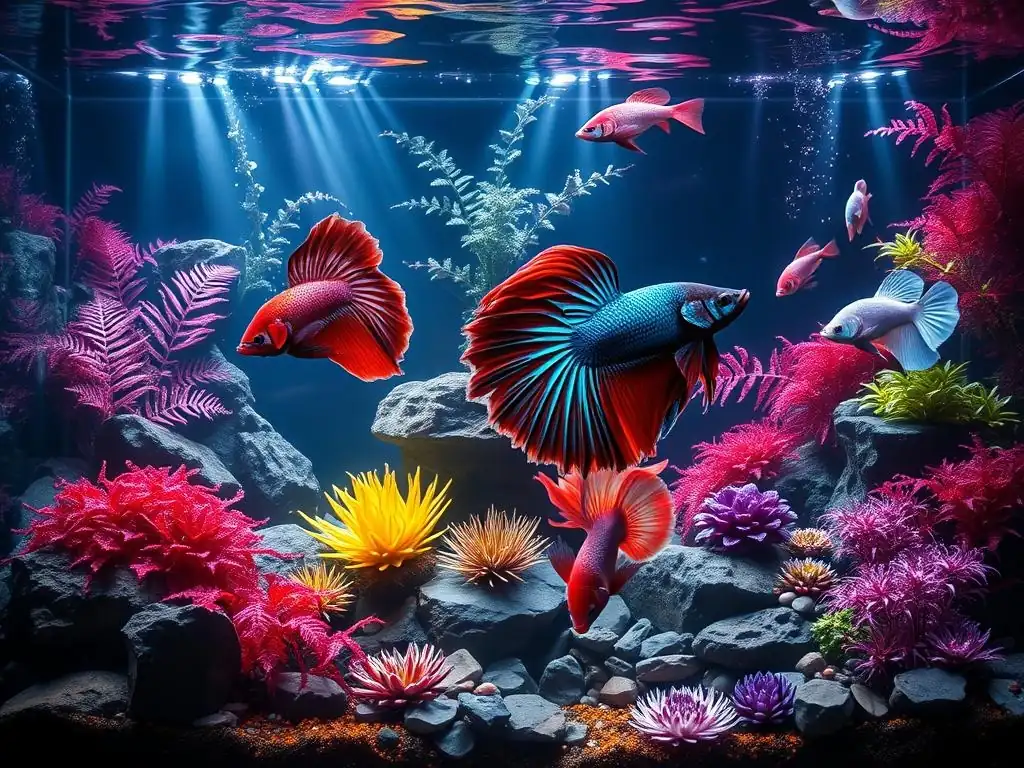
Ever wondered if there's more to bettas than just the usual vibrant reds and blues? Get ready to dive deep into the mesmerizing world of rare betta color variations. From the elusive Copper to the shimmering Galaxy Koi, prepare to be amazed by the breathtaking beauty and unique genetics behind these underwater gems. Intrigued? Let's explore the stunning spectrum and discover how you can potentially bring one of these living masterpieces into your own freshwater aquarium. Let the chase begin!
- Introduction: Unveiling the Allure of Rare Betta Color Variations
- Exploring the Spectrum: Identifying the Most Sought-After Betta Colors
- Genetics and Breeding: The Science Behind Rare Betta Hues
- Factors Influencing Betta Color Development
- Caring for Your Rare Colored Betta: Maintaining Vibrant Hues
- Where to Find Rare Betta Colors: Navigating the Market
- The Future of Betta Color Breeding: What's on the Horizon?
- Conclusion: Appreciating the Art and Science of Rare Betta Color Variations
-
Frequently Asked Questions
- What makes a betta color variation "rare"?
- Which betta colors are generally considered the rarest and most sought after?
- How does genetics play a role in achieving rare betta color variations?
- What challenges do breeders face when trying to produce rare betta colors?
- Can I influence the color of my betta through diet or water conditions?
- Final Reflection: Embracing the Spectrum of Uniqueness
- Unleash Your Inner Betta Collector!
Introduction: Unveiling the Allure of Rare Betta Color Variations
Why Rare Betta Colors Command Attention Among Aquarists
The world of Betta splendens, commonly known as the Siamese fighting fish, is astonishingly diverse, yet it is the rare betta color variations that truly captivate the hearts and minds of aquarists. Beyond the common reds, blues, and purples found in most pet stores, a select spectrum of unique betta hues commands significant attention.
These highly sought-after fish represent the pinnacle of selective breeding and genetic marvels, offering a distinctive aesthetic that elevates an aquarium from a simple tank to a living piece of art. The allure lies not just in their beauty, but in the challenge and dedication required to acquire and maintain these exceptional specimens.
For many hobbyists, the pursuit of rare betta colors becomes a passionate endeavor, a quest to find that one-of-a-kind fish that stands out from the crowd. This fascination is fueled by the inherent beauty of these unique color combinations and the prestige associated with owning such a distinctive creature. Breeders, too, dedicate countless hours and resources, often working through multiple generations, to stabilize and refine these elusive traits. It's a testament to the dedication within the aquarist community that the demand for rare betta color variations continues to grow, pushing the boundaries of what is possible in betta genetics.
A Glimpse into the World of Betta Genetics and Coloration
The vibrant and complex coloration of bettas is a result of intricate genetic interactions controlling pigment cells within their skin. There are primarily four types of pigment cells, or chromatophores, that determine a betta's color: melanophores (black), erythrophores (red), xanthophores (yellow), and iridophores (iridescent blue/green/copper). The presence, absence, and density of these cells, along with their layering, create the vast array of colors and patterns seen in bettas. For instance, the iridescent layer, controlled by iridophores, can overlay other colors, creating a shimmering effect that changes with light.
Understanding these basic genetic principles is crucial to appreciating the rarity of certain betta colors. A specific rare betta color variation might arise from a recessive gene, a complex interplay of multiple genes, or even a spontaneous mutation that breeders then work to stabilize.
For example, while over 30 main color genes have been identified, leading to thousands of potential combinations, only a fraction of these result in truly stable and rare phenotypes. This genetic lottery, combined with meticulous selective breeding over many generations, is what makes certain unique betta hues so difficult to produce consistently and thus, so rare.
Exploring the Spectrum: Identifying the Most Sought-After Betta Colors
The Enigmatic Orange Dalmatian Betta: A Rare and Spotted Beauty
The Orange Dalmatian Betta is a striking and exceptionally rare betta color variation, characterized by its vibrant, fiery orange base color adorned with distinct, irregular black or dark spots scattered across its body and fins. Unlike common orange bettas, which might be solid or have slight marbling, the "Dalmatian" pattern requires a specific genetic predisposition that creates these unique, contrasting spots. This pattern is not easily replicated through general breeding, making true Orange Dalmatians highly coveted by collectors.
The rarity of this morph stems from the complex interplay of genes responsible for both the intense orange pigmentation and the precise distribution of melanin spots. Achieving the ideal balance – a vivid orange that serves as a canvas for well-defined, non-blotchy black spots – is a significant challenge for breeders. Many variations might show faded spots or an inconsistent base color, further highlighting the exceptional nature of a true Orange Dalmatian. These fish often command higher prices due to their unique aesthetic and the difficulty in their consistent production.
Mustard Gas Betta: A Unique Bi-Color Combination
The Mustard Gas Betta is a classic and highly prized rare betta color variation, instantly recognizable by its distinct bi-coloration. Typically, these bettas feature a deep, iridescent dark body, often blue or green, sharply contrasted by fins that display a vibrant mustard yellow or orange hue. The name itself, while somewhat unconventional, aptly describes the unique visual effect created by this striking color combination. This morph gained popularity in the early 2000s and has remained a favorite among enthusiasts due to its dramatic appearance.
What makes a true Mustard Gas Betta rare is the precision required in breeding to achieve the crisp separation and intensity of colors. Often, similar-looking bettas might have faded fin coloration or a less defined contrast between body and fins, diluting the "Mustard Gas" effect. Breeders strive for a solid, deep body color that transitions cleanly into rich, opaque yellow or orange fins, without bleeding or muddiness. This specific genetic combination and the high standard for quality make genuine Mustard Gas Betta examples a valuable addition to any collection of unique betta hues.
The Copper Betta: Metallic Sheen and Shimmering Scales
The Copper Betta stands out with its extraordinary metallic sheen, giving the fish an appearance as if it were forged from polished metal. This rare betta color variation results from an abundance of iridescent cells (iridophores) that reflect light across the spectrum, creating a shimmering, multi-tonal effect that can shift from coppery bronze to a deep, burnished gold or even a greenish hue depending on the lighting and angle. Unlike a flat, solid color, the Copper Betta possesses a remarkable depth and luminosity that truly sets it apart.
The genetic basis for this intense metallic iridescence is complex, often involving genes that enhance the metallic layer and suppress other underlying colors. While "metallic" bettas are becoming more common, a true, deep Copper Betta with consistent, all-over iridescence remains rare and highly sought after. Breeders work to achieve a uniform metallic overlay that covers the entire body and fins, without dull spots or uneven patches. The beauty of these fish lies in their dynamic appearance, where every movement catches the light, making their scales appear to shimmer with liquid metal.
Albino Betta: The Pale and Elusive Beauty
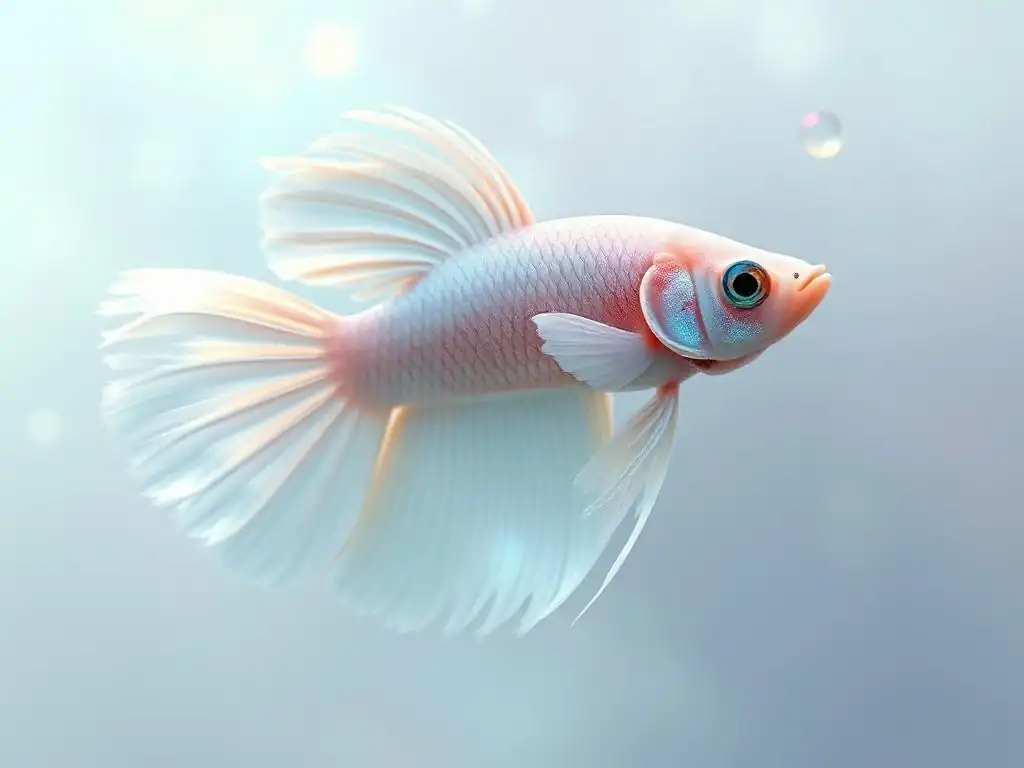
The Albino Betta is arguably one of the rarest and most elusive betta color variations, often shrouded in misconception. A true albino betta completely lacks melanin, the pigment responsible for black, brown, and some red coloration. This genetic condition results in a fish with a pale, often translucent white or pinkish body, and crucially, distinct red or pink eyes due to the visible blood vessels in the absence of pigment. The extreme rarity of genuine albino bettas means that many fish marketed as "albino" are actually opaque white, cellophane, or marble bettas, which lack the characteristic red eyes.
Documented cases of true albino bettas are incredibly rare, with only a handful of confirmed instances globally throughout the history of betta breeding. This makes them a "holy grail" for many dedicated hobbyists and geneticists. The challenges in breeding and maintaining true albinos are significant; they can be more sensitive to light and may have weaker immune systems compared to their pigmented counterparts. Their delicate nature, combined with the difficulty in consistently reproducing the albino gene, solidifies their status as one of the most unique betta hues to ever exist.
Lavender Betta: A Soft and Delicate Color
The Lavender Betta presents a soft, ethereal palette, distinguishing itself as a truly unique betta hue. This rare betta color variation displays a delicate blend of pinkish-purple and light blue or silver iridescence, creating a nuanced, pastel appearance that is both subtle and captivating. Unlike the bold, deep purples often seen, the lavender shade is muted and often appears to glow with an inner luminescence, particularly under appropriate lighting conditions. Its beauty lies in its understated elegance and the complexity required to achieve such a specific, delicate coloration.
The genetics behind the Lavender Betta are intricate, often involving the interplay of genes that dilute darker pigments and enhance specific iridescent layers. Achieving the precise balance for a true lavender shade, without it appearing merely faded or muddy, is a significant challenge for breeders. Many "purple" bettas might lean too heavily towards blue or red, failing to capture the distinct pastel quality of lavender. This makes a well-expressed Lavender Betta a rare find, appealing to aquarists who appreciate sophisticated and unique color combinations in their collection.
The Rare Green Betta: Beyond Emerald and Jade
While many bettas exhibit blue-green iridescence, a true Green Betta, displaying a deep, rich green across its body and fins, is one of the most exceptionally rare betta color variations. Most bettas that appear green are actually highly iridescent blue bettas with a yellow overlay, creating a perceived green hue.
A genuine green betta, however, possesses a distinct green pigment that is independent of this blue-yellow interaction, making it a distinct genetic marvel. This true green is often compared to the deep, lush greens found in nature, like moss or forest canopy, rather than the shimmering, electric greens of iridescent scales.
The rarity of the true Green Betta stems from the genetic difficulty in producing and stabilizing this specific color. Breeders often refer to it as one of the "holy grail" colors because of how challenging it is to achieve a consistent, pure green without the influence of blue or red undertones. The demand for these genuine green specimens is high, as they represent a unique achievement in betta breeding and offer an unparalleled addition to a collection of unique betta hues, standing out even among other "green-looking" varieties.
Genetics and Breeding: The Science Behind Rare Betta Hues
Understanding Betta Color Genetics: A Simplified Overview
The breathtaking array of rare betta color variations is a direct result of intricate genetic mechanisms. At a simplified level, betta coloration is determined by the interaction of several key genes, each influencing different pigment layers and their expression. These layers include the outermost iridescent layer (iridophores, responsible for metallic, blue, green, and copper colors), the red layer (erythrophores), the yellow layer (xanthophores), and the black layer (melanophores).
The absence or presence of these layers, along with their density and the way they stack upon one another, dictates the final color and pattern. For instance, the "marble" gene causes random pigmentation changes, leading to unique and often unpredictable patterns.
Beyond these primary pigment layers, there are also genes that affect the spread of color, the intensity of hue, and the presence of specific patterns like butterfly, dragon scale, or dalmatian. For example, a gene might dilute a color, turning a deep red into a pastel pink, or intensify a metallic sheen.
Understanding that over 10-15 primary genes influence betta color, each with multiple possible alleles (variations), helps explain the vast number of potential color combinations. Rare betta color variations often emerge from the precise, and sometimes unlikely, combination of recessive genes or the unique interaction of dominant and modifying genes that suppress or enhance certain pigments in specific ways.
Selective Breeding for Specific Betta Color Traits
The creation and stabilization of rare betta color variations are the culmination of meticulous selective breeding practices. Breeders identify individual bettas exhibiting desirable, albeit subtle, rare traits and then strategically pair them to enhance and solidify these characteristics in subsequent generations. This process often involves line breeding, where closely related individuals with the desired traits are bred together to concentrate specific genes. However, careful outcrossing to unrelated lines might also be necessary to introduce new genetic material and maintain genetic diversity, preventing issues like reduced vigor or fertility that can arise from excessive inbreeding.
The journey to establish a new rare betta color variation can span many generations and require immense patience. For example, stabilizing a true Green Betta, which is notoriously difficult to achieve, might involve breeding hundreds of fry over several years, selecting only a handful of individuals from each spawn that display the closest approximation of the desired green. Breeders must possess a deep understanding of betta genetics, keen observational skills, and the willingness to meticulously track lineage and outcomes to systematically refine and propagate these unique betta hues, transforming fleeting genetic anomalies into recognized and stable strains.
Challenges and Considerations in Breeding Rare Betta Colors
Breeding for rare betta color variations is fraught with challenges, making the successful production of these unique betta hues a significant achievement. One primary difficulty lies in the unpredictable nature of genetic expression; even with careful pairing, the desired rare trait may only appear in a small fraction of a spawn.
A typical betta spawn can yield anywhere from 200 to 500 fry, but often only 5-10% might exhibit the initial signs of a rare color, and even fewer will develop into high-quality specimens suitable for further breeding or sale. This necessitates large-scale breeding setups and a significant investment of time and resources for raising and culling large numbers of fish.
Furthermore, some genetic traits associated with rare colors can inadvertently lead to health or structural issues. For instance, certain dragon scale bettas, while visually stunning, can be prone to "diamond eye," where scale growth over the eyes impairs vision.
Similarly, extensive inbreeding to stabilize rare traits can sometimes lead to reduced immunity, smaller size, or decreased fertility in subsequent generations. Ethical breeders must carefully balance the pursuit of aesthetic rarity with the health and welfare of the fish, ensuring that the quest for unique betta hues does not compromise the overall vitality and quality of life for these captivating creatures.
Factors Influencing Betta Color Development
Water Quality and its Impact on Betta Color
Water quality is paramount for the health and vibrant coloration of any betta, especially those exhibiting rare betta color variations. Pristine and stable water conditions directly influence a betta's physiological well-being, which in turn impacts its ability to express its full genetic color potential. Poor water quality, characterized by elevated levels of ammonia, nitrite, or nitrate, or unstable pH and temperature, acts as a significant stressor. When a betta is stressed, its colors often fade or become dull as a physiological response, a clear indicator of discomfort or illness.
Maintaining optimal water parameters is crucial: ammonia and nitrite should always be at 0 ppm, while nitrates should be kept below 20 ppm through regular water changes. A stable pH between 6.5 and 7.5, and a consistent temperature of 78-80°F (25.5-26.5°C), are also vital.
For example, a betta housed in a tank with consistently high nitrates (e.g., 40 ppm or more) will likely display muted colors and lethargy compared to an identical fish in a well-maintained environment. Consistent water quality reduces stress, supports a robust immune system, and allows the pigment cells to function optimally, showcasing the true brilliance of unique betta hues.
Diet and Color Enhancement in Betta Fish
The diet plays a critical role in the development and maintenance of vibrant rare betta color variations. Just as in humans, what a betta eats directly impacts its health and appearance, including the intensity and richness of its colors. A high-quality, varied diet rich in specific nutrients can significantly enhance pigmentation. Key components for color enhancement include carotenoids and astaxanthin, natural pigments found in certain foods that are metabolized by the fish and deposited into their pigment cells, particularly erythrophores (red) and xanthophores (yellow).
Specialized betta pellets often contain color-enhancing ingredients like spirulina, shrimp meal, or krill. Supplementing these with live or frozen foods such as bloodworms, brine shrimp, daphnia, or mosquito larvae provides essential proteins, vitamins, and additional carotenoids. For instance, studies have shown that bettas fed diets supplemented with natural sources of astaxanthin (e.g., certain microalgae or crustaceans) can exhibit significantly brighter reds and oranges within a few weeks compared to those on a basic diet. A well-balanced and nutritious diet not only boosts unique betta hues but also promotes overall health and longevity.
Stress and Its Effect on Betta Pigmentation
Stress is a major factor that can rapidly diminish the vibrancy of even the most stunning rare betta color variations. When a betta experiences stress, its body releases hormones that can cause chromatophores (pigment cells) to contract, leading to a noticeable fading or dulling of its colors. This is often a defense mechanism, allowing the fish to blend into its surroundings or signal distress. Common stressors include poor water quality, inadequate tank size, aggressive tank mates, excessive noise or vibrations, lack of hiding spots, and improper feeding.
A betta moved to a new environment, for example, will often "stress out" and temporarily lose some of its color intensity for the first few days as it acclimates. Similarly, a betta housed in a tank too small (e.g., less than 5 gallons) or without sufficient enrichment will likely exhibit chronic stress, manifested by consistently dull colors, clamped fins, and lethargy.
Minimizing stress by providing a stable, clean, and appropriate environment is fundamental for preserving the vivid unique betta hues that make these fish so appealing. A healthy, unstressed betta will display its full genetic potential for color, making its rare traits shine.
Caring for Your Rare Colored Betta: Maintaining Vibrant Hues
Ideal Tank Conditions for Optimal Betta Color Expression
Providing ideal tank conditions is paramount for ensuring that your rare betta color variations remain vibrant and truly express their unique hues. Bettas thrive in stable, warm, and clean environments. A minimum tank size of 5 gallons is recommended for a single betta, though 10 gallons or more is often preferred, as it provides more stable water parameters and ample swimming space, reducing stress. The water temperature should be consistently maintained between 78-80°F (25.5-26.5°C) using a reliable heater, as bettas are tropical fish and cold water can lead to stress and faded colors.
Filtration should be gentle, as bettas prefer calm water; sponge filters or filters with adjustable flow rates are excellent choices. Live or silk plants, along with caves or other decorations, provide essential hiding spots and enrichment, contributing to the fish's sense of security and overall well-being. For instance, a 10-gallon tank provides approximately 2-3 times more swimming room than a 5-gallon, which can significantly reduce stress and promote better health and more intense coloration. A well-scaped, appropriately sized tank mimics their natural habitat, encouraging optimal color expression for your unique betta hues.
Recommended Diet for Color Enhancement and Health
A carefully selected diet is crucial for both the health and the vividness of your rare betta color variations. While standard betta pellets can serve as a staple, incorporating specialized color-enhancing foods and varied protein sources will significantly boost their unique hues. Look for high-quality betta pellets that list ingredients like spirulina, astaxanthin, or krill meal high on their list, as these are natural color enhancers. Brands like Hikari Betta Bio-Gold or New Life Spectrum Betta Formula are often recommended for their comprehensive nutritional profiles.
Supplementing their diet with frozen or live foods 2-3 times a week provides essential nutrients and stimulates natural hunting behaviors. Excellent choices include frozen bloodworms, brine shrimp, daphnia, and mosquito larvae. These foods are rich in proteins and often contain natural pigments that contribute to vibrant coloration. For example, feeding a mix of high-protein pellets along with occasional freeze-dried bloodworms and live daphnia ensures a comprehensive nutritional intake, which directly translates to enhanced color intensity and overall health, allowing your rare betta colors to truly shine.
Preventing Stress to Preserve Betta Color Vibrancy
Preventing stress is perhaps one of the most critical aspects of maintaining the vibrant rare betta color variations you've invested in. Stress directly impacts a betta's immune system and its ability to display its full range of unique hues. Consistent water parameters are key; perform weekly water changes of 25-30% to keep nitrates low and maintain stable pH and temperature. Testing water parameters regularly (e.g., weekly) helps identify and correct issues before they cause significant stress. Consistent weekly water changes can reduce nitrate buildup by up to 50% compared to less frequent changes, directly benefiting fish health and color.
Avoid overfeeding, as uneaten food can quickly foul the water. Ensure your betta has plenty of hiding spots and is not exposed to aggressive tank mates (if any) or excessive external stimuli like loud noises or vibrations. A betta that feels secure and comfortable in its environment will be less stressed and more likely to display its most brilliant colors. By proactively managing their environment and minimizing stressors, you ensure your rare betta colors remain as stunning as the day you brought them home, reflecting their optimal health and well-being.
Reputable Betta Breeders and Online Retailers
When seeking rare betta color variations, the most reliable sources are reputable betta breeders and specialized online retailers. These individuals and businesses often dedicate years to developing and stabilizing unique betta hues, focusing on health and genetic integrity alongside aesthetics. Look for breeders who have a strong online presence, positive reviews from other hobbyists, and who are transparent about their breeding practices and fish lineage. Many reputable breeders showcase their fish on platforms like Aquabid, specific breeder websites, or dedicated social media groups.
Purchasing directly from a breeder often provides the advantage of knowing the fish's genetic background and the conditions it was raised in. These breeders typically offer higher quality specimens than those found in general pet stores, though at a higher price point. For instance, a breeder specializing in Mustard Gas Bettas might have spent years perfecting their line, offering fish with superior color definition and finnage compared to a mass-produced version. Online retailers specializing in bettas also often source from top breeders, providing a curated selection of unique betta hues, ensuring a wider variety for discerning aquarists.
Identifying Authentic Rare Betta Color Morphs
Identifying authentic rare betta color variations requires a keen eye and a good understanding of betta genetics to avoid mislabeled or misrepresented fish. Many common color morphs are often marketed as "rare" to command higher prices. For example, an opaque white betta might be sold as an "albino," despite lacking the characteristic red eyes of a true albino. Before purchasing, thoroughly research the specific traits of the rare betta color variation you are interested in. Look for clear, high-resolution photos and, ideally, videos that show the fish from multiple angles and under different lighting conditions.
A reputable seller will provide detailed descriptions, including the specific color and fin type, and may even offer information on the fish's lineage. Be wary of overly generic descriptions or sellers who cannot provide additional photos or answer specific questions about the fish's genetics. For instance, a true Lavender Betta should exhibit a specific pastel purple with blue or silver undertones, not just a faded purple. Understanding these nuances helps distinguish a genuine unique betta hue from a common color morph, ensuring you get the specific rare betta colors you are seeking.
Considerations When Purchasing Rare Betta Fish
Purchasing rare betta color variations involves several considerations beyond just identifying the desired unique betta hue. Price is a significant factor; genuine rare bettas can range from $50 to $300 or more, depending on their rarity, quality, and lineage, a stark contrast to the $10-20 price tag of common pet store bettas. For example, a high-quality true Green Betta from a top breeder could easily cost upwards of $150 due to its extreme rarity and the breeding effort involved.
Shipping is another critical consideration for online purchases. Reputable sellers will use safe, expedited shipping methods specifically designed for live animals, often involving insulated boxes and heat/cold packs. Understand their live arrival guarantee and return policies. Finally, always plan to quarantine any new fish, especially rare and potentially expensive ones, for at least 2-4 weeks in a separate tank. This prevents the introduction of diseases to your main aquarium and allows the new betta to acclimate to your water parameters without the added stress of competition or a new environment, preserving the vibrancy of your rare betta colors.
The Future of Betta Color Breeding: What's on the Horizon?
Emerging Betta Color Variations and Genetic Research
The future of betta color breeding is a dynamic and exciting frontier, continuously pushing the boundaries of what is possible in rare betta color variations. Breeders and geneticists are constantly working to stabilize new and complex combinations of unique betta hues, moving beyond established morphs. This includes efforts to refine existing rare traits, such as achieving even purer greens or more intricate dalmatian patterns, as well as exploring entirely new genetic expressions. For instance, research into specific gene markers could potentially allow breeders to predict color outcomes with greater accuracy, accelerating the development of novel rare betta colors.
Emerging trends might include multi-chromatic bettas with distinct patches of several intense colors, or bettas with unique iridescent properties that shift dramatically under different lighting. Genetic research is slowly unraveling the complex interplay of genes responsible for betta coloration, offering insights that could lead to breakthroughs in breeding techniques. The ongoing passion of the betta community, combined with a deeper scientific understanding, ensures that the quest for new and extraordinary unique betta hues will continue to yield breathtaking results for years to come.
The Ethical Considerations of Betta Breeding for Color
As the pursuit of rare betta color variations intensifies, so too do the ethical considerations surrounding selective breeding for unique betta hues. While the creation of stunning new colors is captivating, it is crucial that breeders prioritize the health and welfare of the fish above purely aesthetic traits. This means avoiding the intentional breeding of traits that compromise a betta's quality of life, such as extreme finnage that hinders mobility (e.g., some super long-finned varieties that struggle to swim), or genetic predispositions to health issues (e.g., certain dragon scale types prone to scale overgrowth on the eyes).
Responsible breeding practices also involve rigorous culling, where fry that exhibit deformities, poor health, or undesirable traits are humanely removed from the breeding program. This ensures that only the healthiest and most robust individuals contribute to future generations, maintaining the overall genetic strength of the species. The ethical breeder understands that the true value of rare betta colors lies not just in their beauty, but in the healthy, vibrant fish that display them. Balancing the art of color creation with the science of animal welfare is paramount for the sustainable future of betta breeding.
Conclusion: Appreciating the Art and Science of Rare Betta Color Variations
The Ongoing Quest for New and Unique Betta Colors
The world of Betta splendens is a testament to both nature's artistry and human dedication, particularly evident in the captivating realm of rare betta color variations. The ongoing quest for new and unique betta hues is a collaborative journey undertaken by passionate aquarists and skilled breeders worldwide. It's a continuous cycle of discovery, genetic understanding, and meticulous selective breeding, pushing the boundaries of what is visually possible within this fascinating species. Each new rare betta color variation discovered or stabilized represents a significant achievement, adding another vibrant stroke to the living canvas of the aquarium hobby.
From the enigmatic Orange Dalmatian to the elusive true Green Betta, these unique betta hues are more than just beautiful fish; they are living examples of complex genetic interactions and the profound impact of dedicated husbandry. The allure lies in their distinctiveness, the challenge of acquiring them, and the joy of witnessing their vibrant colors flourish under optimal care. This relentless pursuit ensures that the betta hobby remains dynamic and engaging, constantly offering new wonders for enthusiasts to explore and appreciate.
The Importance of Responsible Betta Keeping and Breeding
Ultimately, the appreciation of rare betta color variations comes with a significant responsibility: ensuring the health and welfare of these magnificent creatures. Whether you are a hobbyist seeking to add a unique betta hue to your collection or a breeder striving to create the next rare betta color variation, ethical practices must always be at the forefront. This includes providing ideal tank conditions, a nutritious diet, and a stress-free environment for your fish, allowing them to express their full genetic potential for color and thrive.
For breeders, responsible practices extend to prioritizing fish health over purely aesthetic traits, avoiding practices that compromise well-being, and maintaining genetic diversity within their lines. By committing to responsible betta keeping and breeding, the community ensures the continued vitality and longevity of Betta splendens, allowing future generations of aquarists to marvel at the breathtaking array of unique betta hues and the ongoing artistry of these remarkable fish. It's a commitment to both the beauty and the well-being of these living rainbows in our aquariums.
Frequently Asked Questions
What makes a betta color variation "rare"?
A betta color variation is considered rare when it's difficult to breed and achieve consistently, often due to complex genetics or low survival rates of offspring.
Which betta colors are generally considered the rarest and most sought after?
Generally, mustard gas, koi, and galaxy koi bettas are considered rare due to their unique color patterns and the challenges in selectively breeding them. Other rare variants can include specific metallic colors and unique fin shapes.
How does genetics play a role in achieving rare betta color variations?
Achieving rare betta colors often requires a deep understanding of betta genetics. Specific gene combinations are needed to express certain colors and patterns, making breeding a complex and sometimes unpredictable process.
What challenges do breeders face when trying to produce rare betta colors?
Breeders face several challenges, including low fry survival rates, difficulty in predicting color outcomes, and the need for extensive knowledge of genetics to selectively breed for desired traits.
Can I influence the color of my betta through diet or water conditions?
While diet and water conditions are crucial for a betta's overall health and vibrancy, they cannot fundamentally change its genetically determined color. They can, however, enhance existing colors and prevent them from fading.
Final Reflection: Embracing the Spectrum of Uniqueness
The journey through the vibrant world of rare Betta colors underscores a fundamental truth: beauty lies in the unique. While we've explored the specific genetic mutations and selective breeding that give rise to these extraordinary fish, the underlying message resonates far beyond the aquarium glass. The pursuit of these rare variations is a testament to our inherent fascination with the exceptional and the desire to cultivate beauty in all its forms.
This exploration of Betta colors has not only highlighted the dedication of breeders but also illuminated the broader human impulse to seek out and appreciate rarity. The enduring appeal of these fish speaks to our own yearning for individuality and the celebration of differences. The most beautiful things are not perfect, they are special.
This quote, though simple, perfectly encapsulates the allure of these unique Betta variations, reminding us that true value often resides in the imperfections and unexpected deviations from the norm.
As you consider the kaleidoscope of colors we've uncovered, I invite you to reflect on the "rare Betta" within yourself. What makes you unique? What vibrant hues do you bring to the world? Embrace your own exceptional qualities, cultivate your inner beauty, and remember that the most captivating landscapes are often those painted with the rarest and most unexpected colors.
Unleash Your Inner Betta Collector!
Thank you for diving into the fascinating world of rare Betta colors. We hope you've discovered a newfound appreciation for the artistry of these aquatic gems. Now, let's turn that inspiration into action!
Here are a few ways to continue your Betta journey:
- Embark on the Hunt: Start researching reputable breeders specializing in rare Betta colors. This is the most crucial step in potentially acquiring one of these beauties.
- Dive Deeper: Explore online Betta forums and communities to connect with fellow enthusiasts and expand your knowledge. Share your favorite color morphs and learn from experienced keepers.
- Surprise Yourself: Try your hand at selectively breeding common Betta colors, aiming for unique and unexpected color combinations. You might just stumble upon the next rare morph!
What's the most striking Betta color you've ever encountered, and what steps are you willing to take to potentially add it to your aquarium?