
Peaceful Bottom Dwellers: Your Essential Introduction to Cory Catfish Care

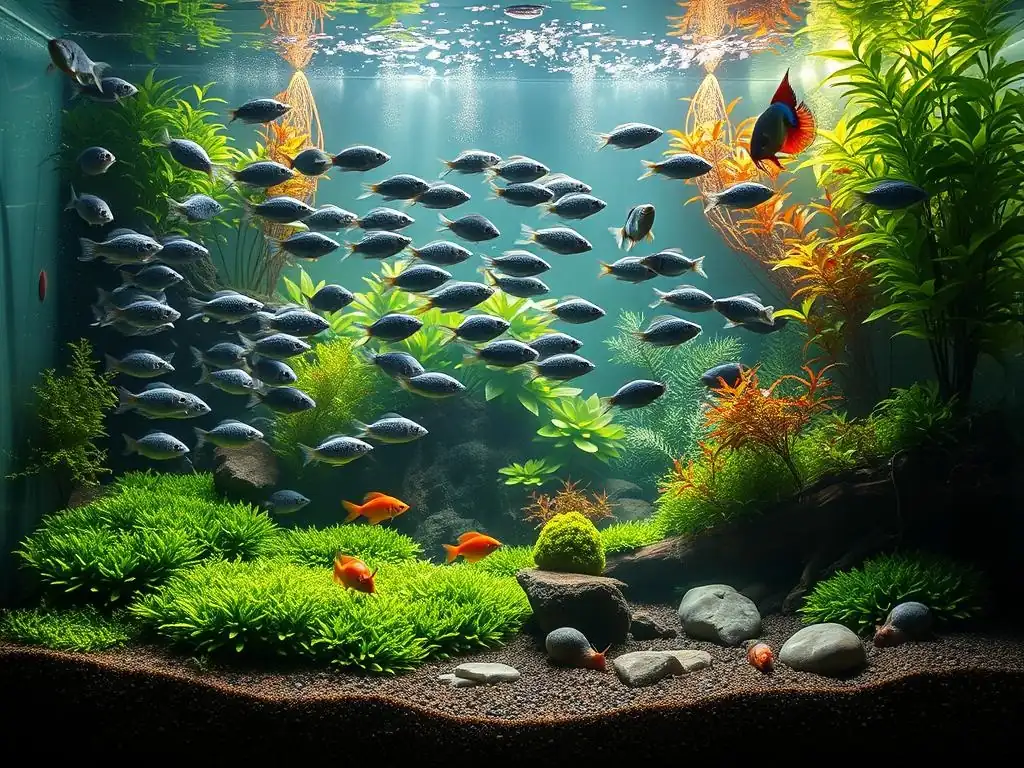
Welcome to Aquarium Mastery!
Ever wondered how to create a thriving, peaceful ecosystem at the bottom of your freshwater aquarium? Dive in and discover the secrets to successful Cory catfish keeping! Our comprehensive Cory Catfish Care Guide is your essential introduction to these charming bottom dwellers, unlocking the secrets to their health, happiness, and harmonious integration into your aquatic world. Ready to learn how to keep your Corys thriving?
- Understanding Corydoras Catfish: An Introduction to Cory Care
- Essential Cory Catfish Care Guide: Creating the Ideal Habitat
- Feeding Your Cory Catfish: A Nutritional Guide
- Cory Catfish Tank Mates: Choosing Compatible Species
- Maintaining a Healthy Cory Catfish Aquarium: Regular Care and Prevention
- Breeding Cory Catfish: A Step-by-Step Guide
-
Different Types of Cory Catfish: Exploring Popular Species
- Bronze Cory (Corydoras aeneus): A Beginner-Friendly Option
- Panda Cory (Corydoras panda): The Adorable Black and White Cory
- Sterbai Cory (Corydoras sterbai): Known for its Orange Markings
- Pygmy Cory (Corydoras pygmaeus): A Tiny Schooling Cory
- Habrosus Cory (Corydoras habrosus): The Delicate Salt and Pepper Cory
- Adolfoi Cory (Corydoras adolfoi): The Striking Orange Shoulder Cory
- Troubleshooting Common Cory Catfish Problems
- Advanced Cory Catfish Care: Taking Your Aquarium to the Next Level
- Cory Catfish: The Perfect Addition to Your Freshwater Aquarium
- Frequently Asked Questions
- Final Reflection: Cultivating Harmony in Your Aquarium
- Unleash the Joy of Cory Catfish Keeping!
Understanding Corydoras Catfish: An Introduction to Cory Care
What are Cory Catfish? Identifying Corydoras Species
Corydoras catfish, affectionately known as Corys, are a diverse genus of freshwater fish native to South America, primarily found in rivers, streams, and flooded areas. These charming bottom dwellers are characterized by their distinctive armored plates, which provide protection, and their sensitive barbels, which they use to sift through substrate for food. Most common species range in size from approximately 1 to 3 inches (2.5 to 7.5 cm) when fully grown, though some can reach up to 4 inches (10 cm). Their peaceful temperament and active foraging make them a delightful addition to many community aquariums, and understanding their unique characteristics is the first step in any comprehensive Cory catfish care guide.
The genus Corydoras is remarkably diverse, with over 170 scientifically described species and many more awaiting formal classification, often identified by their "C-numbers" (e.g., C001, C123). Popular examples include the Bronze Cory ( Corydoras aeneus), the Panda Cory ( Corydoras panda), and the Sterbai Cory ( Corydoras sterbai), each possessing unique patterns and coloration. While some species share similar appearances, careful identification is crucial for providing optimal care, as specific environmental or dietary needs can vary slightly between them. This vast array of species highlights the importance of researching the particular Corydoras you intend to keep to ensure you follow the best Cory catfish care guide for that specific type.
Why Cory Catfish are Great for Community Aquariums
Corydoras catfish are highly regarded as ideal inhabitants for community aquariums due to their remarkably peaceful and non-aggressive nature. They spend the majority of their time sifting through the substrate at the bottom of the tank, occupying a niche that rarely conflicts with mid-water or top-dwelling fish species. This separation of swimming space helps reduce competition for territory and resources, promoting a harmonious environment. Their constant, gentle activity adds a dynamic yet calming presence to the aquarium, making them a favorite among aquarists building a tranquil community setup.
Beyond their peaceful demeanor, Corydoras are schooling fish that thrive when kept in groups of six or more of their own species, ideally even larger numbers. This social behavior not only reduces stress for the individual fish but also allows their natural schooling patterns to be observed, enhancing the visual appeal of the tank. Their relatively small size, coupled with their hardiness and adaptability to a range of water conditions (within their preferred parameters), makes them an excellent choice for both beginner and experienced aquarists looking to add active, beneficial, and charming bottom dwellers. Incorporating a school of Corys is a cornerstone recommendation in any effective Cory catfish care guide focused on community tanks.
Essential Cory Catfish Care Guide: Creating the Ideal Habitat
Tank Size Requirements for Corydoras Catfish
The appropriate tank size for Corydoras catfish depends largely on the specific species and the number of fish you intend to keep, as they are schooling animals. For a small group of 6-8 common species like the Bronze Cory ( Corydoras aeneus) or Panda Cory ( Corydoras panda), a minimum tank size of 10 gallons (approximately 38 liters) is often cited.
However, a 20-gallon long aquarium (approximately 76 liters) is significantly more suitable, offering greater horizontal swimming space which these active bottom-dwellers appreciate, and providing more stable water parameters. Larger tanks are always preferable as they allow for bigger schools, which further reduces stress and encourages natural behavior.
For smaller species, such as the Pygmy Cory ( Corydoras pygmaeus) or Salt and Pepper Cory ( Corydoras habrosus), a well-established 5-gallon tank (approximately 19 liters) might accommodate a tiny school, but a 10-gallon is still recommended for optimal health and activity. Conversely, larger Corydoras species, or those often grouped with Corys like the Emerald Green Cory ( Brochis splendens), will require a minimum of a 30-gallon tank (approximately 114 liters) for a small group. Always consider the adult size of the particular Corydoras species when planning your aquarium setup; a comprehensive Cory catfish care guide emphasizes providing ample space for their well-being.
Setting Up the Perfect Cory Catfish Tank: Substrate, Decor, and Plants
The choice of substrate is paramount for Corydoras catfish due to their delicate barbels, which they use extensively for foraging. Fine, soft sand is the ideal substrate choice, such as pool filter sand or specialized aquarium sand, as it allows Corys to sift through it safely without damaging their sensory organs. Sharp or coarse gravel should be avoided as it can abrade their barbels, leading to infections and loss of their foraging ability. A substrate depth of at least 1-2 inches (2.5-5 cm) is recommended to facilitate their natural sifting behaviors. This critical detail is often highlighted in any thorough Cory catfish care guide.
Beyond the substrate, providing ample decor and live plants creates a stimulating and secure environment for Corydoras. Smooth rocks, driftwood, and ceramic caves offer essential hiding spots and shaded areas where they can retreat or rest. Ensure all decor items are free of sharp edges that could injure their sensitive bodies.
Live plants, such as Java Fern ( Microsorum pteropus), Anubias species ( Anubias barteri), and various Cryptocoryne species, are excellent choices as they provide cover, help maintain water quality by absorbing nitrates, and contribute to a natural aesthetic. Densely planted areas, especially at the bottom, encourage their natural foraging and exploration behaviors, making the tank a true haven for your Corys.
Water Parameters for Optimal Cory Catfish Health: Temperature, pH, and Hardness
Maintaining stable and appropriate water parameters is fundamental to the health and longevity of Corydoras catfish. Most common Corydoras species thrive in tropical freshwater conditions with a temperature range of 72-78°F (22-26°C). Consistency in temperature is crucial; rapid fluctuations can cause stress and weaken their immune systems. While some specific species, like the Panda Cory, might prefer temperatures slightly on the cooler end of this spectrum, generally adhering to this range will suit the majority of popular Corydoras. A reliable aquarium heater with a thermostat is essential to maintain this stable temperature, a key component of a successful Cory catfish care guide.
In terms of chemical parameters, Corydoras catfish generally prefer slightly acidic to neutral water with a pH range of 6.0-7.5. Water hardness (GH) should be soft to medium, typically ranging from 2-15 dGH (degrees of General Hardness). It is more important to maintain stable parameters than to obsess over hitting exact numbers, as sudden changes are far more detrimental than slight deviations from the ideal.
Regular water testing using a reliable kit is indispensable to monitor pH, GH, ammonia, nitrite, and nitrate levels. Ammonia and nitrite should always be at 0 ppm, and nitrates should be kept below 20 ppm through consistent water changes, ensuring the water quality necessary for a thriving Corydoras population.
Feeding Your Cory Catfish: A Nutritional Guide
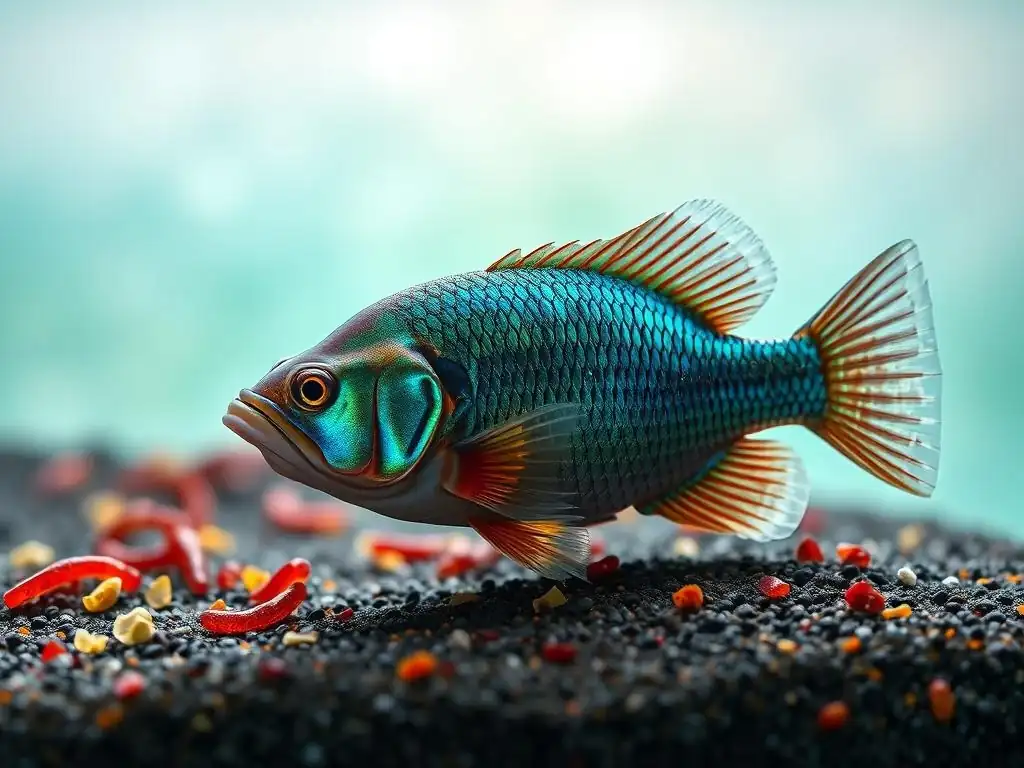
What Do Cory Catfish Eat? Natural Diet and Food Recommendations
In their natural habitats, Corydoras catfish are omnivores with a strong preference for scavenging small invertebrates, detritus, and plant matter found in the substrate. Their specialized barbels are perfectly adapted for sifting through sand and soft mud to uncover tiny worms, insect larvae, small crustaceans, and decaying organic material. This natural diet provides them with a balanced intake of protein, fats, and essential nutrients crucial for their growth and vitality. Understanding this natural foraging behavior is key to providing them with an appropriate diet in the aquarium, ensuring they receive the necessary nutrition outlined in any comprehensive Cory catfish care guide.
When kept in an aquarium, it's vital to replicate their natural scavenging diet as closely as possible. While they will often consume leftover flakes or pellets that sink to the bottom, these should not be their primary food source, as they are not efficient at competing with faster-eating mid-water fish. Instead, their diet should consist of high-quality sinking foods specifically designed for bottom feeders. These include sinking pellets, wafers, and granules that quickly reach the substrate where Corys can easily access them. Supplementing with occasional live or frozen foods further enhances their diet, promoting optimal health and vibrant coloration, a critical aspect of effective Cory catfish care guide practices.
Best Commercial Foods for Cory Catfish: Pellets, Wafers, and Flakes
For daily feeding, high-quality commercial sinking pellets and wafers are the cornerstone of a Corydoras catfish's diet. These foods are specifically formulated to sink quickly, ensuring they reach the bottom of the tank where Corys primarily forage. Look for products that list fish meal, spirulina, and various vitamins and minerals among their primary ingredients.
Brands like Hikari Sinking Wafers, New Life Spectrum H2O Stable Wafers, or Omega One Sinking Pellets are often recommended by experienced aquarists for their nutritional completeness and palatability. These foods provide a balanced mix of protein, fats, and carbohydrates essential for their daily energy and growth.
While flakes can be used as an occasional supplement, they are generally less ideal as a primary food source for Corys because they tend to float longer or break apart before reaching the bottom, making them difficult for Corys to consume effectively. However, finely crushed flakes that readily sink can be useful for very small or young Corydoras. Always ensure that any commercial food offered is specifically designed for bottom feeders to guarantee that your Corys receive adequate nutrition without having to compete excessively with other tank inhabitants. A varied diet of high-quality sinking foods is a fundamental part of any robust Cory catfish care guide.
Supplementing Your Cory Catfish Diet: Live and Frozen Foods
To truly optimize the health and vibrancy of your Corydoras catfish, supplementing their diet with live and frozen foods is highly recommended. These foods mimic the natural prey items they would encounter in the wild, providing superior nutritional value and encouraging natural foraging behaviors. Excellent choices for live foods include blackworms, bloodworms, grindal worms, and small brine shrimp. Offering live foods occasionally can also stimulate breeding in some species, showcasing their natural instincts. Always ensure that live foods are sourced from reputable suppliers to minimize the risk of introducing diseases into your aquarium.
Frozen foods offer a convenient and safe alternative to live options, providing similar nutritional benefits without the risk of parasites or pathogens. Frozen bloodworms, brine shrimp, daphnia, and mysis shrimp are all excellent choices for Corydoras. They should be thawed in a small amount of tank water before feeding to prevent chilling the fish or introducing excess water. Frozen foods should be offered a few times a week as a supplement to their primary sinking pellet or wafer diet. This varied feeding regimen, incorporating both commercial and supplemental foods, is a crucial element of a comprehensive Cory catfish care guide, ensuring your Corys receive a diverse and enriching diet.
Feeding Schedule and Portion Control for Healthy Corydoras
Establishing a consistent feeding schedule is important for the well-being of your Corydoras catfish. Generally, feeding them once a day is sufficient, though some aquarists prefer to feed smaller portions twice a day, especially for larger groups or very active species. It's best to feed them in the evening or after the main lights have been dimmed, as Corys are often more active during these times and will have less competition from faster-swimming, mid-water fish. Always ensure the food reaches the bottom of the tank where they can easily access it. This timing helps ensure all your Corys get their fair share, a practical tip within any good Cory catfish care guide.
Portion control is equally critical to prevent overfeeding, which can lead to poor water quality and health issues. Offer only what your Corydoras can consume within 5-10 minutes. If food remains after this period, you are likely feeding too much, and it should be removed to prevent decomposition and ammonia spikes.
Observe your fish during feeding; if they appear sluggish or their bellies are consistently distended, reduce the amount of food. A healthy Corydoras will have a slightly rounded belly after eating, but not appear bloated. Regular observation and adjustment of feeding amounts based on your specific fish and tank conditions are vital for maintaining a healthy and balanced aquarium ecosystem.
Cory Catfish Tank Mates: Choosing Compatible Species
Best Tank Mates for Cory Catfish: Peaceful Community Fish
When selecting tank mates for Corydoras catfish, the primary consideration is their peaceful and non-aggressive nature. Ideal tank mates are other calm, community-oriented freshwater fish that occupy different water columns and do not pose a threat to the Corys' delicate barbels or overall well-being.
Excellent choices include small to medium-sized tetras such as Neon Tetras ( Paracheirodon innesi), Cardinal Tetras ( Paracheirodon axelrodi), Rummy Nose Tetras ( Hemigrammus rhodostomus), and Glowlight Tetras ( Hemigrammus erythrozonus). Rasboras, like Harlequin Rasboras ( Trigonostigma heteromorpha), and peaceful livebearers such as Guppies ( Poecilia reticulata) and Platies ( Xiphophorus maculatus) also make suitable companions.
Other compatible species include small, peaceful gouramis like Dwarf Gouramis ( Trichogaster lalius) or Honey Gouramis ( Trichogaster chuna), as well as Otocinclus catfish ( Otocinclus affinis) which are also bottom dwellers but primarily algae eaters, thus avoiding direct food competition. Small, peaceful schooling barbs, such as Cherry Barbs ( Puntius titteya), can also coexist harmoniously. The key is to choose fish that are not known to be fin-nippers, overly boisterous, or predatory towards small bottom dwellers. A well-researched Cory catfish care guide will always emphasize the importance of compatible tank mates for a thriving aquarium environment.
Fish to Avoid Keeping with Corydoras: Aggressive or Bullying Species
To ensure the safety and well-being of your Corydoras catfish, it is crucial to avoid housing them with aggressive, territorial, or overly large fish species. Any fish that exhibits fin-nipping tendencies, such as Tiger Barbs ( Puntigrus tetrazona) or some larger cichlids, can cause severe stress and injury to Corys, particularly damaging their sensitive barbels or fins. Large predatory fish, even if generally peaceful, might view smaller Corydoras as potential prey, leading to constant stress or actual predation. Examples include certain species of Angelfish ( Pterophyllum scalare) if the Corys are small, or larger, more aggressive gouramis.
Furthermore, fish that are highly competitive feeders and will quickly consume all the food before it reaches the bottom should also be avoided, as this can lead to malnourishment for your Corys. Examples might include very active, large schooling fish that consume food quickly. Species known for their territorial aggression, such as many types of African Cichlids or certain species of Plecos (especially common Plecos, Hypostomus plecostomus, as they grow very large and can be messy), are generally unsuitable. Always research the temperament and adult size of any potential tank mate thoroughly. Adhering to these guidelines is a critical part of a responsible Cory catfish care guide.
Invertebrate Tank Mates for Corys: Shrimp and Snails
Many invertebrates make excellent and beneficial tank mates for Corydoras catfish, as they are generally peaceful and occupy different niches within the aquarium. Freshwater shrimp, particularly various species of Neocaridina (like Cherry Shrimp) and Caridina (like Amano Shrimp), are highly compatible. They are primarily algae and detritus eaters, posing no threat to Corydoras and often helping to keep the tank clean.
Shrimp also add another layer of interest to the aquarium, and their small size means they won't compete for space or food with the Corys. Ensure the shrimp are not so small that they could be accidentally consumed by larger Corydoras, though this is rare.
Snails are another fantastic option for Corydoras tanks. Peaceful species like Nerite Snails ( Neritina natalensis), Mystery Snails ( Pomacea bridgesii), and various Ramshorn Snails are excellent algae eaters and detritivores. They are slow-moving and pose absolutely no threat to Corydoras, often coexisting peacefully. In fact, their grazing habits can help maintain a cleaner substrate, which indirectly benefits the Corys. Avoid predatory snails, though these are uncommon in the hobby. The addition of shrimp and snails can create a more balanced and biodiverse ecosystem, complementing a holistic Cory catfish care guide approach.
Maintaining a Healthy Cory Catfish Aquarium: Regular Care and Prevention
Water Changes: Frequency and Importance for Corydoras
Regular water changes are arguably the single most important aspect of maintaining a healthy environment for Corydoras catfish. These fish are sensitive to accumulating nitrates and other dissolved organic compounds, which can lead to stress, weakened immune systems, and disease. For a well-established and moderately stocked aquarium, a weekly water change of 25-30% of the tank volume is generally recommended.
In heavily stocked tanks or those with larger fish, more frequent or larger water changes might be necessary. This consistent replenishment of fresh, dechlorinated water helps keep nitrate levels low, typically below 20 ppm, which is crucial for Corydoras health.
During water changes, ensure the new water is dechlorinated and matched as closely as possible in temperature to the existing tank water to prevent temperature shock, which can be particularly stressful for Corys. Using a gravel vacuum to siphon out detritus from the substrate during water changes also helps remove trapped organic waste, further contributing to improved water quality. Neglecting water changes is a common cause of health issues in Corydoras, making this a cornerstone of any effective Cory catfish care guide. Consistent water quality is paramount for their delicate respiratory systems and overall vitality.
Substrate Cleaning: Keeping Your Cory's Home Spotless
Due to their bottom-dwelling and sifting nature, the cleanliness of the substrate is of utmost importance for Corydoras catfish. While they do an excellent job of sifting through the sand, detritus, and uneaten food can still accumulate, leading to anaerobic pockets if not properly managed. During regular water changes, use a gravel vacuum to gently clean the substrate surface. For sand substrates, hover the vacuum just above the sand to lift detritus without disturbing too much sand. In planted tanks, focus on open areas and be careful not to damage plant roots.
A clean substrate prevents the build-up of harmful bacteria and ensures that your Corys are sifting through healthy, oxygenated material. Accumulated organic waste can lead to elevated ammonia and nitrite levels, and can also contribute to fin rot or barbel erosion if the fish are constantly exposed to unsanitary conditions. Regularly stirring the top layer of sand with your fingers (if it's a fine sand and not too deep) can also help prevent anaerobic spots, though the Corys' natural sifting usually handles this. Maintaining a spotless substrate is a fundamental aspect of a comprehensive Cory catfish care guide aimed at preventing common health issues.
Recognizing and Treating Common Cory Catfish Diseases
Corydoras catfish, while generally hardy, can fall victim to common freshwater aquarium diseases if water quality is poor or they are stressed. One of the most prevalent issues is bacterial infections, often manifesting as fin rot (frayed or decaying fins), body ulcers, or red streaks. Poor water quality, particularly high nitrates or ammonia, is a primary trigger.
Ich ( Ichthyophthirius multifiliis), characterized by small white spots resembling salt grains on the body and fins, is another common parasite, often introduced by new fish or due to sudden temperature fluctuations. Fungal infections, which appear as white, cotton-like growths, typically attack fish already weakened by stress or injury.
Treatment for these diseases often involves addressing the root cause (e.g., improving water quality) and administering appropriate aquarium medications. For bacterial infections, broad-spectrum antibiotics designed for aquarium use may be necessary. Ich is typically treated by gradually raising the water temperature (within the Corys' safe range, e.g., to 82°F/28°C for a few days, if compatible with other tank inhabitants) and using an Ich-specific medication. Fungal infections respond to antifungal treatments. Always follow medication instructions carefully and remove activated carbon during treatment. Early detection and prompt action, as emphasized in any good Cory catfish care guide, significantly improve recovery rates.
Preventing Illness in Your Cory Catfish Tank: Quarantine and Observation
Prevention is always better than cure, especially when it comes to the health of your Corydoras catfish. The single most effective preventative measure is quarantining all new fish, plants, and invertebrates before introducing them to your main display tank. A dedicated quarantine tank, even a small 5-10 gallon setup, allows you to observe new arrivals for signs of disease for at least two to four weeks.
During this period, you can treat any potential illnesses without risking the health of your established Corydoras and other tank inhabitants. This practice significantly reduces the risk of introducing pathogens like Ich, parasites, or bacterial infections.
Beyond quarantine, daily observation of your Corydoras is crucial. Look for any changes in behavior, such as lethargy, clamped fins, rapid breathing, unusual swimming patterns, or refusal to eat. Also, visually inspect their bodies for any white spots, growths, redness, or fin damage. Healthy Corys are active, constantly sifting, and have clear eyes and intact barbels. Maintaining pristine water quality through regular water changes and proper filtration, providing a balanced diet, and ensuring compatible tank mates also contribute immensely to their overall resilience. These preventative strategies are cornerstones of a proactive Cory catfish care guide.
Breeding Cory Catfish: A Step-by-Step Guide
Creating Breeding Conditions for Corydoras: Water Parameters and Triggers
Breeding Corydoras catfish in a home aquarium can be a rewarding experience, though it often requires specific environmental triggers. The most common trigger for many species is a simulated "rainy season" effect, which mimics their natural breeding cues in the wild. This involves performing a large, cool water change, typically 50-75% of the tank volume, using water that is 5-10°F (3-6°C) cooler than the tank's current temperature.
This sudden drop in temperature, combined with the influx of fresh water, often signals to the Corys that it's time to spawn. Repeat these cool water changes daily or every other day for several days to encourage breeding.
In addition to temperature changes, ensuring optimal water quality with low nitrates and a slightly acidic to neutral pH (e.g., 6.5-7.0) can also help. A well-fed conditioning diet of high-protein live and frozen foods (like bloodworms and brine shrimp) for a week or two prior to attempting to trigger spawning also significantly increases their readiness to breed. Some aquarists also report success by increasing water flow or providing a gentle airstone, mimicking the increased water movement during a rainy season. Creating these specific conditions is a key step in any detailed Cory catfish care guide focused on reproduction.
Identifying Male and Female Cory Catfish
Distinguishing between male and female Corydoras catfish, especially in non-breeding conditions, can be challenging but is often possible with careful observation, particularly when viewing them from above. Generally, mature female Corys are noticeably larger and rounder than males of the same age and species. Their bodies tend to be broader and deeper, especially when viewed from above, giving them a more "pear-shaped" appearance, particularly when gravid (carrying eggs). Males, conversely, are typically slimmer, smaller, and more streamlined.
During breeding attempts, the differences become more pronounced. Gravid females will have a visibly distended belly, packed with eggs. Males, while smaller, often appear more active and will chase females during courtship. Some species may also exhibit slight differences in fin shape; for instance, the male's dorsal fin might be slightly more pointed or elongated in certain species. Observing a group of Corys from above, especially during feeding, can help highlight these size and shape differences, which are essential for successful breeding outlined in a comprehensive Cory catfish care guide.
The Cory Catfish Breeding Process: Spawning and Egg Care
Once triggered, Corydoras catfish typically engage in a characteristic "T-position" spawning ritual. The male will position himself in front of the female, forming a 'T' shape, and fertilize eggs that the female releases into a pouch formed by her ventral fins. The female then swims away, often to a broad leaf, the aquarium glass, or a piece of decor, where she attaches a small cluster of adhesive eggs. This process is repeated numerous times, with a single female laying anywhere from 10 to over 100 eggs, depending on the species and her maturity. Spawning usually occurs over several hours.
After spawning, the eggs should ideally be removed from the main tank and placed into a separate "hatching tank" to protect them from being eaten by parents or other tank inhabitants. The hatching tank should contain well-aerated, clean water from the main tank, with a temperature similar to the spawning tank. Adding a few drops of methylene blue can help prevent fungal growth on the eggs. Healthy eggs are usually clear or slightly amber; white, opaque eggs are infertile or fungused and should be removed to prevent contamination. This meticulous egg care is a vital component of any detailed Cory catfish care guide for breeding.
Raising Cory Catfish Fry: Feeding and Growth
Corydoras eggs typically hatch within 3-5 days, depending on the water temperature and species. The newly hatched fry are tiny and possess a yolk sac, which provides them with nourishment for the first 2-3 days. During this period, they will primarily remain at the bottom, absorbing their yolk sac.
Once the yolk sac is absorbed, it is crucial to begin feeding them immediately with extremely fine, high-protein foods. Infusoria, liquid fry food, or finely crushed spirulina powder are excellent initial choices. After a few days, they can transition to newly hatched brine shrimp or microworms, which are highly nutritious and stimulate their growth.
Maintaining pristine water quality in the fry tank is paramount, as young Corydoras are very sensitive to nitrates and ammonia. Small, frequent water changes (e.g., 10-20% daily) using dechlorinated, temperature-matched water are essential. A sponge filter provides gentle filtration without risking sucking up the tiny fry. As they grow, their diet can gradually transition to finely crushed flakes and then to small sinking pellets. Growth rates vary by species, but within a few weeks, they will begin to resemble miniature versions of their parents. Successful Cory catfish care guide for fry emphasizes consistent feeding, clean water, and patience.
Different Types of Cory Catfish: Exploring Popular Species
Bronze Cory (Corydoras aeneus): A Beginner-Friendly Option
The Bronze Corydoras ( Corydoras aeneus) is perhaps the most common and widely available Cory species, making it an excellent choice for beginner aquarists. Native to a vast range across South America, these hardy fish are known for their metallic bronze to olive-green coloration, which can vary slightly depending on their geographical origin. They typically reach an adult size of about 2.5-3 inches (6-7.5 cm). Their adaptability to a wide range of water parameters, combined with their peaceful nature and active foraging, makes them incredibly popular.
Bronze Corys are highly social and thrive in groups of six or more. They are active during the day, constantly sifting through the substrate, and are known for their playful antics. Their robust nature makes them forgiving of minor fluctuations in water conditions, though stable parameters are always best. They readily accept a variety of sinking foods and are relatively easy to breed given the right conditions. This species often serves as the entry point for many aquarists into the world of Corydoras, exemplifying the core principles of a general Cory catfish care guide.
Panda Cory (Corydoras panda): The Adorable Black and White Cory
The Panda Corydoras ( Corydoras panda) is instantly recognizable by its distinctive black and white coloration, resembling a miniature panda bear. It features three prominent black patches: one over the eyes, one on the dorsal fin, and one near the caudal peduncle (base of the tail). Native to the clear, cool waters of Peru, particularly the Rio Aquas and Rio Ucayali basins, they typically grow to about 2 inches (5 cm). Their charming appearance and active swimming habits have made them one of the most beloved Cory species in the aquarium hobby.
Panda Corys prefer slightly cooler water temperatures, ideally between 72-76°F (22-24°C), and soft to moderately hard water. Like all Corys, they are schooling fish and should be kept in groups of at least six individuals to thrive and display their natural behaviors. They are peaceful and do well in community tanks with other small, non-aggressive fish. Their delicate appearance belies a relatively hardy nature, though they are a bit more sensitive to water quality fluctuations than the Bronze Cory. Providing a well-structured Cory catfish care guide for Pandas emphasizes clean, stable, and slightly cooler water.
Sterbai Cory (Corydoras sterbai): Known for its Orange Markings
The Sterbai Corydoras ( Corydoras sterbai) is a visually striking species, highly prized for its unique pattern of dark brown or black body covered in white or cream spots, and most notably, its vibrant orange pectoral fins. Hailing from the warm, clear waters of Brazil, particularly the Rio Guapore basin, this species is slightly larger than the Panda Cory, reaching an adult size of about 2.5 inches (6.5 cm). Their distinctive coloration and active personalities make them a focal point in any bottom-dwelling community.
Sterbai Corys are unique among some common Cory species for their preference for slightly warmer water, typically thriving between 75-82°F (24-28°C), making them an excellent choice for tanks housing Discus or other warmth-loving fish. They are robust and peaceful, making them suitable for community tanks. As with all Corys, they are social and should be kept in groups of six or more. Their hardiness and beautiful appearance make them a popular choice for both beginners and experienced aquarists looking for a visually appealing and active bottom dweller. A Cory catfish care guide for Sterbais highlights their adaptability to warmer temperatures.
Pygmy Cory (Corydoras pygmaeus): A Tiny Schooling Cory
The Pygmy Corydoras ( Corydoras pygmaeus) is one of the smallest and most fascinating Cory species, reaching a maximum adult size of only about 1 inch (2.5 cm). Native to the Amazon basin in Brazil, these tiny fish are often overlooked but offer a unique behavior. Unlike most Corys that primarily stay at the bottom, Pygmy Corys are known to school actively in the mid-water column, often resting on plant leaves or darting through open water, although they will still descend to the substrate to forage. Their small size and unique swimming habits make them ideal for nano aquariums.
Despite their diminutive size, Pygmy Corys are schooling fish and absolutely must be kept in groups of at least 8-10 individuals, or even more, to feel secure and display their natural schooling behaviors. They are incredibly peaceful and can be housed with other very small, non-aggressive fish like small rasboras or Otocinclus. They prefer well-planted tanks with plenty of hiding spots. Due to their small size, they require very fine foods, such as crushed flakes, micro-pellets, or newly hatched brine shrimp. A Cory catfish care guide for Pygmy Corys emphasizes larger schools and smaller tank mates.
Habrosus Cory (Corydoras habrosus): The Delicate Salt and Pepper Cory
The Habrosus Corydoras ( Corydoras habrosus), often referred to as the Salt and Pepper Cory, is another charming dwarf species, typically growing to about 1.2-1.5 inches (3-4 cm). Native to Venezuela, they are characterized by their mottled black and white "salt and pepper" pattern, which provides excellent camouflage against a natural substrate. Like the Pygmy Cory, they are smaller than most other popular Cory species, making them suitable for smaller community tanks or nano setups.
Habrosus Corys are peaceful and social, requiring groups of six or more to thrive. While they spend significant time foraging on the substrate, they also appreciate densely planted areas and shaded spots where they can rest. Their care requirements are similar to other Corys, preferring stable water parameters, a soft sand substrate, and a varied diet of small sinking foods. They are slightly less active in the water column than Pygmy Corys but are still delightful to observe. A Cory catfish care guide for Habrosus focuses on their need for a peaceful, well-structured environment and a consistent food supply.
Adolfoi Cory (Corydoras adolfoi): The Striking Orange Shoulder Cory
The Adolfoi Corydoras ( Corydoras adolfoi) is a strikingly beautiful species, highly sought after for its distinctive black stripe running along its back and, most notably, a vibrant orange or yellow patch located just behind its gills, often referred to as an "orange shoulder." Native to the clear waters of the Rio Negro basin in Brazil, this species typically reaches an adult size of about 2 inches (5 cm). Their bold coloration makes them stand out beautifully against a natural substrate.
Adolfoi Corys prefer soft, acidic water, mimicking their blackwater origins, with a pH range of 5.5-7.0 and very low hardness. They thrive in well-planted aquariums with plenty of driftwood and leaf litter, which helps maintain the desired water chemistry and provides natural hiding spots. Like other Corys, they are schooling fish and should be kept in groups of six or more. While generally hardy once acclimated, their specific water parameter preferences make them slightly more suited for intermediate aquarists than absolute beginners. A specialized Cory catfish care guide for Adolfoi Corys would emphasize their need for pristine, soft, and slightly acidic water conditions.
Troubleshooting Common Cory Catfish Problems
Cory Catfish Acting Strange: Identifying Unusual Behavior
Observing your Corydoras catfish regularly is key to identifying potential health issues early. Strange behavior can be an early warning sign that something is amiss in their environment or with their health. One common unusual behavior is "flashing," where a Cory will quickly rub its body against the substrate, decor, or plants. This often indicates irritation from parasites (like Ich), poor water quality (e.g., high ammonia or nitrates), or external irritants. If multiple fish are flashing, it's usually a water quality issue or a widespread parasitic infection.
Another concerning behavior is prolonged lethargy or hiding. While Corys do rest, a healthy Cory is typically active, constantly sifting or swimming. If your Corydoras are consistently staying still, hiding excessively, or refusing to forage, it suggests stress, illness, or severe discomfort. Similarly, rapid gilling (breathing heavily) can indicate low oxygen levels, ammonia poisoning, or gill parasites. Any deviation from their normal, active, schooling behavior warrants immediate investigation of water parameters and a visual inspection of the fish. A good Cory catfish care guide encourages diligent observation for these subtle cues.
Cory Catfish Losing Barbels: Causes and Treatment
The loss or erosion of barbels in Corydoras catfish is a common and concerning issue that primarily stems from two main causes: unsuitable substrate and poor water quality. Sharp or abrasive gravel can physically damage the delicate barbels as Corys sift for food, leading to cuts and subsequent bacterial infections. Constant exposure to fine particulate matter or detritus trapped in coarse gravel can also irritate and erode the barbels over time. The second major cause is prolonged exposure to high levels of nitrates, ammonia, or nitrites, which can cause chemical burns or bacterial infections that lead to barbel deterioration.
Treatment involves immediately addressing the root cause. If your substrate is sharp, replace it with fine, soft sand. If water parameters are poor, perform large water changes and ensure your filtration is adequate and consistent. Maintain nitrates below 20 ppm and ensure ammonia/nitrite are 0 ppm. In some cases, a mild antibacterial treatment designed for fin and body rot may be necessary if a secondary infection has set in. With improved conditions, healthy barbels can often regenerate over several weeks or months, though severe damage might be permanent. This specific problem is frequently highlighted in a detailed Cory catfish care guide.
Cory Catfish Not Eating: Potential Reasons and Solutions
When Corydoras catfish refuse to eat, it's a significant indicator of stress or illness that requires prompt attention. Several factors can contribute to a loss of appetite. The most common reason is poor water quality; high levels of ammonia, nitrite, or nitrate can make fish feel unwell and suppress their appetite.
Incorrect feeding practices, such as food not reaching the bottom of the tank or being consumed by faster tank mates, can also lead to malnourishment, even if food is offered. Stress from incompatible tank mates, bullying, or an inadequate school size (less than six Corys) can also cause them to stop eating.
Illness, particularly internal parasites or bacterial infections, can also manifest as a loss of appetite. If water parameters are pristine and feeding practices are correct, carefully observe the fish for other symptoms like lethargy, clamped fins, or unusual markings. Solutions involve first testing and correcting water parameters immediately. Ensure you are feeding appropriate sinking foods that reach the bottom and that your Corys have enough time to eat without competition. If illness is suspected, quarantine the affected fish and consider appropriate treatments. A comprehensive Cory catfish care guide emphasizes addressing environmental factors first when dealing with appetite loss.
Advanced Cory Catfish Care: Taking Your Aquarium to the Next Level
Optimizing Water Quality for Corydoras
Taking your Cory catfish care guide to an advanced level means moving beyond just "acceptable" water parameters to "optimal" conditions that truly allow your Corydoras to thrive. This involves meticulous attention to detail regarding filtration, dissolved oxygen, and nutrient management. High-quality biological filtration is paramount; ensure your filter is adequately sized for your tank and provides ample surface area for beneficial bacteria. Consider supplementing with a sponge filter for added biological filtration and gentle water movement, which is beneficial for Corys.
Beyond regular water changes, incorporating aquatic plants is an excellent way to naturally optimize water quality by absorbing nitrates and contributing oxygen. Regular testing with a reliable liquid test kit (not strips) for ammonia, nitrite, nitrate, pH, and GH provides precise data, allowing for proactive adjustments. Aim for nitrates consistently below 10 ppm for peak health. Some advanced aquarists might also employ specialized media like Purigen or Seachem Matrix to further polish water and reduce organic pollutants, creating an exceptionally clean and stable environment that mimics their pristine natural habitats.
Planted Tanks for Cory Catfish: Creating a Natural Environment
Creating a heavily planted aquarium is an advanced yet highly beneficial approach to Corydoras care, as it closely mimics their natural habitat and provides numerous advantages. Live plants contribute to water quality by absorbing nitrates and phosphates, thus reducing the burden on your filtration system and helping to maintain stable parameters. They also oxygenate the water through photosynthesis, which is vital for fish health. For Corys specifically, dense planting offers essential hiding spots, shaded areas, and a sense of security, encouraging them to display more natural behaviors.
When designing a planted tank for Corys, choose plants that are robust and can withstand some gentle sifting. Foreground plants like Dwarf Hairgrass ( Eleocharis parvula) or various Cryptocoryne species provide ground cover without interfering with their foraging. Midground and background plants such as Amazon Swords ( Echinodorus amazonicus), Anubias species, and Java Fern can create dense thickets for hiding and resting. Ensure there are still open, sandy areas for them to sift freely. A well-designed planted tank elevates a basic Cory catfish care guide to one that fosters a truly thriving and natural ecosystem for your fish.
Aquascaping for Corydoras: Creating a Natural and Functional Habitat
Aquascaping for Corydoras goes beyond simply adding plants and decor; it involves thoughtfully designing a layout that is both aesthetically pleasing and perfectly functional for their specific needs. The core principle is to provide a soft, smooth substrate, preferably fine sand, across a significant portion of the tank floor. This allows them to engage in their natural sifting behaviors without damaging their sensitive barbels. Avoid sharp rocks or decor with abrasive surfaces in areas where Corys will primarily forage.
Incorporate elements like smooth river stones, driftwood, and root structures to create natural hiding spots and visual barriers. These features not only provide security for the Corys but also add depth and interest to the aquascape. Arrange plants in a way that offers dense cover in some areas for resting, while leaving open sandy patches for active foraging. Consider creating gentle slopes or contours with the sand to add visual appeal and varying depths for exploration. A well-executed aquascape, as detailed in an advanced Cory catfish care guide, creates a harmonious balance between natural beauty and the specific behavioral requirements of your Corydoras.
Cory Catfish: The Perfect Addition to Your Freshwater Aquarium
Frequently Asked Questions
What are the ideal water parameters for Cory catfish?
Cory catfish thrive in stable water conditions. Aim for a pH of 6.5-7.5, a temperature of 72-78°F (22-26°C), and low levels of nitrates and nitrites.
What should I feed my Cory catfish?
Cory catfish are omnivores and scavengers. Provide them with a varied diet including sinking pellets, algae wafers, and occasional live or frozen foods like bloodworms.
How many Cory catfish should I keep together?
Cory catfish are social creatures and should be kept in groups of at least six individuals. This helps them feel secure and display their natural schooling behavior.
What tank size is appropriate for a group of Cory catfish?
A minimum of a 20-gallon tank is recommended for a small group of Cory catfish. Larger species may require a 40-gallon or larger tank to accommodate their size and activity level.
What are some common health problems that affect Cory catfish?
Cory catfish are sensitive to poor water quality. Common issues include fin rot, ich, and bacterial infections. Maintaining pristine water conditions is crucial for preventing these problems.
Okay, here's a final reflection tailored for your "Peaceful Bottom Dwellers: Your Essential Introduction to Cory Catfish Care" article, designed to resonate with readers and encourage them to appreciate these little fish:
Final Reflection: Cultivating Harmony in Your Aquarium
The journey into understanding Cory catfish care, as we've explored, is more than just mastering water parameters and food choices; it's about fostering a thriving ecosystem within the confines of your aquarium. These peaceful bottom dwellers, often overlooked, play a crucial role in maintaining balance and bringing a unique charm to the underwater world we create. Their well-being directly impacts the overall health and vibrancy of your entire aquatic community.
This exploration has underscored the profound impact even the smallest creatures can have on our lives and our environments. The gentle activity of Corydoras, sifting through the substrate, reminds us of the interconnectedness of all living things, and the responsibility we bear as stewards of their well-being. The greatness of a nation and its moral progress can be judged by the way its animals are treated.
- Mahatma Gandhi. This quote resonates deeply when we consider the care we provide to these often-underappreciated members of our aquariums.
Now, as you embark on, or continue, your Cory catfish keeping journey, I encourage you to reflect on the lessons learned here. Consider how you can further refine your approach to create an even more enriching and harmonious environment for these delightful creatures. Let their peaceful nature inspire you to cultivate patience, observation, and a deeper appreciation for the delicate balance of life, both within your aquarium and beyond.
Unleash the Joy of Cory Catfish Keeping!
Thanks for diving into the world of Corydoras! We hope this guide has equipped you with the knowledge to create a thriving environment for these charming bottom dwellers. Now, let's translate that knowledge into action.
- Start your Cory journey: Introduce at least six Corydoras catfish into your established, suitable aquarium to witness their natural schooling behavior.
- Share your Cory wisdom: Post your best Cory catfish photo or tip on social media using #AquariumMasteryCory to inspire others.
- Delve deeper: Research a specific Corydoras species not mentioned in the article and discover its unique care requirements and fascinating behaviors.
What exciting Corydoras species are you most eager to keep in your aquarium, and what steps will you take to ensure their happiness?