
Zoanthid Placement Perfection: Finding the Sweet Spot in Your Reef

Welcome to Aquarium Mastery!
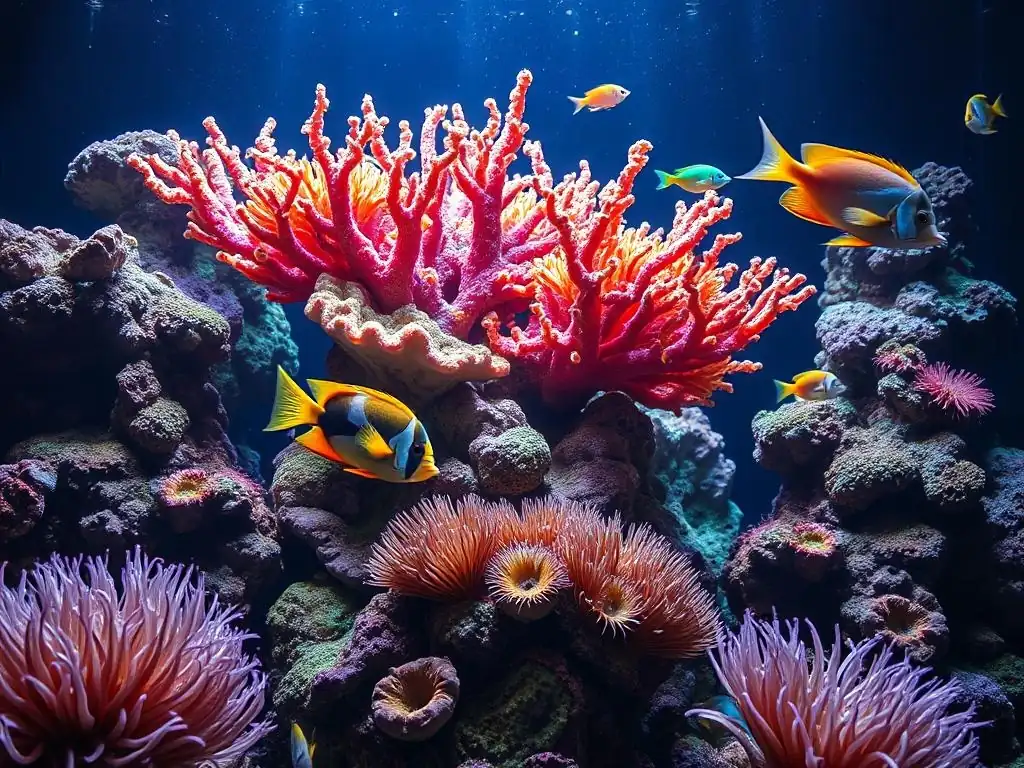
Dive into the vibrant world of reef keeping! Ever wondered where to place those mesmerizing zoanthids in your reef tank for optimal health and stunning growth? Our guide, " Zoanthid Placement Perfection: Finding the Sweet Spot in Your Reef", unravels the secrets to successful reef zoanthid placement strategy. Discover the crucial factors that will help you unlock the full potential of these captivating corals and create a thriving underwater paradise. Ready to learn more and see your zoanthids flourish? Let's get started!
- Zoanthid Placement in Reef Aquariums: Optimizing Growth and Color
- Understanding Zoanthid Needs for Success
- Factors Influencing Placement Strategy
- Step-by-Step Placement Guide
- Advanced Techniques for Growth and Distribution
- Troubleshooting Common Issues
- Placement for Visual Appeal
- Long-Term Care and Maintenance
- Conclusion: Achieving a Thriving Zoanthid Reef Through Strategic Placement
- Frequently Asked Questions
- Final Reflection: Cultivating Harmony in the Reef
- Dive Deeper: Transform Your Reef into a Zoanthid Paradise!
Zoanthid Placement in Reef Aquariums: Optimizing Growth and Color
Understanding Zoanthid Needs for Success
The Importance of Proper Placement for Zoanthid Health
The precise placement of zoanthids within your reef aquarium is not merely an aesthetic choice; it is a fundamental aspect of their long-term health, vitality, and growth. Improper positioning can lead to significant stress, causing polyps to remain closed, lose coloration, or even suffer tissue recession and eventual demise. A well-executed reef zoanthid placement strategy ensures that these photosynthetic polyps receive optimal levels of light and water flow, facilitating efficient nutrient uptake and effective waste removal, which are critical for their survival and thriving.
Beyond immediate survival, correct placement contributes significantly to the sustained vibrancy and rapid proliferation of zoanthid colonies. Under ideal conditions, many zoanthid species, such as the popular 'Nuclear Green' or 'Utter Chaos' morphs, can double their colony size within a 6 to 12-month period. This robust growth is directly linked to a stable environment where light intensity, water movement, and surrounding chemical interactions are meticulously managed. While zoanthids are often considered hardy, their ability to display stunning colors and expand into lush gardens is heavily dependent on a thoughtful initial and adaptive placement strategy.
Zoanthid Lighting: PAR, Spectrum, and Acclimation
Zoanthids, like most corals, rely on symbiotic zooxanthellae for a significant portion of their energy, making lighting a crucial factor in their placement. They generally thrive under moderate lighting conditions. A suitable Photosynthetically Active Radiation (PAR) range for most common zoanthid species is typically between 50 and 150 PAR.
However, some hardy Palythoa species might tolerate higher PAR levels exceeding 200 with proper acclimation, while certain Zoanthus variants may prefer lower intensities around 30-40 PAR. The light spectrum is also important; a full spectrum light with a noticeable bias towards the blue wavelengths (450-470nm) not only enhances the zoanthids' natural fluorescence but also supports the photosynthetic efficiency of their zooxanthellae.
Acclimation to new lighting conditions is paramount to prevent light shock. When introducing new zoanthids, especially if their previous lighting environment is unknown, it is best to initially place them in a lower light area of your tank. Over a period of several days to a few weeks, gradually move them to their desired, higher-light location.
For example, if a zoanthid is acclimating from a 75 PAR environment to a target of 150 PAR, you might increase its exposure by 10-20 PAR per week. Signs of light stress include persistent closing, bleaching (turning pale or white), or a shriveled appearance. Careful observation and a patient reef zoanthid placement strategy during acclimation are key to preventing these issues.
Water Flow: Balancing Nutrient Delivery and Waste Removal
Water flow is another critical environmental factor that dictates successful zoanthid placement. Zoanthids require moderate, indirect water movement to facilitate the delivery of essential nutrients, such as dissolved organic matter and trace elements, directly to their polyps.
Simultaneously, proper flow aids in the removal of metabolic waste products and accumulated detritus, preventing the buildup of harmful substances around the colony. Insufficient flow can lead to detritus settling on the polyps, potentially causing tissue necrosis or encouraging nuisance algae growth, while excessively strong, direct laminar flow can prevent polyps from fully extending or even cause them to detach from their substrate.
The ideal water flow for zoanthids is typically turbulent and random, mimicking natural reef conditions. This can be achieved by positioning powerheads to create gentle, oscillating currents or eddies around the zoanthids rather than a constant blast. A good visual indicator of optimal flow is the gentle swaying of the zoanthid polyps without them being forcefully pushed or flattened against the rockwork.
For a mixed reef tank, a general starting point for overall tank flow might be 10-20 times the tank's volume per hour, with specific adjustments made to powerhead positioning to cater to individual coral needs. This nuanced approach to water movement is integral to a successful reef zoanthid placement strategy.
Factors Influencing Placement Strategy
Acclimating New Zoanthids to Prevent Shock
Acclimating new zoanthids extends beyond just light and flow; it encompasses a broader adaptation to your aquarium's unique water parameters. Drip acclimation is highly recommended for temperature and salinity, particularly for specimens that have undergone significant transport or are from vastly different source water. A slow drip over 30 to 60 minutes, aiming to match the specific gravity of the new zoanthid's water to your tank's within 0.001 to 0.002, helps to minimize osmotic shock and reduce stress. This gradual introduction prevents the sudden cellular shifts that can severely harm or even kill delicate polyps.
After the initial drip acclimation, the immediate post-placement environment should be carefully considered. If the zoanthid's previous lighting and flow conditions are known, try to replicate them initially. Otherwise, begin by placing the zoanthid in a lower-light, moderate-flow area. Observe its behavior closely for the first 24 to 48 hours. If the polyps remain closed or show signs of distress, gently try a slightly different spot with potentially less light or a more indirect flow. This meticulous, step-by-step reef zoanthid placement strategy significantly increases the chances of successful integration into your display tank.
Preventing Algae: Controlling Nutrients and Maintaining Flow
Strategic zoanthid placement plays a crucial role in preventing nuisance algae outbreaks directly on the coral. Zoanthids, especially when stressed or in low-flow areas, can become covered by detritus, which then acts as a nutrient source for various nuisance algae such as hair algae or cyanobacteria. Proper water flow around zoanthid colonies helps to keep their polyps clean by constantly flushing away settling detritus and preventing the accumulation of organic matter that fuels algal growth.
Effective nutrient control throughout the aquarium is equally important. Maintaining low levels of nitrates (ideally below 5 ppm) and phosphates (ideally below 0.03 ppm) starves nuisance algae of their primary food sources. This is achieved through regular water changes (e.g., 10-20% weekly or bi-weekly), efficient protein skimming, and judicious feeding practices. By combining optimal water flow with stringent nutrient management, your reef zoanthid placement strategy actively contributes to a cleaner, healthier environment where zoanthids can thrive without being overgrown by unsightly and harmful algae.
Coral Interactions: Minimizing Chemical and Physical Warfare
While zoanthids are often considered relatively peaceful corals, they are capable of releasing allelopathic chemicals, including the potent palytoxin, which can irritate or harm other corals if placed too closely. Although generally less aggressive than many LPS (Large Polyp Stony) or SPS (Small Polyp Stony) corals, it is wise to maintain a buffer zone of several inches – typically 3 to 6 inches – between zoanthid colonies and other coral species, particularly more sensitive SPS corals like Acropora or Montipora. This spacing minimizes the risk of chemical warfare and ensures each coral has its own "personal space."
Beyond chemical interactions, physical space for growth is a significant consideration in your reef zoanthid placement strategy. Zoanthid colonies can expand rapidly, encrusting over rockwork and potentially shading or growing over slower-growing or sessile corals. For example, a zoanthid colony starting at just 1 inch in diameter can easily spread to 3-4 inches within a year under favorable conditions. Planning for this future growth by providing ample clearance around the initial placement point prevents future overcrowding and the need for disruptive re-location or aggressive fragging to maintain harmony within your aquascape.
Step-by-Step Placement Guide
Step 1: Assessing Tank Lighting and Flow Patterns
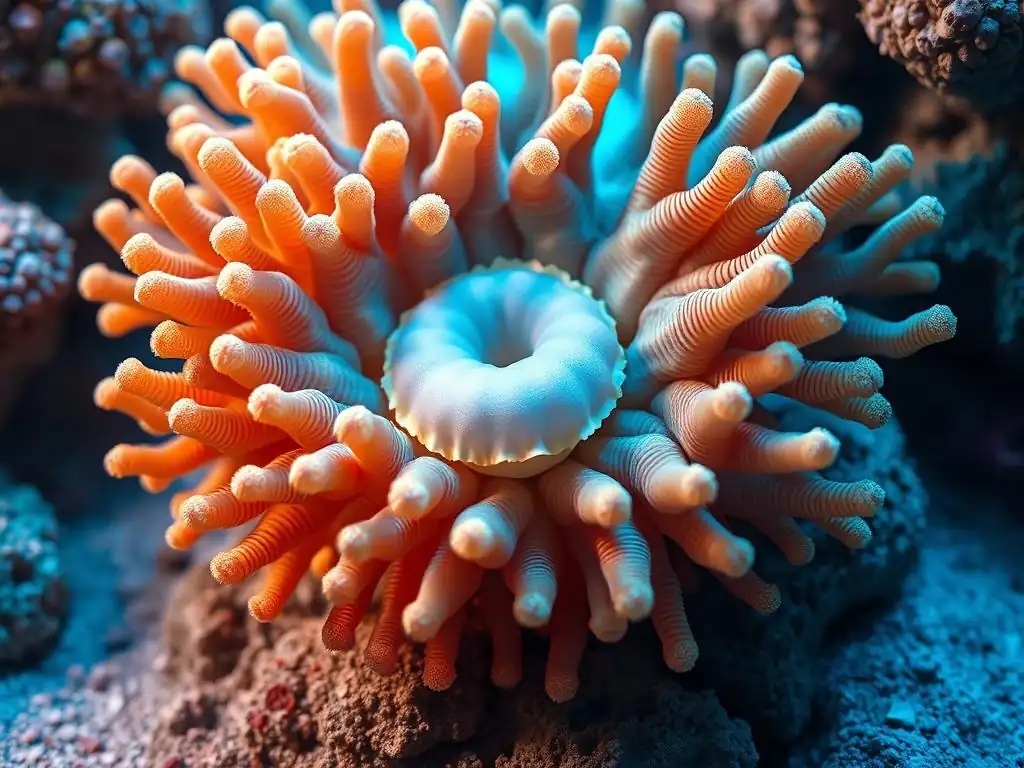
Before introducing any zoanthids, it is crucial to thoroughly assess the existing lighting and water flow patterns within your reef aquarium. Utilize a PAR meter, if available, to map out different light intensity zones, from high PAR areas directly under the lights to lower PAR regions in shaded spots or at the bottom of the tank.
Similarly, observe detritus accumulation patterns to identify areas of low flow, and watch the movement of existing corals or suspended particles to understand the general flow dynamics. For instance, in a 48-inch long aquarium with two strategically placed powerheads, you might find PAR values ranging from 50 PAR in dimly lit corners to over 250 PAR directly beneath the light source at the top, along with varied flow strengths.
Once you have a clear understanding of your tank's microclimates, you can match these zones to the specific needs of your zoanthid species. Research the light and flow preferences of the particular zoanthid morphs you intend to acquire. For example, some Palythoa species tend to be more tolerant of higher light and flow than many delicate Zoanthus species. This systematic approach, where you identify suitable environments before placement, forms the cornerstone of an effective reef zoanthid placement strategy, ensuring that each colony begins its life in your tank under optimal conditions tailored to its requirements.
Step 2: Selecting Suitable Rockwork or Substrates
The choice of substrate for your zoanthid placement is vital for their secure attachment and future growth. Zoanthids naturally prefer stable, porous surfaces that allow their mat-like base to adhere firmly and spread. Live rock, whether new or established, provides an excellent foundation due to its texture and stability. Similarly, purpose-made frag plugs or tiles offer a convenient and controlled environment for initial attachment, especially useful for new frags. Avoid placing zoanthids directly on the sandbed if possible, as they can be easily buried by substrate-dwelling inhabitants or collect excessive detritus, leading to stress or potential tissue necrosis.
When selecting a specific piece of rockwork, look for areas that are clean and free of nuisance algae, which could compete with or irritate the zoanthids. A small, relatively flat or slightly concave surface on the rock provides an ideal spot for the zoanthid's base to make good contact for adhesion. Ensuring the chosen substrate is stable and won't shift over time is also important, as movement can dislodge newly placed zoanthids. A well-chosen substrate is a silent partner in your reef zoanthid placement strategy, providing the necessary foundation for robust colony development.
Step 3: Securely Attaching Zoanthids to Their New Home
Once you've identified the ideal placement spot and substrate, securely attaching the zoanthid is the next critical step. The most common and effective methods involve using coral-safe cyanoacrylate gel glue or two-part epoxy. For frag plugs, apply a small dab of glue to the bottom of the plug and firmly press it onto the chosen rock surface.
If attaching a loose frag directly to the rock, apply a small amount of glue to the mat or base of the polyps, then press it onto the rock, holding it in place for 30-60 seconds until a secure bond forms. Ensure no glue comes into direct contact with the actual polyps, as this can cause them to seal shut or suffer damage.
After attachment, gently reintroduce the zoanthid to the tank. It's often beneficial to momentarily reduce direct flow around the newly glued frag for a few minutes to allow the glue to fully cure without being disturbed. Observe the zoanthid closely over the next few hours to a day. A well-attached zoanthid will typically begin to extend its polyps within this timeframe, indicating it has settled into its new home. If the zoanthid detaches, repeat the attachment process, ensuring a firmer bond. This careful attachment process is a cornerstone of a successful reef zoanthid placement strategy, providing stability for growth.
Step 4: Monitoring Health and Adjusting Placement as Needed
The initial days and weeks following zoanthid placement are crucial for monitoring their health and making any necessary adjustments. Closely observe the polyps for signs of full extension, vibrant coloration, and consistent opening throughout the day. A healthy zoanthid colony should extend its polyps fully for the majority of the photoperiod, displaying its characteristic patterns and colors. Any persistent closing, bleaching (loss of color), browning, or shriveling indicates stress and warrants immediate investigation.
If signs of stress appear, systematically review the environmental factors:
- Light: Is it too intense (bleaching) or too dim (browning, lack of extension)?
- Flow: Is it too direct and strong (polyps flattened, shriveled) or too weak (detritus accumulation, lack of extension)?
- Water Quality: Are parameters like nitrates, phosphates, alkalinity, calcium, and magnesium within optimal ranges?
Based on your observations, make gradual adjustments. This might involve moving the zoanthid a few inches higher or lower to alter light intensity, repositioning a powerhead to modify flow, or performing a small water change if water quality is suspect. This iterative and responsive reef zoanthid placement strategy, adapting to the coral's feedback, is essential for long-term success and thriving colonies.
Advanced Techniques for Growth and Distribution
Fragging: Propagating Zoanthids for Strategic Placement
Fragging, or propagating, zoanthids is an excellent advanced technique that allows aquarists to control the growth and distribution of their colonies, populate different areas of the tank, or even trade with other enthusiasts. Beyond simply creating new colonies, fragging can stimulate new growth on the mother colony, encouraging it to spread more vigorously. A healthy, established colony of 50 polyps, for example, can typically yield 5-10 individual frags, each containing 3-5 polyps, every 3 to 6 months, depending on the species and growth rate. This sustainable propagation method contributes to a diverse and thriving reef.
The process of fragging zoanthids requires a sharp, sterile tool, such as a scalpel or razor blade. Carefully cut a small section of polyps, ensuring that some of the mat-like base material is included, as this is where new polyps will bud from.
It is crucial to wear protective gloves during this process, as many zoanthids, particularly Palythoa species, can contain palytoxin, a potent neurotoxin. Once cut, the frag can be securely attached to a frag plug or a small piece of live rock using coral glue, preparing it for its new strategic placement within the aquarium or for exchange.
Using Frag Plugs and Tiles for Controlled Growth
Frag plugs and tiles offer significant advantages for the controlled growth and management of zoanthid colonies. These small, inert bases provide a stable platform for newly fragged or acquired zoanthids to encrust upon.
Their primary benefit lies in their mobility; a zoanthid colony grown on a plug can be easily moved to different areas of the tank to test various lighting and flow conditions without disturbing the coral, or simply to rearrange the aquascape for aesthetic purposes. Plugs typically feature a stem that fits neatly into holes in frag racks or rockwork, while tiles offer a broader, flat surface for larger colonies.
Once a zoanthid colony has successfully encrusted and grown over its frag plug or tile, it can be seamlessly integrated into the main aquascape. The plug can be camouflaged by gluing it into a crevice or hole within the existing rockwork, giving the appearance of a naturally occurring colony while retaining the option for future relocation if needed. This method allows for a highly flexible and adaptive reef zoanthid placement strategy, enabling aquarists to experiment with different arrangements and optimize conditions for each specific colony without permanent commitment.
Water Chemistry: Maintaining Stability for Color and Growth [Specify: Alkalinity, Calcium, Magnesium]
While zoanthids are soft corals and do not build extensive stony skeletons like SPS corals, stable water chemistry is still profoundly important for their overall health, robust polyp extension, and vibrant coloration. The key parameters to consistently monitor and maintain are alkalinity (dKH), calcium (Ca), and magnesium (Mg). Ideal ranges for these parameters are typically Alkalinity: 7-11 dKH, Calcium: 400-450 ppm, and Magnesium: 1250-1350 ppm. Significant or rapid fluctuations in these parameters can cause stress, leading to polyps remaining closed, reduced growth, or a dulling of their characteristic colors.
Regular testing of these parameters, ideally weekly or bi-weekly, is essential. If levels begin to drop due to coral uptake or other processes, they should be replenished using balanced two-part solutions or Kalkwasser, following manufacturer's instructions. For instance, a moderately stocked 100-gallon reef tank might see an alkalinity consumption of 0.5-1 dKH per day, necessitating daily or every-other-day dosing to maintain stability. Consistent and stable water chemistry provides the foundational support for a successful reef zoanthid placement strategy, allowing zoanthids to allocate energy towards growth and dazzling coloration rather than coping with environmental stress.
Troubleshooting Common Issues
Zoanthids Not Opening: Addressing Light, Flow, and Water Quality
When zoanthids remain closed for extended periods, it's a clear sign of stress and requires immediate investigation. The most common culprits are sudden or inappropriate changes in light intensity, inadequate or excessive water flow, or deteriorating water quality. Begin by checking your primary water parameters: high nitrates (e.g., above 10 ppm), elevated phosphates (e.g., above 0.05 ppm), or unstable alkalinity can all cause zoanthids to retract. A targeted water change (e.g., 20%) can often provide quick relief if parameters are off.
Next, observe your light and flow. Has the zoanthid recently been moved? Is it receiving too much direct light, causing bleaching and closure? Or is the flow too weak, leading to detritus accumulation, or too strong, preventing polyp extension? Gently adjust the zoanthid's position to a slightly different spot, perhaps a few inches lower or higher, or adjust the angle of a powerhead. Sometimes, simply siphoning detritus from around the colony can prompt them to open. This systematic approach to troubleshooting, informed by a strong reef zoanthid placement strategy, helps pinpoint and correct the underlying issue.
Zoanthids Losing Color: Identifying and Correcting Deficiencies
The vibrant colors of zoanthids are a major appeal, so any loss of coloration is a cause for concern.
- Bleaching, where zoanthids turn pale or white, is typically an indication of too much light intensity. The zooxanthellae are expelling from the coral tissue, leading to a loss of pigment.
- Browning often suggests insufficient light or, less commonly, high nutrient levels promoting an overgrowth of zooxanthellae.
- Dullness or a general lack of vibrancy can point to overall stress, inadequate trace elements, or simply an unstable environment.
To correct these issues:
- If bleaching, immediately move the zoanthid to a lower light area of the tank, or reduce the intensity/duration of your lighting system gradually.
- If browning, slowly increase light exposure.
- Ensure trace elements crucial for zoanthid health, such as iodine, potassium, and strontium, are present through regular water changes or targeted dosing. For example, a 20% weekly water change can replenish many essential trace elements. Consistent monitoring and an adaptable reef zoanthid placement strategy can prevent and remedy most color loss issues.
Pests and Predators: Nudibranchs, Spider Crabs, and Solutions
Zoanthids, despite their resilience, can fall victim to specific pests and predators that target them.
- Zoanthid-eating nudibranchs (e.g., Aeolid nudibranchs) are small, often camouflaged to match the zoanthids, and can decimate a colony rapidly. Look for small, white, spiral egg masses on the zoanthid mat or polyps that are consistently closed despite optimal water parameters.
- Zoanthid spider crabs are tiny, often transparent crabs that hide among the polyps, sometimes irritating them or consuming mucus.
- Other general pests like flatworms can also irritate zoanthids.
Upon identifying pests, immediate action is necessary.
- Manual removal: Use tweezers to carefully pick off visible nudibranchs or spider crabs.
- Freshwater dips: A short dip (30-60 seconds) in RO/DI water matched to your tank's temperature can cause pests to detach, but this can also stress the zoanthid.
- Coral dips: Several commercial coral dips are available that can effectively remove pests. Always follow manufacturer instructions carefully.
- Quarantine: The most effective preventative measure is to quarantine all new zoanthids for 2-4 weeks in a separate tank, observing for pests and performing preventative dips. This proactive approach is a vital component of a protective reef zoanthid placement strategy.
Placement for Visual Appeal
Creating Zoanthid Gardens: Combining Colors and Patterns
Zoanthids offer an unparalleled palette of colors and patterns, from electric greens and vibrant oranges to intricate speckles and stripes (e.g., "Rastas," "God of War," "Sunny D's"). This diversity allows for the creation of stunning "zoanthid gardens" within your reef aquarium. By strategically grouping different color morphs together on a single piece of rockwork or on adjacent, closely placed rocks, you can achieve a mosaic-like effect that is both captivating and dynamic. Consider how contrasting or complementary colors will interact, placing brighter, more eye-catching colonies in prominent display areas.
When planning your zoanthid garden, think about the overall flow and composition of your aquascape. You might use a dominant color morph as a central feature, then surround it with accent colors or patterns that enhance its vibrancy. For instance, a large colony of 'Utter Chaos' zoanthids could be bordered by smaller patches of 'Blue Hornets' and 'Red People Eaters' to create a captivating visual blend. This artistic approach to your reef zoanthid placement strategy elevates your tank from a collection of corals to a living, breathing work of art, maximizing aesthetic impact.
Utilizing Vertical Space: Staggering Colonies for Depth
Effective reef aquascaping involves utilizing all dimensions of your tank, not just the bottom. By strategically staggering zoanthid colonies at different vertical levels on your rockwork, you can create a sense of depth and natural realism within your display. This avoids a flat, two-dimensional appearance and provides visual interest from various viewing angles, mimicking the diverse habitats found on natural reefs where corals grow at different elevations.
When employing a vertical reef zoanthid placement strategy, remember to account for the varying light and flow conditions at different depths. Species that prefer higher light intensities, such as some Palythoa species, can be placed higher up on the rockwork, closer to the light source. Conversely, zoanthids that are more tolerant of lower light, like certain Protopalythoa varieties, can be positioned lower down or in slightly shaded areas. This thoughtful vertical arrangement not only enhances the aesthetic appeal but also ensures that each colony receives its preferred environmental conditions, contributing to overall health and growth.
Avoiding Overcrowding: Planning for Future Growth
While zoanthids are admired for their rapid growth and ability to form large, encrusting colonies, it's crucial to plan for this expansion to prevent future overcrowding. A single zoanthid polyp can quickly multiply; for example, a "Nuclear Green" zoanthid polyp can proliferate into a colony of 20-30 polyps within six months under optimal conditions. If colonies are placed too close together or too near other coral species, they can eventually grow over and shade adjacent corals, potentially leading to competition for light and space, or even chemical irritation.
To avoid overcrowding, leave ample space around newly placed zoanthid frags, especially near slower-growing corals like many SPS or LPS. A minimum buffer of 3-6 inches is generally recommended, allowing room for both the zoanthids to spread and other corals to grow without direct contact. Regularly monitoring colony expansion and being prepared to frag overgrown sections is also part of a proactive reef zoanthid placement strategy. This foresight ensures that your aquascape remains balanced and healthy in the long term, preventing issues that arise from unchecked growth.
Long-Term Care and Maintenance
Regular Water Changes and Trace Element Supplementation
Regular water changes are the cornerstone of long-term zoanthid health and vibrancy. Performing 10-20% water changes weekly or bi-weekly replenishes essential trace elements that are consumed by corals and other inhabitants, such as iodine, potassium, and strontium, which are crucial for vibrant coloration and overall metabolic processes. Simultaneously, water changes effectively export accumulated nitrates, phosphates, and other dissolved organic compounds that can build up over time, maintaining the pristine water quality that zoanthids thrive in.
While consistent water changes are foundational, some advanced aquarists may opt for targeted supplementation of specific trace elements if their levels are consistently low, especially in heavily stocked tanks. For example, iodine is often supplemented to enhance the green and yellow pigments in zoanthids, typically maintained at around 0.06 ppm. However, it's crucial to test regularly and dose carefully, as overdosing can be detrimental. A well-executed reef zoanthid placement strategy is supported by this consistent maintenance, ensuring a stable environment for continuous growth and color.
Monitoring and Adjusting Lighting and Flow Over Time
A reef aquarium is a dynamic ecosystem, and the needs of your zoanthids may change over time due to various factors. As corals grow, they can create new shaded areas or alter existing flow patterns. Equipment changes, such as upgrading to a more powerful lighting system or adding new powerheads, will also significantly impact the tank's environment. Therefore, it is crucial to periodically re-evaluate the light intensity and water flow patterns around your zoanthid colonies, perhaps every 3-6 months, or whenever significant changes occur.
Be prepared to adapt your reef zoanthid placement strategy as your tank evolves. If zoanthids show signs of stress (e.g., bleaching after a light upgrade, or persistent closing after a flow adjustment), consider relocating them to a more suitable microclimate within the tank. For instance, if a new, stronger LED fixture is installed, you might need to move some zoanthids lower in the tank or to areas with more diffused light temporarily, gradually acclimating them to the increased intensity. This adaptive approach ensures that your zoanthids continue to thrive regardless of changes in your system.
Preventing and Treating Zoanthid Diseases: Bacterial Infections
Zoanthids, while generally robust, are susceptible to certain diseases, with bacterial infections being a notable concern. These infections often manifest as a white, fuzzy film on the polyps, tissue recession, or a "melting" appearance. Such diseases can be triggered by prolonged periods of poor water quality, physical damage to the colony, or significant environmental stress. Early detection and intervention are key to preventing the spread and saving affected colonies.
If a bacterial infection is suspected, isolate the affected colony if possible to prevent potential spread to other corals. Gentle freshwater dips (using RO/DI water matched to the tank's temperature and pH for 30-60 seconds) can sometimes help to dislodge external bacteria. For more severe cases, commercially available antibacterial coral dips or medications like Furan-2 can be used, strictly following the manufacturer's instructions. However, the best preventative measure against bacterial infections and other diseases is maintaining consistently pristine water quality, stable parameters, and a stress-free environment through a diligent reef zoanthid placement strategy and overall tank husbandry.
Conclusion: Achieving a Thriving Zoanthid Reef Through Strategic Placement
Frequently Asked Questions
What are zoanthids and why is placement important?
Zoanthids are a type of soft coral popular in reef aquariums. Proper placement is crucial because it directly affects their growth, color, and overall health. Suboptimal conditions can lead to stress and even death.
What factors influence zoanthid placement in a reef tank?
Key factors include light intensity, water flow, and predator presence. Zoanthids generally prefer moderate light and flow, but specific needs vary by species. Avoiding aggressive tankmates is also essential.
How do I determine the ideal light intensity for my zoanthids?
Start with moderate lighting and observe their reaction. If they appear bleached, reduce light intensity. If they stretch excessively, increase it. Gradual adjustments are best to avoid stressing the corals.
What water flow rate is best for zoanthids?
Aim for moderate, indirect water flow. This brings nutrients and removes waste without blasting them. Too little flow can lead to algae buildup, while too much can damage their polyps.
What are some common mistakes to avoid when placing zoanthids?
Avoid placing them near aggressive corals that can sting or overshadow them. Also, be mindful of pests like zoanthid-eating nudibranchs. Quarantine new corals and inspect them thoroughly before introducing them to your main tank.
Final Reflection: Cultivating Harmony in the Reef
The principles of strategic zoanthid placement, as explored throughout this article, extend far beyond simply arranging corals in a tank; they represent a deeper understanding of symbiotic relationships and the delicate balance of a thriving reef ecosystem. The ability to create a harmonious environment where these vibrant creatures flourish is not just a testament to our aquascaping skills, but a reflection of our commitment to responsible reef keeping in a time when natural reefs face unprecedented challenges.
This journey into the nuances of zoanthid placement has underscored the importance of observation, patience, and continuous learning. The subtle cues these corals provide, from their polyp extension to their color vibrancy, are a constant reminder of the interconnectedness of life within the reef. In the end, we will conserve only what we love; we will love only what we understand; and we will understand only what we are taught.
- Baba Dioum. This quote resonates deeply, highlighting the crucial role education and understanding play in preserving these delicate ecosystems, both in our tanks and in the wild.
Now, armed with this knowledge of reef zoanthid placement strategy, I encourage you to reflect on your own reefing practices. Consider how you can further optimize your tank's environment to not only showcase the beauty of these fascinating corals, but also contribute to their long-term health and vitality. Embrace the challenge of creating a thriving microcosm, and let your reef be a testament to the power of informed and compassionate stewardship.
Dive Deeper: Transform Your Reef into a Zoanthid Paradise!
Thank you for exploring the art of Zoanthid placement! We hope this guide has illuminated the path to creating a thriving and vibrant reef aquarium. Now, it's time to put that knowledge into action.
Here are some next steps you can take:
- Boldly experiment with Zoanthid placement: Don't be afraid to move your Zoanthids around until you find the perfect spot where they truly flourish!
- Share your Zoanthid journey! Post pictures of your Zoanthid colonies and their placements on social media using #AquariumMasteryZoanthids.
- Try fragging a fast-growing zoanthid colony to share with other hobbyists in your local reefing community.
What surprising placement trick has worked best for your Zoanthids?