
**Mushroom Corals (Discosoma, Rhodactis, Ricordea)**

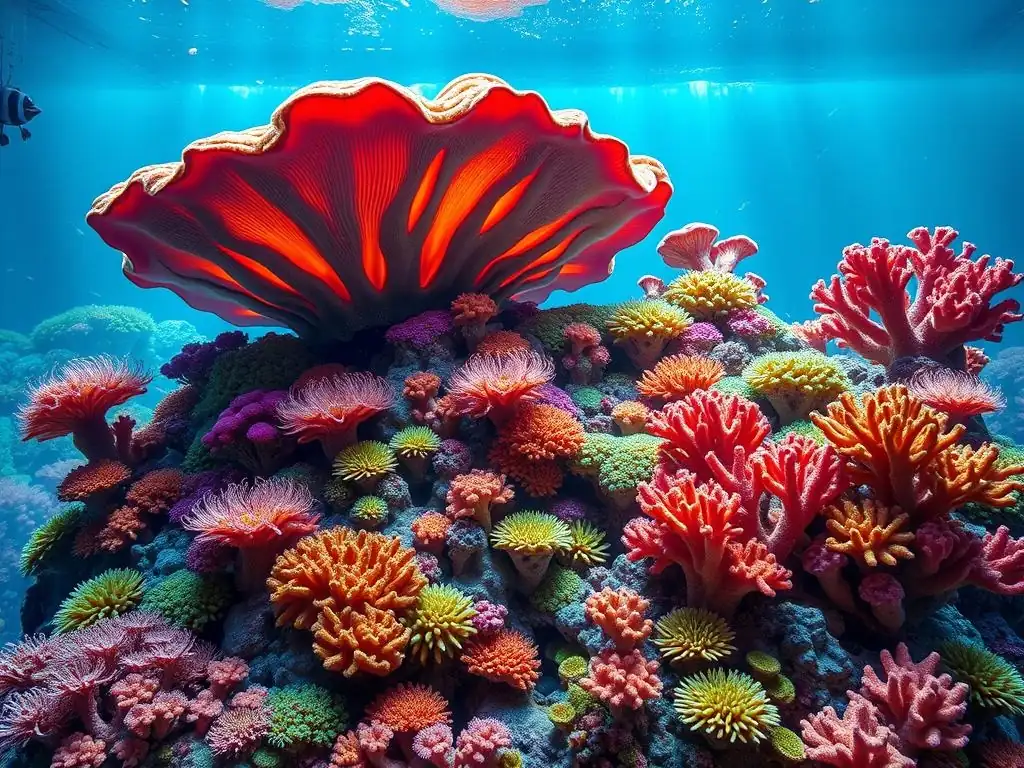
Welcome to Aquarium Mastery!
Dive into the fascinating world of reef keeping! Ever wondered how to cultivate vibrant and thriving corals in your saltwater aquarium? Our comprehensive Mushroom Corals Care Guide unlocks the secrets to successfully nurturing these captivating additions to your reef. Get ready to explore the essential tips and techniques to ensure your Discosoma, Rhodactis, and Ricordea flourish. Intrigued? Let's uncover the mysteries of mushroom coral care, and transform your aquarium into a breathtaking underwater landscape!
- Mushroom Corals (Discosoma, Rhodactis, Ricordea): A Comprehensive Care Guide
- Introduction to Mushroom Corals
- Understanding Mushroom Coral Species
- Essential Care Parameters
- Feeding Mushroom Corals
- Maintaining a Healthy Colony
- Selecting Healthy Mushroom Corals
- Mushroom Coral Compatibility
- Advanced Care
- Troubleshooting Common Issues
-
Frequently Asked Questions
- What are the key differences between Discosoma, Rhodactis, and Ricordea mushroom corals?
- What are the ideal water parameters for keeping mushroom corals healthy?
- How much light do mushroom corals require in an aquarium?
- What should I feed my mushroom corals and how often?
- What are some common problems to watch out for when caring for mushroom corals?
- Final Reflection: Appreciating the Underwater Garden
- Unleash the Vibrant Reef Keeper Within!
Mushroom Corals (Discosoma, Rhodactis, Ricordea): A Comprehensive Care Guide
Introduction to Mushroom Corals
What are Mushroom Corals? Exploring Discosoma, Rhodactis, and Ricordea
Mushroom corals, scientifically classified under the order Corallimorpharia, are captivating soft corals highly prized in the reef aquarium hobby for their vibrant colors, unique textures, and relative ease of care. Unlike stony corals, they do not possess a hard calcareous skeleton, instead relying on hydrostatic pressure to maintain their shape. These fascinating invertebrates are essentially solitary polyps, often resembling a mushroom cap or a flattened disc, varying in size from less than an inch to over six inches in diameter.
The three most commonly encountered genera within this group are Discosoma, Rhodactis, and Ricordea. Discosoma mushrooms are typically characterized by their smoother oral disc and often less pronounced vesicles, making them appear more uniform. Rhodactis species, in contrast, frequently exhibit more textured surfaces, sometimes covered in hair-like tentacles or prominent bubble-like vesicles. Ricordea mushrooms, particularly Ricordea florida and Ricordea yuma, are renowned for their distinct, bubbly or frilly oral tentacles, which give them a highly sought-after, almost iridescent appearance. Understanding these distinctions is crucial for providing a tailored mushroom corals care guide.
Benefits of Keeping Mushroom Corals in a Reef Tank
Mushroom corals offer numerous advantages for both novice and experienced aquarists, making them an excellent addition to almost any reef aquarium. Their remarkable hardiness and adaptability to a range of tank conditions mean they are forgiving of minor fluctuations in water parameters, a common challenge for beginners. This resilience makes them a fantastic entry point for those looking to venture into coral keeping without the stringent demands of more delicate species like SPS (Small Polyp Stony) corals.
Beyond their ease of maintenance, mushroom corals contribute significantly to the aesthetic appeal of a reef tank. They come in an astonishing array of colors, from deep blues and vibrant reds to electric greens and multi-colored patterns, adding dynamic splashes of color. Their unique textures, from the smooth sheen of a Discosoma to the intricate bumps of a Ricordea, provide visual interest and diversity. Furthermore, they can thrive in lower light and flow areas, allowing aquarists to populate spaces in the tank that might be unsuitable for other coral types, thereby maximizing the visual potential of their aquascape.
Understanding Mushroom Coral Species
Discosoma Mushroom Corals: Varieties and Identification
Discosoma mushroom corals are perhaps the most common and widely available type of mushroom in the hobby, known for their generally smooth, disc-shaped appearance. They typically range in size from about 1 to 4 inches (2.5 to 10 cm) in diameter when fully expanded. Their coloration is incredibly diverse, encompassing shades of blue, green, red, orange, and purple, often with contrasting patterns or iridescent sheens. Common varieties include the "Blue Discosoma," "Green Discosoma," and the highly sought-after "Superman Mushroom," which displays a striking combination of red, blue, and yellow.
Identification of Discosoma often relies on their relatively flat, untextured surface, though some variants may have slight bumps or radiating lines. They primarily reproduce asexually through fission, where a single polyp splits into two or more, or by budding off small polyps from their base. This prolific reproduction can lead to colonies rapidly spreading across rockwork, creating a carpet of color. When considering a mushroom corals care guide, Discosoma are often cited as the easiest to maintain due to their robust nature.
Rhodactis Mushroom Corals: Distinguishing Features and Color Variations
Rhodactis mushroom corals stand apart from Discosoma due to their distinctly textured oral discs, which are often covered in small, hair-like tentacles or larger, bubble-like vesicles. These textures give them a more three-dimensional appearance compared to their smoother counterparts. Sizes can vary significantly, with some species growing up to 6 inches (15 cm) in diameter. Rhodactis are celebrated for their bold and often fluorescent color variations, including "Hairy Mushrooms" with their fine, dense tentacles, and the highly popular "Bounce Mushrooms," which feature prominent, blister-like vesicles that command premium prices.
The distinguishing features of Rhodactis are primarily their surface morphology – the presence of distinct papillae, vesicles, or extensive tentaculation on the oral disc. Color variations are vast and include vibrant greens, oranges, purples, and multi-colored morphs, with some exhibiting an intense glow under actinic lighting. While generally hardy, the "Bounce Mushroom" varieties may require slightly more stable conditions than standard Discosoma, making this a key point in a comprehensive mushroom corals care guide.
Ricordea Mushroom Corals: Identification and Care
Ricordea mushroom corals are highly coveted for their unique, often bubbly or frilly appearance, characterized by distinct, bead-like tentacles or papillae covering their oral disc. There are two primary types encountered in the hobby: Ricordea florida (Atlantic species) and Ricordea yuma (Pacific species). Ricordea florida typically features more uniform, bubble-like structures and comes in a breathtaking array of vibrant colors, often with multiple colors on a single polyp. Ricordea yuma, on the other hand, tends to have more elongated or irregular papillae and can display intricate patterns and a wider range of base colors.
Identification is relatively straightforward due to their unique oral disc texture, setting them apart from Discosoma and Rhodactis. Ricordea florida polyps generally stay smaller, often between 0.5 to 2 inches (1.2 to 5 cm), while Ricordea yuma can sometimes grow larger. While still considered relatively hardy within a mushroom corals care guide, Ricordea can be slightly more demanding than Discosoma or Rhodactis, preferring very stable water parameters and specific flow conditions to thrive. They are particularly sensitive to direct, strong flow and sudden shifts in lighting.
Essential Care Parameters
Water Chemistry: Maintaining Optimal Conditions
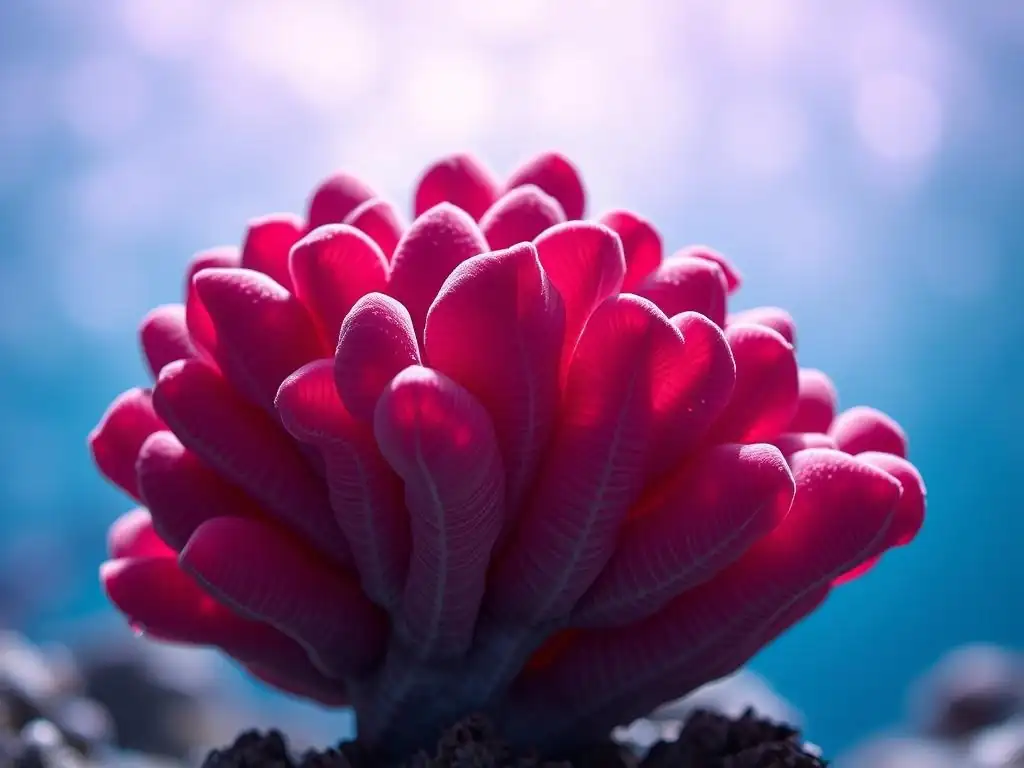
Maintaining stable water chemistry is paramount for the long-term health and vibrant coloration of mushroom corals. While they are more tolerant than many other coral types, consistent parameters prevent stress and promote optimal growth. Key parameters to monitor include salinity, which should be kept between 1.024 and 1.026 specific gravity (SG), or 33-35 parts per thousand (ppt). Temperature should be maintained within a tight range of 75-80°F (24-27°C), with minimal daily fluctuations, ideally no more than 1-2°F.
Beyond salinity and temperature, the stability of alkalinity, calcium, and magnesium is important, even though mushrooms do not build a skeletal structure. Alkalinity (dKH) should be maintained between 8-12 dKH, calcium between 400-450 ppm, and magnesium between 1250-1350 ppm. While these are less critical than for stony corals, stable levels contribute to overall reef health.
Crucially, nitrates should be kept below 10 ppm and phosphates below 0.03 ppm to prevent nuisance algae growth and ensure the health of the zooxanthellae within the coral tissue, which are vital for the coral's energy production. Regular water changes, typically 10-20% bi-weekly, are essential for replenishing trace elements and exporting accumulated nutrients, making them a cornerstone of any mushroom corals care guide.
Lighting Requirements: Achieving the Right Spectrum and Intensity
Mushroom corals are generally considered low to moderate light corals, deriving most of their energy from the photosynthetic zooxanthellae residing in their tissues. Excessive light can cause them to bleach or shrink, while insufficient light can lead to fading colors and slow growth. For Discosoma and Rhodactis, a PAR (Photosynthetically Active Radiation) range of 50-100 is typically ideal. Ricordea may tolerate slightly higher PAR, up to 70-150, but it's always safer to start lower and gradually increase intensity.
The preferred light spectrum for mushroom corals generally includes a significant blue component (around 450-470nm), which enhances their natural fluorescence, alongside a balanced white light. LED fixtures are popular due to their adjustability and efficiency, allowing precise control over intensity and spectrum.
When introducing new mushroom corals to a tank, it's advisable to place them in a lower light area initially, perhaps on the sandbed or shaded by rockwork, and then gradually move them to their desired location over several days or weeks to allow for proper light acclimation. This prevents light shock, a common cause of distress among newly introduced corals, and is a vital step in any mushroom corals care guide.
Flow and Placement: Optimal Positioning
Mushroom corals thrive in low to moderate, indirect water flow. High or direct flow can cause them to close up, tear, or even detach from their substrate, leading to stress and potential tissue damage. The ideal flow provides gentle movement around the coral, allowing for the removal of waste products and the delivery of nutrients, without causing the coral to constantly wave or fold over. Powerheads should be positioned to create broad, turbulent flow rather than direct laminar flow onto the mushrooms.
When considering placement, the lower to mid-sections of the aquarium are typically best, as these areas generally receive less intense light and flow. Ensure there is adequate space around each mushroom, as they can expand significantly, sometimes up to several inches in diameter. While generally peaceful, some mushroom corals, especially Rhodactis, can chemically irritate other corals if they come into direct contact.
Allowing sufficient space, perhaps 3-6 inches (7.5-15 cm) from other coral types, helps prevent this. If a mushroom detaches, it will often "walk" until it finds a suitable, lower-flow spot to reattach, highlighting the importance of proper initial placement in a mushroom corals care guide.
Feeding Mushroom Corals
Diet and Supplementation
Mushroom corals are primarily photosynthetic, meaning they obtain the majority of their energy requirements from the symbiotic zooxanthellae within their tissues. However, they are also capable of heterotrophic feeding, meaning they can capture and consume small particulate matter from the water column. While not strictly necessary for survival, supplemental feeding can significantly enhance their growth rate, improve coloration, and boost overall vitality.
Their diet should consist of very fine particulate foods. Excellent options include marine snow, phytoplankton, liquid coral foods, and finely chopped or blended meaty foods such as mysis shrimp, brine shrimp, or copepods. For larger Rhodactis or Ricordea species, slightly larger pieces of mysis shrimp may be accepted. In addition to direct feeding, supplementation with amino acids and trace elements (like iodine and potassium) can further support their metabolic processes and enhance their vibrant pigments, contributing to a robust mushroom corals care guide.
Feeding Frequency
Given their primary reliance on photosynthesis, mushroom corals do not require daily feeding. Overfeeding can quickly lead to an increase in nutrient levels (nitrates and phosphates) in the aquarium, which can fuel nuisance algae growth and potentially harm coral health in the long run. For most home aquariums, target feeding mushroom corals once or twice per week is generally sufficient to provide noticeable benefits without negatively impacting water quality.
In systems with very low nutrient levels, or if an aquarist aims for accelerated growth, feeding up to three times a week might be considered, but this must be balanced with robust nutrient export methods such as protein skimming, refugiums, and regular water changes. Observing the coral's response to feeding – whether it extends its tentacles or opens its mouth – can help determine the optimal frequency for a specific tank and species. A balanced approach to feeding is a key element of a successful mushroom corals care guide.
Target Feeding vs. Broadcast Feeding
When it comes to feeding mushroom corals, aquarists have two primary methods: target feeding and broadcast feeding. Target feeding involves directly delivering food to individual coral polyps using a pipette or turkey baster. This method ensures that the food reaches the intended coral, maximizing nutrient uptake and minimizing waste in the water column. It is particularly effective for larger mushroom polyps or when trying to encourage growth in specific individuals. To target feed, simply turn off powerheads temporarily, allow the coral to open, and gently release the food directly onto its oral disc.
Broadcast feeding, on the other hand, involves dispersing food into the general water column, allowing the corals to capture particles as they drift by. While less efficient for individual corals, broadcast feeding benefits the entire reef ecosystem, providing sustenance to other filter feeders and micro-fauna.
This method is often used when feeding the entire tank or when dealing with a large colony of smaller mushroom polyps. For mushroom corals, a combination of broadcast feeding (for general tank health) and occasional target feeding (for specific coral enhancement) can yield the best results, as outlined in a comprehensive mushroom corals care guide.
Maintaining a Healthy Colony
Common Problems: Identification and Addressing Issues
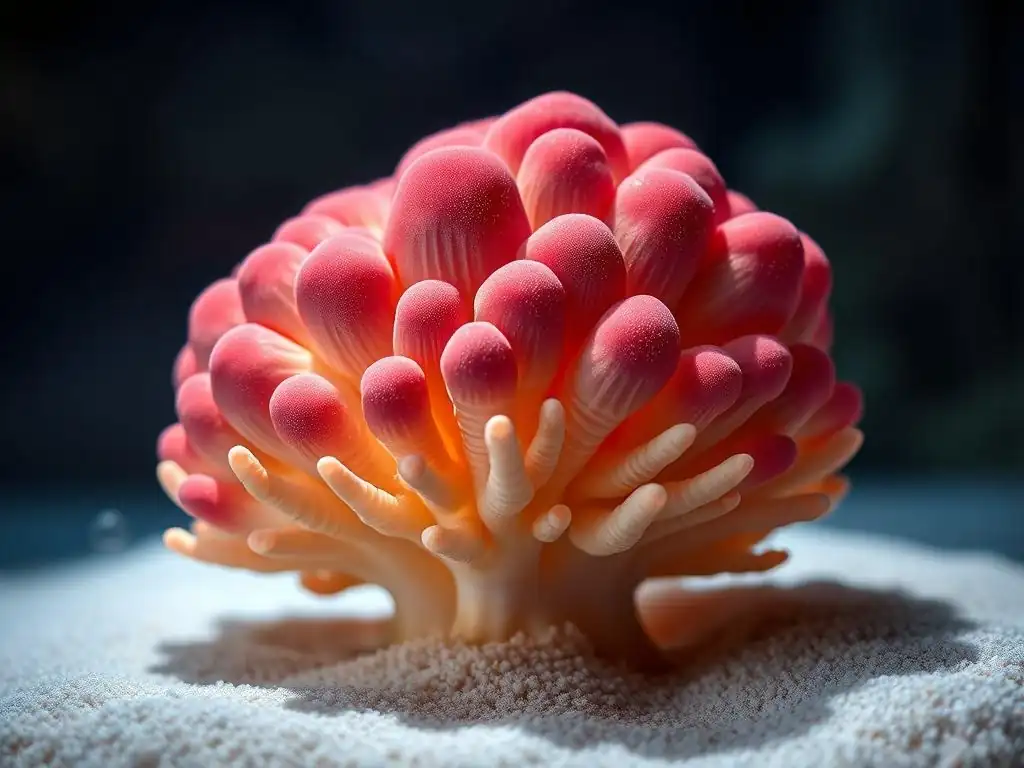
Even with proper care, mushroom corals can sometimes exhibit signs of distress. One common problem is shrinking or prolonged closing, which often indicates stress from unsuitable water parameters, excessive light, or too much direct flow. Fading coloration, particularly a loss of vibrancy, can be a symptom of insufficient lighting or a lack of essential nutrients. Another frequent issue is detachment from their substrate, which can occur due to strong, direct flow, physical disturbance, or an unstable mounting surface.
To address these issues, a systematic approach is crucial. First, thoroughly test all water parameters, including salinity, temperature, alkalinity, calcium, magnesium, nitrates, and phosphates, to ensure they are within optimal ranges. Adjust lighting intensity or duration if the coral appears bleached or overly stressed.
Modify flow patterns to provide gentle, indirect water movement. If a mushroom detaches, it's essential to reattach it promptly to a stable surface using coral glue or a rubber band on a frag plug, ensuring it doesn't get lost or damaged within the rockwork. Regular observation is key to early detection and effective intervention, forming a critical part of any mushroom corals care guide.
Diseases and Pests: Prevention and Treatment
Mushroom corals are generally robust and less susceptible to diseases and pests compared to some other coral types. However, they are not entirely immune. Bacterial infections, though rare, can sometimes manifest as tissue necrosis or a general decline in health. More commonly, specific predators can target mushroom corals. The most notable are certain types of nudibranchs, such as Phyllodesmium species, which specialize in feeding on mushroom corals and can quickly decimate a colony if left unchecked. Flatworms can also become an issue, though they typically cause less direct damage to the coral itself.
Prevention is the best defense. Always quarantine new corals (as discussed in a later section) and perform prophylactic coral dips using commercially available products like Revive or Coral Rx. These dips can help dislodge or kill external pests before introduction to the main display tank.
If nudibranchs are identified, manual removal with tweezers is effective for small infestations, though larger outbreaks may require repeated dipping or, in severe cases, the temporary removal of affected corals to a quarantine tank for more intensive treatment. Regular visual inspection of your mushroom corals, especially on their undersides and around their bases, is vital for early detection and treatment within a mushroom corals care guide.
Fragging: Propagating and Expanding Your Collection
Mushroom corals are one of the easiest corals to propagate, making them ideal for expanding your collection or sharing with other hobbyists. They naturally reproduce through asexual means, primarily via fission (where a polyp splits into two or more) or budding (where small polyps grow off the base of a larger one). You'll often notice new, smaller mushrooms appearing around the base of a mature specimen, indicating natural propagation.
For manual fragging, one common method involves carefully cutting the oral disc of a larger mushroom coral with a sharp, clean razor blade. It's crucial to ensure each cut piece contains a portion of the oral disc. Another technique is to place the mushroom on a piece of inert rock or frag plug and allow it to naturally detach and reattach, or to use a rubber band to hold it gently in place until it adheres.
Once cut or detached, the fragments can be secured to frag plugs or small pieces of live rock using super glue gel. Mushroom fragments are remarkably resilient and typically heal and reattach within a few weeks, provided stable water conditions are maintained. This process is a rewarding aspect of a comprehensive mushroom corals care guide.
Selecting Healthy Mushroom Corals
Acclimation Process
Proper acclimation is a critical step when introducing new mushroom corals to your aquarium, minimizing stress and ensuring a smooth transition. The primary goal is to slowly equalize the water parameters (temperature, salinity, pH) between the shipping bag and your display tank. Drip acclimation is the preferred method for corals. Begin by floating the sealed bag in your sump or display tank for 15-20 minutes to equalize temperature.
After temperature equalization, open the bag and discard about half of the water. Then, set up a drip line from your display tank into the coral bag, allowing tank water to slowly drip into the bag at a rate of about 1-2 drips per second. Continue this process for at least 60-90 minutes, or until the volume of water in the bag has quadrupled.
This gradual introduction minimizes salinity and pH shock, which can be detrimental to delicate coral tissue. Once acclimated, gently remove the coral from the bag, avoiding exposure to air if possible, and place it directly into your quarantine tank or main display. This careful acclimation is a cornerstone of any effective mushroom corals care guide.
Quarantining New Corals
Quarantining new mushroom corals, although often overlooked, is an indispensable practice for preventing the introduction of pests and diseases into your established reef tank. Even seemingly healthy corals can harbor hidden threats like nudibranchs, flatworms, or bacterial infections that could devastate your existing inhabitants. A dedicated quarantine tank (QT) does not need to be elaborate; a simple 10-20 gallon tank with a heater, small powerhead for circulation, and a hang-on-back filter with activated carbon and filter floss is sufficient.
Place new mushroom corals in the QT for a minimum of 2-4 weeks. During this period, observe them closely for any signs of pests (e.g., small white specs, eggs, or visible worms) or disease (e.g., tissue recession, unusual discoloration). Perform regular water changes in the QT using water from your main display tank.
Additionally, it is highly recommended to perform a prophylactic coral dip with a reputable product (such as Revive Coral Dip or Coral Rx) before placing the coral into the QT and potentially again before moving it to the main display. This proactive approach significantly reduces the risk of future problems and is a non-negotiable step in a diligent mushroom corals care guide.
Mushroom Coral Compatibility
Compatible Tank Mates
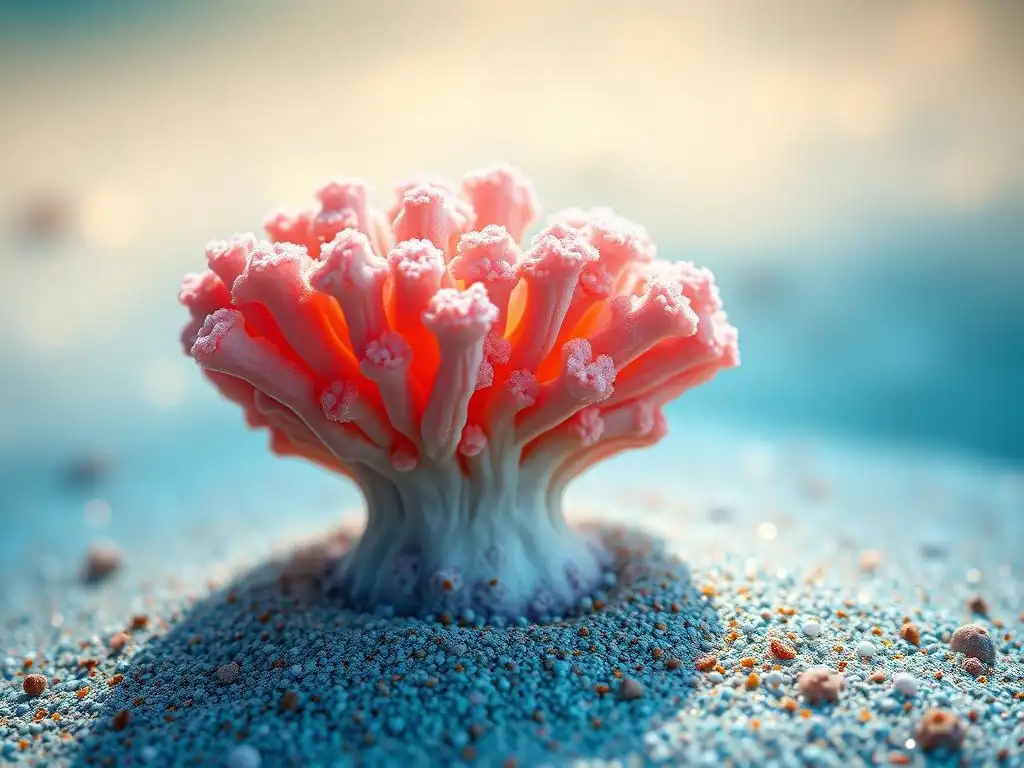
Mushroom corals are generally considered peaceful invertebrates and are compatible with a wide range of tank mates, making them versatile additions to diverse reef aquariums. Most small, peaceful reef-safe fish species, such as clownfish, gobies, blennies, and dartfish, coexist well with mushroom corals. These fish typically do not nip at corals and may even use the mushrooms as a place of shelter. Similarly, common reef invertebrates like snails (turbos, nassarius), hermit crabs (small species), and various shrimp (peppermint, cleaner shrimp) are typically safe companions.
When it comes to other corals, mushroom corals can generally be kept with other soft corals, as well as many LPS (Large Polyp Stony) corals, provided there is adequate space between them. While mushrooms are not known for strong stinging capabilities, some species, particularly Rhodactis, can release chemicals (allelopathy) that may irritate or stunt the growth of nearby corals if they are too close.
Maintaining a buffer zone of at least 3-6 inches (7.5-15 cm) between different coral types is a good practice to prevent chemical warfare and ensure all inhabitants thrive, a key consideration for a successful mushroom corals care guide.
Avoiding Problematic Tank Mates
While mushroom corals are quite hardy, certain tank mates can pose a threat and should generally be avoided. Large angelfish, particularly those from the Pomacanthus and Holacanthus genera, are notorious for nipping at and consuming soft corals, including mushrooms. Similarly, butterflyfish, some triggerfish, and pufferfish are known coral predators and are unsuitable for a reef tank containing mushroom corals. Even certain tangs, while primarily herbivorous, can occasionally nip at fleshy corals.
Some invertebrates can also be problematic. Larger hermit crabs, especially those that frequently switch shells, might inadvertently dislodge or damage mushroom corals as they crawl over them. Certain species of crabs, if not strictly herbivorous, could also potentially pick at the coral tissue. While less common, be cautious of any fish or invertebrate that exhibits aggressive or predatory behavior towards sessile invertebrates. Researching the specific dietary and behavioral habits of any potential tank mate before introduction is crucial to maintaining a harmonious and healthy reef environment, a vital aspect of any comprehensive mushroom corals care guide.
Advanced Care
Enhancing Coloration
Achieving the most vibrant and stunning coloration in mushroom corals goes beyond basic survival and delves into optimizing their environment. The foundation for brilliant hues lies in maintaining exceptionally stable and pristine water parameters, as discussed in the essential care section. Consistent alkalinity, calcium, and magnesium, along with ultra-low nitrates (ideally below 5 ppm) and phosphates (below 0.02 ppm), prevent stress that can dull colors.
Beyond water quality, the right lighting spectrum plays a pivotal role. A strong blue light component (actinic lighting, 450-470nm) is known to enhance the fluorescence of many mushroom corals, making their greens, blues, and oranges pop. While mushrooms prefer lower PAR, ensuring the quality of that light is high, with a full spectrum balanced towards blues, will maximize their pigmentation.
Furthermore, targeted feeding with high-quality coral foods, rich in amino acids and fatty acids, provides the necessary building blocks for vibrant coloration. Some aquarists also report improved color from specific trace element supplementation, such as iodine and potassium, though these should be dosed cautiously and based on comprehensive testing, an advanced technique in a mushroom corals care guide.
Promoting Growth
Promoting robust growth in mushroom corals involves a holistic approach that ensures all their fundamental needs are met consistently and optimally. The most significant drivers of growth are stable water parameters and consistent nutrient availability. Maintaining parameters like salinity (1.024-1.026 SG), temperature (75-80°F), and alkalinity (8-12 dKH) within their ideal ranges, with minimal fluctuations, reduces stress and allows the coral to allocate more energy towards growth.
Regular and appropriate feeding is also crucial. While photosynthetic, supplemental feeding with fine particulate foods (e.g., marine snow, finely chopped mysis, coral-specific foods) provides additional energy and nutrients that accelerate growth rates, leading to larger polyps and more frequent fission or budding. Optimal lighting, providing sufficient but not excessive PAR (e.g., 50-100 PAR for Discosoma and Rhodactis), supports their zooxanthellae, which are the primary energy producers.
Finally, gentle, indirect water flow ensures that waste products are efficiently removed from the coral's surface and nutrients are delivered, without causing physical stress. By optimizing these factors, aquarists can encourage their mushroom corals to thrive and expand their colonies, a key objective for any detailed mushroom corals care guide.
Troubleshooting Common Issues
Fading Color: Causes and Solutions
Fading coloration in mushroom corals, where their vibrant hues diminish or appear dull, is a common indicator of underlying stress. The primary causes are often related to lighting, nutrient levels, or general water quality. Insufficient light can lead to the zooxanthellae not photosynthesizing effectively, causing the coral to "pale" as it loses its symbiotic algae. Conversely, too much intense light can cause bleaching, where the coral expels its zooxanthellae entirely, resulting in a stark white or translucent appearance. Nutrient deficiencies, particularly a lack of available organic compounds from feeding, can also contribute to dull colors.
To address fading color, first, re-evaluate your lighting. If the coral is new, it may be experiencing light shock; try moving it to a shaded area or lower in the tank for a few days. For established corals, consider if your light intensity is too high or too low for the specific mushroom species. A PAR meter can provide precise readings.
Next, assess your nutrient levels; if nitrates are consistently zero, consider target feeding with quality coral foods a few times a week. Ensure all other water parameters (salinity, alkalinity, etc.) are stable and within optimal ranges. Consistent stability and appropriate light and feeding are key to restoring and enhancing coloration, as emphasized in a comprehensive mushroom corals care guide.
Detached Mushrooms: Causes and Solutions
A detached mushroom coral, floating freely in the tank or lodged in an undesirable spot, is a common issue that can be easily remedied if caught early. The most frequent causes are excessive or direct water flow, which can rip the coral from its attachment point or prevent it from adhering properly. Physical disturbances, such as curious tank mates, falling rockwork, or even vigorous cleaning, can also dislodge them. Less commonly, prolonged stress from poor water quality or disease might cause a mushroom to "bail out" from its current location in search of a better environment.
The solution involves carefully retrieving the detached mushroom and reattaching it to a suitable substrate. The most effective method is to use coral super glue gel. Apply a small amount of glue to the base of the mushroom (the "foot") and gently press it onto a frag plug or a small piece of live rock.
Hold it in place for 30-60 seconds to allow the glue to set. Alternatively, for stubborn mushrooms, you can use a small rubber band to gently secure it to a frag plug, or place it in a small mesh frag box or cup with some rubble until it reattaches naturally, which typically takes a few days to a week. Always ensure the reattached mushroom is placed in an area with gentle, indirect flow to prevent future detachment, a vital tip in any mushroom corals care guide.
Slow Growth: Causes and Solutions
While mushroom corals are generally known for their relatively fast growth rates through budding and fission, prolonged slow or stagnant growth can indicate that one or more essential care parameters are not optimally met. The primary causes for slow growth often stem from suboptimal water chemistry, insufficient or inappropriate lighting, inadequate feeding, or excessive competition from neighboring corals. If a mushroom isn't expanding fully or producing new polyps, it's likely expending too much energy simply surviving rather than growing.
To stimulate growth, a comprehensive review of your mushroom corals care guide parameters is necessary. First, verify that all water parameters—salinity, temperature, alkalinity, calcium, magnesium, nitrates, and phosphates—are consistently stable and within their ideal ranges. Fluctuations are more detrimental than slightly off-target but stable numbers. Next, assess your lighting: ensure the coral is receiving adequate, but not excessive, PAR and the correct spectrum.
Consider increasing the frequency or quality of target feeding, providing fine particulate foods rich in amino acids and essential fatty acids. Finally, ensure the mushroom has sufficient space and is not being chemically irritated or outcompeted by other corals in close proximity. Addressing these foundational elements holistically will invariably lead to improved growth and vitality.
Frequently Asked Questions
What are the key differences between Discosoma, Rhodactis, and Ricordea mushroom corals?
While all are considered mushroom corals, Discosoma are generally the hardiest and most common. Rhodactis often have a fuzzier texture, while Ricordea are considered the most colorful and valuable.
What are the ideal water parameters for keeping mushroom corals healthy?
Mushroom corals generally thrive in stable water conditions. Maintain a salinity of 1.024-1.026, a temperature of 72-78°F (22-26°C), and a pH of 8.1-8.4. Regular water changes are also crucial.
How much light do mushroom corals require in an aquarium?
Mushroom corals are relatively low-light corals. Moderate to low lighting is generally sufficient. Too much light can actually cause them to bleach and lose color.
What should I feed my mushroom corals and how often?
While mushroom corals can obtain nutrients through photosynthesis, supplemental feeding can promote growth and vibrant colors. You can feed them small pieces of meaty foods like mysis shrimp or coral-specific food 1-2 times per week.
What are some common problems to watch out for when caring for mushroom corals?
Common problems include bleaching due to excessive light, receding due to poor water quality, and pests like nudibranchs. Quarantine new corals to prevent introducing pests to your established tank.
Okay, here's a final reflection designed to close your "Mushroom Corals Care Guide" article, optimized for emotional connection and a lasting impression, while also subtly reinforcing the article's purpose:
Final Reflection: Appreciating the Underwater Garden
The vibrant world of mushroom corals, as we've explored, isn't just a collection of fascinating organisms; it's a microcosm of resilience and beauty that mirrors the delicate balance of our planet. Understanding and respecting these creatures is more crucial than ever, as our oceans face increasing pressures from climate change and pollution. By providing proper care for these corals in our aquariums, we're not just creating stunning displays; we're becoming active participants in their preservation.
This journey into the care of Discosoma, Rhodactis, and Ricordea has hopefully illuminated the profound connection we share with these underwater ecosystems. The dedication required to maintain a thriving mushroom coral garden reflects a broader commitment to environmental stewardship. As Jacques Cousteau so eloquently stated, The sea, once it casts its spell, holds one in its net of wonder forever.
This wonder, this spell, compels us to protect what we cherish.
Now, as you embark on your own journey with mushroom corals, remember that patience, observation, and a genuine appreciation for their unique needs are key. Let this guide serve as a foundation, but allow your own experiences to shape your understanding. Cultivate not just a beautiful aquarium, but a deeper connection to the ocean and a commitment to its future. Let the vibrant colors and fascinating forms of your mushroom corals remind you daily of the beauty we must strive to protect.
Unleash the Vibrant Reef Keeper Within!
Thank you for diving into the fascinating world of mushroom corals! We hope you've gained a newfound appreciation for these captivating invertebrates and their unique place in the reef aquarium hobby. Now, let's bring that knowledge to life!
Here's how you can take your mushroom coral enthusiasm to the next level:
- Embark on your own mushroom coral journey: Identify and acquire at least one new mushroom coral morph for your aquarium. Research its specific needs and observe its growth patterns.
- Share your newfound knowledge: Educate a fellow hobbyist about the beauty and benefits of mushroom corals.
- Get creative: Post a captivating photo or video of your mushroom corals on social media using #MushroomCoralMagic and inspire others.
What's the first unique mushroom coral morph you're excited to add to your collection and what are you most looking forward to observing about its growth?