
Water Chemistry Secrets for Thriving Tanganyikan Shell Dwellers, Featherfins & Cyprichromis

Welcome to Aquarium Mastery!
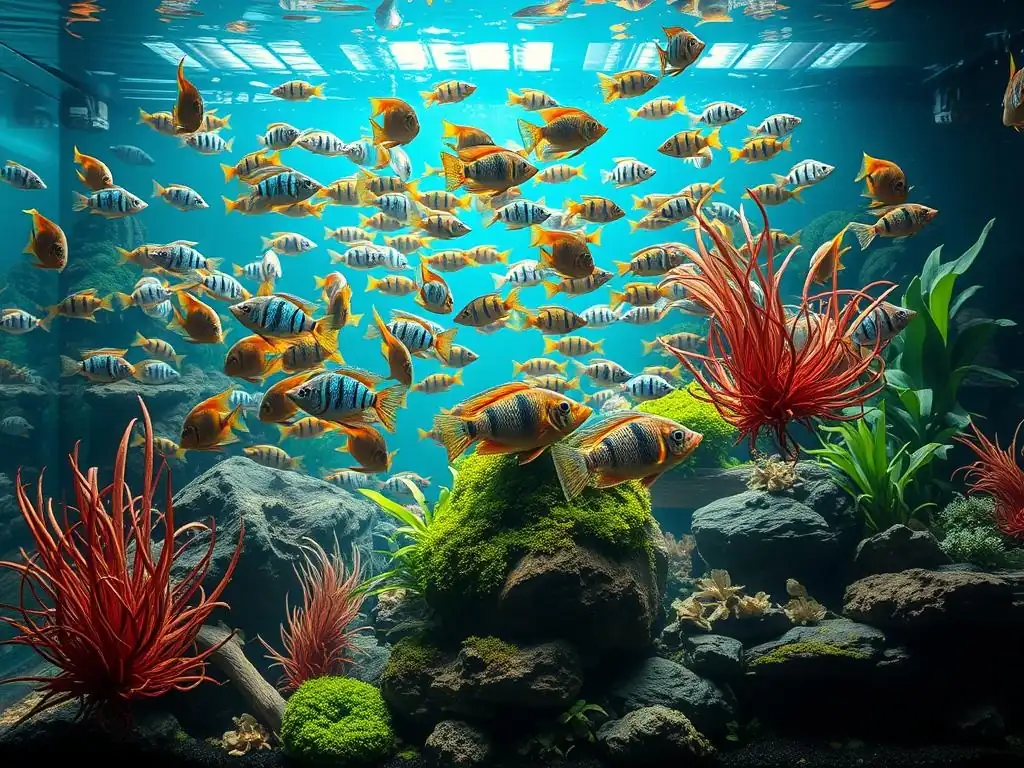
Ever wondered what really makes a Tanganyika aquarium thrive? Get ready to unlock the secrets of Tanganyika aquarium water chemistry and discover how to create the perfect aquatic paradise for your shell dwellers, featherfins, and Cyprichromis. Read on to learn how to maintain the delicate balance that keeps these stunning fish happy and healthy... and why it's more than just changing the water!
- Understanding Tanganyika Aquarium Water Chemistry: A Complete Guide
- Replicating Lake Tanganyika Water Conditions in Your Aquarium
- Setting Up Your Tanganyika Cichlid Tank: Water Preparation
- Maintaining Stable Tanganyika Aquarium Water Chemistry
- Troubleshooting Common Water Chemistry Problems in Tanganyika Aquariums
- Specific Water Chemistry Considerations for Different Tanganyikan Cichlids
- Advanced Techniques for Tanganyika Aquarium Water Management
- Achieving Long-Term Success: Consistent Water Chemistry for Thriving Cichlids
-
Frequently Asked Questions
- What makes Tanganyika aquarium water chemistry so crucial for the health of its inhabitants?
- What are the ideal pH and hardness levels for a Tanganyika aquarium?
- How often should I perform water changes in a Tanganyika aquarium, and what percentage of the water should I change?
- What are some common mistakes aquarists make when managing Tanganyika aquarium water chemistry?
- How can I naturally buffer my Tanganyika aquarium water to maintain a stable pH?
- Final Reflection: The Lifeblood of a Tanganyikan Paradise
- Unlock Tanganyikan Tank Nirvana!
Understanding Tanganyika Aquarium Water Chemistry: A Complete Guide
The Unique Water Parameters of Lake Tanganyika
Lake Tanganyika, located in East Africa, is the second largest freshwater lake in the world by volume and depth, holding an estimated 18% of the world's available liquid freshwater. Its unique geological formation, nestled within the Great Rift Valley, has resulted in incredibly stable and distinct water chemistry over millions of years. Unlike many other tropical lakes, Tanganyika is characterized by its high mineral content, alkaline pH, and remarkable clarity.
The typical water parameters of Lake Tanganyika are notably different from most freshwater environments. The pH consistently ranges from approximately 8.6 to 9.2, with some areas reaching even higher. Water hardness is also significantly elevated, with General Hardness (GH) often between 10-18 dGH (degrees of General Hardness) and Carbonate Hardness (KH) between 16-19 dKH (degrees of Carbonate Hardness). This stability, driven by the dissolution of limestone bedrock, means fish have evolved in a consistent, mineral-rich environment with very low levels of dissolved organic compounds and nitrates.
Why is Tanganyika Water Chemistry Crucial for Cichlid Health?
Tanganyikan cichlids, including popular species like shell dwellers ( Neolamprologus multifasciatus), featherfins ( Ophthalmotilapia ventralis), and Cyprichromis ( Cyprichromis leptosoma), have evolved over millennia to thrive in the specific, highly alkaline, and hard water conditions of Lake Tanganyika. Their internal biological processes, such as osmoregulation (the balance of water and salts in their bodies) and enzyme function, are specifically adapted to these parameters.
Deviations from their natural Tanganyika aquarium water chemistry can lead to severe physiological stress, weakening their immune systems and making them highly susceptible to common freshwater diseases, even those typically associated with other cichlids like Malawi Bloat.
Maintaining precise and stable water chemistry is paramount for the long-term health and vitality of these fish. Incorrect or fluctuating parameters can manifest as stunted growth, faded coloration, reduced activity, and a complete cessation of breeding behaviors. For instance, a persistent pH below 8.0 can lead to acidosis, causing gill irritation and severe respiratory distress, potentially resulting in fatalities within days. Therefore, replicating the natural Tanganyika aquarium water chemistry is not just about thriving, but about ensuring survival and well-being.
Replicating Lake Tanganyika Water Conditions in Your Aquarium
The Ideal pH Level for Tanganyikan Cichlids
The target pH range for Tanganyikan cichlids in a home aquarium should ideally be between 8.2 and 9.0, with many successful aquarists aiming for a consistent 8.4-8.8. This high alkalinity is critical for the proper functioning of the fish's metabolic enzymes and for efficient waste detoxification. While slight variations within this range are generally tolerated, stability is far more important than hitting an exact number. A pH that consistently holds at 8.4 is preferable to one that fluctuates wildly between 8.0 and 8.8.
Sudden and significant pH drops can be catastrophic for Tanganyikan cichlids. For example, a rapid drop from 8.6 to 7.5 within a few hours can induce severe stress, leading to a loss of equilibrium, rapid gill movement, and ultimately death. This sensitivity underscores the need for robust buffering capacity in the water, which helps to resist these dangerous pH swings and maintain the high alkaline environment essential for their health.
Maintaining Optimal Water Hardness (GH & KH) for Shell Dwellers
Water hardness is measured in two primary forms: General Hardness (GH), which represents the concentration of dissolved mineral ions like calcium and magnesium, and Carbonate Hardness (KH), also known as alkalinity, which measures the concentration of bicarbonate and carbonate ions. For Tanganyikan cichlids, replicating their natural Tanganyika aquarium water chemistry means aiming for a GH of 10-18 dGH (approximately 180-320 ppm) and a KH of 16-19 dKH (approximately 280-340 ppm).
High KH is particularly crucial as it acts as a powerful pH buffer, preventing the pH from plummeting due to acidic byproducts of the nitrogen cycle (nitrification) and fish respiration. For shell dwellers, like Lamprologus ocellatus, high GH and KH are also vital for the integrity of their shells, which are often made of calcium carbonate. Sufficient calcium and magnesium are essential not only for the fish's bone structure and osmoregulation but also for the healthy development of eggs laid within mollusk shells during breeding.
The Importance of Mineral Composition: Calcium, Magnesium & Trace Elements
Beyond general and carbonate hardness, the specific mineral composition of the water plays a significant role in the well-being of Tanganyikan cichlids. Calcium and magnesium are the most critical components. Calcium is essential for strong bone development, proper muscle function, osmoregulation, and, notably for breeding cichlids, the formation of robust egg shells and healthy fry. Magnesium works in conjunction with calcium and is vital for numerous enzymatic reactions and overall metabolic functions within the fish.
Lake Tanganyika's waters naturally contain a rich array of trace elements, including strontium, potassium, and iodine. While hobbyists may not directly measure these, their presence is crucial for vibrant coloration, healthy skin and fins, and a robust immune system. Commercial Tanganyika-specific salt mixes are formulated to replenish these vital trace elements, ensuring that the aquarium water closely mimics the complex natural Tanganyika aquarium water chemistry, contributing to the long-term health and vitality of the cichlids.
Setting Up Your Tanganyika Cichlid Tank: Water Preparation
Choosing the Right Substrate to Buffer Water Chemistry
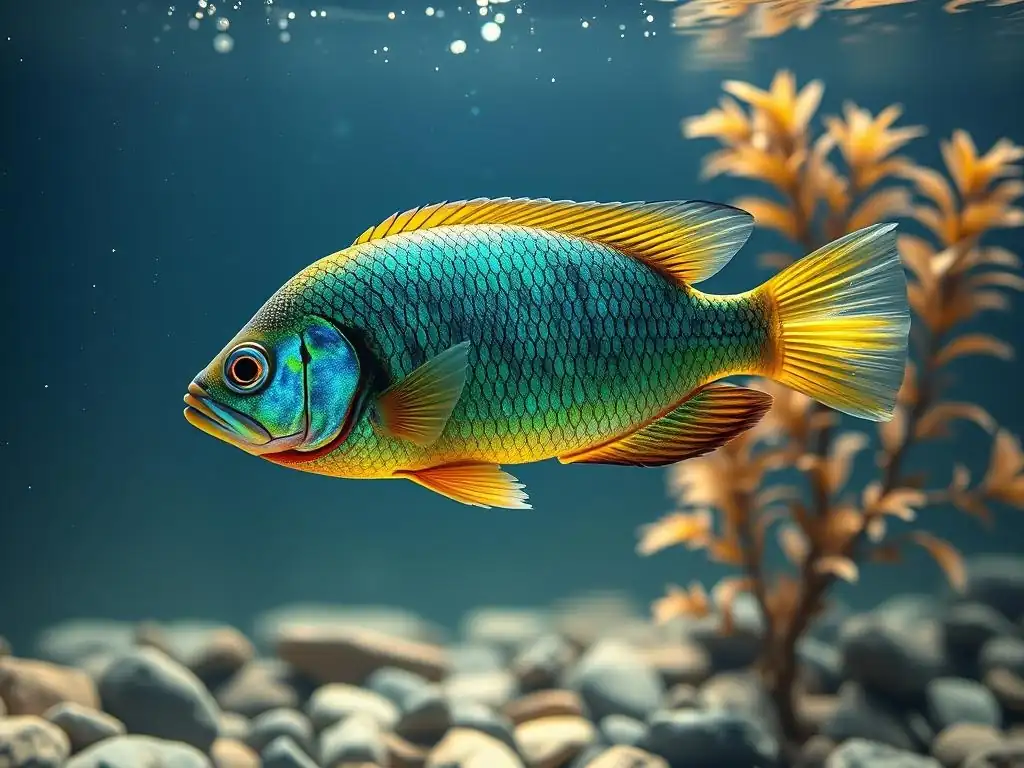
The substrate choice is fundamental in establishing and maintaining the correct Tanganyika aquarium water chemistry. Unlike many freshwater setups that use inert substrates, Tanganyikan cichlid tanks greatly benefit from calcareous substrates. Aragonite sand, crushed coral, or specialized cichlid sands (e.g., CaribSea African Cichlid Mix) are highly recommended. These substrates are primarily composed of calcium carbonate, which slowly dissolves over time, releasing carbonates and bicarbonates into the water.
This natural dissolution process acts as a continuous buffer, helping to stabilize the pH at the desired alkaline levels (8.2-9.0) and maintain the high carbonate hardness (KH) that is crucial for Tanganyikan cichlids. In contrast, using inert substrates like silica sand or gravel will provide no buffering capacity, making it significantly more challenging to keep the pH and KH stable and within the required parameters. A substrate depth of at least 2-3 inches is often sufficient to provide adequate buffering for a typical 75-gallon Tanganyikan cichlid tank.
Using Buffers and Additives to Achieve Target Parameters
Achieving the precise Tanganyika aquarium water chemistry often requires the use of specialized buffers and additives. Commercial Tanganyika-specific buffer products (e.g., Seachem Tanganyika Buffer, Kent Marine Tanganyika Buffer) are formulated with a balanced blend of carbonate salts designed to raise and stabilize both pH and KH to the desired levels. These products are generally easy to use and provide consistent results when dosed according to manufacturer instructions. For example, to raise KH by 1 dKH in a 50-gallon tank, approximately 1 tablespoon of a typical buffer might be required, but always follow product guidelines.
In addition to dedicated buffers, some aquarists use separate additives to fine-tune GH. Epsom salt (magnesium sulfate) can be used to increase magnesium and thus GH, while calcium chloride can be used to boost calcium levels. However, caution is advised, and these should be added gradually with careful monitoring to avoid sudden parameter shifts. It's often safer to rely on a comprehensive Tanganyika salt mix that provides all necessary minerals in appropriate ratios.
Cycling Your Tanganyika Aquarium: Establishing a Healthy Biological Filter
Before introducing any Tanganyikan cichlids, it is absolutely essential to fully cycle the aquarium. The cycling process establishes a healthy biological filter, a colony of beneficial bacteria that convert toxic ammonia (from fish waste and decaying food) into less toxic nitrite, and then into even less toxic nitrate. In the context of high pH aquariums like those for Tanganyikan cichlids, these beneficial bacteria (Nitrosomonas and Nitrobacter) thrive and efficiently process waste.
A complete nitrogen cycle means that ammonia and nitrite levels are consistently at 0 ppm (parts per million). This process typically takes 4-6 weeks when initiated with an ammonia source, although it can be accelerated with bacterial starter cultures. Introducing fish into an uncycled tank will expose them to lethal levels of ammonia and nitrite, leading to severe stress, disease, and likely death. Consistent monitoring of ammonia, nitrite, and nitrate levels throughout the cycling process is crucial to confirm the tank is safe for its future inhabitants.
Maintaining Stable Tanganyika Aquarium Water Chemistry
Regular Water Testing: Key Parameters to Monitor
Consistent monitoring of your Tanganyika aquarium water chemistry is non-negotiable for the health of your cichlids. The key parameters to regularly test include pH, General Hardness (GH), Carbonate Hardness (KH), Ammonia, Nitrite, and Nitrate. Weekly testing for pH, GH, KH, and nitrates is generally recommended for established tanks. During the initial cycling phase or if any issues arise, ammonia and nitrite should be tested daily or every other day until they read zero.
Using reliable liquid reagent test kits provides far greater accuracy than test strips, which can often be imprecise. Beyond just recording numbers, it's crucial to observe trends. For example, a pH that consistently stays at 8.4 is indicative of stability, even if it's not precisely 8.6. However, if your pH gradually drops from 8.6 to 8.2 over a week, it signals a potential issue with buffering capacity or accumulating waste that needs addressing.
Partial Water Changes: The Cornerstone of Water Chemistry Stability
Regular partial water changes are arguably the most critical aspect of maintaining stable Tanganyika aquarium water chemistry. They serve multiple vital functions: primarily, they remove accumulated nitrates and other dissolved organic compounds that can build up and degrade water quality. Secondly, they replenish essential minerals that are consumed by the fish, plants (if any), and buffering processes. A typical recommendation is a 25-30% water change weekly or bi-weekly, depending on stocking levels and filtration efficiency.
When performing water changes, it is paramount to ensure the new water closely matches the tank's established parameters, especially temperature, pH, and hardness. Using a reliable dechlorinator is also essential to neutralize chlorine and chloramines present in tap water. For a 100-gallon Tanganyikan cichlid tank, a 25% weekly water change means replacing 25 gallons of water, significantly reducing the concentration of pollutants and helping to keep parameters consistent.
Effective Filtration Strategies for Tanganyikan Cichlids
Robust and efficient filtration is indispensable for maintaining pristine Tanganyika aquarium water chemistry. A combination of mechanical, biological, and chemical filtration is highly recommended. Canister filters, large hang-on-back filters, or sumps are excellent choices due to their substantial media capacity, allowing for ample biological media to house beneficial bacteria. Good water flow and oxygenation are also crucial, as Tanganyikan cichlids thrive in well-oxygenated environments.
Mechanical filtration, typically sponges or filter floss, removes particulate matter, preventing the buildup of detritus that can break down into nitrates. Biological filtration, using porous media like ceramic rings or bio-balls, provides surface area for the nitrifying bacteria. Chemical filtration, such as activated carbon or specialized resins like Purigen, helps to remove dissolved organic compounds, tannins, and other pollutants that can otherwise yellow the water and contribute to nitrate buildup, indirectly supporting the stability of the Tanganyika aquarium water chemistry. Activated carbon should typically be replaced monthly to remain effective.
Troubleshooting Common Water Chemistry Problems in Tanganyika Aquariums
Dealing with pH Fluctuations in Your Cichlid Tank
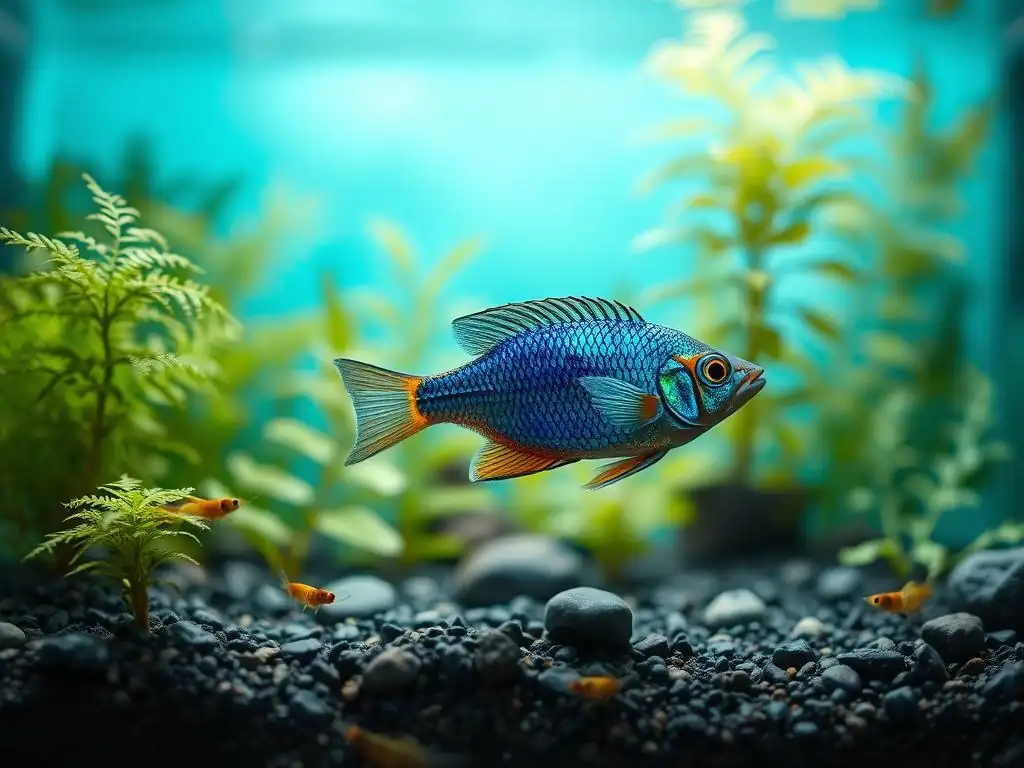
pH fluctuations are a common challenge in Tanganyikan cichlid tanks and are usually indicative of insufficient buffering capacity (low KH), overstocking, overfeeding, or the accumulation of decaying organic matter. A rapidly dropping pH can be lethal to these fish. To address this, first test your KH level; if it's below 10 dKH, your buffer is likely depleted.
The primary solution is to gradually increase your Carbonate Hardness (KH) using a dedicated Tanganyika buffer. For instance, if your pH drops from 8.6 to 8.2 overnight in a 75-gallon tank, a small dose of buffer can be added to increase KH and stabilize the pH. It's crucial to add buffers slowly over several hours or days to avoid shocking the fish. Also, ensure regular water changes and avoid overfeeding to minimize organic waste buildup that consumes alkalinity.
Addressing High Nitrate Levels in Tanganyika Aquariums
High nitrate levels (consistently above 20-40 ppm) are a clear sign of inadequate maintenance or an imbalance in the tank's biological load. While nitrates are the end product of the nitrogen cycle and less toxic than ammonia or nitrite, chronically high levels can still cause stress, weaken fish immune systems, and lead to disease. For sensitive species like Featherfins, ideally, nitrates should be below 10 ppm.
The most effective way to combat high nitrates is through increased frequency and volume of partial water changes. If nitrates are acutely high (e.g., above 80 ppm), consider performing a 50% water change daily for several days. Additionally, review your feeding habits (feed less), ensure your mechanical filtration is clean and effective, and verify that your tank is not overstocked. Overstocking creates more waste than your biological filter and water change schedule can handle.
Correcting Low Alkalinity (KH) in Your Tanganyika Setups
Low alkalinity, or low KH, is a direct precursor to pH instability and potential pH crashes. The buffering capacity of the water is consumed by the natural acidic byproducts of the biological filter and fish respiration. When KH drops too low, there's nothing to neutralize these acids, causing the pH to plummet rapidly.
To correct low KH, the immediate solution is to add a dedicated Tanganyika buffer or, in a pinch, small amounts of pure sodium bicarbonate (baking soda). However, baking soda should be used with extreme caution and in very small increments, as it can cause rapid pH swings if overused. For example, 1 teaspoon of baking soda per 10 gallons can raise KH by approximately 2-3 dKH, but it must be dissolved and added slowly over several hours. Consistently low KH also indicates that your substrate might not be providing sufficient buffering, or your water change schedule needs adjustment.
Specific Water Chemistry Considerations for Different Tanganyikan Cichlids
Shell Dwellers: Optimizing Water for Shell Breeding
Shell dwellers, such as Neolamprologus multifasciatus and Lamprologus brevis, are unique in their reliance on abandoned snail shells for shelter and breeding. To ensure their success, optimizing Tanganyika aquarium water chemistry for their specific needs is crucial. They require exceptionally stable and high GH and KH levels. High calcium content is particularly vital, not only for the fish's overall health but also for the integrity of the shells they inhabit and the proper development of eggs laid within them.
For successful shell dweller breeding, target a GH of 12-18 dGH and a KH of 16-19 dKH, with a stable pH around 8.6-8.8. The high mineral content ensures that the shells do not degrade rapidly and that the female cichlids have access to sufficient calcium for egg production. Providing plenty of empty snail shells (e.g., escargot shells) in a tank with appropriately hard and alkaline water will significantly increase breeding success and fry survival rates.
Featherfins: Meeting the Needs of Cyathopharynx & Ophthalmotilapia
Featherfins, including species like Cyathopharynx furcifer and Ophthalmotilapia ventralis, are stunning open-water cichlids known for their elaborate finnage and courtship displays. Unlike shell dwellers, they are more pelagic and are highly sensitive to water quality. They demand pristine conditions with very low levels of nitrates (ideally below 10 ppm) and exceptionally high oxygenation due to their natural habitat in the well-aerated upper waters of Lake Tanganyika.
While their general water parameters are similar to other Tanganyikan cichlids – high pH (8.4-8.7) and high hardness (GH 10-15 dGH, KH 16-18 dKH) – their sensitivity to pollutants means strict adherence to regular, large partial water changes is paramount. They are less tolerant of fluctuations and accumulating organic waste than some of their more robust counterparts. Maintaining excellent filtration and consistent Tanganyika aquarium water chemistry is key to preventing stress and disease in these magnificent fish.
Cyprichromis: Water Quality for Colourful Sardine Cichlids
Cyprichromis species, often referred to as "sardine cichlids" due to their schooling behavior and slender bodies, are popular for their vibrant colors and graceful movements in the water column. Species like Cyprichromis leptosoma and Cyprichromis microlepidotus are pelagic fish that typically inhabit the open waters of Lake Tanganyika, congregating in large schools near rocky outcrops.
Their ideal Tanganyika aquarium water chemistry closely mirrors that of featherfins: high pH (8.5-9.0), high hardness (GH 10-16 dGH, KH 16-18 dKH), and crucially, extremely low nitrate levels. They thrive in very clear, highly oxygenated water with minimal dissolved organic compounds. Cyprichromis are particularly prone to stress and disease if water quality declines, making rigorous maintenance, including frequent water changes and robust filtration, non-negotiable for their long-term health and the display of their full coloration.
Advanced Techniques for Tanganyika Aquarium Water Management
Using Reverse Osmosis (RO) Water for Precise Control
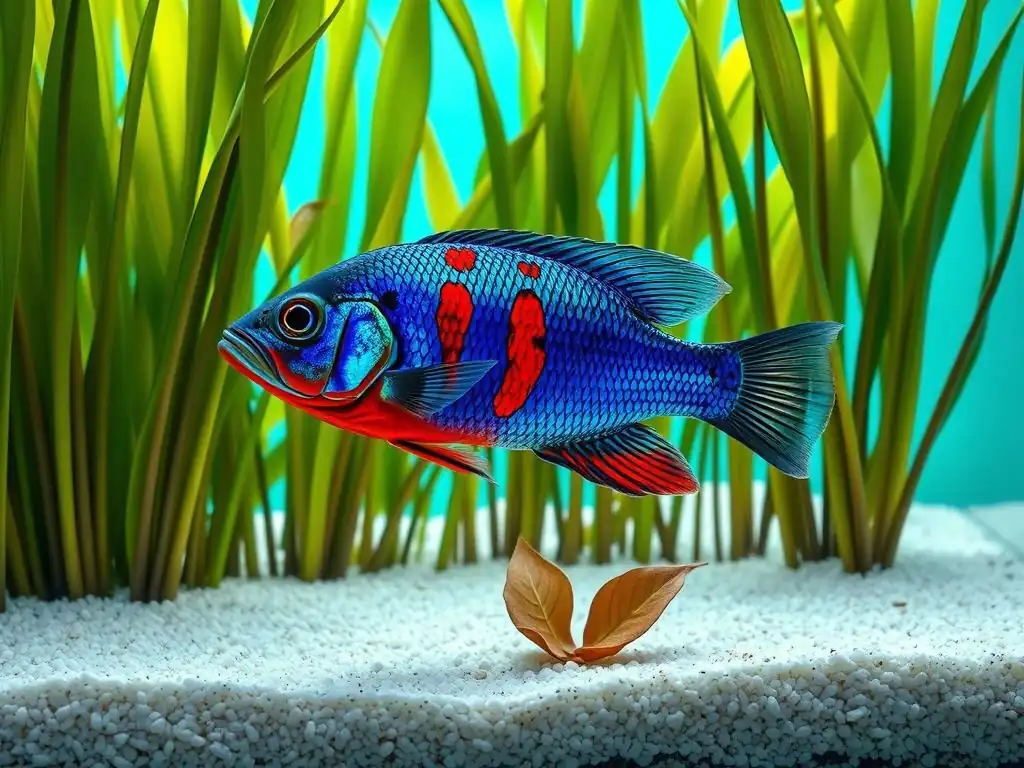
For aquarists seeking the utmost precision and control over their Tanganyika aquarium water chemistry, using reverse osmosis (RO) water is an advanced technique worth considering. RO water is tap water that has been forced through a semi-permeable membrane, effectively removing nearly all dissolved solids, minerals, and contaminants. This results in water that is virtually pure, with a GH and KH of 0 dGH/dKH and a neutral pH.
The benefit of RO water is that it provides a blank slate. Hobbyists can then precisely re-mineralize the water using Tanganyika-specific salt mixes or individual mineral additives (e.g., Seachem Equilibrium for GH, along with a Tanganyika buffer for KH/pH) to achieve exact target parameters. This method is particularly advantageous for those with highly inconsistent or unsuitable tap water, or for breeders aiming for very specific conditions. For example, a 75-gallon tank could use 50% RO water mixed with treated tap water, or 100% RO water re-mineralized from scratch.
CO2 Injection: Is It Safe and Beneficial for Planted Tanganyika Tanks?
CO2 (carbon dioxide) injection is a common technique in planted aquariums to boost plant growth. However, it is generally not recommended for Tanganyikan cichlid tanks. The primary reason is that CO2 dissolves in water to form carbonic acid, which directly lowers the water's pH. This directly conflicts with the high, stable alkaline pH requirements of Tanganyikan cichlids.
While a few specialized plants might theoretically benefit from CO2 in a high-pH environment, the risk to the fish's health due to pH fluctuations and lower overall pH is significant. Most plants suitable for high-pH environments, such as Anubias species or Java Fern, do not require CO2 injection to thrive. If CO2 is used, extreme caution, very low dosing, and constant pH monitoring (e.g., with a pH controller) are absolutely necessary, as even a drop of 0.2 pH units can cause stress to sensitive Tanganyikan cichlids.
The Role of Live Rock in Tanganyikan Aquarium Water Chemistry
The term "live rock" typically refers to porous, calcified rock used in marine aquariums for biological filtration and habitat. In freshwater Tanganyikan setups, true "live rock" is not used. However, certain types of calcareous rocks, such as Texas Holey Rock, Tufa rock, or various forms of limestone, play a beneficial role in maintaining Tanganyika aquarium water chemistry.
These rocks are composed largely of calcium carbonate and, similar to calcareous substrates, slowly dissolve over time. This process releases calcium and carbonates into the water, contributing to the overall hardness (GH) and buffering capacity (KH) of the aquarium. Beyond their chemical contribution, these rocks provide essential hiding places, territories, and breeding sites for many Tanganyikan cichlids, mimicking their natural rocky lake environment. For instance, including 50 pounds of limestone in a 100-gallon tank can significantly help in maintaining a consistent KH.
Achieving Long-Term Success: Consistent Water Chemistry for Thriving Cichlids
Ultimately, the secret to long-term success with Tanganyikan shell dwellers, featherfins, and Cyprichromis lies not just in hitting precise target numbers, but in maintaining consistent and stable Tanganyika aquarium water chemistry within the recommended ranges. These fish have evolved in an incredibly stable environment, and rapid fluctuations in pH, hardness, or temperature are far more detrimental than a slightly lower (but stable) pH or GH.
A dedicated approach to aquarium husbandry, encompassing regular water testing, consistent partial water changes, and robust filtration, combined with a deep understanding of the unique Tanganyika aquarium water chemistry requirements, will lead to vibrant, healthy, and often breeding populations of these fascinating cichlids. Patience, observation, and a commitment to stability are your most powerful tools in creating a thriving piece of Lake Tanganyika in your home.
Frequently Asked Questions
What makes Tanganyika aquarium water chemistry so crucial for the health of its inhabitants?
Maintaining the correct water parameters is absolutely vital because Tanganyikan cichlids have evolved in a very stable and alkaline environment. Incorrect chemistry can lead to stress, disease, and even death.
What are the ideal pH and hardness levels for a Tanganyika aquarium?
The ideal pH range is typically between 8.0 and 9.0, mimicking the natural alkaline conditions of Lake Tanganyika. Water hardness should be high, with a GH (General Hardness) above 15 dGH and a KH (Carbonate Hardness) above 10 dKH.
How often should I perform water changes in a Tanganyika aquarium, and what percentage of the water should I change?
Regular water changes are essential. Aim for weekly water changes of 20-25%. This helps to remove nitrates and replenish essential minerals, keeping the water chemistry stable.
What are some common mistakes aquarists make when managing Tanganyika aquarium water chemistry?
Overlooking the importance of buffering capacity (KH) is a frequent error. Also, failing to acclimate new fish slowly to the specific water parameters of the tank can be detrimental.
How can I naturally buffer my Tanganyika aquarium water to maintain a stable pH?
Using aragonite sand or crushed coral as substrate can help to naturally buffer the water. Regular additions of Tanganyika buffer salts can also help maintain the desired pH and hardness levels.
Final Reflection: The Lifeblood of a Tanganyikan Paradise
The intricacies of Tanganyika aquarium water chemistry are not merely a scientific exercise; they are the very foundation upon which a vibrant and thriving ecosystem is built within the confines of glass. Understanding these parameters, and meticulously maintaining them, transforms a simple tank into a slice of Lake Tanganyika, allowing its unique inhabitants – the shell dwellers, featherfins, and Cyprichromis – to flourish in an environment that mirrors their natural habitat.
This delicate balance has profoundly shaped the aquarium hobby, fostering a deeper appreciation for the interconnectedness of life and the responsibility we bear as custodians of these miniature aquatic worlds. My own journey into understanding Tanganyika water chemistry has revealed a profound respect for the resilience and adaptability of these fish, and the crucial role we play in ensuring their well-being. In nature, nothing exists alone.
- Rachel Carson. This quote perfectly encapsulates the essence of a Tanganyika aquarium; every element, from the pH to the hardness, is inextricably linked, influencing the health and behavior of its inhabitants.
As you embark on, or continue, your journey into the world of Tanganyika aquariums, remember that the knowledge of water chemistry is not just a technical skill, but a pathway to creating a truly thriving ecosystem. Let the principles outlined here guide you, not as rigid rules, but as a framework for understanding and responding to the needs of your fish. Cultivate your understanding, observe with patience, and allow the beauty of Lake Tanganyika to flourish in your home, enriching your life and the lives of the creatures in your care.
Unlock Tanganyikan Tank Nirvana!
Thank you for diving into the world of Tanganyikan water chemistry! You've now got the knowledge to create a thriving ecosystem for your shell dwellers, featherfins, and cyprichromis. Ready to put that knowledge into action?
Here are a few ways to take your Tanganyikan tank to the next level:
- Implement a weekly testing regime. Consistent monitoring is key to maintaining optimal water parameters.
- Explore unconventional buffering methods by experimenting with aragonite sand in your substrate to fine-tune your carbonate hardness.
- Share your Tanganyikan tank transformation story in the comments below or on your favorite aquarium forum.
What specific water parameter adjustment are you tackling first in your Tanganyikan aquarium?