
Microworms & Vinegar Eels for Tetra Fry: An Aquarium Mastery Feeding Hierarchy

Welcome to Aquarium Mastery!
Ever wondered how to give your tiny Tetra fry the best possible start in life? This guide delves into the fascinating world of Microworms & Vinegar Eels, revealing how these microscopic marvels can be a crucial component in your feeding hierarchy. Prepare to unlock the secrets to raising healthy, vibrant Tetra fry with these readily available and easily cultured live foods. Are you ready to master the art of feeding? Let's dive in!
- Introduction: The Importance of Live Food for Tetra Fry Growth
- Understanding Microworms: A Beginner's Guide
- Understanding Vinegar Eels: A Beginner's Guide
- Microworms vs. Vinegar Eels: A Comparative Analysis for Tetra Fry Feeding
- Creating a Feeding Hierarchy for Tetra Fry: Microworms and Vinegar Eels in Combination
- Optimizing Tetra Fry Growth with Live Food: Tips and Tricks
- Troubleshooting Common Culture Issues: Microworms and Vinegar Eels
- Conclusion: Mastering Tetra Fry Feeding with Microworms and Vinegar Eels
-
Frequently Asked Questions
- What are Microworms and Vinegar Eels, and why are they good for Tetra fry?
- How do I culture Microworms and Vinegar Eels?
- How do I harvest Microworms and Vinegar Eels to feed my Tetra fry?
- Are Microworms and Vinegar Eels a complete diet for Tetra fry, or do I need to supplement?
- Where can I learn more about keeping Tetra fish and the best foods for them?
- Final Reflection: Nurturing Life, One Microscopic Meal at a Time
- Nurture Your Tetra Fry: Ignite Growth Now!
Introduction: The Importance of Live Food for Tetra Fry Growth
Why Live Food is Crucial for Newly Hatched Tetra Fry
Newly hatched tetra fry are incredibly delicate and possess unique nutritional requirements that are often best met by live food sources. Unlike adult tetras, which readily consume flakes or pellets, their fry have tiny mouths and underdeveloped digestive systems, making it challenging for them to process inert foods.
Live foods, such as microworms and vinegar eels, offer a natural feeding stimulus, encouraging the fry to hunt and consume, which is vital for their initial growth and development. The consistent movement of these live organisms triggers the fry's instinctual feeding response, ensuring a higher uptake of nutrients compared to static, non-moving dry foods that may simply settle to the bottom of the tank, contributing to water quality issues.
Furthermore, the nutritional profile of high-quality live foods is often superior to many processed alternatives, providing essential proteins, fats, and micronutrients in a highly digestible form. For instance, the rapid growth phase of tetra fry, often observed in species like Neon Tetras ( Paracheirodon innesi) or Cardinal Tetras ( Paracheirodon axelrodi), demands a rich and readily available energy source.
Live foods directly contribute to robust development, stronger immune systems, and a higher survival rate during the critical first few weeks of life. This foundational nutrition sets the stage for healthier, more vibrant adult fish, making the effort to provide live food an invaluable investment in any successful tetra breeding program.
Microworms and Vinegar Eels: Ideal First Foods for Tetra Fry
When it comes to selecting the initial diet for newly hatched tetra fry, microworms and vinegar eels stand out as exceptionally suitable options due to their size, nutritional content, and ease of culture. Microworms, typically ranging from 50 to 200 microns in length, are an excellent bridge food after infusoria, or as a first food for slightly larger fry.
They are rich in protein, often containing around 48% protein and 21% fat, providing the necessary building blocks for rapid cellular development. Their continuous wiggling motion in the water column makes them highly attractive and accessible to even the most timid fry, ensuring consistent feeding.
Vinegar eels ( Turbatrix aceti), though named "eels," are actually nematodes, similar to microworms, but typically smaller and thinner, ranging from 50 to 1000 microns, with many being in the lower end of that spectrum, making them ideal for the smallest of tetra fry, such as those from Ember Tetras ( Hyphessobrycon amandae) or Green Neon Tetras ( Paracheirodon simulans). They are known for their ability to survive for extended periods in the water column without degrading water quality, as they are obligate aerobes and do not immediately die and decompose upon introduction.
Their constant, erratic swimming motion at all levels of the water column ensures that even the weakest or most newly hatched fry have ample opportunity to feed, making them a superb choice for a primary first food.
Understanding Microworms: A Beginner's Guide
What are Microworms and Why are They Beneficial?
Microworms ( Panagrellus redivivus) are small, non-parasitic nematodes widely recognized in the aquarium hobby as an outstanding live food source for fish fry. Measuring approximately 50 to 200 microns, their diminutive size makes them perfectly digestible for the mouths of many newly hatched fry, including various tetra species. These tiny creatures are easily cultured in a simple medium, making them a readily available and cost-effective dietary staple for breeders. Their continuous, worm-like movement in the water column is a significant advantage, as it actively stimulates the feeding response of fry, which are often reluctant to consume inert, non-moving foods.
Beyond their ideal size and alluring movement, microworms offer a valuable nutritional profile crucial for the rapid growth of juvenile fish. They typically consist of about 48% protein, 21% fat, 7% carbohydrates, and 24% ash, providing a balanced and energy-rich diet.
This high protein and fat content is essential for the rapid cell division and tissue development that occurs during the early stages of a tetra's life. Consistent feeding of microworms contributes to robust growth, enhanced coloration, and improved overall health, significantly increasing the survival rates of delicate tetra fry by providing them with the necessary energy and nutrients for their demanding developmental phase.
Culturing Microworms: A Step-by-Step Guide for Aquarium Keepers
Culturing microworms is a straightforward process, making them an accessible live food source for even novice aquarists. The basic setup requires a shallow, airtight container, a starter culture, and a suitable food medium. Common food media include oatmeal, cornmeal, or mashed potatoes mixed with water and a small amount of yeast. For example, a mixture of quick oats and water, creating a thick paste similar to oatmeal, works exceptionally well. A small amount of active yeast sprinkled on top provides the initial food source for the microworms and helps kickstart the culture's growth by initiating fermentation.
Setting Up Your Microworm Culture: Supplies and Preparation
To begin, gather your supplies: a clean, shallow plastic container with a lid (e.g., a deli container or a plastic shoebox), instant or rolled oats, baker's yeast, and dechlorinated water. Start by mixing about 1 cup of oats with approximately 1.5 cups of water in the container, stirring thoroughly to form a thick, oatmeal-like consistency. The mixture should be moist but not watery.
Once the base is prepared, add a small pinch of active dry yeast to the surface of the oatmeal, distributing it evenly. Finally, introduce your microworm starter culture by gently scraping a portion from an existing healthy culture onto the new medium.
Lightly cover the container, ensuring there's a small opening or a few pinholes for air exchange, but not so large that the medium dries out quickly. A good practice is to use a container with a snap-on lid, then drill a few tiny holes (1-2mm) in the lid for minimal air exchange.
Maintaining a Successful Microworm Culture: Temperature and Aeration
Maintaining a thriving microworm culture primarily revolves around consistent temperature and adequate, yet controlled, aeration. Microworms prefer temperatures between 68-77°F (20-25°C), which is typical room temperature for most households. Temperatures outside this range can slow down reproduction or even kill the culture. Placing the culture in a stable environment away from direct sunlight or extreme temperature fluctuations is crucial. While microworms are anaerobic, meaning they don't require much oxygen, the small air holes in the lid prevent the buildup of harmful gasses and allow for minimal gas exchange, which is beneficial for the yeast and overall culture health.
Over time, the oatmeal medium will darken and become more liquid as the worms consume it. A healthy culture will show a visible mass of worms crawling up the sides of the container. If the culture starts to smell strongly acidic or sour, it may be nearing its end or needs a refresh. It's advisable to start new cultures every 2-4 weeks using a portion of an existing healthy culture to ensure a continuous supply. This proactive approach prevents crashes and maintains a robust feeding source for your tetra fry.
Harvesting Microworms: Methods for Feeding Tetra Fry
Harvesting microworms for feeding tetra fry is a simple process that requires minimal effort. As the culture matures, usually within 3-7 days of inoculation, a thick, white film of worms will begin to crawl up the sides of the container, above the oatmeal medium. This is the easiest and cleanest way to collect them. Using a clean finger, a small plastic scraper, or a cotton swab, gently wipe the worms from the sides of the container. The collected worms can then be directly swished into the tetra fry tank.
For a more concentrated feeding, the collected microworms can be rinsed briefly in a small amount of dechlorinated water to remove any residual oatmeal. However, for most tetra fry, the small amount of medium transferred is negligible and will not significantly impact water quality. It's important to feed in small quantities multiple times a day rather than one large feeding, as microworms will eventually drown and decompose if not consumed. Observe the fry's feeding response and adjust the amount accordingly to prevent overfeeding and maintain pristine water conditions, which are paramount for delicate tetra fry.
Understanding Vinegar Eels: A Beginner's Guide
What are Vinegar Eels and Why are They Beneficial?
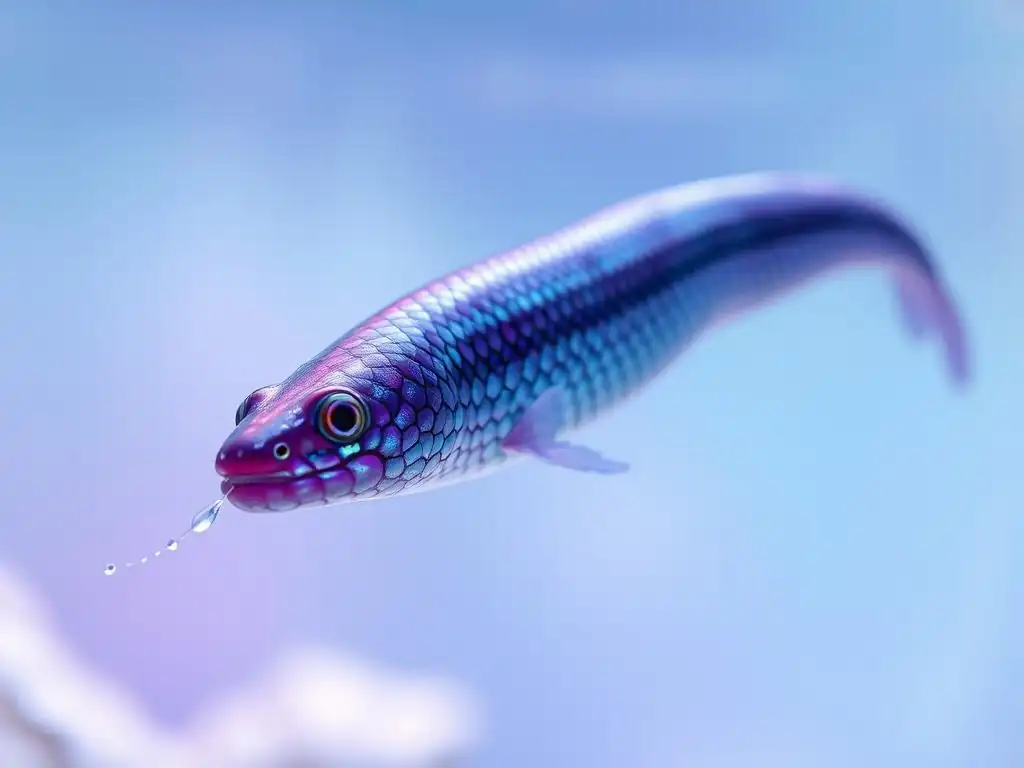
Vinegar eels ( Turbatrix aceti) are non-parasitic nematodes, often mistaken for tiny worms, that thrive in acidic environments like apple cider vinegar. Measuring typically between 50 to 1000 microns, with many being at the smaller end of this range, they are an exceptionally small and highly motile live food source, making them perfectly suited for the mouths of the smallest newly hatched tetra fry. Their slender, almost translucent bodies and constant, undulating movement through the water column make them irresistible to fry, even those that are extremely tiny or initially hesitant to feed on larger organisms.
The primary benefit of vinegar eels lies in their remarkable longevity in freshwater. Unlike many other live foods that quickly die and begin to decompose, vinegar eels can survive in the aquarium water for several days, continuously providing a feeding opportunity without fouling the water.
This extended viability reduces the urgency of consumption and minimizes waste, contributing to better water quality management. Nutritionally, they contain a good balance of protein and fat, typically around 12% protein and 24% fat, and their constant availability in the water column ensures that even the slowest or weakest tetra fry have a chance to feed, significantly boosting overall survival rates in delicate species like Neon or Cardinal Tetras.
Culturing Vinegar Eels: A Simple Method for Tetra Fry Food
Culturing vinegar eels is one of the simplest methods for producing live food, requiring minimal setup and maintenance. The basic principle involves creating an acidic environment where the eels can thrive and reproduce. A healthy, unpasteurized apple cider vinegar is the key ingredient, providing both the necessary acidity and a food source for the eels in the form of the "mother" (the acetic acid bacteria culture). This simplicity makes vinegar eels an ideal choice for aquarists seeking a reliable and low-effort live food source for their tetra fry.
Setting Up Your Vinegar Eel Culture: Container and Medium
To establish a vinegar eel culture, you'll need a clean glass jar or plastic bottle with a narrow neck, unpasteurized apple cider vinegar (with the mother), and dechlorinated water. A common ratio is 1 part apple cider vinegar to 1 part dechlorinated water, though some aquarists prefer a 2:1 vinegar to water ratio for a stronger culture. Fill the container approximately three-quarters full with this mixture.
Add a small piece of apple peel or a few apple slices to provide additional nutrients and a surface for bacterial growth, which the eels consume. Finally, introduce your starter culture of vinegar eels. Loosely cover the opening with a piece of cloth or a paper towel secured with a rubber band to allow for air exchange while preventing contaminants.
Maintaining a Healthy Vinegar Eel Culture: Food and Environment
Maintaining a healthy vinegar eel culture is remarkably straightforward due to their self-sustaining nature. The primary "food" for vinegar eels comes from the bacteria that convert alcohol to acetic acid within the vinegar, and the decaying apple matter. The culture thrives at room temperature, ideally between 68-77°F (20-25°C), away from direct sunlight. As the eels consume the acetic acid and reproduce, the vinegar will gradually become less acidic and clearer.
When the culture starts to appear less dense or the vinegar becomes too clear, it's time to refresh it. This can be done by decanting about half of the old culture into a new jar with fresh vinegar/water mixture and a new apple slice. With proper care, a single culture can last for many months, providing a continuous supply of highly nutritious live food for your tetra fry.
Harvesting Vinegar Eels: Concentrating Vinegar Eels for Feeding
Harvesting vinegar eels effectively ensures that you deliver a concentrated dose of food to your tetra fry without introducing too much acidic water into their tank. The most common and effective method is the "water plug" technique. Take your culture jar and fill the narrow neck with dechlorinated water, carefully pouring it on top of the vinegar layer so the two liquids form distinct layers. The vinegar eels, being obligate aerobes, will migrate upwards into the freshwater layer in search of oxygen. This process can take several hours, typically 2-4 hours, or even overnight.
Once a visible concentration of eels has gathered in the freshwater layer, you can carefully siphon or pipette them out. Use a clean pipette or a small turkey baster to extract the eels from the top layer, being careful not to disturb the vinegar layer below. The collected eels can then be directly added to the tetra fry tank.
This method ensures minimal vinegar transfer, preventing any significant pH drop in the fry tank. For particularly sensitive fry, a quick rinse through a fine mesh sieve (like a coffee filter or a dedicated brine shrimp net) can further reduce vinegar residue, though for most applications, the water plug method is sufficient and highly efficient for providing a continuous supply of this excellent live food.
Microworms vs. Vinegar Eels: A Comparative Analysis for Tetra Fry Feeding
Nutritional Value Comparison: Which is Better for Tetra Fry Growth?
When comparing microworms and vinegar eels for tetra fry growth, both offer significant nutritional benefits, but their specific profiles cater to slightly different needs or stages of development. Microworms, Panagrellus redivivus, are generally richer in protein and fat, typically comprising around 48% protein and 21% fat on a dry weight basis.
This higher caloric density makes them an excellent choice for rapid growth and development, particularly as tetra fry grow slightly larger and their metabolic demands increase. The robust nutritional content of microworms can significantly contribute to faster growth rates and more resilient fry, helping them quickly reach juvenile size.
Vinegar eels, Turbatrix aceti, while also nutritious, have a slightly different profile, often cited with lower protein (around 12%) but higher fat content (approximately 24%). Their primary advantage isn't necessarily a superior nutrient density but rather their smaller size and exceptional longevity in the water column. For the absolute smallest tetra fry, such as newly hatched Ember Tetras or Green Neon Tetras, the smaller size of vinegar eels makes them more accessible as a first food.
Their extended survival in freshwater ensures a constant food source, allowing even the weakest fry ample opportunity to feed, which can be critical for overall survival rates in large spawns. Therefore, while microworms might offer more "punch" nutritionally for growing fry, vinegar eels provide crucial accessibility and persistent availability for the most delicate initial stages.
Ease of Culturing: Microworms vs. Vinegar Eels for the Busy Aquarist
For the busy aquarist, the ease of culturing both microworms and vinegar eels is a significant advantage, though each has its unique characteristics. Microworm cultures are incredibly simple to start and maintain, requiring only an oatmeal or grain-based medium and a starter culture. They reproduce rapidly, often yielding harvestable worms within 3-7 days, and a single culture can last for several weeks with minimal attention. The main maintenance involves occasionally refreshing the medium or starting new cultures to prevent crashes. Their relatively quick turnaround and high yield make them a go-to for consistent daily feeding.
Vinegar eels, on the other hand, boast an even simpler, almost hands-off culture method. They thrive in unpasteurized apple cider vinegar and water mixtures, often with just a piece of apple. Once established, these cultures can last for many months, even over a year, with very little intervention beyond occasional topping off or starting a new culture when the old one shows signs of decline.
The lack of organic matter (like oatmeal) means less risk of mold or unpleasant odors, making them cleaner to maintain. For an aquarist who needs a reliable, long-lasting, and virtually maintenance-free live food source that can be harvested on demand, vinegar eels typically win in terms of sheer ease and longevity.
Delivery Methods: How to Best Feed Each to Your Fry
The optimal delivery method for microworms and vinegar eels to tetra fry differs slightly due to their respective behaviors in water. Microworms are often harvested by scraping them off the sides of their culture container. These collected worms can then be directly swished into the fry tank.
They will sink slowly and wiggle in the water column, making them accessible to fry at various levels before eventually settling on the bottom. This direct method is efficient, but it's crucial to feed small amounts frequently to avoid uneaten worms accumulating and potentially fouling the water, as they will drown and decompose.
Vinegar eels, however, require a specific harvesting technique to separate them from their acidic culture medium. The "water plug" method, where a layer of dechlorinated water is added atop the vinegar culture, causes the eels to migrate into the freshwater layer. This allows for clean siphoning of concentrated eels, free from the acidic vinegar.
Once harvested, these eels can be introduced into the fry tank. Their unique characteristic of swimming actively in the water column for prolonged periods without sinking or dying quickly makes them ideal for providing a continuous feeding opportunity for the fry throughout the day, minimizing waste and ensuring all fry have a chance to feed at their own pace.
Creating a Feeding Hierarchy for Tetra Fry: Microworms and Vinegar Eels in Combination
Week 1: Focusing on Vinegar Eels and Initial Feeding
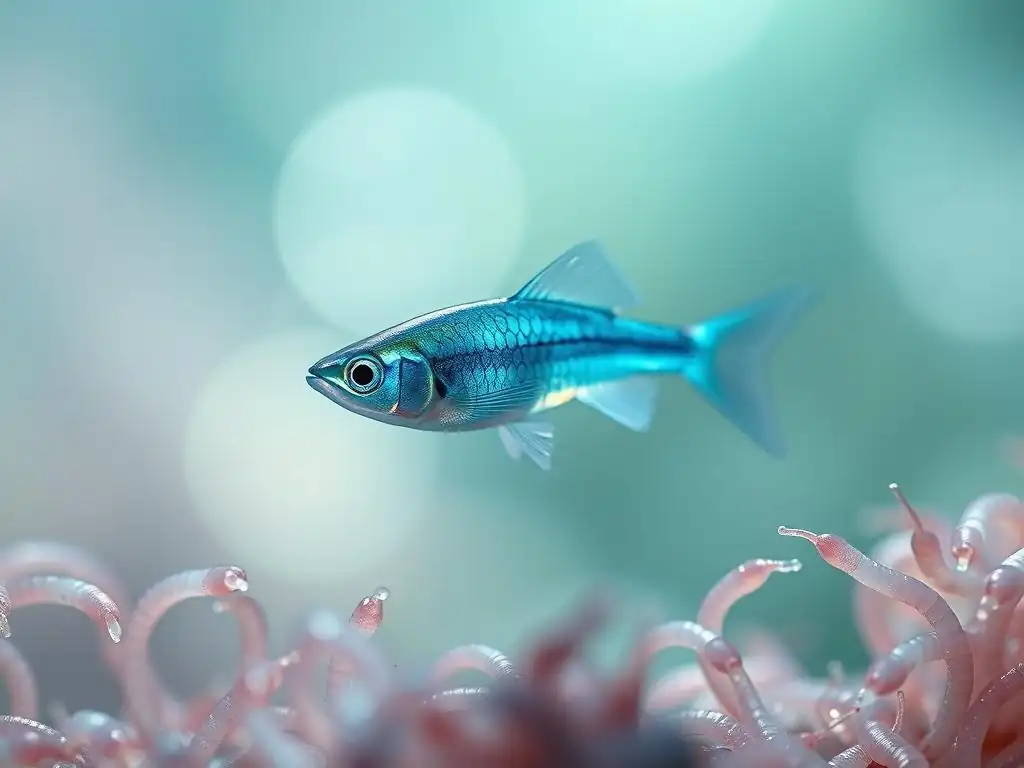
For the critical first week of a tetra fry's life, especially for tiny species like Neon Tetras or Ember Tetras, the primary focus should be on providing a food source that is small enough for their mouths and remains available for extended periods. Vinegar eels are perfectly suited for this stage.
Their diminutive size (many are under 200 microns) and their ability to stay suspended and active in the water column for days make them an ideal initial diet. Newly hatched tetra fry are often too small for microworms and require constant access to food as their yolk sacs deplete rapidly.
During this initial week, it's recommended to feed vinegar eels 3-5 times a day, in small quantities. The goal is to ensure a continuous presence of food without overfeeding. A common practice is to harvest a small amount of concentrated vinegar eels using the "water plug" method and introduce them directly into the fry tank.
Observe the fry's bellies; they should appear rounded, not hollow. This consistent availability of tiny, wiggling food particles encourages all fry, even the weaker ones, to begin feeding, significantly boosting initial survival rates. The resilience of vinegar eels in freshwater also reduces the risk of water quality degradation during this vulnerable period.
Week 2-4: Transitioning to Microworms
As tetra fry enter their second week and beyond, they will have grown considerably and their mouths will be large enough to comfortably consume slightly larger food items. This is the ideal time to begin transitioning them to microworms. While vinegar eels can still be offered, microworms provide a higher protein and fat content, which is crucial for supporting the rapid growth spurt that occurs during this period. The average size of microworms (50-200 microns) is perfect for fry that have grown from their initial 2-3mm size to 4-6mm or larger.
Start by introducing microworms alongside vinegar eels, perhaps offering microworms 2-3 times a day and vinegar eels once or twice. Gradually increase the proportion of microworms while reducing vinegar eels over the course of Week 2 and 3. By Week 4, microworms should constitute the primary live food source.
For example, by day 10-14, you might be feeding microworms 3 times daily and vinegar eels once. This gradual transition allows the fry to adapt to the new food size and texture, ensuring continuous growth and development. The consistent wiggling motion of microworms continues to stimulate feeding instincts, maintaining high consumption rates.
Beyond Week 4: Supplementing with Other Foods for Optimal Growth
After Week 4, tetra fry, now considered juvenile fish, will have grown substantially and will require an even more diverse diet to support their continued development into adulthood. While microworms can still be a valuable supplement, their nutritional profile alone may not be sufficient for optimal long-term growth and coloration. This stage calls for the introduction of larger live foods and high-quality prepared foods. Good options include newly hatched brine shrimp ( Artemia nauplii), which are slightly larger than microworms (around 400-500 microns) and packed with nutrients, or finely crushed high-quality flake foods specifically formulated for tropical fish.
Introducing a variety of foods ensures a complete nutritional spectrum. For instance, you could feed newly hatched brine shrimp in the morning, followed by microworms in the afternoon, and a high-quality powdered fry food in the evening.
As the tetra juveniles continue to grow, typically by Week 6-8, they can gradually be transitioned to finely crushed flakes, micro-pellets, or even frozen daphnia or cyclops. This multi-faceted feeding approach not only provides comprehensive nutrition but also acclimates the young tetras to a varied diet, preparing them for their adult life in the community aquarium and ensuring vibrant health and robust growth.
Optimizing Tetra Fry Growth with Live Food: Tips and Tricks
Water Quality and Its Impact on Fry Development
Maintaining impeccable water quality is arguably the single most critical factor for optimizing tetra fry growth, even more so than the food itself. Tetra fry, especially those from sensitive species like Cardinal Tetras, are highly susceptible to fluctuations in water parameters and the accumulation of waste products. High levels of ammonia, nitrite, or nitrate can quickly lead to stress, disease, and mass mortalities, regardless of how well they are fed. The small volume of a typical fry tank, combined with frequent feedings of live food, can lead to rapid deterioration of water quality if not managed properly.
Regular, small water changes are essential. For instance, performing 10-20% water changes daily or every other day, using aged or dechlorinated water matched to the tank's temperature and pH, helps dilute waste products and replenish essential minerals. A gentle sponge filter is usually sufficient for biological filtration and provides minimal current, preventing fry from being swept away.
Monitoring water parameters with a test kit (ammonia, nitrite, nitrate, pH) is highly recommended. Pristine water conditions reduce stress, promote healthy gill function, and allow the fry to dedicate their energy to growth rather than fighting off environmental stressors, directly translating to higher survival rates and more robust juvenile tetras.
Feeding Frequency and Quantity: Avoiding Overfeeding
While live foods like microworms and vinegar eels are highly beneficial for tetra fry, the principle of "more is not always better" applies directly to feeding frequency and quantity. Overfeeding is a common mistake that can rapidly degrade water quality, leading to bacterial blooms, cloudy water, and ultimately, fry fatalities. Tetra fry have tiny stomachs and high metabolic rates, requiring frequent, small meals rather than large, infrequent ones. Their natural instinct is to graze constantly, making multiple small feedings more effective.
For newly hatched fry, feeding 3-5 times a day is often recommended, perhaps every 3-4 hours during daylight hours. The quantity should be just enough for the fry to consume within 10-15 minutes. For example, for a tank of 50-100 neon tetra fry, a single scrape of microworms from a healthy culture or a pipetted dose of concentrated vinegar eels might be sufficient per feeding.
Observe the fry's bellies; if they are rounded but not distended, and there's no visible uneaten food settling on the bottom after 30 minutes, you've likely hit the right balance. Adjusting quantities based on observation is key to preventing water fouling and ensuring all food is consumed efficiently, promoting healthy growth without compromising tank conditions.
Identifying and Addressing Common Fry Feeding Problems
Even with the best intentions and the right live foods, aquarists may encounter common problems when feeding tetra fry. One frequent issue is "starving fry syndrome," where fry appear to be feeding but remain emaciated, often indicated by a pinched belly. This can occur if the food particles are too large, the fry are too weak to compete, or if the food is not readily available throughout the water column. For instance, if microworms are sinking too quickly for newly hatched tetra fry, they might not be getting enough to eat.
To address this, re-evaluate the size of the food. If using microworms, consider adding vinegar eels for smaller fry, or ensure your microworm culture is producing smaller individuals. Increasing feeding frequency to 5-6 times a day can also help, ensuring constant availability. Another common problem is a sudden culture crash of microworms or vinegar eels, leaving no food source.
Always maintain multiple cultures of each live food in separate containers to act as backups. If fry are not eating at all, check water parameters immediately, as poor water quality is a primary cause of appetite loss. Introducing a very gentle air stone to create subtle water movement can sometimes encourage feeding by keeping live food suspended, but ensure it doesn't stress the delicate fry.
Troubleshooting Common Culture Issues: Microworms and Vinegar Eels
Dealing with Stalled Microworm Cultures
A stalled microworm culture is a frustrating but often resolvable issue for aquarists relying on these vital live foods. A healthy microworm culture should exhibit a creamy, white mass of worms crawling up the sides of the container, indicating active reproduction and feeding. If you notice a significant decrease in the number of worms, or if they stop climbing the sides, the culture might be stalled. One common cause is the medium drying out, which inhibits worm activity and reproduction. Ensuring the lid has small ventilation holes but is not completely open helps maintain humidity.
Another frequent reason for a stalled culture is the medium becoming too acidic or depleted of nutrients, often indicated by a strong, foul, or overly sour odor. This means the yeast and worms have consumed most of the available food and the pH has dropped significantly. To rectify this, it's best to start a new culture.
Take a small, healthy portion of the existing worms (if any are still active) and transfer them to a fresh batch of oatmeal medium. Ensure the oatmeal is not too thick or too watery, and add a fresh pinch of yeast. Maintaining multiple cultures simultaneously, staggered by a week or two, is the most effective preventative measure against a complete supply interruption.
Addressing Vinegar Eel Culture Crash: Prevention and Solutions
A vinegar eel culture crash, while less common than microworm stalls due to their robust nature, can still occur and be detrimental to a tetra fry feeding program. A crash typically manifests as a sudden disappearance of eels from the water column, or a lack of activity. The primary causes often relate to extreme temperature fluctuations, contamination, or the vinegar medium becoming too diluted or losing its acidity. Vinegar eels thrive in stable room temperatures between 68-77°F (20-25°C); temperatures outside this range, especially prolonged cold, can significantly slow or halt reproduction.
To prevent crashes, always use unpasteurized apple cider vinegar with the "mother," as this provides the necessary acetic acid bacteria that the eels feed upon. Avoid using distilled white vinegar or pasteurized apple cider vinegar, which lack these vital components. When refreshing a culture, avoid introducing tap water directly, as chlorine or chloramines can be harmful; always use dechlorinated water.
If a culture crashes, the best solution is to start fresh. Clean the container thoroughly, prepare a new mixture of unpasteurized apple cider vinegar and dechlorinated water (e.g., 1:1 ratio), add a fresh apple slice, and inoculate with a new starter culture. Maintaining at least two separate vinegar eel cultures ensures a backup supply in case one fails, providing continuous access to this crucial live food for your delicate tetra fry.
Conclusion: Mastering Tetra Fry Feeding with Microworms and Vinegar Eels
Long-Term Benefits of Using Live Food for Tetra Breeding
Mastering the use of live foods like microworms and vinegar eels in tetra breeding offers profound long-term benefits that extend far beyond simply keeping fry alive. The initial provision of these highly digestible and nutritionally rich live organisms sets a strong foundation for the overall health and vigor of the fish throughout their lives.
Fry that are well-fed on live foods during their critical early developmental stages typically exhibit faster growth rates, reaching maturity more quickly and with fewer deformities compared to those raised on less optimal diets. This accelerated development means breeders can achieve multiple generations more efficiently, enhancing their breeding programs.
Moreover, the robust health fostered by a live food diet translates into stronger immune systems, making the juvenile and adult tetras more resilient to diseases and environmental stressors. Fish that receive superior nutrition as fry often display more vibrant and natural coloration, a highly desirable trait for many tetra species like the striking Neon Tetra or the fiery Ember Tetra. Ultimately, the dedication to providing microworms and vinegar eels for tetra fry contributes to higher survival rates, producing a greater number of healthy, beautiful, and robust fish, which is the ultimate goal of any successful aquarium mastery breeding endeavor.
Further Resources for Advanced Tetra Care and Breeding at Aquarium Mastery
At Aquarium Mastery, our commitment is to provide comprehensive resources for aquarists at every level, from beginner to advanced. For those looking to delve deeper into advanced tetra care and breeding techniques, a wealth of information awaits. Our website offers detailed guides on specific tetra species, covering their unique water parameter requirements, ideal tank setups, and breeding triggers. You can explore articles on various breeding methods, from egg scatterers like many tetras to mouthbrooders, providing insights into optimizing spawning conditions.
Beyond feeding, our resources extend to advanced water chemistry management, troubleshooting common aquarium diseases, and even setting up dedicated breeding tanks for maximum success. We also feature in-depth profiles on other live food cultures, such as daphnia and brine shrimp, which can be invaluable as your tetra fry grow and require a more diverse diet. By utilizing the extensive knowledge base at AquariumMastery.com, you can continue to refine your skills, overcome challenges, and achieve even greater success in your tetra breeding pursuits, transforming your passion into true aquarium mastery.
Frequently Asked Questions
What are Microworms and Vinegar Eels, and why are they good for Tetra fry?
Microworms and Vinegar Eels are tiny, live foods often used to feed newly hatched fry, including Tetra fry. Their small size and high nutritional content make them ideal for fry that can't yet consume larger foods.
How do I culture Microworms and Vinegar Eels?
Culturing Microworms involves a simple medium like oatmeal and yeast, while Vinegar Eels thrive in a vinegar-apple slice solution. Both cultures are relatively easy to maintain and provide a continuous food source.
How do I harvest Microworms and Vinegar Eels to feed my Tetra fry?
Microworms can be harvested by wiping them off the sides of the culture container with a wet finger or brush. Vinegar Eels are typically harvested by using a coffee filter or similar fine mesh to separate them from the vinegar solution.
Are Microworms and Vinegar Eels a complete diet for Tetra fry, or do I need to supplement?
While nutritious, Microworms and Vinegar Eels are best used as part of a varied diet. You should supplement with other foods as the fry grow, like baby brine shrimp or finely crushed flake food.
Where can I learn more about keeping Tetra fish and the best foods for them?
AquariumMastery.com offers detailed articles on Tetra care, including species profiles, feeding guides, and troubleshooting tips for raising healthy fry.
Final Reflection: Nurturing Life, One Microscopic Meal at a Time
The journey of raising aquarium fry, as we've explored, hinges significantly on the often-overlooked world of microscopic nutrition. Mastering the art of cultivating and utilizing microworms and vinegar eels is more than just a feeding strategy; it's an investment in the future health and vitality of our aquatic ecosystems. The ability to provide these readily available, live food sources empowers aquarists to achieve higher survival rates and witness the full potential of their tetra fry.
This intricate dance between caretaker and cared-for profoundly impacts the hobby. The dedication required to maintain these cultures, the careful observation of fry development, and the satisfaction of witnessing healthy growth all contribute to a deeper connection with the natural world. It reminds us that even the smallest creatures play a vital role in the larger web of life. The care of one life improves the whole community.
This sentiment rings especially true in the microcosm of our aquariums, where every action, every feeding, shapes the future of these delicate beings.
Now, as you close this article, consider the implications of this knowledge. How can you apply this understanding of microscopic life and its impact to your own aquarium practices? Embrace the challenge of cultivating these cultures, observe the remarkable growth of your fry, and become a steward of aquatic life. The rewards, both in the vibrant health of your fish and the deeper connection you forge with nature, are immeasurable.
Nurture Your Tetra Fry: Ignite Growth Now!
Thank you for diving into the world of live feeding! Now that you're equipped with the knowledge of microworms and vinegar eels, it's time to turn that understanding into thriving tetra fry. Let's translate these insights into immediate action.
Here's how you can supercharge your fry's growth:
- Start a Microworm Culture Today: This is the key to providing your tetra fry with an easily digestible and nutrient-rich first food. Don't delay; your fry will thank you!
- Experiment: Explore alternative food sources like Infusoria or commercially available fry food, noting your fry's responses to create a balanced diet.
- Share your experiences! Join an online aquarium forum or community and discuss your microworm and vinegar eel culturing process. Compare notes, troubleshoot problems, and inspire others.
What unique feeding strategy have you tried for your tetra fry, and what results did you observe?