
Swordtail Aggression: Identifying Triggers and Finding Solutions

Welcome to Aquarium Mastery!
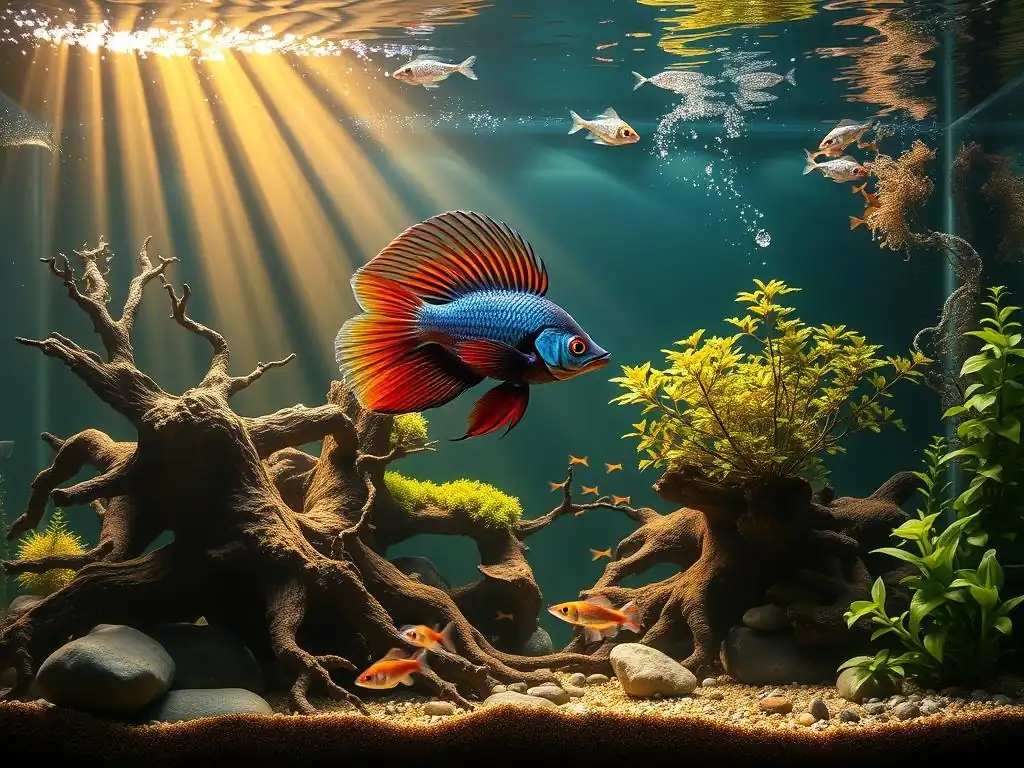
Ever wondered why your peaceful aquarium suddenly turned into a swordtail showdown? This is a common issue, but understanding the aggression causes is the first step to restoring harmony. Dive into our comprehensive guide to learn how to identify triggers, implement effective solutions, and ensure a peaceful community for your finned friends. Let's unravel the mystery and create a thriving environment!
- Understanding Swordtail Aggression in the Aquarium
- Swordtail Tank Mate Considerations to Reduce Aggression
- Swordtail Gender and Its Impact on Aggression
- Addressing Specific Triggers of Swordtail Aggression
-
Solutions for Reducing Swordtail Aggression: A Step-by-Step Guide
- Step 1: Increasing Tank Size to Alleviate Swordtail Aggression
- Step 2: Re-Scaping the Aquarium to Disrupt Established Territories
- Step 3: Removing the Triggering Tank Mate to Reduce Stress
- Step 4: Consider Separating the Aggressor Swordtail [Temporary Isolation Tank Setup]
- Step 5: Avoiding Fin-Nipping Tank Mates to Protect Swordtail Fins
- Long-Term Management of Swordtail Aggression: Preventing Future Conflicts
- Swordtail Aggression: A Summary of Causes and Corrective Actions
-
Frequently Asked Questions
- How can I tell if my swordtails are exhibiting excessive aggression?
- What are the most common causes of aggression in swordtail aquariums?
- What is the ideal male-to-female ratio for swordtails to minimize aggression?
- What types of decorations can help reduce aggression in my swordtail tank?
- What should I do if I've tried everything, and my swordtails are still fighting?
- Final Reflection: Cultivating Harmony in the Aquarium
- Unleash Harmony: Transform Your Swordtail Tank Today!
Understanding Swordtail Aggression in the Aquarium
Why is My Swordtail Fighting? Common Swordtail Aggression Causes
Swordtail fish (Xiphophorus hellerii) are generally considered peaceful community fish, but instances of aggression are not uncommon, leading aquarists to seek Swordtail aggression causes solutions. One primary driver of aggression in Swordtails is an imbalanced male-to-female ratio. Male Swordtails are known to be territorial and can become highly aggressive towards other males, particularly in tanks where there aren't enough females to distribute their breeding attention. A common recommendation is to keep at least two to three females for every male to dilute this focus and reduce male-on-male aggression.
Furthermore, inadequate tank size and a lack of proper hiding spots can significantly exacerbate Swordtail aggression. In smaller environments, dominant males may relentlessly chase and harass submissive males or even females, leading to severe stress, fin nipping, and even death for the weaker fish. The absence of visual barriers means that targeted fish cannot escape the line of sight of their aggressor, intensifying the conflict. This environmental stress is a major contributor to Swordtail aggression, making proper tank setup a crucial part of any solution.
Identifying the Aggressor: Recognizing Dominance Behaviors in Swordtails
Identifying the aggressor among your Swordtails is crucial for finding effective Swordtail aggression causes solutions. Aggressive Swordtails, typically males, will exhibit distinct behaviors such as relentless chasing, nipping at fins, body slamming, and guarding specific territories within the tank. You might observe a dominant male constantly pursuing a weaker male or even a female, preventing them from accessing food or resting spots. This behavior is often more pronounced during feeding times or when new fish are introduced.
Beyond direct physical confrontations, look for signs of stress in the targeted fish, such as clamped fins, faded coloration, hiding excessively, or a reluctance to feed. These are clear indicators that a particular Swordtail is being bullied. Sometimes, the aggression might not be constant but occurs in bursts, often triggered by competition for mates, food, or prime territory. Observing these interactions closely, especially over several days, will help pinpoint the specific fish responsible for the Swordtail aggression and allow for targeted interventions.
Swordtail Tank Mate Considerations to Reduce Aggression
Overcrowding and Swordtail Aggression: Tank Size Matters
Overcrowding is a significant contributor to Swordtail aggression, making tank size a critical factor in finding Swordtail aggression causes solutions. Swordtails, especially males, require ample space to establish territories and avoid constant confrontations. For a small group of Swordtails (e.g., one male and two or three females), a minimum tank size of 20 gallons (approximately 75 liters) is generally recommended. However, for a larger community setup or if you plan to keep multiple males, a 30-gallon (113-liter) or even 40-gallon (150-liter) tank is far more suitable.
In an overcrowded environment, even typically peaceful Swordtails can become stressed and aggressive due to competition for resources like food, space, and mates. This constant stress can lead to weakened immune systems, increased susceptibility to disease, and chronic fin damage from nipping. Providing sufficient swimming room and breaking up lines of sight within the aquarium design are essential strategies to mitigate the impacts of limited space and reduce the likelihood of Swordtail aggression.
Incompatible Tank Mates: Fish That Can Trigger Swordtail Aggression
While Swordtails are generally peaceful, certain tank mates can inadvertently trigger or become victims of Swordtail aggression. Slow-moving fish with long, flowing fins, such as certain varieties of Guppies, Bettas, or Angelfish, are particularly susceptible to fin-nipping by aggressive Swordtails. Although Swordtail aggression is more commonly directed at their own species, a stressed or overly dominant Swordtail might turn its attention to vulnerable tank mates, especially if the tank is crowded or lacks sufficient hiding spots.
Conversely, aggressive or fin-nipping tank mates can also stress Swordtails, leading them to act defensively or become more prone to aggression themselves. For instance, species like Tiger Barbs, while often kept in community tanks, can be notorious fin-nippers, and their presence might provoke Swordtails or cause them undue stress. When seeking Swordtail aggression causes solutions, it's crucial to select tank mates that share similar water parameter requirements, have a compatible temperament, and are not easily intimidated or prone to nipping.
Optimizing Tank Layout to Minimize Swordtail Conflicts: Creating Territories and Break Lines
Optimizing the tank layout is a highly effective strategy for minimizing Swordtail aggression and is a key component of Swordtail aggression causes solutions. Swordtails, particularly males, establish territories, and a well-designed aquarium can help define these spaces and reduce direct confrontations. Incorporate a variety of decorations such as live or artificial plants, driftwood, rocks, and caves. These elements serve as natural visual barriers, breaking up lines of sight and allowing weaker or bullied fish to escape from the view of an aggressor.
When arranging these decorations, aim for a layout that provides both open swimming areas and densely planted zones. Tall plants like Anubias, Vallisneria, or Amazon Swords can create vertical hiding spots, while caves and driftwood offer horizontal retreats. Distribute these elements strategically throughout the tank to ensure that no single area can be completely dominated by one fish. This thoughtful arrangement mimics a more natural environment, reduces stress, and significantly lowers the incidence of Swordtail aggression.
Swordtail Gender and Its Impact on Aggression
Male vs Female: Understanding Swordtail Dynamics (with caution)
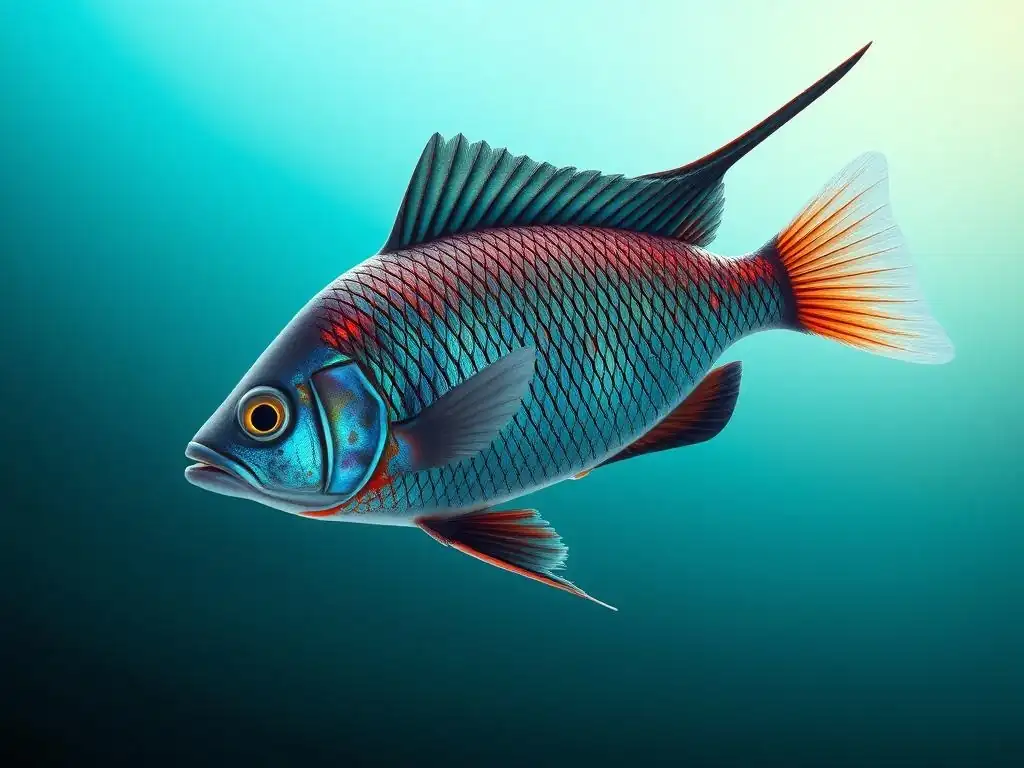
The gender ratio within a Swordtail population is a critical factor influencing Swordtail aggression and requires careful consideration as part of Swordtail aggression causes solutions. Male Swordtails are naturally more territorial and prone to aggression, especially towards other males, as they compete for breeding rights and dominance. Keeping multiple males in a tank without sufficient females or space almost guarantees frequent skirmishes and stress. A commonly recommended ratio to mitigate this is one male for every two to three females, or even more females if space allows.
While females are generally less aggressive, an imbalance can still lead to issues. If there are too many males and not enough females, the females can become targets of constant harassment from multiple males seeking to breed. This continuous chasing can cause significant stress, exhaustion, and even injury to the females. Understanding these intricate male-female dynamics is paramount to maintaining a harmonious Swordtail community and effectively addressing Swordtail aggression.
Managing Male Swordtail Aggression: Strategies for Single Male Tanks
For aquarists experiencing persistent male Swordtail aggression, especially in smaller tanks where a balanced male-to-female ratio is difficult to achieve, keeping a single male Swordtail can be an effective strategy. In a tank with only one male, the primary source of inter-male aggression is removed, significantly reducing the overall stress levels for all inhabitants. This approach simplifies the search for Swordtail aggression causes solutions by eliminating the most common trigger.
When housing a single male Swordtail, it's still crucial to provide ample space and plenty of hiding spots, even if there are no other male Swordtails. This ensures the male feels secure and has areas to retreat to if he becomes overly enthusiastic with female tank mates or other species. While a single male setup largely resolves male-on-male aggression, careful monitoring of his interactions with other fish, particularly females or smaller, peaceful species, is still advised to ensure overall tank harmony.
Addressing Specific Triggers of Swordtail Aggression
Mirroring and Swordtail Aggression: Avoiding Visual Stimulation
Unlike Bettas, Swordtails do not typically react aggressively to their own reflection in the same way. However, external visual stimuli, such as reflections on the tank glass, can occasionally cause confusion or heightened awareness, indirectly contributing to stress that might manifest as Swordtail aggression. If the tank is positioned where it catches significant glare or reflects movement from the room, this might create an environment that subtly stresses the fish.
While not a direct cause of aggression like male-to-male competition, ensuring a stable and calm visual environment for your Swordtails is part of a holistic approach to Swordtail aggression causes solutions. Minimizing external reflections by adjusting tank lighting or placement, or even adding a background to the tank, can help create a more secure and less visually confusing habitat for your fish, promoting a more peaceful demeanor overall.
Breeding and Swordtail Aggression: How Mating Behaviors Affect Tank Dynamics
Breeding behaviors are a significant trigger for Swordtail aggression, particularly among males, as they fiercely compete for the attention of females. Male Swordtails will actively chase and display to females, and this pursuit can become relentless if there aren't enough females to distribute the attention or if the females lack adequate hiding places. This constant harassment is a major factor in Swordtail aggression causes solutions, as it can lead to severe stress and exhaustion for the females.
During the breeding process, males may also exhibit heightened aggression towards other males to assert dominance and secure mating opportunities. If a female is pregnant or has just given birth, she might also become more territorial or protective, though this is less common than male aggression. Understanding these natural instincts and providing an appropriate male-to-female ratio (at least 1 male to 2-3 females) and ample hiding spots are essential to manage breeding-related Swordtail aggression and maintain a harmonious tank.
Water Quality and Swordtail Behavior: The Link Between Water Parameters and Aggression
Poor water quality is a silent but potent stressor that can significantly contribute to Swordtail aggression and is a critical aspect of Swordtail aggression causes solutions. Suboptimal water parameters, such as high ammonia or nitrite levels, fluctuating pH, or incorrect temperature, can weaken a Swordtail's immune system, make them more susceptible to disease, and generally induce chronic stress. Stressed fish are far more likely to exhibit aggressive behaviors, as their natural instincts are heightened in an attempt to survive in a perceived hostile environment.
For Swordtails, ideal water parameters typically include a temperature range of 72-82°F (22-28°C), a pH of 7.0-8.0, and hardness between 10-25 dGH. Ammonia and nitrite should always be 0 ppm, and nitrates should be kept below 20 ppm through regular water changes. Consistent monitoring of these parameters using a reliable test kit is vital. When Swordtails are living in stable, clean, and properly conditioned water, they are less stressed, healthier, and consequently, less prone to displaying aggressive tendencies.
Solutions for Reducing Swordtail Aggression: A Step-by-Step Guide
Step 1: Increasing Tank Size to Alleviate Swordtail Aggression
One of the most effective and fundamental Swordtail aggression causes solutions is to increase the tank size. For a group of Swordtails, especially if you have multiple males, upgrading to a larger aquarium—such as from a 10-gallon to a 20-gallon or from a 20-gallon to a 30-gallon or 40-gallon—provides significantly more space for fish to establish territories and retreat from aggressive encounters. More volume dilutes waste products, leading to better water quality, which itself reduces stress and aggression.
A larger tank reduces overcrowding, which is a common stressor for Swordtails. It allows dominant fish to claim their space without constantly infringing on others' territories, and it provides submissive fish with ample room to escape and hide. This increased space directly addresses the root cause of many Swordtail aggression issues, fostering a more peaceful and stable environment for all inhabitants.
Step 2: Re-Scaping the Aquarium to Disrupt Established Territories
Re-scaping the aquarium is a powerful, yet often overlooked, Swordtail aggression causes solution. When aggression becomes persistent, it often means dominant fish have established territories that fuel their aggressive behavior. By completely rearranging the existing decorations, plants, and hardscape, you effectively disrupt these established boundaries. This forces all fish, including the aggressor, to re-evaluate their surroundings and re-establish new territories.
During this re-evaluation period, the aggressor's focus shifts from harassing specific tank mates to exploring the new environment. This temporary confusion can break the cycle of aggression and allow bullied fish a chance to recover. When re-scaping, aim to create more visual barriers, hiding spots, and diverse areas to further prevent the re-establishment of overly dominant territories, ensuring a more long-term solution to Swordtail aggression.
Step 3: Removing the Triggering Tank Mate to Reduce Stress
If Swordtail aggression persists despite adjusting tank size and layout, a direct and often necessary Swordtail aggression causes solution is to remove the triggering tank mate. This might involve separating an overly aggressive male Swordtail, or relocating a particular species that is either instigating fights or being relentlessly bullied. Sometimes, a specific individual fish, regardless of species, simply has an incompatible temperament with the rest of the community.
Before removing a fish permanently, consider observing its behavior in a separate, temporary isolation tank for a few days. This allows you to confirm if that specific fish is indeed the primary aggressor or the sole target. If confirmed, moving the fish to another suitable tank or rehoming it can immediately alleviate stress for the remaining inhabitants, preventing further injuries and promoting a peaceful environment in the main aquarium.
Step 4: Consider Separating the Aggressor Swordtail [Temporary Isolation Tank Setup]
When a specific Swordtail exhibits persistent and dangerous aggression, a temporary isolation tank (also known as a "time-out" tank) can be an effective Swordtail aggression causes solution. This involves moving the aggressive fish to a separate, smaller tank (e.g., a 5-10 gallon tank) for a period of several days to a week. The isolation tank should be fully cycled, heated, and filtered, providing a stress-free environment for the isolated fish.
The purpose of this separation is twofold: first, it provides immediate relief to the bullied fish in the main tank, allowing them to recover from stress and injuries. Second, upon reintroduction, the aggressor's established dominance hierarchy in the main tank will have been disrupted. When returned, the aggressor will be in a new environment (even if it's the same tank, the layout might have been re-scaped) and will need to re-establish its place, often with reduced aggression. This method can effectively "reset" the social dynamics.
Step 5: Avoiding Fin-Nipping Tank Mates to Protect Swordtail Fins
Protecting Swordtail fins from nipping is an important aspect of preventing Swordtail aggression and ensuring their overall health. While Swordtails can be the aggressors, they can also be targets, especially if they have long, flowing fins. To implement effective Swordtail aggression causes solutions, carefully select tank mates that are known to be peaceful and non-fin-nipping. Avoid species like Tiger Barbs, Serpae Tetras, or certain Cichlids that are notorious for nipping.
Conversely, if your Swordtails are the ones doing the nipping, removing the targeted fish with long fins (e.g., Guppies, Angelfish) might be necessary. Instead, opt for robust, fast-moving, and short-finned species like other schooling tetras (e.g., Neon Tetras, Black Skirt Tetras), Corydoras catfish, or Otocinclus catfish, which are less likely to be targeted or to provoke Swordtail aggression. This careful selection ensures a harmonious community where all fish can thrive without fear of fin damage.
Long-Term Management of Swordtail Aggression: Preventing Future Conflicts
Regular Monitoring of Swordtail Behavior for Early Signs of Aggression
Long-term management of Swordtail aggression hinges on consistent and observant monitoring of your fish's behavior. Regularly spending time watching your Swordtails interact can help you identify early signs of aggression before they escalate into serious issues. Look for subtle cues such as persistent chasing, nipped fins on specific individuals, or one fish consistently hiding more than others. Early detection is crucial for implementing timely Swordtail aggression causes solutions.
Pay particular attention during feeding times, as competition for food can often highlight underlying dominance issues. Also, observe how new fish are integrated into the tank. By being proactive and addressing minor skirmishes or signs of stress quickly, you can prevent chronic bullying and maintain a peaceful environment. This continuous vigilance is key to preventing future conflicts and ensuring the well-being of your Swordtail community.
Maintaining Optimal Water Parameters for Swordtail Health and Temperament
Maintaining optimal water parameters is fundamental to preventing Swordtail aggression and ensuring the long-term health and temperament of your fish. Consistent water quality directly impacts a Swordtail's stress levels and immune system. When water parameters are stable and within their preferred range (e.g., temperature 72-82°F, pH 7.0-8.0, ammonia/nitrite 0 ppm, nitrates below 20 ppm), Swordtails are less stressed, more active, and less prone to exhibiting aggressive behaviors stemming from discomfort or illness.
Regular water changes (typically 25-30% weekly), proper filtration, and routine water testing are non-negotiable practices. Poor water quality can lead to weakened fish, making them more susceptible to bullying or causing them to become aggressive due to chronic stress. By diligently managing water parameters, you create a stable and healthy environment that significantly reduces the likelihood of Swordtail aggression and contributes to overall tank harmony.
Providing Adequate Hiding Places and Visual Barriers in the Aquarium
Providing adequate hiding places and visual barriers is a cornerstone of long-term Swordtail aggression causes solutions. Even in a perfectly balanced tank, individual fish might occasionally need a safe retreat from the general activity or from a temporary display of dominance. Densely planted areas, driftwood formations, rock caves, and ceramic decorations offer essential refuges where bullied or submissive Swordtails can escape from the line of sight of an aggressor.
These visual barriers also help to break up the tank into smaller, more manageable territories, reducing the chances of one fish dominating the entire space. By strategically placing these elements, you create a complex environment that mimics natural habitats, providing both cover and exploration opportunities. This thoughtful aquascape reduces stress, minimizes confrontations, and promotes a more secure and peaceful atmosphere for all Swordtails in the aquarium.
Swordtail Aggression: A Summary of Causes and Corrective Actions
Preventing Swordtail Fights: Key Takeaways for a Harmonious Aquarium
Preventing Swordtail aggression requires a comprehensive approach that addresses the root causes and provides effective Swordtail aggression causes solutions. The primary triggers often include an imbalanced male-to-female ratio (too many males), insufficient tank size leading to overcrowding, and a lack of adequate hiding places and visual barriers. Poor water quality and incompatible tank mates can also significantly contribute to stress and aggressive behaviors.
To foster a harmonious Swordtail aquarium, prioritize a minimum tank size of 20-30 gallons for a small group, ensuring plenty of swimming space. Maintain a male-to-female ratio of at least 1 male to 2-3 females to diffuse male aggression. Design the aquascape with abundant plants, driftwood, and rocks to create numerous hiding spots and break lines of sight, allowing bullied fish to retreat.
Consistently monitor water parameters and perform regular water changes to keep the environment stable and stress-free. If aggression persists, consider temporarily isolating the aggressor or rehoming incompatible individuals. By implementing these strategies, you can significantly reduce Swordtail aggression and ensure a thriving, peaceful community.
Frequently Asked Questions
How can I tell if my swordtails are exhibiting excessive aggression?
Observe for consistent chasing, nipping of fins, or isolation of individual fish. Occasional sparring is normal, but persistent and damaging behavior indicates a problem.
What are the most common causes of aggression in swordtail aquariums?
Overcrowding and improper male-to-female ratios are frequent triggers. Also, a lack of hiding places can lead to increased stress and territoriality.
What is the ideal male-to-female ratio for swordtails to minimize aggression?
Aim for a ratio of one male to three or more females. This distributes the male's attention and reduces harassment of individual females.
What types of decorations can help reduce aggression in my swordtail tank?
Provide plenty of aquatic plants, caves, and driftwood. These create visual barriers and offer hiding spots, reducing direct confrontation.
What should I do if I've tried everything, and my swordtails are still fighting?
Consider re-homing the most aggressive individual. Alternatively, you may need to increase the tank size to provide more space for territories.
Final Reflection: Cultivating Harmony in the Aquarium
The insights into swordtail aggression causes solutions presented in this article are not merely academic; they resonate deeply with the broader understanding of animal welfare and responsible pet ownership. In a world increasingly aware of the interconnectedness of ecosystems, even the microcosm of our home aquariums demands careful consideration and proactive management to ensure the well-being of its inhabitants. The delicate balance within these glass walls mirrors the larger challenges of fostering peaceful coexistence in our own communities.
This exploration of swordtail behavior has profoundly shaped my understanding of the subtle cues and environmental factors that influence animal interactions. Recognizing the importance of space, hierarchy, and environmental enrichment is crucial, not only for swordtails but for any creature under our care. The greatness of a nation and its moral progress can be judged by the way its animals are treated.
- Mahatma Gandhi. This quote underscores the ethical responsibility we bear to create environments that minimize stress and maximize the opportunity for natural behaviors.
As you consider the information shared in this article, I invite you to reflect on your own role in creating harmonious environments, both within your aquarium and beyond. What steps can you take, however small, to promote understanding, reduce conflict, and foster a sense of well-being for all living beings? The lessons learned from observing swordtail aggression offer a powerful reminder that even the smallest actions can have a profound impact on the world around us.
Unleash Harmony: Transform Your Swordtail Tank Today!
Thanks for diving deep into the world of swordtail aggression! We hope you found some valuable insights to help you create a more peaceful aquarium. Now, it's time to put that knowledge into action and watch your swordtails thrive.
Here's what you can do next:
- Immediately reassess your tank's population. Carefully consider rehoming excess males or adding more females to balance the ratio. This single change can drastically reduce aggression!
- Introduce more hiding places and visual barriers within your aquarium to provide your swordtails with safe havens.
- Share this article with fellow fishkeepers! Help others understand and address aggression in their tanks.
What specific changes will you make to your aquarium setup this week to promote peace among your swordtails?