
Best and Worst Tank Mates for Betta Fish: A Compatibility Guide

Welcome to Aquarium Mastery!
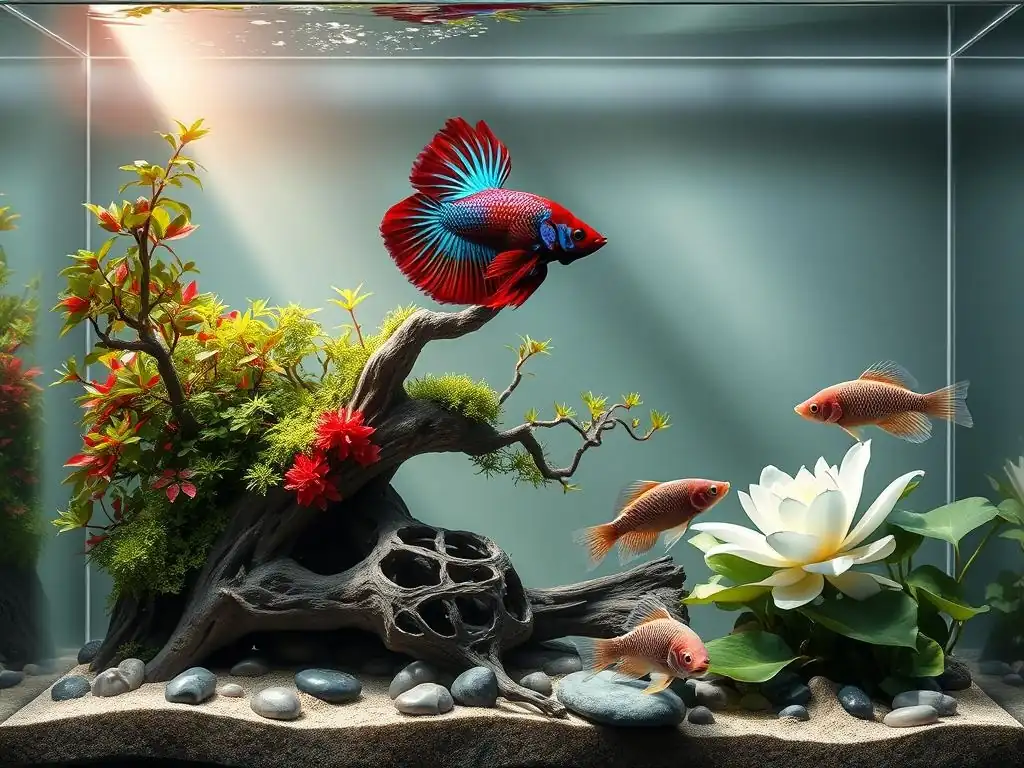
Ever wondered if your Betta could have friends? Choosing the right tank mates for your Betta fish can be a delicate dance. Dive into our comprehensive guide to discover the best and worst tank mates for Betta fish, ensuring a harmonious and thriving aquarium environment. Let's unlock the secrets to Betta compatibility together!
- Understanding Betta Fish Temperament for Successful Tank Mates
- Best Betta Fish Compatible Tank Mates: Creating a Peaceful Community
- Worst Betta Fish Tank Mates: Avoiding Aggression and Stress
- Setting Up a Betta Community Tank for Success
- Maintaining a Peaceful Betta Fish Community Tank
- Conclusion: Choosing the Right Companions for a Happy Betta Fish.
-
Frequently Asked Questions
- What makes a good tank mate for a Betta fish?
- Which fish are generally not recommended as tank mates for Betta fish?
- What are some examples of compatible tank mates for Betta fish in a community aquarium?
- How does tank size affect Betta fish compatibility with other fish?
- What should I observe when introducing new tank mates to a Betta fish?
- Final Reflection: Harmony in the Aquarium
- Transform Your Betta's Life: Create the Ultimate Community Tank!
Understanding Betta Fish Temperament for Successful Tank Mates
The Aggressive Nature of Betta Splendens: What to Expect
Betta splendens, commonly known as the Siamese Fighting Fish, are renowned for their striking beauty and, perhaps more famously, their aggressive nature. This inherent territoriality is a key characteristic that aquarists must understand when considering Betta fish compatible tank mates. Male bettas, in particular, are known to fight fiercely with other males, often to the death, which is why they are typically housed alone in species-specific tanks.
While male bettas are the most overtly aggressive, female bettas can also exhibit territorial behaviors, especially when housed in sorority tanks. Their aggression stems from a strong instinct to defend their perceived territory and resources. This behavior is not just limited to other bettas; certain characteristics in other fish, such as bright colors or long, flowing fins, can trigger an aggressive response from a betta, leading to nipping, chasing, and significant stress for all involved.
Factors Influencing Betta Fish Aggression: Tank Size, Gender, and Personality
Several critical factors influence the level of aggression a betta might display, directly impacting the success of introducing Betta fish compatible tank mates. Tank size is paramount; a small tank, such as a 5-gallon setup, offers insufficient space for a betta to establish a territory without constantly encountering other fish, thus escalating aggression. A 20-gallon long or larger tank provides ample room, allowing tank mates to retreat and establish their own spaces, which can significantly dilute a betta's territorial instincts.
Gender plays a crucial role as well; male bettas are almost universally incompatible with other males due to their intense fighting instincts. Female bettas, while capable of living in sororities (typically 5+ females in a 20-gallon or larger tank), still exhibit a pecking order and can be aggressive towards weaker individuals. Beyond these general rules, individual betta personality is a wild card.
Some bettas are naturally more docile and tolerant of tank mates, while others are highly aggressive and should never be housed with other fish, regardless of ideal conditions. Observing your betta's unique temperament is essential before attempting any community setup.
Why Choosing the Right Betta Tank Mates Matters
The careful selection of Betta fish compatible tank mates is not merely about preventing fights; it's about ensuring the overall health and well-being of your entire aquatic ecosystem. Incompatible tank mates can lead to chronic stress for your betta, manifesting as clamped fins, faded colors, and increased susceptibility to diseases like fin rot or ich. Constant aggression can also result in physical injuries, such as torn fins or scales, which can become infected and prove fatal.
Furthermore, the stress isn't one-sided. Tank mates subjected to constant harassment from a betta will also experience stress, leading to similar health issues and a reduced lifespan. A successful community tank thrives on balance and peace, where each inhabitant can exhibit its natural behaviors without fear of aggression. Choosing the correct Betta fish compatible tank mates ensures a harmonious environment, contributing to cleaner water, a more vibrant display, and a healthier, happier betta.
Best Betta Fish Compatible Tank Mates: Creating a Peaceful Community
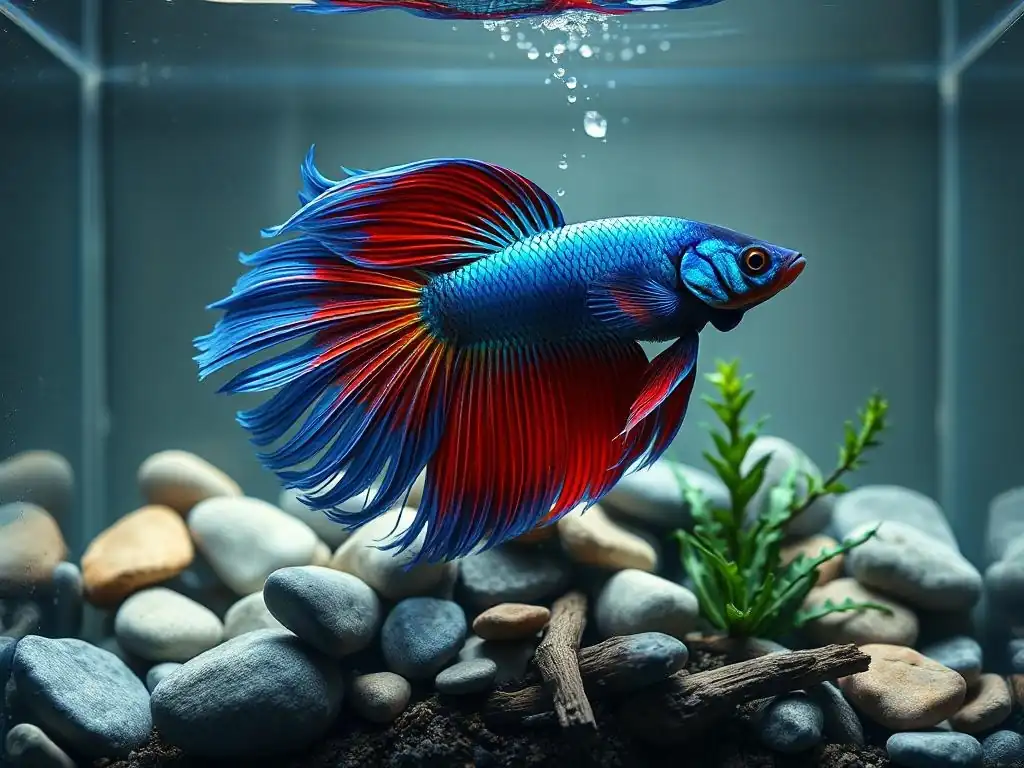
Top Peaceful Fish for a Betta Community Tank
Ember Tetras: Small, Peaceful, and Visually Appealing
Ember Tetras ( Hyphessobrycon amandae) are an excellent choice for Betta fish compatible tank mates due to their diminutive size and peaceful disposition. These tiny fish typically grow to only about 0.8 inches (2 cm), making them too small to be perceived as a threat or rival by most bettas. Their subtle orange hue is vibrant enough to add visual interest to the tank but generally not flashy enough to provoke aggression from a betta.
These active, shoaling fish prefer to live in groups of at least 6-8 individuals, which helps them feel secure and reduces any potential stress. They primarily inhabit the mid-water column, staying out of the betta's preferred top-water territory. A minimum 10-gallon tank is recommended for a small school of Ember Tetras alongside a betta, ensuring adequate swimming space and preventing overcrowding, which could otherwise lead to stress and potential nipping behavior.
Corydoras Catfish: Bottom-Dwelling Cleaners That Coexist Well
Corydoras catfish, often simply called "Cories," are among the most popular and successful Betta fish compatible tank mates. These charming, armored catfish are peaceful bottom-dwellers, spending their time sifting through the substrate for leftover food particles. Their size varies by species, with Pygmy Corydoras reaching about 1 inch (2.5 cm) and larger species like Panda Corydoras growing up to 2 inches (5 cm). Their armored bodies and lack of long, flowing fins make them unappealing targets for a betta's aggression.
Cories are social fish and thrive in groups of at least five or six of their own kind. They occupy a completely different niche in the aquarium, rarely venturing into the mid or upper water columns where bettas typically reside, thus minimizing direct interaction and competition for space. A 20-gallon tank is generally recommended for a group of larger Corydoras species with a betta, providing ample floor space for their foraging activities and ensuring a stress-free environment for both the betta and its bottom-dwelling companions.
White Cloud Mountain Minnows: Cold-Water Companions for Betta Fish
White Cloud Mountain Minnows ( Tanichthys albonubes) are often considered for Betta fish compatible tank mates due to their peaceful nature and small size, typically reaching about 1.5 inches (4 cm). They are active, shoaling fish that primarily inhabit the mid to upper levels of the tank, similar to bettas. Their quick movements and lack of long fins make them less likely targets for a betta's aggression compared to slower, more ornate fish.
However, a significant consideration with White Cloud Mountain Minnows is their preferred water temperature. While bettas thrive in tropical temperatures of 78-80°F (25.5-26.5°C), White Clouds prefer cooler water, ideally between 65-72°F (18-22°C). Successfully housing them with a betta requires maintaining a compromise temperature, perhaps around 74-76°F (23-24.5°C), which might be slightly outside the optimal range for both species but can be tolerated by healthy individuals. This temperature consideration makes them a more challenging, though still possible, Betta fish compatible tank mate.
Harlequin Rasboras: Peaceful Shoaling Fish
Harlequin Rasboras ( Trigonostigma heteromorpha) are another excellent option when seeking peaceful Betta fish compatible tank mates. These attractive fish grow to about 1.8 inches (4.5 cm) and are known for their distinctive black triangular patch on their sides. They are calm, mid-water shoalers that prefer to live in groups of at least six to eight individuals, which enhances their security and natural behavior.
Their relatively subdued coloration and compact body shape typically do not trigger the aggressive instincts of a betta. They are not fin-nippers and tend to mind their own business, making them a low-risk addition to a betta community tank. A 15-gallon or larger aquarium is suitable for a school of Harlequin Rasboras alongside a betta, providing enough space for both the betta's territory and the rasboras' schooling movements.
Invertebrates as Betta Tank Mates: Snails and Shrimp
Nerite Snails: Algae Eaters That Don't Breed Prolifically
Nerite snails are highly recommended as Betta fish compatible tank mates, particularly for their exceptional algae-eating capabilities and their inability to overpopulate freshwater aquariums. These snails, which typically grow up to 1 inch (2.5 cm), require brackish water to successfully reproduce, meaning they will not multiply uncontrollably in a freshwater betta tank. They are peaceful, slow-moving, and spend their time grazing on algae from glass, decorations, and plant leaves, posing no threat to the betta.
Their hard shells provide excellent protection from any curious nips a betta might attempt, though most bettas quickly learn to ignore them. Nerite snails come in various attractive patterns and colors, adding both functionality and aesthetic appeal to the aquarium. They are an ideal choice for maintaining tank cleanliness without introducing any aggression or territorial disputes, making them truly compatible companions.
Mystery Snails: Colorful and Active Tank Cleaners
Mystery snails ( Pomacea bridgesii) are another popular choice for Betta fish compatible tank mates, known for their vibrant colors and active scavenging habits. These snails can grow quite large, sometimes reaching up to 2 inches (5 cm) in diameter, and come in striking shades of gold, blue, purple, and ivory. They are excellent at cleaning algae from surfaces and consuming leftover food, contributing to a healthier tank environment.
Unlike some other snail species, Mystery snails are not prolific breeders in a typical aquarium setup, as they lay their eggs above the waterline, which can be easily removed if unwanted. While a betta might occasionally flare at a Mystery snail due to its movement or size, serious aggression is rare. Their hard shells protect them, and their slow, deliberate movements generally keep them out of the betta's direct path, making them a safe and beneficial addition to a community tank.
Ghost Shrimp: Clear Shrimp That Help Keep the Tank Clean
Ghost shrimp ( Palaemonetes paludosus) are often considered as Betta fish compatible tank mates due to their transparency and excellent scavenging abilities. These clear shrimp typically grow up to 1.5 inches (4 cm) and spend their time sifting through the substrate, consuming detritus and leftover food particles. Their translucent bodies often make them less noticeable to a betta, reducing the likelihood of them being perceived as food or a threat.
However, compatibility can vary significantly based on the individual betta's personality. While many bettas will ignore ghost shrimp, some more aggressive or predatory bettas may attempt to eat them, especially smaller individuals or juveniles. It's advisable to introduce ghost shrimp into a well-established tank with plenty of hiding spots (such as dense plants or caves) to provide refuge. Despite the potential risk, when successful, ghost shrimp are highly effective cleaners and add an interesting dynamic to the betta's environment.
Cherry Shrimp: Riskier but Potentially Compatible with Calm Bettas
Cherry shrimp ( Neocaridina davidi) are beautiful, brightly colored dwarf shrimp that can be highly effective cleaners and fascinating additions to an aquarium. They typically grow to about 1 inch (2.5 cm) and come in shades ranging from light red to deep cherry red. While often considered for Betta fish compatible tank mates, they present a higher risk than ghost shrimp due to their vibrant coloration, which can trigger a betta's predatory instincts.
Success with cherry shrimp as tank mates depends almost entirely on the individual betta's temperament. A truly docile betta might ignore them, allowing them to thrive and even breed. However, a betta with even a moderate predatory drive will likely view them as food, especially the smaller juveniles. If you choose to attempt this pairing, ensure the tank is heavily planted with mosses and other dense vegetation to provide ample hiding places for the shrimp. The success rate is often estimated to be around 40-50%, meaning it's a gamble that requires close observation and a backup plan.
Worst Betta Fish Tank Mates: Avoiding Aggression and Stress
Fin-Nipping Fish: A Recipe for Disaster
Tiger Barbs: Too Active and Aggressive for Bettas
Tiger Barbs ( Puntigrus tetrazona) are notoriously aggressive and boisterous fish, making them one of the worst choices for Betta fish compatible tank mates. These active, schooling fish, typically growing to 3 inches (7.5 cm), are well-known for their fin-nipping behavior. Their natural instinct is to constantly chase and nip at the fins of slower, long-finned fish, which describes a betta perfectly.
Housing a betta with Tiger Barbs is a recipe for disaster. The barbs will relentlessly harass and shred the betta's delicate, flowing fins, causing severe stress, injury, and a high risk of infection. This constant torment will lead to a miserable existence for the betta and likely a premature death. Despite their interesting appearance, Tiger Barbs are entirely incompatible with the peaceful, long-finned nature of a betta.
Serpae Tetras: Known Fin-Nippers That Will Harass Bettas
Serpae Tetras ( Hyphessobrycon eques) are another species frequently cited as problematic Betta fish compatible tank mates due to their propensity for fin-nipping. These energetic tetras, reaching about 1.7 inches (4.5 cm), are often sold as peaceful community fish, but their behavior can be highly aggressive, especially if not kept in sufficiently large schools (at least 6-8 individuals) or if the tank is too small.
When housed with a betta, Serpae Tetras will often target the betta's long, flowing fins, mistaking them for food or simply engaging in their characteristic nipping. This constant harassment causes immense stress to the betta, leading to torn fins, secondary infections, and a significant decline in health. Their active and somewhat boisterous nature also adds to the stress of a more sedate betta, making this pairing highly inadvisable.
Black Skirt Tetras: Common Fin-Nippers To Avoid
Black Skirt Tetras ( Gymnocorymbus ternetzi), while generally less aggressive than Tiger Barbs or Serpae Tetras, can still exhibit fin-nipping behavior, making them unsuitable as Betta fish compatible tank mates. These fish, growing to about 2.5 inches (6.5 cm), are active shoalers that, when stressed or not kept in adequate numbers (6+), may turn to nipping the fins of slower, long-finned tank mates.
The betta's long, delicate fins are an irresistible target for this type of behavior. Constant nipping will not only damage the betta's fins but also induce chronic stress, weakening its immune system and making it susceptible to various diseases. To ensure the safety and well-being of your betta, it is best to avoid keeping Black Skirt Tetras in the same aquarium.
Colorful or Long-Finned Fish: Triggering Betta Aggression
Male Guppies: Often Mistaken for Betta Fish and Attacked
Male Guppies ( Poecilia reticulata) are perhaps one of the most common and disastrous choices for Betta fish compatible tank mates. While beautiful and peaceful themselves, their vibrant colors and long, flowing caudal and dorsal fins strikingly resemble those of a male betta. This visual similarity triggers an intense aggressive response from the betta, which perceives the guppy as a rival male.
The betta will relentlessly attack the male guppy, nipping its fins and body, often leading to severe injury or death. Even in a large tank, the betta's territorial instinct will override any sense of peace when encountering a fish it perceives as competition. Female guppies, being less flashy, might fare slightly better, but the risk remains high due to the betta's general intolerance for similarly shaped or highly active fish.
Fancy Goldfish: Require Different Water Parameters and Can Be Overwhelmed
Fancy Goldfish ( Carassius auratus), with their beautiful long fins and unique body shapes, are often mistakenly considered for Betta fish compatible tank mates. However, this pairing is fundamentally incompatible due to vastly different environmental needs and potential aggression issues. Goldfish are cold-water fish, thriving in temperatures between 65-72°F (18-22°C), while bettas require tropical temperatures of 78-80°F (25.5-26.5°C). Maintaining a compromise temperature will be detrimental to the long-term health of both species.
Furthermore, Fancy Goldfish produce a significant amount of waste, rapidly fouling the water and making it difficult to maintain the pristine conditions a betta needs. While the betta might nip at the goldfish's long fins, the larger, slower goldfish can also inadvertently injure the betta. Their size difference and differing environmental needs make this pairing highly stressful and unhealthy for both fish, leading to a diminished lifespan for all.
Paradise Fish: Similar Appearance Can Provoke Aggression
Paradise Fish ( Macropodus opercularis) are another labyrinth fish with a striking resemblance to bettas in terms of body shape and finnage, making them extremely poor choices for Betta fish compatible tank mates. Despite their attractive appearance, Paradise Fish are notoriously aggressive and territorial, often even more so than bettas themselves. They are known to be highly intolerant of other labyrinth fish and any species that resembles them.
Placing a Paradise Fish with a betta will almost certainly result in a violent confrontation. Both species will view each other as direct threats and competitors for territory and resources, leading to intense fighting that will likely end in severe injury or death for one or both fish. Their similar biological needs and aggressive temperaments make them entirely incompatible as tank mates.
Large or Predatory Fish: Potential Threats to Your Betta
Cichlids: Too Aggressive and Territorial for Betta Fish
Most species of Cichlids are entirely unsuitable as Betta fish compatible tank mates due to their highly aggressive and territorial nature. Cichlids, such as African Cichlids, Jack Dempseys, or Oscars, are known for their strong territorial instincts and often predatory behavior. They will view a betta, especially a smaller, slower moving one, as either a threat to their territory or a potential food source.
Even smaller, supposedly "peaceful" cichlids can become aggressive when paired with the delicate betta. The betta's long fins and relatively slow movement make it an easy target for nips and attacks. The stress and physical harm inflicted by cichlids will inevitably lead to the betta's demise, making this pairing completely unfeasible for a peaceful community tank.
Oscars: Predatory Fish That Will Eventually Eat Betta Fish
Oscars ( Astronotus ocellatus) are large, intelligent, and highly predatory cichlids that can grow to over 12 inches (30 cm) in length. They are opportunistic feeders and will consume any fish small enough to fit into their mouths. Therefore, an Oscar is absolutely one of the worst possible Betta fish compatible tank mates.
A betta, typically ranging from 2-3 inches (5-7.5 cm), falls well within the size range of an Oscar's prey. It is not a question of if an Oscar will eat a betta, but when. Housing these two species together will inevitably result in the betta being consumed, often quite quickly. This pairing is dangerous and completely inappropriate for the safety of your betta.
Jack Dempsey: Aggressive and Predatory
The Jack Dempsey cichlid ( Rocio octofasciata) is a large, robust, and highly aggressive fish that can reach lengths of up to 10 inches (25 cm). Known for their strong territorial instincts and powerful bites, Jack Dempseys are formidable predators. Consequently, they are a definitive "worst" choice for Betta fish compatible tank mates.
A Jack Dempsey will perceive a betta as either an intruder into its territory or, more likely, a potential meal. The betta's delicate fins and relatively small size make it incredibly vulnerable to the Jack Dempsey's aggression and predatory nature. Any attempt to house these two species together will result in severe injury or the consumption of the betta, making this pairing entirely incompatible and dangerous.
Setting Up a Betta Community Tank for Success
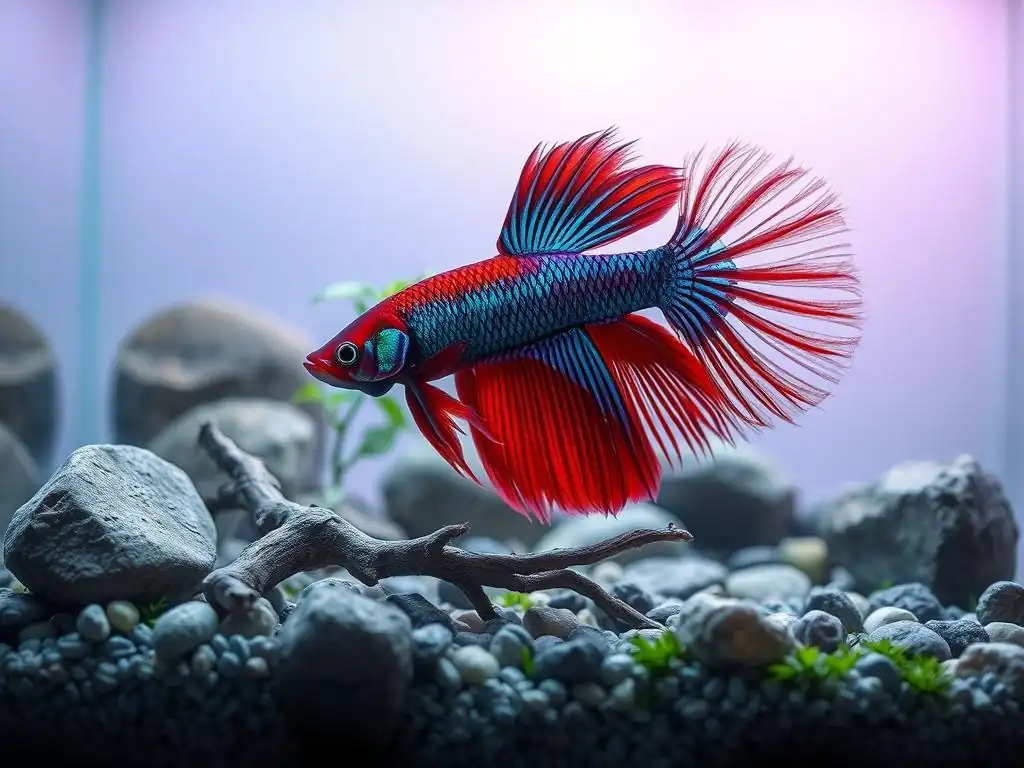
Tank Size: Providing Enough Space for Everyone
The foundation of a successful Betta fish compatible tank mates setup lies in providing ample space for all inhabitants. While a 5-gallon tank is generally considered the minimum for a single betta, it is entirely insufficient for a community tank. For a betta to comfortably coexist with tank mates, a minimum of a 20-gallon long aquarium is highly recommended. This tank size, measuring approximately 30 inches in length, offers a larger footprint compared to a standard 20-gallon high, providing more horizontal swimming space and distinct territories.
Ideally, a 29-gallon or even a 40-gallon breeder tank would be even better. Larger tanks dilute aggression by offering more room for the betta to establish its territory without constant direct interaction with other fish. They also provide more stable water parameters, which is crucial for the health of a diverse community. Adequate space reduces stress for all fish, allowing them to exhibit natural behaviors and establish their own niches without feeling crowded or threatened.
Aquascaping: Creating Hiding Places and Breaking Line of Sight
Effective aquascaping is paramount for a successful Betta fish compatible tank mates environment. The goal is to create a complex underwater landscape that offers numerous hiding places and breaks up the line of sight, preventing the betta from constantly seeing and potentially harassing its tank mates. Dense live plants, such as Java Fern, Anubias, Amazon Swords, and Water Wisteria, are excellent for this purpose, providing both visual barriers and natural cover.
In addition to plants, incorporate driftwood, rocks, and aquarium-safe caves or decorations. Arrange these elements strategically to form distinct territories and secluded spots where tank mates can retreat if feeling stressed or chased. This thoughtful layout reduces potential aggression by allowing fish to escape from view and feel secure, significantly contributing to a harmonious Betta fish compatible tank mates community.
Monitoring Betta Fish Behavior: Early Signs of Aggression
Vigilant monitoring of your betta's behavior is crucial when introducing Betta fish compatible tank mates. Early detection of aggression can prevent serious harm to your tank inhabitants. Observe your betta daily for signs such as clamped fins, rapid gill movement, excessive hiding, or, conversely, constant chasing and flaring at other fish. Pay close attention to the tank mates as well; nipped fins, torn scales, or persistent hiding are clear indicators of stress and aggression.
A healthy betta will typically explore its environment, eat readily, and display vibrant colors. Any deviation from this, especially after introducing new fish, warrants immediate investigation. Early intervention, such as rearranging decor or temporarily separating fish, can often resolve minor issues before they escalate into serious conflicts within your Betta fish compatible tank mates setup.
Introducing New Tank Mates: A Gradual and Careful Process
Introducing new Betta fish compatible tank mates requires a gradual and careful approach to minimize stress and potential aggression. Firstly, always quarantine new fish in a separate tank for at least 2-4 weeks to ensure they are healthy and free of parasites or diseases before introducing them to your main community. This prevents the spread of pathogens to your established fish.
When it's time to add them to the betta tank, consider adding the tank mates first, allowing them to establish themselves and find hiding spots before introducing the betta. Alternatively, if the betta is already in the tank, rearrange the decor significantly before introducing the new fish. This disrupts the betta's established territory, making it less territorial initially. Introduce new fish with the aquarium lights off for a few hours to reduce immediate stress. Drip acclimation for 30-60 minutes is also vital to slowly equalize water parameters, preventing shock to the new inhabitants.
Maintaining a Peaceful Betta Fish Community Tank
Regular Water Changes: Ensuring Optimal Water Quality
Maintaining optimal water quality is paramount for a peaceful and healthy Betta fish compatible tank mates environment. Poor water conditions, characterized by high levels of nitrates and other pollutants, can significantly stress fish, making them more susceptible to disease and potentially exacerbating aggressive behaviors. Regular partial water changes are the most effective way to manage water parameters.
For a community tank, performing weekly water changes of 25-30% is generally recommended. This routine helps to remove accumulated nitrates, replenish essential minerals, and maintain stable pH levels. Consistent water quality reduces stress on both the betta and its tank mates, contributing to a more harmonious co-existence and ensuring the long-term success of your Betta fish compatible tank mates setup.
Proper Feeding: Preventing Competition and Aggression
Proper feeding strategies are essential to prevent competition and aggression among Betta fish compatible tank mates. In a community setting, it's crucial to ensure that all fish receive adequate nutrition without overfeeding. Overfeeding can lead to poor water quality, while underfeeding can cause competition, where faster or more aggressive fish dominate food sources, leaving others undernourished.
Consider the feeding habits of each species. For example, feed sinking pellets or wafers for bottom-dwelling Corydoras, while offering high-quality betta pellets or flakes for the betta and mid-water fish. Feeding in multiple areas of the tank or feeding the betta first can help ensure it gets its share before other, faster fish consume everything. Feeding small amounts multiple times a day, rather than one large meal, can also reduce competition and maintain better water quality.
Observing and Addressing Aggression: Separating Problem Fish
Ongoing observation is key to maintaining a peaceful Betta fish compatible tank mates community. Despite careful planning, individual personalities can lead to unexpected aggression. If you notice persistent chasing, fin nipping, or signs of stress and injury on any fish, immediate action is required. Minor skirmishes might resolve themselves, but sustained aggression needs intervention.
First, try rearranging the tank decor to disrupt established territories and create new hiding spots. If aggression persists, you may need to identify the aggressor (it could be the betta or a tank mate) and consider removing it to a separate, dedicated tank. Having a "hospital" or "time-out" tank readily available is invaluable for this purpose. Sometimes, simply separating the problem fish for a few days before reintroducing it can reset behaviors, but in other cases, permanent separation may be necessary to ensure the well-being of the entire Betta fish compatible tank mates community.
Conclusion: Choosing the Right Companions for a Happy Betta Fish.
Creating a thriving community tank with Betta fish compatible tank mates is a rewarding endeavor that requires careful planning and ongoing vigilance. Understanding the unique temperament of Betta splendens, particularly their territorial and sometimes aggressive nature, is the first step. Success hinges on selecting tank mates that are peaceful, do not possess long, flowing fins or vibrant colors that mimic a male betta, and occupy different areas of the tank.
Top choices include small, peaceful shoaling fish like Ember Tetras and Harlequin Rasboras, as well as bottom-dwellers such as Corydoras catfish and various snails like Nerite and Mystery snails. Conversely, aggressive fin-nippers like Tiger Barbs, large predatory fish like Oscars, and species with similar appearances or conflicting environmental needs, such as male Guppies or Fancy Goldfish, must be avoided at all costs.
By providing a spacious, well-aquascaped environment, maintaining pristine water quality, and closely observing fish behavior, aquarists can successfully establish and maintain a harmonious Betta fish compatible tank mates community, ensuring a happy and healthy life for their beautiful betta and its companions.
Frequently Asked Questions
What makes a good tank mate for a Betta fish?
A good tank mate is generally peaceful, doesn't have long flowing fins that a Betta might mistake for a rival, and occupies a different area of the tank. Avoiding fin-nippers is also crucial.
Which fish are generally not recommended as tank mates for Betta fish?
Avoid aggressive fish, like Tiger Barbs or larger cichlids, as well as fin-nippers such as certain types of tetras. Also, never keep two male Bettas together.
What are some examples of compatible tank mates for Betta fish in a community aquarium?
Some good choices include small, peaceful bottom dwellers like Corydoras catfish, or non-aggressive snails like Nerite snails. Always ensure the tank is large enough to accommodate everyone.
How does tank size affect Betta fish compatibility with other fish?
A larger tank is essential for successful community tanks with Bettas. It provides enough space for each fish to establish their own territory and reduces stress, lessening the chances of aggression.
What should I observe when introducing new tank mates to a Betta fish?
Closely monitor the Betta's behavior for any signs of aggression, such as chasing or fin-nipping. If problems arise, immediately separate the fish to prevent injury or death.
Final Reflection: Harmony in the Aquarium
The delicate balance of an aquarium ecosystem, as explored in this guide to betta fish compatible tank mates, underscores a broader truth: compatibility is key to thriving in any shared environment. Understanding the specific needs and temperaments of each species is not just about avoiding conflict; it's about fostering a space where all inhabitants can flourish, mirroring the importance of understanding and respecting differences in our own communities.
This exploration into the world of betta fish and their potential companions has highlighted the profound impact our choices have on the lives of others, even within the seemingly contained world of an aquarium. The responsibility we assume when introducing life into our homes extends beyond basic care; it demands a commitment to creating an environment of peace and well-being. The greatness of a nation and its moral progress can be judged by the way its animals are treated.
- Mahatma Gandhi. This quote resonates deeply, reminding us that compassion and understanding are essential, whether we're considering the needs of a betta fish or our fellow human beings.
Now, as you consider adding companions to your betta's tank, remember that knowledge is power. Take the time to research, observe, and understand the needs of each creature you invite into your aquatic world. Let this guide serve as a starting point, but let your own empathy and dedication be your compass. By creating a harmonious aquarium, you're not just building a beautiful display; you're cultivating a microcosm of respect, understanding, and peaceful coexistence.
Transform Your Betta's Life: Create the Ultimate Community Tank!
Thank you for diving into the world of betta fish and their potential tank mates! We hope this guide has given you the knowledge to create a vibrant and harmonious aquatic environment. Now it's time to put that knowledge into action.
- Plan Your Dream Community Tank: Carefully consider the temperament, size, and needs of potential tank mates alongside your betta's personality to ensure a balanced ecosystem. This is the most crucial step!
- Share Your Success (and Struggles!): Post photos and stories of your betta's tank mates on social media using #AquariumMastery, or join the discussion on aquariummastery.com
- Experiment with Unique Aquascaping: Try adding unexpected elements to your tank like floating plants or unique driftwood to provide extra hiding places and visual interest for all your fish.
What surprising combination of fish have you found to work unexpectedly well with your betta, and what lessons did you learn from it?