
Why Aren't My Fish Spawning? Advanced Diagnostics for Frustrated Breeders

Welcome to Aquarium Mastery!
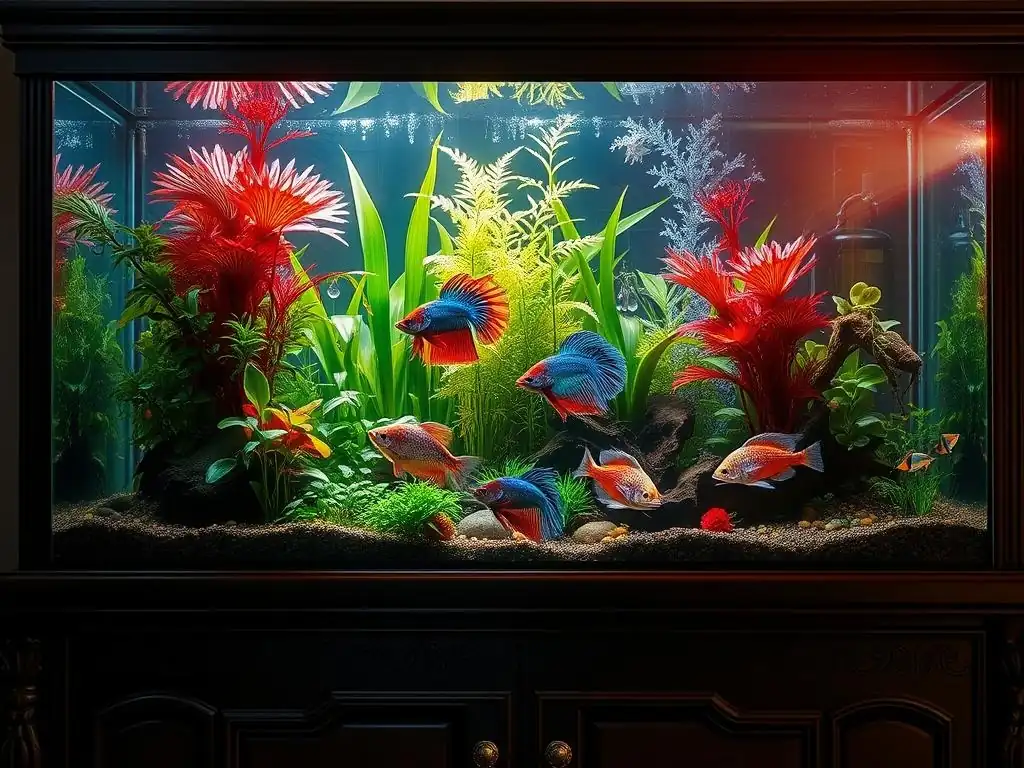
Ever wondered why your prized saltwater fish just won't spawn? You're not alone! Dive into our in-depth Fish Spawning Troubleshooting Guide and unlock the secrets to successful breeding. We'll explore advanced diagnostics and proven techniques to help you overcome common hurdles and finally witness the miracle of life in your saltwater aquarium. Curious to learn more? Let's get started!
- Why Aren't My Discus Spawning? Advanced Diagnostics for Frustrated Breeders
- Understanding the Fundamentals of Discus Spawning
- Common Reasons Discus Aren't Spawning: A Deep Dive
- Advanced Troubleshooting Techniques for Discus Spawning
- Identifying and Addressing Specific Spawning Problems
- Discus Spawning Troubleshooting Guide: A Checklist for Success
- Conclusion: Achieving Discus Spawning Success Through Careful Observation and Action
-
Frequently Asked Questions
- Why is my fish tank seemingly sterile? I've had my fish for a while, and they show no signs of spawning behavior.
- My fish are displaying spawning behavior, but no eggs ever appear. What could be the problem?
- I've successfully spawned fish before, but recently, my success rate has plummeted. What could be causing this?
- The eggs are laid and fertilized, but they never hatch. What went wrong?
- My fish spawn regularly, but the fry don't survive beyond a few days. What steps can I take to improve fry survival?
- Final Reflection: Unlocking the Secrets of Aquatic Life
- Unleash Your Fish's Breeding Potential!
Why Aren't My Discus Spawning? Advanced Diagnostics for Frustrated Breeders
Understanding the Fundamentals of Discus Spawning
Essential Conditions for Successful Discus Spawning
Successful Discus breeding hinges on a precise combination of environmental factors and dedicated care. For these majestic freshwater cichlids, a stable and pristine breeding environment is paramount. This typically involves a dedicated bare-bottom breeding tank of at least 20-30 gallons, allowing for easy cleaning and minimal disturbance. Water parameters must be meticulously maintained, with soft, acidic water (GH 1-5 dGH, pH 5.5-6.5) being crucial for egg viability and fertilization. A consistent water temperature, ideally between 82-86°F (28-30°C), is also vital for stimulating reproductive cycles and ensuring optimal health.
Beyond water quality, providing a suitable spawning substrate is key. Discus prefer vertical surfaces for egg deposition, such as specialized spawning cones, PVC pipes, or even broad-leafed artificial plants. A well-conditioned pair, fed a high-quality, varied diet, will exhibit pairing behavior, including cleaning the chosen spawning site. Minimal external disturbances, consistent lighting cycles, and a sense of security within their environment are all non-negotiable elements for encouraging these sensitive fish to reproduce.
Identifying Spawning Triggers for Discus
Discus often require specific environmental cues to initiate spawning, mimicking the conditions of their natural Amazonian habitat. One of the most effective triggers is a series of large, frequent water changes (50-70% daily or every other day) using slightly warmer, very soft, and acidic water. This simulates the influx of rainwater during the wet season, signaling to the fish that conditions are favorable for breeding and the survival of their offspring. A slight, gradual increase in temperature (e.g., from 82°F to 84°F) can also act as a stimulus.
Observing the pair's behavior provides significant clues. Increased aggression towards other tank inhabitants (if any), intense cleaning of a chosen spawning site, and the male "shaking" or vibrating next to the female are all strong indicators of impending spawning. Consistent, high-quality nutrition plays a critical role, as well-fed fish are more likely to be reproductively active. For a comprehensive fish spawning troubleshooting guide, understanding these subtle behavioral and environmental cues is essential.
The Role of Water Parameters in Discus Reproduction
Water parameters are arguably the most critical factor influencing Discus reproduction, directly impacting egg development, fertilization rates, and larval survival. Discus, originating from the soft, acidic waters of the Amazon basin, require very specific conditions. A low General Hardness (GH) of 1-5 dGH (17.9-89.5 ppm) ensures that eggs are not overly hard, allowing for proper fertilization and hatching. Similarly, a low Carbonate Hardness (KH) of 0-3 dKH helps maintain the desired acidic pH range of 5.5-6.5, which is crucial for sperm motility and preventing fungal growth on eggs.
Maintaining these parameters consistently is more important than achieving exact numbers instantly. Wild Discus strains typically thrive in pH levels around 5.0-6.0, while many tank-bred varieties are more tolerant, often spawning successfully up to pH 7.0. However, extreme deviations or sudden fluctuations in pH can cause severe stress, leading to inhibited spawning or even egg death. Regular testing with reliable kits (at least twice weekly for breeders) is indispensable to ensure these vital parameters remain within the optimal range.
Common Reasons Discus Aren't Spawning: A Deep Dive
Incorrect Water Chemistry: A Major Inhibitor
Salinity Levels and Discus Spawning Success (Relevance to Discus)
Discus are exclusively freshwater fish, and as such, any detectable salinity in their environment is detrimental to their health and reproductive capabilities. Unlike some fish that tolerate or even require a slight salt content, Discus are highly sensitive to dissolved salts. Even trace amounts, perhaps from residual medication or tap water additives, can cause chronic stress, leading to suppressed immune function and a complete halt in spawning activity.
For successful Discus breeding, the water must be virtually free of salt. This typically means using reverse osmosis (RO) water, often remineralized to achieve the desired GH and KH, or carefully conditioned soft tap water. Monitoring total dissolved solids (TDS) can be a useful indicator; breeding Discus generally thrive in TDS levels below 100 ppm, with many breeders aiming for 50-80 ppm. Ensuring zero salinity is a fundamental step in any fish spawning troubleshooting guide for Discus.
The Impact of pH on Discus Breeding
The pH level of the water has a profound impact on Discus breeding, particularly on the viability of eggs and sperm. Discus prefer acidic to neutral water, with an ideal breeding pH range typically between 5.5 and 6.5 for most strains. Outside this range, several issues can arise. If the pH is too high (e.g., above 7.0), it can cause the egg membrane to harden excessively, making it difficult for sperm to penetrate and fertilize the egg. High pH can also reduce sperm motility, further decreasing fertilization rates.
Conversely, a pH that is too low (e.g., below 5.0) can be overly stressful and may inhibit the development of the eggs or even cause them to become infertile. Rapid fluctuations in pH are also highly detrimental, leading to shock and preventing any reproductive activity. Consistent monitoring and careful buffering, often through the use of peat or specific RO remineralizers, are crucial to maintain the stable, slightly acidic conditions necessary for Discus to feel secure enough to spawn.
Ammonia, Nitrite, and Nitrate: Keeping Levels Optimal for Discus
The presence of nitrogenous waste products—ammonia, nitrite, and nitrate—is a critical water quality factor that can severely inhibit Discus spawning. Ammonia (NH3/NH4+) and nitrite (NO2-) are highly toxic, even at very low concentrations, and any detectable levels (0 ppm) will immediately stress Discus, leading to illness, loss of appetite, and a complete cessation of breeding activity. These compounds must always be at zero in a Discus tank.
Nitrate (NO3-), while less acutely toxic than ammonia or nitrite, can still significantly impact Discus health and reproductive drive if levels are too high. For breeding Discus, nitrate levels should ideally be kept below 10 ppm, with many successful breeders aiming for 0-5 ppm. High nitrate levels (e.g., above 20 ppm) cause chronic stress, suppress the immune system, and directly inhibit spawning. Regular, large water changes (50-70% daily or every other day) are the most effective method for keeping these parameters at optimal, non-detectable levels for ammonia and nitrite, and very low for nitrate.
Inadequate Diet and Nutritional Deficiencies
The Importance of Beefheart and Color Enhancers for Breeding Discus
A specialized, nutrient-rich diet is fundamental for conditioning Discus for breeding. Beefheart mixes, often supplemented with spirulina, vitamins, and other proteins, are a cornerstone of a breeding Discus diet. Beefheart provides a high concentration of protein and beneficial fats, essential building blocks for gonad development, egg production, and robust sperm. Breeders often feed small amounts multiple times a day (3-5 times) to ensure consistent nutrient intake.
While not directly a spawning trigger, color enhancers, typically containing astaxanthin, contribute to the overall vitality and visual appeal of Discus. Healthy, vibrant coloration can be a sign of good condition and readiness to breed, and a strong, attractive coloration may also play a role in mate selection. However, the primary benefit of such supplements is their contribution to overall health, which indirectly supports reproductive success.
Supplementing Diets with Vitamins to Encourage Discus Spawning
Beyond staple foods, supplementing the Discus diet with essential vitamins and minerals is crucial for optimizing reproductive health. Vitamin E, in particular, is known as a "fertility vitamin" and plays a vital role in gonad function and the production of viable eggs and sperm. Vitamin A is important for maintaining healthy mucous membranes, including the slime coat that Discus fry feed on. B vitamins support overall metabolism and energy production, which are critical during the demanding process of breeding.
Many high-quality Discus foods are fortified, but additional supplementation can be beneficial. Liquid vitamin supplements, such as Selcon or specific aquatic vitamin drops, can be soaked into frozen or freeze-dried foods before feeding. This targeted nutritional boost helps ensure that the breeding pair has all the necessary micronutrients to develop healthy gonads and produce strong, fertile spawns. A well-rounded nutritional approach is a key component of any effective fish spawning troubleshooting guide.
Specific Nutritional Requirements for Discus
Discus are carnivores with specific dietary needs that must be met to encourage spawning. Their diet should be diverse, not relying on a single food type. High-quality protein sources are paramount, including frozen bloodworms, brine shrimp (both adult and enriched), and specialized Discus pellets or flakes that are rich in protein (typically 45-55%). Live foods, such as blackworms or grindal worms, can also provide excellent conditioning, offering natural enzymes and encouraging feeding responses.
The frequency of feeding is as important as the quality. Breeding Discus should be fed small meals multiple times a day (3-5 times) to ensure a consistent supply of nutrients and prevent bloating. Overfeeding should be avoided, as it can lead to water quality degradation. A balanced diet not only promotes gonad development but also strengthens the fish's immune system, making them more resilient to stress and more inclined to reproduce.
Stress and Environmental Factors Hindering Reproduction
Tank Size and Overcrowding Issues for Discus
Tank size and stocking density are critical environmental factors that profoundly affect Discus breeding. For a single breeding pair, a minimum of a 20-gallon (approx. 75-liter) bare-bottom tank is recommended, though many breeders prefer 29-40 gallons (110-150 liters) to provide ample space and stability. Insufficient tank size can lead to increased aggression between the pair, especially if one fish is more dominant, and makes it difficult for them to establish a territory.
Overcrowding, even with other Discus, is a major source of stress. In a community tank setting, breeding attempts are rare due to constant disturbances and competition for resources. In a dedicated breeding tank, adding extra fish or keeping the tank too small for the pair can result in stunted growth, poor health, and a complete cessation of spawning activity. Adequate space allows the pair to feel secure, reducing stress hormones and encouraging natural reproductive behaviors.
Incompatible Tank Mates and Predation Risks for Discus Fry
For successful Discus breeding, a dedicated breeding tank with no other fish is highly advisable. Even seemingly peaceful tank mates can pose significant stress to breeding Discus, disrupting their delicate spawning process. Small, fast-moving fish can dart around the spawning site, causing the parents to feel insecure and potentially abandon their eggs. Furthermore, many fish, even those considered peaceful, will readily consume Discus eggs or newly hatched fry, which are an easy protein source.
Parental Discus are fiercely protective of their spawn, but constant vigilance against predators can exhaust them and lead to the consumption of their own eggs or fry out of stress or frustration. Therefore, eliminating any potential tank mates is a crucial step in a comprehensive fish spawning troubleshooting guide. This ensures the breeding pair can focus solely on their reproductive duties and the subsequent care of their young, without external threats.
Lighting and Temperature Fluctuations for Discus
Consistent and appropriate lighting and temperature are vital for successful Discus spawning. Discus thrive in stable temperatures, ideally between 82-86°F (28-30°C). Sudden or significant fluctuations in temperature can cause severe stress, weaken their immune system, and immediately halt any spawning attempts. A reliable heater with a thermostat is essential to maintain this narrow range. Even a drop of a few degrees can be enough to deter breeding.
Lighting also plays a role. A consistent photoperiod, typically 12-14 hours of light followed by 10-12 hours of darkness, helps regulate the fish's natural circadian rhythm and reproductive cycles. Overly bright or constantly changing lighting can cause stress. Some breeders prefer to use dim lighting or even keep the breeding tank in a quiet, slightly darker area to provide a sense of security. Mimicking natural day-night cycles without abrupt changes is key to encouraging a relaxed and reproductive environment.
Age and Maturity: Are Your Discus Ready to Breed?
Determining Sexual Maturity in Discus
Discus typically reach sexual maturity between 12 to 18 months of age, though some individuals may mature earlier or later depending on their genetics, rearing conditions, and nutrition. Size is often a good indicator; most Discus are ready to breed when they reach approximately 5-6 inches (12-15 cm) in body length, excluding fins. Males tend to be slightly larger and have a more prominent nuchal hump (forehead bump) when mature, though this is not always a definitive indicator.
Behavioral cues are the most reliable way to identify a ready-to-breed pair. Mature Discus will often "pair off" from a group, showing strong affiliation and chasing away other fish. Both male and female will participate in cleaning a potential spawning site, and the female's ovipositor (a small tube for laying eggs) may become visible and slightly protrude just before spawning. Observing these signs confirms that your Discus are physiologically and behaviorally prepared for reproduction.
The Lifespan and Reproductive Window of Discus
Discus have a relatively long lifespan, typically living 8-10 years in well-maintained aquariums, with some individuals living even longer. Their reproductive window, however, is generally shorter than their full lifespan. Discus usually begin spawning around 12-18 months of age and can continue to breed consistently for several years, often peaking in their reproductive output between 2 and 4 years old.
As Discus age beyond 4-5 years, their fertility and spawning frequency may gradually decline. Older females might produce fewer eggs, and older males might have reduced sperm viability. While some older pairs may still spawn intermittently, the success rate for viable eggs and fry tends to decrease. Therefore, if your fish are significantly older and have never spawned, or have stopped spawning after a period of activity, age could be a contributing factor in your fish spawning troubleshooting guide.
Advanced Troubleshooting Techniques for Discus Spawning
Hormone Treatments and Induced Spawning (With Caution)
Understanding Hormone Therapy Options for Discus (Limited Use)
Hormone therapy to induce spawning in Discus is a highly specialized technique, generally reserved for professional breeders, research facilities, or for very specific cases of reproductive dysfunction under expert supervision. It is not a common practice for hobbyists due to the complexity, risks, and ethical considerations involved. The primary hormones used are typically synthetic analogues of Gonadotropin-releasing hormone (GnRH) or Human Chorionic Gonadotropin (hCG), which stimulate the production and release of reproductive hormones in the fish.
These treatments are aimed at overcoming specific physiological barriers to spawning, such as a lack of proper hormonal cues or a failure in the final maturation of gametes. However, misapplication can lead to severe stress, damage to the fish's reproductive system, or even death. Therefore, this method should only be considered as a last resort and strictly under the guidance of an experienced aquatic veterinarian or ichthyologist.
Specific Hormone Treatment Protocols for Discus (If Applicable)
When hormone treatment is deemed necessary and appropriate, specific protocols are meticulously followed. These protocols involve precise dosages of the chosen hormone, administered via intramuscular or intraperitoneal injection. For example, a common protocol for GnRH analogues might involve a single injection or a series of smaller injections over 24-48 hours, with dosages measured in micrograms per kilogram of fish body weight. The exact dosage and timing depend on the specific hormone, the fish's species, size, and condition.
Following injection, the fish are typically returned to a carefully prepared breeding tank with optimal water parameters, in anticipation of spawning within 24-72 hours. Post-treatment observation is critical to monitor for any adverse reactions. It is crucial to reiterate that these are advanced veterinary procedures, not a routine component of a hobbyist's fish spawning troubleshooting guide, and improper use can cause irreparable harm.
Environmental Manipulation: Simulating Natural Spawning Conditions
Creating Suitable Spawning Substrates for Discus
Providing the correct spawning substrate is a fundamental step in encouraging Discus to breed. Discus are substrate spawners that prefer vertical surfaces for depositing their eggs. The most common and effective substrates include ceramic spawning cones, PVC pipes (cut to an appropriate length and diameter), or even broad-leafed artificial plants. These substrates offer a smooth, clean surface that the pair can meticulously clean before egg deposition and where the eggs can securely adhere.
The chosen substrate should be placed in a quiet, accessible part of the breeding tank, away from high flow areas. It should also be stable enough not to tip over during the vigorous spawning process. Some breeders place multiple cones or pipes to allow the pair to choose their preferred site, further reducing stress. Ensuring the right substrate is available is a simple yet crucial element in setting the stage for successful Discus reproduction.
Mimicking Seasonal Changes in Temperature and Light for Discus
Simulating the seasonal changes that trigger spawning in wild Discus can be a powerful environmental manipulation technique. In their natural habitat, the onset of the rainy season, characterized by increased rainfall (leading to softer, more acidic water) and often a slight drop in temperature followed by a rise, cues breeding. In the aquarium, this can be replicated by performing large, frequent water changes (50-70% daily or every other day) with slightly cooler water (e.g., 80°F) for a few days, followed by a gradual increase back to the optimal breeding temperature (84-86°F).
Subtle manipulation of lighting can also be effective. While a consistent 12-14 hour photoperiod is standard, some breeders experiment with slightly increasing the light duration or intensity for a few days, then returning to normal, to mimic changes in natural light cycles. These subtle environmental shifts, combined with pristine water quality, can often provide the final push needed to stimulate reluctant pairs to spawn, making them a valuable part of any fish spawning troubleshooting guide.
Genetic Considerations and Selective Breeding
Understanding Genetic Predispositions to Spawning Difficulties in Discus
Genetic factors can play a significant role in a Discus pair's inability to spawn or produce viable offspring. Some bloodlines may carry genetic predispositions to infertility, poor egg quality, low sperm count, or even behavioral issues that hinder successful pairing or parental care. Inbreeding, common in some commercial breeding operations to fix desirable traits, can inadvertently concentrate undesirable recessive genes linked to reproductive problems.
For instance, a male might consistently produce unfertilized eggs despite appearing healthy, or a female might be prone to egg binding. These issues, if consistent across multiple breeding attempts with different partners or under optimal conditions, suggest a genetic component. Identifying such predispositions often requires knowing the lineage of your fish, highlighting the importance of sourcing Discus from reputable breeders who maintain detailed breeding records and prioritize genetic diversity.
The Role of Selective Breeding in Improving Reproductive Success in Discus
Selective breeding is a long-term strategy employed by professional Discus breeders to improve desired traits, including reproductive success. This involves carefully selecting breeding pairs based on their health, vigor, consistent spawning behavior, high fertility rates, and strong parental instincts. Breeders will often keep detailed records of each spawn, tracking egg count, fertilization rates, hatch rates, and fry survival.
By continuously breeding from the most successful and healthy pairs, breeders can gradually improve the genetic predisposition for fertility and robust offspring in subsequent generations. This process also helps eliminate genetic lines prone to common issues like egg binding or male infertility. While not an immediate solution for a frustrated hobbyist, understanding the principles of selective breeding provides insight into how professional breeders consistently achieve high spawning rates and healthy fry, offering a valuable perspective for any fish spawning troubleshooting guide.
Identifying and Addressing Specific Spawning Problems
Egg Binding and Egg Retention Issues in Discus
Diagnosing and Treating Egg Binding in Discus
Egg binding, or egg retention, occurs when a female Discus is unable to release her eggs, often leading to severe health complications. Symptoms include a noticeably swollen abdomen, labored breathing, loss of appetite, and lethargy. The female may appear to be trying to spawn, cleaning a site or interacting with a male, but no eggs are laid. If left untreated, egg binding can be fatal due to internal pressure and infection.
Treatment for egg binding requires caution. A mild Epsom salt bath (1 teaspoon per 5 gallons for 30 minutes, observed closely) can sometimes help relax the fish and encourage egg release. Gentle abdominal massage, performed by an experienced individual, can also be attempted but carries significant risk of internal injury. Preventing egg binding through proper nutrition and environmental conditions is always preferable to treatment.
Preventing Egg Binding in Female Discus
Preventing egg binding in female Discus largely revolves around providing optimal conditions that support healthy egg development and release. A high-quality, varied diet rich in essential vitamins and minerals, particularly Vitamin E, is crucial for reproductive health. Overfeeding, especially with fatty foods, should be avoided, as excessive internal fat can sometimes contribute to issues.
Maintaining pristine water quality, stable parameters, and a stress-free environment ensures the female is in peak condition to spawn regularly. Providing suitable spawning sites, such as cones or pipes, can also help, as a lack of a preferred surface may cause a female to hold her eggs. Regular, large water changes contribute to overall health and can help stimulate natural spawning cycles, reducing the likelihood of egg retention, a key aspect of a preventative fish spawning troubleshooting guide.
Lack of Fertilization: Understanding Male Infertility in Discus
Assessing Male Fertility in Discus
If a Discus pair spawns regularly but the eggs consistently fail to hatch, turning white and fuzzy within 24-48 hours (indicating fungal growth on unfertilized eggs), male infertility is a strong possibility. To assess male fertility, observe his behavior closely during spawning. A fertile male will typically follow the female closely, passing over the eggs immediately after she lays them, releasing milt (sperm). His body will often quiver or shake visibly during this process.
If the male shows little interest, or if his movements over the eggs seem haphazard or absent, it suggests a problem. For advanced breeders, a microscopic examination of a sperm sample (obtained through gentle abdominal massage or during a spawn) can definitively confirm sperm viability and count, though this is rarely performed by hobbyists. Consistent unfertilized spawns from a male, even with different females, points strongly to his infertility.
Addressing Male Infertility Issues in Discus
Addressing male infertility in Discus typically begins with optimizing his diet and environment. Ensure the male is receiving a high-protein, vitamin-rich diet, including specific supplements like Vitamin E, which is known to boost fertility. Check that water parameters are pristine and stable, as stress from poor water quality can temporarily reduce fertility. Increasing feeding frequency with high-quality foods can also improve conditioning.
If dietary and environmental adjustments do not yield results, consider pairing the male with a different, proven female. Sometimes, a specific male and female simply aren't compatible. If multiple attempts with different females still result in unfertilized eggs, the male may be permanently infertile due to genetic factors or age. In such cases, replacing the male with a new, healthy, and proven breeder is the most practical solution for a fish spawning troubleshooting guide.
Larval Rearing Challenges: Beyond the Discus Spawn
Optimizing Larval Tank Conditions for Discus
Successfully rearing Discus larvae requires an environment even more meticulously maintained than the breeding tank. After hatching, Discus fry feed exclusively on their parents' specialized slime coat for the first 3-5 days. During this critical period, the larval tank must maintain pristine water quality, with zero ammonia and nitrite, and very low nitrates. The temperature should remain stable, typically between 82-84°F (28-29°C).
The tank should be bare-bottom, allowing for easy removal of waste and uneaten food. Water changes, often small (10-20%) but frequent (daily), are essential to keep the water clean without stressing the fragile fry. Gentle aeration, if any, should be provided by a sponge filter, as strong currents can easily overwhelm the tiny fry. Maintaining these optimal conditions is crucial for the transition from relying on parental care to independent feeding.
Providing Suitable First Foods for Discus Larvae (e.g., Newly Hatched Brine Shrimp)
Once Discus fry have absorbed their yolk sacs and begin to free-swim (typically around 3-5 days post-hatch), they transition from feeding on their parents' slime coat to external food sources. The most widely accepted and effective first food for Discus larvae is newly hatched brine shrimp nauplii. These tiny crustaceans are highly nutritious, easily digestible, and their jerky swimming motion triggers the fry's feeding instincts.
Fry should be fed newly hatched brine shrimp multiple times a day (5-8 times), in small quantities, to ensure a continuous supply of food. Any uneaten brine shrimp should be siphoned out regularly to prevent water fouling. Other potential first foods include micro-worms or high-quality liquid fry foods, though newly hatched brine shrimp remain the gold standard. Ensuring a consistent supply of appropriate first foods is vital for the rapid growth and survival of Discus fry.
Discus Spawning Troubleshooting Guide: A Checklist for Success
Step 1: Evaluate Water Quality and Parameters for Discus
- pH: Check daily. Optimal range 5.5-6.5. Is it stable? Are there sudden fluctuations?
- GH (General Hardness): Test weekly. Ideal 1-5 dGH (17.9-89.5 ppm). Is the water soft enough for egg development?
- KH (Carbonate Hardness): Test weekly. Ideal 0-3 dKH. Is it low enough to maintain acidic pH?
- Ammonia (NH3/NH4+): Test daily. Must be 0 ppm. Any detectable amount is toxic.
- Nitrite (NO2-): Test daily. Must be 0 ppm. Any detectable amount is toxic.
- Nitrate (NO3-): Test daily. Ideal 0-10 ppm for breeding. Are levels consistently low?
- Temperature: Monitor daily. Stable 82-86°F (28-30°C). Are there any sudden drops or spikes?
- Water Changes: Are large (50-70%) daily or every other day water changes being performed? Is the water source clean and properly conditioned (e.g., RO water remineralized)?
Step 2: Assess Diet and Nutritional Intake for Discus
- Variety: Is the diet varied, including high-quality beefheart mixes, bloodworms, brine shrimp, and quality pellets/flakes?
- Protein Content: Is the food rich in protein (45-55%) to support gonad development?
- Frequency: Are the breeding Discus being fed 3-5 small meals per day?
- Supplements: Are vitamins (especially Vitamin E) and minerals being supplemented, either through fortified foods or liquid additives?
- Condition: Do the fish appear plump, vibrant, and active, indicating good nutritional status?
Step 3: Analyze Tank Environment and Stress Factors for Discus
- Tank Size: Is the breeding tank at least 20-30 gallons for the pair?
- Tank Mates: Are there any other fish in the breeding tank? (Recommended: None).
- Spawning Substrate: Is a suitable spawning cone, PVC pipe, or broad-leafed plant provided? Is it clean and stable?
- Lighting: Is the photoperiod consistent (e.g., 12-14 hours on/off)? Are there sudden changes in light intensity?
- Disturbances: Is the tank in a quiet area with minimal foot traffic, vibrations, or sudden movements?
- Filtration: Is filtration gentle (e.g., sponge filter) to prevent strong currents and ensure adequate biological filtration without disturbing eggs/fry?
Step 4: Consider Age, Maturity, and Genetic Factors of Discus
- Age: Are the Discus between 12-18 months of age, or within their peak reproductive window (2-4 years)?
- Size: Have they reached a mature size (approx. 5-6 inches body length)?
- Pairing Behavior: Are they showing clear signs of pairing off, cleaning a site, and interacting positively (or only mildly aggressive towards each other)?
- Previous History: If known, have these specific fish or their lineage had spawning issues previously?
- Genetic Health: Were the fish sourced from a reputable breeder known for healthy, fertile lines?
Step 5: Implement Advanced Techniques if Necessary for Discus
- Environmental Manipulation: Consider controlled temperature fluctuations (slight drop then rise) and increased water changes to simulate rainy season.
- Spawning Triggers: Are you consistently performing large, frequent water changes with slightly warmer, soft, acidic water?
- Hormone Treatment: (Extreme Caution) As a last resort, and only under professional veterinary guidance, consider if hormone therapy is a viable option for specific physiological issues. This is not for hobbyists.
- Pair Rotation: If a pair consistently fails, consider swapping one of the fish with another potential breeder to test compatibility or individual fertility.
- Record Keeping: Maintain detailed records of all parameters, diet, and observations to identify patterns and refine your
fish spawning troubleshooting guidefor future attempts.
Conclusion: Achieving Discus Spawning Success Through Careful Observation and Action
The Importance of Patience and Persistence in Discus Breeding
Breeding Discus is widely considered one of the most challenging yet rewarding endeavors in freshwater aquariculture. It demands an exceptional level of patience and persistence from the aquarist. Not every Discus pair will prove to be a successful breeder, and even proven pairs may have periods of inactivity or failed spawns. It's crucial to understand that biological processes are not always linear; fish, like all living beings, can be influenced by subtle changes in their environment, diet, and even their individual moods.
Frustration is a common emotion for Discus breeders when expected spawns don't materialize. However, consistent application of optimal care, meticulous water parameter management, and keen observation of your fish's behavior will significantly increase your chances of success. Rushing the process or making drastic, sudden changes often does more harm than good. A calm, methodical approach, allowing the fish time to respond to improved conditions, is paramount.
Continuous Learning and Adaptation for Improved Discus Breeding Results.
The journey of Discus breeding is one of continuous learning and adaptation. Each pair of Discus is unique, and what works perfectly for one may require subtle adjustments for another. Successful breeders are those who meticulously record their observations – water parameters, feeding schedules, behavioral cues, and the outcomes of each spawning attempt (or lack thereof). This data forms a personalized fish spawning troubleshooting guide for their specific setup and fish.
By analyzing these records, aquarists can identify patterns, pinpoint potential inhibitors, and refine their strategies. Perhaps a slight increase in water temperature triggers a response, or a particular food supplement boosts fertility. The ability to adapt your approach based on the specific needs of your Discus, rather than adhering rigidly to a single method, is what ultimately leads to improved breeding results and the profound satisfaction of successfully raising these magnificent fish from egg to fry.
Frequently Asked Questions
Why is my fish tank seemingly sterile? I've had my fish for a while, and they show no signs of spawning behavior.
Many factors can inhibit spawning. Consider that your water parameters might be off, there could be a lack of suitable spawning sites, or your fish might simply be too young or too old.
My fish are displaying spawning behavior, but no eggs ever appear. What could be the problem?
Often, this indicates that fertilization is not occurring. This could be due to incompatible pairs, poor water quality impacting sperm viability, or even predation on the eggs immediately after spawning.
I've successfully spawned fish before, but recently, my success rate has plummeted. What could be causing this?
Changes in the environment can significantly impact spawning success. Look for fluctuations in temperature or pH, increases in stress levels due to tankmates, or even subtle changes in diet quality.
The eggs are laid and fertilized, but they never hatch. What went wrong?
Unhatched eggs often point to issues with fungal infections, poor water oxygenation, or large temperature swings. Addressing these factors can greatly improve hatch rates.
My fish spawn regularly, but the fry don't survive beyond a few days. What steps can I take to improve fry survival?
Fry mortality is common, often due to insufficient food, predation by adults, or inadequate water quality. Providing specialized fry food, creating safe havens, and maintaining pristine water are crucial.
Final Reflection: Unlocking the Secrets of Aquatic Life
The journey through the intricacies of fish spawning, as explored in this guide, highlights the delicate balance required for successful breeding in captivity. It's more than just providing food and water; it's about understanding the complex interplay of environmental factors, genetic predispositions, and behavioral cues that trigger this fundamental life process. The frustration of the aspiring breeder is understandable, but armed with the knowledge presented here, that frustration can be transformed into informed action and, ultimately, success.
This pursuit of understanding fish spawning is not merely a technical exercise; it's a deeper connection to the natural world. It reminds us of the interconnectedness of all living things and the responsibility we bear when we choose to intervene in their lives. The challenges we face in replicating natural processes in our aquariums underscore the profound wisdom embedded within nature itself. In nature, nothing exists alone.
- Rachel Carson. This quote serves as a constant reminder that every element within an ecosystem, even a small aquarium, plays a vital role in the overall health and reproductive success of its inhabitants.
Now, armed with this comprehensive fish spawning troubleshooting guide, I encourage you to reflect on your own approach to fish breeding. Consider the subtle nuances of your aquarium environment, the unique needs of your chosen species, and the patience required to truly understand their behavior. Embrace the challenges, celebrate the small victories, and remember that every step you take towards unlocking the secrets of fish spawning brings you closer to a deeper appreciation of the wonders of aquatic life.
Unleash Your Fish's Breeding Potential!
Thanks for diving deep into the complexities of fish breeding! We hope this article has shed light on the diagnostic process and equipped you with valuable knowledge. Now it's time to put that knowledge into action!
Here are a few things you can do now:
- Prioritize meticulous water testing: Conduct a full water parameter test immediately and compare the results against the ideal breeding conditions for your specific species.
- Join our "Breeder's Circle" forum on AquariumMastery.com to share your specific situation and get personalized troubleshooting advice from experienced breeders.
- Experiment with introducing subtle environmental changes – try a slightly different lighting schedule or add a new, safe plant species to trigger spawning instincts.
What surprising factor do you suspect might be inhibiting your fish from breeding, and what creative solution are you planning to implement first?