
Red Phantom Tetra: A Splash of Crimson Fire for Your Aquarium – Care Guide

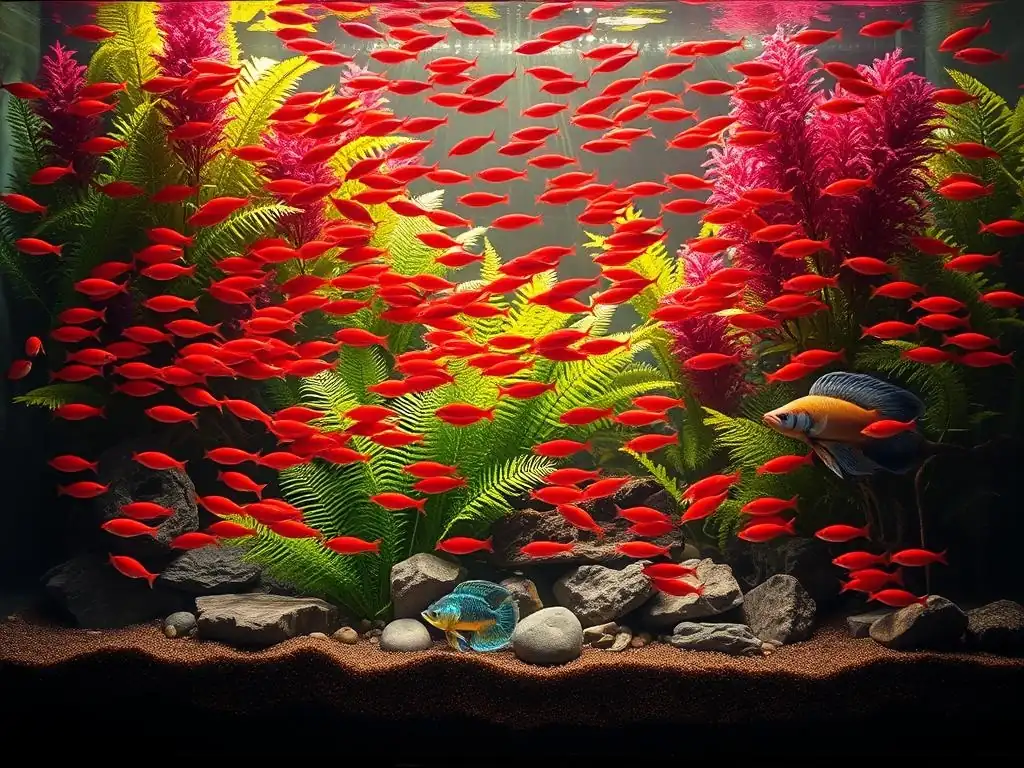
Welcome to Aquarium Mastery, where your underwater dreams become reality!
Ever wondered how to unlock the vibrant beauty of the Red Phantom Tetra? This dazzling fish can transform your freshwater aquarium into a living masterpiece. Dive into our comprehensive Red Phantom Tetra Care Guide to discover the secrets to their health, happiness, and stunning crimson glow. Intrigued? Let's explore the world of these captivating creatures and learn how to make them thrive in your own aquatic kingdom...
- Introduction to Red Phantom Tetras: A Captivating Addition to Your Freshwater Tank
- Understanding Red Phantom Tetra Care: Essential Guidelines
- Red Phantom Tetra Health and Disease Prevention
- Red Phantom Tetra Breeding: A Comprehensive Guide
- Troubleshooting Common Red Phantom Tetra Care Issues
- Red Phantom Tetra vs. Other Tetra Species: A Comparison
- Tips for Thriving Red Phantom Tetras: Advanced Care Practices
- Conclusion: Mastering Red Phantom Tetra Care and Enjoying Their Beauty
- Frequently Asked Questions
- Final Reflection: Embracing the Delicate Dance of Life
- Ignite Your Aquarium: Bring Home the Red Phantom Tetra!
Introduction to Red Phantom Tetras: A Captivating Addition to Your Freshwater Tank
Why Choose Red Phantom Tetras for Your Aquarium?
Red Phantom Tetras (scientific name: Hyphessobrycon sweglesi) are an exceptional choice for aquarists seeking to add a vibrant splash of color and dynamic movement to their freshwater setup. Their striking crimson to reddish-orange coloration, particularly in males, makes them stand out against green aquatic plants and dark substrates. These active, schooling fish exhibit fascinating social behaviors, moving in synchronized patterns that create a living, flowing display in the aquarium. Their relatively peaceful nature and moderate size, typically reaching about 1.5 to 2 inches (3.8 to 5 cm) in length, make them suitable for a wide range of community tanks.
Beyond their aesthetic appeal, Red Phantom Tetras are also valued for their relatively straightforward care requirements, making them an excellent option for both novice and experienced hobbyists looking to enhance their aquatic environments. They adapt well to stable aquarium conditions and, when provided with a proper Red phantom tetra care guide, can thrive for several years, often living 3 to 5 years or even longer with optimal conditions. Their robust nature, combined with their captivating beauty, ensures they are a rewarding addition to any well-maintained freshwater aquarium.
Overview of the Red Phantom Tetra's Natural Habitat and Appearance
The Red Phantom Tetra originates from the slow-moving, densely vegetated tributaries and floodplains of the Amazon River basin in South America, particularly in regions of Brazil and Bolivia. They are often found in blackwater environments, where the water is stained dark by tannins from decaying leaves and wood, providing a naturally dim and acidic habitat. These conditions contribute to their vibrant coloration, as the dark surroundings help their red hues appear even more intense. Understanding their natural habitat is crucial for providing effective Red phantom tetra care.
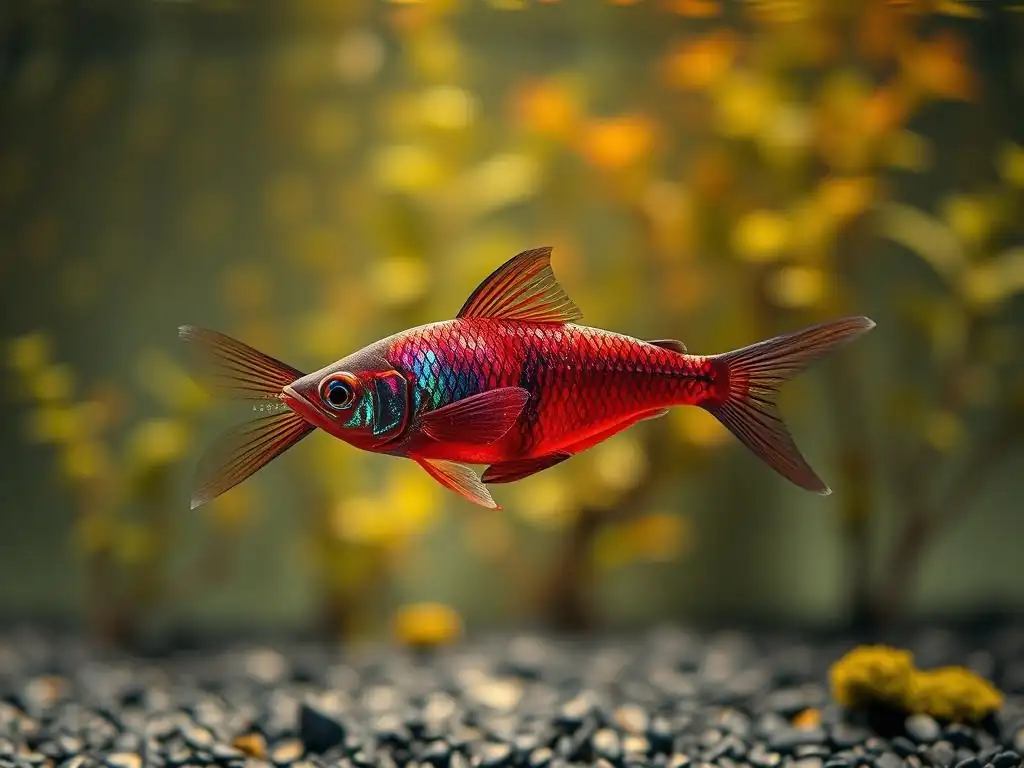
In terms of appearance, the Red Phantom Tetra possesses a distinctive and elegant look. Their bodies are semi-transparent, allowing their internal organs to be faintly visible, but this translucency is beautifully contrasted by a prominent, deep reddish-orange to crimson coloration, which is particularly pronounced on the fins and along the lateral line.
A defining characteristic is the large, dark, ovoid spot located just behind the gill plate, often edged with iridescent white or gold scales, which serves as a striking focal point. Males are typically more intensely colored and possess longer, more pointed dorsal fins, while females tend to be plumper, especially when gravid, and have a shorter, more rounded dorsal fin.
Understanding Red Phantom Tetra Care: Essential Guidelines
Optimal Tank Setup for Red Phantom Tetras: Recreating Their Natural Environment
Tank Size Recommendations for Red Phantom Tetras
Providing an appropriately sized tank is fundamental to good Red phantom tetra care, allowing these schooling fish to exhibit natural behaviors and reduce stress. While a minimum of a 10-gallon (approx. 38 liters) tank might be suggested for a very small school of 6-8 individuals, a 20-gallon long (approx. 76 liters) or larger aquarium is significantly more beneficial.
A 20-gallon long tank offers more horizontal swimming space, which is ideal for their active nature and schooling dynamics. For a larger, more robust school of 10-12 Red Phantom Tetras, a 30-gallon (approx. 114 liters) or even a 40-gallon breeder tank (approx. 151 liters) is highly recommended, as it provides ample room for them to school freely without feeling cramped.
The importance of sufficient tank size cannot be overstated for Red Phantom Tetras. In smaller tanks, even if water parameters are maintained, these fish can become stressed, leading to faded coloration, increased aggression among males, or susceptibility to disease. A larger tank also provides greater water volume, which helps dilute waste products and maintain more stable water chemistry, simplifying the overall Red phantom tetra care guide.
Substrate and Decoration Ideas for Red Phantom Tetra Tanks
To recreate the Red Phantom Tetra's natural habitat and enhance their vibrant coloration, the choice of substrate and decorations plays a significant role. A dark-colored substrate, such as fine gravel or sand, is highly recommended. This not only mimics the dark, tannin-stained waters they inhabit in the wild but also helps to bring out their intense red and orange hues by providing a contrasting background. Light-colored substrates can sometimes make them appear washed out or stressed.
For decorations, a heavily planted aquarium is ideal. Live plants like Java Fern, Anubias, Cryptocoryne species, and various Amazon Swords provide ample hiding spots, visual barriers, and areas for exploration. Dense planting along the back and sides of the tank, with open swimming space in the foreground, strikes a perfect balance. Adding driftwood and smooth, rounded rocks further enhances the natural aesthetic and provides additional cover. These elements contribute to a secure environment, which is a crucial aspect of comprehensive Red phantom tetra care.
Maintaining Ideal Water Parameters for Red Phantom Tetras
Maintaining stable and appropriate water parameters is paramount for the health and longevity of Red Phantom Tetras. These fish thrive in soft to moderately hard, slightly acidic to neutral water, mirroring their Amazonian origins. The ideal temperature range for Red Phantom Tetras is between 72-80°F (22-27°C). A consistent temperature within this range prevents stress and supports their metabolic functions.
The target pH level should be between 6.0 and 7.5, with a general hardness (GH) ranging from 5 to 15 dGH. It is crucial to monitor ammonia and nitrite levels, which should always be at 0 parts per million (ppm), and nitrates, which should be kept below 20 ppm.
Regular weekly water changes of 25-30% are essential to dilute accumulated nitrates and replenish essential minerals. A well-cycled filtration system (preferably a hang-on-back or canister filter) that provides both mechanical and biological filtration is vital for maintaining pristine water quality, which is a cornerstone of any effective Red phantom tetra care guide.
Red Phantom Tetra Diet and Feeding: Ensuring Proper Nutrition
What Do Red Phantom Tetras Eat?
Red Phantom Tetras are omnivores, and in their natural habitat, their diet consists primarily of small invertebrates, insect larvae, tiny crustaceans, and some plant matter. This varied diet is crucial for their health and vibrant coloration. In an aquarium setting, providing a diverse diet that mimics their natural food sources is a key component of proper Red phantom tetra care. They are generally not picky eaters, readily accepting a variety of commercially available foods.
A balanced diet is essential to prevent nutritional deficiencies and enhance their immune system. While they will accept most flake foods, relying solely on one type of food can lead to health issues over time. Incorporating live and frozen options provides essential proteins, vitamins, and minerals that are often less concentrated in dry foods.
Recommended Feeding Schedule and Food Types
For optimal health and color, Red Phantom Tetras should be fed small amounts 2 to 3 times a day, only what they can consume within 2 to 3 minutes. Overfeeding can lead to poor water quality, which in turn can cause health problems. The staple of their diet should be high-quality flake food or micro-pellets specifically formulated for small omnivorous fish. These should be rich in spirulina or other color-enhancing ingredients.
To supplement their staple diet, offer live or frozen foods several times a week. Excellent choices include brine shrimp, daphnia, bloodworms, and mosquito larvae. These protein-rich foods not only provide vital nutrients but also encourage natural hunting behaviors, contributing to their overall well-being. For instance, a typical feeding schedule might involve flake food in the morning and evening, with frozen brine shrimp or bloodworms offered during a midday feeding two or three times a week. This comprehensive feeding strategy is a vital aspect of a thorough Red phantom tetra care guide.
Red Phantom Tetra Temperament and Compatibility: Choosing the Right Tank Mates
Are Red Phantom Tetras Peaceful Fish?
Red Phantom Tetras are generally peaceful schooling fish, making them excellent candidates for community aquariums. Their peaceful disposition is most evident when they are kept in appropriate group sizes. It is crucial to maintain a school of at least 6 to 8 individuals; ideally, a group of 10 or more is recommended. When kept in smaller numbers, Red Phantom Tetras can become shy, stressed, or, in some cases, may exhibit fin-nipping behavior towards other tank mates, especially those with long, flowing fins. This behavior is usually a sign of insecurity or insufficient space to establish their social hierarchy.
While generally peaceful, males will often engage in mock battles or fin-flaring displays with each other to establish dominance within the school. These displays are typically harmless and are a natural part of their social dynamics, adding an interesting element to their behavior. Providing ample space and visual breaks through planting helps to diffuse any potential tension, making the Red phantom tetra care guide more effective.
Suitable Tank Mates for Red Phantom Tetras in a Community Aquarium
Choosing appropriate tank mates is essential for a harmonious community aquarium. Red Phantom Tetras do best with other peaceful, similarly sized fish that prefer similar water parameters. Excellent companions include other small to medium-sized tetras such as Neon Tetras, Cardinal Tetras, Ember Tetras, or Glowlight Tetras, which also benefit from schooling. Other suitable tank mates include various species of Rasboras (e.g., Harlequin Rasboras, Chili Rasboras), Corydoras catfish, and Otocinclus catfish, all of which are peaceful bottom dwellers.
Peaceful dwarf cichlids, such as German Blue Rams or Bolivian Rams, can also coexist well with Red Phantom Tetras, provided the tank is sufficiently large and offers plenty of hiding spots. These fish occupy different levels of the water column, minimizing direct competition. The key is to select species that are not overly aggressive or large enough to view the tetras as food, ensuring a stress-free environment that supports optimal Red phantom tetra care.
Fish to Avoid Keeping with Red Phantom Tetras
To maintain a peaceful and safe environment for your Red Phantom Tetras, certain fish species should be avoided. Any large, aggressive, or predatory fish are unsuitable tank mates. This includes larger cichlids like Oscars, Jack Dempseys, or Arowanas, which would view Red Phantom Tetras as a food source. Even moderately aggressive fish that are known fin-nippers, if not kept in appropriate groups themselves, could potentially harass Red Phantoms, especially if the tetras are in a small group.
Additionally, fish that require vastly different water parameters (e.g., very hard, alkaline water) should not be housed with Red Phantom Tetras, as maintaining conflicting parameters would be detrimental to at least one species. Fast-moving, boisterous fish that might outcompete the more delicate tetras for food should also be considered carefully. Adhering to these guidelines is a critical aspect of a comprehensive Red phantom tetra care guide, preventing stress and promoting the well-being of your fish.
Red Phantom Tetra Health and Disease Prevention
Common Red Phantom Tetra Diseases and Symptoms
Like all aquarium fish, Red Phantom Tetras are susceptible to various common freshwater diseases, especially if water quality is poor or they are under stress. One of the most prevalent diseases is Ich (Ichthyophthirius multifiliis), commonly known as white spot disease, which manifests as tiny white spots resembling grains of salt on the fish's body and fins.
Other common ailments include Fin Rot, characterized by frayed, discolored, or deteriorating fins, often caused by bacterial infections or poor water conditions. Fungal infections, appearing as white, cotton-like growths on the body or fins, can also affect them, usually as a secondary infection following injury or stress.
Symptoms of illness often include lethargy, clamped fins (fins held close to the body), loss of appetite, faded coloration, abnormal swimming patterns (e.g., darting, rubbing against tank decor), or visible lesions. For example, a Red Phantom Tetra suffering from Swim Bladder Disease might struggle to maintain buoyancy, either floating at the surface or sinking to the bottom. Observing these signs early is crucial for effective Red phantom tetra care and treatment.
Preventing Illness in Your Red Phantom Tetra Tank: Proactive Measures
Prevention is always better than cure when it comes to fish health, and this holds true for Red phantom tetra care. Maintaining excellent water quality is the single most important preventative measure. This involves regular water testing to ensure ammonia and nitrite levels are zero, and nitrates are consistently below 20 ppm. Performing weekly water changes of 25-30% helps to dilute nitrates and replenish essential minerals, preventing the buildup of harmful toxins.
A balanced and varied diet, as previously discussed, is vital for boosting their immune system. Avoid overfeeding, which leads to excess waste and degrades water quality. Overcrowding should also be avoided, as it stresses fish, increases aggression, and contributes to poor water conditions. Perhaps one of the most critical proactive measures is quarantining new fish for at least 2 to 4 weeks in a separate tank before introducing them to your main aquarium. This practice significantly reduces the risk of introducing diseases into your established community, making your Red phantom tetra care guide more robust.
Treating Sick Red Phantom Tetras: A Step-by-Step Guide
If a Red Phantom Tetra shows signs of illness, prompt action can significantly improve the chances of recovery. First, try to accurately identify the specific disease based on the observed symptoms. If possible, isolate the sick fish in a hospital tank (a separate smaller tank) to prevent the spread of disease and allow for targeted treatment without affecting the main tank's inhabitants or beneficial bacteria.
For Ich, a common treatment involves slowly raising the hospital tank's temperature to 82-84°F (28-29°C) over 24 hours, combined with an appropriate Ich medication containing ingredients like malachite green or formalin, following the manufacturer's instructions precisely. For bacterial infections such as fin rot, broad-spectrum antibacterial medications are often effective. Always remove activated carbon from the filter during medication, as it will absorb the treatment.
After the treatment period, perform a large water change (e.g., 50%) in the hospital tank and add fresh activated carbon to remove any remaining medication. Continuously monitor the fish for signs of improvement, and only return it to the main tank once fully recovered and after the quarantine period. This systematic approach is a key part of effective Red phantom tetra care.
Red Phantom Tetra Breeding: A Comprehensive Guide
Creating a Breeding Environment for Red Phantom Tetras
Breeding Red Phantom Tetras can be a rewarding experience, but it requires specific conditions to encourage spawning and ensure the survival of the fry. A dedicated breeding tank is highly recommended, typically a 5 to 10-gallon (19-38 liter) aquarium. The water in this tank should be soft and acidic, mimicking their natural breeding grounds. Aim for a pH between 5.5 and 6.5 and a general hardness (GH) of 2-4 dGH. The temperature should be maintained slightly higher than their regular tank, around 75-79°F (24-26°C).
The breeding tank should have very dim lighting or be located in a dimly lit area, as Red Phantom Tetras are egg scatterers and their eggs are light-sensitive. Provide plenty of fine-leaved plants, such as Java Moss, or artificial spawning mops for the fish to deposit their eggs on. A bare bottom tank or a tank with a mesh false bottom (elevated above the substrate) is advisable to prevent the parent fish from eating the eggs after spawning. A gentle sponge filter is sufficient for filtration, as strong currents can harm the delicate eggs and fry.
Identifying Male and Female Red Phantom Tetras for Breeding
Accurately identifying male and female Red Phantom Tetras is crucial for successful breeding. Males are typically more intensely colored, especially their signature reddish-orange hue, and their overall body shape tends to be more slender. The most distinguishing feature of the male is his dorsal fin, which is significantly longer and more pointed than that of the female. When displaying, males will often flair their fins, showcasing their vibrant colors.
Females, on the other hand, are generally rounder and plumper in the body, particularly when they are gravid (carrying eggs). Their dorsal fin is noticeably shorter and more rounded compared to the male's. While females still possess the characteristic black spot, their overall coloration may be slightly less intense than a male's. Observing a school for these subtle differences over time will help in selecting a healthy, well-conditioned pair or trio for breeding.
The Red Phantom Tetra Breeding Process: Egg Laying and Hatching
Once you have conditioned your chosen Red Phantom Tetras with a diet rich in live and frozen foods for a week or two, introduce them to the prepared breeding tank, preferably in the evening. Spawning typically occurs the following morning, often triggered by the rising sun or a gradual increase in ambient light. The male will pursue the female, and spawning will take place among the fine-leaved plants or spawning mops, with the female scattering small, clear, adhesive eggs. A single female can lay anywhere from 100 to 200 eggs.
After spawning has concluded, which usually takes a few hours, it is imperative to remove the adult fish from the breeding tank immediately. Red Phantom Tetras are notorious egg eaters, and if left in the tank, they will quickly consume their own offspring. The eggs are quite small and translucent, making them difficult to spot. Under optimal conditions, the eggs will typically hatch within 24 to 36 hours.
Caring for Red Phantom Tetra Fry: Raising Healthy Young
Caring for Red Phantom Tetra fry requires meticulous attention due to their extremely small size and delicate nature. Once the eggs hatch, the fry will remain largely immobile, absorbing nutrients from their yolk sacs for the first 3 to 5 days. After this period, they will become free-swimming and begin actively searching for food. At this stage, their initial food source must be microscopic. Infusoria (microscopic organisms) or specialized liquid fry food are ideal for the first few days.
After approximately one week, once they have grown slightly, they can be transitioned to newly hatched brine shrimp or microworms, which provide essential protein for rapid growth. Feed the fry small amounts multiple times a day to ensure constant availability of food. Water quality is paramount; perform small, frequent water changes (10-20% daily or every other day) using a drip method to avoid shocking the delicate fry.
A gentle air stone can provide aeration without creating strong currents. Consistent care during this critical stage is vital for successfully raising healthy Red Phantom Tetra fry, a challenging but rewarding part of advanced Red phantom tetra care.
Troubleshooting Common Red Phantom Tetra Care Issues
Addressing Faded Coloration in Red Phantom Tetras
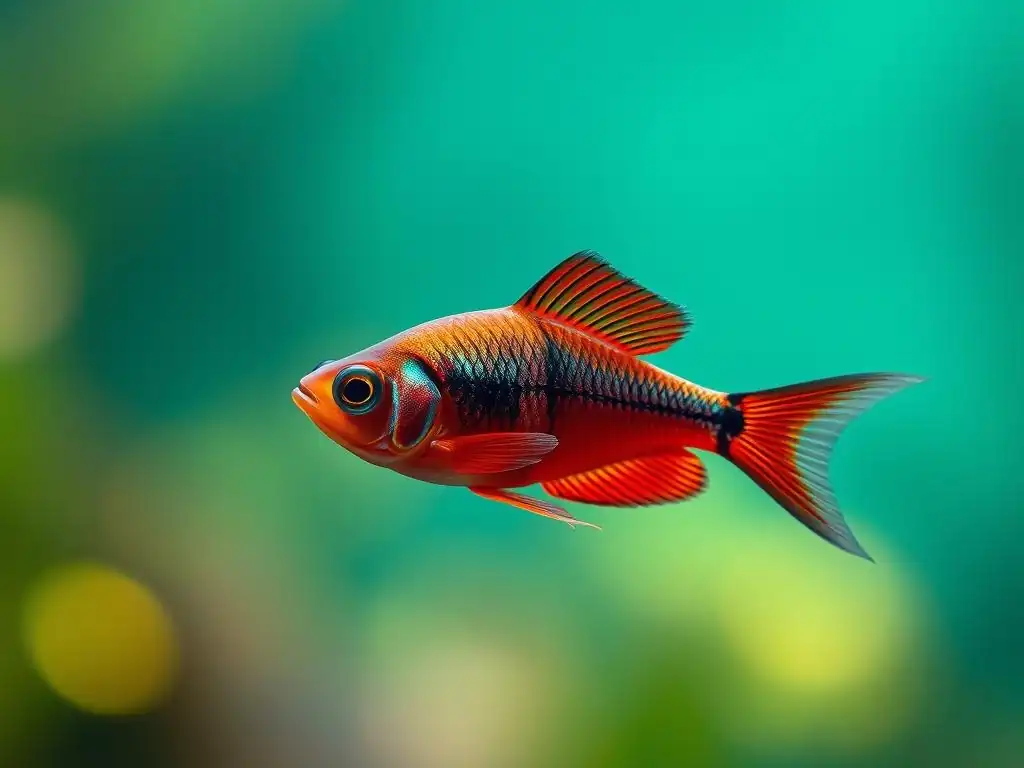
Faded coloration in Red Phantom Tetras is a common concern for aquarists and often serves as an early indicator of underlying issues that require attention in your Red phantom tetra care routine. The vibrant crimson and reddish-orange hues, especially prominent in healthy males, can diminish significantly if the fish are stressed, housed in poor conditions, or experiencing dietary deficiencies. One of the primary causes of color loss is poor water quality.
High levels of nitrates (above 20 ppm), fluctuating pH, or improper temperature can all contribute to stress, leading to a dull appearance. It is crucial to regularly test your water parameters and maintain them within the ideal ranges of 72-80°F (22-27°C) temperature, pH 6.0-7.5, and low nitrates.
Another significant factor is diet. If the Red Phantom Tetras are not receiving a varied and nutritious diet, particularly one rich in carotenoids, their colors will fade. Supplementing their staple flake food with color-enhancing foods containing ingredients like astaxanthin, along with regular servings of live or frozen foods such as bloodworms and brine shrimp, can dramatically improve their vibrancy.
Furthermore, an insufficient school size (less than 6-8 individuals) can cause stress and shyness, leading to faded colors. Ensuring they are in a large, stable school and providing a dark substrate and dim lighting will help them feel secure and display their best coloration.
Resolving Aggression Issues Among Red Phantom Tetras
While generally peaceful, Red Phantom Tetras can exhibit aggression, particularly fin-nipping, which is often directed towards each other or towards tank mates with long, flowing fins. This behavior is usually a symptom of stress rather than inherent aggression and can be resolved by addressing specific environmental factors within your Red phantom tetra care plan. The most common cause of aggression is an insufficient school size. When kept in groups smaller than 6-8 individuals, Red Phantom Tetras lack the security and social structure of a larger school, which can lead to increased stress and territorial disputes among individuals.
To mitigate aggression, increase the school size to 8-10 or more Red Phantom Tetras if your tank size permits. In a larger group, aggression is typically diffused among many individuals, and they feel more secure, leading to a reduction in nipping. For example, in a 20-gallon long tank, a school of 8 Red Phantoms is preferable to 4.
Providing ample hiding spots and visual barriers through dense planting and driftwood also helps. This allows individual fish to retreat and break lines of sight, reducing direct confrontations. Ensuring the tank is not overcrowded with other species and that all inhabitants have sufficient space is also vital.
Dealing with Water Quality Problems Affecting Red Phantom Tetras
Water quality problems are arguably the most common cause of health issues and stress in Red Phantom Tetras, and addressing them is a cornerstone of effective Red phantom tetra care. Issues such as ammonia or nitrite spikes, or consistently high nitrate levels, can quickly lead to illness and even death. Ammonia and nitrite should always be at 0 ppm in a healthy, cycled aquarium. High readings are typically indicative of a new tank that hasn't fully cycled, overfeeding, or insufficient filtration.
If you detect ammonia or nitrite, perform large water changes immediately (e.g., 50% or more) and continue daily large water changes until readings are zero. Reduce feeding to a minimum during this period. For persistently high nitrate levels (above 20 ppm), which are the end product of the nitrogen cycle, insufficient water changes are usually the culprit. Increase the frequency or volume of your weekly water changes; for instance, instead of 25% once a week, consider 30-40% twice a week.
Ensure your filter media is clean and functioning efficiently. Adding live plants can also help absorb nitrates. Regular water testing (at least weekly) is essential to catch and correct water quality issues before they severely impact your Red Phantom Tetras' health.
Red Phantom Tetra vs. Other Tetra Species: A Comparison
Red Phantom Tetra vs. Black Phantom Tetra: Key Differences
The Red Phantom Tetra and Black Phantom Tetra ( Hyphessobrycon megalopterus) are closely related species within the Hyphessobrycon genus, sharing similar body shapes and schooling behaviors, but they possess distinct visual differences and subtle care nuances. The most obvious distinction lies in their coloration: Red Phantom Tetras exhibit a vibrant reddish-orange to crimson hue, especially on their fins and often along their bodies, complemented by a prominent black spot behind the gill plate.
Black Phantom Tetras, conversely, have a silvery-grey to almost black body, with a very pronounced, velvety black spot that often appears more intense than that of their red counterparts.
Another key difference is in their fin morphology, particularly noticeable in males. Male Red Phantom Tetras have a longer, more pointed dorsal fin. Male Black Phantom Tetras are renowned for their strikingly elongated, flowing dorsal and anal fins, which are often tipped with white, adding to their dramatic appearance.
Both species are peaceful and require similar Red phantom tetra care regarding water parameters (soft, acidic to neutral water, 72-80°F), diet, and the need for a school of at least 6-8 individuals. However, Black Phantoms might be slightly shyer and prefer tanks with more subdued lighting and ample hiding spots to truly thrive.
Red Phantom Tetra vs. Ember Tetra: Choosing the Right Tetra for Your Tank
When comparing the Red Phantom Tetra with the Ember Tetra ( Hyphessobrycon amandae), the primary differences lie in size, coloration, and the minimum tank requirements. Red Phantom Tetras are significantly larger, typically reaching 1.5 to 2 inches (3.8-5 cm) in length, and are characterized by their distinct black spot and deeper red-orange body and fin coloration. Ember Tetras, on the other hand, are among the smallest tetra species, usually growing to only 0.8 to 1 inch (2-2.5 cm). Their entire body is a uniform, brilliant orange-red, and they lack the prominent black spot seen on Phantoms.
Due to their size difference, the minimum tank requirements vary. While Red Phantoms thrive in 10-gallon tanks (with 20-gallon long being ideal for a school), Ember Tetras can be comfortably housed in smaller nano tanks, with a 5-10 gallon (19-38 liter) tank being suitable for a school of 8-10 individuals.
Both are peaceful schooling fish and excellent community members, but the choice between them often comes down to the desired scale of fish in the aquarium and the available tank space. Ember Tetras are a perfect fit for smaller, heavily planted tanks, while Red Phantoms offer a more substantial presence in medium-sized community setups, requiring a comprehensive Red phantom tetra care guide.
Red Phantom Tetra vs. Cardinal Tetra: Comparing Appearance and Care
The Red Phantom Tetra and Cardinal Tetra ( Paracheirodon axelrodi) are both popular choices for adding vibrant color to freshwater aquariums, but they differ significantly in their appearance and have subtle distinctions in their care requirements. Cardinal Tetras are famed for their striking iridescent blue stripe positioned over a brilliant red stripe that extends the entire length of their body, from nose to tail. Unlike the Red Phantom, the Cardinal Tetra does not possess a distinct black spot behind the gill plate.
Red Phantom Tetras, while brilliantly colored, have a more localized red-orange hue and the characteristic black spot. In terms of size, both typically reach about 1.5 to 2 inches (3.8-5 cm).
Regarding care, both species are schooling fish and thrive in similar temperature ranges (72-80°F or 22-27°C). However, Cardinal Tetras generally prefer softer and more acidic water conditions (pH 4.5-6.5, GH 1-5 dGH) than Red Phantom Tetras, which are slightly more adaptable to a broader pH range (6.0-7.5). Cardinal Tetras are also often considered slightly more sensitive to water parameter fluctuations and require very stable, pristine water quality to prevent stress and disease.
While both are peaceful, the Cardinal Tetra's specific water parameter preference makes it a more specialized choice compared to the slightly more adaptable Red Phantom Tetra. A detailed Red phantom tetra care guide will often highlight this adaptability.
Tips for Thriving Red Phantom Tetras: Advanced Care Practices
Enhancing Red Phantom Tetra Coloration Through Diet and Lighting
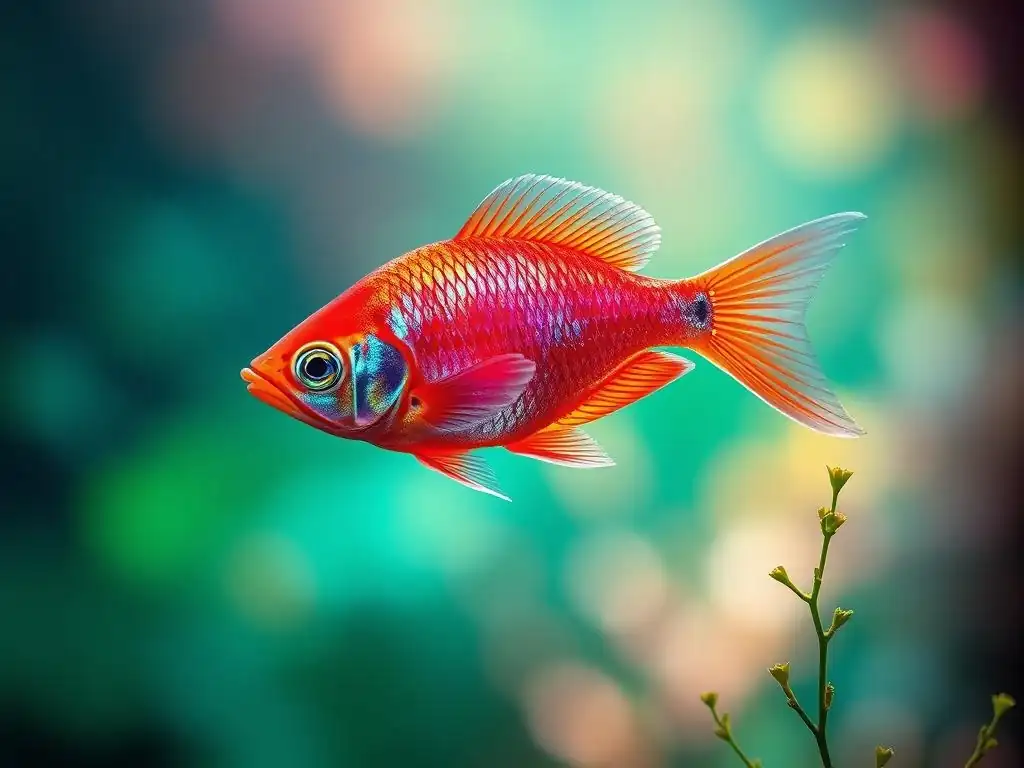
To truly maximize the vibrant crimson and reddish-orange hues of your Red Phantom Tetras, advanced Red phantom tetra care focuses on specific dietary and lighting strategies. Diet plays a crucial role; incorporating color-enhancing foods that are rich in natural carotenoids is essential. Look for flake foods or micro-pellets that list ingredients like spirulina, astaxanthin, or other natural pigments.
For instance, feeding a high-quality spirulina-based flake food daily, supplemented with freeze-dried or frozen bloodworms and brine shrimp 2-3 times a week, can significantly intensify their coloration. The astaxanthin found in crustaceans like brine shrimp directly contributes to the red and orange pigments in fish.
Lighting also influences their perceived coloration. Red Phantom Tetras originate from blackwater habitats, which are naturally dim. Overly bright aquarium lighting can stress them, causing their colors to fade. Using moderate to dim lighting, or incorporating floating plants to diffuse light, will help them feel more secure and display their most intense colors. A dark substrate and a dark background in the aquarium also provide a strong contrast, making their red hues appear even more striking to the observer.
Creating a Stress-Free Environment for Red Phantom Tetras
A stress-free environment is paramount for the long-term health and vibrancy of Red Phantom Tetras. One of the most important aspects of advanced Red phantom tetra care is maintaining a stable and sufficiently large school. Aim for a group of at least 8-10 individuals, as this allows them to exhibit natural schooling behaviors, reducing individual stress and aggression. In a larger school, any minor squabbles are diffused among more fish, preventing one individual from being constantly picked on.
Providing ample hiding spots and visual barriers is also critical. Dense planting, particularly along the back and sides of the tank with species like Java Moss, Anubias, or Sword Plants, offers refuge and breaks lines of sight, which is particularly important for males establishing their hierarchy. Driftwood and smooth rocks can also contribute to a complex and secure environment. Additionally, ensure a consistent day/night cycle for lighting and minimize sudden movements, loud noises, or vibrations near the aquarium, as these can startle and stress the fish.
Maintaining Optimal Water Chemistry for Long-Term Red Phantom Tetra Health
Beyond the basic parameters, maintaining optimal water chemistry for the long term is a key component of advanced Red phantom tetra care. While they are relatively adaptable, consistency is vital. Regular, precise water testing (at least weekly) using a reliable liquid test kit for pH, ammonia, nitrite, and nitrate is indispensable.
Even small, gradual shifts in pH or hardness can cause chronic stress. If your tap water is inherently unsuitable (e.g., very hard and alkaline), consider using a blend of reverse osmosis (RO) or deionized (DI) water remineralized to target specific parameters (pH 6.5-7.0, GH 5-8 dGH), especially if you plan to breed them.
Implementing a robust filtration system, such as a canister filter or a high-quality hang-on-back filter with ample biological media, ensures efficient removal of waste products. Regular filter maintenance, including cleaning mechanical media and rinsing biological media in old tank water, prevents filter clogs and preserves beneficial bacteria. Finally, consider adding natural elements like Indian Almond Leaves (Ketapang leaves) or alder cones to the aquarium. These slowly release tannins into the water, mimicking their natural blackwater environment, which can slightly lower pH, provide mild antiseptic properties, and enhance their comfort and coloration, thus enriching your Red phantom tetra care efforts.
Conclusion: Mastering Red Phantom Tetra Care and Enjoying Their Beauty
Mastering Red phantom tetra care is a rewarding endeavor that brings vibrant life and dynamic beauty to any freshwater aquarium. By adhering to the essential guidelines outlined in this comprehensive Red phantom tetra care guide, aquarists can ensure their Red Phantom Tetras not only survive but truly thrive.
This includes providing an appropriately sized tank, ideally 20 gallons long or larger for a school of 8-10, with a dark substrate and dense live planting that mimics their natural Amazonian habitat. Maintaining stable water parameters—temperatures between 72-80°F (22-27°C), a pH of 6.0-7.5, and soft to moderately hard water—is crucial for their health and coloration.
A balanced and varied diet, incorporating high-quality flakes, micro-pellets, and regular supplements of live or frozen foods, is key to enhancing their striking crimson hues and boosting their immune system. Furthermore, understanding their peaceful, schooling temperament and selecting compatible tank mates while avoiding aggressive species ensures a harmonious community.
By diligently preventing common diseases through pristine water quality, balanced nutrition, and appropriate quarantine practices, and by applying advanced care techniques for coloration and stress reduction, you can enjoy the mesmerizing beauty and active schooling behavior of these captivating fish for many years to come. The Red Phantom Tetra is truly a splash of crimson fire, and with proper Red phantom tetra care, it will undoubtedly become a cherished centerpiece in your aquatic world.
Frequently Asked Questions
How difficult is it to care for Red Phantom Tetras?
Red Phantom Tetras are generally considered easy to care for, making them suitable for beginner to intermediate aquarists. They are relatively hardy and adapt well to various tank conditions as long as water parameters are stable.
What size tank do Red Phantom Tetras need?
A minimum of 20 gallons is recommended for a small school of Red Phantom Tetras (6-8 individuals). This allows them ample space to swim and display their natural schooling behavior.
What are the ideal water parameters for Red Phantom Tetras?
Red Phantom Tetras thrive in slightly acidic and soft water, with a pH between 6.0 and 7.0 and a temperature of 72-78°F (22-26°C). Regular water changes are crucial to maintain water quality.
What should I feed my Red Phantom Tetras?
They are omnivores and will accept a variety of foods. A high-quality flake food should form the basis of their diet, supplemented with small live or frozen foods like daphnia, brine shrimp, and bloodworms.
Are Red Phantom Tetras peaceful fish?
Yes, Red Phantom Tetras are peaceful and should be kept in a community aquarium with other similarly sized, non-aggressive fish. Avoid keeping them with fin-nipping species.
Final Reflection: Embracing the Delicate Dance of Life
The journey of understanding and caring for the Red Phantom Tetra, as explored in this guide, is more than just mastering aquarium husbandry; it's about appreciating the fragile beauty and interconnectedness of life within a miniature ecosystem. In a world often dominated by the grand and the overwhelming, these tiny crimson flashes remind us of the profound impact even the smallest creatures can have, and the responsibility we bear in ensuring their well-being.
The allure of the Red Phantom Tetra extends beyond its vibrant color; it represents a commitment to nurturing life, fostering a sense of tranquility, and creating a microcosm of natural harmony. My own experience with these fish has instilled a deeper appreciation for the delicate balance of nature and the rewarding feeling of providing a thriving environment. In the end, we will conserve only what we love; we will love only what we understand; and we will understand only what we are taught.
- Baba Dioum. This quote encapsulates the essence of responsible aquarium keeping and the importance of sharing knowledge to inspire conservation.
As you embark on, or continue, your journey with the Red Phantom Tetra, I encourage you to reflect on the broader implications of your actions. Consider the ripple effect of your choices, not just within your aquarium, but in the wider world. Let the vibrant life of these crimson phantoms inspire you to cultivate a deeper connection with nature, embrace responsibility, and contribute to a more sustainable future.
Ignite Your Aquarium: Bring Home the Red Phantom Tetra!
Thank you for diving into the world of Red Phantom Tetras! We hope this guide has illuminated the path to successfully keeping these stunning fish. Now, it's time to take the plunge and bring some crimson fire to your own aquarium.
Here are a few ways to continue your journey:
- Start Planning! Outline your aquarium setup with Red Phantom Tetras in mind. Research compatible tank mates and create a biotope that will allow them to thrive.
- Share this article with your fellow aquarium enthusiasts. Help spread the joy of keeping these captivating creatures.
- Delve deeper! Explore other fascinating tetra species on Aquarium Mastery and expand your knowledge of the aquatic world.
What unique aquascaping idea are you most excited to implement for your Red Phantom Tetras?