
Friend or Foe? Identifying Bacterial, Fungal, and Parasitic Invaders in Your Tank

Welcome to Aquarium Mastery!
Ever wondered if that subtle change in your saltwater aquarium is a sign of something more sinister lurking beneath the surface? Dive into our comprehensive guide on Saltwater aquarium bacterial infections and learn how to distinguish between beneficial bacteria and dangerous invaders. Prepare to unlock the secrets to a thriving aquatic ecosystem and protect your finned friends from unseen threats! Are you ready to become a true aquarium master?
- Understanding Aquarium Diseases: A Guide for Saltwater Aquarists
- Bacterial Infections in Saltwater Aquariums: Identification and Treatment
- Fungal Infections in Saltwater Aquariums: A Growing Concern
- Parasitic Infections in Saltwater Aquariums: A Persistent Threat
- Preventing Disease Outbreaks in Your Saltwater Aquarium
- Distinguishing Between Bacterial, Fungal, and Parasitic Infections: A Quick Reference Guide
- Seeking Expert Advice for Saltwater Aquarium Fish Diseases
-
Frequently Asked Questions
- What are the most common signs of a bacterial infection in a saltwater aquarium?
- How can I differentiate between a bacterial, fungal, and parasitic infection in my saltwater tank?
- What role does water quality play in preventing saltwater aquarium bacterial infections?
- What are some effective treatments for bacterial infections in saltwater fish?
- How can I proactively prevent bacterial infections from occurring in my saltwater aquarium?
- Final Reflection: Navigating the Microbial Seas
- Transform Your Tank: Spot, Act, and Protect!
Understanding Aquarium Diseases: A Guide for Saltwater Aquarists
The Importance of Early Disease Detection in Saltwater Aquariums
In the intricate, self-contained world of a saltwater aquarium, diseases can spread with alarming speed. A seemingly minor health issue in one fish can rapidly escalate into a widespread outbreak, potentially decimating an entire tank community. Given the delicate balance of marine ecosystems and the often high cost of saltwater inhabitants, early detection of any health anomalies, including potential saltwater aquarium bacterial infections, is not merely a recommendation but a critical necessity for responsible aquarists.
Proactive observation and swift action significantly increase the chances of successful treatment and recovery. Identifying the initial subtle signs of illness, such as changes in behavior, appetite, or slight physical alterations, allows for targeted intervention before the pathogen gains a firm foothold. This not only minimizes stress on the affected fish but also reduces the need for extensive, often expensive, medication regimens and prevents the devastating loss of marine life that can result from unchecked disease progression.
Recognizing Common Symptoms of Fish Disease
Observing your fish daily is the cornerstone of disease prevention and early detection. General symptoms of ill health can manifest in various ways, encompassing both behavioral changes and physical alterations. Behavioral indicators often include lethargy, hiding excessively, refusing food, rapid or labored breathing (gilling), erratic swimming patterns, or rubbing their bodies against tank decor, commonly known as "flashing."
Physical symptoms, on the other hand, might include discoloration, faded colors, white spots or fuzzy growths on the body or fins, frayed or clamped fins, ulcers, lesions, cloudy eyes, or bulging eyes (pop-eye). While these general signs can point to a range of issues—from poor water quality to parasitic infestations—they serve as crucial alerts that warrant immediate investigation to determine if the cause is a saltwater aquarium bacterial infection, a fungal issue, or a parasitic invader.
Bacterial Infections in Saltwater Aquariums: Identification and Treatment
What are Saltwater Aquarium Bacterial Infections?
Saltwater aquarium bacterial infections are illnesses caused by pathogenic bacteria that proliferate in the marine environment and attack fish, often when their immune systems are compromised. These bacteria are typically opportunistic, meaning they are present in most aquariums but only cause disease when conditions are unfavorable for the fish, such as poor water quality, overcrowding, stress from bullying, or physical injuries that break the fish's protective slime coat. Common bacterial genera implicated include Aeromonas, Pseudomonas, and Vibrio.
These infections can manifest in various forms, ranging from external lesions and fin damage to severe internal organ damage and systemic septicemia. External bacterial infections, like fin rot or ulcers, are often more visible and easier to diagnose in their early stages. However, internal bacterial infections can be more insidious, causing symptoms like bloating, loss of balance, or general wasting, making them challenging to identify until the disease is advanced.
Common Types of Saltwater Aquarium Bacterial Infections
Fin Rot: A Bacterial Infection Overview
Fin rot is one of the most frequently observed saltwater aquarium bacterial infections, characterized by the erosion and fraying of a fish's fins and tail. Initially, the edges of the fins may appear white or opaque, progressing to a ragged, tattered appearance as the tissue disintegrates. In severe cases, the entire fin can be lost, and the infection may spread to the fish's body, leading to more systemic issues.
This condition is typically caused by opportunistic bacteria such as Aeromonas or Pseudomonas that thrive in suboptimal water conditions, particularly high nitrate levels or fluctuating pH. While it can be a primary infection, fin rot often develops as a secondary infection following stress, injury, or another underlying health issue that weakens the fish's immune response. Prompt treatment is crucial to prevent the infection from reaching the body and causing irreversible damage.
Ulcers and Lesions: Identifying Bacterial Skin Infections
Bacterial skin infections in saltwater fish often present as ulcers or lesions, which are open sores or red, inflamed patches on the body. These can range from small, superficial abrasions to deep, crater-like wounds that expose underlying muscle tissue. They frequently begin as minor injuries from netting, aggression, or sharp decor, which then become infected by opportunistic bacteria present in the aquarium water.
If left untreated, these ulcers can rapidly worsen, becoming entry points for secondary infections by other bacteria or fungi, potentially leading to systemic illness and organ failure. The affected areas may show signs of tissue necrosis, appearing pale or discolored around the edges. Early identification and isolation of the affected fish are vital to prevent the infection from spreading and to initiate effective treatment for these significant saltwater aquarium bacterial infections.
Pop-Eye (Exophthalmia): Recognizing Symptoms and Causes
Pop-eye, or exophthalmia, is a condition where one or both of a fish's eyes bulge abnormally from its head. While it can be caused by various factors, including internal parasites, tumors, or gas bubble disease, it is frequently a symptom of a severe underlying saltwater aquarium bacterial infection. This can occur when bacteria cause fluid buildup behind the eye, leading to swelling and protrusion.
If pop-eye is caused by a bacterial infection, it often indicates a systemic issue, meaning the bacteria have spread throughout the fish's body. The affected eye may also appear cloudy, and the fish might show other signs of illness, such as lethargy or loss of appetite. Immediate investigation into water parameters and other potential stressors is essential, as untreated bacterial pop-eye can lead to blindness, permanent eye damage, or even death if the underlying infection is not addressed.
Diagnosing Bacterial Infections in Saltwater Fish
Observing Fish Behavior and Physical Appearance
Accurate diagnosis of saltwater aquarium bacterial infections begins with meticulous observation of your fish's behavior and physical appearance. Behavioral cues such as reduced activity, loss of appetite, abnormal swimming patterns (e.g., spiraling, darting), increased respiration rate (rapid gilling), or rubbing against tank objects (flashing) can all signal internal discomfort or irritation caused by bacterial pathogens. A fish that previously engaged actively with its tank mates but now isolates itself or hides more frequently is another strong indicator of distress.
Physically, look for specific changes like cloudy eyes, frayed or deteriorating fins (fin rot), red streaks on the body or fins, open sores or ulcers, abnormal swelling (e.g., dropsy, which can be bacterial), or patches of slime coat erosion. While some of these symptoms can overlap with fungal or parasitic infections, a combination of these signs, particularly the presence of lesions or fin damage, strongly points towards a bacterial origin. Documenting these observations daily helps track the progression and effectiveness of any initiated treatments.
Water Quality Testing: A Crucial Diagnostic Tool
Poor water quality is arguably the leading cause of stress and weakened immune systems in saltwater fish, making them highly susceptible to opportunistic pathogens, including those responsible for saltwater aquarium bacterial infections. Therefore, thorough water quality testing is an indispensable diagnostic step when fish show signs of illness. Elevated levels of ammonia (should be 0 ppm), nitrite (should be 0 ppm), or nitrate (ideally below 20 ppm) are significant stressors that compromise a fish's health and allow bacteria to proliferate.
Additionally, incorrect or fluctuating pH (optimal range 8.0-8.4) and salinity (optimal 1.023-1.025 specific gravity) can also severely weaken a fish's natural defenses. Even if bacterial pathogens are the direct cause of the symptoms, compromised water parameters are often the underlying reason the infection took hold. Addressing any water quality issues immediately, alongside targeted medication, is crucial for successful treatment and preventing future outbreaks.
Treatment Options for Saltwater Aquarium Bacterial Infections
Antibiotics for Saltwater Fish: A Comprehensive Guide
For confirmed cases of saltwater aquarium bacterial infections, antibiotics are the primary treatment. Broad-spectrum antibiotics such as Kanamycin (effective against Gram-negative bacteria often responsible for fin rot and internal infections), Erythromycin (targeting Gram-positive bacteria), or Furan-2 (nitrofurazone-based, effective for various external bacterial issues) are commonly used. These medications can be administered in several ways: via medicated food, as a bath treatment in the main display tank, or, ideally, in a dedicated quarantine tank.
When using antibiotics, it is crucial to follow the manufacturer's dosing instructions precisely and complete the full course of treatment, even if symptoms appear to improve. Prematurely stopping treatment can lead to a relapse and contribute to antibiotic-resistant bacterial strains. During treatment, remove activated carbon from the filtration system, as it will absorb the medication. While effective, antibiotics can also harm beneficial nitrifying bacteria, making treatment in a separate quarantine tank highly advisable to protect the main tank's biological filter.
Quarantine Tank Setup for Infected Fish
Setting up a dedicated quarantine tank (QT) is a fundamental practice for treating saltwater aquarium bacterial infections and preventing their spread. A QT provides a controlled environment where infected fish can be isolated and treated without exposing the main display tank's inhabitants, particularly sensitive corals and invertebrates, to medications that could harm them. This isolation also prevents the infection from spreading to healthy fish, which is paramount in a closed system.
A basic QT setup should include a bare-bottom tank (easier to clean and observe waste), a heater to maintain stable temperature, an air stone for oxygenation, and a sponge filter that has been pre-cycled or seeded with beneficial bacteria from the main tank's filter. Keeping the QT simple minimizes potential hiding spots and allows for clear observation of the fish's condition. Regularly monitoring water parameters in the QT is just as important as in the main tank to ensure a stable and low-stress environment for recovery.
The Role of Water Changes in Treating Bacterial Infections
Regular, partial water changes play a critical role in both the prevention and treatment of saltwater aquarium bacterial infections. During an active infection, frequent water changes (e.g., 20-30% daily or every other day, depending on the severity and tank size) serve multiple purposes. They help to dilute the concentration of bacterial pathogens in the water column, effectively reducing the overall bacterial load that stressed fish are exposed to.
Furthermore, water changes remove accumulated organic waste and toxins, such as nitrates, which can contribute to poor water quality and suppress fish immune systems. By replenishing essential trace elements and maintaining stable parameters, water changes create a healthier environment that supports the fish's natural healing process. Always ensure that new water is properly dechlorinated, temperature-matched, and salinity-matched to avoid further stressing the already compromised fish.
Fungal Infections in Saltwater Aquariums: A Growing Concern
Identifying Fungal Infections in Saltwater Fish
Common Fungal Symptoms: Cotton-like Growths and Fuzzy Patches
Fungal infections in saltwater fish are typically characterized by distinct white or grayish cotton-like growths and fuzzy patches that appear on the fish's fins, body, or mouth. Unlike the small, salt-grain-like spots of marine Ich or the fine, dusty appearance of Velvet, fungal growths tend to be more three-dimensional and resemble a tuft of cotton wool. These infections, primarily caused by species like Saprolegnia, are generally opportunistic.
This means that while fungal spores are often present in the aquarium, they usually only infect fish that are already stressed, injured, or suffering from a primary bacterial infection or parasitic infestation that has compromised their skin or slime coat. Therefore, the presence of fungal growth often serves as an indicator of an underlying issue, such as poor water quality, aggression, or a previous wound, rather than being the initial problem itself.
Treating Fungal Infections in Saltwater Aquariums
Antifungal Medications for Saltwater Fish
When a fungal infection is identified, several antifungal medications are available for saltwater fish. Common treatments include Methylene Blue, Malachite Green, or various commercial antifungal remedies specifically formulated for aquarium use. These medications are typically administered as a short-term bath treatment in a separate container or, for more persistent cases, directly into a quarantine tank. It is essential to follow the specific dosing instructions provided with the medication, as improper use can be harmful to fish.
Beyond medication, addressing the underlying cause of the fungal infection is paramount. Since fungi are often opportunistic, improving water quality, reducing stress, and treating any primary injuries or bacterial infections will significantly aid in the fish's recovery and prevent recurrence. Be aware that some antifungal treatments can stain silicone or decor and may not be safe for all invertebrates, emphasizing the benefit of using a quarantine tank.
Improving Water Quality to Prevent Fungal Growth
Maintaining pristine water quality is a critical preventative measure against fungal infections in saltwater aquariums. Fungi thrive in environments with high levels of organic waste, such as uneaten food, decaying plant matter, or fish waste. These conditions provide a rich nutrient source for fungal spores to proliferate and establish themselves on stressed or injured fish.
Regular partial water changes, efficient mechanical and biological filtration, and avoiding overfeeding are all crucial steps in reducing the organic load in the aquarium. By minimizing the accumulation of detritus and maintaining stable, healthy water parameters (e.g., low nitrates, zero ammonia/nitrite), aquarists can significantly reduce the opportunities for opportunistic fungal pathogens to take hold and compromise the health of their marine inhabitants.
Parasitic Infections in Saltwater Aquariums: A Persistent Threat
Understanding Common Saltwater Aquarium Parasites
Marine Ich (White Spot Disease): Identification and Treatment
Marine Ich, caused by the ciliate parasite Cryptocaryon irritans, is one of the most common and devastating parasitic infections in saltwater aquariums. It manifests as distinct, small, white spots resembling grains of salt scattered across the fish's body, fins, and gills. Infected fish may also exhibit rapid breathing, lethargy, loss of appetite, or "flashing" (rubbing against tank objects) as they try to dislodge the parasites. Marine Ich has a complex life cycle involving free-swimming stages (theronts) that infect fish, and encysted stages (tomonts) that reproduce on the substrate.
Due to its highly contagious nature and rapid progression, especially in stressed fish, Marine Ich can quickly lead to mass casualties if left untreated. Treatment often involves medications like copper (in a quarantine tank, as it's toxic to invertebrates) or hyposalinity (lowering salinity to around 1.009-1.010 in a QT) to disrupt the parasite's life cycle. A common strategy involves leaving the main display tank fallow (fishless) for 6-8 weeks to starve out any remaining parasites.
Velvet Disease (Amyloodinium): Recognizing the Signs
Velvet disease, caused by the dinoflagellate parasite Amyloodinium ocellatum, is another highly virulent and rapidly progressing parasitic infection in saltwater aquariums. Unlike the distinct white spots of Ich, Velvet typically appears as a fine, dusty, yellowish-gold coating on the fish's skin, which can be challenging to see under normal lighting and is often best viewed with a flashlight held at an angle. Infected fish often show signs of irritation, such as rapid gilling (due to gill damage), flashing, and lethargy.
Velvet is extremely contagious and can cause rapid mortality, often attacking the gills first, leading to respiratory distress before visible external signs appear. Its life cycle is similar to Ich, with free-swimming infective stages. Treatment options include copper medications, chloroquine phosphate, or sometimes hyposalinity, strictly in a quarantine tank to protect sensitive invertebrates. Given its aggressive nature, immediate and decisive action is crucial upon suspecting Velvet.
Flukes: Identifying and Eradicating These Pesky Parasites
Flukes are tiny, worm-like parasites (monogeneans) that commonly affect saltwater fish, attaching to their skin and gills. While often microscopic and not directly visible to the naked eye, their presence is indicated by the fish's behavior and secondary symptoms. Infected fish may display excessive scratching or "flashing" against tank decor, rapid gill movement, lethargy, cloudy eyes, excessive slime coat production, or general malaise. In severe gill infestations, fish may gasp at the surface.
Flukes cause irritation and damage to the fish's protective slime coat and gill tissue, making them susceptible to secondary saltwater aquarium bacterial infections. They are frequently introduced into aquariums with new, unquarantined fish. Effective treatment for flukes typically involves medications containing Praziquantel, which is highly effective against these parasites and generally safe for use with most fish and invertebrates, making it a preferred choice for many aquarists.
Treating Parasitic Infections in Saltwater Fish
Copper Treatments: Effectiveness and Precautions
Copper-based medications are a cornerstone in the treatment of many external parasitic infections in saltwater aquariums, particularly Marine Ich and Velvet. Ionic copper (e.g., copper sulfate) or chelated copper compounds effectively disrupt the life cycle of these parasites, especially their free-swimming stages. For effective treatment, a therapeutic copper level (typically 0.15-0.20 ppm for ionic copper, or as directed for chelated forms) must be maintained for several weeks in a dedicated quarantine tank.
Crucially, copper is highly toxic to most invertebrates (corals, anemones, shrimp, snails, crabs) and should never be used in a main display tank containing these animals. Accurate dosing and consistent monitoring with a reliable copper test kit are absolutely essential, as both underdosing (ineffective) and overdosing (lethal to fish) are serious risks. Always remove activated carbon during copper treatment, as it will absorb the medication.
Hyposalinity Treatment for Marine Ich
Hyposalinity is a non-medicated treatment option primarily used for Marine Ich ( Cryptocaryon irritans) in a quarantine tank. This method involves gradually lowering the salinity of the water to a specific gravity of 1.009-1.010 (or a salinity of 13-14 ppt). The principle behind hyposalinity is that the sudden change in osmotic pressure causes the trophont stage of the Ich parasite, which is attached to the fish, to swell and burst, as it cannot regulate its internal water balance in such dilute conditions.
The process requires careful and slow reduction of salinity over several hours to avoid shocking the fish. Once the target salinity is reached, it must be maintained consistently for at least 4-6 weeks to ensure all stages of the parasite's life cycle are eradicated. While effective for many fish species, some delicate fish may not tolerate hyposalinity well, and it is crucial to monitor fish behavior and water parameters closely throughout the treatment period.
Praziquantel: A Broad-Spectrum Antiparasitic Medication
Praziquantel is a highly effective broad-spectrum antiparasitic medication widely used in saltwater aquariums, primarily targeting internal and external trematodes (flukes) and cestodes (tapeworms). It works by paralyzing the parasites, causing them to detach from the fish and eventually be expelled or consumed by the tank's cleanup crew. Unlike copper, Praziquantel is generally considered safe for use with most invertebrates, making it a versatile option for treating parasitic worms.
Praziquantel can be administered as a bath treatment in the quarantine tank or, for internal parasites, via medicated food. It is highly effective against gill flukes and body flukes, which can cause significant irritation and lead to secondary saltwater aquarium bacterial infections due to damage to the fish's protective layers. A typical treatment course involves multiple doses over a period of days or weeks to ensure all life stages of the parasite are targeted.
Preventing Disease Outbreaks in Your Saltwater Aquarium
Maintaining Optimal Water Quality: The Foundation of Fish Health
Regular Water Changes: Why They Matter
Regular partial water changes are arguably the single most important practice for preventing disease outbreaks, including saltwater aquarium bacterial infections, in a marine tank. Over time, nitrates accumulate, trace elements are depleted, and dissolved organic compounds build up, all of which contribute to declining water quality. These suboptimal conditions stress fish, weakening their immune systems and making them highly susceptible to opportunistic pathogens.
Performing consistent water changes, typically 10-20% weekly or bi-weekly depending on tank size and bioload, dilutes these harmful substances and replenishes vital minerals. This consistent maintenance helps to stabilize water parameters, reduce stress on fish, and create an environment where pathogens are less likely to thrive. Always ensure new water is temperature-matched, salinity-matched, and properly dechlorinated/dechloraminated before adding it to the aquarium to avoid shocking your fish.
Proper Filtration: Biological, Mechanical, and Chemical
A robust and well-maintained filtration system is the backbone of a healthy saltwater aquarium and a crucial defense against disease. Proper filtration encompasses three main types: biological, mechanical, and chemical. Biological filtration, primarily carried out by beneficial bacteria in the live rock and filter media, is essential for the nitrogen cycle, converting toxic ammonia and nitrite into less harmful nitrate. Without this, ammonia poisoning can severely stress fish, making them vulnerable to saltwater aquarium bacterial infections.
Mechanical filtration removes particulate matter like uneaten food, detritus, and free-floating algae, preventing their decomposition into harmful compounds. This includes filter socks, sponges, or filter floss. Chemical filtration, such as activated carbon or specialized resins, removes dissolved organic compounds, odors, and certain toxins. A comprehensive approach to filtration maintains pristine water quality, minimizes stressors, and supports the overall health and resilience of your fish, significantly reducing the risk of disease.
Quarantine Procedures for New Fish and Invertebrates
Setting Up a Quarantine Tank: A Step-by-Step Guide
Implementing a strict quarantine procedure for all new fish and invertebrates is the most effective way to prevent the introduction of diseases into your established saltwater aquarium. A quarantine tank (QT) does not need to be elaborate: a simple 10-20 gallon tank for smaller fish, equipped with a heater, an air stone, and a sponge filter (seeded with beneficial bacteria from your main tank's filter or a dedicated cycle), is sufficient. The tank should be bare-bottom for easy cleaning and observation.
When setting up, ensure the QT water parameters (temperature, salinity, pH) match those of the water the new arrival came in, and then slowly acclimate the fish. Keep lighting dim to reduce stress. The purpose of the QT is twofold: to allow observation for any signs of illness over a 4-6 week period and to provide a safe space for prophylactic treatment for common parasites (e.g., a short copper treatment) without exposing your main display tank. This practice dramatically reduces the risk of introducing devastating diseases like Ich, Velvet, or saltwater aquarium bacterial infections.
Monitoring New Arrivals for Signs of Disease
During the 4-6 week quarantine period, diligent daily monitoring of new arrivals is absolutely critical. Observe the fish closely for any changes in behavior, such as lethargy, hiding, clamped fins, rapid breathing, or refusal to eat. Also, meticulously inspect their physical appearance for any spots (like Ich or Velvet), open sores, frayed fins (potential saltwater aquarium bacterial infections), cloudy eyes, or unusual growths.
It is important to understand that many diseases have an incubation period, meaning symptoms may not appear immediately upon arrival. This is why a prolonged quarantine period is essential. If any signs of illness appear, treatment should be initiated immediately within the quarantine tank. Only after the fish has completed the full quarantine period, appears robustly healthy, and has been eating well should it be slowly acclimated and introduced to the main display aquarium.
The Importance of a Balanced Diet for Saltwater Fish
Providing a Variety of High-Quality Foods
A balanced and varied diet is fundamental to maintaining the health and robust immune systems of saltwater fish, thereby significantly reducing their susceptibility to diseases, including saltwater aquarium bacterial infections. Relying on a single type of food, even a high-quality one, often leads to nutritional deficiencies over time. Instead, offer a diverse range of foods, including high-quality flakes or pellets, frozen foods (e.g., mysis shrimp, brine shrimp, bloodworms, spirulina), and occasional live foods (e.g., phytoplankton, enriched brine shrimp).
Different food types provide varying nutrient profiles, essential fatty acids, and vitamins that support overall vitality, coloration, and disease resistance. For instance, marine algae or spirulina-based foods are crucial for herbivorous fish, while meaty foods are vital for carnivores. A well-nourished fish is inherently more resilient to stress and better equipped to fight off opportunistic pathogens that might otherwise cause illness.
Supplementing with Vitamins and Minerals
Beyond a varied diet, supplementing fish food with essential vitamins and minerals can provide an additional layer of immune support, particularly for stressed, recovering, or new fish. Products like Selcon, Vita-Chem, or other liquid vitamin supplements can be soaked into frozen or dry foods before feeding. These supplements provide concentrated doses of vitamins, including Vitamin C (ascorbic acid), which is a crucial antioxidant and immune booster for fish, and various B vitamins that support metabolic functions.
Regular supplementation helps to bridge any nutritional gaps that might exist even in a varied diet, enhancing the fish's natural defenses and improving their overall resilience. Stronger immune systems mean fish are better able to ward off common ailments and recover more quickly from environmental stressors or potential exposures to pathogens. This proactive approach significantly contributes to preventing opportunistic diseases like saltwater aquarium bacterial infections from taking hold.
Distinguishing Between Bacterial, Fungal, and Parasitic Infections: A Quick Reference Guide
Comparing Symptoms: A Visual Aid for Identification
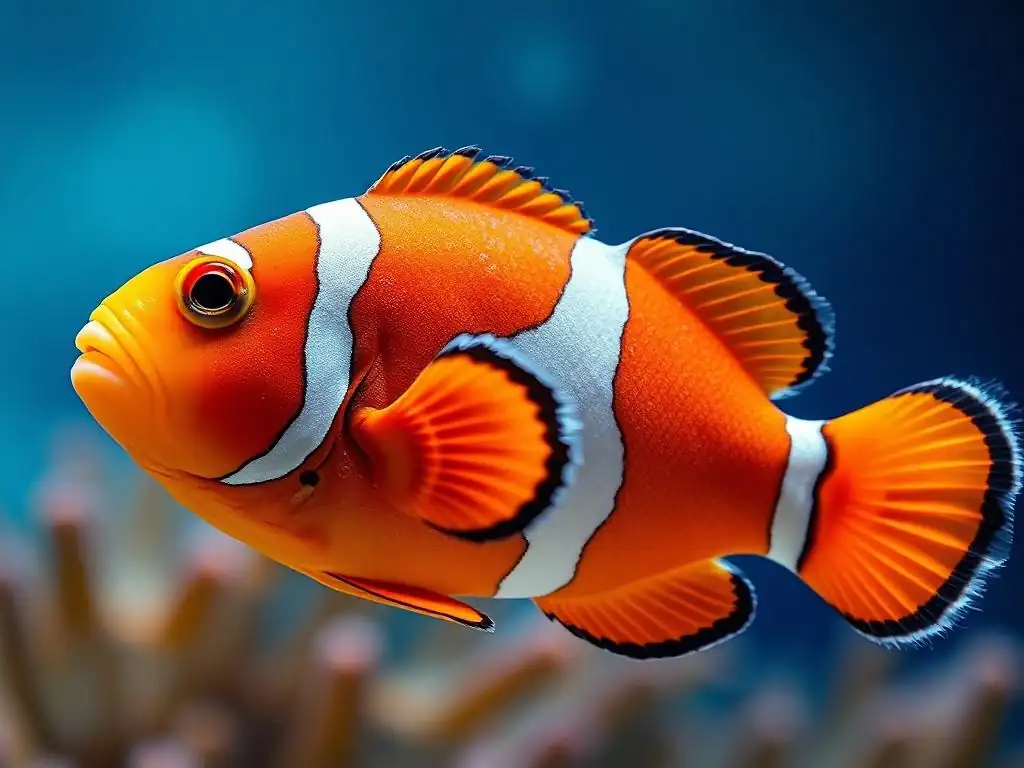
Accurately distinguishing between bacterial, fungal, and parasitic infections is critical for effective treatment, as each type requires different medications. While some symptoms can overlap, key differences help in identification:
- Bacterial Infections: Often manifest as frayed or deteriorating fins (fin rot), open sores or red lesions on the body, cloudy or bulging eyes (pop-eye), and sometimes general swelling or internal bleeding. Fish may appear lethargic, have clamped fins, and lose appetite. These infections often appear after physical injury or prolonged stress from poor water quality.
- Fungal Infections: Typically present as distinct white or grayish cotton-like growths or fuzzy patches on the fins, body, or mouth. They are usually secondary infections, appearing on areas already damaged by injury, stress, or other diseases. They do not typically cause the "salt grain" appearance.
- Parasitic Infections:
- Marine Ich (Cryptocaryon irritans): Characterized by small, distinct white spots resembling grains of salt on the fins and body. Fish may flash, breathe rapidly, or become lethargic.
- Velvet Disease (Amyloodinium ocellatum): Appears as a fine, dusty, yellowish-gold coating on the skin, often difficult to see without angled light. Fish show rapid breathing, flashing, and lethargy.
- Flukes (Monogeneans): Often invisible to the naked eye. Symptoms include excessive slime coat, scratching, rapid gill movement, and cloudy eyes.
It's important to remember that a fish weakened by one type of infection can easily contract another, leading to co-infections. For example, a fish with a parasitic infestation might develop a secondary saltwater aquarium bacterial infection due to skin damage from the parasites.
Selecting the Appropriate Treatment Based on Diagnosis
Once a diagnosis is made, selecting the correct treatment is paramount. Using the wrong medication can be ineffective, stress the fish further, and potentially harm other inhabitants or the biological filter.
- For Bacterial Infections: Antibiotics are the primary treatment. Common options include Kanamycin, Erythromycin, or Furan-2, administered in a quarantine tank via medicated food or as a bath. Water quality improvements are also essential.
- For Fungal Infections: Antifungal medications like Methylene Blue or Malachite Green are used, typically as bath treatments or in a quarantine tank. Addressing the underlying cause (e.g., water quality, injury) is crucial for long-term success.
- For Parasitic Infections:
- Ich/Velvet: Copper treatments (e.g., copper sulfate, chelated copper) or hyposalinity are effective, strictly in a quarantine tank.
- Flukes: Praziquantel is the medication of choice, safe for most invertebrates.
Never attempt "shotgun" treatments by combining multiple medications unless specifically advised by an aquatic veterinarian, as this can be dangerous. A precise diagnosis allows for targeted, effective, and safer treatment for your marine fish.
Seeking Expert Advice for Saltwater Aquarium Fish Diseases
When to Consult a Veterinarian or Experienced Aquarist
While many common saltwater aquarium diseases can be managed by informed hobbyists, there are times when seeking expert advice becomes essential. If you are unable to accurately diagnose a fish's condition despite careful observation and water testing, or if initial treatments are ineffective, it's time to consult a professional. Persistent, severe, or rapidly spreading outbreaks, especially those affecting multiple fish species or leading to high mortality, warrant immediate professional attention.
Aquatic veterinarians possess specialized knowledge in fish physiology, pathology, and pharmacology, and can perform diagnostic tests such as skin scrapes, gill biopsies, or even necropsies to identify the exact pathogen. They can also prescribe specific medications or provide guidance on complex treatment protocols. In the absence of an aquatic vet, a highly experienced local fish store owner, a seasoned hobbyist from a reputable forum, or an academic expert in marine biology can offer invaluable insights and guidance, particularly when dealing with challenging saltwater aquarium bacterial infections or unusual symptoms.
Resources for Further Learning about Fish Health
The field of marine fish health is vast and continuously evolving, and continuous learning is key to becoming a proficient aquarist. Beyond the immediate need to diagnose and treat diseases, investing time in understanding fish biology, water chemistry, and common pathogens will significantly enhance your ability to maintain a thriving aquarium. Reputable online forums and communities dedicated to saltwater aquariums are excellent resources for sharing experiences, asking questions, and learning from others.
Furthermore, specialized books on marine fish diseases, academic papers (often accessible through university libraries or online databases), and educational content from established aquatic research institutions offer in-depth knowledge. Familiarizing yourself with the common symptoms and life cycles of various pathogens, understanding the mechanisms of different medications, and staying updated on best practices for quarantine and water quality management will empower you to proactively prevent and effectively manage health challenges, ensuring the long-term well-being of your saltwater inhabitants.
Frequently Asked Questions
What are the most common signs of a bacterial infection in a saltwater aquarium?
Common signs include cloudy eyes, fin rot, and ulcers or lesions on the fish's body. These symptoms often indicate a compromised immune system or poor water quality.
How can I differentiate between a bacterial, fungal, and parasitic infection in my saltwater tank?
While symptoms can overlap, bacterial infections often cause visible sores or fin damage. Fungal infections usually appear as cotton-like growths, and parasitic infections may present as flashing behavior or white spots.
What role does water quality play in preventing saltwater aquarium bacterial infections?
Maintaining excellent water quality is crucial. Regular water changes, proper filtration, and stable parameters like salinity and pH help prevent opportunistic bacteria from thriving.
What are some effective treatments for bacterial infections in saltwater fish?
Treatments often involve antibiotic medications specifically formulated for aquatic use. Always follow dosage instructions carefully and consider quarantining infected fish to prevent spreading.
How can I proactively prevent bacterial infections from occurring in my saltwater aquarium?
Prevention includes quarantining new fish, maintaining a clean tank environment, and providing a balanced diet. Stress reduction is also key to a healthy immune system and resistance to disease.
The delicate balance within a saltwater aquarium, as we've explored, is constantly threatened by unseen forces. Understanding the difference between beneficial and harmful microorganisms is no longer just a hobbyist pursuit, but a crucial skill for maintaining thriving aquatic ecosystems. The health of our tanks directly reflects our understanding of these microscopic battles, and the consequences of ignorance can be devastating.
This journey into the world of saltwater aquarium bacterial infections, fungal outbreaks, and parasitic infestations has highlighted the interconnectedness of life, even at its smallest scale. It's a humbling reminder that even in our carefully controlled environments, nature's complexity reigns supreme. The only true wisdom is in knowing you know nothing.
- Socrates. This quote resonates deeply when considering the vast, still largely unexplored world of microbial interactions within our tanks, and the constant need for learning and adaptation.
Now, armed with this knowledge, I urge you to look at your own aquarium with fresh eyes. Consider the invisible battles being waged within its glass walls. Reflect on the choices you make – the water parameters you maintain, the inhabitants you introduce, the treatments you employ. Let this understanding empower you to become a more informed and responsible aquarist, fostering not just survival, but genuine flourishing within your miniature ocean.
Transform Your Tank: Spot, Act, and Protect!
Thanks for diving deep into the world of aquarium invaders! Now that you're equipped to identify the good, the bad, and the ugly, it's time to take action. Here are a few steps to ensure a thriving, balanced ecosystem for your aquatic friends:
- Immediately implement the specific treatment plan identified for any confirmed infestations in your tank. Don't delay – a quick response is crucial for your aquarium's health!
- Share your newfound knowledge! Help fellow hobbyists by sharing this article and starting conversations about preventative measures and early detection.
- Why not start a quarantine tank? Set aside a small hospital tank to monitor any new fish for early signs of infection and help prevent unwanted infections.
What's the first preventative measure you'll implement in your aquarium today?