
Ich Annihilation: Your Definitive Battle Plan to Eradicate White Spot Disease

Welcome to Aquarium Mastery!
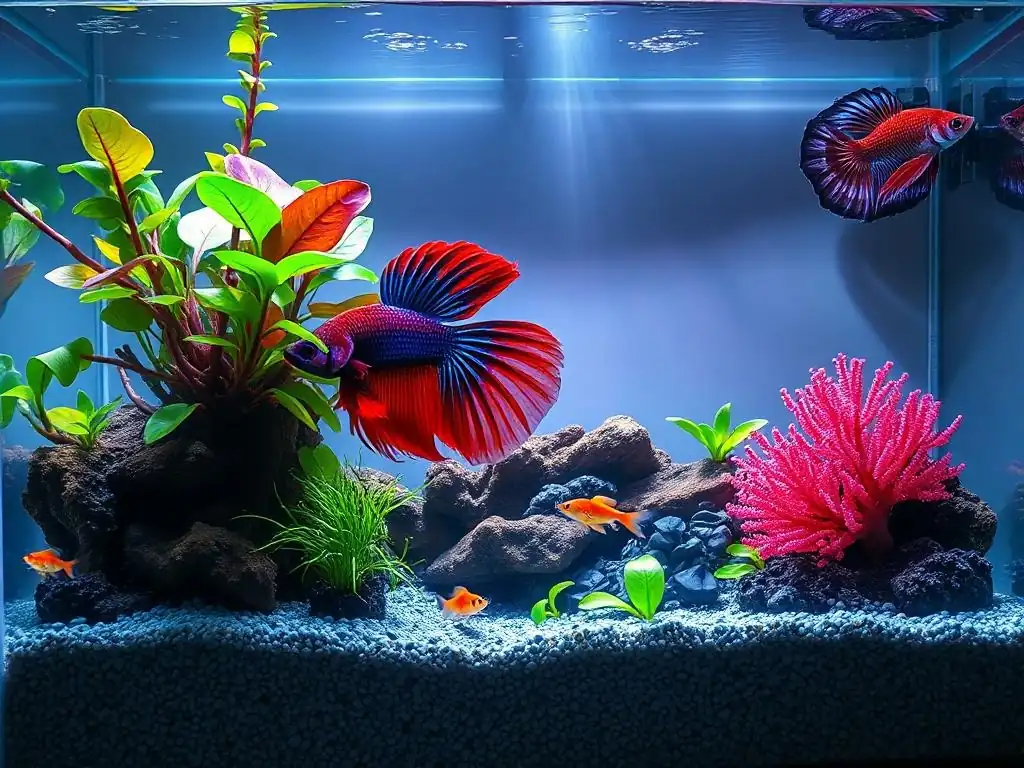
Ever noticed tiny white spots resembling grains of salt on your beloved fish? It could be Ich, also known as white spot disease. Don't panic! This guide is your essential weapon in the fight. Dive into our comprehensive White Spot Disease Treatment Guide and learn how to diagnose, treat, and prevent this common aquarium ailment. Ready to restore your fish to vibrant health? Let's get started!
- Ich Annihilation: Your Definitive Battle Plan to Eradicate Ichthyophthirius multifiliis
- Understanding Ich (Ichthyophthirius multifiliis) in Aquariums
- Ich Treatment Guide: A Multi-Pronged Approach
- Preventing Ich in Your Aquarium
- Advanced Ich Treatment Strategies
- Post-Treatment Care and Prevention
- Ich Treatment Myths Debunked
-
Frequently Asked Questions
- What exactly is white spot disease (Ich), and how does it affect my fish?
- How can I definitively diagnose Ich in my aquarium?
- What are the most effective treatment methods for Ich, as outlined in a White Spot Disease Treatment Guide?
- Can Ich be prevented, and what are the key preventative measures I should take?
- How long does it typically take to completely eradicate Ich from my aquarium using a White Spot Disease Treatment Guide?
- Final Reflection: A Future Free From Ich
- Unleash Your Inner Healer: Conquer White Spot Disease Now!
Ich Annihilation: Your Definitive Battle Plan to Eradicate Ichthyophthirius multifiliis
Understanding Ich (Ichthyophthirius multifiliis) in Aquariums
What is Ich and How Does it Affect Fish?
Ich, scientifically known as Ichthyophthirius multifiliis, is one of the most common and feared parasitic diseases in freshwater aquariums. It is caused by a ciliate protozoan that manifests as small, distinct white spots on the body, fins, and gills of infected fish, often resembling grains of salt. Highly contagious, Ich can rapidly spread throughout an entire aquarium, affecting all susceptible fish species present.
The parasite burrows under the fish's skin and gill tissue, causing intense irritation and discomfort. This invasion leads to secondary issues such as difficulty breathing, excessive slime coat production, and increased susceptibility to secondary bacterial or fungal infections due to compromised skin integrity. If left untreated, severe infestations can lead to significant fish mortality, with reported losses sometimes exceeding 50-70% in heavily stressed or overcrowded tanks.
Identifying Ich: Recognizing the Symptoms
The most prominent symptom of Ich is the appearance of small, raised white spots, typically 0.5-1mm in diameter, distributed across the fish's body, fins, and especially the gills. These spots are distinct and appear embedded, unlike the fuzzy patches associated with fungal infections or the larger, cauliflower-like growths of Lymphocystis. Behavioral symptoms often precede or accompany the visual signs, including flashing (fish rubbing or scratching against tank decor or substrate), clamped fins, lethargy, and loss of appetite.
As the "white spot disease" progresses, the number of white spots can dramatically increase, potentially covering large areas of the fish. In advanced stages, gill involvement becomes more pronounced, leading to rapid gill movement, labored breathing, or gasping at the water surface, indicating severe respiratory distress and impaired oxygen uptake. Early and accurate identification is paramount for successful intervention, as the disease can escalate rapidly.
The Ich Life Cycle: Why Understanding it is Key to Treatment
Understanding the complex life cycle of Ichthyophthirius multifiliis is fundamental to developing an effective "white spot disease treatment guide". The cycle consists of three main stages. First, the Trophont stage is the visible parasite embedded within the fish's skin or gills, feeding and growing. This stage is largely protected from most medications because it is beneath the fish's epidermal layer.
Once mature, the trophont leaves the fish and encysts, becoming a Tomont. This reproductive stage typically settles on the substrate, plants, or tank decor, where it undergoes rapid cell division, producing hundreds, often 500 to 1,000, new parasites within a protective cyst. Finally, the tomont bursts, releasing numerous free-swimming Theronts.
These highly vulnerable theronts must find a new host fish within a short window, typically 24-48 hours (though this varies significantly with water temperature, being faster in warmer water, e.g., 3-6 days at 25°C/77°F), or they will die. Only this free-swimming theront stage is susceptible to most medications, making consistent and prolonged treatment crucial to catch all emerging parasites.
Factors Contributing to Ich Outbreaks in Aquariums
Stress is the primary catalyst for Ich outbreaks in aquariums. Fish under stress have weakened immune systems, making them highly susceptible to opportunistic parasites like Ich, which are often present in low numbers even in healthy tanks. Common stressors include poor water quality (elevated ammonia, nitrite, or very high nitrates), sudden or drastic temperature fluctuations (e.g., changes exceeding 2-3°C/4-6°F within 24 hours), and physical stress from overcrowding or incompatible tank mates leading to aggression.
Another significant factor is the introduction of new fish, plants, or even decorations without proper quarantine. Many fish can carry a low-level, asymptomatic Ich infection, which can flare up when introduced to a new environment or when the fish experiences stress. Implementing a strict quarantine protocol for all new aquatic inhabitants, ideally for 4-6 weeks, is the most effective preventative measure against introducing and spreading "white spot disease" in an established aquarium.
Ich Treatment Guide: A Multi-Pronged Approach
Step 1: Accurate Diagnosis of Ich
An accurate and early diagnosis is the cornerstone of any effective "white spot disease treatment guide". The hallmark sign of Ich is the appearance of distinct, small (0.5-1mm), salt-grain-like white spots on the fish's body, fins, and gills. It is crucial to differentiate Ich from other common white spot conditions, such as Lymphocystis (which presents as larger, cauliflower-like growths) or fungal infections (which appear as fuzzy, cottony patches). Observing behavioral symptoms like flashing, lethargy, or clamped fins further supports an Ich diagnosis.
Early detection provides the best chance for successful treatment and prevents the disease from spreading widely and causing significant fish loss. A single visible spot can indicate a much larger underlying parasitic population, as the lifecycle ensures rapid multiplication. Prompt action upon noticing the first signs of Ich can prevent a full-blown outbreak, saving both fish lives and the extensive effort required for treating a widespread infection.
Step 2: Quarantine and Observation Protocols for Infected Fish
For effective and safe treatment, it is highly recommended to transfer infected fish to a dedicated hospital or quarantine tank. This isolation prevents medication from harming the beneficial bacterial colonies in the main display tank's filter, which are vital for maintaining water quality. It also protects sensitive invertebrates (like shrimp and snails) and live plants, which can be adversely affected by common Ich medications. The hospital tank should be fully cycled or seeded with mature filter media from the main tank to ensure stable water parameters.
Set up a simple 10-20 gallon hospital tank equipped with a heater, basic filtration (sponge filter or small HOB filter), and an air stone for increased aeration. Carefully transfer the infected fish to this tank. Before initiating any "white spot disease treatment guide", observe the fish closely for 24-48 hours to confirm the diagnosis and assess the severity of the infection. This period also allows the fish to acclimate to the new environment, reducing immediate stress before medication is introduced.
Step 3: Effective Medications for Ich Treatment
Choosing the Right Ich Medication: Copper-Based Medications, Formalin, Malachite Green
Several types of medications are highly effective against Ich. Copper-based medications, such as copper sulfate or chelated copper, are potent and widely used, but they require precise dosing and careful monitoring with a copper test kit, as overdose can be toxic to fish. It's important to note that copper is generally unsafe for invertebrates and some sensitive fish species, such as loaches and certain tetras. Formalin (formaldehyde) is another powerful option, often used in combination with malachite green in many commercial "white spot disease treatment guide" products.
Malachite Green is effective on its own or, more commonly, combined with formalin to create a broad-spectrum treatment. While effective, it can stain silicone and tank equipment. When selecting a medication, always consider the fish species in your tank; scaleless fish (e.g., Corydoras, Plecos) and some labyrinth fish are often more sensitive to these chemicals and may require reduced dosages, sometimes as low as 50-75% of the recommended amount. Always read and adhere strictly to the product label instructions.
Dosage and Application Guidelines for Ich Medications
Accurate dosing and consistent application are critical for the success of any "white spot disease treatment guide". Always calculate your tank's precise water volume (length x width x height in inches / 231 for gallons) to ensure correct medication dosage. Underdosing can lead to ineffective treatment and the development of resistant Ich strains, while overdosing can be lethal to your fish. Before adding medication, remove activated carbon from your filter, as it will absorb the medication, rendering it useless.
Most Ich medications require multiple doses over several days, typically 7-14 days, to effectively target the free-swimming theront stage as it emerges from the tomonts. The entire life cycle of the parasite must be covered to ensure complete eradication. Even if visible symptoms disappear after a few days, it is imperative to complete the full course of treatment as recommended by the manufacturer to prevent recurrence and ensure all parasites are eliminated. Performing partial water changes (e.g., 25%) before each redose, as specified by the product, helps maintain water quality and removes any accumulated medication.
Monitoring Fish During Medication: What to Watch For
During the medication process, close observation of your fish is essential. Monitor them daily for any signs of adverse reactions or stress, such as rapid breathing, unusual swimming patterns, loss of color, lethargy, or refusal to eat. If these symptoms appear, it may indicate that the fish are sensitive to the medication or that the dosage is too high. In such cases, perform an immediate partial water change (e.g., 25-50%) and consider reducing or temporarily stopping the medication, consulting the product's guidelines for emergency procedures.
Simultaneously, track the progress of the "white spot disease" itself. While the white spots on the fish will not disappear instantly (as the trophonts are protected until they drop off), you should observe a reduction in new spots appearing, and existing spots will eventually fall off as the fish heals. Continue monitoring for several weeks after the full treatment course is completed to ensure no relapse occurs and that the aquarium is truly Ich-free.
Step 4: Natural and Alternative Ich Treatments
Temperature Adjustment for Ich Control
One common natural method in a "white spot disease treatment guide" is gradually increasing the water temperature. This accelerates the Ich life cycle, causing the tomonts to burst faster and the free-swimming theronts to die more quickly if they cannot find a host within their shortened lifespan. For freshwater aquariums, the temperature can be gradually raised by 1-2°C (2-4°F) per day, up to 29-30°C (84-86°F), provided your fish species can tolerate these higher temperatures. Maintain this elevated temperature for 10-14 days.
While effective in speeding up the parasite's cycle, temperature adjustment alone rarely eradicates Ich completely, especially in severe infestations, as fish are still continually exposed to emerging parasites. Furthermore, higher temperatures reduce the water's oxygen-holding capacity, making increased aeration (e.g., using an air stone) crucial to prevent oxygen deprivation in your fish. This method is often most effective when used in conjunction with other treatments like salt or medication.
Salt Treatment for Ich: A Detailed Guide
Non-iodized aquarium salt or pure rock salt (sodium chloride, NaCl) can be an effective "white spot disease treatment guide" for freshwater Ich. Salt works by creating an osmotic imbalance that dehydrates and kills the Ich parasite, while simultaneously helping the fish produce a thicker, protective slime coat that can aid in shedding the parasites and boosting their natural defenses. A typical dosage ranges from 1 to 3 tablespoons per 5 gallons (1-3 parts per thousand, ppt), applied gradually over 24-48 hours to avoid shocking the fish.
To apply, dissolve the salt completely in a small amount of tank water before adding it slowly to the aquarium to prevent direct contact with fish. Maintain the desired salt concentration for 10-14 days. During this period, perform regular partial water changes (e.g., 25-50% every 2-3 days), but remember to replace only the amount of salt removed with the water. Monitor your fish closely for any signs of stress, as some species, particularly scaleless fish (e.g., Corydoras) or certain tetras, are more sensitive to salt and may require lower concentrations.
Using Aquarium-Safe Herbs and Botanicals for Ich Prevention
Certain aquarium-safe botanicals and herbal remedies can play a supportive role in Ich prevention and overall fish health, though they are not a standalone "white spot disease treatment guide" for active infections. Indian Almond Leaves (IAL), for example, release tannins and humic acids into the water, which have mild antiseptic properties, reduce stress, and can enhance the fish's natural slime coat and immune response. Rooibos tea, brewed and added to the tank, offers similar benefits.
To use Indian Almond Leaves, add a few dried leaves per 10-20 gallons of water, replacing them every 2-3 weeks as they decompose. The water will turn an amber color, which is normal and indicates the release of beneficial compounds. While these botanicals contribute to a healthier, more natural environment and can boost fish immunity, making them less susceptible to Ich, they are primarily preventative or supportive measures for mild cases, not a cure for severe outbreaks.
Step 5: Addressing the Root Cause: Improving Aquarium Conditions
Water Quality Management: Ammonia, Nitrite, and Nitrate Control
Poor water quality is a leading cause of stress in fish and a primary trigger for Ich outbreaks. Elevated levels of ammonia (>0.0 ppm) and nitrite (>0.0 ppm) are acutely toxic, damaging fish gills and suppressing their immune systems, making them highly vulnerable to parasitic infections. Even consistently high nitrate levels (e.g., above 40 ppm) can cause chronic stress and weaken fish defenses.
Regular testing of your water parameters with a reliable liquid test kit is essential to ensure ammonia and nitrite remain at zero and nitrates are kept below 20 ppm. Implementing a robust biological filtration system, allowing new tanks to fully cycle before adding fish, and performing consistent partial water changes (e.g., 25% weekly) are crucial strategies. These measures dilute nitrates, remove other accumulated waste products, and replenish essential minerals, forming the foundation of any comprehensive "white spot disease treatment guide" by preventing its recurrence.
Maintaining Proper Water Parameters for Fish Health
Beyond nitrogenous waste, maintaining stable and appropriate water parameters such as temperature, pH, and hardness (GH/KH) is critical for fish health and resilience against diseases like Ich. Sudden fluctuations in these parameters, for instance, a rapid pH drop of 0.5 units or more, can induce significant physiological stress in fish, compromising their immune systems and making them susceptible to opportunistic pathogens.
It is vital to research and understand the specific water parameter requirements for all the fish species in your aquarium. For example, Discus thrive in soft, acidic water, while African Cichlids require hard, alkaline conditions. Providing an environment that closely matches their natural habitat minimizes stress, allowing fish to allocate their energy towards maintaining a strong immune response against Ich and other diseases, thereby reducing the need for a "white spot disease treatment guide."
Avoiding Overcrowding and Stress in the Aquarium
Overcrowding is a significant stressor in any aquarium. An excessive number of fish in a confined space leads to increased waste production, making it challenging to maintain stable and healthy water quality. More importantly, overcrowding intensifies competition for food, territory, and hiding spots, resulting in chronic stress, aggression, and fin nipping among tank inhabitants. This constant stress significantly weakens the fish's immune systems, making them prime targets for Ich and other opportunistic infections.
To create a harmonious and healthy environment, adhere to appropriate stocking levels, generally following guidelines like "1 inch of adult fish per gallon" for smaller species, while acknowledging that larger or more active fish require more space. Provide ample hiding spots, caves, and visual barriers using plants and decor to reduce aggression and allow fish to establish territories. Choosing compatible species that do not harass each other is also essential, as a peaceful tank community is inherently more resilient to "white spot disease" outbreaks.
Preventing Ich in Your Aquarium
Quarantine Procedures for New Fish and Invertebrates
Implementing a strict quarantine procedure for all new fish, invertebrates, and even live plants is the single most effective preventative measure against Ich and other diseases. A dedicated quarantine tank, typically a 10-20 gallon setup with basic filtration, a heater, and an air stone, should be used to house new arrivals for at least 4-6 weeks. This period allows any latent diseases, including "white spot disease," to manifest without infecting your main display tank.
During quarantine, observe the new inhabitants daily for any signs of illness. Many aquarists also perform prophylactic treatments for common ailments like Ich during this period. This proactive approach saves considerable time, effort, and expense by preventing widespread outbreaks in your established aquarium, which can be far more challenging and costly to treat than a localized infection in a small quarantine tank.
Maintaining a Stress-Free Environment for Aquarium Fish
A stress-free environment is paramount for maintaining robust fish immunity and preventing Ich outbreaks. Provide ample hiding places such as caves, dense plant cover, or driftwood, allowing fish to retreat and feel secure. Ensure stable lighting cycles, avoiding sudden bright lights or prolonged periods of darkness, which can disorient and stress fish. Minimize loud noises, vibrations, or sudden movements near the aquarium.
Consistent feeding schedules with a high-quality, varied diet also contribute significantly to reducing stress and bolstering fish health. Fish that are well-fed and live in a calm, predictable environment are less susceptible to chronic stress. This allows their immune systems to function optimally, enabling them to naturally resist parasitic infections like Ich, thereby reducing the likelihood of needing a "white spot disease treatment guide."
Regular Water Changes and Aquarium Maintenance Schedule
Consistent and regular water changes are fundamental to preventing Ich and maintaining overall aquarium health. Partial water changes, typically 25% weekly or bi-weekly depending on stocking density and filtration, remove accumulated nitrates, phosphates, and other dissolved organic compounds that degrade water quality and stress fish. Gravel vacuuming during water changes is also crucial, as it removes detritus and uneaten food where Ich tomonts can encyst and reproduce.
Beyond water changes, adhering to a comprehensive aquarium maintenance schedule is vital. This includes regularly cleaning filter media (rinsing in old tank water to preserve beneficial bacteria), checking and maintaining heater functionality, ensuring proper air pump and air stone operation for aeration, and verifying adequate water flow. A clean, well-maintained, and stable aquatic environment is the cornerstone of preventing "white spot disease" and ensuring your fish thrive.
Choosing Compatible Fish Species to Minimize Aggression
The selection of compatible fish species is a critical, yet often overlooked, aspect of Ich prevention. Introducing highly aggressive or territorial fish with peaceful or docile species will inevitably lead to chronic stress, fin nipping, and physical injuries. These constant conflicts weaken fish, making them highly susceptible to opportunistic infections like Ich. Researching the temperament, adult size, and specific environmental needs of all desired species before purchase is essential.
When planning your aquarium community, select fish with similar temperature, pH, and hardness requirements to minimize environmental stress. Avoid mixing known fin-nippers with long-finned or slow-moving species. Ensure there is enough space for all inhabitants to establish territories without constant conflict. A peaceful and harmonious tank community is a healthier community, less prone to stress-induced illnesses and significantly reducing the need for a "white spot disease treatment guide."
Advanced Ich Treatment Strategies
Dealing with Resistant Strains of Ich
While not common, some Ich strains can develop resistance to standard medications, especially if treatments are inconsistent or dosages are too low. If a full, properly administered course of a common "white spot disease treatment guide" (e.g., copper or malachite green) fails to eradicate the parasite, a resistant strain might be present. This situation necessitates a more aggressive or varied approach to treatment.
For resistant Ich, aquarists might consider combining different classes of medications (e.g., a formalin/malachite green blend with elevated temperature, if fish can tolerate both). Another advanced strategy is the "fallow tank" method for the main display aquarium: all fish are removed and treated in a separate hospital tank for 4-6 weeks while the main tank remains fishless but heated. This starves out the Ich parasites in the display tank, as the free-swimming theronts cannot find a host and die off. Always proceed with extreme caution and thorough research when combining treatments.
Combining Treatments for Severe Ich Infections
In cases of severe, widespread Ich where fish are rapidly deteriorating, a multi-pronged "white spot disease treatment guide" might be necessary to save the tank. This often involves combining several effective methods simultaneously. A common combination for freshwater Ich includes gradually elevating the water temperature (e.g., to 29-30°C/84-86°F), adding aquarium salt (1-3 ppt), and administering a broad-spectrum Ich medication (such as a commercial formalin/malachite green product).
Combining treatments, however, requires extreme caution due to the potential for additive toxicity to fish. It is crucial to ensure that the chosen medications are compatible and to monitor fish meticulously for any signs of distress or adverse reactions. Increased aeration is absolutely vital when raising temperatures and using certain medications, as oxygen levels in the water decrease. This intensive approach is typically reserved for critical situations and should only be undertaken with a clear understanding of the risks and careful observation.
Long-Term Management of Ich-Prone Aquariums
For aquariums that experience recurrent Ich outbreaks, the focus must shift from merely treating the symptoms to identifying and rectifying the underlying environmental stressors that continually weaken the fish's immune systems. This involves meticulous and consistent monitoring of all water parameters (ammonia, nitrite, nitrate, pH, temperature), ensuring stability, and promptly addressing any deviations from optimal ranges. Preventing overcrowding and providing appropriate nutrition are also paramount.
Proactive health management is key to long-term Ich prevention. This includes maintaining a rigorous quarantine protocol for all new aquatic additions without exception. Incorporating natural immune boosters, such as high-quality foods rich in Vitamin C, or using garlic-infused foods, can also help strengthen fish defenses. Ultimately, consistent, thorough aquarium maintenance and a deep understanding of your specific fish species' needs are essential for creating a resilient environment that naturally resists Ich.
Post-Treatment Care and Prevention
Gradually Adjusting Water Parameters After Treatment
Once the full course of your "white spot disease treatment guide" is completed and all signs of Ich have vanished, it is crucial to gradually return water parameters to their normal, optimal levels. If the temperature was elevated, lower it slowly by no more than 1-2°C (2-4°F) per day until it reaches the species-appropriate range. If salt was used, perform multiple small water changes (e.g., 10-20% daily or every other day) over several days or weeks to dilute it out, rather than a single large change, which could shock the fish.
If activated carbon was removed during treatment, slowly reintroduce it to begin adsorbing any residual medication. Monitor water parameters (ammonia, nitrite, nitrate) closely during this transition period, as the beneficial bacteria in your filter might have been impacted by medications or changes in flow. Gradual adjustments minimize stress on your recovering fish and help re-establish a stable, healthy environment.
Monitoring Fish for Relapses
Even after a successful "white spot disease treatment guide," continued vigilance is essential, as Ich can sometimes reappear if not completely eradicated or if fish become stressed again. For several weeks post-treatment, continue to observe all fish daily for any lingering white spots, flashing behavior, clamped fins, or other subtle signs of distress. Pay particular attention during feeding times, as healthy fish are typically active and eager to eat.
If any signs of Ich return, it is imperative to initiate treatment immediately. Often, a second, complete course of treatment is required to ensure total eradication of any remaining parasites that may have survived the initial round. Early detection of a relapse can prevent it from escalating into another full-blown outbreak, making subsequent treatment easier and more effective.
Proactive Measures to Prevent Future Ich Outbreaks
The most effective long-term strategy against Ich is a strong preventative approach. Maintain pristine water quality through consistent testing and adherence to a regular schedule of partial water changes and gravel vacuuming. Ensure your tank is not overcrowded and that all fish species are compatible to minimize stress and aggression. Provide a balanced, high-quality diet, potentially supplemented with immune-boosting foods, to enhance fish immunity.
Above all, strictly adhere to a rigorous quarantine procedure for all new fish, invertebrates, and live plants introduced to your aquarium, isolating them for at least 4-6 weeks. This simple yet critical step is the single most effective preventative measure against introducing Ich and other diseases, saving you from future "white spot disease treatment guide" efforts and ensuring the long-term health and stability of your aquatic ecosystem.
Ich Treatment Myths Debunked
Myth: All White Spots are Ich
While Ichthyophthirius multifiliis is the most common cause of white spots on fish in freshwater aquariums, it is a common misconception that all white spots automatically signify Ich. Other conditions can present with similar visual symptoms, leading to misdiagnosis and ineffective treatment. For instance, Lymphocystis, a viral infection, causes larger, irregular, cauliflower-like growths that are often mistaken for severe Ich.
Fungal infections can sometimes appear as small white patches, though they are typically fuzzy or cottony in texture, unlike the distinct, salt-grain-like appearance of Ich. Bacterial infections can also manifest as small, raised white lesions or ulcers. An accurate diagnosis is crucial for selecting the correct "white spot disease treatment guide"; misidentifying the ailment can prolong the fish's suffering and potentially harm them with inappropriate medications. If unsure, consulting an experienced aquarist or a fish veterinarian is highly recommended.
Myth: Ich Only Affects Certain Fish Species
Another common myth is that Ich only affects certain delicate or specific fish species. In reality, Ich can affect virtually all freshwater fish species, though some may exhibit higher susceptibility due to their delicate nature, specific skin or gill structures (e.g., scaleless fish like loaches and catfish), or inherent stress levels. However, no freshwater fish is truly immune to Ichthyophthirius multifiliis.
The primary driver of an Ich outbreak is often environmental stress (such as poor water quality, sudden temperature fluctuations, or overcrowding) that weakens the fish's immune system, rather than a specific species' inherent resistance. Even robust and hardy species can succumb to Ich under sufficiently stressful conditions. Therefore, any effective "white spot disease treatment guide" must consider all fish in the affected tank, as all are potential hosts.
Myth: Ich is Impossible to Eradicate
A persistent myth among aquarists is that Ich is impossible to completely eradicate from an aquarium, leading to a sense of resignation. While Ich is notoriously persistent due to its complex life cycle, it is absolutely possible to eliminate it from an aquarium with consistent, correct treatment and diligent follow-up. Many experienced aquarists successfully eradicate Ich from their tanks every day, restoring their fish to full health.
Success in eliminating Ich hinges on understanding its life cycle, choosing the right "white spot disease treatment guide" (whether medication, salt, or temperature elevation), applying it correctly and consistently for the full recommended duration, and, crucially, addressing the underlying stressors that led to the outbreak in the first place. Patience, adherence to protocol, and proactive preventative measures are vital for achieving complete and lasting eradication.
Frequently Asked Questions
What exactly is white spot disease (Ich), and how does it affect my fish?
Ich, or white spot disease, is a parasitic infection caused by Ichthyophthirius multifiliis. It manifests as small white spots on fish and can lead to breathing difficulties and eventual death if left untreated.
How can I definitively diagnose Ich in my aquarium?
Look for tiny white spots resembling salt grains scattered across your fish's body and fins. Affected fish might also exhibit scratching behavior against objects in the tank or lethargy.
What are the most effective treatment methods for Ich, as outlined in a White Spot Disease Treatment Guide?
Common treatments involve raising the water temperature and using medications containing malachite green or copper. A strict quarantine process for new fish is also crucial for prevention.
Can Ich be prevented, and what are the key preventative measures I should take?
Yes, prevention is key. Quarantining new fish for several weeks, maintaining stable water parameters, and avoiding overcrowding are vital preventative steps.
How long does it typically take to completely eradicate Ich from my aquarium using a White Spot Disease Treatment Guide?
Treatment duration varies, but typically takes 1-3 weeks. Consistent monitoring and adherence to the treatment plan are crucial for complete eradication of the parasite.
Okay, here's a final reflection tailored to your article "Ich Annihilation: Your Definitive Battle Plan to Eradicate White Spot Disease," aiming to rank for the keyword "White spot disease treatment guide," and following the requested structure:
Final Reflection: A Future Free From Ich
The comprehensive strategies outlined in this guide are not just about treating a disease; they represent a commitment to responsible fishkeeping and the well-being of our aquatic companions. Understanding and implementing these preventative and curative measures is more crucial than ever, as the global aquarium trade continues to expand, increasing the potential for ich outbreaks.
This battle against ich is more than just a technical exercise; it's a reflection of our deep connection to the natural world and our responsibility to care for the creatures in our charge. The frustration and heartbreak of losing fish to this preventable disease are experiences shared by countless aquarists. The greatness of a nation and its moral progress can be judged by the way its animals are treated.
- Mahatma Gandhi (While not directly about fish, the sentiment applies to our ethical responsibility towards all living beings in our care).
As you close this guide, remember that knowledge is power. Armed with the information and techniques presented here, you have the ability to not only protect your own aquarium but also contribute to a healthier and more sustainable future for the entire aquatic hobby. Let us all strive to be proactive, informed, and compassionate aquarists, ensuring that the joy of fishkeeping is not overshadowed by the preventable tragedy of ich.
Unleash Your Inner Healer: Conquer White Spot Disease Now!
Thanks for diving deep into understanding and combating White Spot Disease. Now that you're equipped with the knowledge, it's time to take action and protect your aquatic companions!
Here are a few things you can do right now to ensure a healthy aquarium:
- Immediately begin the medicated treatment you've chosen, following the instructions meticulously for the best chance of success.
- Consider setting up a quarantine tank for new arrivals to prevent future outbreaks and minimize risks to your existing fish.
- Share this article with fellow aquarium enthusiasts – helping others recognize and treat White Spot Disease can save countless fish!
What's the first step you're going to take today to create a healthier environment for your aquatic friends?