
The Perils of Poor Diet: Recognizing & Preventing Malnutrition in Butterflyfish

Welcome to Aquarium Mastery!
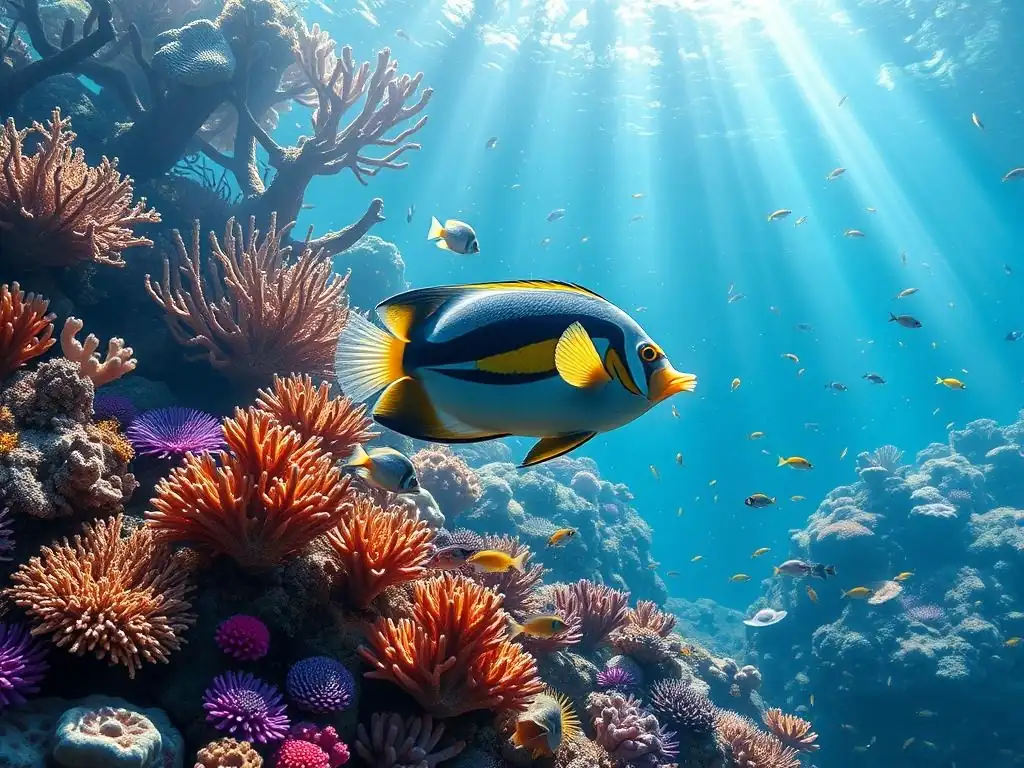
Ever wondered if your vibrant butterflyfish is truly thriving? Dive into our comprehensive guide, " The Perils of Poor Diet: Recognizing & Preventing Malnutrition in Butterflyfish," and unlock the secrets to spotting early Butterflyfish nutrition deficiency symptoms. Discover how to ensure your finned friend receives the perfect diet, leading to a healthier, happier life in your saltwater aquarium. Ready to elevate your aquarium expertise? Let's begin!
- Understanding Butterflyfish Nutritional Needs in the Aquarium
- Recognizing Butterflyfish Nutrition Deficiency Symptoms
- Diagnosing Dietary Issues in Your Butterflyfish
- Preventing Malnutrition in Butterflyfish: A Proactive Approach
- Treating Butterflyfish Malnutrition: Restoration & Recovery
- Best Practices for Butterflyfish Feeding in the Saltwater Aquarium
- Common Mistakes in Butterflyfish Nutrition and How to Avoid Them
- Case Studies: Successful Recovery from Butterflyfish Malnutrition
- Long-Term Butterflyfish Health Through Proper Nutrition
-
Frequently Asked Questions
- How can I tell if my Butterflyfish has a nutrition deficiency?
- What are the most common nutritional deficiencies in Butterflyfish?
- What type of food should I feed my Butterflyfish to prevent nutritional deficiencies?
- How often should I feed my Butterflyfish?
- Can I reverse the effects of nutritional deficiencies in Butterflyfish?
- Final Reflection: A Vibrant Future for Butterflyfish
- Transform Your Tank: Give Your Butterflyfish the Vibrant Life They Deserve!
Understanding Butterflyfish Nutritional Needs in the Aquarium
The Importance of a Balanced Diet for Butterflyfish Health
A balanced diet is paramount for the overall health and vitality of Butterflyfish in a captive environment. These delicate marine beauties, known for their vibrant colors and intricate patterns, are highly susceptible to nutritional imbalances due to their specialized feeding habits in the wild. Proper nutrition provides the essential building blocks for robust immune function, optimal growth, and resistance to disease, directly preventing the onset of Butterflyfish nutrition deficiency symptoms. Without a comprehensive dietary plan, these fish can quickly succumb to stress and illness.
The consequences of an imbalanced or inadequate diet extend beyond mere cosmetic changes; they directly impact a Butterflyfish's lifespan and quality of life. Malnourished fish often exhibit stunted growth, weakened immune systems, and increased susceptibility to common marine ailments like marine Ich or bacterial infections. Studies on captive marine fish indicate that a significant percentage of health issues, potentially up to 60-70%, can be attributed to or exacerbated by poor nutrition and environmental stress. Therefore, understanding and meeting their specific dietary requirements is the cornerstone of successful Butterflyfish husbandry.
Specific Vitamin & Mineral Requirements for Butterflyfish
Butterflyfish, like all marine fish, require a specific array of vitamins and minerals for optimal physiological function. Vitamin C (ascorbic acid) is crucial for immune system support, collagen synthesis, and wound healing; a deficiency can lead to skeletal deformities or poor tissue repair. Vitamin A (retinol) is vital for vision, skin health, and the production of protective mucus, while Vitamin E acts as a powerful antioxidant, protecting cell membranes and supporting reproductive health. These are essential components to prevent Butterflyfish nutrition deficiency symptoms.
Key minerals such as calcium and phosphorus are necessary for strong bones and scales, while iodine supports thyroid function and metabolic regulation. Trace elements like selenium, zinc, and iron also play critical roles in enzymatic processes and blood formation. Without these specific micronutrients, Butterflyfish can develop a range of problems, from faded coloration and lethargy to more severe conditions like Head and Lateral Line Erosion (HLLE), which is a prominent Butterflyfish nutrition deficiency symptom often linked to a lack of certain vitamins and minerals.
Natural Diet vs. Aquarium Food: Bridging the Nutritional Gap
In their natural coral reef habitats, Butterflyfish exhibit diverse feeding strategies. Many species, such as the Ornate Butterflyfish ( Chaetodon ornatissimus), are obligate corallivores, feeding primarily on coral polyps. Others, like the Copperband Butterflyfish ( Chelmon rostratus), are specialized invertebrate predators, targeting small worms, crustaceans, and Aiptasia anemones. Still others, such as the Racoon Butterflyfish ( Chaetodon lunula), are omnivorous, consuming a mix of algae, small invertebrates, and detritus. Replicating this diverse and often specialized diet in an aquarium setting presents a significant challenge.
Commercial aquarium foods attempt to bridge this nutritional gap by offering a variety of formulations, including flakes, pellets, frozen preparations, and freeze-dried options. High-quality foods typically incorporate marine proteins (e.g., krill, spirulina, fish meal), balanced fatty acids (especially Omega-3s), and added vitamins and minerals. However, relying on a single food type, even a high-quality one, can still lead to deficiencies. A varied diet that includes different types of frozen foods (mysis shrimp, brine shrimp, finely chopped seafood), high-quality pellets, and nutrient-rich flakes is essential to provide a broader spectrum of nutrients and prevent various Butterflyfish nutrition deficiency symptoms.
Recognizing Butterflyfish Nutrition Deficiency Symptoms
Identifying Early Signs of Malnutrition in Butterflyfish
Early detection of malnutrition is crucial for successful intervention and recovery in Butterflyfish. Subtle changes in appearance or behavior can be the first indicators of Butterflyfish nutrition deficiency symptoms. These might include a slight fading or dullness of their typically vibrant colors, a reduction in activity levels leading to increased lethargy, or a noticeable decrease in appetite where the fish shows less interest in food or spits it out. Fin erosion, characterized by ragged or frayed fins without obvious signs of bacterial infection, can also be an early sign.
Furthermore, a healthy Butterflyfish should have a full, rounded abdomen. Early signs of emaciation, such as a slightly sunken belly or a more pronounced spine along the back, indicate inadequate caloric intake or nutrient absorption. For instance, a Copperband Butterflyfish that typically actively probes for food but suddenly becomes withdrawn or a Racoon Butterflyfish whose stripes appear less defined than usual could be exhibiting initial Butterflyfish nutrition deficiency symptoms. Prompt identification allows for dietary adjustments before more severe health issues develop.
Common Butterflyfish Diseases Linked to Dietary Deficiencies
Several common diseases in Butterflyfish are directly or indirectly linked to dietary deficiencies, often manifesting as distinct Butterflyfish nutrition deficiency symptoms. Head and Lateral Line Erosion (HLLE) is one of the most prevalent and visually striking conditions. Characterized by pitting, lesions, and erosion of tissue along the lateral line and around the eyes and mouth, HLLE is strongly associated with a lack of certain vitamins (especially A, C, and D), activated carbon use without proper supplementation, and poor water quality. It can be particularly persistent in species like the Copperband Butterflyfish.
Other conditions, such as Fin Rot, although primarily bacterial, can often be secondary to a weakened immune system caused by malnutrition. Similarly, Pop-eye, where one or both eyes protrude, can sometimes be linked to Vitamin A deficiency or underlying systemic infections exacerbated by poor nutrition. Internal parasites might also thrive in a nutritionally compromised fish. Addressing the underlying dietary issues is often a critical step in treating these ailments, as simply treating the symptoms without correcting the diet may lead to recurring problems or prolonged recovery.
Butterflyfish Nutrition Deficiency Symptoms Checklist: A Visual Guide
To help aquarists systematically assess the health of their Butterflyfish and identify potential Butterflyfish nutrition deficiency symptoms, a visual checklist can be invaluable. Regular observation using this guide can pinpoint issues before they become severe.
- [ ] Faded or dull coloration: The fish's natural vibrant hues appear muted or washed out.
- [ ] Stunted growth: The fish is noticeably smaller than expected for its age or species, or compared to tank mates of similar age.
- [ ] Emaciation: A sunken belly, visible spine, or a general "pinched" appearance.
- [ ] Fin erosion or ragged fins: Fins appear frayed, torn, or dissolving without obvious signs of physical injury or active infection.
- [ ] Cloudy eyes or Pop-eye: Eyes appear opaque or abnormally protrude from the head.
- [ ] Head and Lateral Line Erosion (HLLE): Pitting or lesions along the lateral line, forehead, or around the eyes and mouth.
- [ ] Lethargy or reduced activity: The fish is unusually inactive, often hiding, resting on the bottom, or showing little interest in its surroundings.
- [ ] Persistent refusal to eat or spitting out food: The fish ignores food, takes it into its mouth but immediately expels it, or shows a general disinterest in feeding.
- [ ] Abnormal stool: White, stringy, or unusually long fecal matter, indicating digestive issues or internal parasites often exacerbated by poor diet.
- [ ] Increased susceptibility to parasites/diseases: Frequent outbreaks of Ich, Velvet, or other infections despite stable water parameters.
Diagnosing Dietary Issues in Your Butterflyfish
Observing Feeding Habits: Identifying Picky Eaters
Diagnosing dietary issues in Butterflyfish often begins with meticulous observation of their feeding habits. Some Butterflyfish species, like the Copperband Butterflyfish, are notoriously picky eaters and can be challenging to acclimate to prepared foods. Watch closely during feeding times: Does the fish actively seek out food? Does it consume the food readily, or does it take a piece and then spit it out? A Butterflyfish that consistently ignores certain food types or shows a lack of enthusiasm at meal times may not be getting adequate nutrition, leading to Butterflyfish nutrition deficiency symptoms.
It's also important to observe how your Butterflyfish competes for food with tank mates. In a community tank, shyer or less aggressive individuals may be outcompeted, even if sufficient food is offered. This "passive starvation" can lead to malnutrition over time. For example, a majestic Emperor Angelfish might dominate feeding, leaving less for a more timid Pearlscale Butterflyfish. Identifying such behaviors helps in understanding if the fish is simply not eating enough, or if it's being selective, both of which can contribute to Butterflyfish nutrition deficiency symptoms.
Water Quality and its Impact on Butterflyfish Appetite
Water quality plays an indispensable role in a Butterflyfish's appetite and overall health, directly influencing how well they absorb nutrients. Poor water parameters can stress fish, leading to a suppressed appetite and a compromised immune system, which can mimic or exacerbate Butterflyfish nutrition deficiency symptoms. High levels of ammonia or nitrite (even trace amounts), elevated nitrates (above 20 ppm), or unstable pH can cause internal stress, making the fish less inclined to eat or less efficient at digesting food.
Maintaining pristine water conditions is therefore paramount. For Butterflyfish, ideal salinity should be between 1.023 and 1.025, temperature between 76-82°F (24-28°C), and ammonia and nitrite at undetectable levels (0 ppm). Regular water changes, typically 10-20% weekly, are essential to remove accumulated nitrates and replenish trace elements. If a Butterflyfish shows signs of malnutrition but is offered a varied, high-quality diet, poor water quality should be the next factor to investigate, as it can be the underlying cause of their reluctance to eat or their inability to thrive.
Ruling Out Other Potential Causes of Illness
While Butterflyfish nutrition deficiency symptoms are a common concern, it's crucial to rule out other potential causes of illness that can present similar signs. For instance, lethargy, fin erosion, and loss of appetite can also be indicative of parasitic infections (like marine Ich or Brooklynella), bacterial infections, or even internal organ issues. A thorough visual inspection for external parasites (white spots, velvet-like dust, visible worms) or unusual growths is always recommended.
Stress from an improper environment, such as an undersized tank, aggressive tank mates, or inadequate hiding spots, can also lead to a decline in appetite and overall health. Before concluding that a problem is purely dietary, carefully assess the entire aquarium ecosystem. Check all water parameters, observe interactions between fish, and review the tank's setup. A holistic diagnostic approach ensures that the correct underlying issue is identified and addressed, preventing misdiagnosis and ineffective treatment for what might appear to be solely Butterflyfish nutrition deficiency symptoms.
Preventing Malnutrition in Butterflyfish: A Proactive Approach
Selecting High-Quality Butterflyfish Food: What to Look For
Preventing Butterflyfish nutrition deficiency symptoms begins with the careful selection of high-quality foods. When choosing commercial foods, scrutinize the ingredient list. Look for marine-based proteins like krill, spirulina, and various fish meals as the primary ingredients, listed at the top. These provide essential amino acids vital for growth and tissue repair. Avoid foods with excessive fillers (e.g., corn starch, wheat flour) or artificial colors and preservatives, as these offer little nutritional value.
Furthermore, ensure the food contains a balanced profile of vitamins and minerals. Many premium marine fish foods are fortified with stabilized Vitamin C, Omega-3 fatty acids (DHA and EPA), and other essential micronutrients. Reputable brands that specialize in marine fish nutrition, such as Hikari, Ocean Nutrition, and New Life Spectrum, often provide formulations specifically designed for the needs of omnivorous or carnivorous marine fish, which are suitable for many Butterflyfish species. Opting for these brands significantly reduces the risk of Butterflyfish nutrition deficiency symptoms.
Supplementing Your Butterflyfish Diet: Vitamins and Minerals
Even with high-quality commercial foods, supplementing your Butterflyfish's diet with additional vitamins and minerals can provide an extra layer of nutritional security, especially for new or recovering fish. Liquid vitamin supplements, such as Selcon, Vita-Chem, or Garlic Guard, can be soaked into frozen foods (e.g., mysis shrimp, brine shrimp, chopped seafood) for 15-30 minutes before feeding. This method ensures that the fish receives a concentrated dose of essential nutrients that might be lacking or degraded in dry foods.
However, moderation is key; over-supplementation can be detrimental. A common practice is to supplement frozen foods 2-3 times per week. For particularly finicky eaters or fish recovering from illness, daily supplementation for a short period might be beneficial. This targeted nutrient delivery can significantly boost immunity, enhance coloration, and accelerate recovery from or prevent the onset of Butterflyfish nutrition deficiency symptoms. Always follow the manufacturer's recommendations for dosage.
Creating a Varied Diet for Optimal Butterflyfish Health
The single most effective strategy for preventing Butterflyfish nutrition deficiency symptoms is to provide a varied diet that mimics their natural foraging behaviors and nutrient intake. Relying on a single type of food, no matter how high-quality, can still lead to imbalances over time. A diverse diet ensures a broader spectrum of nutrients, including those that might be present in smaller quantities in any single food source.
For example, rotate between different high-quality frozen foods (mysis shrimp, brine shrimp, finely chopped mussels or clams, spirulina-enriched foods), quality flakes, and small pellets. For species that graze on algae, offering marine algae sheets (nori) clipped to the tank glass a few times a week can be highly beneficial. Some Butterflyfish, like the Copperband, may also benefit from occasional live foods like blackworms or small portions of live brine shrimp, especially if gut-loaded with nutrient-rich supplements. This dietary rotation helps ensure that all essential vitamins, minerals, and fatty acids are consistently provided, fostering robust health and vibrancy.
Treating Butterflyfish Malnutrition: Restoration & Recovery
Quarantine and Supportive Care for Malnourished Butterflyfish
When a Butterflyfish is showing significant Butterflyfish nutrition deficiency symptoms, moving it to a dedicated quarantine tank (QT) can greatly aid its recovery. A QT provides a controlled environment free from competition and stress, allowing for targeted feeding and close observation. The tank should be bare-bottomed for easy cleaning, with minimal décor to provide security without hindering observation. Maintaining pristine water quality in the QT is paramount, with daily water changes if necessary to keep ammonia and nitrite at zero.
Supportive care in the QT includes maintaining stable temperature (78-80°F or 25.5-26.5°C) and salinity (1.023-1.025). Gentle aeration is also important. In some cases, if secondary bacterial infections are suspected due to a compromised immune system, a very mild, short-term dose of a broad-spectrum antibiotic might be considered, but only after consultation with an aquatic veterinarian or experienced aquarist, as antibiotics can also impact beneficial bacteria. The primary focus, however, remains on nutritional restoration.
Gradual Dietary Changes to Restore Nutritional Balance
Restoring nutritional balance in a malnourished Butterflyfish requires a gradual and patient approach. Avoid sudden, drastic changes to their diet, as this can further stress an already weakened fish. Begin by offering highly palatable and easily digestible foods. Frozen mysis shrimp soaked in a liquid vitamin supplement (like Selcon or Vita-Chem) is often an excellent starting point due to its high protein content and appealing texture. Small, frequent feedings (3-5 times a day) are more effective than large, infrequent ones, as they prevent overwhelming the fish's compromised digestive system and ensure consistent nutrient intake.
As the fish begins to show improvement in appetite and overall vigor, gradually introduce a wider variety of high-quality foods. This might include spirulina-enriched brine shrimp, finely chopped clam or scallop, and eventually high-quality marine pellets or flakes. Monitor the fish's response to each new food type. The goal is to build up a diverse and nutrient-rich diet over several weeks, slowly reversing the Butterflyfish nutrition deficiency symptoms and strengthening the fish's internal systems. Patience and consistency are key to successful dietary rehabilitation.
Monitoring Progress and Adjusting Treatment Strategies
Continuous monitoring of a recovering Butterflyfish is essential to assess the effectiveness of the treatment plan and make necessary adjustments. Keep a daily log of the fish's behavior, appetite, and any changes in its physical appearance, especially the reduction of Butterflyfish nutrition deficiency symptoms. Look for positive signs such as increased activity, more vibrant coloration, a fuller body shape, and enthusiastic feeding responses. Documenting these changes helps confirm that the dietary interventions are working.
If progress is slow or new symptoms emerge, re-evaluate the treatment strategy. This might involve trying different food types, adjusting the frequency or amount of supplementation, or re-examining water quality parameters in the quarantine tank. If the fish consistently refuses a particular food, try another highly palatable option. In some persistent cases, consulting an aquatic veterinarian for a more precise diagnosis and tailored nutritional advice might be beneficial. Flexibility and responsiveness to the fish's individual needs are crucial for a successful recovery from malnutrition.
Best Practices for Butterflyfish Feeding in the Saltwater Aquarium
Feeding Frequency and Portion Control for Butterflyfish
Establishing optimal feeding frequency and portion control is a cornerstone of preventing Butterflyfish nutrition deficiency symptoms in a saltwater aquarium. Most Butterflyfish benefit from being fed 2-3 times per day in small amounts, rather than one large meal. This mimics their natural grazing behavior and ensures a more consistent supply of nutrients throughout the day. Each feeding should consist of an amount of food that can be consumed entirely within 2-3 minutes; any uneaten food should be promptly removed to prevent water quality degradation.
Overfeeding is a common mistake that can lead to obesity, digestive issues, and most significantly, poor water quality due to decaying organic matter. Conversely, underfeeding results in malnutrition and Butterflyfish nutrition deficiency symptoms. For example, a general guideline for a small-to-medium Butterflyfish might be a pinch of high-quality flake food or a quarter of a frozen mysis shrimp cube per feeding. Adjust portions based on the fish's activity level, size, and the number of tank mates, ensuring all fish get adequate food without excess.
Target Feeding Techniques for Shy or Competitive Butterflyfish
In a community aquarium, some Butterflyfish can be shy or less assertive, often losing out on food during general feeding frenzies, leading to potential Butterflyfish nutrition deficiency symptoms. Target feeding techniques can ensure these individuals receive adequate nutrition. Using a turkey baster or long feeding tongs, you can deliver food directly to the shy fish's hiding spot or near its usual resting place. This method minimizes competition and allows the fish to eat at its own pace without stress.
For species like the Copperband Butterflyfish, which may initially be reluctant to eat prepared foods, target feeding can be particularly effective. Presenting small pieces of their preferred food (e.g., finely chopped clam, mysis shrimp) directly to them can encourage them to accept new items. Patience is key; it may take several attempts for the fish to associate the feeding tool with food. Consistent target feeding can make a significant difference in the long-term health and survival of less competitive Butterflyfish, preventing dietary deficiencies.
Maintaining a Clean Aquarium to Support Healthy Feeding Habits
A clean and stable aquarium environment is fundamental to supporting healthy feeding habits and preventing Butterflyfish nutrition deficiency symptoms. Poor water quality, characterized by elevated ammonia, nitrite, or nitrate levels, creates a stressful environment that suppresses appetite and can lead to a compromised immune system. Regular partial water changes, typically 10-20% weekly, are essential to dilute nitrates, replenish trace elements, and remove accumulated organic waste.
Effective filtration (mechanical, chemical, and biological) is also crucial to process waste and maintain water clarity. Ensure that uneaten food is promptly removed from the tank after feeding to prevent it from decaying and fouling the water. A well-maintained tank with stable parameters reduces stress on Butterflyfish, encouraging them to feed more readily and absorb nutrients more efficiently. This holistic approach to tank management is an integral part of a successful feeding strategy and helps to prevent a wide range of Butterflyfish nutrition deficiency symptoms.
Common Mistakes in Butterflyfish Nutrition and How to Avoid Them
Overfeeding vs. Underfeeding: Finding the Right Balance
One of the most common mistakes in Butterflyfish nutrition is misjudging the correct amount of food, leading to either overfeeding or underfeeding. Overfeeding results in excess nutrients in the water, which can lead to unsightly algae blooms, elevated nitrate levels, and compromised water quality, putting stress on the fish. Internally, chronic overfeeding can cause obesity, fatty liver disease, and digestive issues in Butterflyfish.
Conversely, underfeeding directly leads to malnutrition, stunted growth, and a weakened immune system, manifesting clearly as Butterflyfish nutrition deficiency symptoms. It's a delicate balance. To avoid both extremes, observe how quickly the food is consumed. If food remains after 2-3 minutes, you are likely overfeeding. Adjust portions based on the fish's activity level and body condition. It is generally safer to slightly underfeed than to overfeed, especially with species known for their sensitivity to water quality.
Ignoring Specific Dietary Needs of Different Butterflyfish Species
A significant mistake is applying a "one-size-fits-all" approach to Butterflyfish nutrition. Different Butterflyfish species have highly specialized dietary needs that, if ignored, will inevitably lead to severe Butterflyfish nutrition deficiency symptoms. For example, obligate corallivores like the Ornate Butterflyfish ( Chaetodon ornatissimus) or the Lemon Butterflyfish ( Chaetodon miliaris) are extremely difficult to sustain in a home aquarium without a constant supply of live coral polyps, making them unsuitable for most hobbyists.
Other species, like the Copperband Butterflyfish ( Chelmon rostratus), are primarily invertebrate predators and thrive on a diet of mysis shrimp, brine shrimp, and finely chopped clams or mussels, often readily eating Aiptasia anemones. Omnivorous species, such as the Racoon Butterflyfish ( Chaetodon lunula), require a mix of meaty foods and vegetable matter. Before acquiring any Butterflyfish, thorough research into its specific natural diet is essential. Providing the correct diet from day one is paramount to preventing species-specific Butterflyfish nutrition deficiency symptoms.
Neglecting Water Quality's Impact on Nutrient Absorption
Even if a Butterflyfish is offered the most expensive, nutrient-rich food, neglecting water quality can severely impede nutrient absorption and lead to Butterflyfish nutrition deficiency symptoms. Poor water parameters, such as high ammonia or nitrite, or even chronically elevated nitrates, create a stressful environment for fish. Stress diverts energy away from essential bodily functions like digestion and nutrient uptake towards coping mechanisms.
For instance, a Butterflyfish living in water with elevated nitrates might expend more energy on osmoregulation (balancing internal salt-water levels) than on processing food. This reduced metabolic efficiency means that even if the fish eats, it may not be able to effectively absorb and utilize the nutrients, leading to a state of malnutrition despite adequate food intake. Regular water testing and consistent maintenance are therefore just as crucial as the food itself in ensuring that the fish can fully benefit from its diet and avoid Butterflyfish nutrition deficiency symptoms.
Case Studies: Successful Recovery from Butterflyfish Malnutrition
Resolving Lateral Line Erosion in a Copperband Butterflyfish
A Copperband Butterflyfish ( Chelmon rostratus) acquired from a local fish store developed distinct Head and Lateral Line Erosion (HLLE) within three months. The fish exhibited pitting along its lateral line and around its eyes, along with faded coloration and reduced activity. Its initial diet consisted solely of a generic marine flake food. Water parameters were stable, but the lack of dietary variety was suspected as the primary cause of these Butterflyfish nutrition deficiency symptoms.
The intervention involved a multi-pronged approach. The diet was immediately diversified to include daily feedings of frozen mysis shrimp and spirulina-enriched brine shrimp, both soaked in a liquid vitamin supplement (Selcon) three times a week. Additionally, small pieces of fresh, finely chopped clam were offered twice weekly.
Water changes were increased from bi-weekly to weekly (20% each time). Within eight weeks, the erosion began to recede, and after three months, the pitting was significantly less noticeable, and the fish's vibrant yellow and white coloration returned. This case highlights how targeted dietary changes can effectively reverse severe Butterflyfish nutrition deficiency symptoms.
Reversing Emaciation in a Racoon Butterflyfish Linked to Poor Nutrition
A Racoon Butterflyfish ( Chaetodon lunula) was observed to be severely emaciated, characterized by a strikingly sunken belly and visible backbone, despite appearing to eat during general feedings. The owner had been feeding only a low-protein, budget-friendly flake food. The fish's lethargy and lack of growth, coupled with its emaciated state, pointed directly to severe Butterflyfish nutrition deficiency symptoms.
The solution involved moving the fish to a dedicated hospital tank to ensure targeted feeding and minimize competition. The diet was completely overhauled to focus on high-protein, high-fat frozen foods, including Hikari Mysis Shrimp, Ocean Nutrition Formula One, and occasional live blackworms, all gut-loaded with a liquid vitamin and fatty acid supplement. Small, frequent meals (4-5 times daily) were offered directly to the fish using a turkey baster.
Over a period of six weeks, the Racoon Butterflyfish gradually gained weight, its belly filled out, and its activity level increased dramatically, successfully reversing these critical Butterflyfish nutrition deficiency symptoms. The fish was then slowly reintroduced to the main tank with a continued varied diet.
Lessons Learned: Applying Case Study Insights to Your Aquarium
These case studies provide valuable insights for preventing and treating Butterflyfish nutrition deficiency symptoms in your own aquarium. The first key lesson is the absolute necessity of dietary variety. A single food type, even if seemingly high-quality, is rarely sufficient to meet all of a Butterflyfish's complex nutritional needs. Diversifying with a range of frozen, fresh, and high-quality prepared foods is crucial.
Secondly, the quality of the food matters immensely; cheap, filler-laden foods contribute little to long-term health. Thirdly, consistent water quality is not just a separate maintenance task but an integral part of nutritional health, as it reduces stress and enhances nutrient absorption. Finally, early intervention and targeted feeding, especially for shy or malnourished individuals, can make a profound difference in recovery outcomes. By proactively managing diet and tank conditions, aquarists can significantly reduce the incidence and severity of Butterflyfish nutrition deficiency symptoms.
Long-Term Butterflyfish Health Through Proper Nutrition
Creating a Sustainable Feeding Plan for Your Butterflyfish
For long-term Butterflyfish health, creating a sustainable and consistent feeding plan is paramount. This involves developing a routine that is manageable for you and consistently meets the fish's nutritional requirements, thereby preventing Butterflyfish nutrition deficiency symptoms. A practical plan might involve rotating between 3-4 different high-quality frozen foods (e.g., mysis shrimp, enriched brine shrimp, finely chopped seafood mixes) throughout the week, supplemented with a premium flake or pellet food daily.
Consider the specific needs of your Butterflyfish species; for example, if you have a Copperband Butterflyfish, ensure regular offerings of small invertebrates. Schedule specific feeding times to establish a routine for your fish, which can reduce stress and encourage consistent eating. A sustainable plan is one that you can adhere to consistently, ensuring your Butterflyfish always receives the varied and nutrient-rich diet it needs to thrive and avoid Butterflyfish nutrition deficiency symptoms.
Regular Observation and Adjustment for Optimal Health
Maintaining optimal Butterflyfish health through nutrition is an ongoing process that requires regular observation and periodic adjustments to the feeding plan. Daily visual checks of your fish are crucial for early detection of any subtle Butterflyfish nutrition deficiency symptoms, such as changes in coloration, activity levels, or body condition. A healthy Butterflyfish should be active, have clear eyes, vibrant colors, and a full, rounded abdomen.
As your Butterflyfish grow, their dietary needs may change, requiring adjustments in portion sizes. If new tank mates are introduced, competition for food might increase, necessitating target feeding or more frequent, smaller meals. Similarly, if you notice any signs of stress or a decline in health, re-evaluating the diet should be a primary step. Being proactive and responsive to your fish's changing needs ensures that their nutritional requirements are continually met, preventing the onset or worsening of Butterflyfish nutrition deficiency symptoms.
The Rewards of Prioritizing Butterflyfish Nutrition
Prioritizing Butterflyfish nutrition offers immense rewards that extend far beyond simply keeping the fish alive. A well-nourished Butterflyfish will display its most vibrant and captivating colors, reflecting its internal health and vitality. It will exhibit active and natural behaviors, confidently exploring its environment and interacting with its tank mates. Most importantly, optimal nutrition builds a robust immune system, significantly increasing the fish's resilience against common diseases and parasitic infections.
Investing time and effort into providing a balanced and varied diet for your Butterflyfish translates into a longer, healthier lifespan for these delicate beauties. It minimizes the stress and expense associated with treating illnesses stemming from malnutrition and allows you to fully enjoy the dynamic beauty and intricate behaviors of your thriving aquarium inhabitants. Ultimately, a strong commitment to proper Butterflyfish nutrition fosters a truly vibrant and sustainable saltwater aquarium ecosystem, free from the pervasive challenges posed by Butterflyfish nutrition deficiency symptoms.
Frequently Asked Questions
How can I tell if my Butterflyfish has a nutrition deficiency?
Butterflyfish with nutritional deficiencies often exhibit symptoms like faded coloration, lethargy, and a loss of appetite. These are early warning signs to watch out for.
What are the most common nutritional deficiencies in Butterflyfish?
Common deficiencies include a lack of essential vitamins like Vitamin A and D, as well as omega-3 fatty acids. A varied diet is crucial for preventing these issues.
What type of food should I feed my Butterflyfish to prevent nutritional deficiencies?
Offer a diverse diet consisting of frozen foods like mysis shrimp, live foods such as blackworms, and high-quality flake or pellet food formulated for marine fish, especially those containing algae.
How often should I feed my Butterflyfish?
Butterflyfish generally require multiple small feedings throughout the day, typically 2-3 times. This mimics their natural feeding behavior and ensures they receive sufficient nutrients.
Can I reverse the effects of nutritional deficiencies in Butterflyfish?
Yes, in many cases, you can improve the health of your Butterflyfish by addressing their diet with nutritionally rich foods and vitamin supplements. Early intervention is key for a successful recovery.
Final Reflection: A Vibrant Future for Butterflyfish
The insights shared throughout this article highlight a critical truth: butterflyfish nutrition deficiency symptoms are not just isolated incidents, but rather indicators of a broader imbalance within our aquariums and, by extension, our understanding of these delicate creatures. Recognizing these perils is the first step towards ensuring the health and longevity of these vibrant reef inhabitants, moving beyond simply observing symptoms to proactively preventing them.
The impact of proper butterflyfish nutrition extends far beyond the individual fish. It reflects our commitment to responsible reef keeping and the preservation of these species for future generations. The beauty and complexity of butterflyfish deserve our utmost respect and dedication, and their well-being is inextricably linked to our own. We are tied to the ocean. And when we go back to the sea, whether it is to sail or to watch it, we are going back from whence we came.
- John F. Kennedy. This quote reminds us of our deep connection to the ocean and the responsibility we bear to protect its inhabitants.
As you reflect on the information presented, consider how you can apply these principles to your own aquariums and reef keeping practices. Let this knowledge empower you to become a more informed and conscientious aquarist, contributing to a future where butterflyfish thrive, free from the perils of poor diet and nutritional deficiencies. Embrace the challenge, and let your dedication illuminate the path towards a healthier, more vibrant future for these magnificent fish.
Transform Your Tank: Give Your Butterflyfish the Vibrant Life They Deserve!
Thank you for diving into the world of butterflyfish nutrition! We hope this article has equipped you with the knowledge to keep your finned friends thriving. Now, let's put that knowledge into action and ensure your butterflyfish are getting the best possible care.
- Implement a diverse feeding schedule this week! Include at least three different food types mentioned in the article to ensure complete nutritional coverage.
- Join our Aquarium Mastery community forum and share a picture of your butterflyfish and its favourite food. Let's swap tips and inspire each other!
- Why not conduct a 'reef audit'? Carefully assess all the coral and invertebrate inhabitants within your tank, to ensure each creature is receiving the correct nutritional intake!
What specific changes will you make to your butterflyfish's diet today to kickstart their health and vitality?