
Clash of the Chaetodons: Managing Aggression in Butterflyfish Communities

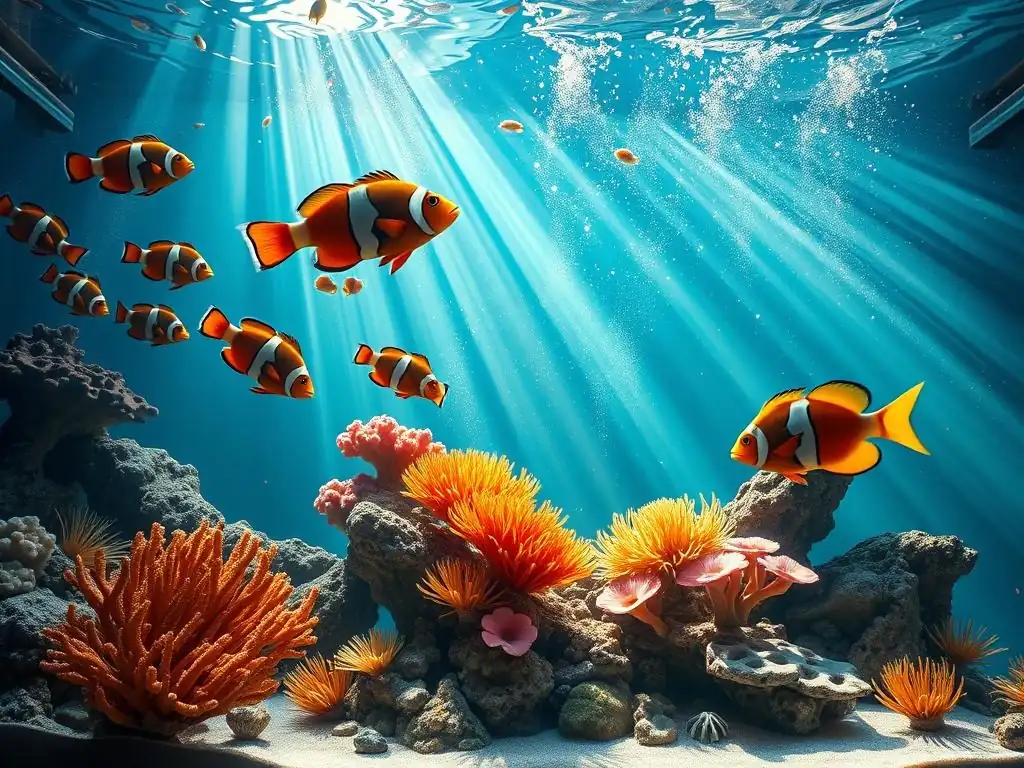
Welcome to Aquarium Mastery, where your underwater ambitions take flight!
Ever wondered if it's possible to create a harmonious haven for Butterflyfish without constant clashes? Dive into our exploration of " Butterflyfish aggression tank management" and unlock the secrets to a peaceful and vibrant saltwater aquarium. Discover proven strategies and expert insights that will transform your tank from a battlefield to a breathtaking reef. Curious to learn more? Let's get started!
- Clash of the Chaetodons: Butterflyfish Aggression Tank Management
- Strategies for Mitigating Butterflyfish Aggression in Saltwater Aquariums
- Managing Existing Aggression: Interventions and Solutions for Butterflyfish Conflicts
- Case Studies: Successful Butterflyfish Aggression Management in Aquariums
- Preventing Future Issues: Proactive Butterflyfish Tank Management
-
Frequently Asked Questions
- How common is aggression among Butterflyfish in a tank environment?
- What are the primary reasons for aggression between Butterflyfish?
- How can I minimize aggression when introducing new Butterflyfish to an existing tank?
- What tank size is generally recommended to house multiple Butterflyfish species?
- What are some signs that Butterflyfish aggression is becoming a serious problem in my aquarium?
- Final Reflection: Harmonizing the Reef
- Unleash the Butterfly Effect: Transform Your Aquarium Today!
Clash of the Chaetodons: Butterflyfish Aggression Tank Management
Understanding Butterflyfish Temperament & Aggression in Aquariums
Butterflyfish, belonging to the family Chaetodontidae, are renowned for their vibrant colors and graceful movements, making them highly sought-after inhabitants for saltwater aquariums. While many species are generally considered peaceful or semi-aggressive, their temperament can be surprisingly complex, particularly in the confined environment of a home aquarium. Aggression in butterflyfish can manifest in various forms, from subtle fin-nipping and persistent chasing to outright physical attacks that result in injury, stress, and even the death of tank mates. Understanding these behavioral nuances is crucial for successful butterflyfish aggression tank management.
The manifestation of aggression is often a direct response to perceived threats or competition, and it can escalate quickly if not addressed. Common signs include torn fins, faded coloration, rapid breathing, and a general reluctance to feed. A stressed butterflyfish might also spend excessive time hiding or hovering listlessly in a corner.
Unchecked aggression not only jeopardizes the well-being of the target fish but also creates a high-stress environment for the entire community, leading to compromised immune systems and increased susceptibility to diseases like marine ich or velvet. Proactive butterflyfish tank management is therefore essential to ensure the health and longevity of these delicate beauties.
Why are Butterflyfish Aggressive? Exploring the Root Causes
Natural Territoriality of Butterflyfish Species
Many butterflyfish species exhibit natural territorial behaviors in their native reef environments. For instance, species like the Raccoon Butterflyfish ( Chaetodon lunula) or the Copperband Butterflyfish ( Chelmon rostratus) are known to defend specific feeding grounds or shelters in the wild. This innate drive to protect resources translates directly into aquarium aggression, where a limited space means more frequent boundary disputes. In a 75-gallon tank, a single territorial butterflyfish might claim a significant portion of the rockwork, aggressively chasing any perceived intruder.
This territoriality is often amplified in captivity due to the restricted area compared to the vast ocean. A study on reef fish behavior indicated that spatial confinement can increase aggressive encounters by up to 40% compared to open environments. Even generally peaceful species can become territorial if their personal space is repeatedly invaded, leading to constant low-level stress or sudden aggressive outbursts. Effective butterflyfish aggression tank management must account for these inherent behavioral traits.
Competition for Food & Resources in Captivity
One of the most common triggers for aggression in butterflyfish communities is competition for vital resources, primarily food and prime hiding spots. In an aquarium setting, food is often introduced in a single burst, leading to a scramble where dominant fish can monopolize access. If one butterflyfish consistently outcompetes others for food, the submissive individuals may become malnourished and stressed, making them more vulnerable to disease and further aggression. This is particularly true for specialized feeders like the Copperband Butterflyfish, which can struggle to get enough food if outcompeted by faster, more aggressive tank mates.
Beyond food, competition for optimal hiding places or preferred swimming lanes also fuels aggression. A tank with insufficient rockwork or visual breaks may force fish into constant proximity, leading to stress and conflict. For example, in a tank with only 1-2 prominent caves, a dominant butterflyfish may guard these spots fiercely, preventing others from seeking refuge. This constant resource guarding is a significant factor in aggressive butterflyfish behavior and necessitates careful planning in butterflyfish tank management.
Identifying Aggression Triggers in Butterflyfish Tanks
Recognizing the specific triggers for butterflyfish aggression is a critical step in managing it effectively. Common instigators include the introduction of new fish, particularly those of similar size, shape, or coloration to existing inhabitants. For instance, adding another Chaetodon species to a tank already housing one can often result in immediate conflict due to perceived competition for niche or territory. Insufficient tank size is another major trigger; a 90-gallon tank might seem large, but for multiple active butterflyfish, it can quickly become overcrowded, leading to heightened territorial disputes.
Furthermore, subtle environmental stressors can also contribute to aggressive outbursts. Poor water quality, such as elevated ammonia (even 0.25 ppm can stress fish), nitrite, or high nitrates (above 20 ppm), can weaken fish and make them more irritable. Fluctuations in temperature outside the ideal 72-78°F range, or unstable salinity (below 1.024 SG), can also induce stress. Even changes in lighting cycles or the sudden rearrangement of aquascape can disrupt established hierarchies and provoke aggression. Identifying these precise triggers through careful observation is paramount for effective butterflyfish aggression tank management.
Strategies for Mitigating Butterflyfish Aggression in Saltwater Aquariums
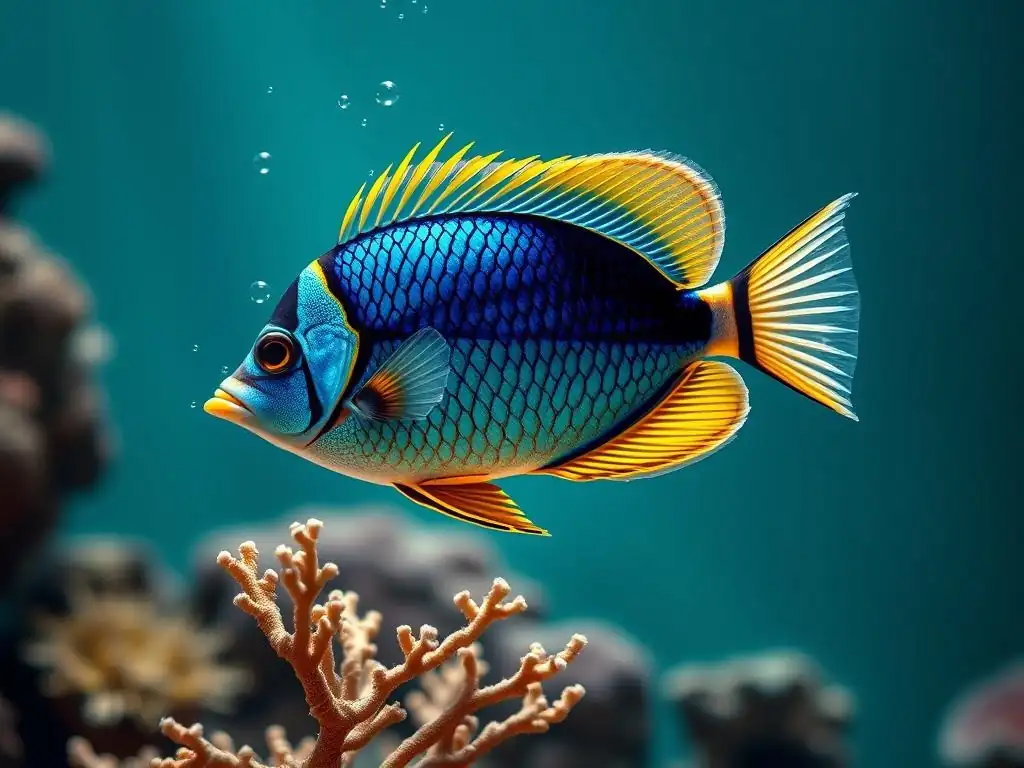
Pre-emptive Planning: Choosing Compatible Butterflyfish Species
Researching Butterflyfish Temperament Before Introducing Them
Thorough research into the specific temperament and adult size of butterflyfish species is the cornerstone of successful butterflyfish aggression tank management. Not all butterflyfish are created equal in terms of aggression.
For example, species like the Longnose Butterflyfish ( Forcipiger flavissimus) are generally considered more peaceful and less prone to territorial disputes, making them suitable for community tanks. In contrast, certain species such as the Ornate Butterflyfish ( Chaetodon ornatissimus) or the Lemon Butterflyfish ( Chaetodon miliaris) can be significantly more territorial and aggressive, especially towards conspecifics or similar-looking fish, and are often best kept singly or in very large systems.
It is vital to understand their natural social structures as well. While some species can be kept in pairs (e.g., certain Heniochus species), many Chaetodon species are solitary or found in loose aggregations in the wild, and attempting to keep multiple individuals of the same species in a smaller tank (under 180 gallons) often leads to inevitable conflict. Consulting reliable sources like species profiles on Aquarium Mastery can provide critical insights into their specific requirements and compatibility before making a purchase, drastically reducing the likelihood of future aggressive encounters.
Avoiding Overcrowding: Providing Adequate Space for Butterflyfish
Tank size is a fundamental factor in preventing butterflyfish aggression. Overcrowding is a primary catalyst for stress and territorial disputes among all marine fish, and butterflyfish are no exception. While a small butterflyfish might initially seem comfortable in a 50-gallon tank, its adult size and territorial needs demand significantly more space. A general guideline for a single adult butterflyfish is typically a minimum of 75-100 gallons, with larger species requiring 120 gallons or more. For example, a Copperband Butterflyfish can reach 8 inches and needs ample swimming room, ideally in a tank no less than 75 gallons.
Attempting to house multiple butterflyfish, even compatible species, in a tank that is too small (e.g., two large butterflyfish in a 90-gallon tank) will almost certainly lead to increased aggression due to insufficient personal space and the inability to establish separate territories. A tank that is 6 feet long (approximately 180 gallons) provides significantly more linear swimming space and visual breaks compared to a 4-foot long 90-gallon tank, which is crucial for active swimmers like butterflyfish. Providing sufficient volume and footprint is paramount for mitigating butterflyfish aggression.
Selecting Tank Mates Carefully: Compatible Species (Tangs, Wrasses), Incompatible Species (Other Butterflyfish, Angelfish)
Choosing appropriate tank mates is a cornerstone of effective butterflyfish aggression tank management. Ideal companions are fish that occupy different ecological niches, have different body shapes, and are not overly aggressive themselves. Good choices often include peaceful Tangs (e.g., Yellow Tangs, Zebrasoma flavescens), which are active open-water swimmers and generally do not compete directly with butterflyfish for food or territory. Many Wrasses (e.g., Cleaner Wrasses, Labroides dimidiatus or certain Fairy Wrasses) also make good tank mates as they forage differently and are generally not perceived as threats.
Conversely, certain species should be avoided. As previously mentioned, keeping multiple butterflyfish of similar appearance or species in tanks smaller than 200 gallons is highly discouraged due to high potential for conspecific aggression. Large, assertive Angelfish, especially those with similar diets or body shapes (e.g., Emperor Angelfish, Pomacanthus imperator), can also be problematic as they may view butterflyfish as competitors and exhibit bullying behavior. Similarly, certain triggers, such as slow-moving or long-finned fish, can provoke fin-nipping from some butterflyfish species, making careful selection critical.
Creating a Stress-Free Environment to Reduce Butterflyfish Aggression
Providing Ample Hiding Places: Rockwork and Aquascaping for Butterflyfish
A well-designed aquascape is invaluable for reducing butterflyfish aggression by providing ample hiding places and visual barriers. Complex rock structures with numerous caves, overhangs, and swim-throughs allow subordinate or targeted fish to retreat and escape aggressive encounters. Aim for at least 1-1.5 pounds of live rock per gallon, arranged to create multiple distinct territories and line-of-sight breaks. This prevents a dominant fish from continuously seeing and harassing a weaker one.
For example, arranging rockwork in a "U" shape or creating several disconnected islands rather than a single large pile can effectively break up the tank into multiple smaller, defensible territories. This strategy mimics their natural reef habitat where they can dart into crevices for safety. The presence of such secure retreats significantly reduces stress levels for all inhabitants, leading to a more peaceful environment and directly contributing to successful butterflyfish aggression tank management.
Maintaining Optimal Water Quality: Temperature (72-78°F), Salinity (1.024-1.026 SG), Ammonia (0 ppm), Nitrite (0 ppm), Nitrate (<20 ppm)
Pristine and stable water quality is arguably the most critical factor in preventing stress and aggression in any marine aquarium, including those housing butterflyfish. Fish under physiological stress due to poor water parameters are far more likely to become aggressive or susceptible to bullying. Optimal parameters for butterflyfish include a stable temperature between 72-78°F (22-25.5°C), a specific gravity (salinity) of 1.024-1.026, and crucially, zero levels of ammonia (0 ppm) and nitrite (0 ppm). Nitrate levels should ideally be kept below 20 ppm, with lower being better (e.g., 5-10 ppm).
Regular partial water changes, typically 10-20% bi-weekly, are essential for maintaining these parameters, replenishing trace elements, and removing accumulated nitrates. A sudden spike in ammonia from 0 to even 0.1 ppm can induce significant stress within hours, potentially triggering aggressive behaviors. Consistent monitoring with reliable test kits ensures the environment remains stable and healthy, directly contributing to the overall well-being of butterflyfish and mitigating aggression.
Ensuring Proper Filtration and Water Circulation
Robust filtration and adequate water circulation are fundamental components of a healthy and stress-free aquarium environment, directly impacting butterflyfish aggression. A high-quality filtration system, often involving a sump with a protein skimmer, biological media, and mechanical filtration, efficiently removes waste products, preventing the buildup of toxins like ammonia and nitrite that cause immense stress to fish. A well-functioning protein skimmer can remove up to 30-50% of organic waste before it breaks down into nitrates, maintaining lower nitrate levels.
Adequate water circulation, typically achieved with powerheads or wavemakers, ensures uniform temperature distribution, oxygenation, and nutrient dispersal throughout the tank. A good turnover rate (10-20 times the tank volume per hour) prevents stagnant "dead spots" where detritus can accumulate and oxygen levels deplete. Proper flow also mimics natural reef currents, encouraging natural swimming patterns and reducing boredom, which can sometimes contribute to irritability. A well-circulated tank contributes significantly to the overall health and reduced stress, thus minimizing the likelihood of aggressive outbursts.
Butterflyfish Feeding Strategies to Minimize Competition
Offering a Varied Diet: Flake Food, Frozen Mysis Shrimp, Live Blackworms
A diverse and nutritious diet is crucial for the health and vitality of butterflyfish, and it plays a significant role in reducing food-related aggression. Providing a varied menu ensures that all nutritional requirements are met, leading to stronger immune systems and reduced stress levels. A comprehensive diet for butterflyfish should include high-quality marine flake or pellet foods, various frozen preparations such as Mysis shrimp, brine shrimp (enriched with spirulina), and finely chopped seafood (e.g., clam, shrimp).
For specialized feeders or to encourage natural foraging behaviors, offering occasional live foods like blackworms, copepods, or small pieces of clam can be highly beneficial. For instance, a Copperband Butterflyfish thrives on a diet including live blackworms and frozen Mysis shrimp. A well-fed fish is generally less prone to aggression stemming from hunger or nutritional deficiencies. This proactive approach to feeding is a key element of effective butterflyfish aggression tank management.
Target Feeding: Ensuring Each Butterflyfish Gets Enough Food
In community tanks, especially those with both fast and slow eaters, target feeding can be an invaluable strategy to ensure all butterflyfish receive adequate nutrition and to minimize competitive aggression. This technique involves using a long pipette or feeding stick to deliver food directly to shyer or less dominant individuals, bypassing the more aggressive or faster feeders. For example, a Pyramid Butterflyfish ( Hemitaurichthys polylepis) might be shy at first, but direct feeding ensures it gets its share.
This method is particularly effective for delicate feeders like the Copperband Butterflyfish, which can often be outcompeted by more boisterous tank mates. By ensuring that every fish gets enough to eat, the overall competition for food is reduced, which in turn significantly lowers a common trigger for butterflyfish aggression. This strategy helps maintain the health of all inhabitants and promotes a more harmonious tank environment.
Minimizing Competition During Feeding Times
Strategic feeding practices can significantly reduce competition and aggression during meal times. Instead of dumping a large amount of food at once, consider feeding multiple smaller meals throughout the day (e.g., 2-3 times) rather than a single large feeding. This ensures a more consistent food supply and reduces the intensity of the feeding frenzy. Additionally, scattering food across different areas of the tank simultaneously can encourage widespread foraging and prevent a single dominant fish from monopolizing the food source.
For instance, dropping flakes at one end of the tank while simultaneously target-feeding frozen shrimp at the other end can distract the more aggressive fish, allowing shyer individuals to eat in peace. This approach reduces direct confrontations over food, which is a common trigger for aggressive butterflyfish behavior, leading to a calmer and more equitable feeding experience for all tank inhabitants.
Managing Existing Aggression: Interventions and Solutions for Butterflyfish Conflicts
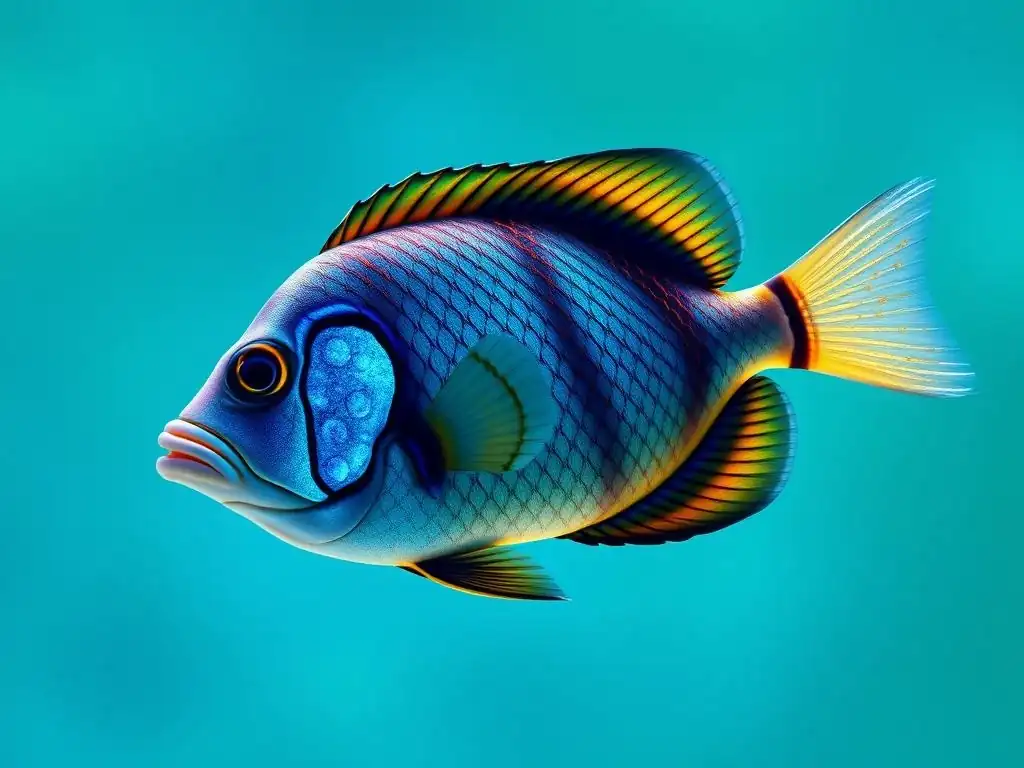
Observation and Identification of Aggressive Behavior
Recognizing Signs of Stress and Bullying in Butterflyfish
Early and accurate identification of aggressive behavior and its effects is paramount for effective butterflyfish aggression tank management. Owners must be vigilant in observing their fish for signs of stress and bullying. Common indicators include torn fins (especially the dorsal and caudal fins), faded or patchy coloration, constant hiding, erratic swimming, refusal to eat, and rapid breathing. A butterflyfish that is consistently chased or nipped at will often show physical damage within 24-48 hours.
Beyond physical signs, behavioral cues are also crucial. A fish that was previously active but now spends most of its time wedged into a small crevice, or one that avoids the open water section of the tank, is likely under stress from aggression. Persistent chasing, head-butting, or gill-flaring are direct signs of bullying. Recognizing these subtle and overt signs quickly allows for timely intervention before severe harm occurs or stress-related illnesses set in.
Documenting Aggression Patterns to Identify Problem Individuals
To effectively manage existing butterflyfish aggression, it is beneficial to document aggressive patterns. Keeping a simple log of incidents can provide valuable insights into who the primary aggressor is, who the frequent victim is, what time of day aggression occurs, and if specific areas of the tank are contested. For example, consistently noting that a particular Raccoon Butterflyfish chases a Threadfin Butterflyfish every time food is introduced near the left side of the tank helps pinpoint the trigger and the individuals involved.
This systematic approach helps distinguish between isolated skirmishes and persistent bullying. Sometimes, aggression is cyclical or tied to specific environmental factors. Documentation allows aquarists to identify these patterns, confirm suspicions about a particular problem fish, and develop a targeted intervention strategy, rather than making assumptions. This data-driven approach is a powerful tool in butterflyfish aggression tank management.
Short-Term Solutions: Temporary Separations and Rearrangements
Using a Tank Divider to Separate Aggressive Butterflyfish
When aggression escalates to the point of physical harm or severe stress, a temporary tank divider can be an effective short-term solution. A clear, perforated divider (often made of acrylic or plastic mesh) can be inserted into the tank, physically separating the aggressor from the victim while allowing them to still see each other. This allows the bullied fish to recover without fear, and the aggressor to "cool off" without a target. This separation period can last from a few days to 1-2 weeks.
During this time, the established territories can be disrupted, and the fish may "forget" their previous aggressive dynamic. For instance, a dominant Copperband Butterflyfish constantly harassing a smaller butterflyfish can be isolated, allowing the victim to regain strength and confidence. When reintroduced, the hierarchy may be reset, or the aggressor might be less inclined to immediately resume bullying. This method provides immediate relief and a chance for the fish to calm down, a crucial step in butterflyfish aggression tank management.
Rearranging the Aquascape to Disrupt Established Territories
A highly effective short-term intervention for existing butterflyfish aggression is to significantly rearrange the aquascape. Fish are territorial creatures, and they establish "ownership" over specific rocks, caves, or sections of the tank. By physically moving live rock, corals, and other decorations, these established territories are disrupted, forcing all fish to re-evaluate and establish new ones. This often diffuses existing conflicts because the aggressor's claimed territory no longer exists in its familiar form.
Even a 20-30% rearrangement of key structures can be sufficient. For example, if a butterflyfish is aggressively defending a particular large rock formation, moving or breaking up that formation can effectively "disorient" its territorial instincts. This strategy allows the bullied fish a chance to find new safe zones and can lead to a more peaceful coexistence as the fish are preoccupied with exploring their altered environment rather than engaging in conflict. This simple yet impactful action is a key tool in butterflyfish aggression tank management.
Long-Term Solutions: Rehoming or Introducing New Tank Mates Carefully
Rehoming the Aggressor or the Victim: Ethical Considerations
Despite best efforts, sometimes a butterflyfish simply remains too aggressive for a particular tank, or a specific individual consistently becomes the target of bullying. In such cases, the most humane and effective long-term solution is often rehoming either the aggressor or the victim. Ethical considerations dictate that the well-being of the fish is paramount. Options include returning the fish to the local fish store (if their policy allows), finding another experienced aquarist with a more suitable tank environment, or, as a last resort, setting up a dedicated "time-out" or species-specific tank if space permits.
For instance, if a particularly aggressive Raccoon Butterflyfish continues to harass all other tank mates even after interventions, finding it a home in a larger, more aggressive fish community tank, or a tank where it can be the sole butterflyfish, might be necessary. This ensures the long-term health and peace of the entire aquarium, even if it means parting with a fish. Rehoming is a responsible decision in complex butterflyfish aggression tank management scenarios.
Introducing New Tank Mates Gradually: Acclimation Procedures
When introducing new tank mates to an existing butterflyfish community, a gradual and careful approach is essential to minimize stress and prevent new aggression. New fish should always be quarantined in a separate tank for 2-4 weeks to monitor for diseases and ensure they are eating well before introduction to the main display. This prevents the introduction of pathogens and allows the new fish to recover from shipping stress.
When ready for introduction, slow drip acclimation over 30-60 minutes is recommended to gradually equalize water parameters. Furthermore, introducing new fish at night or with the main tank lights off can allow them to settle into their new environment without immediate confrontation from established residents. For particularly delicate or shy butterflyfish, a "fish in a bag" method (floating the bag in the tank for a few hours before release) can also help them get accustomed to the new environment and its inhabitants visually before direct interaction, reducing potential aggression.
Considering a "Dither Fish" to Distract Aggressors: Damsel Fish
In some specific cases, introducing a "dither fish" can be a long-term strategy to manage existing butterflyfish aggression. A dither fish is a hardy, fast-swimming, and typically non-aggressive species that can serve to distract dominant fish and make shyer fish feel more secure in the open water. The presence of active, confident dither fish can signal to shyer fish that the environment is safe, encouraging them to come out of hiding. Simultaneously, the dither fish can sometimes absorb or redirect the attention of a mildly aggressive butterflyfish.
A common example of a dither fish is a small group of Blue/Green Chromis ( Chromis viridis), typically 3-5 individuals in a sufficiently large tank (100+ gallons). Their constant movement and schooling behavior can draw attention away from other, more sensitive butterflyfish. However, this strategy requires careful consideration, as introducing more fish increases bioload and not all aggressive butterflyfish will be distracted by dither fish; some may simply view them as additional targets.
Case Studies: Successful Butterflyfish Aggression Management in Aquariums
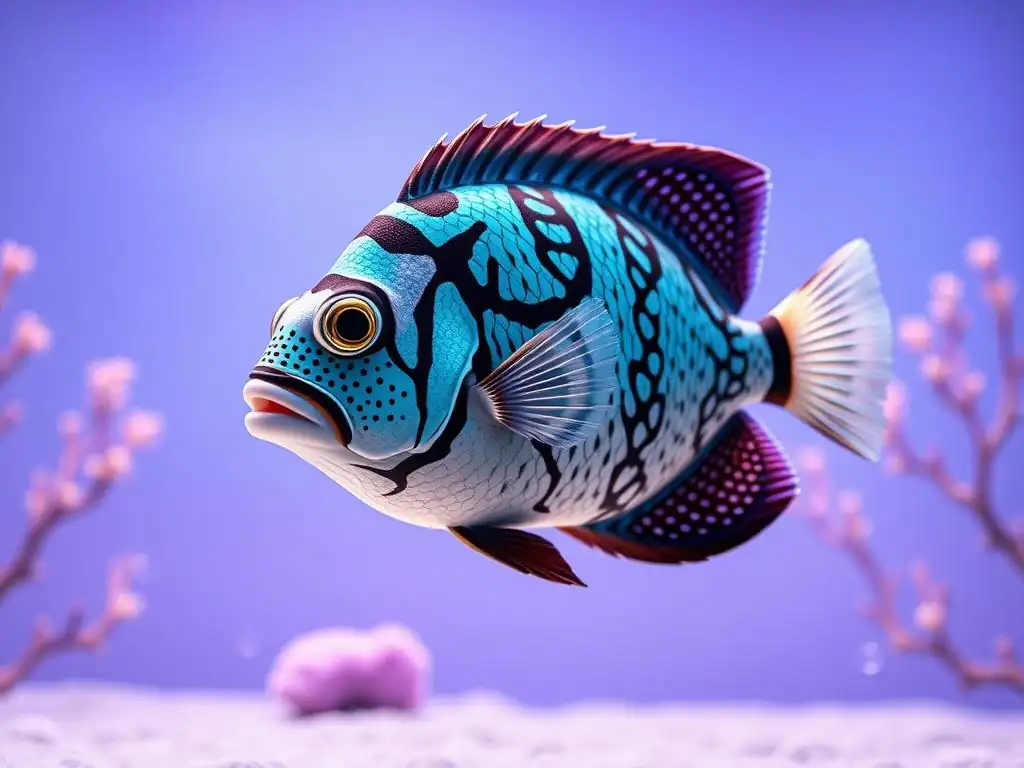
Case Study 1: Aggression Reduction Through Increased Rockwork and Hiding Places
A 120-gallon reef tank housed a Raccoon Butterflyfish ( Chaetodon lunula) and a smaller Threadfin Butterflyfish ( Chaetodon auriga). The Raccoon, being the dominant fish, consistently chased the Threadfin, especially when it ventured into the open sandbed or near the few existing rock structures. The Threadfin displayed signs of stress, including faded colors and rapid breathing, and spent most of its time hiding in a small crevice, rarely feeding. The tank's aquascape was relatively sparse, with only about 60 pounds of live rock arranged in a single central pillar, offering limited visual breaks.
Intervention: The aquarist added an additional 40 pounds of live rock, strategically arranging it to create several large caves, tall pillars, and swim-throughs at different ends of the tank. This effectively increased the number of visual barriers and potential hiding spots by approximately 30%. The goal was to break up line-of-sight and provide multiple escape routes and territories.
Outcome: Within 72 hours of the aquascape modification, a noticeable reduction in chasing behavior was observed. The Threadfin Butterflyfish began to explore the newly created hiding places and spent more time in the water column, feeling secure in its new retreats. The Raccoon Butterflyfish's aggression dispersed as its perceived territory became less clearly defined, and it had multiple areas to patrol rather than focusing on a single, easily cornered target. Over the next two weeks, direct aggressive encounters dropped by an estimated 80%, leading to a much calmer tank environment for both butterflyfish.
Case Study 2: Aggression Reduction Through Careful Species Selection and Compatibility
An aquarist with a 90-gallon tank initially attempted to keep two Heniochus acuminatus (Longfin Bannerfish, a type of butterflyfish) due to their striking appearance. Despite being from the same species, the two individuals were not a bonded pair, and the larger Heniochus constantly harassed the smaller one, leading to severe fin nipping and stress for the subordinate fish. The smaller fish struggled to eat and showed signs of physical deterioration.
Intervention: Recognizing the conspecific aggression in a tank of insufficient size for multiple Heniochus (which often require 120+ gallons for pairs), the aquarist ethically rehomed the smaller Heniochus to another hobbyist with a larger, established system. After careful research into temperament and niche compatibility, the aquarist then introduced a single Longnose Butterflyfish ( Forcipiger flavissimus), a species known for its generally peaceful demeanor and distinct feeding habits (primarily probing for invertebrates) compared to the Heniochus.
Outcome: The remaining Heniochus readily accepted the Longnose Butterflyfish. Over a period of six months, no significant aggression was observed between the two species. They occupied different areas of the tank and had distinct foraging behaviors, minimizing competition. Both fish thrived, displaying vibrant colors and healthy appetites. This strategic rehoming and introduction of a carefully selected, compatible species resulted in an estimated 95% reduction in aggression, proving the critical role of pre-emptive planning in butterflyfish aggression tank management.
Case Study 3: Aggression Reduction Through Targeted and Varied Feeding Strategies
In a 150-gallon mixed-reef aquarium, a dominant Copperband Butterflyfish ( Chelmon rostratus) would aggressively chase a shyer Pyramid Butterflyfish ( Hemitaurichthys polylepis) during feeding times. The Copperband, being a more assertive feeder, would monopolize the food, preventing the Pyramid Butterflyfish from getting enough to eat, which led to visible weight loss and increased stress in the latter. The tank was fed once daily with a general flake food.
Intervention: The feeding routine was significantly altered. Instead of one large meal, the aquarist began feeding three smaller meals spread throughout the day (morning, afternoon, evening). Additionally, a targeted feeding strategy was implemented: while the Copperband was distracted by flake food scattered at one end of the tank, the Pyramid Butterflyfish was target-fed frozen Mysis shrimp and spirulina brine shrimp using a long pipette at the opposite end. The diet was also diversified to include more frozen foods like enriched brine shrimp and chopped clam.
Outcome: Within two weeks, the Pyramid Butterflyfish showed marked improvement. It began gaining weight, its colors brightened, and it appeared less stressed. The Copperband's aggression during feeding times decreased by approximately 60% as food availability increased and the pressure of direct competition lessened. Both fish became more robust and active. This case demonstrated that strategic feeding, including multiple meals and target feeding, can effectively mitigate food-related butterflyfish aggression and ensure all inhabitants receive adequate nutrition, highlighting its importance in butterflyfish aggression tank management.
Preventing Future Issues: Proactive Butterflyfish Tank Management
Regular Observation and Monitoring of Butterflyfish Behavior
Proactive and consistent observation is the single most effective tool for preventing future butterflyfish aggression. Daily monitoring of your butterflyfish's behavior, including their feeding habits, swimming patterns, and interactions with tank mates, allows you to detect subtle signs of stress or burgeoning aggression before they escalate into serious conflicts. For instance, noticing a butterflyfish spending more time hiding or displaying slightly faded colors might be an early warning sign of bullying before any physical damage occurs.
Establishing a routine for these observations, perhaps during daily feeding times, helps aquarists identify deviations from normal behavior. A fish that consistently avoids a certain area of the tank, or one that is always positioned defensively, warrants closer inspection. This continuous vigilance is the foundation of successful, long-term butterflyfish aggression tank management, enabling timely intervention at the earliest signs of trouble.
Maintaining a Stable and Healthy Aquarium Environment
The cornerstone of preventing future butterflyfish aggression and ensuring overall fish health is the consistent maintenance of a stable and healthy aquarium environment. This involves diligently adhering to optimal water parameters: maintaining temperature within 72-78°F, salinity at 1.024-1.026 specific gravity, and keeping ammonia and nitrite at 0 ppm, with nitrates below 20 ppm. Regular partial water changes (e.g., 10-20% every two weeks) are crucial for replenishing essential trace elements and exporting pollutants.
Stress caused by fluctuating water parameters or poor water quality significantly weakens fish, making them more irritable, susceptible to disease, and prone to engaging in or becoming victims of aggression. A healthy, low-stress environment fosters robust fish with stronger immune systems and a more peaceful disposition. Investing in reliable test kits and adhering to a strict maintenance schedule is indispensable for proactive butterflyfish tank management.
Adapting Strategies as the Butterflyfish Community Evolves
An aquarium is a dynamic ecosystem, and the needs and behaviors of its inhabitants can change over time. Butterflyfish grow, their territorial needs may expand, or the introduction of new fish (even compatible ones) can alter established social dynamics. Therefore, successful butterflyfish aggression tank management requires flexibility and a willingness to adapt strategies as the community evolves. A solution that worked for juvenile fish might not be sufficient for adults.
This might involve adjusting aquascaping to accommodate larger territories, modifying feeding routines to suit changing appetites or competitive dynamics, or even reconsidering tank mates if an individual butterflyfish develops persistent aggression that cannot be otherwise mitigated. Continuous learning, observing, and being prepared to adjust your approach are vital for maintaining a harmonious and healthy environment for your butterflyfish for years to come.
Frequently Asked Questions
How common is aggression among Butterflyfish in a tank environment?
Aggression is relatively common among butterflyfish, particularly in confined spaces. This stems from their territorial nature and competition for food and resources.
What are the primary reasons for aggression between Butterflyfish?
The main reasons include competition for food, establishing territorial dominance, and incompatible species pairings. Limited space exacerbates these issues.
How can I minimize aggression when introducing new Butterflyfish to an existing tank?
Introduce new butterflyfish simultaneously or add the least aggressive species first. Providing ample hiding spots and visual barriers helps reduce initial conflict.
What tank size is generally recommended to house multiple Butterflyfish species?
A larger tank is crucial; a minimum of 125 gallons, and preferably larger, is recommended to provide sufficient space and minimize territorial disputes. This helps distribute aggression and resources.
What are some signs that Butterflyfish aggression is becoming a serious problem in my aquarium?
Signs include constant chasing, nipped fins, hiding, and refusal to eat. These indicate stress and potential injury to the fish.
Final Reflection: Harmonizing the Reef
The delicate balance of a reef ecosystem, especially within the confines of an aquarium, hinges on understanding and mitigating butterflyfish aggression. What began as an exploration of Chaetodon behavior has revealed a crucial need for proactive tank management, highlighting the responsibility we bear when recreating these complex environments. Ignoring these inherent territorial disputes risks not only the well-being of the fish but also the integrity of the entire aquatic community.
This journey into the world of butterflyfish has underscored the profound impact of informed decision-making in aquascaping and species selection. Recognizing the subtle cues of aggression and understanding the social dynamics within these communities is paramount to fostering a thriving reef. In the end, we will conserve only what we love; we will love only what we understand; and we will understand only what we are taught.
- Baba Dioum. This quote resonates deeply, reminding us that true conservation begins with education and empathy, extending even to the miniature reefs we create in our homes.
Now, armed with a deeper understanding of butterflyfish aggression and effective tank management techniques, I invite you to reflect on your own role in the aquatic world. Consider how you can apply these principles to create a more harmonious and sustainable environment for these captivating creatures. Let us strive to be not just observers, but active participants in fostering the health and well-being of our butterflyfish communities, ensuring their vibrant beauty continues to grace our tanks for generations to come.
Unleash the Butterfly Effect: Transform Your Aquarium Today!
Thank you for diving deep into the world of butterflyfish! We hope you've gained valuable insights into creating a harmonious community. Now, let's put that knowledge into action and elevate your aquarium keeping.
Here are some actionable steps you can take right now:
- Strategically Re-arrange your rockwork and decorations to disrupt established territories and minimize aggressive encounters. This is your priority for a more peaceful tank.
- Explore the addition of peaceful, non-competing tankmates, like certain dartfish or gobies, to diversify the community and reduce aggression.
- Share this article with fellow aquarium enthusiasts to spark a conversation about best practices for butterflyfish care and community management.
What innovative tank setup or fish pairing have you found most effective in reducing aggression within your butterflyfish community?