
Eggspectations vs Reality: A Guide to EggLayer Breeding & Essential Fry Care

Welcome to Aquarium Mastery!
Ever dreamt of witnessing the miracle of life unfold in your own saltwater aquarium? Eggspectations vs Reality: A Guide to EggLayer Breeding & Essential Fry Care is your gateway to mastering saltwater fish breeding. But be warned, it's not all sunshine and tiny fins! Dive in to uncover the secrets and challenges of successfully raising saltwater fry, and discover if you're truly ready to embark on this rewarding journey.
- Eggspectations vs Reality: A Guide to Egg-Laying Fish Breeding & Essential Fry Care
- Understanding Egg-Laying Fish Breeding in Saltwater Aquariums
- Identifying Egg-Laying Fish Species Suitable for Home Aquariums
- Setting Up a Dedicated Breeding Tank for Egg-Layers
- The Spawning Process: Recognizing and Encouraging Egg-Laying
- Egg Collection and Incubation: Ensuring High Hatch Rates
- Fry Care Essentials: From Hatching to Juvenile Stage
- Common Challenges in Saltwater Egg-Layer Breeding and Fry Rearing
- Advanced Techniques in Saltwater Fish Breeding: Genetic Line Selection
- A Realistic Perspective: Expectations and Potential Pitfalls in Saltwater Fish Breeding
-
Frequently Asked Questions
- ### What are the biggest challenges in saltwater fish breeding, particularly with egg-layers?
- ### Where can I find information about specific saltwater fish species' breeding behaviors?
- ### What kind of food is necessary for saltwater fish fry after hatching?
- ### How important is water chemistry in saltwater fish breeding and fry rearing?
- ### Does AquariumMastery.com offer specific guides for troubleshooting common tank issues related to breeding?
- Final Reflection: Hatching Hope in Saltwater Aquariums
- Dive Deeper: Unleash Your Egg-cellent Breeding Potential!
Eggspectations vs Reality: A Guide to Egg-Laying Fish Breeding & Essential Fry Care
Understanding Egg-Laying Fish Breeding in Saltwater Aquariums
The Allure of Saltwater Egg-Laying Fish: A Breeder's Perspective
Breeding egg-laying saltwater fish offers a profoundly rewarding experience for dedicated aquarists, extending beyond the mere enjoyment of a vibrant display tank. It provides a unique opportunity to observe the intricate life cycles of marine organisms firsthand, from courtship rituals and spawning to the delicate development of fry. This process fosters a deeper connection with the marine environment and contributes significantly to the hobby by reducing reliance on wild-caught specimens, thus supporting conservation efforts. Many hobbyists find immense satisfaction in successfully raising a batch of healthy fry, knowing they are helping to make the saltwater aquarium trade more sustainable.
Furthermore, the allure lies in the challenge and the continuous learning curve involved. Each species presents its own set of requirements and behaviors, making every breeding project a new adventure. For example, a successful Ocellaris clownfish spawn, which can yield hundreds of eggs, represents not just a personal achievement but also a tangible contribution to the availability of captive-bred fish. This aspect is particularly appealing to those looking to advance their skills beyond basic tank maintenance, transforming their aquarium hobby into a miniature marine research endeavor.
Challenges and Rewards of Breeding Egg-Layers in Marine Tanks
Breeding egg-laying fish in a marine tank presents a distinct set of challenges that differentiate it significantly from freshwater counterparts. The primary hurdles include the precise control of water parameters, the specialized nutritional needs of marine fry, and the often-low survival rates of newly hatched larvae.
Maintaining stable salinity, temperature, pH, and alkalinity within narrow margins is critical, as even minor fluctuations can stress breeding pairs or prove lethal to delicate eggs and fry. For instance, achieving a consistent salinity of 1.025 specific gravity is paramount for many marine species to successfully spawn and for their eggs to develop properly.
Despite these difficulties, the rewards are substantial. Successfully raising a cohort of saltwater fish fry provides unparalleled satisfaction and contributes to the growing demand for tank-bred marine organisms. This helps to alleviate pressure on wild populations, which are often subjected to unsustainable collection practices. Witnessing the transformation from microscopic larvae to miniature versions of adult fish is a truly captivating experience. Moreover, the knowledge gained through this intricate process, detailed in any comprehensive saltwater fish breeding guide, can be invaluable, often leading to a deeper understanding of marine biology and ecosystem dynamics.
Identifying Egg-Laying Fish Species Suitable for Home Aquariums
Popular Saltwater Egg-Layers for Breeding: Clownfish, Dottybacks, Gobies
For aquarists venturing into the realm of a saltwater fish breeding guide, certain egg-laying species stand out as more attainable for home aquarium setups. Clownfish (e.g., Ocellaris Clownfish, Amphiprion ocellaris) are arguably the most popular choice due to their relatively straightforward breeding habits, parental care, and high market demand for captive-bred specimens. A healthy pair of Ocellaris clownfish can lay clutches of 100 to 1,000 eggs every 10 to 14 days, typically on a flat surface near their host anemone or a clay pot.
Dottybacks, such as the Orchid Dottyback ( Pseudochromis fridmani), are another excellent option. These hardy and colorful fish are known to form monogamous pairs and will often spawn in small caves or PVC pipes, producing smaller clutches of 50 to 200 eggs. Their fry are generally robust and easier to raise than many other marine species. Gobies, particularly the Neon Goby ( Elacatinus oceanops), are also viable candidates. They are prolific egg-layers, depositing 50 to 200 eggs on vertical surfaces within their territory, and their fry are typically larger at hatching, making them somewhat less challenging to feed initially.
Assessing Breeding Potential: Considerations for Species Selection
When selecting egg-laying species for a saltwater fish breeding guide, several critical factors must be considered beyond mere popularity to assess their breeding potential in a home aquarium. The first is the adult size and territoriality of the chosen species; smaller, less aggressive fish are generally easier to manage in a breeding setup. For instance, a pair of Banggai Cardinalfish ( Pterapogon kauderni) requires only a 20-gallon breeding tank, whereas larger species would necessitate significantly more space.
Another crucial consideration is the specific environmental requirements for spawning and larval development. Some species, like certain gobies, require specific substrates or spawning sites (e.g., live rock crevices or sand burrows), while others, like clownfish, prefer a smooth surface for egg deposition. Furthermore, the availability and ease of culturing appropriate first foods for the fry are paramount.
Species whose fry require exceptionally small rotifers or specific copepod nauplii might be more challenging for beginners compared to those whose fry can readily consume newly hatched brine shrimp or larger rotifers. Thorough research into the species' natural history and documented captive breeding successes is essential before committing to a breeding project.
Setting Up a Dedicated Breeding Tank for Egg-Layers
Tank Size and Aquascaping for Successful Saltwater Fish Breeding
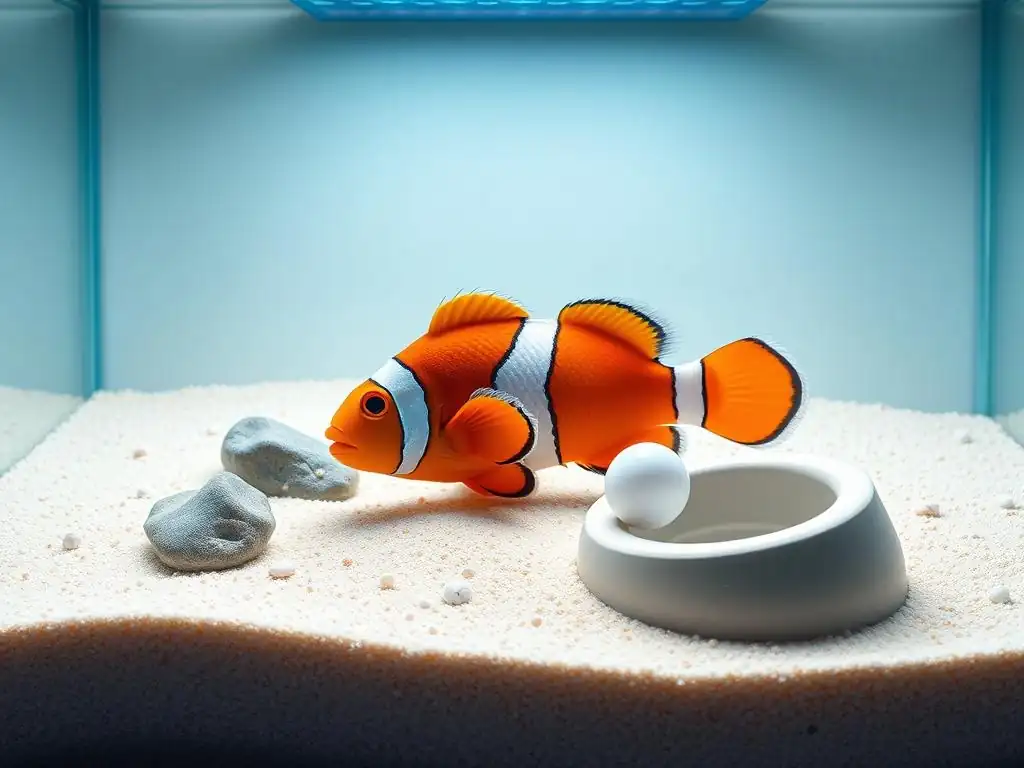
Establishing a dedicated breeding tank is a fundamental step in any successful saltwater fish breeding guide. The appropriate tank size is crucial, balancing the need for space with the ease of maintenance and fry collection. For many popular egg-layers like clownfish, a 20 to 30-gallon long aquarium is often sufficient for a single breeding pair, providing ample swimming space while allowing for easy access to eggs. Larger tanks, such as 40 to 50 gallons, might be preferred for more active species or if multiple pairs are being conditioned in separate sections.
Aquascaping in a breeding tank should be minimal and functional, prioritizing the fish's comfort and the ease of egg retrieval. For clownfish, a clay pot, a section of PVC pipe, or a smooth piece of tile serves as an ideal spawning substrate. These items are easily removed for egg incubation.
Dottybacks and gobies often prefer small caves or crevices, which can be created using a few pieces of inert live rock or ceramic decor. Avoid elaborate rock structures that can harbor uneaten food or make observation and cleaning difficult, as maintaining pristine water quality is paramount for delicate eggs and fry.
Essential Equipment for Egg-Layer Breeding: Spawning Mop, Egg Tumbler, Rotifer Culture
Successful egg-laying fish breeding in saltwater aquariums relies on specific equipment designed to facilitate spawning, protect eggs, and nourish fry. A spawning mop, typically made from synthetic yarn, can be highly effective for species like various gobies or blennies that lay adhesive eggs on filamentous structures. This allows for easy removal of the eggs for artificial incubation, reducing predation by parent fish or other tank inhabitants. The mop provides a familiar and safe substrate for egg deposition.
An egg tumbler is an indispensable tool for incubating marine fish eggs, especially those that are non-adhesive or prone to fungal infections. This device gently tumbles the eggs in a constant flow of oxygenated water, mimicking natural aeration and preventing detritus buildup. It significantly increases hatch rates compared to leaving eggs in the main tank where they are vulnerable.
Furthermore, a robust rotifer culture system is absolutely essential for raising marine fish fry. Most newly hatched saltwater fish larvae are incredibly small and cannot consume newly hatched brine shrimp. Rotifers (e.g., Brachionus plicatilis), typically cultured in 5-gallon buckets with phytoplankton, are the primary first food for the vast majority of marine fish fry, providing the vital nutrition needed for their initial growth and survival.
Water Parameters and Filtration for Optimal Spawning Conditions
Maintaining precise and stable water parameters is paramount for inducing spawning in egg-laying saltwater fish and ensuring the viability of their eggs. Ideal conditions typically mirror natural reef environments: a stable temperature between 78-80°F (25.5-26.7°C), a specific gravity of 1.023-1.026, and a pH of 8.0-8.4. Ammonia, nitrite, and nitrate levels must be undetectable, as even trace amounts can inhibit spawning or harm developing eggs. Regular testing, at least two to three times per week, is critical to monitor these parameters.
Filtration for a breeding tank should be effective yet gentle to avoid disturbing eggs or fry. A mature sponge filter provides excellent biological filtration and aeration without strong currents, making it ideal for egg-laying setups. Alternatively, a small hang-on-back filter with minimal flow can be used, ensuring the intake is covered with a fine mesh to prevent accidental egg or fry aspiration.
Protein skimmers are often included to maintain water clarity and remove organic waste, though their flow should be adjusted to avoid creating excessive turbulence. Regular small water changes, perhaps 10-20% weekly, using properly mixed saltwater, are also crucial for replenishing trace elements and maintaining pristine conditions.
The Spawning Process: Recognizing and Encouraging Egg-Laying
Conditioning Breeders: Diet and Environmental Factors
Successful spawning in egg-laying saltwater fish hinges significantly on the meticulous conditioning of the breeding pair. A high-quality, varied diet is paramount, providing all necessary nutrients to ensure the fish are in peak reproductive health. This typically includes a mix of frozen foods such as Mysis shrimp, enriched brine shrimp, krill, and high-quality pellet or flake foods. Supplementing with vitamin-enriched foods or live options like blackworms can further boost their vitality and egg production. Feeding multiple small meals throughout the day, rather than one large meal, often encourages better nutrient absorption and simulates natural foraging.
Environmental factors also play a crucial role in encouraging spawning. A stable photoperiod, typically 12-14 hours of light, helps regulate their natural biological rhythms. Gradual increases in water temperature, by 1-2°F (0.5-1°C), can sometimes trigger spawning by mimicking seasonal changes. Additionally, providing ample hiding spots and a suitable spawning substrate (e.g., a clay pot for clownfish, PVC pipe for dottybacks) can reduce stress and encourage the pair to feel secure enough to reproduce. Consistent water quality, as detailed in any comprehensive saltwater fish breeding guide, is non-negotiable; pristine conditions signal a safe environment for raising offspring.
Observing Spawning Behavior: Identifying Key Indicators
Recognizing the key indicators of spawning behavior is crucial for any saltwater fish breeding guide, allowing the aquarist to prepare for egg collection and subsequent fry rearing. Pre-spawning rituals vary by species but often include intensified courtship displays. For clownfish, this typically involves the male meticulously cleaning the chosen spawning site (a rock, tile, or clay pot) with his mouth and fins, often for several days leading up to the spawn. The female will often become noticeably plumper with eggs, and the pair will engage in "shaking" or "quivering" motions near the spawning site.
During the actual spawning event, which usually occurs in the late afternoon or early evening, the female will pass over the spawning site, depositing her adhesive eggs in neat rows, while the male follows closely behind, fertilizing them. The eggs are often amber or reddish-orange, becoming darker as they develop. Post-spawning, the male typically takes on the primary role of fanning and guarding the eggs, keeping them oxygenated and free from detritus. Observing these precise behaviors allows the breeder to anticipate egg hatching and initiate the necessary steps for successful fry care.
Natural vs. Induced Spawning: Techniques and Considerations
In saltwater fish breeding, aquarists often consider both natural and induced spawning methods, each with its own techniques and considerations. Natural spawning occurs when conditions within the breeding tank are so optimal that the fish instinctively reproduce without direct intervention. This is the goal for most hobbyists and is achieved by providing a stable, pristine environment, a high-quality diet, and a suitable breeding pair.
For instance, a well-conditioned pair of Ocellaris clownfish in a dedicated 20-gallon tank with consistent water parameters and a clay pot will often spawn naturally every 10-14 days. This method relies on the fish's inherent biological clock and comfort.
Induced spawning, while less common in home aquariums, involves specific interventions to trigger reproduction, often used in commercial aquaculture. This can include hormonal injections, precise manipulation of photoperiods (e.g., gradually increasing light cycles to mimic spring), or temperature fluctuations (e.g., a slight, controlled increase of 1-2°F).
While effective for certain difficult-to-breed species, it requires advanced knowledge and careful execution to avoid stressing the fish. For the average hobbyist following a saltwater fish breeding guide, focusing on creating ideal natural conditions is generally the safer and more sustainable approach, leading to consistent, healthy spawns without the risks associated with induced methods.
Egg Collection and Incubation: Ensuring High Hatch Rates
Safe Egg Removal Techniques: Protecting Fragile Eggs
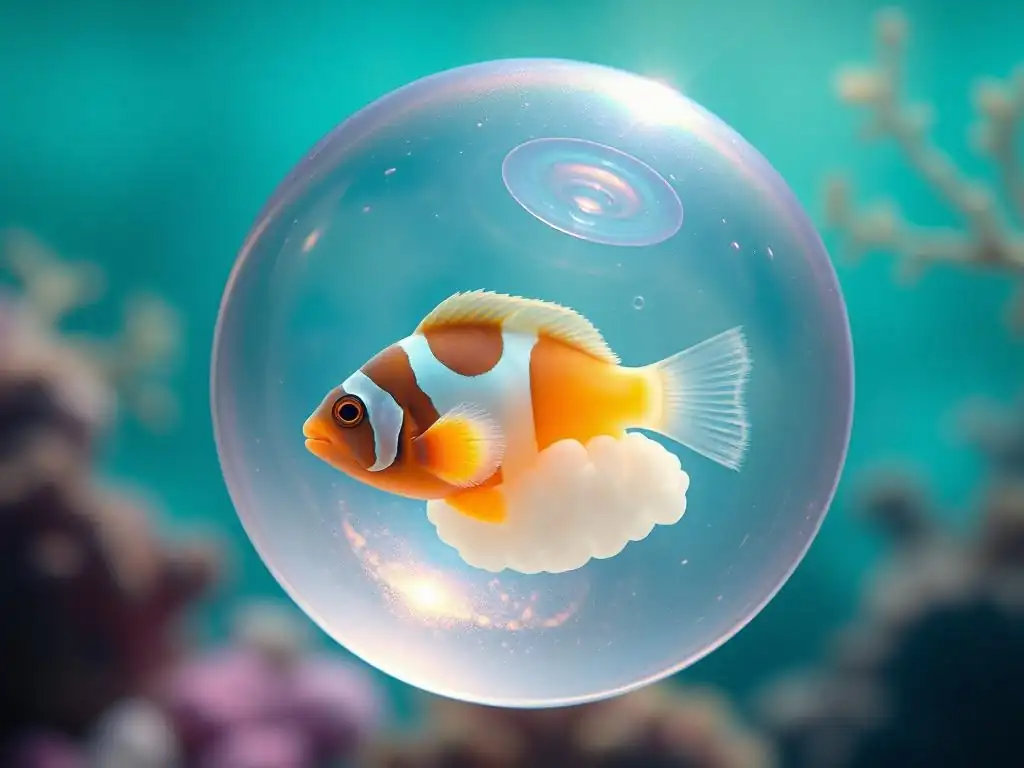
Once egg-laying saltwater fish have spawned, the careful and safe removal of their delicate eggs is a critical step for maximizing hatch rates, especially if the eggs are not being left with parental care. The technique largely depends on where the eggs were laid. For eggs deposited on removable substrates like clay pots, tiles, or PVC pipes (common for clownfish or dottybacks), the entire substrate can be gently lifted from the breeding tank. It's crucial to handle the substrate with extreme care, avoiding any jarring movements or direct contact with the eggs, which are highly susceptible to damage.
If eggs are laid on fixed surfaces, such as live rock or the tank glass, their removal becomes more challenging. In such cases, some aquarists opt to carefully scrape them off using a thin, blunt plastic blade, though this method carries a higher risk of damage. Alternatively, if the breeding tank is exclusively for eggs and fry, the entire setup can be converted into an incubation tank, eliminating the need for physical removal.
Regardless of the method, speed is important to minimize exposure to air. The eggs should be immediately transferred to a dedicated incubation setup, typically an egg tumbler or a small container with gentle aeration, to ensure continuous water flow and oxygenation.
Setting Up an Egg Tumbler: Maintaining Water Flow and Oxygenation
An egg tumbler is an indispensable tool in any comprehensive saltwater fish breeding guide for achieving high hatch rates by providing optimal conditions for egg development. To set up an egg tumbler, first select an appropriately sized tumbler, usually a clear plastic or acrylic cylinder with a mesh bottom, designed to hold marine fish eggs. Position it within a separate incubation tank or a small, dedicated section of the breeding tank. Connect an air pump to the tumbler's air line, ensuring the air flow is adjustable.
The key to effective egg tumbling is maintaining a consistent, gentle flow of water and oxygenation without causing damage to the delicate eggs. The air bubbles introduced at the bottom of the tumbler create an upward current, which gently tumbles the eggs, preventing fungal growth and ensuring each egg receives ample oxygen. The flow should be just strong enough to keep the eggs in constant, slow motion, but not so vigorous that they are violently agitated or thrown against the sides.
Over-tumbling can damage the fragile chorion, leading to embryo mortality. Regular observation is necessary to fine-tune the air flow and ensure the eggs remain healthy and viable throughout their incubation period, which for many species like clownfish is typically 7-10 days at 80°F.
Monitoring Egg Development: Identifying Viable Eggs
Diligent monitoring of egg development is a critical aspect of ensuring success in a saltwater fish breeding guide. After eggs are laid and transferred to an incubation setup, daily observation is essential to track their progress and identify viable eggs from non-viable ones. Healthy, developing marine fish eggs will typically appear translucent or amber-colored, gradually becoming darker as the embryo inside matures. You should be able to discern the developing eyes of the fry within a few days, often appearing as tiny black dots.
Non-viable eggs, on the other hand, will quickly turn opaque white or cloudy, indicating fungal infection or lack of fertilization. These eggs should be carefully removed immediately using a pipette or forceps to prevent the spread of fungus to healthy eggs. Fungal infections can quickly decimate an entire clutch if not addressed promptly.
The incubation period varies by species and temperature; for instance, Ocellaris clownfish eggs typically hatch within 7-10 days at 80°F. As hatching approaches, the eggs will become even darker, and you may even see the fry wiggling inside just before they emerge. Consistent monitoring allows for timely intervention and preparation for the critical fry care stage.
Fry Care Essentials: From Hatching to Juvenile Stage
The First Foods: Rotifers, Copepods, Newly Hatched Brine Shrimp
Providing the correct first foods is arguably the most critical and challenging aspect of raising saltwater fish fry, as highlighted in any comprehensive saltwater fish breeding guide. Most newly hatched marine fish larvae are incredibly small, often less than 3mm, and possess tiny mouths, making them incapable of consuming standard adult foods or even newly hatched brine shrimp initially. For the vast majority of species, rotifers (Brachionus plicatilis) are the indispensable first food.
These microscopic zooplankton, typically 100-250 microns in size, are digestible and provide the essential nutrients for the fry's initial growth. A continuous culture of rotifers, enriched with high-quality phytoplankton, must be established and maintained prior to hatching.
As the fry grow, usually within 7-14 days, their mouths will enlarge, allowing them to transition to larger food items. The next stage often involves copepods, particularly their nauplii, which range from 50 to 500 microns and offer a more diverse nutritional profile. Finally, around 2-3 weeks post-hatch, depending on the species, the fry can typically begin consuming newly hatched brine shrimp (Artemia nauplii), which are about 400-500 microns.
This transition is crucial as brine shrimp are easier to culture in large quantities and provide more energy for rapidly growing juveniles. A gradual transition between food sizes is key to minimizing stress and ensuring continuous growth.
Maintaining Water Quality in the Fry Tank: Minimizing Losses
Maintaining impeccable water quality in the fry tank is paramount for minimizing losses and ensuring the healthy development of saltwater fish fry. Unlike adult tanks, fry tanks are highly susceptible to rapid water degradation due to the high density of delicate larvae, their rapid metabolism, and the introduction of live foods. Ammonia and nitrite must remain at undetectable levels (0 ppm), as even trace amounts are lethal to developing fry. Nitrate should also be kept as low as possible, ideally below 10 ppm.
To achieve this, daily small water changes, often 10-20% of the tank volume, are essential. The replacement water must be precisely matched in temperature and salinity to avoid shocking the sensitive fry. A gentle air stone provides essential oxygenation without creating strong currents.
Filtration should be minimal and gentle; a mature sponge filter is often ideal, as it provides biological filtration without entrapping fry. Regular siphoning of uneaten food and waste from the tank bottom is also critical to prevent ammonia spikes. Consistent monitoring of water parameters, two to three times daily, during the critical first few weeks, is non-negotiable for any successful saltwater fish breeding guide.
Preventing Diseases in Saltwater Fish Fry: Early Detection and Treatment
Preventing diseases in saltwater fish fry is a critical component of any successful saltwater fish breeding guide, as young marine fish are particularly vulnerable to pathogens. The primary strategy for disease prevention is maintaining pristine water quality and providing optimal nutrition. Stress, often induced by poor water parameters or inadequate food, significantly weakens the fry's immune system, making them susceptible to opportunistic infections. Regular, small water changes (e.g., 10-20% daily) and meticulous siphoning of uneaten food are essential to keep ammonia, nitrite, and nitrate at undetectable levels.
Early detection of disease is also vital. Fry exhibiting abnormal swimming patterns, clamped fins, rapid breathing, or unusual discoloration should be isolated immediately if possible. Fungal infections, often appearing as white, cottony growths, are common on unhatched eggs or weakened fry and can spread rapidly. Treatment often involves the use of antifungal medications specifically approved for marine use, though many medications are too harsh for delicate fry. A proactive approach, focusing on a clean environment, stable parameters, and a high-quality, varied diet (e.g., rotifers enriched with DHA/EPA), is the most effective defense against disease outbreaks in saltwater fish fry.
Common Challenges in Saltwater Egg-Layer Breeding and Fry Rearing
Addressing Infertility: Identifying and Resolving Issues
Infertility is a common and frustrating challenge encountered in saltwater fish breeding, often leading to unfertilized egg clutches or no spawning activity at all. Identifying the root cause is the first step in resolution. One primary reason is the lack of a compatible or mature breeding pair. Some species are notoriously difficult to pair, while others may require specific age or size ratios. For instance, a male clownfish might be too young or not dominant enough to fertilize a female's eggs effectively. Ensuring both male and female are sexually mature and healthy is paramount.
Dietary deficiencies also frequently contribute to infertility. A diet lacking essential fatty acids (like DHA and EPA) or vitamins can severely impact gamete production and viability. Enriching live foods (rotifers, brine shrimp) with nutritional supplements before feeding them to breeders can significantly improve egg and sperm quality. Environmental stressors, such as fluctuating water parameters, inadequate tank size, or the presence of aggressive tank mates, can also inhibit spawning. Addressing these issues by providing a stable, low-stress environment with precise water quality and a balanced, high-quality diet are key steps in resolving infertility and promoting successful egg-laying.
Combating Fungal Infections: Prevention and Treatment Strategies
Fungal infections represent a significant hurdle in saltwater fish breeding, particularly during the egg incubation and early fry stages. These opportunistic pathogens, primarily Saprolegnia species, thrive in environments with decaying organic matter and can rapidly spread, turning healthy eggs opaque and leading to high mortality rates. Prevention is the most effective strategy, centered on maintaining impeccable water quality and ensuring proper egg aeration. This involves diligent daily siphoning of any uneaten food or detritus from the breeding and incubation tanks.
For eggs, consistent, gentle water flow, often achieved with an egg tumbler, is crucial to prevent dead spots where fungus can proliferate. Removing any unfertilized or dead eggs immediately upon detection also helps, as they serve as a substrate for fungal growth. If an infection does occur on eggs, a brief dip in a dilute solution of methylene blue or a mild antifungal medication designed for aquarium use can sometimes save the clutch, though caution is advised as chemicals can harm delicate embryos.
For fry, maintaining a pristine environment and providing optimal nutrition strengthens their immune system, making them less susceptible. However, if fry show signs of fungal infection (e.g., cottony growths), treatment options are limited due to their fragility, emphasizing the importance of rigorous preventative measures.
Dealing with Fry Mortality: Understanding the Causes and Implementing Solutions
Fry mortality is a disheartening but common challenge in saltwater fish breeding, often leading to significant losses, sometimes exceeding 90% in early attempts. Understanding the myriad causes is crucial for implementing effective solutions. The most prevalent cause is inadequate first foods; newly hatched marine fry are incredibly small and require specific live feeds like rotifers or copepod nauplii that match their tiny mouthparts and nutritional needs. If the appropriate food isn't consistently available or properly enriched, starvation quickly ensues. Implementing a robust rotifer and copepod culture system before hatching is a primary solution.
Another major contributor to fry mortality is poor water quality. Fry are exquisitely sensitive to ammonia, nitrite, and even elevated nitrates. Accumulation of waste from uneaten food and fry metabolism can rapidly turn a healthy tank toxic.
Daily, small (10-20%) water changes with precisely matched parameters, coupled with meticulous siphoning of the tank bottom, are essential to maintain pristine conditions. Other factors include genetic issues from inbreeding, sudden temperature or salinity fluctuations, predation by larger organisms (even small invertebrates), and diseases. A comprehensive saltwater fish breeding guide emphasizes a multi-faceted approach: rigorous water quality management, a continuous supply of appropriate, enriched live foods, and a stable, stress-free environment tailored to the specific needs of the fry.
Advanced Techniques in Saltwater Fish Breeding: Genetic Line Selection
Genetic Line Selection: Optimizing Fry Survival Rates
Genetic line selection is an advanced technique in saltwater fish breeding that goes beyond simply getting fish to spawn, focusing instead on optimizing desirable traits such as improved fry survival rates, faster growth, enhanced coloration, or disease resistance. This involves carefully choosing parent fish for subsequent breeding based on the performance of their offspring.
For example, if a particular pair consistently produces fry with higher survival rates through the critical first few weeks, or fry that are more robust and grow faster, those parents would be favored for future breeding projects. This is particularly relevant for species like clownfish, where thousands of fry can be produced, allowing for statistically significant observations of genetic traits.
The process typically involves maintaining detailed records of each spawn, including hatch rates, survival rates at different developmental stages (e.g., 30 days post-hatch), growth rates, and any observed health issues. Over multiple generations, breeders can selectively pair individuals that consistently exhibit the desired characteristics. This systematic approach, though time-consuming and requiring meticulous record-keeping, can lead to the development of stronger, more adaptable strains of captive-bred saltwater fish. It's a long-term commitment that significantly contributes to the sustainability and genetic diversity of aquarium populations, a key aspect of advanced saltwater fish breeding guide principles.
A Realistic Perspective: Expectations and Potential Pitfalls in Saltwater Fish Breeding
The Time Commitment: Understanding the Long-Term Dedication
Embarking on a saltwater fish breeding project, as detailed in any comprehensive saltwater fish breeding guide, requires a significant and often underestimated time commitment. It is not a passive endeavor but an active, daily responsibility that spans weeks, if not months, from conditioning the breeders to raising the fry to a marketable or self-sufficient size. Daily tasks are numerous and critical: preparing and feeding specialized live foods (like culturing rotifers and hatching brine shrimp), performing multiple water quality tests, conducting frequent small water changes (sometimes multiple times a day for fry tanks), and meticulously siphoning detritus.
Beyond the routine maintenance, there's the time spent observing breeding behaviors, monitoring egg development, and troubleshooting issues like fungal infections or fry mortality. A typical clownfish breeding cycle, from egg deposition to juvenile stage, can take 60-90 days, during which daily attention is paramount. This level of dedication means that breeding saltwater fish is best suited for individuals who can consistently allocate substantial time each day, including weekends and holidays, to their breeding setup. Underestimating this time commitment is a common pitfall that often leads to frustration and failure.
The Financial Investment: Budgeting for Breeding Supplies and Equipment
A realistic saltwater fish breeding guide must also address the often-substantial financial investment required, extending beyond the initial purchase of a breeding pair. Setting up a dedicated breeding tank necessitates acquiring a separate aquarium, heater, air pump, sponge filter, and potentially a protein skimmer. Specialized equipment like egg tumblers, refractometers for precise salinity measurement, and high-quality test kits for ammonia, nitrite, and nitrate are essential. These initial setup costs can easily range from a few hundred to over a thousand dollars, depending on the scale and sophistication of the setup.
Ongoing expenses are also significant. The continuous culture of live foods, such as rotifers and copepods, requires purchasing starter cultures, phytoplankton (often grown or purchased in bulk), and various enrichment products. High-quality frozen foods and specialized dry foods for conditioning breeders are also a recurring cost.
Furthermore, electricity consumption for heaters, air pumps, and lighting adds to the monthly operational budget. While successful breeding can offset some costs through the sale of fry, the upfront and continuous financial outlay means that saltwater fish breeding is often a labor of love rather than a guaranteed profit-making venture, requiring careful budgeting and an understanding of the initial capital needed.
Celebrating Successes and Learning from Failures: A Continuous Journey
Saltwater fish breeding is a continuous journey marked by both exhilarating successes and inevitable failures, and a realistic saltwater fish breeding guide embraces both. Celebrating successes, even small ones like a healthy hatch of eggs or the survival of a few fry through a critical stage, is vital for maintaining motivation. Each successful spawn or even a single juvenile raised to maturity represents a significant achievement, a testament to the aquarist's dedication and skill in mastering complex biological processes. These moments of triumph provide immense satisfaction and reinforce the commitment to the hobby.
Equally important, however, is the willingness to learn from failures. High fry mortality, unfertilized clutches, or unexpected disease outbreaks are common pitfalls. Rather than becoming discouraged, a successful breeder views these setbacks as invaluable learning opportunities. Meticulous record-keeping of water parameters, feeding regimens, and observations of breeding behavior, even during failed attempts, allows for analysis and adjustment of techniques.
Perhaps the rotifer culture wasn't dense enough, or a slight parameter fluctuation stressed the breeders. Each failure offers insights that refine future attempts, transforming challenges into stepping stones toward greater expertise. This iterative process of learning, adapting, and persisting is the hallmark of a truly dedicated saltwater fish breeder.
Frequently Asked Questions
### What are the biggest challenges in saltwater fish breeding, particularly with egg-layers?
The biggest challenges often involve maintaining pristine water quality and providing the correct environmental triggers for spawning. Successfully raising fry also requires specialized food and care.
### Where can I find information about specific saltwater fish species' breeding behaviors?
AquariumMastery.com offers detailed species profiles that often include information about their breeding habits. Researching specific species is crucial for success.
### What kind of food is necessary for saltwater fish fry after hatching?
Newly hatched fry usually require live food like rotifers or newly hatched brine shrimp. Proper nutrition is essential for their survival and growth.
### How important is water chemistry in saltwater fish breeding and fry rearing?
Water chemistry is absolutely critical. Maintaining stable and optimal parameters like salinity, pH, and ammonia levels is vital for both successful spawning and fry development.
Yes, AquariumMastery.com provides troubleshooting guides addressing common issues like fungal infections in eggs or fry mortality. These guides offer practical solutions to common problems.
Final Reflection: Hatching Hope in Saltwater Aquariums
The journey from hopeful egg-laying to thriving fry is fraught with challenges, as this guide has illuminated, but the rewards of successfully breeding saltwater fish are immeasurable. The ability to contribute to the sustainability of our hobby and witness the miracle of life unfold in our own homes is more vital than ever, especially as wild populations face increasing pressures. This isn't just about keeping fish; it's about actively participating in their future.
This pursuit of knowledge and skill in saltwater fish breeding has profoundly shaped the aquarium hobby, fostering a deeper appreciation for the delicate balance of marine ecosystems. The dedication and patience required to navigate the complexities of egg-laying and fry care serve as a powerful reminder of the interconnectedness of all living things. In the end, we will conserve only what we love; we will love only what we understand; and we will understand only what we are taught.
- Baba Dioum. This quote perfectly encapsulates the essence of responsible aquarists: understanding, loving, and ultimately, conserving.
Now, armed with this knowledge, I invite you to reflect on your own role in the aquarium hobby. Consider the impact you can have, not just on your own tank, but on the future of these magnificent creatures. Embrace the challenge, learn from your experiences, and share your knowledge with others. Let us all strive to be responsible stewards of the marine world, one egg, one fry, one success story at a time.
Dive Deeper: Unleash Your Egg-cellent Breeding Potential!
Thank you for exploring the fascinating world of egg-laying fish! Now that you're equipped with the knowledge to navigate the nuances of breeding and fry care, it's time to transform theory into tangible results. Let's put your expertise to the test and cultivate a thriving aquatic ecosystem.
Here's how you can take your newfound knowledge to the next level:
- Start your first breeding project: Carefully select a compatible pair of egg-laying fish from your aquarium or consider acquiring a new pair. Document your setup process, water parameters, and observed behaviors.
- Join the Aquarium Mastery Community: Share your breeding journey, successes, and challenges with fellow aquarists. Offer support and seek advice to enrich your understanding.
- Consider recording video footage of your fish spawning! Even if you think it's not the "best" footage, sharing it helps other learn.
What unique method will you try to promote spawning in your next breeding attempt? Share your thoughts in the comments!