
Beyond the Basics: Advanced Fry Rearing Techniques for Robust Young Fish

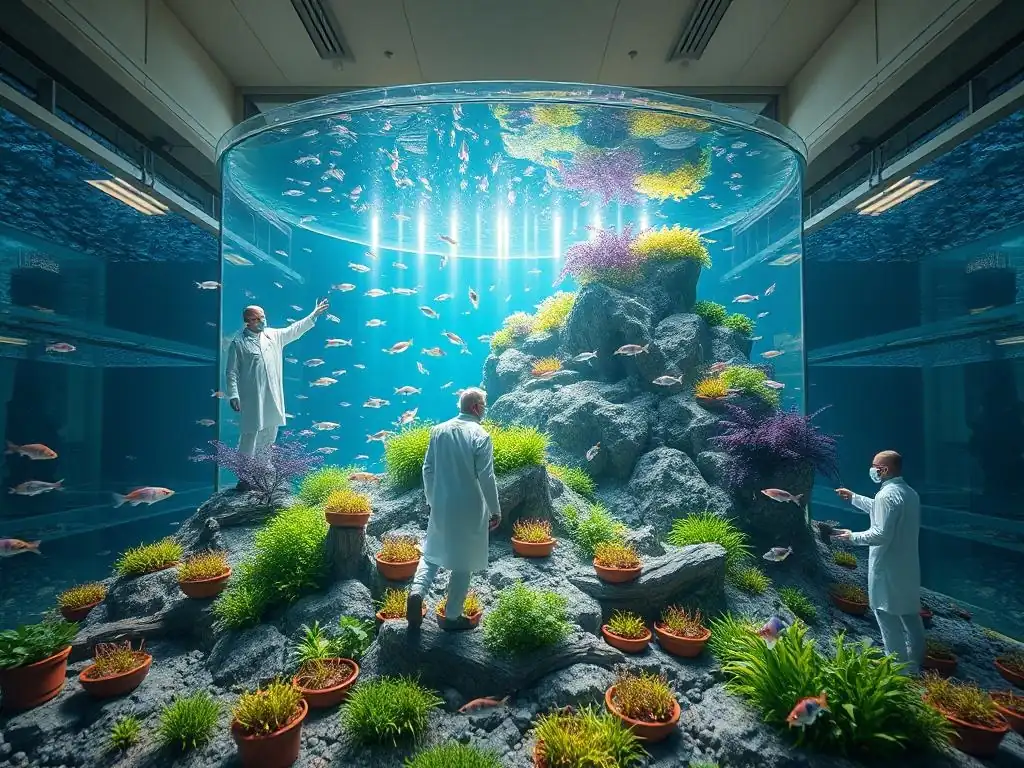
Welcome to Aquarium Mastery, where we help you unlock the secrets to a thriving aquatic world!
Ever wondered how to give your baby fish the best possible start in life? You've landed in the right place. Dive into our guide on Advanced Fry Rearing Techniques and discover the methods that separate the hobbyists from the master aquarists. What if you could dramatically increase your fry survival rate? Let's find out!
- Introduction to Advanced Fry Rearing
- Optimizing the Fry Rearing Environment: Advanced Considerations
- Advanced Fry Feeding Strategies for Optimal Growth
- Disease Prevention and Management in Fry Tanks: Advanced Protocols
- Genetic Considerations in Fry Rearing: Selective Breeding for Improved Traits
- Advanced Techniques for Weaning Fry Onto Dry Foods
- Case Studies: Successful Implementation of Advanced Fry Rearing Techniques
- Conclusion: Elevating Your Fry Rearing Game
-
Frequently Asked Questions
- What are some advanced techniques for improving fry survival rates?
- How does water chemistry impact the success of fry rearing?
- What are the benefits of using a dedicated fry tank versus rearing fry in the main aquarium?
- What types of live food are best suited for different stages of fry development?
- How can I prevent common diseases in fry during the rearing process?
- Final Reflection: Nurturing Future Aquatic Ecosystems
- Unleash the Potential: Raise Thriving Fry!
Introduction to Advanced Fry Rearing
Why Go Beyond Basic Fry Care? Improving Fry Survival Rates
For many aquarium hobbyists, the initial excitement of a successful fish spawn can quickly turn to disappointment as a significant number of fry fail to thrive. While basic care might yield some survivors, typical mortality rates for delicate species can range from 50% to even 90% in a general community tank or with minimal dedicated attention.
Advanced fry rearing techniques are designed to drastically reduce these losses, often enabling survival rates upwards of 70-80% for sensitive species like Discus or even higher for hardier types such as Guppies or Swords, by meticulously addressing their specific needs for pristine water, optimal nutrition, and a stress-free environment.
Moving beyond rudimentary care not only preserves more individual fish but also cultivates a stronger, more resilient generation. Fry that receive specialized attention from day one typically exhibit faster growth rates, reaching maturity more quickly, and display superior coloration and fin development compared to their counterparts raised under less stringent conditions. This investment in advanced techniques translates into a healthier, more vibrant population for the aquarist, maximizing the genetic potential of their breeding stock and ensuring a sustainable future for their aquatic endeavors.
The Importance of Specialized Techniques in Raising Healthy Fry
The "one-size-fits-all" approach often associated with basic fry care overlooks the distinct biological requirements of different fish species. For instance, tiny Betta fry require microscopic infusoria as their first food, while larger Cichlid fry might immediately accept newly hatched brine shrimp. Specialized techniques acknowledge these nuances, providing tailored solutions that mimic the optimal conditions found in a species' natural habitat, thereby promoting natural behaviors and robust physiological development from the earliest stages of life.
These advanced methods are critical because they target the most vulnerable developmental periods of fry, from the absorption of their yolk sac to their transition to independent feeding. By precisely controlling environmental variables such as water parameters, introducing specific live food cultures, and implementing rigorous disease prevention protocols, aquarists can mitigate common pitfalls like starvation, stunted growth, and disease outbreaks. This meticulous approach ensures that each fry receives the best possible start, laying the foundation for a healthy, productive adult life.
Optimizing the Fry Rearing Environment: Advanced Considerations
Precise Control of Water Parameters for Delicate Fry
Temperature Stability: Avoiding Temperature Shock in Fry Tanks
Temperature stability is paramount for the delicate physiology of fish fry, as their underdeveloped systems are highly susceptible to fluctuations. Rapid temperature swings, even as little as ±2°F (±1°C) within a few hours, can induce severe stress, weaken immune responses, and lead to stunted growth or even death.
For many tropical species, maintaining a consistent temperature within their optimal range—such as 82-86°F (28-30°C) for Discus fry or 75-80°F (24-27°C) for most livebearer fry—is crucial. Achieving this requires high-quality, reliable heaters, often paired with external temperature controllers for added precision, and potentially insulating the tank with styrofoam to minimize ambient temperature influences.
Beyond preventing immediate shock, consistent temperature supports optimal metabolic rates and enzymatic activity, which are vital for rapid growth and nutrient assimilation in young fish. Daily monitoring, ideally twice a day, ensures that the temperature remains within a narrow band, typically varying by no more than ±0.5°F (±0.3°C). Any deviation should prompt immediate investigation, as persistent instability can lead to long-term health issues, including increased susceptibility to common ailments like Ich (white spot disease) or bacterial infections.
pH Management: Maintaining Optimal pH Levels for Fry Development
pH levels exert a profound influence on the physiological processes of fish fry, including respiration, nutrient absorption, and waste excretion. Fry are often more sensitive to pH fluctuations than adult fish, and maintaining a species-specific optimal range is critical for their development. For instance, Arowana fry thrive in slightly acidic water (pH 6.0-6.5), which is crucial for preventing egg fungal infections and ensuring proper development, while African Cichlid fry require stable alkaline conditions (pH 7.8-8.5) to support their calcification and growth. Deviations from these ideal ranges can lead to metabolic stress, reduced growth rates, and increased susceptibility to disease.
To ensure stable pH, advanced aquarists often employ methods such as using reverse osmosis (RO) or deionized (DI) water remineralized to the exact desired parameters, rather than relying solely on tap water which can fluctuate. Buffering substrates like crushed coral (for higher pH) or peat filtration (for lower pH) can also help stabilize conditions. Regular pH testing, at least every other day, is essential, and any adjustments should be made slowly over several hours or days to avoid shocking the fry. For example, a 0.2 pH shift over 24 hours is often the maximum tolerable for delicate fry.
Water Hardness and Its Impact on Fry Growth
Water hardness, specifically general hardness (GH) and carbonate hardness (KH), plays a significant role in the osmoregulation and mineral uptake of fish fry. Soft water (GH 1-5 dGH) is often essential for egg-laying species like Tetras or Angelfish, as it prevents the hardening of egg membranes, allowing successful hatching. Conversely, livebearers and many African Cichlids require harder water (GH 8-15 dGH) for proper skeletal development and overall vitality. KH, or carbonate hardness, is equally important as it acts as a pH buffer, preventing drastic pH swings that can be fatal to fry.
Inadequate hardness levels can lead to developmental abnormalities or inefficient nutrient absorption. For example, fry in water that is too soft for their needs may suffer from poor bone development, while those in excessively hard water may struggle with osmoregulation, leading to stress. Advanced techniques involve precise control over GH and KH using RO/DI water and specific mineral additives (e.g., Epsom salts and calcium chloride for GH, baking soda for KH) to match the exact requirements of the species being reared. Regularly testing both GH and KH ensures that the water parameters support optimal fry growth and health.
Creating the Ideal Fry Tank Setup: Advanced Filtration and Flow
Sponge Filters vs. Other Filtration Methods for Fry Tanks
When setting up a fry rearing tank, the choice of filtration is critical to avoid harming delicate young fish while maintaining water quality. Sponge filters are overwhelmingly favored by experienced breeders due to their gentle nature and dual filtration capabilities.
They provide excellent mechanical filtration by trapping particulate matter without creating strong currents that can exhaust or injure fry, unlike powerful hang-on-back (HOB) or canister filters which can easily suck in or buffet tiny fish. Furthermore, the porous surface of a sponge filter offers an expansive area for beneficial nitrifying bacteria to colonize, providing crucial biological filtration to break down ammonia and nitrites, which are highly toxic to fry.
Beyond safety, sponge filters contribute to the initial feeding strategy for many fry. The trapped detritus and bacterial films on the sponge provide a natural substrate for the growth of infusoria and other microscopic organisms, offering a supplementary food source for the first few days of life for species with very tiny mouths.
For optimal performance, sponge filters should be adequately sized for the tank volume and powered by a gentle air pump, ensuring a steady, soft flow of bubbles. Regular rinsing of the sponge in old tank water during water changes is essential to prevent clogging and maintain efficiency without harming the beneficial bacterial colony.
Gentle Water Flow for Fry: Preventing Stress and Exhaustion
One of the most overlooked aspects of fry rearing is the impact of water flow. Young fish, especially newly hatched fry, possess limited swimming capabilities and can quickly become exhausted or stressed by strong currents. Constant struggle against flow prevents them from feeding effectively, leading to starvation, and depletes their energy reserves, making them more susceptible to disease. The ideal water flow in a fry tank should be barely perceptible, creating a gentle ripple on the surface without creating turbulent zones.
Achieving this gentle flow is paramount. For sponge filters, this means carefully adjusting the air pump's output or using an air stone with fine bubbles to produce a soft, upward current. If using a powerhead in a larger grow-out tank for more mature fry, it should be baffled or pointed directly at a tank wall to dissipate its force.
Observing the fry's behavior is key: if they are constantly battling the current or clustered in a single, calm corner, the flow is likely too strong. A well-designed fry tank allows the young fish to easily navigate all areas, feed without exertion, and rest comfortably.
Lighting Strategies for Fry Growth and Development
The Role of Light Spectrum in Fry Coloration and Health
Lighting in a fry tank extends beyond mere visibility; the quality and spectrum of light can significantly influence fry growth, development, and eventual adult coloration. Full-spectrum lighting, mimicking natural sunlight with a color temperature between 5000K and 6500K, is generally recommended. This spectrum supports healthy plant growth (if live plants are present) and can enhance the natural vibrancy and coloration of the developing fry. Studies have even indicated that specific light wavelengths, particularly in the blue spectrum (around 450-490nm), may promote faster growth rates in certain fish species by influencing their metabolic processes.
Beyond spectrum, a consistent light cycle is crucial for establishing proper circadian rhythms in fry, which are essential for their metabolism, feeding patterns, and rest. A schedule of 10-12 hours of light followed by 12-14 hours of darkness, controlled by an automatic timer, mimics natural day-night cycles and minimizes stress. Excessive light intensity or prolonged periods of light can stress fry, suppress their immune systems, and lead to poor growth. Therefore, selecting an appropriately sized light fixture with adjustable intensity, or placing the tank in an area with indirect light, is a key advanced technique.
Avoiding Algae Blooms in Fry Tanks with Proper Lighting Control
While some minimal algae growth can be beneficial as a supplementary food source for grazing fry, uncontrolled algae blooms, particularly green water, pose a significant threat in fry tanks. Algae blooms consume oxygen at night, potentially leading to dangerous drops in dissolved oxygen levels that can suffocate fry, especially in densely populated tanks. They also obscure visibility, making it difficult to observe fry health and ensure they are finding food. Proper lighting control, combined with diligent water changes and nutrient management, is the primary defense against such blooms.
To prevent excessive algae, avoid placing fry tanks in direct sunlight, which provides both intense light and heat. Utilize timers to maintain a consistent 10-12 hour photoperiod, and avoid leaving lights on for extended periods. If algae begins to proliferate, reduce the light duration and intensity. Furthermore, controlling nutrient levels through frequent small water changes (e.g., 10-20% daily) and preventing overfeeding will starve the algae of essential growth factors. If a bloom does occur, a temporary blackout period of 2-3 days, combined with water changes, can often resolve the issue without resorting to chemicals that could harm the fry.
Advanced Fry Feeding Strategies for Optimal Growth
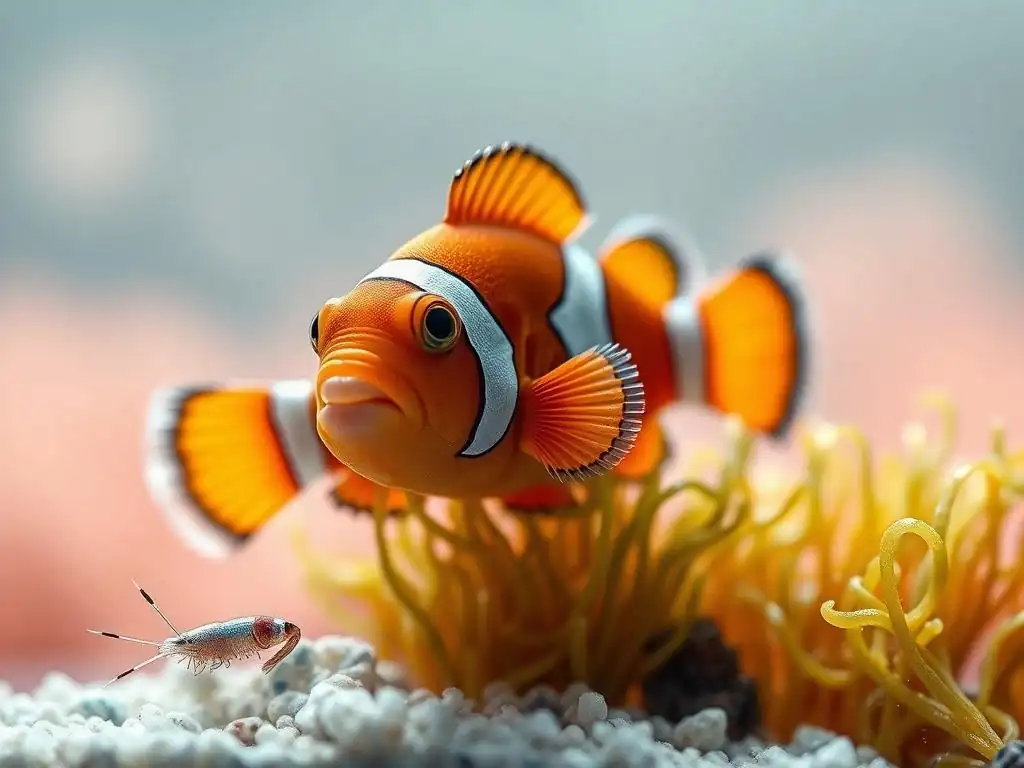
Live Food Culturing: A Deep Dive into Feeding Fry Live Foods
Culturing Infusoria: The Foundation of Fry Nutrition
For many newly hatched fry, particularly those from egg-laying species with incredibly tiny mouths such as Bettas, Gouramis, or small Tetras, infusoria are the only viable first food. These microscopic protozoa are too small to be seen individually but appear as a cloudy suspension in water. Culturing infusoria is a fundamental advanced fry rearing technique.
A simple method involves placing a small piece of organic matter, like a dried banana peel, a few lettuce leaves, or a pinch of spirulina powder, into a jar of aged tank water. Within 3-7 days at room temperature (70-75°F or 21-24°C), a visible cloud of infusoria will develop.
Feeding infusoria requires precision; using an eyedropper or pipette to introduce small amounts into the fry tank several times a day ensures constant availability without overfeeding and fouling the water. For the first 3-5 days, infusoria are crucial for preventing starvation in these minute fry, providing the essential nutrients to sustain them until they are large enough to consume larger live foods like rotifers or newly hatched brine shrimp. Consistent culture maintenance is key to a reliable supply.
Raising Rotifers: A Sustainable Live Food Source for Fry
Rotifers (Brachionus plicatilis) represent the next step up in size from infusoria, making them an ideal transitional or primary food source for slightly larger newly hatched fry, such as those of smaller Cichlids, Angels, or even some marine species. They are larger than infusoria but still small enough for fry that cannot yet consume brine shrimp nauplii. Rotifers are highly nutritious, especially when gut-loaded with nutrient-rich phytoplankton, offering essential fatty acids and proteins crucial for rapid development.
Culturing rotifers involves maintaining a separate culture vessel with saltwater (for marine rotifers) or freshwater (for freshwater rotifers) and feeding them with concentrated phytoplankton or specialized commercial rotifer food. Their rapid reproductive rate, often doubling in population within 24-48 hours under optimal conditions (e.g., 75-80°F or 24-27°C), makes them a sustainable and readily available food source. Harvesting involves straining them through a fine mesh sieve and then rinsing before feeding, ensuring clean, nutrient-dense food for your growing fry.
Brine Shrimp Hatching and Enrichment for Advanced Fry Feeding
Newly hatched brine shrimp (Artemia nauplii) are a cornerstone of advanced fry feeding for the majority of fish species once they are a few days old and large enough to consume them. They are highly nutritious, readily available as cysts, and their jerky swimming motion triggers a strong feeding response in fry. Successful hatching requires a dedicated setup, typically a cone-shaped container, an air pump for aeration, saltwater at a specific gravity of 1.020-1.025, and a consistent temperature of 80-82°F (27-28°C) to ensure a high hatch rate within 24-36 hours.
The true "advanced" technique lies in the enrichment (or gut-loading) of brine shrimp. While newly hatched nauplii are nutritious, their nutritional profile, especially regarding highly unsaturated fatty acids (HUFAs), can be significantly boosted. After hatching, the nauplii are transferred to a separate container and fed with nutrient-dense supplements like spirulina powder, Chlorella, or commercial enrichment products for 6-12 hours before feeding to the fry. This process dramatically increases their nutritional value, leading to faster growth, improved coloration, and enhanced vitality in the fry, making them far superior to unenriched nauplii.
Specialized Fry Foods: Beyond Commercial Options
Homemade Fry Food Recipes: Meeting Specific Nutritional Needs
While commercial fry foods offer convenience, advanced aquarists often turn to homemade recipes to precisely tailor nutrition to the specific needs of their fry, control ingredient quality, and reduce costs. Homemade foods allow for adjustments in protein, fat, and vitamin content based on the species' natural diet (e.g., high protein for carnivorous fry, more plant matter for herbivorous species). A common recipe might include a blend of high-quality fish fillets (like salmon for Omega-3s), spirulina powder, hard-boiled egg yolk, and a multivitamin supplement, all pureed to a fine, paste-like consistency.
The key to successful homemade fry food is the fineness of the blend and proper preparation and storage. The food must be microscopic enough for the fry to ingest easily, often requiring a powerful blender or sieve. Once prepared, it should be frozen in thin sheets or small cubes and thawed just before feeding to maintain freshness and prevent bacterial contamination. Offering a varied diet through homemade options, alongside live foods, ensures a comprehensive nutritional intake crucial for robust growth and development.
Utilizing Egg Yolk and Other Natural Food Sources for Fry
Hard-boiled egg yolk, meticulously sieved to an incredibly fine powder, has long been a traditional and readily accessible high-protein food source for many types of larger fry, such as livebearers (Guppies, Mollies) or larger Cichlid fry. Its high protein and fat content provide quick energy and building blocks for rapid growth. However, its significant drawback is its tendency to quickly foul the water if overfed, necessitating extremely small portions and immediate removal of uneaten particles.
Beyond egg yolk, other natural food sources can be adapted for fry. Finely crushed high-quality adult flakes or pellets can be used for larger, more developed fry, though their digestibility and nutritional profile may not match live foods. For carnivorous fry, finely chopped earthworms or blackworms can provide excellent protein. Herbivorous species may benefit from finely minced, parboiled spinach or spirulina powder. The general principle remains: any natural food source must be processed to an appropriate particle size for the fry's mouth and offered in very small quantities to maintain pristine water quality.
Feeding Techniques: Maximizing Food Intake and Minimizing Waste
Targeted Feeding Methods for Weak or Shy Fry
In any spawn, there will inevitably be some fry that are smaller, weaker, or more timid than their siblings. These individuals often struggle to compete for food, leading to stunted growth or even starvation despite ample food being present in the tank. Advanced fry rearing techniques employ targeted feeding methods to ensure these vulnerable fry receive adequate nutrition. Using an eyedropper or a small pipette, food can be gently squirted directly into the vicinity of these less active fry, giving them a better chance to consume it without intense competition.
This precision feeding not only boosts the survival rate of the weaker fry but also allows the aquarist to closely observe their individual health and progress. By providing a direct food source, the energy expenditure for foraging is reduced, allowing the fry to focus on growth. This method is particularly effective in mixed-size broods or when trying to salvage a particularly delicate batch of fry, contributing significantly to a higher overall survival count from a single spawn.
Frequency and Quantity: Establishing an Optimal Feeding Schedule
Fish fry have incredibly high metabolic rates and very small stomachs, meaning they require frequent, small meals throughout the day. Unlike adult fish that can thrive on one or two daily feedings, newly hatched fry often need to be fed 5-8 times a day, sometimes even more, especially during their first week of free-swimming. As they grow, the frequency can gradually be reduced to 3-4 times daily. The goal is to provide a constant, but not overwhelming, supply of food.
Determining the correct quantity is equally critical. Overfeeding is a common mistake that quickly fouls the water, leading to dangerous ammonia and nitrite spikes, which are highly toxic to fry. A general rule is to feed only what the fry can consume within 5-10 minutes. Observe their bellies; they should appear slightly rounded after feeding, but not bloated. If uneaten food is visible after 10 minutes, the quantity should be reduced for the next feeding. Consistent monitoring and adjustment of both frequency and quantity are essential for optimal growth and maintaining pristine water quality.
Disease Prevention and Management in Fry Tanks: Advanced Protocols
Quarantine Procedures for Newly Hatched Fry
While newly hatched fry don't typically undergo traditional quarantine like new adult fish, the concept of isolation and pathogen exclusion is paramount in advanced fry rearing. The fry tank itself serves as a sterile environment, meticulously prepared to prevent the introduction of any pathogens. This involves starting with a thoroughly cleaned and disinfected tank, using fresh reverse osmosis (RO) or deionized (DI) water remineralized to precise parameters, and ensuring all equipment (heaters, sponge filters, air lines, nets) is either new or sterilized. This proactive approach significantly reduces the risk of disease outbreaks in a population that is inherently vulnerable.
Furthermore, strict cross-contamination protocols must be observed. Dedicated equipment for the fry tank—nets, siphons, feeding pipettes—should be used exclusively for that tank and never shared with other display or quarantine tanks. Hands should be thoroughly washed before and after handling the fry tank. By treating the fry rearing setup as a miniature, isolated bio-secure zone, aquarists can create the cleanest possible environment, minimizing the chances of introducing bacteria, fungi, or parasites that could decimate a fragile fry population.
Identifying and Treating Common Fry Diseases: Early Detection is Key
Understanding and Treating Fungal Infections in Fry
Fungal infections, most commonly caused by Saprolegnia species, are a frequent affliction in fry tanks, often appearing as white, cottony growths on the body, fins, or gills of the fry. These infections are typically secondary, preying on fry weakened by poor water quality, stress, physical injury, or other underlying health issues. They thrive in tanks with decaying organic matter and fluctuating temperatures. Early detection is crucial, as fungal infections can spread rapidly and decimate a fry population.
Treatment for fungal infections in fry is challenging due to their small size and sensitivity to medications. Mild salt baths (e.g., 1 tablespoon of aquarium salt per 5 gallons for short, supervised dips) can sometimes be effective for external infections, but caution is advised.
Methylene blue, used at a very dilute concentration (e.g., 1 drop per gallon, or even less), can also be an option, though it stains and can impact biological filtration. The most effective long-term solution is prevention: maintaining pristine water quality through frequent water changes, removing any uneaten food promptly, ensuring stable temperatures, and providing optimal nutrition to boost the fry's natural immunity.
Managing Bacterial Infections in Fry Tanks
Bacterial infections are a serious threat to fish fry, often manifesting as clamped fins, lethargy, rapid breathing, reddening of fins or body, or fuzzy patches (e.g., Columnaris). These infections are frequently triggered by poor water quality, overcrowding, inadequate nutrition, or sudden environmental changes that stress the fry. Once established, bacterial diseases can spread quickly through a fry tank, leading to high mortality rates.
Treating bacterial infections in fry is difficult due to their extreme sensitivity to most antibiotics and the risk of crashing the beneficial bacteria in the filter. Broad-spectrum antibiotics like Maracyn 2 (minocycline) or Furan-2 (nitrofurazone) may be used, but only at significantly reduced dosages and with extreme caution, often as a last resort.
The best approach for bacterial infections in fry is proactive prevention: maintaining impeccable water parameters (ammonia and nitrite at 0 ppm, nitrates below 5-10 ppm), providing a balanced and consistent diet, ensuring adequate space to prevent overcrowding, and minimizing any sources of stress. Regular, small water changes are the single most effective tool in preventing bacterial outbreaks.
Proactive Water Changes and Tank Maintenance for Disease Prevention
The cornerstone of advanced fry rearing and disease prevention is an unwavering commitment to proactive water changes and meticulous tank maintenance. Fry tanks, due to the high frequency of feeding and the rapid metabolism of growing fry, accumulate waste products very quickly. Ammonia and nitrite levels can spike dangerously within hours if neglected, leading to immediate stress, compromised immunity, and eventual death. Small, frequent water changes are far more beneficial than large, infrequent ones.
A common advanced protocol involves changing 10-20% of the tank's water daily, or at least every other day, using aged, temperature-matched, and parameter-matched water. During these changes, the tank bottom should be gently vacuumed to remove any uneaten food or detritus, especially in bare-bottom tanks.
Wiping down the tank walls to prevent biofilm buildup and rinsing sponge filters in old tank water (never tap water, to preserve beneficial bacteria) are also critical. This consistent, rigorous maintenance routine ensures a continuously pristine environment, minimizing the pathogen load and significantly reducing the likelihood of disease outbreaks, thereby securing a higher survival rate for the delicate fry.
Genetic Considerations in Fry Rearing: Selective Breeding for Improved Traits
Understanding the Basics of Fish Genetics for Fry Rearing
Understanding the fundamentals of fish genetics is an advanced concept that allows breeders to move beyond simply producing offspring to actively shaping the traits of their future generations. Basic Mendelian inheritance, involving dominant and recessive genes, dictates how characteristics like color patterns, finnage, body shape, and even disease resistance are passed from parent to fry.
For example, knowing that a specific vibrant color is a dominant trait means a higher percentage of fry will express it if one parent carries the gene. Conversely, if a desirable trait is recessive, both parents must carry the gene, often without expressing it themselves, to produce fry with that characteristic.
This genetic knowledge enables aquarists to predict the outcomes of specific crosses with a degree of accuracy, allowing for more informed breeding decisions. By understanding the genotypes (genetic makeup) and phenotypes (expressed traits) of their breeding stock, aquarists can identify which fry are most likely to carry desired genes, even if they don't yet fully express them. This foresight is crucial for selecting future breeding pairs and avoiding undesirable traits, leading to a more consistent and higher-quality line of fish.
Selective Breeding Techniques for Enhanced Fry Vigor and Coloration
Selective breeding is a powerful advanced technique used to enhance desirable traits within a fish line, such as increased vigor, improved coloration, specific fin shapes, or even enhanced disease resistance. This involves carefully choosing the best individuals from each spawn to become the parents of the next generation, while culling or removing those that exhibit undesirable traits (e.g., deformities, poor growth, muted colors).
For instance, an aquarist aiming for larger, more vibrant Guppies might consistently select the top 10-15% of the largest and most colorful fry from each spawn for future breeding pairs. Over three to four generations, this focused selection can lead to a significant increase in average adult size (e.g., by 1 cm) and a noticeable intensification of coloration.
The process often involves line breeding, where closely related individuals with superior traits are bred together to concentrate those genes, or outcrossing, where new, unrelated individuals with desirable traits are introduced to add genetic diversity and prevent inbreeding depression. Meticulous record-keeping of parentage, spawn sizes, and the characteristics of the resulting fry is essential to track genetic progress and make informed decisions, allowing the aquarist to systematically improve their fish population over time.
Avoiding Inbreeding Depression in Fry Populations
While selective breeding often involves breeding related individuals to fix desirable traits, excessive inbreeding can lead to a detrimental phenomenon known as inbreeding depression. This occurs when a population's genetic diversity becomes too low, resulting in a decline in overall fitness, including reduced vigor, lower fertility rates, increased susceptibility to diseases, higher rates of deformities (e.g., spinal curvatures, missing fins), and stunted growth among the fry. For example, prolonged brother-sister matings over several generations can reduce a fish line's overall vitality by 20-30%, making them more fragile and harder to raise.
To avoid inbreeding depression, advanced breeders implement strategies to maintain genetic diversity within their lines. This often involves periodically introducing new, unrelated bloodlines (outcrossing) to bring in fresh genes, typically every 3-4 generations, while ensuring the new stock possesses desirable traits. Maintaining multiple separate breeding lines (e.g., A, B, C) and rotating breeders between them can also prevent excessive relatedness. Careful record-keeping is paramount to track lineage and prevent accidental close crosses, ensuring the long-term health and robustness of the fry populations.
Advanced Techniques for Weaning Fry Onto Dry Foods
Gradual Transition to Dry Foods: Minimizing Stress and Maximizing Acceptance
Weaning fry from live foods to dry foods is a critical developmental milestone that, if mishandled, can lead to stunted growth or even starvation. An abrupt switch is highly stressful for fry and often results in refusal of the new diet. Advanced techniques emphasize a gradual transition, introducing dry foods while fry are still actively consuming live foods. This typically involves mixing a very small amount of finely crushed, high-quality dry fry food (e.g., a powdered flake or micro-pellet specifically designed for fry) with their regular live food (like brine shrimp or daphnia).
Over a period of 1-2 weeks, the proportion of dry food is slowly increased while the live food component is gradually reduced. This allows the fry to acclimate to the new taste, texture, and feeding method without the pressure of hunger. Observing their acceptance is key: if they readily consume the mixed diet, the transition can proceed; if not, slow down the process. Ensuring the dry food particles are appropriately sized for the fry's mouths is also paramount for successful ingestion and digestion.
Utilizing Specialized Fry Weaning Foods and Techniques
Beyond simply crushing adult flakes, advanced aquarists often utilize specialized commercial fry weaning foods. These products are formulated to be highly palatable and digestible for young fish, often containing attractants and pre-digested proteins to encourage acceptance. They come in various particle sizes, from microscopic dusts for tiny fry to small pellets for more developed juveniles. Pre-soaking dry food briefly before feeding can also make it softer and more appealing, mimicking the texture of live foods.
Another advanced technique for reluctant eaters is a short "fasting" period. For 12-24 hours, live food can be withheld, creating a sense of hunger that encourages the fry to experiment with the new dry food. This must be done cautiously to avoid excessive stress or malnourishment, and only with fry that are already well-established and healthy. For some species, gently tapping the side of the tank or creating a slight surface ripple just before feeding dry food can stimulate a feeding response, associating the action with food delivery.
Monitoring Fry Growth and Adjusting Feeding Strategies Accordingly
Continuous monitoring of fry growth is an essential component of advanced weaning and feeding strategies. Regular observation of their size, body condition (e.g., plumpness of the belly), and activity levels provides crucial feedback on the effectiveness of the feeding regimen. If fry appear thin, growth plateaus, or they exhibit lethargy, it's a clear indication that the current food type, quantity, or frequency may be insufficient or inappropriate for their developmental stage.
As fry grow, their nutritional requirements and mouth size change. Larger fry can consume larger food particles and may benefit from a higher protein content to support their rapid development. Adjustments to feeding strategies should be dynamic: increasing the particle size of dry foods, potentially reducing feeding frequency while increasing quantity per meal, and continuing to offer a varied diet to ensure comprehensive nutrition. Detailed records of growth rates and feeding responses can help fine-tune these adjustments, leading to consistently robust and healthy juvenile fish.
Case Studies: Successful Implementation of Advanced Fry Rearing Techniques
Case Study 1: Discus Fry Survival Enhancement
A breeder, struggling with a consistent 30-40% survival rate for their Discus fry, implemented a suite of advanced fry rearing techniques. They moved from using conditioned tap water to 100% reverse osmosis (RO) water, remineralized precisely to pH 6.2 and a general hardness (GH) of 3 dGH, maintaining these parameters with daily 20% water changes. The fry tank was kept bare-bottomed with only a large sponge filter and a heater set to a constant 84°F (29°C), monitored by an external temperature controller to prevent fluctuations exceeding 0.5°F.
For feeding, the initial diet consisted of infusoria cultured from banana peels for the first 3 days, followed by newly hatched brine shrimp nauplii, which were enriched for 8 hours with HUFA-boosting supplements before each feeding. This rigorous feeding schedule involved 8-10 small feedings per day. Within three months, the breeder reported a consistent fry survival rate of 70-75% per spawn, a remarkable increase. The fry exhibited significantly faster growth, reaching nickel-size within 6 weeks, and displayed more vibrant coloration compared to previous batches, demonstrating the profound impact of precise environmental and nutritional control.
Case Study 2: Guppy Line Vigor and Coloration Improvement
A hobbyist aiming to improve the vigor and specific coloration of their Red Tuxedo Guppy line faced issues with occasional deformities (around 15% of spawns) and inconsistent color intensity. They adopted a selective breeding program combined with advanced fry rearing. From each large spawn, only the largest, most active, and most vibrantly colored fry (top 20%) were selected for the grow-out tank, while any fry exhibiting deformities were humanely culled.
The fry were raised in a dedicated grow-out tank with a gentle sponge filter, maintained at a stable 78°F (25.5°C) and GH of 12 dGH. Their diet consisted of a rotation of high-quality, finely crushed flakes (enriched with spirulina), newly hatched brine shrimp nauplii (enriched for 6 hours), and live daphnia, fed 4-5 times daily.
This combination of superior nutrition and strict selective breeding over three generations yielded significant results: the incidence of deformities dropped to less than 5%, and the average adult size of the Red Tuxedo Guppies increased by approximately 1 cm (from 4.5 cm to 5.5 cm). Furthermore, the red coloration became noticeably deeper and more consistent across the entire line, showcasing the power of integrated advanced techniques.
Conclusion: Elevating Your Fry Rearing Game
The Future of Advanced Fry Rearing in the Aquarium Hobby
The journey into advanced fry rearing techniques is a rewarding one, transforming the challenging task of raising delicate young fish into a deeply satisfying and often highly successful endeavor. By moving beyond basic care, aquarists not only achieve significantly higher survival rates but also cultivate a deeper understanding of aquatic biology and the intricate needs of their chosen species.
The future of advanced fry rearing in the aquarium hobby is poised for further innovation, with increasing availability of specialized commercial fry foods tailored to specific nutritional profiles, and the potential for more accessible automated systems for precise water parameter control.
As hobbyists become more sophisticated, genetic testing for disease resistance or specific genetic markers may become more commonplace, further empowering breeders to produce robust and genetically superior lines. Embracing these advanced methods contributes significantly to the sustainability of the aquarium hobby, reducing reliance on wild-caught specimens and fostering a community of knowledgeable, responsible aquarists dedicated to the well-being of their aquatic charges.
Resources for Further Learning and Advanced Techniques in Fry Rearing
For those looking to further elevate their fry rearing game, a wealth of resources exists beyond introductory guides. Delving into scientific journals and academic papers on fish aquaculture and larval development can provide in-depth understanding of nutritional requirements and environmental physiology. Specialized online forums and communities dedicated to specific fish species or breeding techniques offer invaluable real-world experience and troubleshooting advice from seasoned experts. Reputable books authored by long-time aquarists and professional breeders often contain detailed protocols and insights honed over decades.
Moreover, joining a local aquarium society can provide hands-on learning opportunities, mentorship, and access to unique breeding stock. Practical application and meticulous record-keeping are paramount: diligently logging water parameters, feeding schedules, growth rates, and any observations about fry health will allow aquarists to refine their personal advanced techniques. Through continuous learning and dedicated practice, mastering the art of advanced fry rearing becomes an achievable and immensely gratifying aspect of the aquarium hobby.
Frequently Asked Questions
What are some advanced techniques for improving fry survival rates?
Advanced techniques include using live foods like infusoria and rotifers, maintaining pristine water quality with frequent small water changes, and providing varied enrichment to stimulate natural behaviors.
How does water chemistry impact the success of fry rearing?
Maintaining stable and optimal water parameters is crucial. Specific needs vary by species, but generally, ammonia and nitrite should be at zero, and pH should be stable within the species' preferred range.
What are the benefits of using a dedicated fry tank versus rearing fry in the main aquarium?
A dedicated fry tank offers a controlled environment free from predators and allows for easier management of water parameters and food availability. It also minimizes competition with adult fish.
What types of live food are best suited for different stages of fry development?
Infusoria and rotifers are ideal for newly hatched fry due to their small size. As fry grow, transition to baby brine shrimp, microworms, and then finely crushed flake food.
How can I prevent common diseases in fry during the rearing process?
Maintaining excellent water quality through frequent water changes and avoiding overcrowding are key. Quarantine new additions and observe fry for signs of illness, treating promptly with appropriate medications if needed.
Final Reflection: Nurturing Future Aquatic Ecosystems
The journey from fragile fry to robust young fish is a testament to the power of dedicated care and innovative techniques, and mastering advanced fry rearing is more crucial now than ever as we face increasing pressures on wild fish populations and a growing demand for sustainable aquaculture. By understanding and implementing these sophisticated methods, we contribute directly to the health and resilience of aquatic ecosystems, ensuring a future where thriving fish populations are not just a hope, but a reality.
This intricate process, demanding both scientific precision and intuitive understanding, has profoundly shaped and continues to shape our approach to aquatic conservation and aquaculture. My own fascination with this field stems from the realization that even the smallest actions, when informed by knowledge and dedication, can have a monumental impact on the delicate balance of nature. The care of one fish may not change the world, but it changes the world for that one fish.
This quote encapsulates the profound responsibility we bear in nurturing these vulnerable creatures and the ripple effect that their well-being has on the larger environment.
Now, armed with a deeper understanding of advanced fry rearing techniques, I invite you to reflect on your own role in shaping the future of our aquatic world. Consider how you can apply these principles, whether in a professional setting, a personal hobby, or simply through advocating for responsible practices. Let us all strive to be stewards of these precious resources, ensuring that future generations can marvel at the beauty and abundance of healthy fish populations.
Unleash the Potential: Raise Thriving Fry!
Thanks for diving deep into advanced fry rearing techniques! We hope you’ve gained valuable insights to help you raise healthier, more resilient young fish. Now, let's put that knowledge into action.
Here's how you can immediately improve your fry rearing efforts:
- Prioritize water quality. Implement a strict, twice-weekly water change schedule tailored to your fry's specific needs.
- Experiment with unconventional first foods. Research and try feeding your fry live Daphnia or microworms to observe growth improvements.
- Share your fry rearing successes (and challenges!) with fellow aquarists on the Aquarium Mastery forum – you might uncover a new method!
What innovative feeding technique will you try first to boost your fry's growth?