
Unlocking *Cyprichromis* Care: Water, Diet, and Tank Setup Secrets

Welcome to Aquarium Mastery!
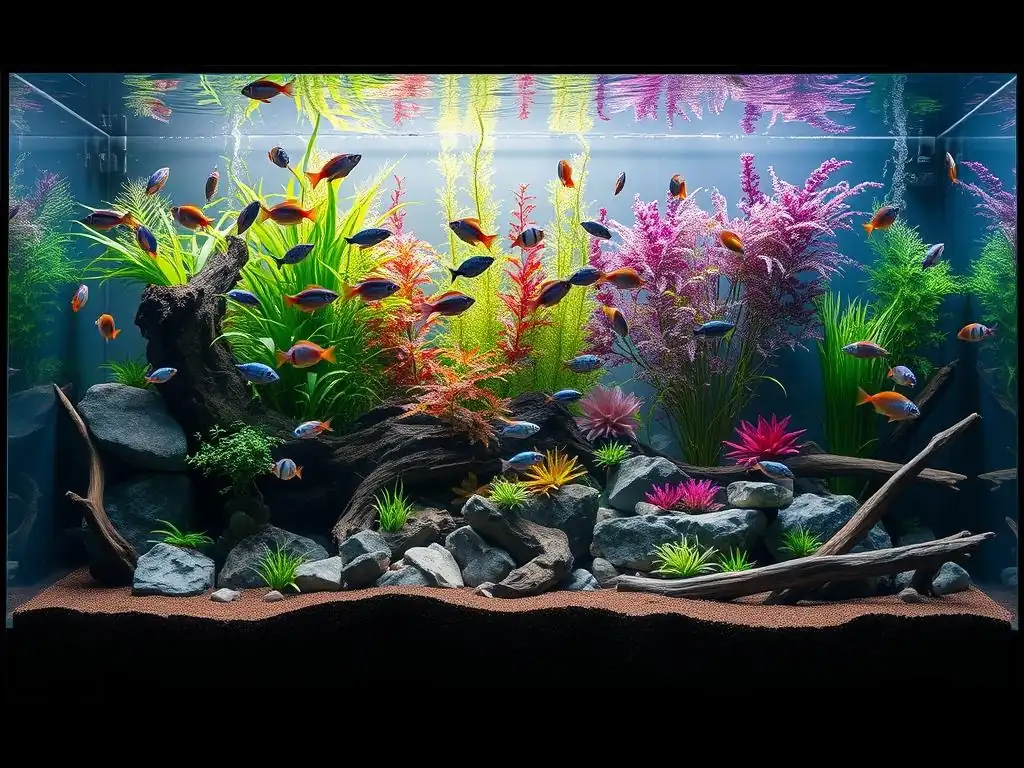
Ever wondered how to truly unlock the vibrant beauty of Cyprichromis in your aquarium? Dive in and discover the Cyprichromis tank care secrets that will transform your setup. From perfecting water parameters to mastering their unique dietary needs, we'll guide you through creating the ideal environment for these stunning fish. Get ready to elevate your Cyprichromis keeping game – your journey to aquarium mastery starts now!
- Introduction to Cyprichromis: The Featherfin Cichlid
- Mastering Cyprichromis Tank Care Secrets: A Comprehensive Guide
- Water Quality: The Foundation of Cyprichromis Thriving
- Diet and Nutrition: Feeding Cyprichromis for Vibrant Color and Health
- Tank Setup: Creating the Ideal Cyprichromis Habitat
- Cyprichromis Tank Mates: Choosing Compatible Species
- Common Cyprichromis Health Issues and Prevention
- Breeding Cyprichromis: A Rewarding Experience
- Conclusion: Mastering Cyprichromis Care for a Thriving Aquarium
- Frequently Asked Questions
- Final Reflection: The Shimmering Promise of Cyprichromis
- Transform Your *Cyprichromis* Tank Today!
Introduction to Cyprichromis: The Featherfin Cichlid
Cyprichromis, often referred to as featherfin cichlids, are among the most elegant and captivating inhabitants of Lake Tanganyika, one of the African Great Lakes. Unlike many of their more aggressive cichlid cousins, these fascinating fish are open-water dwellers, exhibiting graceful schooling behavior that makes them a stunning centerpiece in a well-maintained aquarium. Their vibrant colors, ranging from deep blues and yellows to striking purples, and their distinctive elongated fins, truly earn them their "featherfin" moniker.
Originating from the vast, ancient waters of Lake Tanganyika, Cyprichromis species, such as Cyprichromis leptosoma and Cyprichromis microlepidotus, thrive in highly stable and specific water conditions. Replicating their natural environment is paramount for their well-being and to truly unlock the secrets of optimal Cyprichromis tank care. This guide will delve into the precise requirements for water quality, nutrition, and habitat setup, ensuring your featherfins not only survive but truly flourish.
Mastering Cyprichromis Tank Care Secrets: A Comprehensive Guide
For aquarists seeking to provide the best possible environment for these unique Tanganyikan cichlids, mastering the nuances of their care is essential. This comprehensive guide aims to demystify the specific needs of Cyprichromis, offering actionable insights into establishing and maintaining a thriving aquatic ecosystem. From precise water parameters to the ideal dietary regimen, every aspect contributes to the longevity and vibrant health of these exquisite fish.
Understanding and implementing these Cyprichromis tank care secrets will transform your approach to keeping these delicate yet rewarding species. By focusing on stability, appropriate nutrition, and a thoughtfully designed habitat, you can create a miniature slice of Lake Tanganyika in your home aquarium, allowing your featherfins to display their natural behaviors and stunning beauty.
Understanding the Unique Needs of Featherfin Cichlids
Cyprichromis species are pelagic cichlids, meaning they primarily inhabit the open water column of Lake Tanganyika, typically schooling in large numbers near rocky outcrops. This natural schooling behavior is crucial to their well-being in an aquarium; they thrive when kept in groups of at least 8-12 individuals, which reduces stress and encourages natural interactions. Their slender bodies and upturned mouths are adaptations for feeding on zooplankton in the water column, a key aspect that influences their dietary requirements in captivity.
Furthermore, their natural habitat is characterized by incredibly stable and hard, alkaline water, a stark contrast to the fluctuating conditions found in many other aquatic environments. This environmental consistency means that Cyprichromis are highly sensitive to sudden changes in water parameters and require meticulous attention to water quality. Understanding these fundamental aspects of their biology and natural history is the first step in providing expert Cyprichromis tank care, ensuring a healthy and stress-free life for your featherfins.
Why Proper Care is Crucial for Cyprichromis Health and Longevity
The delicate nature of Cyprichromis makes proper care not just beneficial, but absolutely crucial for their health and long-term survival. Without stable and appropriate water parameters, these fish are highly susceptible to stress, which can quickly compromise their immune systems and lead to various diseases. For instance, even slight fluctuations in pH or temperature can cause significant distress, manifesting as clamped fins, loss of appetite, or dull coloration, often preceding more serious health issues.
Beyond disease prevention, diligent Cyprichromis tank care directly impacts their vibrant coloration, active schooling behavior, and potential for breeding. A well-cared-for Cyprichromis will exhibit its full spectrum of colors, actively swim and interact with its school, and even engage in fascinating breeding rituals. Conversely, neglected featherfins will appear drab, lethargic, and may never reach their full size or display their natural behaviors, significantly shortening their lifespan from a potential 5-8 years to a mere few months.
Water Quality: The Foundation of Cyprichromis Thriving
Achieving Optimal Water Parameters for Cyprichromis
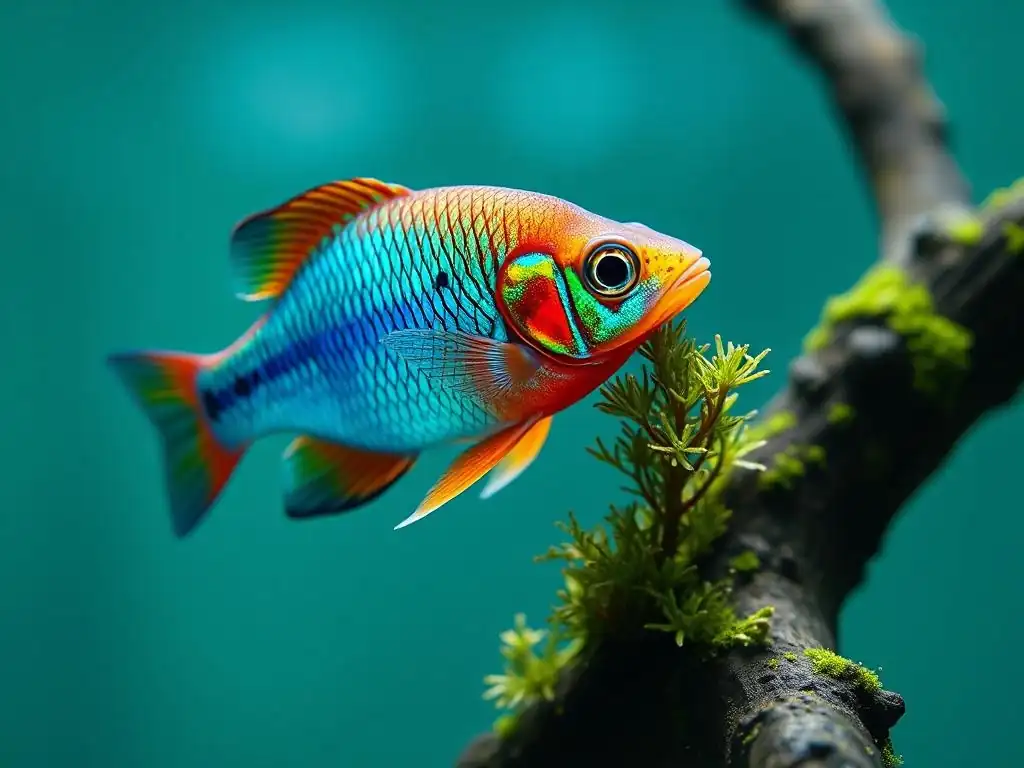
The success of Cyprichromis in a home aquarium hinges almost entirely on maintaining stable and precise water parameters that mimic their natural habitat in Lake Tanganyika. This ancient rift lake is renowned for its consistent, hard, and alkaline water. Replicating these conditions is a cornerstone of effective Cyprichromis tank care, preventing stress and disease while promoting natural behavior and vibrant health.
Regular testing with reliable aquarium test kits is indispensable to monitor pH, temperature, and hardness levels. Consistency is more important than absolute perfection; once the ideal range is established, strive to keep it as stable as possible, avoiding any sudden or drastic changes that could shock the fish.
Ideal Temperature Range for Cyprichromis
The optimal temperature range for Cyprichromis is between 75°F and 80°F (24°C to 27°C). Maintaining a stable temperature within this range is critical, as fluctuations can cause significant stress to these sensitive fish. A high-quality, appropriately sized aquarium heater with a reliable thermostat is essential to prevent temperature swings, especially during colder months or in rooms with varying ambient temperatures.
For instance, a sudden drop of just a few degrees can weaken their immune system, making them susceptible to common ailments like Ich. Conversely, excessively high temperatures can reduce oxygen levels and increase their metabolism, leading to stress and shortened lifespans. Investing in a heater capable of maintaining a precise temperature, such as a 300-watt heater for a 75-gallon tank, is a key aspect of Cyprichromis tank care secrets.
pH Levels for a Healthy Cyprichromis Tank
Cyprichromis require a highly alkaline environment, with an ideal pH range of 8.0 to 9.0. This is one of the most distinctive requirements for Tanganyikan cichlids and crucial for their physiological well-being. Maintaining a high and stable pH prevents acidosis and supports their natural metabolic processes.
To achieve and maintain this elevated pH, many aquarists use specialized African cichlid salts or buffers designed for Lake Tanganyika setups. Products containing carbonates and bicarbonates, such as Seachem Tanganyika Buffer or similar proprietary blends, can help stabilize the pH and prevent it from crashing. Regular monitoring of pH levels, perhaps every few days initially and then weekly, is vital to ensure consistency.
Water Hardness (GH and KH) Considerations
Both General Hardness (GH) and Carbonate Hardness (KH) are vital parameters for Cyprichromis. The ideal GH for these featherfins ranges from 10-20 dGH (degrees of General Hardness), which translates to approximately 180-360 ppm. A high GH ensures sufficient mineral content, which is crucial for osmotic regulation and bone development in hard-water fish.
Equally important is KH, or alkalinity, which directly buffers the pH. Cyprichromis thrive in water with a KH between 10-15 dKH (approximately 180-270 ppm). This high KH prevents rapid pH drops, known as pH crashes, which can be fatal. Using Rift Lake salts or aragonite-based substrates can help maintain these elevated hardness levels, providing a stable and mineral-rich environment that mimics their natural Lake Tanganyika home.
Maintaining Water Quality: Regular Water Changes and Filtration
Even with optimal initial parameters, water quality will inevitably degrade over time due to fish waste, uneaten food, and the breakdown of organic matter. Therefore, consistent maintenance, particularly regular water changes and robust filtration, forms the backbone of successful Cyprichromis tank care. These practices are non-negotiable for preventing the buildup of harmful compounds and replenishing essential minerals.
Neglecting regular water changes or using inadequate filtration can lead to chronic stress, weakened immune systems, and a proliferation of diseases. A proactive approach to water quality maintenance is a fundamental Cyprichromis tank care secret, ensuring a clean and healthy environment that supports the long-term vitality of your featherfins.
The Importance of Weekly Water Changes
Regular water changes are arguably the most critical aspect of maintaining pristine water quality for Cyprichromis. A weekly water change of 25-30% of the tank's volume is highly recommended. This routine serves multiple purposes: it effectively reduces the accumulation of nitrates, which are the end product of the nitrogen cycle and can become toxic at high concentrations.
Beyond nitrate reduction, water changes replenish essential trace minerals that are consumed by the fish and plants (if any) or removed by filtration media. They also help to remove dissolved organic compounds that can build up and lead to yellowing water or unpleasant odors. Always ensure that the new water is dechlorinated and temperature-matched to prevent shock to the fish.
Choosing the Right Filtration System for Cyprichromis
A robust and efficient filtration system is paramount for Cyprichromis aquariums. Given their open-water nature and the need for pristine conditions, a combination of mechanical, biological, and chemical filtration is ideal. The filtration system should be oversized for the tank, providing ample capacity to handle the bioload and maintain crystal-clear water.
For instance, a 75-gallon tank housing a school of Cyprichromis would benefit from a filter rated for 100-150 gallons. This ensures excellent water turnover and sufficient media for beneficial bacteria to thrive. A well-designed filtration setup is a key component of effective Cyprichromis tank care secrets, preventing the buildup of harmful toxins and ensuring a healthy aquatic environment.
Canister Filters for Cyprichromis Tanks
Canister filters are often the preferred choice for Cyprichromis aquariums due to their superior filtration capacity and efficiency. They offer a large volume for mechanical media (like filter floss for particulate removal), biological media (such as ceramic rings or bio-balls for beneficial bacteria colonization), and chemical media (like activated carbon for removing dissolved organics and odors). Their sealed design also allows for powerful water flow, which is beneficial for Cyprichromis that appreciate moderate currents.
For a 75-gallon Cyprichromis setup, a canister filter with a flow rate of at least 250-300 gallons per hour (GPH) is recommended. Examples include models from the Fluval FX series or Eheim Professional line, which are known for their reliability and large media baskets. These filters provide the comprehensive filtration necessary to maintain the stable, high-quality water that Cyprichromis demand.
Sponge Filters as an Alternative
While not typically used as primary filtration for larger Cyprichromis display tanks, sponge filters serve as excellent supplementary filtration or as the main filter in smaller breeding setups or quarantine tanks. They excel at biological filtration, providing a vast surface area for nitrifying bacteria to colonize, and offer gentle water movement.
Sponge filters are also ideal for tanks housing Cyprichromis fry, as they prevent accidental suction of delicate young fish. Their simplicity, low cost, and effectiveness in establishing beneficial bacteria make them a valuable tool in any aquarist's arsenal, particularly when considering specific breeding Cyprichromis tank care secrets.
Avoiding Common Water Quality Problems in Cyprichromis Aquariums
Despite best intentions, water quality issues can arise. Understanding how to prevent and address common problems like ammonia/nitrite spikes and high nitrates is crucial for maintaining a healthy Cyprichromis environment. Proactive measures are always superior to reactive treatments, as stressed fish are more susceptible to disease.
Regular testing with a liquid test kit (not test strips, which can be less accurate) for ammonia, nitrite, and nitrate levels is non-negotiable. Aim to test at least weekly, or more frequently if setting up a new tank or after any significant changes. This vigilant monitoring is a cornerstone of effective Cyprichromis tank care.
Ammonia and Nitrite Spikes: Prevention and Treatment
Ammonia and nitrite are highly toxic to fish and are indicative of an incomplete or crashed nitrogen cycle. Prevention is key: ensure your tank is fully cycled before adding Cyprichromis, avoid overfeeding, and do not overstock the aquarium. A properly sized and maintained biological filter will convert these toxins into less harmful nitrates.
If an ammonia or nitrite spike occurs (any reading above 0 ppm), immediate action is required. Perform a large water change, typically 50% or more, using temperature-matched and dechlorinated water. Consider using an ammonia detoxifier product that temporarily neutralizes ammonia while your biological filter recovers. Reduce feeding significantly or cease altogether until levels return to zero.
Nitrate Control Strategies
While less immediately toxic than ammonia or nitrite, high nitrate levels can still cause chronic stress and health issues for Cyprichromis. The primary strategy for nitrate control is consistent, regular water changes, as mentioned earlier (25-30% weekly). This dilutes accumulated nitrates and removes them from the system.
Other strategies include avoiding overfeeding, which contributes to organic waste, and ensuring thorough substrate vacuuming during water changes to remove trapped detritus. While live plants can help absorb nitrates, Cyprichromis tanks often have limited plant life due to their specific water parameters and rock-heavy aquascaping. Aim to keep nitrate levels below 20 ppm for optimal Cyprichromis health.
Diet and Nutrition: Feeding Cyprichromis for Vibrant Color and Health
Understanding Cyprichromis' Natural Diet
In their natural habitat of Lake Tanganyika, Cyprichromis are primarily zooplankton feeders. Their upturned mouths and slender bodies are perfectly adapted for sifting microscopic invertebrates from the water column. This specialized diet means that in the aquarium, they require small, high-quality foods that mimic their natural prey and can be easily consumed from the mid-to-upper water column.
Understanding this natural feeding behavior is crucial for effective Cyprichromis tank care. Providing a diet rich in protein and essential nutrients, delivered in an appropriate format, will ensure their vibrant coloration, robust health, and active schooling behavior. Avoiding foods that are too large or sink too quickly is paramount.
Recommended Food Types for Featherfin Cichlids
A varied diet is essential for the long-term health and coloration of Cyprichromis. Relying on a single type of food, even a high-quality one, can lead to nutritional deficiencies over time. The best approach combines a high-quality staple flake food with regular supplements of frozen or live foods.
When selecting foods, prioritize those specifically formulated for cichlids or omnivores, ensuring they contain a good balance of protein, fats, and essential vitamins. Smaller particle sizes are always better, as Cyprichromis have relatively small mouths.
High-Quality Flake Food for Daily Feeding
High-quality flake food should form the cornerstone of the Cyprichromis diet, provided daily in small amounts. Look for flakes that are rich in spirulina or other plant matter, alongside a good protein content, as this balances their omnivorous tendencies and provides necessary carotenoids for color enhancement. The flakes should be fine enough to be easily consumed by their small mouths.
Examples of suitable flake foods include Hikari Cichlid Excel or Omega One Cichlid Flakes, which are known for their nutritional value and palatability. Feed small pinches 2-3 times a day, only what they can consume within 1-2 minutes, to prevent uneaten food from fouling the water. This consistent, measured approach is a key part of Cyprichromis tank care secrets.
Supplementing with Frozen and Live Foods
While flakes are a staple, supplementing with frozen and occasional live foods provides essential variety, enhances coloration, and stimulates natural hunting behaviors. These supplements are particularly beneficial for conditioning breeding pairs and ensuring a complete nutritional profile.
Always ensure frozen foods are thawed completely before feeding and never introduce live foods from unknown sources, as they can carry parasites or diseases. A balanced rotation of these supplementary foods will contribute significantly to the overall vitality of your featherfin cichlids.
Daphnia and Brine Shrimp for Enhanced Color
Frozen Daphnia and brine shrimp are excellent choices for supplementing the Cyprichromis diet. Both are small, highly palatable, and rich in chitin, which aids digestion, and carotenoids, which intensify the vibrant blues, yellows, and oranges of the fish. Their small size makes them ideal for the featherfins' mouths.
Offer Daphnia or brine shrimp 2-3 times per week. These foods mimic the zooplankton that Cyprichromis consume in the wild, providing a natural and stimulating feeding experience. For optimal results, consider enriching live brine shrimp with spirulina or other nutritional supplements before feeding.
Mysis Shrimp as a Treat
Frozen Mysis shrimp are another highly nutritious supplement, offering a higher protein content than Daphnia or brine shrimp. They are excellent for conditioning breeding pairs and providing a boost to overall health and growth. While slightly larger, most Cyprichromis can handle them, especially the smaller varieties.
Due to their higher protein and fat content, Mysis shrimp should be offered as a treat, perhaps 1-2 times per week, rather than a daily staple. Always ensure they are thoroughly thawed to prevent digestive issues. This inclusion rounds out the dietary aspect of Cyprichromis tank care secrets.
Establishing a Consistent Feeding Schedule
Establishing a consistent feeding schedule is vital for the health of Cyprichromis and for maintaining water quality. Instead of one large feeding, it is far better to offer small amounts of food 2-3 times a day. This mimics their natural grazing behavior in the wild, where they continuously pick at zooplankton in the water column.
Frequent, small feedings ensure that all fish in the school get enough to eat without large amounts of uneaten food accumulating on the substrate. This practice also helps maintain stable water parameters by preventing sudden spikes in ammonia or nitrite from decaying food.
Avoiding Overfeeding: Preventing Bloat and Water Quality Issues
Overfeeding is one of the most common pitfalls in aquarium keeping and can lead to severe health problems for Cyprichromis, including bloat and compromised water quality. When too much food is offered, uneaten portions decompose, releasing ammonia and nitrite, which are highly toxic. Even if consumed, excessive food can overwhelm the fish's digestive system.
Cyprichromis are particularly susceptible to bloat if fed an inappropriate diet (e.g., too much high-fat or high-fiber food not suited for their zooplankton-eating mouths) or if overfed. The general rule of thumb is to feed only what your fish can consume entirely within 1-2 minutes. If food remains after this time, you are feeding too much. Careful feeding practices are essential Cyprichromis tank care secrets.
Tank Setup: Creating the Ideal Cyprichromis Habitat
Tank Size Requirements for a Cyprichromis School
Cyprichromis are open-water schooling fish, and as such, they require ample swimming space. While their individual size is relatively modest (typically 3-5 inches for most species), their schooling behavior means they need significant horizontal tank length to thrive and display natural behaviors. A cramped tank will lead to stress, aggression, and stunted growth.
Providing sufficient space is a crucial aspect of Cyprichromis tank care secrets, allowing them to form their natural social hierarchy and exhibit their beautiful shoaling patterns. Investing in a larger tank upfront will pay dividends in the health and vitality of your featherfins.
Minimum Tank Dimensions for a Group of 8 Cyprichromis
For a small school of 8-12 Cyprichromis (e.g., C. leptosoma), a minimum tank size of 55 gallons (approximately 48 inches long x 13 inches wide x 21 inches high) is recommended. The length of the tank is far more important than its depth, as these fish are active horizontal swimmers. A 55-gallon tank provides adequate swimming lanes for a modest group.
However, for larger schools (15-20 individuals) or if you plan to keep multiple male color morphs, a 75-gallon (72" L x 18" W x 21" H) or even 125-gallon (72" L x 18" W x 22" H) aquarium is ideal. These larger footprints offer significantly more swimming space, reducing territorial disputes and allowing for more natural schooling dynamics, which is vital for long-term Cyprichromis tank care.
Substrate Selection: Sand vs. Gravel
For Cyprichromis aquariums, fine sand is the overwhelmingly preferred substrate over gravel. In their natural Lake Tanganyika habitat, the substrate is predominantly fine sand or rocky outcrops. Using a fine sand substrate, such as aragonite sand or a specialized African cichlid mix (e.g., CaribSea African Cichlid Mix), allows the fish to sift through it naturally, mimicking their wild behavior.
Gravel, especially coarse gravel, can trap detritus and uneaten food, leading to anaerobic pockets and poor water quality. It can also be abrasive on the delicate mouths of Cyprichromis if they attempt to sift it. Fine sand is easier to keep clean with regular vacuuming and contributes to the overall biotope aesthetic.
Rockwork and Aquascaping: Providing Hiding Places and Territory
While Cyprichromis are open-water swimmers, they still benefit immensely from strategically placed rockwork. In Lake Tanganyika, they often school near rocky cliffs, using them for shelter from predators and as visual breaks. The aquascape should balance open swimming space with vertical rock structures.
The goal is to create a sense of security and provide potential spawning sites without cluttering the mid-water column where they prefer to swim. This balance is a fine art among the Cyprichromis tank care secrets.
Building a Safe and Natural Environment
To build a safe and natural environment for Cyprichromis, focus on tall, stable rock formations that extend from the substrate towards the water surface. Good choices for rock types include lace rock, Texas holey rock, or slate, as they are inert and won't alter water chemistry significantly. Arrange these rocks to create crevices and caves, providing hiding spots for subdominant males or females seeking refuge, especially during spawning.
Ensure all rock structures are securely stacked to prevent collapses, perhaps by using aquarium-safe silicone or by placing rocks directly on the tank bottom glass before adding substrate. Leave large, open areas in the foreground and mid-water for the Cyprichromis to school and swim freely. This setup combines security with necessary swimming space.
Lighting Considerations for Cyprichromis
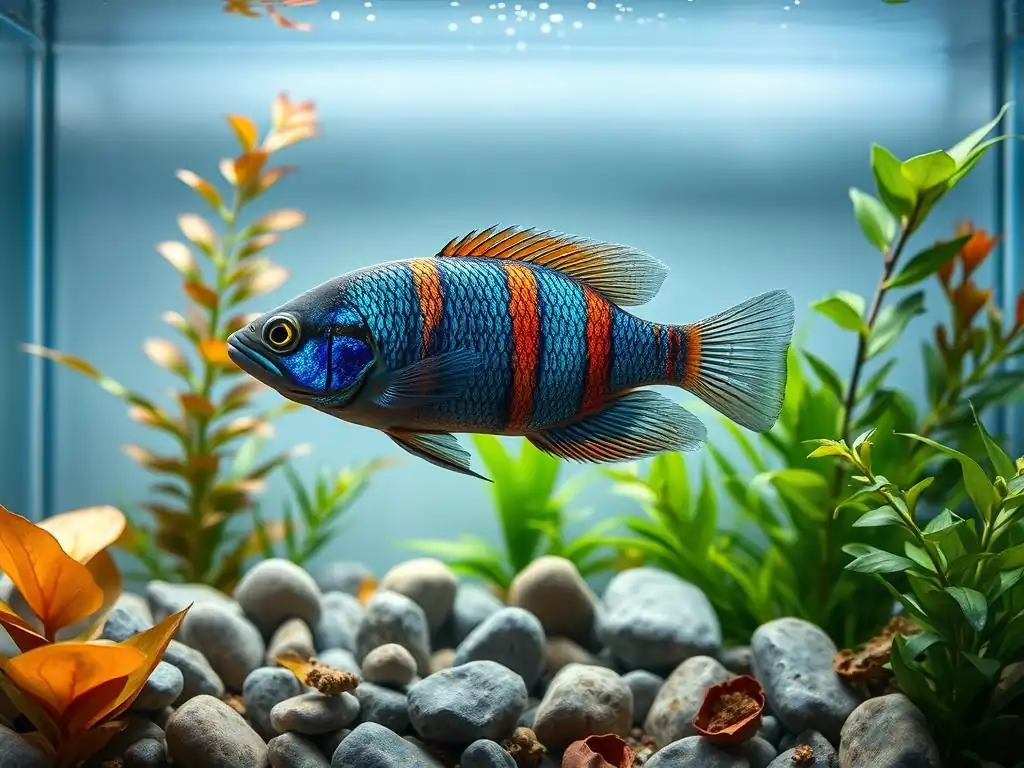
Cyprichromis generally prefer moderate to subdued lighting conditions. In their natural habitat, they often inhabit deeper waters where light penetration is less intense. Very bright or harsh lighting can stress these fish, causing them to appear washed out in color and hide more frequently.
A standard LED light fixture with adjustable intensity is ideal, allowing you to dim the light to a comfortable level. Aim for a photoperiod of 8-10 hours per day. If you have live plants, ensure the lighting is sufficient for them without being overpowering for the fish.
Plant Selection: Choosing Compatible Species
While Cyprichromis tanks are predominantly rock-based biotopes, certain hardy plant species can be successfully incorporated. Plants are not essential for Cyprichromis health but can contribute to water quality by absorbing nitrates and add to the aesthetic appeal. The key is to select plants that can tolerate the high pH and hardness of a Tanganyikan setup.
Avoid delicate plants that require soft, acidic water or intense lighting. The best plant choices are those that can be attached to rocks or driftwood and do not require planting in the substrate, as Cyprichromis are not known to disturb plants.
Anubias and Other Hardy Plants
Excellent choices for a Cyprichromis tank include Anubias barteri (and its various forms like Anubias nana), Java fern ( Microsorum pteropus), and African Water Fern ( Bolbitis heudelotii). These plants are incredibly hardy, have low light requirements, and can thrive in hard, alkaline water.
They can be easily attached to the rockwork using fishing line or super glue, preventing them from floating away or being dislodged. These plants also offer additional surface area for beneficial bacteria colonization, subtly contributing to overall water quality maintenance, an understated aspect of Cyprichromis tank care.
Creating Water Flow: Simulating Their Natural Habitat
Lake Tanganyika is a vast body of water, and while Cyprichromis inhabit calmer areas near rocks, they still benefit from moderate water flow in the aquarium. Good water movement helps oxygenate the water, distribute heat evenly, and prevent stagnant areas where detritus can accumulate. It also helps replicate the gentle currents of their natural environment.
Your filtration system, particularly an efficient canister filter, will provide a significant amount of flow. If additional circulation is desired, small powerheads or wavemakers can be strategically placed to create gentle, broad currents without creating turbulent, disruptive flow. Ensure the flow is not so strong that it pushes the fish around, but rather provides a comfortable current for them to swim against or drift in.
Cyprichromis Tank Mates: Choosing Compatible Species
Selecting appropriate tank mates is a critical decision in Cyprichromis tank care. While Cyprichromis are generally peaceful open-water cichlids, they can be intimidated by overly aggressive or much larger fish. The best tank mates are other peaceful Tanganyikan cichlids or bottom dwellers that share similar water parameter requirements and occupy different niches within the aquarium.
Avoid mixing them with highly aggressive cichlids or fish from other rift lakes with different temperaments or water needs. Compatibility ensures a harmonious environment and reduces stress for all inhabitants.
Suitable Tank Companions for Featherfin Cichlids
The most suitable tank companions for Cyprichromis are other peaceful Lake Tanganyika species that thrive in similar hard, alkaline water conditions. These tank mates should either occupy different parts of the water column or exhibit a calm temperament, minimizing competition and aggression.
Careful selection of tank mates contributes significantly to the overall success and tranquility of your Cyprichromis setup. This thoughtful approach to community building is a key Cyprichromis tank care secret.
Synodontis Catfish
Certain species of Synodontis catfish, particularly those from Lake Tanganyika like Synodontis multipunctatus (Cuckoo Catfish) or Synodontis petricola (Dwarf Petricola Catfish), make excellent tank mates for Cyprichromis. These catfish are peaceful bottom dwellers, occupying a different niche in the aquarium and therefore not competing for swimming space with the mid-to-upper water column Cyprichromis.
They share the same hard, alkaline water requirements and are generally robust. Synodontis also add an interesting dynamic to the tank, often being active during the day. Ensure there are plenty of caves and hiding spots for them at the bottom of the tank.
Julidochromis Cichlids
Julidochromis species, such as Julidochromis regani or Julidochromis marlieri, are another excellent choice for Cyprichromis tank mates. These "Julies" are rock-dwelling cichlids that inhabit crevices and caves at the bottom of the tank, again occupying a different vertical niche than the open-water Cyprichromis.
While Julidochromis can be territorial among themselves, they are generally peaceful towards other species that do not infringe upon their rocky territories. They share the same water parameter needs and add a fascinating element to the Tanganyikan biotope. Ensure ample rockwork is provided to establish individual territories for the Julidochromis.
Fish to Avoid: Incompatible Tank Mates
Just as important as choosing suitable tank mates is knowing which fish to avoid. Introducing incompatible species can lead to chronic stress, aggression, injury, or even death for your Cyprichromis. Avoid any fish that are overly aggressive, significantly larger, or have very different water parameter requirements.
Ignoring these warnings can quickly turn a peaceful Cyprichromis tank into a stressful environment, leading to health decline and loss. This preventative knowledge is a crucial part of mastering Cyprichromis tank care secrets.
Mbuna Cichlids
Mbuna cichlids from Lake Malawi, such as Pseudotropheus or Melanochromis species, are highly incompatible with Cyprichromis and should be strictly avoided. Mbuna are notoriously aggressive and territorial, especially in confined aquarium spaces. Their diet is also primarily herbivorous, differing significantly from the zooplankton-based diet of Cyprichromis.
Attempting to house Mbuna with Cyprichromis will inevitably lead to constant harassment, fin nipping, and severe stress for the featherfins, often resulting in their demise. Their water parameter preferences, while still hard and alkaline, can also differ enough to cause issues.
Large Predatory Fish
Any large predatory fish, regardless of origin, should be avoided as tank mates for Cyprichromis. Despite their agility, the slender body shape of Cyprichromis makes them appear as ideal prey to larger, more aggressive species. This includes many larger species of Haplochromis or other non-African predatory cichlids.
Even if they don't actively hunt them, the sheer presence of a much larger, dominant fish can induce chronic stress in Cyprichromis, leading to shy behavior, faded colors, and a suppressed immune system. Always consider the adult size and natural temperament of any potential tank mate.
Common Cyprichromis Health Issues and Prevention
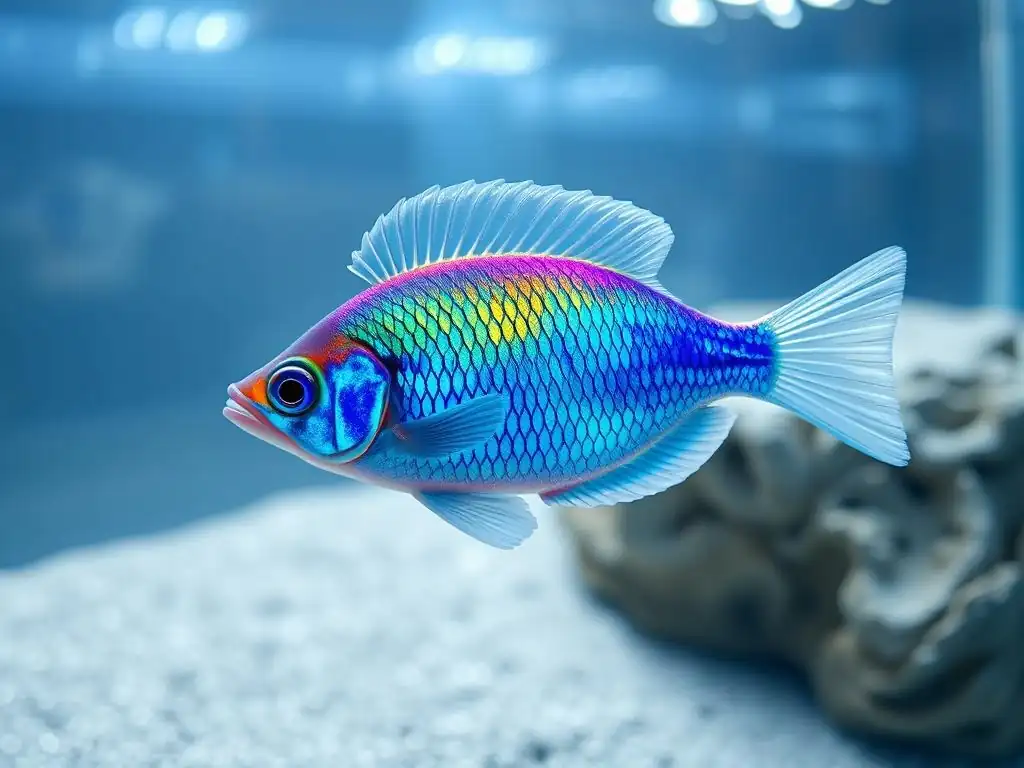
Even with meticulous Cyprichromis tank care, health issues can occasionally arise. Recognizing the early signs of illness and understanding common diseases are vital for prompt treatment and preventing further spread. Prevention, however, is always the best cure, primarily achieved through stable water parameters, a balanced diet, and minimal stress.
Maintaining excellent water quality, avoiding overfeeding, and practicing proper quarantine procedures for new fish are the most effective preventative measures. These proactive steps are foundational Cyprichromis tank care secrets that will keep your featherfins robust and resilient.
Recognizing Signs of Illness in Cyprichromis
Early detection of illness is critical for successful treatment. Healthy Cyprichromis are active, alert, and display vibrant coloration. Any deviation from this norm could be a sign of underlying health issues. Watch for changes in behavior, appearance, or swimming patterns.
Specific signs to look out for include clamped fins (fins held close to the body), labored or rapid breathing, loss of appetite, dull or faded coloration, white spots resembling salt grains (Ich), swollen abdomen, stringy or discolored feces, lesions, frayed fins, or erratic swimming (e.g., flashing against objects). Isolating affected fish in a hospital tank at the first sign of illness can prevent the spread to the rest of the school.
Common Diseases Affecting Featherfin Cichlids
While generally hardy in ideal conditions, Cyprichromis can be susceptible to common freshwater fish diseases, especially if water quality is compromised or they are stressed. Two of the most common and concerning ailments are bloat and Ich. Understanding their symptoms and appropriate treatments is essential.
Prompt action upon recognizing these diseases can significantly improve the chances of recovery and prevent widespread outbreaks in your aquarium. This knowledge forms a crucial part of advanced Cyprichromis tank care secrets.
Bloat: Symptoms and Treatment
Cichlid bloat, or Malawi bloat, is a severe and often fatal condition that can affect Cyprichromis, although it is more common in Mbuna. It is typically linked to diet, stress, and poor water quality. Symptoms include a severely swollen abdomen, loss of appetite, white and stringy feces, labored breathing, and lethargy.
Treatment involves immediate action. Isolate the affected fish in a hospital tank. Cease feeding for 2-3 days. If the fish is still eating, try offering a specialized medicated food containing Metronidazole (e.g., MetroPlex). Epsom salts (1 teaspoon per 5 gallons) can also be added to the hospital tank to help reduce swelling. Prevention through proper diet and water quality is paramount.
Ich: Symptoms and Treatment
Ichthyophthirius multifiliis, commonly known as Ich or White Spot Disease, is a highly contagious parasitic infection. It manifests as small, white spots resembling salt grains scattered across the fish's body and fins. Other symptoms include flashing (rubbing against tank decorations), clamped fins, and rapid breathing due to gill irritation.
Treatment for Ich typically involves gradually raising the tank temperature to 82-84°F (28-29°C) over 24 hours (if compatible with tank mates and aeration is increased) and adding aquarium salt (1 tablespoon per 5 gallons) or using a commercial Ich medication (e.g., copper-based treatments). Always remove activated carbon from the filter during medication. Continue treatment for at least 7-10 days, even after spots disappear, to ensure all parasites are eradicated.
Quarantine Procedures for New Fish
Implementing a strict quarantine procedure for all new fish before introducing them to your main Cyprichromis tank is one of the most effective preventative measures against disease. A separate quarantine tank (e.g., a 10-20 gallon tank for a small group) should be set up with a heater, sponge filter, and basic decor.
New fish should be kept in this tank for a minimum of 2-4 weeks. During this period, observe them closely for any signs of illness, parasites, or unusual behavior. You can also proactively treat them for common parasites during this time. This crucial step, often overlooked, is a fundamental Cyprichromis tank care secret that safeguards your entire aquarium from potential outbreaks.
Breeding Cyprichromis: A Rewarding Experience
Breeding Cyprichromis can be a highly rewarding experience for the dedicated aquarist, showcasing the fascinating mouthbrooding behavior unique to many African cichlids. While not overly difficult, successful breeding requires stable, optimal water conditions, a well-fed and healthy breeding group, and an appropriate breeding environment.
Observing the intricate courtship rituals and the subsequent care of the fry by the female is a highlight of keeping these beautiful fish. This aspect of Cyprichromis tank care brings immense satisfaction and a deeper connection to the aquatic world.
Creating a Breeding Environment for Cyprichromis
To encourage Cyprichromis to breed, ensure your adult fish are well-conditioned with a varied and nutritious diet, including plenty of frozen and live foods. The tank setup should provide tall rock structures that reach close to the surface, as females often prefer to deposit their eggs in such locations. A male-to-female ratio of 1 male to 3-4 females is often recommended to disperse male aggression and encourage spawning.
Cyprichromis are open-water spawners, with the male displaying to the female in the water column before she deposits eggs on a surface (rock or even a spawning mop) and immediately picks them up into her mouth. Providing a stable, stress-free environment with pristine water quality is paramount.
Recognizing Breeding Behavior
Recognizing Cyprichromis breeding behavior is fascinating. Males will display intensely to females, flaring their fins, darkening their colors, and performing elaborate dances in the mid-water column to entice a female. They may guide the female to a preferred spawning site, often a flat surface on a rock or even the glass.
Once the female accepts, she will deposit a few eggs, which the male will then fertilize. The female then quickly picks up the fertilized eggs into her mouth for incubation. Her buccal cavity (mouth area) will appear noticeably distended. She will typically hold the eggs for 3-4 weeks.
Caring for Cyprichromis Fry
After a gestation period of approximately 3-4 weeks (depending on temperature), the female Cyprichromis will release fully formed, free-swimming fry from her mouth. She may continue to guard them, taking them back into her mouth if danger approaches, especially in a community tank. For higher fry survival rates, some aquarists choose to gently strip the female of her fry after about 2-3 weeks, or move the female to a separate tank for release.
The newly released fry are large enough to immediately consume newly hatched brine shrimp or finely crushed high-quality flake food. Feed small amounts several times a day. Maintain excellent water quality in the fry rearing tank with small, frequent water changes. Providing ample hiding spots like small rock piles or Java moss will also improve their survival.
Conclusion: Mastering Cyprichromis Care for a Thriving Aquarium
Mastering Cyprichromis tank care secrets is a journey that rewards aquarists with the unparalleled beauty and fascinating behaviors of these exquisite featherfin cichlids. By diligently focusing on the core principles outlined in this guide – pristine water quality, a tailored diet, and a thoughtfully designed habitat – you can create an environment where these delicate fish not only survive but truly thrive, displaying their vibrant colors and natural schooling dynamics.
The commitment to precise water parameters, consistent maintenance, and appropriate environmental enrichment is key to unlocking the full potential of your Cyprichromis aquarium. This comprehensive approach ensures the longevity and well-being of your fish, making your efforts a truly rewarding experience.
Key Takeaways for Successful Cyprichromis Keeping
- Stable Water Parameters: Maintain a consistent temperature of 75-80°F (24-27°C), a high pH of 8.0-9.0, and high GH (10-20 dGH) and KH (10-15 dKH) to mimic Lake Tanganyika.
- Pristine Water Quality: Perform weekly 25-30% water changes and utilize robust filtration (e.g., oversized canister filters) to prevent ammonia, nitrite, and nitrate buildup.
- Appropriate Diet: Feed a varied diet of high-quality, small-particle flake foods supplemented with frozen Daphnia, brine shrimp, and Mysis shrimp, offered in small, frequent feedings.
- Spacious Tank: Provide a minimum of a 55-gallon tank (preferably 75+ gallons) with significant length for schooling, featuring fine sand substrate and tall, stable rock structures.
- Compatible Tank Mates: Choose peaceful Tanganyikan species like Synodontis catfish or Julidochromis cichlids, avoiding aggressive or overly large fish.
- Preventative Health: Implement strict quarantine procedures for new fish and quickly address any signs of illness through prompt water quality adjustments and appropriate treatments.
Resources for Further Learning About Featherfin Cichlids
For those seeking to deepen their understanding of Cyprichromis and other Lake Tanganyika cichlids, a wealth of information exists. Consulting reputable online forums dedicated to African cichlids can provide valuable insights from experienced aquarists. Comprehensive books on Lake Tanganyika's ecology and fish species offer in-depth knowledge of their natural history and specific care requirements. Additionally, academic papers and scientific databases can provide detailed information on their biology, behavior, and conservation status, further enhancing your expertise in Cyprichromis tank care secrets.
Frequently Asked Questions
How large of a tank do Cyprichromis require?
Cyprichromis are active fish that need plenty of swimming space. A minimum of a 75-gallon tank is recommended for a small group, but larger tanks are preferable to minimize aggression and maximize their well-being.
What are the ideal water parameters for a Cyprichromis tank?
Cyprichromis thrive in alkaline water with a pH between 8.0 and 9.0. The water temperature should be maintained between 76°F and 82°F, and the water must be kept very clean with regular water changes.
What is the best diet for Cyprichromis?
Cyprichromis are primarily plankton feeders and require a diet rich in small, high-quality foods. Offer a variety of flake food, frozen daphnia, and baby brine shrimp. Feeding multiple small meals throughout the day is ideal.
What kind of tank decorations should I include in my Cyprichromis tank?
Provide plenty of open swimming space as Cyprichromis are active swimmers. Include rock formations along the back and sides of the tank to create territories and provide hiding places.
What are some common health issues to watch out for with Cyprichromis?
Cyprichromis are susceptible to Malawi bloat if their diet is not appropriate or their water quality is poor. Ich (white spot disease) can also occur if water parameters are not stable, so regular monitoring is key.
Final Reflection: The Shimmering Promise of Cyprichromis
The secrets unveiled in this article, focused on unlocking the potential of Cyprichromis care, are not merely about maintaining an aquarium; they represent a deeper understanding of the delicate ecosystems we strive to recreate. The vibrant colors and graceful movements of these fish are a testament to the power of informed and dedicated care, a responsibility we embrace as aquarists.
This journey into Cyprichromis husbandry has underscored the profound connection between our actions and the well-being of these captivating creatures. The meticulous attention to water parameters, diet, and tank setup reflects a commitment to providing an environment where they can truly thrive, showcasing their natural beauty and behaviors. In the end, we will conserve only what we love; we will love only what we understand; and we will understand only what we are taught.
- Baba Dioum. This quote encapsulates the essence of responsible aquarism, urging us to constantly learn and deepen our appreciation for the life we nurture.
Now, armed with these Cyprichromis tank care secrets, I invite you to reflect on your own aquariums. Consider how you can further refine your practices, not just to maintain life, but to cultivate an environment where these fish can flourish. Let the shimmering promise of a thriving Cyprichromis tank inspire you to become a more informed, compassionate, and dedicated aquarist, contributing to the preservation and appreciation of these aquatic wonders.
Transform Your *Cyprichromis* Tank Today!
Thank you for diving deep into the world of Cyprichromis with us! We hope you’ve uncovered valuable insights to help these stunning fish thrive. Now, let's put that knowledge into action and create the ultimate Cyprichromis haven.
Here are some ways to get started:
- Immediately assess your current tank parameters! Use a reliable test kit to check your pH, ammonia, nitrite, and nitrate levels, ensuring they match the ideal Cyprichromis environment discussed.
- Explore the fascinating social dynamics of Cyprichromis. Research different color morphs and consider adding compatible tank mates to enhance their natural behaviors and create a visually captivating display.
- Share your Cyprichromis success stories (or challenges!) in the comments below. Let's build a thriving community of passionate aquarists dedicated to these remarkable fish.
What's one small change you can make today to improve your Cyprichromis tank and truly unlock their vibrant potential?