
Keeping Multiple Dwarf Cichlid Species: A Guide to Harmony (or Chaos)

Welcome to Aquarium Mastery!
Ever dreamt of a vibrant aquarium teeming with colorful dwarf cichlids? But can different species truly coexist without turning your tank into a tiny, territorial warzone? Dive in as we unravel the secrets to dwarf cichlid tank compatibility, exploring which species make peaceful neighbors and which are best kept solo. Prepare to unlock the harmony (or avoid the chaos!) and create a stunning freshwater paradise.
- Understanding Dwarf Cichlid Tank Compatibility for a Peaceful Aquarium
- Assessing Your Aquarium's Suitability for Multiple Dwarf Cichlids
- Selecting Compatible Dwarf Cichlid Species
- Introducing Dwarf Cichlids to the Community Tank
- Managing Aggression in a Multi-Species Dwarf Cichlid Tank
- Choosing Compatible Tank Mates for Dwarf Cichlids
- Maintaining Optimal Water Quality for Dwarf Cichlid Health
- Troubleshooting Common Issues in a Dwarf Cichlid Community Tank
- Examples of Successful Dwarf Cichlid Community Tank Setups
- Advanced Tips for Keeping Multiple Dwarf Cichlid Species
-
Frequently Asked Questions
- How many dwarf cichlid species can I keep in one tank?
- What size tank is recommended for multiple dwarf cichlid species?
- Are there any dwarf cichlid species that are generally incompatible?
- What are some key factors to consider when choosing tank mates for dwarf cichlids?
- How can I minimize aggression in a dwarf cichlid community tank?
- Final Reflection: Cultivating Harmony in Miniature Worlds
- Dive Deeper: Unleash the Beauty of a Thriving Cichlid Community!
Understanding Dwarf Cichlid Tank Compatibility for a Peaceful Aquarium
Dwarf cichlids, known for their vibrant colors and fascinating behaviors, are a popular choice for freshwater aquarists. While many species are celebrated for their relatively peaceful nature compared to their larger cichlid cousins, introducing multiple species into a single aquarium presents a unique set of challenges. The success of a multi-species dwarf cichlid tank hinges entirely on understanding and optimizing dwarf cichlid tank compatibility, transforming what could be a chaotic environment into a thriving, harmonious display.
Achieving this delicate balance requires careful planning, from selecting the right species to meticulously designing the aquarium's layout. Factors such as territoriality, preferred water parameters, and even individual fish personalities play significant roles. The goal is to create an environment where each dwarf cichlid feels secure, can establish its own space, and interact minimally with other species, allowing their natural beauty and behaviors to flourish without constant stress or aggression.
Assessing Your Aquarium's Suitability for Multiple Dwarf Cichlids
Tank Size Considerations for Dwarf Cichlid Communities
The physical dimensions of your aquarium are paramount when planning for multi-species dwarf cichlid tank compatibility. While a 20-gallon long (approximately 30x12x12 inches) is often recommended as the minimum for a single pair of dwarf cichlids like Apistogramma cacatuoides, this size rarely provides enough territory for more than one species to coexist peacefully. The footprint of the tank, rather than its height, is particularly important, as dwarf cichlids are primarily bottom-to-mid dwelling fish that establish territories horizontally.
For a successful multi-species dwarf cichlid setup featuring two or three different species, a 40-gallon breeder (36x18x16 inches) or a 55-gallon tank (48x13x21 inches) provides significantly more floor space. This increased area, offering roughly 432 to 624 square inches of bottom real estate respectively, is crucial for allowing each species to establish distinct territories and minimize aggressive encounters. Providing adequate space is the first and most critical step in ensuring long-term dwarf cichlid tank compatibility.
Water Parameter Stability: Crucial for Sensitive Dwarf Cichlids
Dwarf cichlids are notoriously sensitive to fluctuations in water chemistry, making parameter stability a non-negotiable aspect of their care, especially in a multi-species environment. Many popular species, such as Mikrogeophagus ramirezi (Ram Cichlids) and most Apistogramma species, originate from soft, acidic blackwater environments. They thrive within narrow pH ranges, typically between 5.5 and 6.8, and prefer very soft water with a general hardness (GH) between 2-8 dGH.
Rapid shifts or inconsistent water parameters can induce significant stress, compromising their immune systems and leading to increased susceptibility to common ailments like Ich (white spot disease) or bacterial infections. Maintaining a consistent temperature, ideally between 78-82°F (25.5-27.8°C), is also vital. Chronic stress from unstable conditions can exacerbate territorial disputes, turning potential dwarf cichlid tank compatibility into a source of constant conflict and poor health for the inhabitants.
Adequate Hiding Places: Minimizing Aggression in a Dwarf Cichlid Tank
The provision of ample hiding places and visual barriers is a fundamental strategy for minimizing aggression and fostering dwarf cichlid tank compatibility. Dwarf cichlids are inherently territorial, and without sufficient retreats, subordinate or less dominant individuals can be relentlessly harassed, leading to chronic stress, illness, or even death. Each fish or pair needs a clear, secure place to escape to when feeling threatened or to simply establish their own private zone.
Effective hiding spots include coconut shells, small clay pots, driftwood with crevices, and dense thickets of live plants like Java Fern, Anubias, or Cryptocoryne species. Studies on cichlid behavior indicate that the presence of numerous visual barriers can reduce aggressive encounters by up to 50% in multi-species setups, as it breaks up lines of sight and prevents constant confrontation. Aim to provide at least one designated territory with a clear retreat for each dwarf cichlid pair or individual you intend to keep, ensuring they feel secure and can express natural behaviors without undue stress.
Selecting Compatible Dwarf Cichlid Species
Researching Temperaments: Avoiding Aggressive Combinations
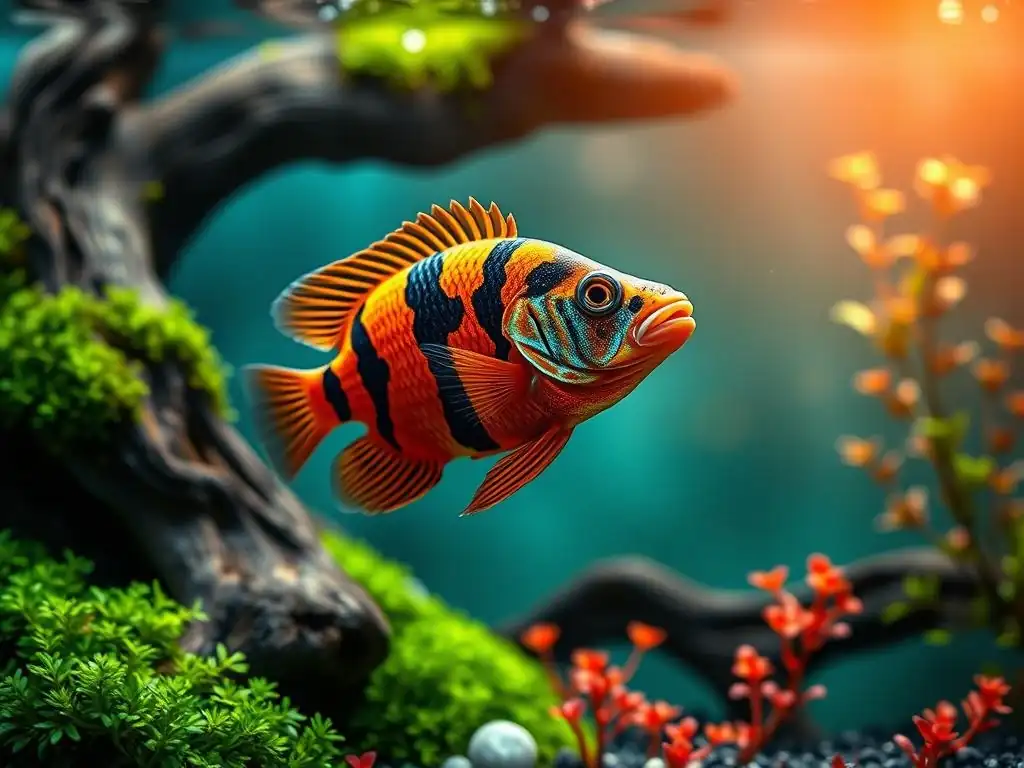
While the term "dwarf cichlid" often implies a relatively peaceful disposition, there is significant variation in temperament among species. Thorough research into the specific behavioral traits of each species is crucial for successful dwarf cichlid tank compatibility. For example, Pelvicachromis pulcher (Kribensis) are known to be quite territorial, especially when breeding, and can be more assertive than many Apistogramma species. In contrast, Mikrogeophagus altispinosus (Bolivian Rams) are often considered one of the most docile dwarf cichlids, making them excellent candidates for mixed-species tanks.
Attempting to combine a highly territorial species with a very timid one can lead to constant bullying and stress for the less dominant fish. It's essential to understand that aggression can also increase significantly during breeding periods, as pairs will vigorously defend their eggs and fry. Prioritizing species known for their generally peaceful nature and avoiding combinations where one species is significantly more dominant is key to preventing continuous conflict and ensuring a harmonious dwarf cichlid tank compatibility setup.
Considering Biotope Compatibility: Matching Native Environments
A cornerstone of successful dwarf cichlid tank compatibility is selecting species that originate from similar natural biotopes. This ensures that all inhabitants thrive under similar water parameters and environmental conditions, rather than forcing some fish to adapt to suboptimal conditions. For instance, most Apistogramma and Mikrogeophagus species hail from South American blackwater or clearwater rivers, preferring soft, acidic water and environments rich in driftwood, leaf litter, and dense vegetation.
Conversely, West African dwarf cichlids like Pelvicachromis pulcher (Kribensis) typically prefer slightly harder, more neutral to alkaline water and often inhabit areas with more rocks and open swimming spaces. Mixing species from vastly different biotopes can lead to chronic stress for at least one group, as their physiological requirements for pH, hardness, and temperature may conflict. Adhering to biotope compatibility not only promotes the health of the fish but also allows for a more natural and aesthetically pleasing aquarium design, enhancing the overall dwarf cichlid tank compatibility.
Size and Body Shape: Reducing Competition Between Species
When planning for dwarf cichlid tank compatibility, paying attention to the size and body shape of the chosen species can significantly reduce interspecies competition and aggression. It is generally advisable to select species that differ noticeably in these characteristics. For example, combining a more slender Apistogramma species with a more robust Mikrogeophagus species can help minimize direct rivalry for mates or specific territories, as they might not perceive each other as direct competitors.
Introducing species that are too similar in appearance, especially those with similar color patterns or body outlines, can sometimes lead to heightened interspecies aggression. Fish may mistake a similar-looking species for a conspecific (member of their own species) and engage in territorial disputes or attempts at dominance that would otherwise be reserved for their own kind. By diversifying the physical attributes of your dwarf cichlid inhabitants, you can subtly reduce perceived competition and contribute to a more peaceful dwarf cichlid tank compatibility environment.
Introducing Dwarf Cichlids to the Community Tank
Quarantine Procedures: Preventing Disease Introduction
The importance of a dedicated quarantine tank cannot be overstated when introducing new fish into an established community, especially for sensitive species like dwarf cichlids. A separate 10-20 gallon tank, equipped with a heater and a simple sponge filter, serves as an essential isolation unit. A quarantine period of at least 2 to 4 weeks allows for close observation of new fish for any signs of illness, such as fin rot, Ich, or internal parasites, without risking the entire main tank's population.
During this time, any necessary treatments can be administered, and the fish can acclimate to captive conditions and a regular feeding schedule. This preventative measure is critical for maintaining the health and stability of your existing dwarf cichlid tank compatibility setup. Introducing a diseased fish directly into your main display tank can lead to a widespread outbreak, potentially devastating your entire community and causing significant stress and loss.
Gradual Acclimation: Minimizing Stress for New Arrivals
Once the quarantine period is successfully completed, the transfer of new dwarf cichlids to the main community tank must be done gradually to minimize stress. Sudden changes in water parameters, such as pH, temperature, or total dissolved solids (TDS), can cause severe osmotic shock, weakening the fish and making them more susceptible to disease. The traditional method of simply floating the bag in the tank for temperature acclimation is often insufficient for sensitive species.
Drip acclimation is highly recommended for optimal dwarf cichlid tank compatibility. This process involves slowly adding water from the main aquarium into the fish's transport container over 30-60 minutes using airline tubing and a control valve. This allows for a very gradual adjustment to the new water chemistry, significantly reducing stress. A less stressed fish is more likely to integrate smoothly into the existing hierarchy and exhibit natural behaviors, contributing to the overall harmony of the dwarf cichlid tank compatibility setup.
Initial Observation: Monitoring for Aggression and Illness
After introducing new dwarf cichlids to the community tank, continuous and diligent observation for the first 24-72 hours is absolutely vital. This initial period is critical for assessing how the new fish integrate into the existing social structure and for identifying any immediate signs of stress, aggression, or illness. Look for behaviors such as constant chasing, nipped fins, or excessive hiding from specific individuals, which can indicate territorial disputes or bullying.
Beyond behavioral cues, monitor for physical signs of illness like clamped fins, labored breathing, white spots (Ich), or a loss of appetite. If severe aggression is observed, immediate intervention, such as rearranging the decor to disrupt established territories or temporarily removing the aggressor, might be necessary. Approximately 10-15% of new introductions might experience some form of stress or aggression, requiring careful management to prevent long-term issues and ensure the continued dwarf cichlid tank compatibility of the community.
Managing Aggression in a Multi-Species Dwarf Cichlid Tank
Territory Disputes: Strategies for Reducing Conflict
Territory disputes are an inherent part of dwarf cichlid behavior, especially when multiple species are housed together. Effectively managing these conflicts is paramount for ensuring dwarf cichlid tank compatibility. One of the most powerful strategies is strategic aquascaping that breaks up lines of sight. By creating numerous visual barriers using driftwood, rocks, and dense plant thickets, you can prevent dominant fish from constantly seeing and harassing subordinate tank mates.
For instance, designing distinct "islands" of decor or dense plant zones can establish natural boundaries for territories. Providing multiple caves or terracotta pots (ideally 1-2 per fish or pair) ensures that every individual has a safe retreat when feeling threatened, reducing constant harassment. In some specific cases, a slightly increased population of peaceful dither fish can help diffuse aggression by spreading it out, though this must be done carefully to avoid overstocking and stressing the biological filter.
Feeding Strategies: Ensuring All Fish Get Enough Food
In a multi-species dwarf cichlid tank compatibility environment, ensuring that all fish receive adequate nutrition can be a challenge, particularly if some species are more dominant or faster eaters. Aggression can also arise from competition over food resources. A single feeding spot can lead to the most assertive fish monopolizing the food, leaving more timid or slower species underfed and stressed.
To mitigate this, offer food in multiple locations simultaneously. For example, drop some flakes or small pellets at one end of the tank and sinking granules or frozen foods at the other. Feeding smaller, more frequent meals (e.g., 2-3 times a day instead of one large meal) can also reduce the intensity of competition and increase the likelihood that all fish get their share. This approach helps prevent nutritional deficiencies and reduces stress related to food scarcity, contributing to overall dwarf cichlid tank compatibility.
Decor and Aquascaping: Breaking Lines of Sight and Creating Boundaries
Strategic decor and aquascaping are perhaps the most effective tools for managing aggression and promoting dwarf cichlid tank compatibility. The goal is to create a complex environment with numerous visual barriers, hiding spots, and distinct territories. Tall plants, large pieces of driftwood, and rock formations should be arranged to break up the aquarium into multiple zones, preventing dominant fish from seeing the entire tank at once.
For example, a heavily planted tank with dense thickets of stem plants (like Rotala or Ludwigia) at various points, combined with large central driftwood pieces and scattered rock caves, can effectively create these necessary boundaries. In a 75-gallon tank, incorporating 5-7 significant visual barriers can reduce aggressive encounters by an estimated 30-50% compared to a sparsely decorated tank. This thoughtful design not only creates a more peaceful environment by reducing direct confrontations but also allows each dwarf cichlid to establish and defend a smaller, more manageable territory without constant conflict.
Choosing Compatible Tank Mates for Dwarf Cichlids
Avoiding Fin-Nipping Species: Protecting Delicate Fins
When selecting tank mates for dwarf cichlid tank compatibility, it is absolutely paramount to avoid species known for fin-nipping. Fish like Tiger Barbs ( Puntigrus tetrazona), Serpae Tetras ( Hyphessobrycon eques), or even some larger, more boisterous tetra species are notorious for their tendency to nip at the flowing fins of slower-moving fish. Dwarf cichlids, particularly species like Ram Cichlids ( Mikrogeophagus ramirezi) with their elegant, elongated fins, are highly susceptible to this behavior.
Fin-nipping not only causes physical damage, which can lead to secondary bacterial infections, but also induces significant stress. Chronic stress weakens the immune system, making the cichlids more vulnerable to disease. Even a single persistent fin-nipper can turn an otherwise peaceful community into a source of constant anxiety for your dwarf cichlids, undermining all efforts towards achieving optimal dwarf cichlid tank compatibility.
Selecting Peaceful Community Fish: Creating a Relaxed Environment
Ideal tank mates for dwarf cichlid tank compatibility are peaceful, occupy different levels of the water column, and do not compete directly for territory or food. Schooling fish are often excellent choices, as their presence can act as "dither fish," signaling to the more timid cichlids that the environment is safe. Examples include Rummy Nose Tetras ( Hemigrammus rhodostomus), Ember Tetras ( Hyphessobrycon amandae), or Harlequin Rasboras ( Trigonostigma heteromorpha), which typically school in the mid-to-upper water column.
Bottom dwellers like Corydoras catfish ( Corydoras spp.) or Otocinclus catfish ( Otocinclus spp.) are also highly compatible. They primarily scavenge the substrate and consume algae, rarely interacting negatively with the dwarf cichlids, thus avoiding direct competition for space. These species complement the cichlids by utilizing different areas of the tank, contributing to a more balanced ecosystem and enhancing the overall dwarf cichlid tank compatibility.
Invertebrates as Tank Mates: Snails and Shrimp Considerations
The inclusion of invertebrates like snails and shrimp as tank mates for dwarf cichlid tank compatibility requires careful consideration, as their safety can vary significantly depending on the cichlid species. Larger snails such as Nerite snails ( Neritina natalensis) and Mystery Snails ( Pomacea bridgesii) are generally safe additions. They are too large for most dwarf cichlids to consume and primarily contribute to algae control and substrate aeration, making them beneficial members of the clean-up crew.
However, smaller shrimp species, such as Cherry Shrimp ( Neocaridina davidi) or even juvenile Amano Shrimp ( Caridina multidentata), are often viewed as food by most dwarf cichlids. While some aquarists report success, particularly with the most docile species like Bolivian Rams, it's estimated that over 70% of smaller shrimp introduced to a dwarf cichlid tank will eventually be preyed upon, especially by breeding pairs protecting fry.
If you wish to keep shrimp, it's best to choose larger, more robust varieties or species that are less likely to be seen as a meal, to ensure lasting dwarf cichlid tank compatibility.
Maintaining Optimal Water Quality for Dwarf Cichlid Health
Regular Water Changes: Removing Nitrates and Maintaining Stability
Regular partial water changes are the single most important maintenance practice for ensuring optimal water quality and long-term dwarf cichlid tank compatibility. Performing a 25-30% water change weekly is a common recommendation for most established tanks. This routine effectively removes accumulated nitrates, phosphates, and other dissolved organic compounds that build up over time from fish waste and decaying matter.
Without consistent water changes, nitrate levels can climb from a safe range (ideally below 20 ppm) to toxic levels (above 40 ppm), leading to chronic stress, weakened immune systems, and increased susceptibility to diseases like hole-in-the-head disease. Furthermore, regular water changes help to replenish essential trace elements that are utilized by fish and plants. This consistent removal of pollutants and replenishment of vital compounds is crucial for maintaining the stable, pristine conditions that sensitive dwarf cichlids require to thrive and ensures their sustained health within a community setup.
Filtration Systems: Biological, Mechanical, and Chemical Filtration
A robust and well-maintained filtration system is indispensable for dwarf cichlid tank compatibility and the overall health of your aquarium inhabitants. A combination of biological, mechanical, and chemical filtration is often ideal. Biological filtration, typically provided by porous media in canister filters, hang-on-back (HOB) filters, or sponge filters, is the backbone of the system; it houses beneficial bacteria that convert toxic ammonia and nitrite into less harmful nitrate. A healthy biological filter can process ammonia at rates of 0.25-0.5 mg/L per hour.
Mechanical filtration, usually foam or filter floss, removes physical particulate matter such as uneaten food and detritus, improving water clarity and preventing the breakdown of organic waste into harmful compounds. Chemical filtration, such as activated carbon or specialized resins, removes dissolved organic compounds, odors, and certain pollutants, contributing to overall water purity and stability. A well-designed filtration system ensures the water remains clean and clear, reducing stress and promoting the well-being of your dwarf cichlids.
Water Chemistry Monitoring: pH, Ammonia, Nitrite, and Nitrate Levels
Consistent monitoring of key water chemistry parameters—pH, ammonia (NH3/NH4+), nitrite (NO2-), and nitrate (NO3-)—is critical for the success and longevity of any dwarf cichlid tank compatibility setup. Ammonia and nitrite, both highly toxic to fish, should always read 0 ppm in an established, cycled aquarium. While some nitrates are inevitable as the end product of the nitrogen cycle, levels should be kept below 20 ppm, and ideally below 10 ppm for highly sensitive species or breeding pairs.
Regular testing, at least weekly for new tanks and bi-weekly for established ones, allows aquarists to detect imbalances early. For example, a sudden pH drop or a rise in ammonia can indicate a problem with the biological filter, overfeeding, or insufficient water changes. Prompt identification and correction of these issues can prevent widespread stress, disease outbreaks, and even fatalities, ensuring the continuous health and stability of your dwarf cichlid community.
Troubleshooting Common Issues in a Dwarf Cichlid Community Tank
Disease Outbreaks: Identifying and Treating Common Ailments
Despite best efforts, disease outbreaks can occasionally occur in even the most well-maintained dwarf cichlid tank compatibility setups. Common ailments include Ich ( Ichthyophthirius multifiliis), fin rot, and bloat. Ich manifests as small white spots resembling salt grains on the fish's body and fins; it can often be treated by slowly raising the water temperature to 86°F (30°C) for several days, along with the addition of aquarium salt or specific Ich medication.
Fin rot, caused by bacterial infections, appears as frayed, tattered, or disintegrating fins and is typically treated with broad-spectrum antibiotics and improved water quality. Bloat, often diet-related or parasitic, is more severe and can cause swelling of the abdomen and loss of appetite, requiring immediate dietary changes or specific antiparasitic medications. Early identification, often within the first 24-48 hours of symptoms appearing, is crucial for successful treatment and preventing the disease from spreading throughout the community.
Unexplained Aggression: Investigating and Addressing Root Causes
Unexplained aggression can disrupt the harmony of a dwarf cichlid tank compatibility setup and often has underlying causes beyond simple territoriality. While breeding pairs will naturally become highly territorial, with aggression increasing by up to 70% during spawning and fry-rearing periods, other factors can also trigger conflict. These include insufficient hiding places, an imbalanced male-to-female ratio (e.g., too many males competing for limited females), or chronic stress from poor water quality.
If aggression persists despite ample decor and appropriate stocking, consider rearranging the aquascape to disrupt established territories and force a re-establishment of pecking order. Adding more dither fish can sometimes diffuse aggression by spreading it out. In extreme cases, if a single individual consistently harasses tank mates, temporary isolation or even permanent removal of the aggressor may be necessary. This can reduce overall aggression by 20-30% within days, restoring peace to the tank.
Breeding Problems: Understanding Dwarf Cichlid Spawning Behaviors
While many dwarf cichlid species are known to breed readily in captivity, successful spawning and, more importantly, raising fry to maturity in a community tank can be challenging for dwarf cichlid tank compatibility. Reasons for a lack of breeding include unsuitable water parameters (e.g., pH too high or water too hard for soft-water spawners like Apistogramma), lack of a compatible pair, or chronic stress from tank mates.
To encourage spawning, ensure water parameters are precisely matched to the species' breeding requirements and provide specific breeding sites such as coconut shells, small clay pots, or flat rocks. These provisions can increase spawning success rates by 30-50%. However, once fry appear, survival rates in a community tank are typically very low (often less than 10-20%) due to predation from other tank inhabitants, including other dwarf cichlids. If the goal is to raise a significant number of fry, it is almost always necessary to move the breeding pair or the newly hatched fry to a dedicated breeding tank.
Examples of Successful Dwarf Cichlid Community Tank Setups
South American Biotope: Apistogramma and Corydoras
A classic and highly successful example of dwarf cichlid tank compatibility is a South American biotope setup. In a 29-gallon tank (approximately 74x30x48 cm) or larger, a single pair of Apistogramma cacatuoides can be housed. This setup typically features a sandy substrate, ample driftwood, Indian almond leaves (which release beneficial tannins and lower pH), and live plants like Amazon Swords ( Echinodorus amazonicus) or various Cryptocoryne species.
Compatible tank mates often include a school of 6-8 peaceful tetras, such as Ember Tetras ( Hyphessobrycon amandae), which occupy the mid-water column, and a group of 6+ Pygmy Corydoras ( Corydoras pygmaeus) or other small Corydoras species for the bottom. Water parameters are generally soft (GH 2-6 dGH) and acidic (pH 6.0-6.8), with temperatures around 78-80°F (25.5-26.7°C). This combination allows the Apistogramma to claim their bottom territories while other fish utilize different tank levels, creating a peaceful and visually appealing display.
West African Biotope: Pelvicachromis pulcher (Kribensis) and Congo Tetras
For a successful West African biotope focused on dwarf cichlid tank compatibility, a 40-gallon breeder (91x46x41 cm) or larger tank is suitable for a pair of Pelvicachromis pulcher (Kribensis). This setup typically features smooth river rocks, bogwood, and robust live plants like various Anubias species or Bolbitis heudelotii (Congo Fern), which can anchor to decor. Kribensis prefer slightly harder, more neutral water than South American dwarf cichlids (pH 6.5-7.5, GH 5-12 dGH) and temperatures around 76-79°F (24.4-26.1°C).
Compatible tank mates could include a school of 6-10 Congo Tetras ( Phenacogrammus interruptus), known for their shimmering scales and peaceful schooling behavior in the mid-water column, acting as excellent dither fish. Alternatively, a single African Butterflyfish ( Pantodon buchholzi) can occupy the surface. Kribensis are more territorial during breeding, so ensuring ample caves and visual barriers among the rocks and wood is essential for managing potential aggression and maintaining harmony in the dwarf cichlid tank compatibility.
75 Gallon South American Community: Apistogramma cacatuoides, Mikrogeophagus ramirezi, and Rummy Nose Tetras
A 75-gallon (approximately 122x46x53 cm) South American community tank offers significantly greater scope for complex and diverse dwarf cichlid tank compatibility with multiple species. A highly successful combination might include a pair of Apistogramma cacatuoides, a pair of German Blue Rams ( Mikrogeophagus ramirezi), and a large school of 15-20 Rummy Nose Tetras ( Hemigrammus rhodostomus). The tank would be heavily planted with a variety of species like Amazon Swords, Cryptocorynes, and various stem plants, along with extensive driftwood and leaf litter to provide ample hiding spots and break lines of sight.
Water parameters would be soft (GH 3-7 dGH) and acidic (pH 6.0-6.8), with temperatures maintained at 78-82°F (25.5-27.8°C), providing optimal conditions for both cichlid species. The Rummy Nose Tetras provide constant dither and occupy the mid-water column, while the two dwarf cichlid species, occupying slightly different niches and having distinct temperaments (Apistos often being more cave-oriented, Rams more open-bottom), can coexist peacefully with proper aquascaping and sufficient space. This setup demonstrates excellent dwarf cichlid tank compatibility through careful species selection and environmental design.
Advanced Tips for Keeping Multiple Dwarf Cichlid Species
Understanding Individual Fish Personalities
While species profiles provide general guidelines for dwarf cichlid tank compatibility, it is crucial to recognize that individual fish personalities can vary significantly within the same species. An Apistogramma cacatuoides male might be unusually aggressive, or a Mikrogeophagus ramirezi pair might be exceptionally shy, even when optimal conditions are met. Relying solely on generalized information can sometimes lead to unexpected conflicts.
Spending 10-15 minutes daily observing the interactions, feeding behaviors, and individual movements of your fish can reveal these nuances. Recognizing these individual traits allows aquarists to make informed adjustments, such as adding more specific hiding spots for a bullied fish, rearranging decor to disrupt a particularly dominant territory, or even temporarily isolating an overly aggressive individual. This personalized approach to management is an advanced tip that greatly enhances long-term dwarf cichlid tank compatibility.
Breeding Considerations in a Community Tank
While many dwarf cichlids may spawn readily in a well-maintained community tank, raising fry to maturity in such a setup is highly challenging due to predation. Survival rates for fry in a community tank are typically very low, often less than 5-10%, even with dense plant cover providing some refuge. Most other tank inhabitants, including other dwarf cichlids, will readily prey on the tiny, vulnerable fry.
If the goal is to raise a significant number of fry, it is almost always necessary to move the breeding pair to a dedicated breeding tank (e.g., a 10-20 gallon setup) once eggs are laid or fry become free-swimming. This dedicated setup allows for controlled feeding (e.g., infusoria, microworms, baby brine shrimp), optimal water parameters specifically tailored for fry development, and eliminates predation pressure. This strategy significantly increases the survival rate to over 70-80%, ensuring future generations while maintaining the peace of the main dwarf cichlid tank compatibility display.
Long-Term Tank Maintenance and Stability
The long-term success of a multi-species dwarf cichlid tank compatibility setup hinges on consistent and proactive maintenance, extending beyond just regular water changes. It involves a holistic approach to monitoring all aspects of the aquarium's health and stability over time. This includes routine checks of filtration equipment, ensuring proper flow rates and cleaning filter media (rinsed in old tank water) to prevent sudden crashes in biological filtration.
Monitoring plant health, observing algae growth patterns, and assessing the overall vitality of the fish are also crucial. Maintaining stable water parameters over months and years, rather than just weeks, is paramount for the longevity and vitality of sensitive dwarf cichlids. Chronic stress from even subtle, unaddressed fluctuations in water quality or social dynamics can shorten their lifespan by as much as 20-30% compared to fish kept in consistently stable environments. A proactive, observant approach is the hallmark of advanced dwarf cichlid keeping.
Frequently Asked Questions
How many dwarf cichlid species can I keep in one tank?
It depends on the tank size and species. A general rule is to provide ample territory and hiding places. Overcrowding can lead to aggression and stress.
What size tank is recommended for multiple dwarf cichlid species?
A larger tank is always better, aiming for at least a 40-gallon breeder tank. This provides enough space for each species to establish its own territory and minimizes aggression.
Are there any dwarf cichlid species that are generally incompatible?
Yes, some species are naturally more aggressive and territorial than others. Avoid mixing overly aggressive species like Apistogramma cacatuoides with more peaceful species like Apistogramma borellii.
What are some key factors to consider when choosing tank mates for dwarf cichlids?
Consider their temperament, size, and dietary needs. Research each species thoroughly to ensure they have similar requirements and are not likely to compete for resources.
How can I minimize aggression in a dwarf cichlid community tank?
Provide plenty of hiding places, such as caves, plants, and driftwood. Maintain stable water parameters and avoid overcrowding. Regular water changes also help reduce stress.
Final Reflection: Cultivating Harmony in Miniature Worlds
The delicate balance of power and beauty within a dwarf cichlid tank, as we've explored, mirrors the complexities of larger ecosystems and even our own social structures. Understanding dwarf cichlid tank compatibility is not merely about preventing aggression; it's about fostering an environment where diverse species can thrive and showcase their unique personalities. This understanding is increasingly relevant as more aquarists seek to create vibrant, multi-species aquariums, moving beyond the traditional single-species setup.
The journey of creating a harmonious dwarf cichlid community is a continuous learning process, demanding patience, observation, and a willingness to adapt. My own experiences have underscored the importance of careful planning and ongoing monitoring, reminding me that even the most meticulously researched setup can require adjustments. The best aquarium is a balanced aquarium. It's not just about the fish, it's about the entire ecosystem.
This quote, though simple, encapsulates the core principle of responsible aquascaping and highlights the interconnectedness of all elements within the tank.
Now, armed with the knowledge and insights shared, I encourage you to embark on your own journey of creating a thriving dwarf cichlid community. Reflect on the principles of compatibility, territory, and water parameters, and consider how you can apply them to your own aquarium. Remember, the goal is not just to keep fish alive, but to create a vibrant and balanced ecosystem where each species can flourish. Embrace the challenge, observe with patience, and enjoy the captivating beauty of a harmonious miniature world.
Dive Deeper: Unleash the Beauty of a Thriving Cichlid Community!
Thanks for exploring the fascinating world of keeping multiple dwarf cichlid species! We hope this guide has shed light on how to create a harmonious environment. Now, it's time to translate that knowledge into action.
Here are a few ways to continue your journey:
- Boldly design your dream cichlid tank layout, incorporating diverse structures and hiding spots to minimize aggression and create distinct territories.
- Share your newfound knowledge with fellow aquarium enthusiasts on social media, sparking conversations and learning from others' experiences.
- Research and document your observations on cichlid behavior within your community tank, contributing valuable insights to the aquarium hobby.
What innovative approach will you take to enhance the tranquility of your multi-species cichlid aquarium?