
Molly Fish Mastery: A Comprehensive Guide to Care, Types & Temperament

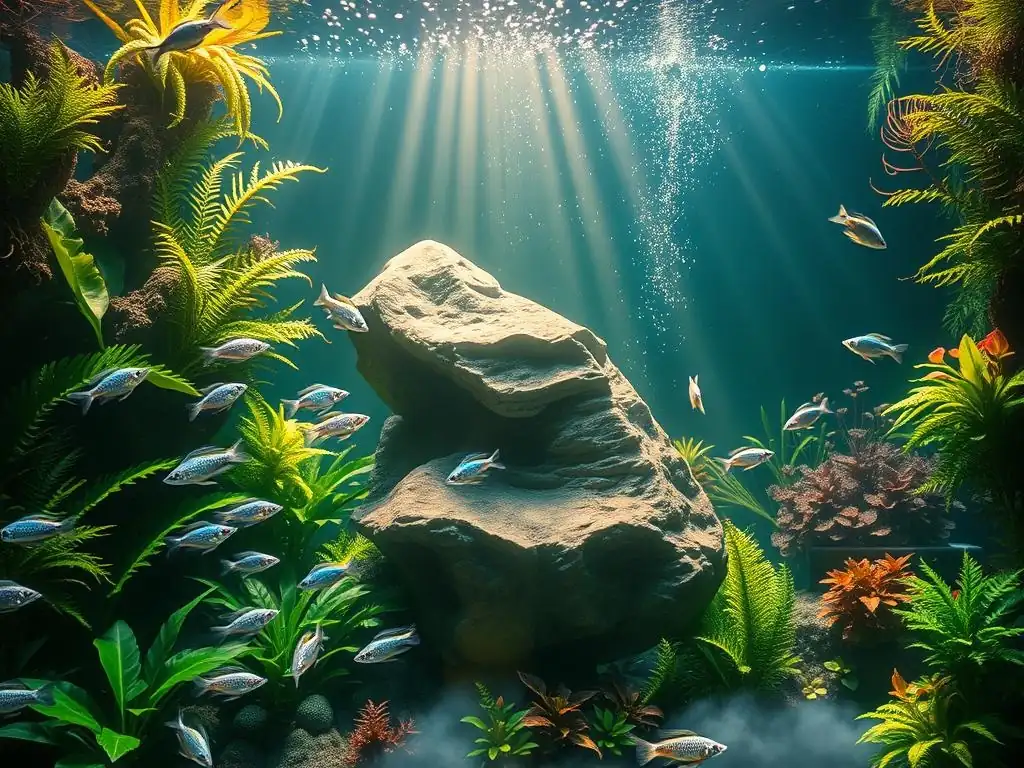
Welcome to Aquarium Mastery!
Ever wondered how to unlock the secrets to a thriving Molly fish aquarium? From vibrant colors to playful personalities, Mollies can bring so much life to your freshwater setup. But are you giving them everything they need to truly flourish? Dive into our comprehensive Molly Fish Care Guide and discover the insider tips and tricks to ensure your Mollies live a long, healthy, and happy life. Keep reading to become a true Molly fish master!
- Introduction to Molly Fish: A Beginner's Guide to Care
- Essential Molly Fish Care Requirements
- Exploring Different Types of Molly Fish
- Understanding Molly Fish Temperament and Behavior
- Molly Fish Breeding: A Guide to Successful Reproduction
- Troubleshooting Common Molly Fish Problems
- Advanced Molly Fish Care Tips
- Conclusion: Mastering Molly Fish Care
-
Frequently Asked Questions
- How often should I feed my Molly fish?
- What is the ideal water temperature for Molly fish?
- What size tank is recommended for a group of Molly fish?
- What are some common diseases that affect Molly fish, and how can I prevent them?
- Are Molly fish compatible with other types of fish in a community tank?
- Final Reflection: Embracing the Vibrant World of Mollies
- Unleash Your Molly-Keeping Potential!
Introduction to Molly Fish: A Beginner's Guide to Care
Why Choose Molly Fish for Your Freshwater Aquarium?
Molly fish are celebrated among aquarists for their remarkable hardiness and adaptability, making them an excellent choice for both novice and experienced freshwater enthusiasts. Their vibrant colors, active swimming patterns, and relatively low maintenance requirements compared to some other species contribute significantly to their appeal. They offer a dynamic presence in any community tank, providing constant visual interest.
Furthermore, mollies are livebearers, meaning they give birth to free-swimming fry rather than laying eggs. This fascinating reproductive cycle provides a unique educational experience for hobbyists, allowing them to observe the entire life cycle within their home aquarium. Their resilience and the engaging nature of their breeding habits underscore why a comprehensive Molly fish care guide is so valuable for anyone starting or expanding their aquatic journey.
Understanding the Popularity of Mollies Among Aquarists
The widespread popularity of mollies stems from several key factors, including their broad availability in pet stores across the globe and the astonishing variety of forms they exhibit. From diverse body colors and patterns to unique fin shapes, there is a molly type to suit nearly every aesthetic preference. Their generally peaceful temperament further enhances their desirability, allowing them to coexist harmoniously with many other non-aggressive fish species.
Mollies are also known for their impressive resilience to varying water conditions, provided these changes are gradual and within acceptable limits. This adaptability, coupled with their ability to thrive in well-maintained community tanks, solidifies their position as a staple in the freshwater aquarium hobby. Their robustness and visual appeal ensure they remain a top choice for aquarists seeking an engaging and relatively straightforward fish to care for.
Overview of This Molly Fish Care Guide
This comprehensive Molly fish care guide is meticulously designed to equip you with all the essential knowledge needed to successfully keep and breed these captivating fish. We will delve into critical aspects such as establishing the ideal tank environment, understanding their dietary needs, and implementing effective maintenance routines to ensure their long-term health and vitality. Our goal is to provide actionable insights for every stage of molly keeping.
Beyond fundamental care, this guide will explore the diverse types of mollies available, detail their unique temperaments, and offer a thorough overview of their breeding habits. We will also address common issues and provide troubleshooting tips to help you navigate potential challenges. By the end of this Molly fish care guide, you will be empowered to create a thriving and harmonious habitat for your mollies, enjoying the beauty and fascination they bring to your aquatic world.
Essential Molly Fish Care Requirements
Setting Up the Ideal Molly Fish Tank Environment
Tank Size Requirements for Molly Fish: How Big is Big Enough?
For a small group of 3-5 mollies, a minimum tank size of 10 gallons (approximately 38 liters) might suffice, but a 20-gallon (approximately 76 liters) long tank is significantly more suitable for their active swimming nature and eventual growth. Larger tanks, such as 29 gallons (approximately 110 liters) or more, are always preferred as they offer greater water volume, which contributes to increased stability in water parameters and requires less frequent maintenance, a key tenet of any comprehensive Molly fish care guide.
The impact of tank size on water quality and fish stress levels cannot be overstated. A larger water volume effectively dilutes waste products like ammonia and nitrite, significantly reducing the risk of dangerous spikes that can be detrimental to mollies' health. This greater stability minimizes stress on the fish, promotes robust growth, and allows for more consistent water chemistry, ensuring a healthier and more comfortable environment for these active livebearers.
Water Parameters for Healthy Mollies: Temperature, pH, and Hardness
Maintaining precise water parameters is crucial for the health and longevity of molly fish. They thrive in temperatures ranging from 72-82°F (22-28°C), with an ideal pH between 7.0 and 8.5. Mollies also prefer moderately hard to very hard water, with a general hardness (dGH) of 10-25. Some varieties, particularly Sailfin Mollies, can even benefit from slightly brackish conditions, though they typically thrive in hard freshwater.
These specific parameters are vital because mollies are susceptible to osmotic stress if kept in soft, acidic water, which can weaken their immune system and make them prone to disease. Consistent water parameters prevent such stress, ensuring your fish remain robust and healthy. Regular water testing, ideally weekly, using a reliable liquid test kit, is an indispensable practice to monitor and maintain these levels, forming a core component of a diligent Molly fish care guide.
Substrate and Decoration Choices for a Molly-Friendly Aquarium
When selecting substrate for a molly tank, fine gravel or sand are excellent choices, as they are easy to clean and do not pose a risk to the fish. The inclusion of ample hiding spots is paramount for mollies, particularly for fry and any fish experiencing stress. Live plants like Anubias barteri, Java Fern ( Microsorum pteropus), and Hornwort ( Ceratophyllum demersum) are highly recommended as they provide natural shelter, help with water quality, and add aesthetic appeal.
Decorations such as smooth rocks, driftwood, and ceramic ornaments should be incorporated, ensuring they do not have any sharp edges that could injure the mollies' delicate fins. It is also important to design the aquarium layout to provide plenty of open swimming space, as mollies are active fish that enjoy exploring. The choice of decor can also subtly influence water parameters; for example, certain rocks can help buffer the pH, which is beneficial for maintaining the higher pH preferred by mollies.
Molly Fish Diet and Feeding Habits
What Do Mollies Eat? A Balanced Diet for Optimal Health
Mollies are omnivorous fish with a significant dietary requirement for plant matter. Their primary diet should consist of a high-quality flake or pellet food formulated for omnivorous tropical fish, which should be supplemented regularly with a variety of vegetable-based foods. This balanced approach ensures they receive all the necessary nutrients for vibrant health and strong immunity.
The importance of dietary diversity cannot be overstressed; a diet lacking in sufficient plant material can lead to digestive issues, such as constipation, and negatively impact their overall well-being. Incorporating a mix of commercial foods and fresh vegetables is a foundational aspect of any comprehensive Molly fish care guide, ensuring their long-term vitality and preventing common nutritional deficiencies.
Feeding Frequency and Portion Control for Molly Fish
To maintain optimal health and water quality, mollies should be fed 2-3 times daily, with each feeding consisting of a small amount of food that can be consumed entirely within 2-3 minutes. Overfeeding is a common mistake that leads to significant problems in an aquarium, making careful portion control essential for any responsible aquarist.
The consequences of overfeeding are multifarious: uneaten food rapidly decays, leading to dangerous spikes in ammonia and nitrite levels, cloudy water, and an unpleasant odor. Additionally, excessive feeding can contribute to obesity in mollies, which shortens their lifespan and makes them more susceptible to various health issues. Adhering to strict feeding protocols is a critical component of effective Molly fish care.
Recommended Foods for Mollies: Flakes, Algae, and Live Foods
The staple of a molly's diet should be high-quality spirulina flakes or pellets, which provide essential plant-based nutrients. This should be regularly supplemented with blanched vegetables such as zucchini, spinach, or shelled peas, as well as specialized algae wafers. These additions ensure a broad spectrum of vitamins and minerals crucial for their health.
Occasional treats can include frozen or live foods like brine shrimp, bloodworms, or daphnia. These protein-rich supplements provide essential amino acids and stimulate natural foraging behaviors, adding variety and enrichment to their diet. A diverse feeding regimen, as outlined in a thorough Molly fish care guide, is key to enhancing their coloration, boosting their immune system, and promoting overall robustness.
Maintaining a Clean and Healthy Molly Fish Aquarium
Regular Water Changes: A Crucial Aspect of Molly Fish Care
Regular water changes are arguably the most crucial aspect of maintaining a clean and healthy molly fish aquarium. It is recommended to perform 25-30% water changes weekly or bi-weekly, depending on the tank size, stocking density, and filtration efficiency. During these changes, it is essential to use a gravel vacuum to effectively remove accumulated detritus and uneaten food from the substrate.
The benefits of consistent water changes are profound: they effectively remove accumulated nitrates, replenish essential trace minerals, and maintain stable water chemistry, which is vital for mollies' well-being. Neglecting this routine leads to deteriorating water quality, which is the primary cause of stress and disease in aquarium fish. Consistent water changes are paramount for preventing disease and ensuring optimal health, making them a cornerstone of any effective Molly fish care guide.
Filtration Systems for Molly Tanks: Choosing the Right Filter
For molly tanks, selecting an appropriate filtration system is vital for maintaining water quality. Hang-on-back (HOB) filters or canister filters are highly recommended as they provide comprehensive mechanical, chemical, and biological filtration. Mechanical filtration removes particulate waste, chemical filtration addresses dissolved impurities, and biological filtration converts toxic ammonia and nitrite into less harmful nitrates. For smaller tanks or breeding setups, a gentle sponge filter is often a suitable choice, as it provides excellent biological filtration and is safe for fry.
It is crucial to choose a filter that is appropriately sized for the tank volume to ensure adequate waste removal and oxygenation. An undersized filter will struggle to keep up with the bioload, leading to poor water quality. Regular maintenance of the filter, such as rinsing filter media in old tank water during water changes (to preserve beneficial bacteria), is indispensable for its efficient operation and overall aquarium health.
Dealing with Common Molly Fish Diseases and Ailments
Molly fish, while generally hardy, can still fall victim to common freshwater aquarium diseases if water quality is poor or they are stressed. Common issues include Ich (White Spot Disease), Fin Rot, and Velvet Disease. The ability to recognize the early signs of illness is paramount; symptoms often include clamped fins, lethargy, loss of appetite, rapid breathing, fading colors, or rubbing against tank objects.
Early detection is critical for successful treatment. If a fish shows signs of illness, it should be isolated in a quarantine tank if possible to prevent the spread of disease. General treatments often involve conducting a large water change (e.g., 50%) to improve water quality, adding aquarium salt (mollies tolerate salt well, often up to 1-2 tablespoons per 5 gallons for minor issues), and administering commercial medications as directed. A proactive approach to observation and water quality maintenance is key in any comprehensive Molly fish care guide.
Exploring Different Types of Molly Fish
Sailfin Molly: A Majestic Addition to Your Tank
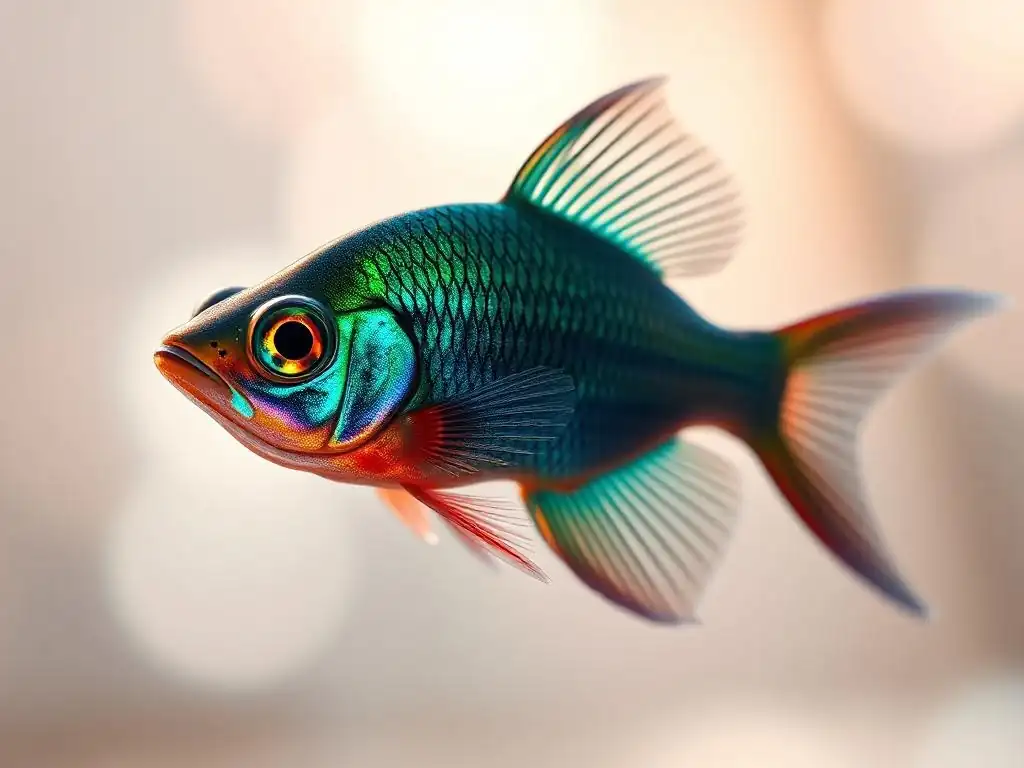
The Sailfin Molly ( Poecilia latipinna or Poecilia velifera) is perhaps the most majestic of the molly varieties, distinguished by its exceptionally large, sail-like dorsal fin, which is particularly pronounced and impressive in mature males. These fish are generally larger than other molly types, often reaching lengths of 5-6 inches (12-15 cm) in a well-maintained aquarium. Their vibrant coloration, which can range from silver and gold to marbled patterns, adds a stunning visual element to any tank.
While generally peaceful, male Sailfin Mollies can sometimes display territorial behavior towards other males if the tank is not sufficiently large or lacks adequate hiding spots. They are also known to be more sensitive to water quality fluctuations compared to other molly types, requiring pristine conditions and a preference for harder, slightly alkaline water. Providing ample space and stable parameters is crucial for their magnificent fins to develop fully and remain healthy.
Black Molly: The Classic and Elegant Choice
The Black Molly is one of the most recognizable and enduringly popular variants of the molly fish, characterized by its striking, solid, velvety black coloration that covers its entire body and fins. This classic appearance, combined with their robust nature, makes them an excellent choice for beginners and a staple in many community aquariums. Black Mollies typically reach a size of 3-4 inches (7-10 cm), making them suitable for a variety of tank sizes.
Known for their active swimming and adaptability, Black Mollies are relatively tolerant of a range of water conditions, provided they are within their preferred parameters and remain stable. Their hardiness and consistent availability contribute significantly to their widespread appeal. They are a reliable and attractive option for aquarists seeking a visually impactful yet straightforward fish to integrate into their setup, fitting perfectly within the recommendations of any general Molly fish care guide.
Dalmatian Molly: A Spotted Beauty
The Dalmatian Molly is a captivating variety renowned for its distinctive coloration: a white or silver body adorned with irregular black spots, strikingly resembling the coat of a Dalmatian dog. This unique and eye-catching pattern makes them a popular choice for aquarists looking to add a touch of artistic flair to their freshwater tanks. Like other mollies, they exhibit active swimming behaviors and typically grow to about 3-4 inches (7-10 cm).
As with other molly varieties, Dalmatian Mollies are generally peaceful and thrive in well-maintained community tanks. They require similar water parameters to their cousins, preferring hard, alkaline water with stable temperatures between 72-82°F (22-28°C). Their robust nature and visually appealing spotted pattern make them a rewarding addition for aquarists who prioritize both beauty and ease of care in their aquatic setup.
Lyretail Molly: A Unique Fin Shape
The Lyretail Molly is immediately identifiable by its unique and elegant caudal (tail) fin, which is elongated and splits into a lyre-like shape. This distinct fin morphology adds a graceful and sophisticated dimension to their appearance, making them stand out in any aquarium. Lyretail Mollies come in various body colors, including black, silver, and gold, each showcasing the characteristic fin shape.
While their beautiful, flowing fins are their main appeal, they can sometimes make them a target for fin-nipping tank mates. Therefore, careful consideration of compatibility is essential when selecting tank companions for Lyretail Mollies. Providing ample space and ensuring a peaceful community environment, as recommended in a comprehensive Molly fish care guide, will help prevent fin damage and allow these unique mollies to display their full elegance.
Balloon Molly: A Round and Compact Variation
The Balloon Molly is a distinctive variation characterized by its unique, rounded, and compact body shape, which is a result of selective breeding. This charming, almost spherical appearance gives them a particularly endearing quality, and they are available in a wide array of colors, including black, gold, and marbled patterns. They typically reach a smaller size than other mollies, often around 2-3 inches (5-7 cm).
Due to their altered body shape, Balloon Mollies can sometimes be more prone to swim bladder issues or digestive problems, as their internal organs are more compressed. This necessitates special attention to their diet, ensuring it is varied and not overfed, and to maintaining pristine water quality. While visually appealing, their specific needs mean that aquarists adopting them should be particularly diligent in their Molly fish care practices to ensure their well-being.
Understanding Molly Fish Temperament and Behavior
Molly Fish Compatibility: Choosing the Right Tank Mates
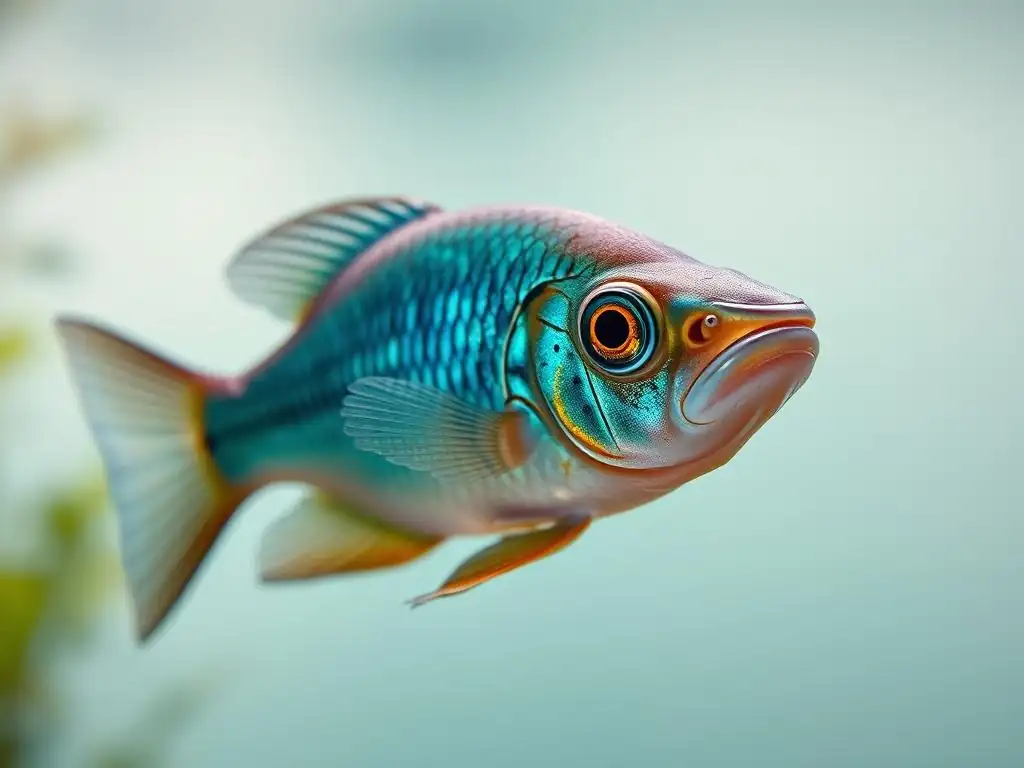
Molly fish are generally considered peaceful community fish, but their active nature and occasional fin-nipping tendencies (especially if bored or overcrowded) require careful selection of tank mates. Ideal companions include other peaceful livebearers such as guppies and platies, various species of tetras (e.g., Neon Tetras, Cardinal Tetras), peaceful rasboras, and bottom-dwellers like Corydoras catfish. These species typically share similar water parameter preferences and temperaments.
It is crucial to avoid housing mollies with overly aggressive or predatory fish, such as large cichlids, which might view mollies as food or harass them. Similarly, extremely timid or slow-moving fish might be stressed by the mollies' constant activity. A well-stocked tank with a balanced community that respects each other's space is key to a harmonious environment, a vital consideration in any effective Molly fish care guide.
Mollies are social fish and thrive when kept in groups rather than in isolation. A minimum of 3-5 mollies is recommended to encourage their natural shoaling behaviors and reduce stress. When keeping both sexes, it is particularly important to maintain a balanced male-to-female ratio, ideally one male to two or three females (e.g., 1:2 or 1:3). This ratio helps to disperse the males' persistent breeding attempts and prevents any single female from being over-harassed, which can lead to stress and exhaustion.
Keeping mollies in adequate numbers not only reduces individual stress but also allows them to exhibit their natural social interactions and behaviors more freely. A balanced male-to-female ratio is a key recommendation in any comprehensive Molly fish care guide that emphasizes social dynamics and long-term well-being. Observing their interactions within a suitable group is one of the most rewarding aspects of keeping these lively fish.
Recognizing Signs of Stress or Illness in Molly Fish
Early detection of stress or illness is critical for successful intervention and the health of your molly fish. Common symptoms to watch for include clamped fins (fins held close to the body), lethargy (unusual inactivity or listlessness), loss of appetite, rapid or labored breathing, fading or dull colors, rubbing or "flashing" against tank objects, and unusual swimming patterns (e.g., darting, spiraling, or difficulty maintaining buoyancy).
Upon noticing any of these signs, the immediate course of action should be to check all water parameters (ammonia, nitrite, nitrate, pH, temperature) as poor water quality is the leading cause of stress and disease in aquarium fish. If parameters are off, perform a partial water change. If a specific illness is suspected, isolating the affected fish in a quarantine tank (if available) is advisable to prevent potential spread and to administer targeted treatment without affecting the main display tank.
Molly Fish Breeding: A Guide to Successful Reproduction
Setting Up a Breeding Tank for Mollies
For aquarists interested in controlled molly breeding, setting up a dedicated breeding tank is highly recommended. A 5-10 gallon (19-38 liter) tank is typically sufficient for a single pregnant female. This tank should be equipped with plenty of live plants, such as Java Moss ( Taxiphyllum barbieri) or Hornwort ( Ceratophyllum demersum), or artificial breeding grass, which provide essential hiding spots for the fry once they are born. Alternatively, a breeding box or net can be suspended inside the main tank, though these are often more stressful for the female.
Maintaining stable water parameters identical to the main tank is crucial to prevent stress during the transfer of the gravid female. A gentle sponge filter is ideal for a breeding tank as it provides excellent biological filtration without creating a strong current that could harm delicate fry. The sponge filter also prevents tiny fry from being sucked into the filtration system, ensuring their safety and maximizing survival rates.
Identifying Male and Female Molly Fish
Distinguishing between male and female molly fish is relatively straightforward, primarily by examining their anal fins. Males possess a modified anal fin called a gonopodium, which is long, pointed, and used for internal fertilization. In contrast, females have a fan-shaped anal fin that is broader and more rounded. This is the most reliable visual indicator for sexing mollies.
Beyond the anal fin, females are typically larger and have a more rounded body shape, especially when gravid (pregnant), whereas males tend to be slimmer and sometimes more vibrantly colored. A gravid female will also often display a dark "gravid spot" near her anal fin, which is the transparent area through which the developing fry's eyes can sometimes be seen, signaling that birth is imminent.
Caring for Molly Fry: From Birth to Maturity
Molly fry are born live and are immediately free-swimming, making them relatively easy to care for compared to egg-laying species. Upon birth, they should be fed finely crushed high-quality flake food, specialized powdered fry food, or newly hatched brine shrimp 3-4 times daily. These frequent, small feedings are crucial for their rapid growth and development during their vulnerable early stages.
Maintaining pristine water quality in the fry tank is paramount for their survival and healthy development. This involves performing small, frequent water changes, such as 10% daily or every other day, to prevent the buildup of nitrates and other waste products. Providing plenty of hiding spots, even in a dedicated fry tank, is also beneficial as it reduces stress and, if kept with adults, offers protection from potential cannibalism.
Controlling Molly Fish Population: Preventing Overcrowding
Molly fish are notoriously prolific breeders, with a single female capable of producing 20-100 fry approximately every 30-45 days. This rapid reproduction rate can quickly lead to severe overpopulation in an aquarium, which in turn causes rapid deterioration of water quality, stunted growth of fish, increased aggression, and heightened stress levels. Effective population control is a critical aspect of long-term Molly fish care.
Several strategies can be employed to manage molly populations. One approach is to allow natural predation by adult fish in a community tank, where many fry may be consumed. Alternatively, separating males and females can prevent breeding altogether. For those who wish to breed but avoid overpopulation, finding suitable homes for excess fry through local fish stores or fellow hobbyists is a common and responsible practice.
Troubleshooting Common Molly Fish Problems
Fin Rot in Mollies: Causes, Symptoms, and Treatment
Fin Rot is a common bacterial infection in mollies, often triggered by poor water quality (high ammonia, nitrite, or nitrate levels), physical injury, or prolonged stress. Symptoms include frayed, ragged, or disintegrating fins, which may appear cloudy, white, or reddish at the edges. In severe cases, the fin rays can be destroyed, leading to permanent damage.
Treatment for Fin Rot typically begins with immediate and significant improvement of water quality, including a large water change (50%) and ensuring the filtration system is functioning optimally. Administering a broad-spectrum antibiotic or antifungal medication, as directed by the product instructions, is often necessary. Adding aquarium salt (1 teaspoon per gallon, gradually dissolved) can also aid in recovery by helping the fish's osmoregulation and inhibiting bacterial growth, making it a key component of a comprehensive Molly fish care guide.
Ich (White Spot Disease): Identifying and Treating the Parasite
Ich, caused by the Ichthyophthirius multifiliis parasite, is one of the most common and recognizable diseases in freshwater aquariums. It is often introduced by new fish or plants and exacerbated by sudden temperature fluctuations or stress. Symptoms include the appearance of small, distinct white spots resembling grains of salt scattered over the fish's body and fins. Affected fish may also exhibit clamped fins, lethargy, and "flashing" (rubbing their bodies against tank decorations or substrate) in an attempt to dislodge the parasites.
Treatment for Ich typically involves a multi-pronged approach. Gradually raise the tank temperature to 82-86°F (28-30°C) over 24 hours (ensure this is safe for all tank inhabitants), as higher temperatures accelerate the parasite's life cycle, making it more vulnerable to medication. Add aquarium salt (1 teaspoon per 5 gallons) to aid the fish's slime coat and help kill parasites. Finally, use an Ich-specific medication as directed by the manufacturer, continuing treatment for several days even after visible spots disappear to eradicate the parasite from all life stages.
Swim Bladder Disease: Recognizing and Addressing the Issue
Swim Bladder Disease in mollies refers to a condition where the fish has difficulty controlling its buoyancy, often due to an issue with its swim bladder organ. Causes can include bacterial infections, internal parasites, constipation (frequently linked to a poor or inadequate diet), or physical deformity. Symptoms manifest as the fish swimming abnormally, such as floating upside down, sinking to the bottom, swimming with difficulty, or being unable to maintain a level position in the water column.
Treatment often begins with simple dietary adjustments. Fasting the affected molly for 2-3 days, followed by feeding blanched, deshelled peas (a natural laxative), can often resolve cases caused by constipation. Ensuring pristine water quality is also crucial. If the issue persists, or if other symptoms suggest a bacterial infection, a broad-spectrum antibiotic may be needed. For chronic cases, long-term dietary modifications, emphasizing high-fiber vegetable matter, are paramount, as highlighted in a thorough Molly fish care guide.
Velvet Disease (Oodinium): Identifying and Treatment
Velvet Disease, caused by the Oodinium parasite, is a highly contagious and potentially fatal condition that can affect mollies. While similar to Ich, Velvet often appears as a finer, dusty, yellowish-gold or brownish coating on the fish's body and fins, which can be harder to see without direct light. Other symptoms include rapid breathing, clamped fins, and flashing, as the fish attempts to scratch the irritating parasites.
Treatment for Velvet requires prompt action. Since the parasite is photosynthetic, darkening the tank by turning off aquarium lights and covering the tank can help inhibit its growth. Gradually raising the tank temperature by a few degrees (e.g., to 80°F or 27°C) can also accelerate the parasite's life cycle. The primary treatment involves using copper-based medications or specific velvet treatments available at pet stores; always remove activated carbon from the filter before administering medication, as it will absorb the treatment.
Advanced Molly Fish Care Tips
Enhancing Molly Fish Coloration Through Diet and Environment
To truly enhance the vibrant coloration of your molly fish, a multifaceted approach focusing on both diet and environment is essential. Incorporate a varied diet rich in high-quality spirulina flakes and pellets, which are packed with plant-based pigments. Supplement this with foods containing astaxanthin, a carotenoid found in some specialized color-enhancing fish foods and natural sources like brine shrimp, which can significantly intensify red, orange, and yellow hues. Occasional live foods also contribute to overall health and color.
Beyond diet, a stress-free and optimal environment plays a crucial role. Maintaining consistently stable water parameters (temperature, pH, hardness) within their preferred ranges, providing appropriate lighting that mimics natural day-night cycles, and ensuring plenty of hiding spots and open swimming space will reduce stress. A healthy, happy molly is more likely to display its most brilliant and vivid colors, reflecting the success of your comprehensive Molly fish care efforts.
Creating a Natural and Thriving Ecosystem for Your Mollies
Creating a natural and thriving ecosystem for your mollies goes beyond basic tank setup; it involves fostering a balanced biological environment. Incorporate a variety of live plants, such as Java Moss, Hornwort, and Anubias, which not only provide essential oxygen and aesthetic beauty but also naturally absorb nitrates and offer crucial hiding spots for fry and less dominant fish. Consider adding beneficial bacteria starters during tank setup and after major cleanings to bolster the nitrogen cycle.
A well-established and balanced biological filter is the backbone of such an ecosystem, efficiently converting harmful ammonia and nitrite. Avoid overstocking the tank, as this places undue strain on the biological filter and leads to rapid deterioration of water quality. A truly thriving ecosystem is more resilient to minor fluctuations and requires less corrective intervention, signifying a mastery of Molly fish care that promotes long-term health and vitality.
Breeding for Specific Traits: A More Advanced Approach
For the dedicated aquarist, breeding mollies for specific traits represents a more advanced and rewarding aspect of the hobby. This involves a meticulous process of selective breeding, where fish exhibiting desired characteristics—such as a particular color pattern, an enhanced fin shape, or increased size—are carefully chosen and isolated for breeding. This requires a deep understanding of molly genetics and a patient, methodical approach to achieve consistent results.
Implementing a selective breeding program necessitates multiple tanks to separate breeding pairs, grow out fry, and house different generations. Careful record-keeping of parentage, offspring traits, and breeding success rates is crucial for tracking progress and making informed decisions for future pairings. This advanced approach demands significant commitment and resources but can lead to the development of unique and stunning molly variations, showcasing a profound level of Molly fish care expertise.
Conclusion: Mastering Molly Fish Care
Recap of Key Molly Fish Care Principles
Mastering Molly fish care hinges on a few fundamental principles that, when consistently applied, ensure the health and longevity of these captivating livebearers. Paramount among these is the maintenance of clean, stable water, with precise attention to temperature (72-82°F or 22-28°C), pH (7.0-8.5), and hardness (10-25 dGH). Equally vital is providing a balanced and varied diet, rich in both vegetable matter and protein, fed in appropriate small portions multiple times a day.
Furthermore, ensuring an adequate tank size (minimum 20 gallons for a small group) and selecting compatible tank mates are crucial for their social well-being and to prevent stress. Regular water changes (25-30% weekly) and effective filtration are non-negotiable for pristine water quality. Adherence to these core principles forms the bedrock of a successful Molly fish care guide, setting the stage for a thriving aquatic environment.
Resources for Further Learning About Molly Fish
The journey of mastering Molly fish care is continuous, and there are abundant resources available for those eager to deepen their knowledge. Engaging with specialized online forums and communities dedicated to livebearers or freshwater aquariums can provide invaluable insights, peer support, and troubleshooting advice from experienced hobbyists. Reputable aquarium books and scientific articles on Poecilia species offer in-depth information on genetics, behavior, and advanced breeding techniques.
Many aquatic websites, including Aquarium Mastery, also provide extensive databases and articles on specific fish profiles and care requirements. Continuously learning, sharing experiences, and staying updated on best practices can significantly enhance one's Molly fish care journey. The collective wisdom of the aquarium community is a powerful tool for overcoming challenges and discovering new joys in the hobby.
Enjoying the Beauty and Fascination of Molly Fish Keeping
Ultimately, the goal of mastering Molly fish care is to fully appreciate and enjoy the beauty and fascination these fish bring to your home. Their vibrant colors, active personalities, and the intriguing process of their livebearing reproduction offer a constant source of wonder and engagement. A well-maintained molly aquarium becomes a dynamic, living art piece, reflecting the dedication and care you invest.
By applying the knowledge and tips gained from this comprehensive Molly fish care guide, you can create a thriving environment where your mollies flourish, display their natural behaviors, and perhaps even surprise you with new generations of fry. The rewarding experience of nurturing a healthy molly population is a testament to the joy and tranquility that the aquarium hobby can provide.
Frequently Asked Questions
How often should I feed my Molly fish?
Molly fish should be fed small amounts two to three times per day. Ensure they consume all the food within a few minutes to avoid overfeeding and water pollution.
What is the ideal water temperature for Molly fish?
Molly fish thrive in a water temperature range of 72°F to 78°F (22°C to 26°C). Maintaining a stable temperature is crucial for their health and well-being.
What size tank is recommended for a group of Molly fish?
A minimum of 20 gallons is recommended for a small group of Molly fish (3-4 individuals). Larger tanks are always better to accommodate their activity level and reduce aggression.
What are some common diseases that affect Molly fish, and how can I prevent them?
Ich (white spot disease) and fin rot are common. Prevention involves maintaining optimal water quality, providing a balanced diet, and quarantining new fish.
Are Molly fish compatible with other types of fish in a community tank?
Yes, Molly fish are generally peaceful and can be kept with other peaceful community fish. Avoid housing them with aggressive or fin-nipping species that could stress them.
Final Reflection: Embracing the Vibrant World of Mollies
The journey into understanding Molly fish, as explored throughout this guide, highlights more than just aquarium maintenance; it reveals the interconnectedness of life within a delicate ecosystem. The principles of responsible Molly fish care – providing a balanced environment, understanding their unique needs, and appreciating their diverse temperaments – resonate far beyond the confines of a fish tank, serving as a microcosm of our broader responsibility to the natural world.
This exploration has not only deepened our understanding of these captivating creatures but also illuminated the profound impact even small actions can have on maintaining biodiversity. Witnessing the vibrant colors and playful energy of a thriving Molly community underscores the importance of informed and compassionate care. In the end, we will conserve only what we love; we will love only what we understand; and we will understand only what we are taught.
- Baba Dioum. This quote perfectly encapsulates the essence of responsible pet ownership and the ripple effect it has on our appreciation for the natural world.
Now, as you embark on your own Molly fish keeping adventure, remember that you are not just an owner, but a steward of a small, vibrant world. Take the knowledge gained here, apply it with diligence and compassion, and contribute to a future where the beauty and diversity of Molly fish, and all creatures, are cherished and protected. Let your aquarium be a testament to the power of informed care and a celebration of the wonders of nature.
Unleash Your Molly-Keeping Potential!
Thanks for diving into the world of mollies with us! We hope you've found this guide helpful in understanding these vibrant and engaging fish. Now, it's time to put your newfound knowledge into action!
- Start planning your Molly paradise: Carefully consider tank size, compatible tank mates, and enriching decorations to make sure you provide them with the best possible environment.
- Delve deeper: Explore different Molly breeds and identify which types resonate with your aquascaping goals.
- Spread the Molly love: Share this guide with fellow aquarium enthusiasts to help them discover the joys of keeping Mollies.
What unique touch will you add to your Molly tank to create a truly stunning underwater display?