
FishIn Cycling: Navigating the Risks & Best Practices for Urgent Aquarium Setups

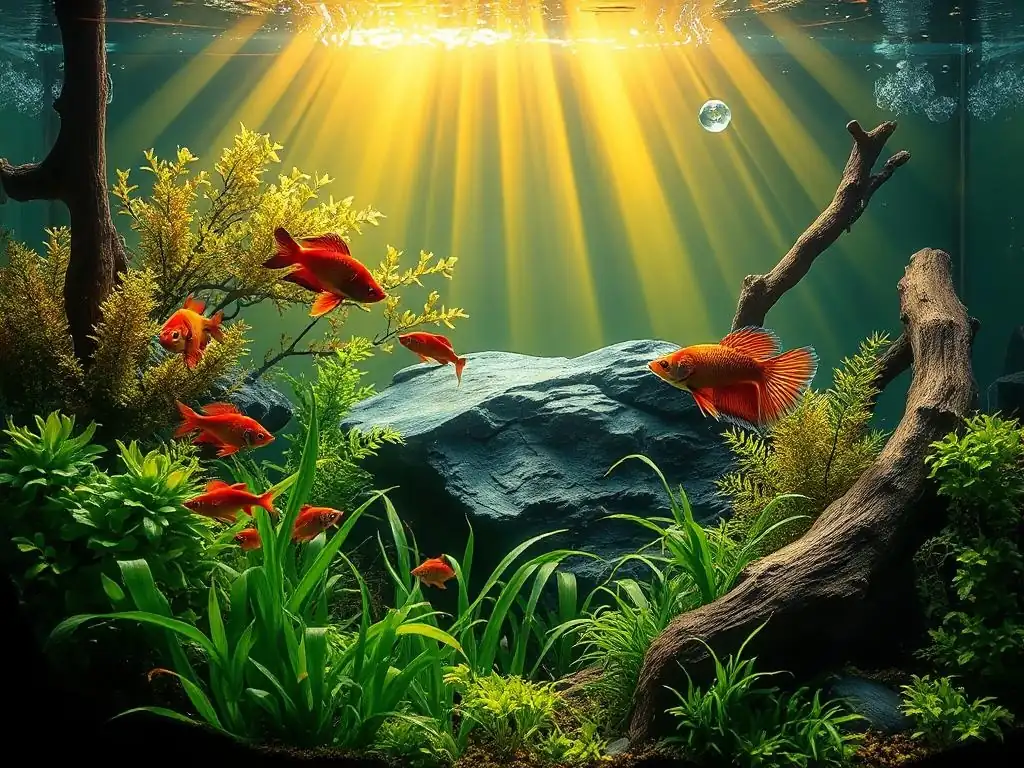
Welcome to Aquarium Mastery!
Ever wondered if you can fast-track your aquarium setup? In this article, we dive deep into fast aquarium cycling methods, exploring the pros, cons, and essential best practices of fish-in cycling. Get ready to navigate the risks and unlock the secrets to a thriving aquatic ecosystem, even when time is of the essence. Curious? Let's begin your journey to aquarium mastery!
- Cycling with Fish: Risks, Benefits, and Best Practices
- Understanding Aquarium Cycling
- Cycling with Fish: A Detailed Guide
- Mitigating Risks of Cycling with Fish
- Safer Alternatives to Cycling with Fish
- Troubleshooting During Cycling with Fish
- Long-Term Aquarium Health After Cycling
-
Frequently Asked Questions
- How does the fish-in cycling method work for fast aquarium cycling?
- What are the risks associated with using fish-in cycling for a fast aquarium cycle?
- Are there faster and safer alternatives to fish-in cycling for rapid aquarium cycling?
- What water parameters are most important to monitor when using fish-in cycling to achieve a fast aquarium cycle?
- How often should I perform water changes when using fish-in cycling for a fast aquarium cycling process?
- Final Reflection: Embracing Patience in the Urgent Pursuit
- Ignite Your Aquarium Journey: Take the Plunge Now!
Cycling with Fish: Risks, Benefits, and Best Practices
Understanding Aquarium Cycling
The Nitrogen Cycle Explained
The nitrogen cycle is a fundamental biological process essential for life in an aquarium. It involves the transformation of toxic waste products into less harmful substances through the action of beneficial bacteria. This cycle begins when fish waste, uneaten food, and decaying plant matter break down, releasing ammonia (NH3/NH4+). Ammonia is highly toxic to fish, even at low concentrations. For instance, levels as low as 0.02 mg/L can stress sensitive species, while concentrations above 0.5 mg/L are often lethal.
Following ammonia, a type of bacteria, primarily Nitrosomonas species, converts it into nitrite (NO2-). Nitrite is also extremely dangerous, impairing a fish's ability to absorb oxygen, leading to "brown blood disease." Levels exceeding 0.1 mg/L can be fatal for many fish. Finally, another group of bacteria, mainly Nitrobacter species, transforms nitrite into nitrate (NO3-), which is far less toxic. While nitrates are generally less harmful, high concentrations (typically above 20-40 ppm) can still lead to algae blooms and stress fish, necessitating regular water changes for their removal.
Why Cycling is Crucial for Fish Health
Aquarium cycling is the process of establishing these colonies of beneficial bacteria in the filter media and substrate of a new tank before fish are introduced. This bacterial population is crucial because it acts as the tank's natural biological filter, continuously breaking down harmful ammonia and nitrite. Without a fully established nitrogen cycle, a new aquarium is susceptible to what is commonly known as "New Tank Syndrome," where sudden spikes in ammonia and nitrite levels poison the fish.
A properly cycled aquarium ensures a stable and healthy environment for its inhabitants. When the nitrogen cycle is mature, ammonia and nitrite levels remain at zero, significantly reducing stress, bolstering fish immune systems, and preventing illnesses. Studies and anecdotal evidence suggest that fish mortality rates can drop from over 50% in uncycled tanks to under 5% in well-established, cycled aquariums, highlighting the profound impact of this preparatory phase on long-term fish well-being.
Risks of Adding Fish Before Cycling
Adding fish to an uncycled aquarium exposes them to severe and often fatal risks. The most immediate danger is ammonia poisoning. As fish excrete waste, ammonia rapidly accumulates in the water, burning their gills, causing internal organ damage, and leading to lethargy, loss of appetite, and eventually death. Even if fish survive the initial ammonia spike, their immune systems are severely compromised, making them highly susceptible to secondary infections like fin rot, ich, and bacterial diseases.
Once ammonia starts to convert, nitrite poisoning becomes the next major threat. Nitrite interferes with the blood's ability to carry oxygen, causing fish to gasp at the surface, appear discolored, and suffer from internal suffocation. For example, a nitrite level of just 1.0 ppm can induce severe stress and mortality in many freshwater species. These toxic conditions not only cause immense suffering but also result in significant fish loss, often negating the perceived "Fast aquarium cycling methods" benefit by requiring repeated fish purchases or leading to the abandonment of the hobby due to frustration.
Cycling with Fish: A Detailed Guide
Preparing the Aquarium
Before embarking on a fish-in cycle, meticulous preparation of the aquarium is paramount to minimize stress on the fish and expedite the "Fast aquarium cycling methods" process. Begin by thoroughly cleaning the tank and all decorations with only water – never soap or detergents. Install your filter, heater, and any air pumps. Add your substrate (gravel or sand) and decor, then fill the tank with dechlorinated water. Tap water contains chlorine or chloramines that are lethal to beneficial bacteria and fish, so a high-quality water conditioner must be used to neutralize these chemicals.
Ensure your heater is set to a stable temperature suitable for the chosen hardy fish species, typically between 75-80°F (24-27°C), as warmer water can slightly accelerate bacterial growth. It is also crucial to have a reliable liquid-based water testing kit on hand, as test strips often provide less accurate readings. This preparation lays the groundwork for a successful, albeit challenging, fish-in cycle.
Introducing Hardy Fish Species
When opting for a fish-in cycle, selecting genuinely hardy fish species is non-negotiable. These species possess a greater tolerance for fluctuating water parameters, particularly transient ammonia and nitrite levels, compared to more sensitive varieties. Excellent choices for freshwater fish-in cycling include Zebra Danios ( Danio rerio), White Cloud Minnows ( Tanichthys albonubes), and certain livebearers like Guppies ( Poecilia reticulata) or Platies ( Xiphophorus maculatus). Avoid expensive, delicate, or large fish, as their bioload and sensitivity make them unsuitable.
It is critical to introduce a very small number of fish initially to keep the bioload minimal. For example, for a 10-gallon tank, starting with just 1 or 2 small Zebra Danios is a common recommendation. Overstocking at this stage will overwhelm the nascent bacterial colonies, leading to rapid accumulation of toxins and almost certain fish loss. This cautious approach, while seemingly slow, is actually a component of safe "Fast aquarium cycling methods" when fish are involved, as it allows the bacterial population to gradually catch up with the waste production.
Daily Water Parameter Monitoring
Consistent and accurate daily water parameter monitoring is the backbone of a successful fish-in cycle. You must test for ammonia, nitrite, and nitrate every single day without fail. Ammonia and nitrite levels should be your primary concern, as they will initially rise and then fall as the cycle progresses. Nitrate levels will typically begin to rise once the cycle is nearing completion.
Maintain a log of your daily readings to track the cycle's progress and identify trends. Aim for ammonia and nitrite levels to remain as close to 0 ppm as possible. If ammonia or nitrite readings exceed 0.25 ppm, immediate action is required. Additionally, monitor pH, ensuring it remains stable and within a suitable range for your chosen fish species, as extreme pH fluctuations can stall the nitrogen cycle or stress fish.
Frequent Water Changes for Ammonia and Nitrite Control
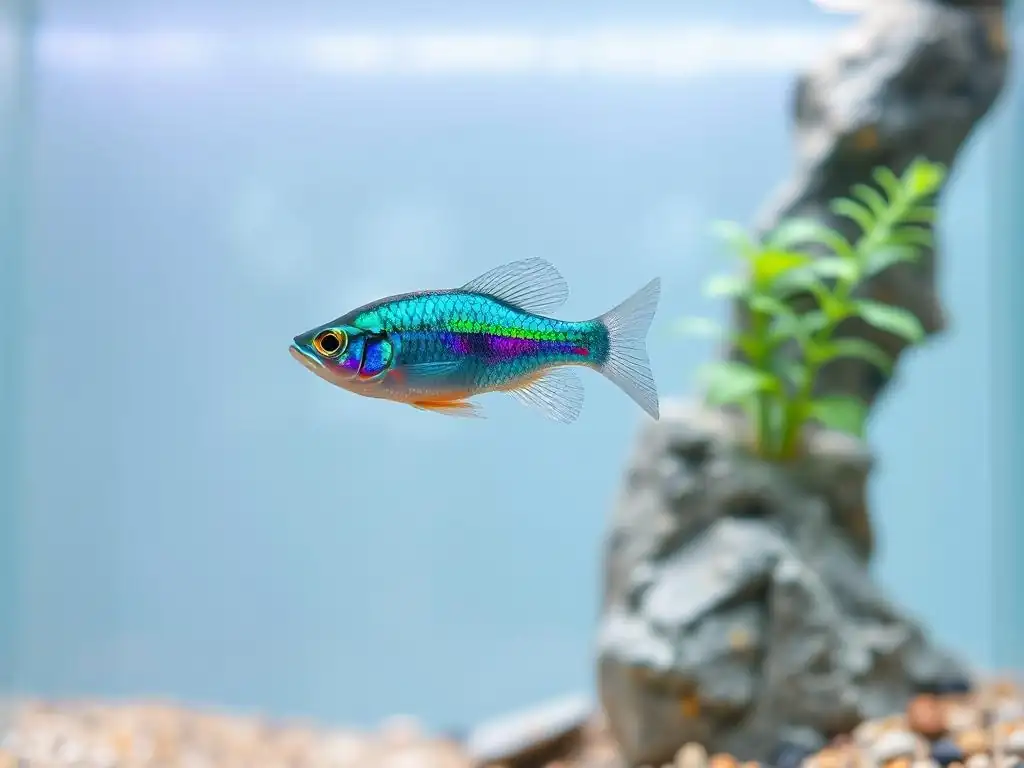
Frequent partial water changes are the most vital intervention during a fish-in cycle to mitigate the toxic effects of ammonia and nitrite. These changes dilute the concentration of harmful compounds, providing temporary relief for the fish and preventing severe poisoning. The frequency and volume of water changes depend directly on your daily water test results.
If ammonia or nitrite levels reach 0.25 ppm, a 25% water change is generally recommended. If they climb to 0.5 ppm or higher, a more substantial 50% water change is often necessary to bring levels down to a safer range. In extreme cases, daily or even twice-daily water changes may be required.
Always use dechlorinated water that matches the tank's temperature as closely as possible to avoid shocking the fish. While water changes temporarily remove some beneficial bacteria, the priority during fish-in cycling is the fish's survival; the bacteria will repopulate quickly from the filter media. This proactive approach is a critical element of safe "Fast aquarium cycling methods" when live fish are present.
Recognizing and Responding to Fish Stress
During a fish-in cycle, fish are under immense stress due to fluctuating and often elevated levels of ammonia and nitrite. It is crucial to constantly observe your fish for signs of distress, which include gasping at the surface (indicating oxygen deprivation due to nitrite poisoning or high ammonia), clamped fins, lethargy, loss of appetite, rapid gill movement, faded coloration, or "flashing" (rubbing against tank objects). Red or inflamed gills are a clear sign of ammonia burn.
Upon observing any of these symptoms, immediate action is required. The first step should always be to perform an emergency water change (typically 50% or more) to dilute toxins. Simultaneously, check all water parameters. Reduce or cease feeding entirely for a day or two, as uneaten food adds to the bioload. Increasing aeration with an air stone can also help by providing more dissolved oxygen, which is vital when fish struggle with nitrite. Ignoring these signs can quickly lead to fish loss and complicate the "Fast aquarium cycling methods" process.
Gradually Increasing Fish Population
Once the aquarium has successfully completed the nitrogen cycle—meaning ammonia and nitrite levels have consistently read 0 ppm for at least seven consecutive days, and nitrates are detectable—the temptation to add many new fish can be strong. However, it is crucial to resist this urge and increase the fish population gradually. The beneficial bacteria colonies have just stabilized to handle the current bioload; a sudden, large increase in fish will overwhelm them, potentially triggering miniature ammonia or nitrite spikes.
A responsible approach involves adding only 1-2 small fish at a time, spacing each addition by at least one to two weeks. This allows the bacterial colonies sufficient time to multiply and adapt to the increased waste production. Continue monitoring water parameters closely after each addition. For example, if you have a 20-gallon tank that has just cycled with two Danios, you might add two more small fish, wait two weeks, re-test, and then consider another small group. This methodical approach ensures the long-term stability of your "Fast aquarium cycling methods" success.
Mitigating Risks of Cycling with Fish
Selecting Appropriate Fish Species
The success of a fish-in cycle hinges significantly on the initial selection of fish. It is imperative to choose species renowned for their hardiness and tolerance to less-than-perfect water conditions, while also having a relatively small bioload. Besides the previously mentioned Zebra Danios, White Cloud Minnows, Guppies, and Platies, other suitable choices might include Swordtails or certain smaller, less aggressive species of Tetras (though some tetras can be more sensitive).
Avoid any fish that are naturally delicate, expensive, or prone to stress, such as Discus, Angelfish, or most marine species, which are absolutely unsuitable for fish-in cycling due to their low tolerance for ammonia and nitrite. For instance, a single Goldfish, while often considered "hardy," produces an enormous amount of waste compared to a small school of Danios, making them a very poor choice for initiating the cycle, as their bioload will quickly overwhelm the nascent bacterial colony.
Always research the specific needs and hardiness of any fish before considering them for a "Fast aquarium cycling methods" approach with live inhabitants.
Maintaining Optimal Water Parameters
Beyond managing ammonia and nitrite, maintaining stable and optimal water parameters is crucial throughout the fish-in cycling process. This includes consistent temperature, appropriate pH, and adequate aeration. Temperature fluctuations can stress fish and slow down bacterial growth; a stable temperature between 75-80°F (24-27°C) is generally ideal for most tropical fish and beneficial bacteria.
The pH level should remain stable and within the range suitable for your chosen fish (e.g., 6.5-7.5 for most community fish). Sudden pH swings of more than 0.2 units in 24 hours can be highly detrimental. Ensure your water conditioner neutralizes chlorine and chloramines effectively with every water change. Adequate oxygenation, provided by a filter's outflow or an air stone, is also vital as both fish and beneficial bacteria require oxygen. Regularly check the heater's function and filter's flow to prevent unexpected parameter shifts that could jeopardize the "Fast aquarium cycling methods" process.
Regular Water Testing and Adjustments
Consistent, daily water testing is non-negotiable for a safe fish-in cycle. A reliable liquid test kit for ammonia, nitrite, and nitrate is essential. Record your readings to track the cycle's progression and respond promptly to changes. For example, if ammonia registers at 0.25 ppm, a 25% water change is usually sufficient to dilute it. If it jumps to 0.5 ppm, a 50% water change is necessary. The same reactive approach applies to nitrite.
It's also important to test your tap water periodically, especially if you suspect changes in your municipal water supply. Knowing your tap water's parameters (pH, hardness, presence of nitrates) helps in making informed adjustments. Never guess; always test. This rigorous monitoring allows for immediate adjustments, ensuring that the environment remains as safe as possible for the fish and supports the "Fast aquarium cycling methods" by preventing setbacks from toxic spikes.
Using Ammonia Detoxifiers
Ammonia detoxifiers are a valuable tool in mitigating the immediate dangers of ammonia during a fish-in cycle. Products like Seachem Prime or API Ammo-Lock work by converting toxic ammonia (NH3) into a less toxic form, ammonium (NH4+), which is still usable by beneficial bacteria but harmless to fish for a period. This provides a crucial buffer, buying you time to perform a water change or allowing the beneficial bacteria to catch up.
It's important to understand that ammonia detoxifiers do not remove ammonia from the tank; they merely neutralize its toxicity temporarily. Therefore, regular water changes remain absolutely essential. These products are a safety net, not a substitute for proper cycling practices. Use them according to the manufacturer's instructions when ammonia or nitrite levels start to climb, typically when readings exceed 0.25 ppm, as a component of a safer "Fast aquarium cycling methods" approach.
Avoiding Overfeeding
Overfeeding is one of the quickest ways to derail a fish-in cycle and put your fish at risk. Excess food rapidly decomposes, releasing large amounts of ammonia into the water, which directly contributes to toxic spikes. During the cycling process, fish should be fed very sparingly—a tiny pinch of flakes or a few pellets once a day, or even every other day.
Only offer an amount that your fish can consume entirely within one to two minutes. If any food reaches the substrate, it's a sign you've fed too much. For example, for 3-4 small Danios, a quantity of food no larger than a pea is often sufficient. Consider skipping a day of feeding if your ammonia or nitrite levels are particularly high. Minimizing the bioload from food waste significantly reduces the burden on the developing bacterial colonies, making the "Fast aquarium cycling methods" safer and more manageable.
Safer Alternatives to Cycling with Fish
Fishless Cycling: A Safe Alternative
Fishless cycling is widely regarded as the safest and often most predictable "Fast aquarium cycling methods" for a new aquarium, as it completely eliminates the risk to live fish. This method involves introducing an ammonia source into the tank and allowing the nitrogen cycle to establish itself naturally. Common ammonia sources include pure ammonia (without surfactants or perfumes), decaying fish food (though this can be messier and less precise), or commercial ammonium chloride solutions.
The process typically involves adding ammonia to reach a concentration of 2-4 ppm daily, monitoring ammonia, nitrite, and nitrate levels. As beneficial bacteria colonize, ammonia will convert to nitrite, and then nitrite to nitrate. The cycle is complete when both ammonia and nitrite consistently read 0 ppm within 24 hours of adding ammonia, and nitrates are present. While it can take 2-6 weeks, fishless cycling avoids the stress and potential loss of fish, making it a preferred option for many aquarists seeking a reliable "Fast aquarium cycling methods" without compromise.
Seeding with Established Filter Media
Seeding with established filter media is arguably the most effective and rapid "Fast aquarium cycling methods" available. This technique directly introduces a large, active colony of beneficial bacteria into your new tank. You can obtain established filter media (e.g., a sponge or ceramic rings) from a healthy, well-maintained, and fully cycled aquarium, ideally from a trusted source like a friend or a reputable local fish store.
Simply transfer the media into your new filter or place it directly in the tank's water flow. The existing bacteria will immediately begin processing ammonia and nitrite.
Combined with a small ammonia source (e.g., a tiny pinch of fish food or a few drops of pure ammonia) to feed the new colony, this method can cycle a tank in a matter of days, sometimes less than a week, significantly accelerating the process compared to traditional fish-in or even standard fishless cycling. For instance, a mature filter sponge from a 50-gallon tank can often fully cycle a new 20-gallon tank within 3-5 days.
Utilizing a Cycled Quarantine Tank
A quarantine tank (QT) serves multiple purposes, and one of its often-overlooked benefits is its utility as a pre-cycling station for new fish, effectively becoming a part of "Fast aquarium cycling methods." Instead of cycling the main display tank with fish, you can cycle a smaller, dedicated quarantine tank. This allows you to introduce new fish to a stable, cycled environment right away, minimizing their stress and disease susceptibility during their initial adaptation period.
Once the quarantine tank is fully cycled and the new fish have successfully passed their quarantine period (typically 2-4 weeks, ensuring they are healthy and disease-free), they can then be safely moved to the larger, uncycled display tank. During the transfer, a portion of the cycled filter media from the QT can be moved to the main tank's filter, effectively "seeding" it with beneficial bacteria and kickstarting the cycle in the main tank. This two-stage approach provides a controlled, low-stress environment for new arrivals while also contributing to a safer and more expedient cycling of the main system.
Troubleshooting During Cycling with Fish
Managing Ammonia and Nitrite Spikes
Despite best efforts, ammonia and nitrite spikes are common during fish-in cycling and require immediate action to protect your fish. If ammonia or nitrite levels climb above 0.25 ppm, the primary response should be a significant water change. For instance, if nitrite reaches 1.0 ppm, a 50-75% water change is often necessary to dilute the toxins to safer levels. Always use dechlorinated, temperature-matched water.
In addition to water changes, consider using an ammonia detoxifier as a temporary measure to neutralize toxicity while bacteria catch up. Increase aeration in the tank with an air stone, as both ammonia and nitrite reduce oxygen availability, and fish need more oxygen when stressed. Cease feeding for 24-48 hours to reduce the bioload. Persistent high levels may indicate an insufficient bacterial population or too high a bioload for the tank size, necessitating more frequent and larger water changes. These aggressive interventions are critical for the success of "Fast aquarium cycling methods" when fish are involved.
Addressing Fish Illness and Disease
Fish undergoing a fish-in cycle are under immense stress, making them highly susceptible to common aquarium illnesses like Ich (white spot disease), fin rot, or bacterial infections. Recognizing the early signs of illness—such as white spots, frayed fins, clamped fins, lethargy, or unusual swimming patterns—is crucial.
However, treating illnesses during cycling presents a challenge: many fish medications can harm or even destroy the beneficial bacteria essential for the nitrogen cycle. If medication is absolutely necessary, it's often best to move the affected fish to a separate hospital tank for treatment.
In the main tank, focus on improving water quality through frequent water changes and ensuring stable parameters, as a healthy environment is the best defense against disease. If an infection is severe and widespread, consult with an expert or consider gentle, broad-spectrum treatments that are labeled as "safe for biological filter" if available, to avoid derailing the "Fast aquarium cycling methods" progress.
Correcting Water Quality Problems
Beyond ammonia and nitrite, other water quality issues can arise during cycling, such as pH swings or persistently high nitrates towards the end of the cycle. pH can fluctuate due to the nitrification process itself, which produces acids. If pH drops too low (e.g., below 6.0), it can stall the nitrogen cycle, as beneficial bacteria prefer a neutral to slightly alkaline environment.
To correct low pH, small, gradual water changes with buffered water or the addition of buffering agents (like crushed coral in a filter bag or a commercial pH buffer) can help. Never make sudden, drastic pH adjustments, as this can shock fish. If nitrates accumulate towards the end of the cycle, regular water changes (e.g., 25-50%) are the primary method of removal. Ensuring adequate filtration and flow also contributes to overall water quality. Addressing these issues promptly is vital to maintain a hospitable environment and ensure the successful completion of "Fast aquarium cycling methods."
Long-Term Aquarium Health After Cycling
Maintaining a Stable Ecosystem
Once the aquarium is fully cycled, maintaining a stable ecosystem is paramount for the long-term health and well-being of your fish. This involves a consistent routine of regular maintenance. Weekly partial water changes, typically 20-25% of the tank volume, are essential to dilute nitrates, replenish essential minerals, and remove accumulated organic waste. For instance, in a 20-gallon tank, a 5-gallon weekly water change is a good general practice.
Gravel vacuuming during water changes helps remove uneaten food and fish waste from the substrate, preventing it from breaking down into ammonia. Filter maintenance is also crucial; rinse filter media in old tank water (never tap water, which contains chlorine) to preserve beneficial bacteria. Avoid overstocking, as this places an excessive burden on the biological filter. A stable ecosystem, achieved through diligent care, significantly reduces stress on fish and prevents the recurrence of "New Tank Syndrome" or other water quality issues.
Preventing Water Quality Issues
Preventing water quality issues after the cycle is complete revolves around consistent good husbandry practices. The most critical steps are avoiding overfeeding and overstocking. Overfeeding leads to excess organic waste, which then decomposes into ammonia, potentially causing mini-cycles or ammonia spikes even in a mature tank. Feed only what your fish can consume in 1-2 minutes, once or twice daily.
Overstocking a tank places an unsustainable bioload on the filter, leading to chronic high nitrate levels and increased susceptibility to disease. As a general guideline, consider the "one inch of fish per gallon" rule for smaller fish, but always research the specific adult size and bioload of each species. Regular, even if less frequent than during cycling, water testing (e.g., monthly for nitrates) can help detect creeping issues before they become problems, ensuring the enduring success of your "Fast aquarium cycling methods."
Ensuring Fish Well-being
Beyond stable water parameters, ensuring the overall well-being of your fish involves providing a suitable environment and attentive care. This includes offering a balanced and varied diet appropriate for their species, providing adequate space for swimming, and furnishing plenty of hiding spots to reduce stress. Observe your fish daily for any changes in behavior, appetite, or appearance, as these can be early indicators of stress or illness.
A successfully cycled aquarium is the foundational step, but ongoing vigilance and care are what truly lead to a thriving aquatic community. By maintaining excellent water quality, providing proper nutrition, and observing your fish closely, you ensure that the effort put into the "Fast aquarium cycling methods" during setup translates into years of healthy, vibrant fish and a rewarding aquarium hobby.
Frequently Asked Questions
How does the fish-in cycling method work for fast aquarium cycling?
The fish-in cycling method involves introducing fish to a new aquarium before the beneficial bacteria colony is established. The fish waste produces ammonia, which then feeds the bacteria that converts it into nitrites and then nitrates. Regular water changes are crucial to keep ammonia and nitrite levels safe for the fish.
What are the risks associated with using fish-in cycling for a fast aquarium cycle?
Fish-in cycling can be stressful and potentially harmful to fish. The elevated levels of ammonia and nitrites during the cycling process can cause ammonia poisoning and even death. It requires diligent monitoring and frequent water changes.
Are there faster and safer alternatives to fish-in cycling for rapid aquarium cycling?
Yes, the fishless cycling method is generally safer and allows for a fully cycled tank before introducing fish. This method involves adding ammonia to the tank to simulate fish waste and establish the bacteria colony without harming any livestock.
What water parameters are most important to monitor when using fish-in cycling to achieve a fast aquarium cycle?
The most critical water parameters to monitor are ammonia, nitrite, and nitrate levels. Frequent testing is necessary to ensure that ammonia and nitrite levels remain within safe limits for the fish, typically using a reliable test kit.
How often should I perform water changes when using fish-in cycling for a fast aquarium cycling process?
Water changes should be performed frequently, often daily or every other day, depending on the levels of ammonia and nitrite. Aim to keep ammonia and nitrite levels as close to zero ppm as possible by changing the water.
Final Reflection: Embracing Patience in the Urgent Pursuit
The urgency to establish a thriving aquarium ecosystem is understandable, especially when eager to introduce aquatic life. However, as we've explored, prioritizing responsible and informed practices over speed is paramount to the long-term health and stability of any aquatic environment. Rushing the cycling process, even with the best intentions, can lead to devastating consequences for the delicate balance within the tank.
The allure of instant gratification often clashes with the natural rhythms of biological processes. Understanding and respecting these rhythms is not just about aquarium keeping; it's a reflection of our relationship with nature itself. We often forget that patience and observation are key virtues in any endeavor involving living organisms. Nature does not hurry, yet everything is accomplished.
- Lao Tzu. This quote serves as a gentle reminder that true success lies not in speed, but in allowing natural processes to unfold at their own pace.
Now, armed with the knowledge of safe and effective cycling methods, I encourage you to approach your aquarium setup with a renewed sense of patience and understanding. Remember that the journey of creating a healthy and vibrant aquatic ecosystem is as rewarding as the destination itself. Embrace the process, observe the subtle changes, and take pride in knowing that you are providing a safe and thriving environment for your aquatic companions. Your dedication to responsible practices will not only benefit your fish but also deepen your appreciation for the intricate beauty of the natural world.
Ignite Your Aquarium Journey: Take the Plunge Now!
Thanks for diving deep into the world of fish-in cycling! We hope you’ve gained the confidence to tackle even the most urgent aquarium setups while prioritizing your fish's well-being. Now, let's translate that knowledge into action.
Here are a few things you can do right now:
- Prioritize Water Quality: Commit to daily water testing and consistent, appropriately sized water changes for the first few weeks. This is the single most important step for a successful fish-in cycle.
- Explore aquarium forums and communities to share your experiences and learn from others who have navigated fish-in cycling. Sometimes, experienced hobbyists have unique tips.
- Consider documenting your journey! Track your water parameters, observations, and any challenges you encounter. Sharing this with others could help future aquarists.
What innovative strategies will you incorporate into your fish-in cycling routine to ensure your aquatic friends thrive?