
CaptiveBred vs. WildCaught Anthias: Making an Informed and Ethical Choice

Welcome to Aquarium Mastery!
Ever wondered if you're making the most ethical choice when selecting your vibrant anthias? Dive into our guide on Ethical CaptiveBred Anthias Selection and uncover the crucial differences between captive-bred and wild-caught options. Discover how your choices can directly impact the health of your aquarium and the sustainability of our oceans. Ready to make a difference? Let's explore!
- Introduction: Understanding the Anthias Dilemma for Saltwater Aquariums
- Defining Captive-Bred and Wild-Caught Anthias
- The Environmental Impact: Wild-Caught Anthias and Reef Conservation
- Advantages of Captive-Bred Anthias for Aquarium Keepers
- Disadvantages of Wild-Caught Anthias
- Identifying Reputable Sources for Captive-Bred Anthias
- Species-Specific Considerations: Captive-Bred Availability
- Ethical Captive-Bred Anthias Selection: Making the Right Choice
- Caring for Captive-Bred Anthias: Ensuring Their Success
- Conclusion: Embracing Ethical and Sustainable Aquarium Keeping.
-
Frequently Asked Questions
- What are the main differences between captive-bred and wild-caught anthias?
- Why is ethical captive-bred anthias selection important?
- How can I identify captive-bred anthias when purchasing?
- What are the benefits of keeping captive-bred anthias in my aquarium?
- What factors should I consider when choosing an anthias species, regardless of whether it's captive-bred or wild-caught?
- Final Reflection: Embracing Ethical Choices in Marine Aquariums
- Ignite Your Reef: Choose Ethically, Thrive Responsibly!
Introduction: Understanding the Anthias Dilemma for Saltwater Aquariums
The Popularity of Anthias in Reef Tanks
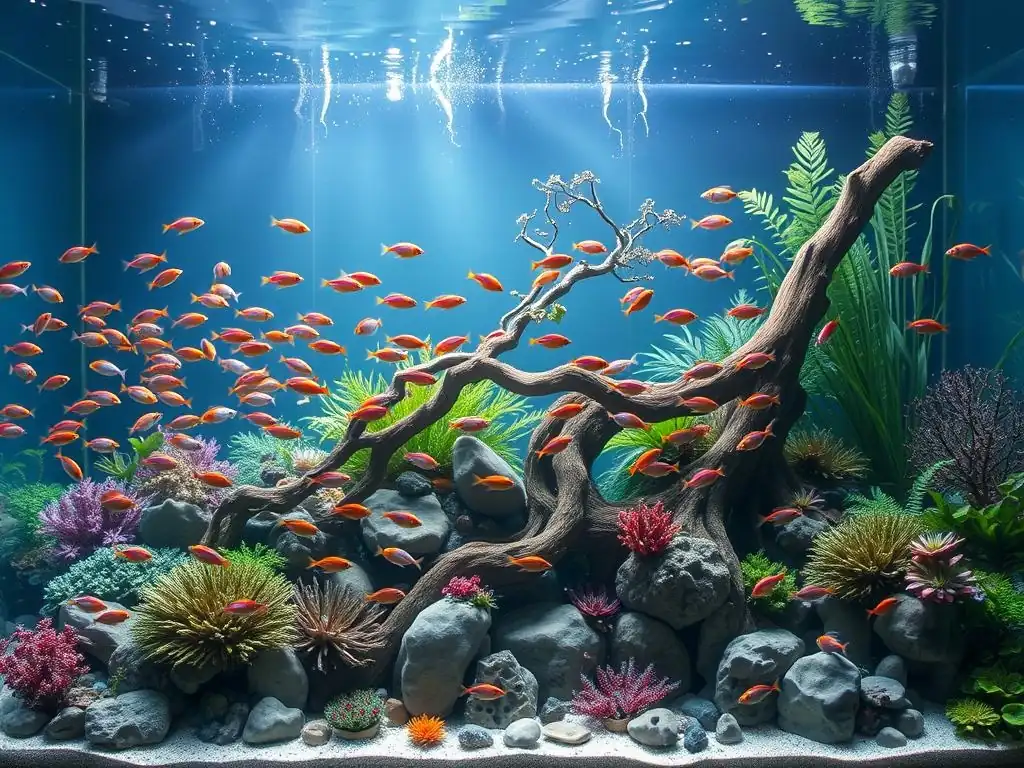
Anthias are among the most sought-after inhabitants for saltwater reef aquariums, cherished for their vibrant colors, active schooling behavior, and graceful movements. Species like the Lyretail Anthias ( Pseudanthias squamipinnis) and Bartlett's Anthias ( Pseudanthias bartlettorum) are particularly popular, adding dynamic life and a kaleidoscope of pinks, oranges, and yellows to the aquatic display. Aquarists often keep them in groups, typically ranging from 3 to 7 individuals or more depending on tank size, to showcase their natural social interactions and schooling instincts, which significantly enhances the aesthetic appeal of a mature reef system.
Their constant activity and relatively peaceful nature (when kept appropriately) make them an ideal choice for adding continuous movement and visual interest to a diverse coral reef environment. However, their popularity also places a considerable demand on both wild populations and the captive breeding industry, prompting a critical look at the sources of these beautiful fish and the broader implications for the marine environment.
The Ethical Considerations of Wild-Caught Fish
The acquisition of marine ornamental fish from their natural habitats carries a significant ethical burden, often involving methods that are detrimental to both the fish and the fragile coral reef ecosystems they inhabit. Destructive fishing practices, such as the use of cyanide to stun fish, not only cause immense suffering and high mortality rates for the target species but also inflict severe damage on corals and other non-target organisms.
Furthermore, the extensive journey from ocean to aquarium—encompassing capture, multiple transfers, packaging, and long-distance shipping—subjects wild-caught fish to extreme stress, leading to compromised immune systems and often high rates of mortality even before reaching a home aquarium.
This raises serious concerns about overfishing in specific locales, which can deplete populations and disrupt the delicate balance of reef communities. Responsible aquarism necessitates a careful examination of these practices and a commitment to minimizing the hobby's ecological footprint.
Why Choose Captive-Bred Anthias? An Overview
Choosing captive-bred anthias represents a significant step towards a more sustainable and ethical approach to the marine aquarium hobby. These fish are born and raised in controlled environments, entirely removed from the pressures of wild collection and the inherent risks associated with it. This method drastically reduces the environmental impact on natural reef ecosystems by alleviating collection pressure on wild populations.
Beyond the ecological benefits, captive-bred anthias often exhibit superior health, greater hardiness, and an easier acclimation process to aquarium life compared to their wild-caught counterparts. They are accustomed to prepared foods and stable tank conditions from birth, leading to lower stress levels and higher survival rates for hobbyists. This commitment to ethical captivebred anthias selection not only supports conservation but also fosters a more rewarding and successful experience for the aquarist.
Defining Captive-Bred and Wild-Caught Anthias
What Does "Captive-Bred" Truly Mean?
"Captive-bred" signifies that a fish has been born and raised entirely within an artificial, controlled environment, typically an aquarium or dedicated aquaculture facility, rather than being collected from the wild. This means that the entire life cycle, from spawning and egg development to larval rearing and juvenile growth, occurs under human care. These fish are accustomed to stable water parameters, consistent feeding schedules with prepared foods, and the absence of natural predators from the moment of their hatching.
The benefits of this controlled upbringing are manifold: captive-bred specimens are not exposed to wild pathogens or parasites, they are pre-acclimated to aquarium life, and often exhibit a greater tolerance for a range of tank conditions. Furthermore, successive generations of captive breeding (F1, F2, etc.) can lead to fish that are increasingly robust and well-suited to life in a home aquarium, making ethical captivebred anthias selection a practical choice for hobbyists.
Identifying Wild-Caught Anthias: Key Characteristics
Identifying wild-caught anthias can sometimes be challenging, but several key characteristics often distinguish them from their captive-bred counterparts. Wild-caught specimens frequently show signs of stress or physical trauma resulting from capture and transport, such as faded or dull coloration, clamped fins, minor fin nips, or scale damage. Behaviorally, they may be excessively shy, hide constantly, or exhibit erratic swimming patterns.
A tell-tale sign is their initial reluctance or refusal to eat prepared aquarium foods, relying instead on live foods or micro-fauna they would find in their natural habitat. Additionally, wild-caught fish carry a higher risk of introducing external parasites, internal worms, or bacterial infections acquired from their natural environment or during their journey through various holding facilities.
The Journey from Ocean to Aquarium: A Stressful Process for Wild Anthias
The transition from the vast, dynamic ocean to the confines of a home aquarium is an incredibly stressful and often perilous journey for wild-caught anthias. This process typically begins with their capture, which can involve methods ranging from careful netting to more destructive techniques. Once caught, fish endure multiple stages of handling, including being placed in small bags, transferred between holding tanks, and subjected to long-distance shipping in often cramped conditions.
During transport, they face extreme physiological stressors such as fluctuating temperatures, oxygen depletion, and the buildup of ammonia in their shipping water. The abrupt change from a complex, predator-rich ecosystem to a simple, glass enclosure often results in severe shock, leading to compromised immune systems, prolonged periods of hiding, and a high likelihood of succumbing to stress-related illnesses or starvation. This arduous journey underscores the significant ethical implications associated with wild collection.
The Environmental Impact: Wild-Caught Anthias and Reef Conservation
Overfishing and its Effects on Anthias Populations
The global demand for marine ornamental fish, including popular species like anthias, places considerable pressure on wild populations. While many anthias species are naturally abundant in the wild, localized over-collection can lead to significant depletion in specific areas, disrupting the delicate ecological balance of coral reefs. These reefs are complex ecosystems where every species plays a vital role. When populations of key species like anthias, which often serve as a food source for larger predators and contribute to nutrient cycling, decline, it can have cascading negative effects throughout the entire reef community.
Estimates suggest that tens of millions of marine ornamental fish are collected from the wild annually, with a substantial portion comprising smaller schooling fish. This continuous extraction, without adequate management or replenishment, threatens the long-term viability of these populations and the overall health of the reef.
The Impact of Collection Methods on Coral Reef Ecosystems
Beyond the direct impact of removing fish, the methods used for collecting wild marine ornamentals often inflict severe damage on the coral reef ecosystems themselves. One of the most notorious methods is cyanide fishing, where sodium cyanide is sprayed onto coral heads to stun fish, making them easier to catch. While effective for capture, cyanide is a potent toxin that bleaches and kills corals, invertebrates, and other non-target marine life, leaving behind barren reefscapes.
Even less destructive methods, such as netting, can inadvertently damage fragile coral structures, dislodge organisms, or disrupt the natural behavior of other reef inhabitants. This continuous disturbance and destruction degrade the structural integrity and biodiversity of these vital underwater habitats, undermining their resilience to other threats like climate change and pollution.
Supporting Sustainable Aquarium Practices: Choosing Captive-Bred
Choosing captive-bred anthias is a direct and impactful way for aquarists to support sustainable practices and contribute to coral reef conservation. By opting for fish raised in controlled aquaculture facilities, hobbyists reduce the demand for wild-caught specimens, thereby alleviating the collection pressure on natural reef populations. This conscious purchasing decision helps to mitigate the negative environmental impacts associated with wild collection methods, such as destructive fishing practices and habitat degradation.
Furthermore, supporting the captive breeding industry encourages investment in research and development of sustainable aquaculture techniques, potentially leading to the availability of more species from ethical sources in the future. This active choice promotes a responsible and environmentally conscious hobby, aligning the aquarist's passion with broader conservation efforts and exemplifying true ethical captivebred anthias selection.
Advantages of Captive-Bred Anthias for Aquarium Keepers
Improved Health and Hardiness in Captive-Bred Specimens
Captive-bred anthias are born and raised in environments free from the stressors and pathogens typically found in the wild, resulting in significantly improved health and inherent hardiness. From the moment they hatch, these fish are accustomed to the stable water parameters, specific lighting, and consistent, high-quality prepared diets characteristic of an aquarium setting. This controlled upbringing means they are less likely to carry external parasites (like marine Ich or flukes) or internal diseases (such as bacterial infections or worms) that are common in wild-caught specimens.
As a result, captive-bred anthias experience considerably lower initial mortality rates compared to their wild counterparts. While wild-caught marine fish can suffer mortality rates of 30-50% within the first few weeks of introduction to an aquarium, captive-bred fish typically have mortality rates well below 10%, offering a much higher chance of long-term success for the hobbyist.
Reduced Acclimation Stress: Captive-Bred Anthias Adaptability
One of the most significant advantages of captive-bred anthias is their remarkably reduced acclimation stress upon introduction to a new aquarium. Having spent their entire lives in tanks, they are already familiar with confined spaces, artificial lighting, and human presence. This prior conditioning significantly eases their transition into a home aquarium, making them less prone to the shock and fear often observed in wild-caught fish.
Crucially, captive-bred anthias are pre-conditioned to accept prepared foods such as frozen mysis shrimp, brine shrimp, and high-quality pellets, often starting to eat within hours of introduction. This immediate acceptance of food reduces the risk of starvation, which is a common cause of failure for wild-caught specimens that may initially refuse to eat anything but live prey. Their inherent adaptability ensures a smoother, quicker, and less traumatic integration into their new home.
Disease Resistance: The Benefits of Captive-Bred Lineage
The controlled rearing environments of captive-bred anthias provide a substantial advantage in terms of disease resistance. These fish are raised in conditions that minimize exposure to common marine pathogens, meaning they arrive in the hobbyist's tank with a significantly lower risk of carrying or developing diseases like Marine Ich ( Cryptocaryon irritans) or Marine Velvet ( Amyloodinium ocellatum). This reduces the likelihood of introducing these highly contagious and potentially devastating diseases into an established display tank, safeguarding existing inhabitants.
Furthermore, some advanced captive breeding programs may even incorporate selective breeding for enhanced immune responses, further bolstering the fish's natural defenses. This inherent hardiness and reduced pathogen load make captive-bred anthias a safer and more reliable choice for maintaining a healthy and stable reef aquarium, minimizing the need for extensive treatments and the associated stress on both fish and aquarist.
Supporting the Captive Breeding Industry: Encouraging Sustainable Practices
Every purchase of a captive-bred anthias directly contributes to the growth and sustainability of the marine ornamental aquaculture industry. This financial support is vital, enabling breeders to invest further in research, expand their facilities, and develop techniques for propagating even more challenging species. By choosing captive-bred, aquarists actively encourage innovation and the development of sustainable alternatives to wild collection.
This collective support helps to shift the market towards more ethical and environmentally responsible sourcing. It demonstrates to the broader industry that there is a strong demand for sustainably produced fish, fostering a future where the marine aquarium hobby can thrive without negatively impacting wild reef ecosystems. This choice is a tangible way to engage in and promote ethical captivebred anthias selection.
Disadvantages of Wild-Caught Anthias
Higher Mortality Rates During Acclimation
Wild-caught anthias face an incredibly arduous journey from their natural reef habitats to a home aquarium, a process fraught with stress that severely compromises their immune systems. This leads to significantly higher mortality rates during the acclimation period. Many wild-caught specimens, weakened by capture, transport, and the drastic change in environment, succumb to stress-related illnesses or simply fail to thrive within days or weeks of arrival.
Industry estimates suggest that mortality rates for wild-caught marine ornamental fish can be as high as 70% before they even reach a retail tank, with a further 30-50% dying within the first month in a hobbyist's aquarium. This represents a significant economic loss for the aquarist and, more importantly, a considerable ethical concern regarding the welfare of these animals.
Increased Risk of Disease Introduction
One of the most significant drawbacks of purchasing wild-caught anthias is the heightened risk of introducing a wide array of diseases and parasites into an established aquarium. Fish collected from the wild can carry various pathogens, including highly contagious marine Ich ( Cryptocaryon irritans), Marine Velvet ( Amyloodinium ocellatum), internal worms, flukes, and bacterial infections. These diseases, often dormant due to stress from capture and transport, can quickly manifest and spread throughout an entire tank, devastating existing inhabitants.
Treating a widespread disease outbreak in a reef aquarium can be complex, costly, and highly stressful for all livestock. The potential for a single wild-caught fish to compromise the health of an entire, thriving system far outweighs any initial cost savings.
Difficult Acclimation to Aquarium Life
Wild-caught anthias are accustomed to the vastness of the ocean, the presence of natural predators, and a diet of live micro-fauna. Their transition to the confined, artificial environment of an aquarium is a profound shock, making acclimation notoriously difficult. They are often extremely shy and wary of human presence, frequently hiding for extended periods.
A major challenge is their reluctance to accept prepared foods. Many wild-caught specimens will refuse to eat standard aquarium fare, leading to starvation and a rapid decline in health. This prolonged period of stress and potential starvation severely impacts their long-term survival and integration into the tank's ecosystem, often resulting in a listless or failing fish.
Contributing to Unsustainable Fishing Practices
Every purchase of a wild-caught anthias, particularly from sources with unclear or unverified collection methods, inadvertently supports and perpetuates fishing practices that can be detrimental to coral reef ecosystems. This includes methods like cyanide fishing, which is highly destructive to corals and non-target species, or over-collection in specific areas that depletes natural fish populations.
By choosing wild-caught specimens when captive-bred alternatives exist, aquarists contribute to the demand that drives these often unsustainable practices. This undermines efforts to promote responsible aquaculture and conservation within the marine ornamental trade. A conscious commitment to ethical captivebred anthias selection is crucial for mitigating the hobby's ecological footprint and fostering a more responsible future for marine aquarists.
Identifying Reputable Sources for Captive-Bred Anthias
Researching Breeders and Suppliers
To ensure you are truly acquiring a captive-bred anthias, thorough research into breeders and suppliers is paramount. Look for companies with a long-standing reputation for ethical sourcing, transparency in their practices, and a consistent supply of healthy, vibrant livestock. Online forums, dedicated marine aquarium communities, and independent review sites can offer valuable insights and feedback on specific breeders or retailers.
Prioritize suppliers who specialize in captive-bred marine fish and are willing to provide detailed information about their breeding programs, including the lineage of their fish and the conditions under which they are raised. Reputable sources often participate in industry associations or certifications that promote sustainable aquaculture, further solidifying their credibility.
Asking the Right Questions: Verifying Captive-Bred Status
When purchasing anthias, engage with the supplier by asking specific questions to verify their captive-bred status. Inquire about the fish's origin: Was it bred directly at their facility, or was it sourced from another reputable breeder? Ask what prepared foods the fish are accustomed to eating, as captive-bred specimens are typically weaned onto a variety of aquarium diets from an early age.
Furthermore, request details about their internal quarantine procedures before fish are sold. A legitimate breeder or supplier will be transparent and eager to share this information, often providing photos or videos of their breeding operations. Any hesitation or vagueness in their answers should be a red flag, prompting further investigation to ensure ethical captivebred anthias selection.
Quarantine Procedures for New Anthias
Regardless of whether an anthias is captive-bred or wild-caught, implementing a strict quarantine procedure for all new arrivals is a non-negotiable step for responsible aquarium keeping. A dedicated quarantine tank, separate from the main display, should be set up with stable water parameters, a heater, filter, and plenty of PVC pipes or other inert structures for hiding. New fish should be quarantined for a minimum of 3-4 weeks.
During this period, observe the fish closely for any signs of disease, parasites, or stress. This is the ideal time to administer preventative treatments for common ailments like internal parasites or external flukes, without exposing your main display tank inhabitants to medications or potential infections. This crucial step safeguards the long-term health of both your new anthias and your existing aquatic community.
Species-Specific Considerations: Captive-Bred Availability
Common Anthias Species and Their Availability in Captivity: Nemanthias carberryi
The availability of captive-bred anthias varies significantly by species. More common and robust anthias species, such as the Lyretail Anthias ( Pseudanthias squamipinnis) and Bartlett's Anthias ( Pseudanthias bartlettorum), have seen considerable success in captive breeding programs and are increasingly available from aquaculture facilities. These species are often hardier and more adaptable to aquarium life due to generations of selective breeding for captive environments.
Another example of an anthias species that has experienced successful, albeit perhaps less widespread, captive breeding efforts is Nemanthias carberryi, commonly known as Carberryi Anthias. While not as universally abundant as captive-bred Lyretails, their occasional availability demonstrates the expanding capabilities of the industry. Choosing these more common captive-bred varieties generally results in higher success rates for aquarists.
Rare Anthias Species: Wild-Caught Considerations: Luzonichthys seaver
Many of the more exotic, newly discovered, or deeply specialized anthias species remain exclusively wild-caught. Species like Luzonichthys seaver or certain Tosanoides and Plectranthias species are rarely, if ever, bred in captivity due to their specific and often unknown breeding requirements, complex larval stages, or simply the economic impracticality of commercial breeding at this time.
For hobbyists interested in these rare and unique anthias, the choice invariably involves acquiring a wild-caught specimen. In such cases, it is crucial to weigh the desire to keep these fish against the ethical implications of their wild collection and the higher risks associated with their acclimation. Thorough research into their specific care requirements and a commitment to meticulous quarantine are even more vital for these delicate and often expensive fish.
The Future of Captive-Bred Anthias: Expanding Availability
The landscape of marine ornamental aquaculture is continuously evolving, with significant advancements being made each year in the captive breeding of various species, including anthias. Research institutions, private breeders, and commercial aquaculture facilities are investing heavily in understanding the complex reproductive behaviors and larval rearing requirements of challenging marine fish. This ongoing dedication is gradually expanding the roster of species available as captive-bred.
As the demand for ethical captivebred anthias selection grows among conscientious aquarists, so too does the economic incentive for breeders to innovate and scale their operations. This trend promises a more sustainable and responsible future for the marine aquarium hobby, where a greater diversity of anthias and other marine ornamental fish can be enjoyed without negatively impacting wild populations.
Ethical Captive-Bred Anthias Selection: Making the Right Choice
Considering the Long-Term Health and Well-being of Your Anthias
Prioritizing captive-bred anthias is a profound commitment to the long-term health and well-being of the fish in your care. These specimens, having been raised in stable, controlled environments, are significantly less prone to stress-related illnesses, parasitic infestations, and the difficulties associated with acclimation. Their inherent hardiness translates into a more vibrant, active, and thriving display in your aquarium.
This choice reflects a responsible approach to fishkeeping, minimizing suffering and maximizing the chances of a successful and rewarding experience. By selecting fish that are already adapted to aquarium life, aquarists are investing in the vitality and longevity of their aquatic inhabitants, ensuring they can flourish for years to come.
Supporting Sustainable Aquarium Practices Through Informed Purchases
Every purchase made by an aquarist casts a vote for the future direction of the marine ornamental trade. By consciously choosing captive-bred anthias, you send a clear and unequivocal message to the industry: there is a strong and growing demand for sustainably produced fish. This direct support helps to shift market dynamics away from potentially destructive wild collection practices, such as cyanide fishing and over-harvesting, which can severely damage delicate coral reef ecosystems.
Your informed purchasing decisions encourage further investment in aquaculture research and development, fostering an industry that prioritizes environmental stewardship. This is a practical and powerful way for individual aquarists to contribute tangibly to broader marine conservation efforts.
The Role of Aquarists in Promoting Ethical Sourcing
Aquarists play a pivotal role as advocates and educators in promoting ethical sourcing within the marine aquarium hobby. By openly discussing their choices, sharing their positive experiences with ethical captivebred anthias selection, and demonstrating the success of captive-bred specimens, they can significantly influence fellow hobbyists. This collective action can foster a community-wide shift towards more responsible practices.
Supporting reputable breeders, actively boycotting suppliers known for unsustainable or unethical collection methods, and educating peers about the benefits of aquaculture are powerful actions. The cumulative choices and voices of the aquarist community possess the capacity to drive substantial positive change in the marine ornamental trade, ensuring a more sustainable and ethical future for the hobby we cherish.
Caring for Captive-Bred Anthias: Ensuring Their Success
Tank Setup and Water Parameters for Anthias Schools
Captive-bred anthias, while hardier, still require a well-planned tank setup to thrive. As active, schooling fish, they need ample swimming space; a minimum of 75 gallons is generally recommended for a small group (3-5 individuals), with larger tanks (120+ gallons) highly preferred for larger schools to accommodate their social dynamics and active nature.
A mature reef tank with stable water parameters is crucial: specific gravity should be maintained between 1.023-1.026, temperature at 72-78°F (22-26°C), pH between 8.1-8.4, alkalinity 8-12 dKH, calcium 400-450 ppm, and magnesium 1250-1350 ppm. Providing plenty of live rock with numerous caves, overhangs, and crevices offers essential hiding spots for sleeping and retreat, while open water areas allow for their characteristic schooling behavior.
Feeding Requirements and Dietary Needs
Anthias are micro-carnivores with a high metabolism, necessitating frequent feedings to maintain their health and vibrant coloration. It is generally recommended to feed them at least 2-3 times per day, and sometimes even more frequently, with small, nutritious portions. Their diet should be varied and consist primarily of small, meaty foods such as enriched frozen mysis shrimp, brine shrimp, finely chopped krill, and high-quality pellet or flake foods formulated for marine carnivores.
Since captive-bred anthias are already accustomed to prepared foods, they typically accept these offerings readily. Consistent and diverse feeding is paramount, as underfeeding is a common cause of poor health and failure in anthias.
Anthias are highly social fish and thrive when kept in groups, typically with one dominant male and multiple females to establish a natural haremic social hierarchy. It is always best to introduce all anthias to the tank simultaneously to minimize aggression and allow them to establish their pecking order. If adding more anthias to an existing group, introduce several at once rather than a single individual.
When selecting tank mates, choose peaceful and non-aggressive species that will not outcompete anthias for food or harass them. Good companions include other peaceful reef fish like chromis, gobies, blennies, and certain tangs. Aggressive predators such as large lionfish, triggers, or aggressive angelfish should be avoided, as they can stress or prey upon anthias.
Conclusion: Embracing Ethical and Sustainable Aquarium Keeping.
Frequently Asked Questions
What are the main differences between captive-bred and wild-caught anthias?
Captive-bred anthias are raised in controlled environments, while wild-caught anthias are collected from their natural habitats. This impacts their health, adaptability, and the environmental impact of the aquarium trade.
Why is ethical captive-bred anthias selection important?
Choosing captive-bred anthias helps reduce the pressure on wild populations and supports sustainable aquarium practices. It also encourages the development of more resilient and adaptable fish.
How can I identify captive-bred anthias when purchasing?
Ask the retailer for proof of captive breeding, such as breeder information or documentation. Look for fish that appear healthy, robust, and readily eating prepared foods, characteristics often seen in captive-bred specimens.
What are the benefits of keeping captive-bred anthias in my aquarium?
Captive-bred anthias are generally more adaptable to aquarium life, less prone to disease, and easier to feed compared to their wild-caught counterparts. They are also a more sustainable choice.
What factors should I consider when choosing an anthias species, regardless of whether it's captive-bred or wild-caught?
Consider the tank size requirements, social behavior (anthias are often best kept in groups), and specific dietary needs of the chosen species. Researching these needs is crucial for long-term success and the fish's well-being.
Final Reflection: Embracing Ethical Choices in Marine Aquariums
The journey of understanding the differences between captive-bred and wild-caught Anthias, as we've explored, highlights a crucial intersection of hobbyist passion and environmental responsibility. The choice we make in selecting these vibrant fish directly impacts the health of our oceans and the sustainability of the aquarium trade. It's no longer enough to simply admire their beauty; we must actively participate in fostering a more ethical and conscientious approach to marine aquariums.
This exploration has underscored the profound influence our choices have on the delicate balance of marine ecosystems. The shift towards supporting captive-bred Anthias is not just a trend, but a necessary evolution in our understanding of responsible aquarium keeping. It's about recognizing that our actions, however small they may seem, contribute to a larger narrative of conservation and respect for the natural world. We are tied to the ocean. And when we go back to the sea, whether it is to sail or to watch it, we are going back from whence we came.
- John F. Kennedy. This quote reminds us of our intrinsic connection to the ocean and the responsibility we bear to protect it.
As you consider adding these stunning fish to your aquarium, I urge you to reflect on the information presented and embrace the power of informed decision-making. Let's collectively champion the availability and desirability of captive-bred Anthias, supporting breeders and retailers who prioritize ethical practices. By choosing captive-bred, you're not just acquiring a beautiful fish; you're investing in a future where the beauty of our oceans can be enjoyed responsibly and sustainably for generations to come.
Ignite Your Reef: Choose Ethically, Thrive Responsibly!
Thanks for diving into the world of Anthias and learning about the crucial differences between captive-bred and wild-caught fish. Now it’s time to take what you’ve learned and make a real difference. Here’s how you can contribute to a more sustainable and ethical aquarium hobby:
- Prioritize captive-bred Anthias when adding these colorful beauties to your reef tank. Support breeders who are working to reduce the pressure on wild populations!
- Explore alternative, sustainable fish species that are readily available through aquaculture, and consider adding them to your reef instead.
- Share this article with fellow reefing enthusiasts and spark a conversation about responsible sourcing.
What specific steps will you take this week to make your reef aquarium more sustainable and ethical?