
Cycling a Planted Tank: Unique Considerations for a Lush, Thriving Underwater Garden

Welcome to Aquarium Mastery!
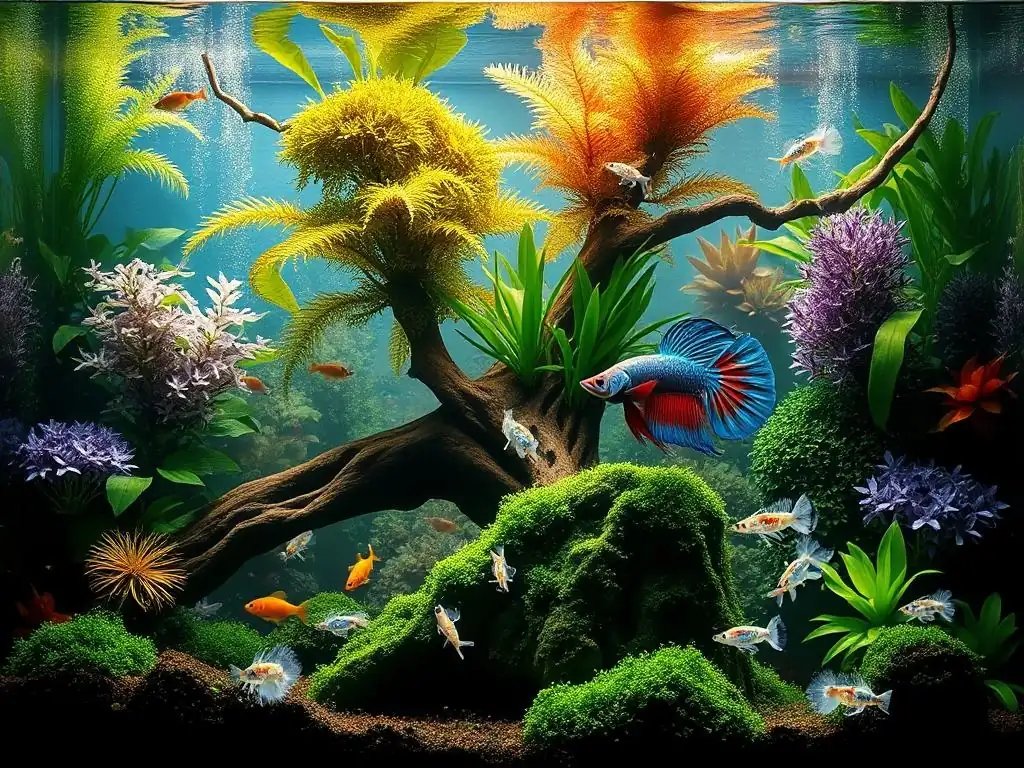
Ever dreamt of a vibrant, thriving underwater garden teeming with life? You've come to the right place. Building a planted tank is more than just adding some greenery – it's about creating a balanced ecosystem. But how do you get there? Our Planted Tank Cycling Guide dives into the unique considerations for establishing a healthy nitrogen cycle in your planted aquarium. Discover the secrets to a lush and stable environment, and unlock the potential of your underwater paradise. Ready to get started? Let's explore the fascinating world of planted tank cycling...
- Understanding the Basics of Planted Tank Cycling
- Key Considerations Before Starting Your Planted Tank Cycling
-
The Planted Tank Cycling Process: A Step-by-Step Guide
- Step 1: Setting Up Your Planted Tank and Initial Planting
- Step 2: Introducing Ammonia to Start the Cycling Process
- Step 3: Monitoring Water Parameters During Planted Tank Cycling (Ammonia, Nitrite, Nitrate, pH)
- Step 4: The Role of Beneficial Bacteria in Planted Tanks
- Step 5: Performing Water Changes During the Cycling Process
- Step 6: Recognizing the Signs of a Fully Cycled Planted Tank
- Unique Challenges and Solutions for Planted Tank Cycling
- Tips for a Successful Planted Tank Cycling
- Post-Cycling: Maintaining a Healthy Planted Tank Ecosystem
- Planted Tank Cycling: Achieving a Balanced and Beautiful Aquarium
-
Frequently Asked Questions
- How does cycling a planted tank differ from cycling a fish-only aquarium?
- Can I add plants before cycling my planted tank?
- What ammonia source should I use when cycling a planted tank?
- How long does it typically take to cycle a planted tank?
- What are some common challenges encountered when cycling a planted tank?
- Final Reflection: Cultivating Patience and Balance
- Cultivate Your Dream Aquarium: Take the Next Step!
Understanding the Basics of Planted Tank Cycling
What is Aquarium Cycling and Why is it Crucial for Planted Tanks?
Aquarium cycling is the process of establishing a robust colony of beneficial bacteria in a new aquarium. These bacteria are essential for converting toxic fish waste products, such as ammonia and nitrite, into less harmful nitrates. For a planted tank cycling guide, this foundational step is not just about fish health; it's equally critical for the vitality and long-term stability of the aquatic plants. Without a properly cycled tank, new plants can suffer from nutrient imbalances, stunted growth, and even melt due to fluctuating water parameters and the presence of harmful compounds.
The absence of a mature nitrogen cycle can lead to ammonia spikes, which are lethal to most aquatic life and highly detrimental to plant roots and overall health. Furthermore, an unstable environment often triggers aggressive algae blooms, which compete with desirable plants for light and nutrients, suffocating them and ruining the aesthetic appeal of the underwater garden. A successful planted tank cycling guide lays the groundwork for a balanced ecosystem where plants thrive, fish are healthy, and maintenance is manageable.
The Nitrogen Cycle in Planted Aquariums: A Simplified Explanation
The nitrogen cycle in a planted aquarium follows the same fundamental path as in a fish-only tank, but with a significant difference: plants actively participate in the removal of nitrates. The cycle begins with ammonia ( NH3/ NH4+), primarily produced by fish waste, decaying plant matter, and uneaten food. Nitrifying bacteria, specifically Nitrosomonas species, convert this ammonia into nitrite ( NO2-). Nitrite is also highly toxic to aquatic life. Subsequently, Nitrobacter species of bacteria convert nitrite into nitrate ( NO3-), which is far less toxic.
In a planted tank, the role of plants becomes paramount at the nitrate stage. Aquatic plants readily absorb nitrates as a primary nutrient source for growth. This absorption helps to keep nitrate levels low, reducing the need for frequent large water changes that are often necessary in fish-only tanks. This natural nitrate consumption by plants is a key aspect of a successful planted tank cycling guide, contributing to a more stable and self-sustaining ecosystem compared to non-planted setups.
Differences Between Cycling a Fish-Only Tank vs. a Planted Tank
The cycling process for a planted tank introduces several unique dynamics compared to a fish-only aquarium. Firstly, the presence of live plants significantly influences the nitrogen cycle from the outset. Plants absorb ammonia and nitrates directly from the water column, which can sometimes lead to a quicker initial drop in ammonia or nitrite levels, or conversely, a slower buildup if the plants are very dense and fast-growing. This immediate nutrient uptake can make monitoring parameters during the initial phase slightly less predictable than in a tank without plants.
Secondly, the substrate choice in a planted tank, often an active aquasoil, can release ammonia initially. This ammonia can kickstart the cycle, but also requires careful monitoring to prevent excessive spikes. Lighting and CO2 injection, critical for plant growth, also play a role during cycling; incorrect application can hinder bacterial colonization or promote algae. Unlike fish-only tanks where the primary goal is just bacterial establishment for fish, a planted tank cycling guide must balance the needs of beneficial bacteria with the specific requirements of live plants for light, nutrients, and CO2, ensuring both components can flourish harmoniously.
Key Considerations Before Starting Your Planted Tank Cycling
Selecting the Right Substrate for Planted Tanks and Cycling
The substrate is arguably the most crucial foundation for a thriving planted tank, and its selection significantly impacts the cycling process. Active substrates, such as aquasoils (e.g., ADA Aqua Soil, Fluval Stratum), are designed to be nutrient-rich and often release ammonia initially. This ammonia release, typically ranging from 1-3 ppm in the first few days to a week, can naturally kickstart the nitrogen cycle by providing a direct food source for Nitrosomonas bacteria. While beneficial for cycling, this initial ammonia spike necessitates diligent monitoring to ensure it doesn't become excessive, potentially stalling the cycle or promoting undesirable algae growth.
In contrast, inert substrates like sand or gravel do not release ammonia and require an external ammonia source to initiate the cycle. However, they provide an excellent surface area for beneficial bacteria to colonize and are less prone to breaking down over time. Regardless of the type chosen, the substrate provides a vital anchor for plant roots and a significant habitat for nitrifying bacteria. A well-chosen substrate is a cornerstone of any effective planted tank cycling guide, ensuring both plant health and efficient bacterial colonization.
Planted Tank Lighting and its Impact on the Cycling Process
Lighting is a fundamental component of a planted aquarium, driving photosynthesis and plant growth, but its application during the cycling phase requires careful consideration. During the initial cycling period, the focus should be on establishing beneficial bacteria, not necessarily maximizing plant growth. Excessive lighting can quickly lead to aggressive algae blooms, as algae are opportunistic and thrive on the excess nutrients (ammonia, nitrite, nitrate, phosphates) that are naturally present during cycling.
It is generally recommended to start with a moderate lighting intensity and a reduced photoperiod, typically 6-8 hours per day, for the first few weeks of cycling. This allows plants to acclimate without overstimulating algae. As the tank matures and nutrient levels stabilize, the photoperiod and intensity can be gradually increased.
For example, a 6-hour photoperiod for the first 2-3 weeks, increasing to 7-8 hours by week 4-5, can be a good starting point. Balancing light input is a critical aspect of a successful planted tank cycling guide to prevent early algae issues and allow the bacterial colonies to establish themselves without undue competition.
CO2 Injection: Should You Use it During Planted Tank Cycling?
The question of whether to use CO2 injection during the cycling phase of a planted tank is a common one, and generally, the consensus among experienced aquarists is to avoid it or use it minimally. CO2 is crucial for robust plant growth in high-tech planted tanks, as it provides a vital carbon source for photosynthesis. However, during the initial cycling period, the primary goal is to establish a stable colony of nitrifying bacteria. These bacteria are sensitive to rapid fluctuations in water parameters, including pH.
CO2 injection significantly lowers the pH of the aquarium water, and large or sudden drops in pH can stress or even inhibit the growth of beneficial bacteria. For instance, a pH swing from 7.5 to 6.5 due to CO2 can slow down the nitrification process.
Therefore, it is advisable to hold off on active CO2 injection until the tank is fully cycled, ammonia and nitrite levels consistently read 0 ppm, and fish (if any) have been introduced. Once the tank is stable, CO2 can be gradually introduced and fine-tuned to support the lush growth of your aquatic plants, making it a post-cycling consideration in any comprehensive planted tank cycling guide.
Choosing Plants for Cycling: Which Plants Help Cycle a Tank?
While the core of aquarium cycling relies on beneficial bacteria, certain aquatic plants can actively assist the process, particularly by absorbing ammonia and nitrates. Fast-growing, hardy species are ideal for this purpose, as they quickly establish themselves and begin nutrient uptake. Examples include:
- Hornwort ( Ceratophyllum demersum ): An incredibly fast-growing, undemanding floating or submerged plant that readily absorbs excess nutrients.
- Anacharis ( Egeria densa ): Another vigorous grower known for its ability to consume nitrates and even some ammonia directly from the water.
- Water Wisteria ( Hygrophila difformis ): A versatile stem plant that adapts well to various conditions and grows quickly, contributing to nutrient export.
- Java Fern ( Microsorum pteropus ) and Anubias species: While slower growing, these robust plants are excellent choices for their hardiness and ability to tolerate fluctuating conditions during the initial cycling phase.
These plants not only help manage nutrient spikes but also compete with algae for resources, reducing the likelihood of unsightly outbreaks. Incorporating a good selection of these plants from day one is a smart strategy for any planted tank cycling guide, providing biological filtration and contributing to a more stable environment from the start.
The Planted Tank Cycling Process: A Step-by-Step Guide
Step 1: Setting Up Your Planted Tank and Initial Planting
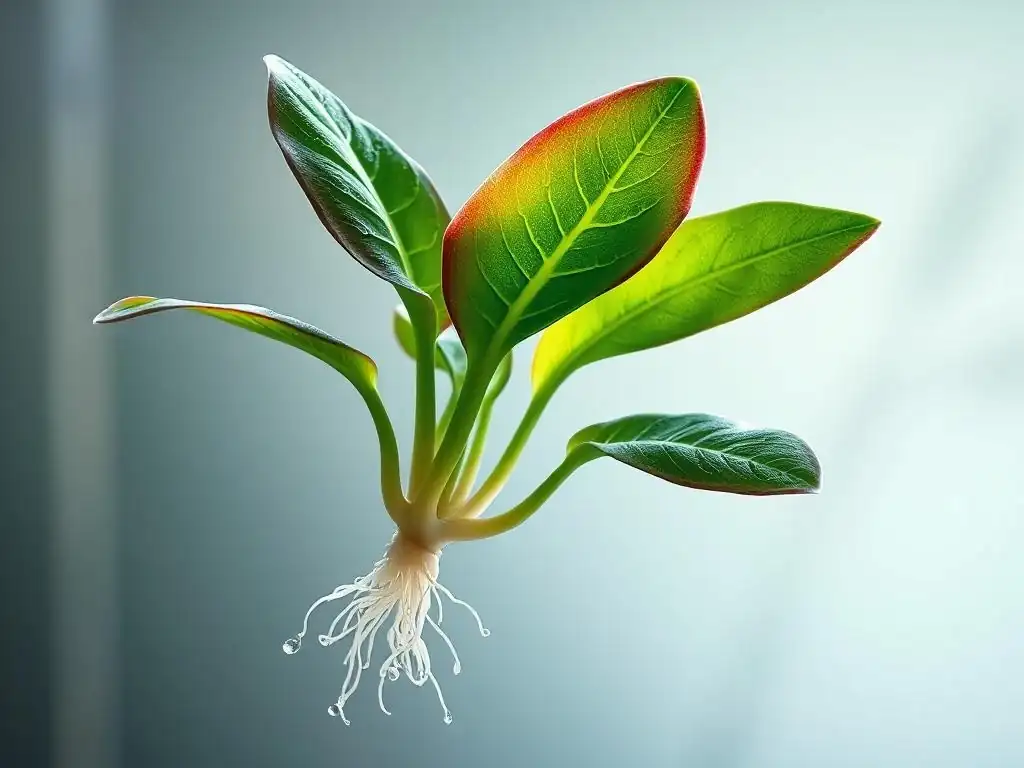
The first crucial step in your planted tank cycling guide is the meticulous setup of your aquarium. Begin by thoroughly cleaning your tank without using soaps or detergents. Then, carefully lay down your chosen substrate. If using an active aquasoil, be mindful of its initial cloudiness and potential ammonia release. After the substrate, arrange your hardscape elements—driftwood, rocks—to create the desired aesthetic and provide surfaces for bacterial colonization.
Once the hardscape is in place, it's time for initial planting. It is highly recommended to plant densely from the outset, aiming for at least 50-70% substrate coverage. Densely planted tanks establish faster, compete better against algae, and provide more surface area for beneficial bacteria. Fill the tank slowly with dechlorinated water, ideally using a plate or plastic bag to disperse the water and prevent substrate disturbance. Set up your filter, heater, and lighting, but keep lighting on a reduced schedule (e.g., 6 hours per day) to minimize algae growth.
Step 2: Introducing Ammonia to Start the Cycling Process
With your tank set up and plants in place, the next step in this planted tank cycling guide is to introduce an ammonia source to kickstart the nitrogen cycle. For a fishless cycle, which is highly recommended for planted tanks, pure liquid ammonia (without surfactants or perfumes) is the most controlled method. Aim for an initial ammonia concentration of approximately 2-4 ppm. For example, if you have a 20-gallon tank, adding about 2-4 ml of 10% pure ammonia solution would typically achieve this range.
Alternatively, you can use decaying fish food or a small piece of shrimp, but these methods are less precise and can introduce unwanted organic matter. The goal is to provide a consistent food source for the Nitrosomonas bacteria, which convert ammonia to nitrite. Monitor your ammonia levels daily or every other day using a reliable liquid test kit. Once ammonia levels start to drop, it indicates that the beneficial bacteria are beginning to colonize and perform their vital function.
Step 3: Monitoring Water Parameters During Planted Tank Cycling (Ammonia, Nitrite, Nitrate, pH)
Consistent monitoring of water parameters is paramount throughout the planted tank cycling guide. You will primarily track ammonia ( NH3/ NH4+), nitrite ( NO2-), nitrate ( NO3-), and pH. Start testing daily or every other day.
- Ammonia: Initially, you will see ammonia levels rise (e.g., to 2-4 ppm), then gradually decline.
- Nitrite: As ammonia drops, nitrite levels will begin to spike, often reaching concentrations similar to or even higher than the initial ammonia (e.g., 1-5 ppm).
- Nitrate: Once nitrite levels start to fall, nitrate levels will begin to rise (e.g., from 5 ppm to 40+ ppm). This indicates that both Nitrosomonas and Nitrobacter bacteria are active.
- pH: Maintain a relatively stable pH, ideally between 6.5 and 7.5, as extreme fluctuations can inhibit bacterial growth. Active substrates may buffer the pH downwards.
The cycle is complete when both ammonia and nitrite consistently read 0 ppm for several consecutive days, and nitrate is present and rising. This process typically takes anywhere from 4 to 8 weeks, depending on various factors like temperature, bacterial starter presence, and ammonia dosing consistency.
Step 4: The Role of Beneficial Bacteria in Planted Tanks
Beneficial bacteria are the unsung heroes of the aquarium nitrogen cycle, and their role is just as critical in a planted tank. These microscopic organisms, primarily Nitrosomonas and Nitrobacter species, colonize virtually every surface within the aquarium: the filter media, substrate, hardscape, and even plant leaves. They form a biofilm that efficiently processes toxic nitrogenous compounds. In a planted tank, the extensive surface area provided by dense planting and porous substrates like aquasoil offers an even greater habitat for these bacterial colonies to flourish.
The planted tank cycling guide emphasizes creating an optimal environment for these bacteria. This includes maintaining stable water parameters (temperature, pH), providing consistent oxygenation through good water flow, and ensuring a continuous supply of ammonia during the cycling phase. Without a robust population of these bacteria, the aquarium cannot safely house aquatic life, and plants will struggle due to persistent exposure to toxins. Their efficient conversion of ammonia to nitrate is what ultimately allows plants to thrive by absorbing the less harmful nitrates.
Step 5: Performing Water Changes During the Cycling Process
During the cycling process, the approach to water changes differs from routine maintenance. Generally, large water changes should be avoided in the early stages of cycling, as they can remove beneficial bacteria that are attempting to colonize the tank and dilute the ammonia source needed to feed them. However, there are exceptions. If ammonia or nitrite levels become excessively high (e.g., ammonia above 5 ppm, nitrite above 5 ppm), a small water change of 10-20% might be necessary to prevent the cycle from stalling due to extreme toxicity, which can inhibit bacterial growth.
Once the nitrite spike has passed and nitrate levels begin to rise significantly (e.g., above 40-50 ppm), performing a larger water change (e.g., 30-50%) can be beneficial. This reduces the accumulated nitrates, preparing the tank for the introduction of fish and preventing potential issues like persistent algae blooms, which can be fueled by high nitrate concentrations. The key is to be strategic: avoid large changes early on, and use them to reset high nitrate levels towards the end of the planted tank cycling guide.
Step 6: Recognizing the Signs of a Fully Cycled Planted Tank
Recognizing a fully cycled planted tank is crucial before introducing any sensitive livestock. The definitive signs are consistently stable water parameters over several consecutive days. Specifically, your liquid test kits should show:
- Ammonia: 0 ppm
- Nitrite: 0 ppm
- Nitrate: Present and rising (e.g., 5-40 ppm, depending on plant uptake and time since last water change).
It is vital that these readings hold true even after re-dosing ammonia to about 2 ppm and observing its complete conversion to nitrate within 24 hours. Beyond the test kit readings, there are other subtle indicators. The water should be crystal clear, and the tank should have a fresh, earthy smell rather than a foul or fishy odor. Plants should show signs of new growth without significant melting or algae issues. Only once these conditions are consistently met, typically after 4-8 weeks, can you consider your planted tank cycling guide successfully completed and begin to think about adding fish.
Unique Challenges and Solutions for Planted Tank Cycling
Dealing with Algae Blooms During Cycling: Causes and Prevention
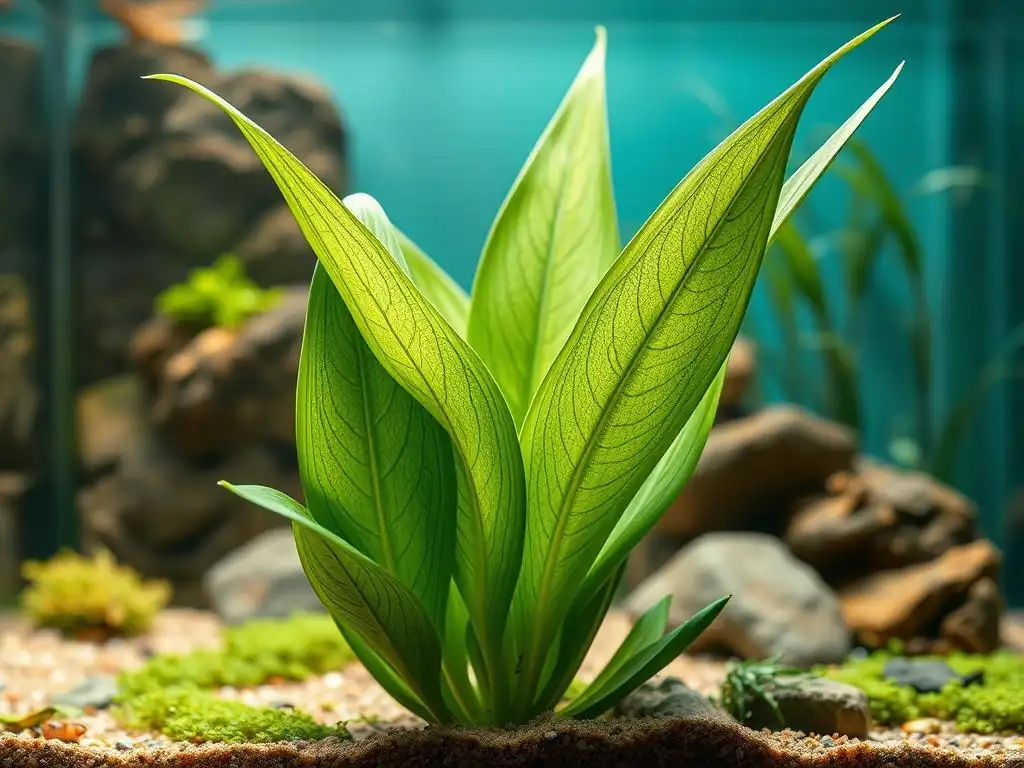
Algae blooms are one of the most common and frustrating challenges encountered during the planted tank cycling guide. They are typically caused by an imbalance in nutrients (excess ammonia, nitrites, nitrates, phosphates) combined with excessive or inconsistent lighting. During cycling, high levels of ammonia and nitrite act as prime food sources for opportunistic algae, especially if light is too intense or prolonged. Common types include green spot algae, hair algae, and diatoms (brown algae).
To prevent and mitigate algae during cycling:
- Reduce Lighting: Start with a shorter photoperiod (e.g., 6 hours per day) and moderate intensity. Gradually increase as the tank matures.
- Manual Removal: Physically remove any visible algae from glass, plants, and hardscape during water changes.
- Optimize Plant Density: Plant densely from the start. Healthy, fast-growing plants outcompete algae for nutrients.
- Avoid Overdosing Ammonia: Stick to the recommended 2-4 ppm ammonia dose; excessive amounts can fuel algae.
- Water Changes (if necessary): If parameters are extremely high, a small water change might help reduce nutrient load, but use sparingly to avoid disrupting the cycle.
Plant Melt During Cycling: Why it Happens and How to Minimize it
Plant melt, characterized by leaves turning translucent, brown, or mushy and disintegrating, is a common occurrence in new planted tanks during the cycling phase. This phenomenon happens for several reasons. Firstly, plants are often grown emersed (out of water) in nurseries and need to transition to submersed (underwater) growth forms; this adaptation process can cause older, emersed leaves to die off. Secondly, fluctuating water parameters, particularly ammonia and nitrite spikes, can stress plants. Lastly, a lack of essential nutrients or CO2 (if not dosing) in the early stages can also contribute to melt.
To minimize plant melt during your planted tank cycling guide:
- Choose Hardy Plants: Opt for robust species known to tolerate transition, such as Anubias, Java Fern, or Cryptocorynes.
- Plant Densely: A greater biomass of plants helps absorb available nutrients and stabilizes the environment.
- Consistent Water Parameters: While spikes are inevitable, try to maintain stable temperature and pH to reduce stress.
- Trim Melting Leaves: Regularly trim away melting or decaying leaves. This prevents them from rotting and releasing further ammonia, which can fuel algae.
- Root Tabs (for heavy root feeders): If using inert substrate, consider placing root tabs near heavy root feeders to provide localized nutrients from day one.
Nutrient Imbalances in Planted Tanks During Cycling
Nutrient imbalances are a significant challenge during the initial planted tank cycling guide, primarily because the ecosystem is not yet mature. In the early stages, while the nitrogen cycle is establishing, there's often an abundance of nitrogen compounds (ammonia, nitrite, nitrate) but potentially a deficiency of other essential macronutrients (like potassium, phosphorus, iron) and micronutrients. This can lead to specific plant deficiencies, despite the presence of nitrogen. For example, a lack of potassium might manifest as pinholes in older leaves, even with high nitrates.
Conversely, some active substrates can initially leach high amounts of certain nutrients, leading to an excess that, combined with light, can fuel algae. Managing this balance requires patience. Avoid dosing a full fertilization regimen during cycling. Instead, focus on providing a good substrate and allowing the plants to acclimate. Once the tank is cycled and stable, a comprehensive fertilization routine can be gradually introduced. Spot dosing with liquid iron or potassium might be considered if specific severe deficiencies are observed, but generally, a "less is more" approach is advisable to prevent further imbalances.
Choosing the Right Cycling Method for Your Planted Tank (Fishless vs. Fish-in)
When embarking on a planted tank cycling guide, selecting the appropriate method is crucial for success and ethics. There are two primary methods: fishless cycling and fish-in cycling.
- Fishless Cycling: This method involves adding a pure ammonia source (e.g., liquid ammonium chloride, decaying fish food, or shrimp) to initiate the nitrogen cycle without any fish present. This is by far the most humane and recommended method for planted tanks. It allows for precise control over ammonia levels, avoids stressing fish with toxic compounds, and typically results in a more robust and stable bacterial colony. For planted tanks, it also allows plants to acclimate to submerged conditions without the added stress of fluctuating parameters from fish waste. The process typically takes 4-8 weeks.
- Fish-in Cycling: This method uses hardy fish to produce ammonia, thereby initiating the cycle. While it was historically common, it is now widely discouraged due to the immense stress and harm it inflicts on the fish, exposing them to lethal levels of ammonia and nitrite for weeks. It is also harder to control water parameters, making it particularly unsuitable for sensitive plants or those prone to melt. Therefore, for a responsible and successful planted tank cycling guide, always opt for fishless cycling.
Tips for a Successful Planted Tank Cycling
Optimizing Water Circulation for Beneficial Bacteria Growth
Optimal water circulation is a critical, yet often overlooked, factor in a successful planted tank cycling guide. Good flow ensures that oxygen and ammonia/nitrite—the essential nutrients for beneficial bacteria—are consistently delivered to all surfaces where these bacteria colonize, including filter media, substrate, hardscape, and plant leaves. Stagnant areas within the tank can become anaerobic (oxygen-deprived), inhibiting bacterial growth and potentially leading to the buildup of harmful compounds like hydrogen sulfide.
Aim for a gentle yet thorough flow that reaches all corners of the aquarium without creating excessive turbulence that might disturb the substrate or stress plants. The recommended turnover rate for filters is often 5-10 times the tank volume per hour (e.g., for a 20-gallon tank, a filter with a flow rate of 100-200 GPH). Positioning your filter output to create a gentle current across the entire tank, or adding a small powerhead if necessary, can significantly enhance bacterial colonization and overall tank health during and after the cycling process.
Using Cycling Aids and Beneficial Bacteria Supplements
To accelerate the planted tank cycling guide and ensure a robust bacterial colony, many aquarists opt to use commercially available cycling aids or beneficial bacteria supplements. These products typically contain live, dormant, or spore-form nitrifying bacteria (e.g., Nitrosomonas and Nitrobacter species) that can jumpstart the nitrogen cycle. Popular brands include Seachem Stability, FritzZyme 7, and Tetra SafeStart Plus.
When using these products, follow the manufacturer's instructions for dosing. They can significantly reduce the cycling time, sometimes cutting it down from several weeks to just 1-2 weeks in ideal conditions. While they are not a substitute for proper ammonia dosing and parameter monitoring, they provide a strong initial boost of bacteria, making the cycling process more predictable and less prone to stalling. For best results, ensure your water parameters (especially pH and temperature) are stable and within the recommended range for bacterial growth when using these supplements.
Maintaining a Stable pH During the Cycling Process
Maintaining a stable pH is important during the planted tank cycling guide because nitrifying bacteria are sensitive to rapid and extreme fluctuations. While beneficial bacteria can tolerate a range of pH values, typically between 6.5 and 8.0, they perform optimally in slightly alkaline conditions (around pH 7.0-7.5). Significant drops in pH can slow down or even stall the nitrification process. For example, if the pH drops below 6.0, the conversion of ammonia to nitrite can become severely inhibited.
Active aquasoils, commonly used in planted tanks, have a buffering capacity that often lowers the pH, typically to ranges between 6.0 and 7.0. While this is beneficial for many aquatic plants and soft water fish, it's crucial to monitor it. If your tap water is very hard or has a high pH, the buffering capacity of the substrate might be challenged.
Avoid using pH-altering chemicals during cycling, as they can create instability. Instead, focus on consistent water parameters and allow the substrate to naturally buffer the water. If your pH consistently drops too low and stalls the cycle, a small water change with dechlorinated, pH-appropriate water might be considered, but generally, stability is key.
Slow and Steady: Patience is Key for Planted Tank Cycling
Perhaps the most crucial piece of advice in any planted tank cycling guide is the importance of patience. Rushing the cycling process is a common mistake that almost invariably leads to problems down the line, such as persistent algae issues, plant melt, or even the loss of fish if introduced too soon. The establishment of a robust and stable colony of beneficial bacteria takes time, typically anywhere from 4 to 8 weeks, sometimes longer depending on tank size, temperature, and initial bacterial load.
Resist the urge to add fish before ammonia and nitrite consistently read 0 ppm. Do not try to artificially speed up the cycle by drastically altering parameters or over-dosing chemicals. Each stage of the nitrogen cycle needs sufficient time for the bacterial populations to grow and multiply to a level that can handle the bioload of a fully stocked tank. A slow and steady approach ensures a strong biological filter, leading to a healthy, stable, and beautiful planted aquarium that will thrive for years to come.
Post-Cycling: Maintaining a Healthy Planted Tank Ecosystem
Introducing Fish Gradually After Cycling
Once your planted tank cycling guide is complete—meaning ammonia and nitrite consistently read 0 ppm, and nitrates are present—the exciting step of introducing fish can begin. However, this must be done gradually to avoid overwhelming the newly established beneficial bacteria. Even though the tank is cycled, the bacterial colony is calibrated to the ammonia load you provided during cycling, not necessarily a full fish population.
Start by introducing a small group of hardy fish, perhaps 2-3 small fish for a 20-gallon tank. Monitor water parameters (ammonia, nitrite, nitrate) daily for the first week after introduction. If ammonia or nitrite levels remain at 0 ppm, you can add another small group of fish after a week or two. This staggered approach allows the bacterial population to gradually increase in response to the growing bioload, preventing sudden spikes in toxins. Avoid overfeeding during this period, as uneaten food will quickly decay and contribute to the ammonia load.
Long-Term Planted Tank Maintenance: Fertilization, CO2, and Lighting
After successfully completing the planted tank cycling guide and introducing fish, long-term maintenance becomes focused on sustaining a thriving planted ecosystem. This involves a balanced approach to fertilization, CO2 management, and lighting.
- Fertilization: Plants require macro and micronutrients. If using an active substrate, it will provide nutrients initially, but supplemental liquid or root tab fertilizers will eventually be needed. A common approach is to dose macro-nutrients (Nitrogen, Phosphorus, Potassium) and micronutrients (Iron, Manganese, etc.) on a regular schedule, often daily or weekly, based on plant growth and nutrient uptake.
- CO2: For high-tech planted tanks, consistent CO2 injection is vital for robust growth. This involves maintaining a stable CO2 concentration (e.g., 20-30 ppm) during the photoperiod using a regulated CO2 system. Monitoring pH with a drop checker helps ensure proper CO2 levels.
- Lighting: The appropriate light intensity and photoperiod (typically 8-10 hours per day) are crucial for plant photosynthesis. Adjust lighting based on plant needs and algae presence. Too much light can lead to algae, while too little can stunt plant growth.
Regular water changes (e.g., 25-30% weekly) are also essential to replenish minerals and remove accumulated nitrates and other dissolved organics.
Troubleshooting Common Planted Tank Issues After Cycling
Even after a successful planted tank cycling guide, issues can arise that require troubleshooting to maintain a healthy ecosystem.
- Algae Outbreaks: If algae returns, re-evaluate your light intensity and photoperiod (often too high), CO2 levels (too low for plants, allowing algae to outcompete), and nutrient balance (excess or deficiency). Manual removal and addressing the root cause are key.
- Plant Deficiencies: Yellowing leaves, stunted growth, or holes indicate a nutrient deficiency. Identify the specific nutrient (e.g., iron deficiency causes yellowing of new leaves, potassium deficiency causes pinholes in old leaves) and adjust your fertilization regimen accordingly. Test water parameters to rule out underlying issues.
- Fish Disease: While less common in a stable, cycled tank, new fish can sometimes bring in diseases, or stress from poor water quality can weaken their immune systems. Always quarantine new fish for 2-4 weeks before adding them to your main display tank. Monitor water parameters if fish show signs of stress, as a sudden ammonia or nitrite spike could indicate a mini-cycle.
Regular observation and proactive adjustments are vital for keeping your planted tank vibrant and healthy in the long term.
Planted Tank Cycling: Achieving a Balanced and Beautiful Aquarium
Frequently Asked Questions
How does cycling a planted tank differ from cycling a fish-only aquarium?
Cycling a planted tank involves establishing a beneficial bacteria colony that converts ammonia and nitrites into nitrates. Plants also consume nitrates, so the process can be more efficient and require less frequent water changes compared to fish-only tanks.
Can I add plants before cycling my planted tank?
Yes, adding plants before cycling is highly recommended. Plants will help establish a stable environment by consuming ammonia and nitrites, which can reduce the toxicity during the cycling process.
What ammonia source should I use when cycling a planted tank?
You can use various ammonia sources, such as fish food, pure ammonia, or commercial cycling products. Monitor ammonia, nitrite, and nitrate levels regularly to ensure the cycling process is progressing effectively and not harming the plants.
How long does it typically take to cycle a planted tank?
The cycling process typically takes 4 to 8 weeks, but it can vary depending on factors like temperature, lighting, and the presence of beneficial bacteria. Regular testing of water parameters is crucial to determine when the tank is fully cycled.
What are some common challenges encountered when cycling a planted tank?
Common challenges include algae blooms due to excess nutrients and plant deficiencies due to imbalances in the water chemistry. Addressing these issues early with appropriate fertilization and water parameter adjustments is key.
Final Reflection: Cultivating Patience and Balance
The journey of cycling a planted tank, as we've explored, is far more than just establishing a nitrogen cycle; it's about cultivating a balanced ecosystem where flora and fauna thrive in harmony. The principles outlined in this guide, while specific to planted aquariums, resonate deeply with broader ecological understandings and the importance of patience in fostering sustainable growth. The initial weeks of cycling are a microcosm of nature's own slow, deliberate processes, reminding us that true beauty and resilience are built over time.
This delicate dance between ammonia, nitrites, and nitrates has profoundly influenced my own perspective on the interconnectedness of living systems. Witnessing the transformation from a sterile environment to a vibrant underwater garden underscores the power of patience and observation. Nature does not hurry, yet everything is accomplished.
- Lao Tzu. This quote perfectly encapsulates the essence of planted tank cycling, urging us to embrace the natural rhythms and trust in the process.
Now, as you embark on your own planted tank journey, remember that the lessons learned extend far beyond the aquarium glass. Embrace the challenges, celebrate the small victories, and cultivate the patience required to nurture a thriving ecosystem, both within your tank and within yourself. Let the principles of balance and mindful observation guide you, not just in aquascaping, but in all aspects of your life.
Cultivate Your Dream Aquarium: Take the Next Step!
Thanks for exploring the art of cycling a planted tank with us! We hope you’ve gained valuable insights into nurturing a flourishing underwater ecosystem. Now, let’s translate that knowledge into action.
- Initiate your planted tank's nitrogen cycle today! Choose your substrate, carefully arrange your plants, and kickstart the process with a reliable ammonia source.
- Explore the world of aquatic plant fertilizers. Research and experiment with different nutrient solutions to unlock vibrant growth in your plants.
- Share your cycling journey and photos with fellow planted tank enthusiasts on social media using #AquariumMastery – inspire others with your growing aquatic paradise!
What’s the first captivating plant you’ll add to your cycling tank to ignite its unique character?