
The Secret Social Life of Corydoras: Why They Need a Shoal

Welcome to Aquarium Mastery!
Ever wondered if your Corydoras are truly happy? Dive in to uncover the fascinating secret social lives of these adorable bottom-dwellers and discover exactly why understanding their Corydoras social needs shoals is absolutely crucial for a thriving aquarium. Prepare to be amazed!
- The Social Dynamics of Corydoras Catfish: Why Shoaling is Essential
- Understanding Corydoras Behavior: Beyond Bottom-Dwelling
- The Benefits of Shoaling for Corydoras Well-being
- Ideal Shoal Size: Creating a Happy Corydoras Community
- Recognizing Stress in Isolated Corydoras
- Mixing Corydoras Species: Considerations for a Diverse Shoal
- Creating an Optimal Habitat for Social Interaction
- Corydoras and Tank Mates: Ensuring Peaceful Coexistence
- Observing Social Dynamics Within a Corydoras Shoal
- Promoting Longevity and Well-being: Prioritizing Social Needs
-
Frequently Asked Questions
- What is a Corydoras and why are its social needs important?
- How many Corydoras should I keep together to meet their social needs?
- What are the signs that my Corydoras are not happy due to a lack of a shoal?
- Does the size of my aquarium affect the number of Corydoras I can keep?
- Can I keep different species of Corydoras together in the same shoal?
- Final Reflection: The Undeniable Power of Connection
- Foster a Thriving Cory Community!
Understanding Corydoras Behavior: Beyond Bottom-Dwelling
Corydoras: Popular and Peaceful Aquarium Inhabitants
Corydoras catfish are among the most beloved and widely kept freshwater aquarium inhabitants, renowned for their peaceful demeanor and industrious bottom-dwelling habits. With over 170 scientifically described species, ranging from the diminutive Pygmy Corydoras (typically 1 inch) to the larger Bronze Corydoras (reaching up to 3 inches), these charming fish offer a diverse array of patterns and sizes to suit various tank setups. Their distinctive barbels, which they use to sift through substrate for food, and their generally robust nature make them an excellent choice for community aquariums.
These small, armored catfish play a vital role in the aquarium ecosystem, diligently scavenging for uneaten food particles that fall to the tank floor, thus contributing to a cleaner environment. Their calm temperament ensures they rarely bother other tank inhabitants, making them ideal companions for a wide range of peaceful fish. However, understanding their fundamental social structure is paramount to their well-being, as their popular appeal often overshadows their specific needs.
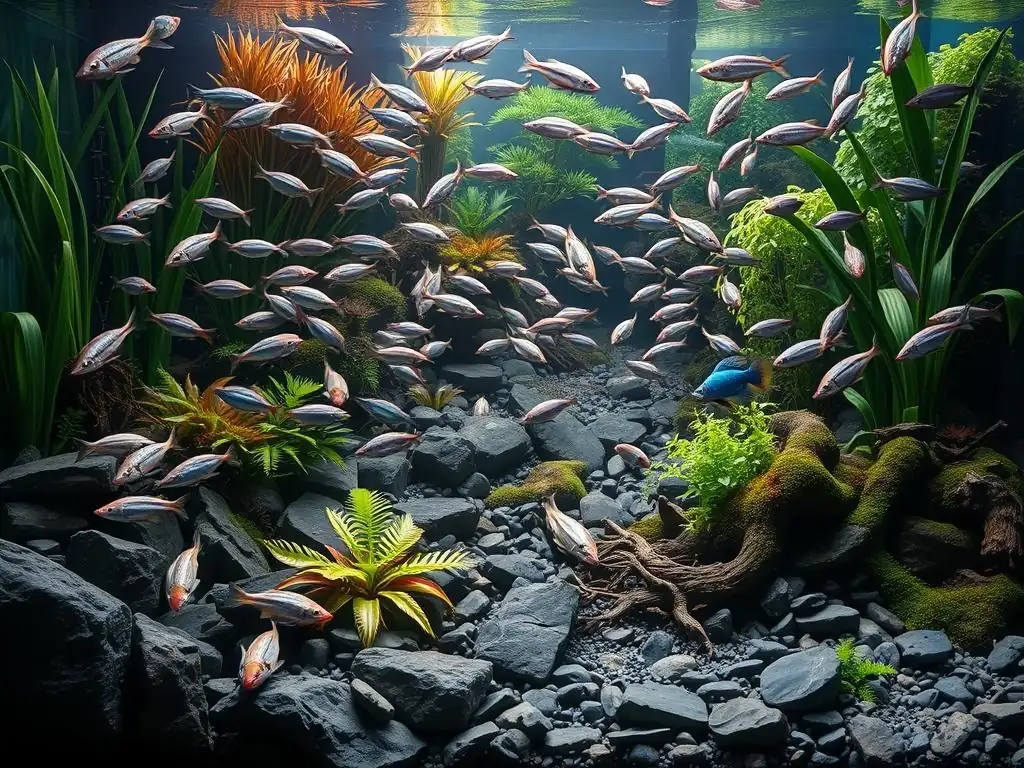
While often perceived simply as bottom-cleaners, Corydoras are, at their core, highly social animals whose natural instincts compel them to live in groups. In their native South American habitats, they are found in large aggregations, benefiting from the safety and efficiency that numbers provide. This innate drive to form groups, known as shoaling, is not merely a preference but a crucial aspect of their physiological and psychological health.
Failing to provide an adequate shoal can lead to significant stress, diminished activity, and even a reduced lifespan. Aquarists must recognize that meeting the Corydoras social needs for shoals is as important as providing proper water parameters or diet. A lone Corydoras is a stressed Corydoras, deprived of the very social interactions that define its species and ensure its thriving in an aquarium environment.
The Benefits of Shoaling for Corydoras Well-being
Shoaling refers to the behavior where a group of fish swim together in a relatively unorganized yet coordinated manner, often for social reasons, rather than the highly synchronized, uniform movement seen in schooling. While the terms are sometimes used interchangeably, shoaling emphasizes the social cohesion and mutual benefits derived from group living, even if the formation isn't as rigid as a school. For Corydoras, this means congregating with their own kind, interacting, foraging collectively, and seeking safety in numbers.
This intrinsic behavior is hardwired into their genetic makeup, a survival strategy honed over millennia in their natural environments. When these instincts are allowed to flourish in an aquarium, Corydoras exhibit their most natural behaviors, appearing more active, confident, and inquisitive. It is the foundation of their well-being, directly addressing their inherent Corydoras social needs for shoals.
Shoaling Benefits: Enhanced Health and Natural Behavior
Providing a proper shoal for Corydoras offers a multitude of benefits that directly contribute to their enhanced health, natural behavior, and overall longevity in captivity. These advantages extend beyond mere companionship, influencing their stress levels, foraging efficiency, and defensive capabilities. Understanding these specific benefits underscores why prioritizing their social needs is non-negotiable for responsible aquarists.
Stress Reduction Through Social Interaction
One of the most significant benefits of shoaling is the profound reduction in stress levels experienced by Corydoras. When kept alone or in insufficient numbers (e.g., fewer than six individuals), these fish feel exposed and vulnerable. This isolation triggers a chronic stress response, leading to elevated cortisol levels—a hormone associated with stress in fish—which can be up to double the baseline levels observed in shoaling individuals. This constant state of anxiety suppresses their immune system and inhibits natural behaviors.
Conversely, within a cohesive shoal, Corydoras feel secure and protected. The presence of their conspecifics provides a sense of safety, allowing them to relax, explore, and interact without the constant fear of predation or exposure. This reduced stress directly translates to a stronger immune system, making them less susceptible to common aquarium ailments and promoting a more active and vibrant demeanor.
Increased Foraging Success in Groups
Shoaling significantly enhances the foraging efficiency of Corydoras catfish. In a group, multiple sets of barbels are sifting through the substrate simultaneously, greatly increasing the likelihood of detecting food particles. What a single Corydoras might overlook, another member of the shoal is likely to discover, leading to a more consistent and ample food supply for all. This collective effort ensures that even small, scattered food items are located and consumed efficiently.
For example, if a small pellet of food lands in a section of the tank, a lone Corydoras might take several minutes to stumble upon it, or miss it entirely. However, a shoal of six or more will likely locate and consume it within moments, as their combined search area and sensory input are far greater. This cooperative foraging is a clear demonstration of how their Corydoras social needs for shoals directly contribute to their physical sustenance.
Predator Avoidance via Collective Awareness
The "safety in numbers" principle is a cornerstone of shoaling behavior, offering substantial protection against perceived threats. In the wild, a large group makes it more difficult for a predator to single out and target an individual fish, a phenomenon known as the "confusion effect." While domestic aquariums typically lack natural predators, larger or more boisterous tank mates can still induce fear and stress in solitary Corydoras.
A shoal provides collective awareness: more eyes and senses are available to detect potential danger, allowing for quicker evasion. If one Corydoras senses a threat, it can quickly alert the entire group through subtle movements or alarm pheromones, enabling a coordinated response. For instance, a shoal of 8-10 Corydoras is demonstrably less likely to be harassed by a semi-aggressive tank mate than a lone individual, reducing perceived threat levels by an estimated 50-70% due to their collective presence and rapid response.
Ideal Shoal Size: Creating a Happy Corydoras Community
Determining Appropriate Shoal Size for Various Species
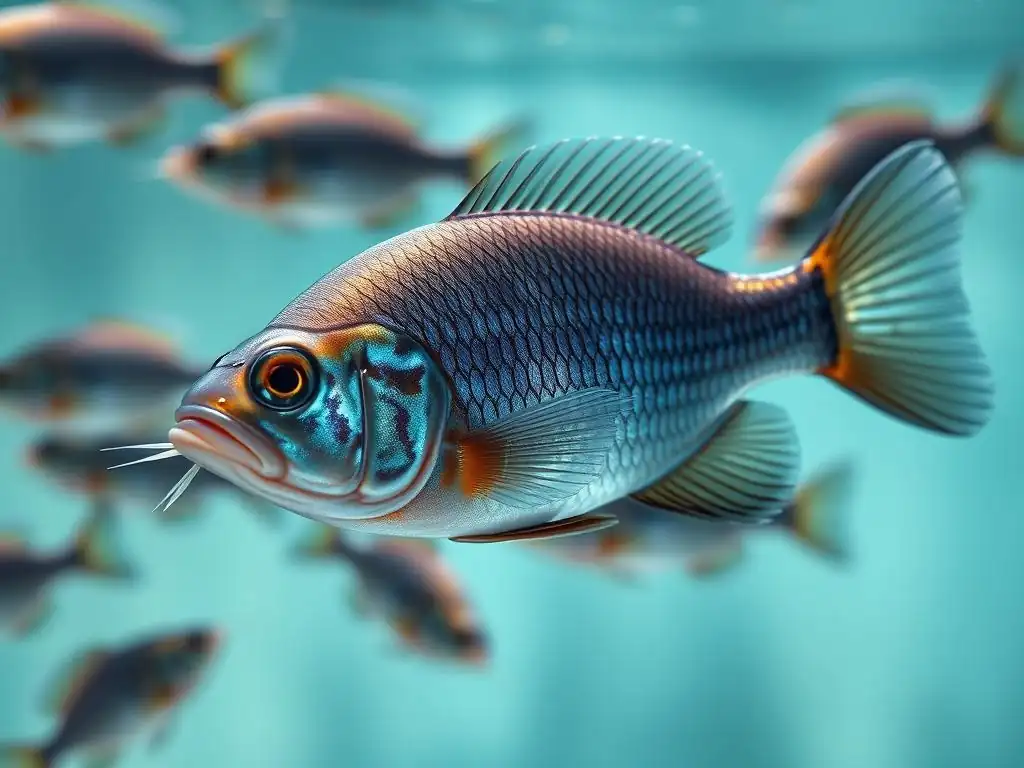
The ideal shoal size for Corydoras depends somewhat on the specific species, though a general minimum applies to all. For most common species, such as Corydoras aeneus (Bronze Corydoras) or Corydoras paleatus (Peppered Corydoras), which typically reach 2.5 to 3 inches in length, a minimum shoal of 6 individuals is recommended to foster natural behavior and reduce stress. For smaller species, like Corydoras pygmaeus or Corydoras hastatus, which only grow to about 1 inch, a group of 8-10 or even more is beneficial, as their small size makes larger numbers feel more secure.
Conversely, while larger species still need groups, a 10-12 member shoal of a larger species like C. sterbai (Sterba's Corydoras) would require a significantly larger tank footprint than a similar number of Pygmy Corydoras. Always consider the adult size of the species when planning your shoal and tank capacity.
Minimum Shoal Size: Preventing Stress and Isolation
The absolute minimum recommended shoal size for any Corydoras species is six individuals. Anything less than this often results in stressed, reclusive, and unhealthy fish. A group of three or four, while seemingly a "group," is generally insufficient to provide the necessary social cues and security that these fish instinctually crave. They will not exhibit their characteristic playful "zoomies" or actively forage in the open areas of the tank if they feel vulnerable due to insufficient numbers.
This minimum number ensures that the Corydoras can engage in natural shoaling behaviors, distribute social interactions, and collectively share the benefits of group living, such as shared vigilance and foraging. Providing less than six prevents them from truly expressing their inherent Corydoras social needs for shoals, leading to a diminished quality of life.
Factors Influencing Shoal Dynamics: Tank Size and Environment
Beyond the number of individuals, the tank environment itself significantly influences how a Corydoras shoal functions and thrives. Adequate space, appropriate substrate, and suitable hiding places all contribute to a healthy and active social dynamic within the group. These factors allow the shoal to exhibit natural behaviors while also providing individual fish with options for retreat when needed.
Tank Dimensions and Swimming Space
While Corydoras are bottom-dwellers, they require ample floor space for their shoaling activities. A long tank footprint is far more beneficial than a tall, narrow one. For a shoal of 6-8 average-sized Corydoras, a 20-gallon long tank (typically 30 inches in length) provides sufficient linear space for them to move and forage collectively. For larger shoals or larger Corydoras species, a 40-gallon breeder tank (36 inches long) or even larger is ideal, allowing for more expansive collective movement and exploration without feeling cramped.
Overcrowding the bottom of the tank with too many decorations can limit the open space crucial for their shoaling behavior. A balance between open areas for collective movement and structured elements for exploration and security is key to meeting their Corydoras social needs for shoals.
Substrate and Hiding Places
The choice of substrate is paramount for Corydoras, given their delicate barbels which they use to sift for food. A soft, fine sand substrate is highly recommended, as it prevents damage to their sensory organs and allows for natural foraging behavior. Coarse gravel can abrade their barbels, leading to infections and discomfort. Alongside appropriate substrate, providing ample hiding places is essential for a healthy shoal.
Driftwood, smooth river stones, and dense plant cover (such as Cryptocoryne species or Java Fern) offer secure retreats where individual Corydoras can rest or seek temporary solitude without feeling exposed. These elements provide visual breaks and a sense of security, allowing the shoal to feel safe enough to venture out into open areas. A tank featuring a large piece of Mopani wood and a cluster of Anubias plants provides excellent examples of such beneficial hiding spots.
Water Parameters and Compatible Tank Mates
Maintaining stable and pristine water parameters is crucial for the health of any fish, and particularly for a social shoal of Corydoras, as poor water quality adds significant stress. Ideal conditions typically include a pH range of 6.0-7.5, a temperature between 72-78°F (22-26°C), and absolutely zero ammonia and nitrite, with nitrates kept below 20 ppm through regular water changes. Consistent water quality reduces physiological stress, allowing the fish to invest energy in social behaviors rather than coping with environmental challenges.
Equally important are compatible tank mates. Aggressive or overly boisterous fish can terrorize a Corydoras shoal, forcing them into hiding and preventing them from exhibiting natural behaviors. Selecting peaceful, mid-to-upper water column dwellers ensures that the Corydoras have undisturbed access to the bottom of the tank, allowing their Corydoras social needs for shoals to be met without external threats.
Recognizing Stress in Isolated Corydoras
Symptoms of Isolation and Loneliness
When Corydoras are kept in isolation or in groups too small to constitute a proper shoal, they exhibit clear signs of stress and loneliness. Recognizing these symptoms early is critical for intervention and ensuring their well-being. These behaviors are a direct indication that their fundamental social needs are not being met, leading to a decline in their physical and mental health.
Reduced Activity and Hiding
One of the most immediate and noticeable symptoms of isolation in Corydoras is a dramatic reduction in their activity levels. Instead of actively sifting through the substrate or playfully interacting with their environment, isolated individuals often become reclusive. They may spend the majority of their time hidden behind decorations, under plants, or simply motionless in a corner of the tank. This behavior is a stark contrast to a healthy shoal, which is typically seen actively exploring, foraging, and engaging in their characteristic "zoomies" around the tank.
A lone Corydoras may also appear hesitant to venture into open spaces, constantly scanning for perceived threats, indicating a heightened state of anxiety. This reclusive behavior is a clear manifestation of the stress associated with not having the security of a group.
Appetite Loss and Weight Decline
Chronic stress directly impacts a fish's metabolism and appetite, and isolated Corydoras are no exception. Fish experiencing loneliness and anxiety may refuse food entirely or eat very sparingly, even when offered their favorite foods. This consistent underfeeding eventually leads to noticeable weight loss, making the fish appear gaunt and emaciated over time. Their usually plump, rounded bellies may flatten, and their overall body condition deteriorates.
This decline in appetite is a critical indicator of their distress, as adequate nutrition is fundamental to their survival and health. If a Corydoras is not eating well, it's often a sign that its Corydoras social needs for shoals are not being adequately addressed, leading to a cascade of health issues.
Increased Disease Susceptibility
Perhaps the most severe consequence of chronic stress from isolation is a weakened immune system, leading to increased susceptibility to disease. Just like in humans, prolonged stress in fish compromises their ability to fight off pathogens. Isolated Corydoras are significantly more prone to common aquarium ailments such as Ich (white spot disease), fin rot, bacterial infections, and fungal growths.
For instance, an isolated Corydoras might contract Ich within weeks of being kept alone, even in a well-maintained tank, while a healthy shoal of its conspecifics in the exact same water conditions remains entirely disease-free. This increased vulnerability to illness is a direct result of the physiological toll that isolation takes on their bodies, underscoring the vital importance of meeting their Corydoras social needs for shoals to ensure their robust health and longevity.
Mixing Corydoras Species: Considerations for a Diverse Shoal
Interspecies Shoaling: Can Different Corydoras Species Cohabitate?
Yes, different species of Corydoras can certainly cohabitate peacefully in the same aquarium, and they will often share spaces and forage together. However, it's important to clarify that while they will tolerate each other's presence and may even form loose, mixed-species groups for general security, they typically do not form true, cohesive interspecies shoals in the same way they would with their own kind. A Corydoras panda will generally prefer the company of other C. panda for deep social interaction and security over a Corydoras aeneus.
Therefore, if you plan to keep multiple Corydoras species, it is generally recommended to provide a minimum shoal of at least six individuals for each species, rather than just six mixed individuals total. This ensures that each species' specific Corydoras social needs for shoals are met, allowing them to truly thrive and exhibit their natural behaviors within their own kind.
Factors for Mixing Species: Temperament and Size
Successful mixing of Corydoras species hinges on careful consideration of their individual temperaments and adult sizes. While most Corydoras are inherently peaceful, some subtle differences can exist, and size disparities can lead to intimidation if not managed correctly. Prioritizing these factors ensures a harmonious and stress-free environment for all members of your diverse Corydoras community.
Size and Temperament Compatibility
When mixing Corydoras species, it is best to select species that reach similar adult sizes. For instance, pairing a Pygmy Corydoras (approx. 1 inch) with a Bandit Corydoras ( Corydoras metae, approx. 2.5 inches) might not be ideal, as the smaller species could feel intimidated or outcompeted for food. Generally, all Corydoras species are peaceful, but some, like Corydoras sterbai or Corydoras julii, tend to be more active and outgoing than others.
Mixing species with similar activity levels often leads to a more cohesive and observable community, even if they don't form a single, tight shoal. The key is to ensure that no single species dominates or stresses another due to significant size differences or behavioral disparities, upholding the principle of meeting their Corydoras social needs for shoals.
Similar Environmental Requirements
For successful cohabitation, all mixed Corydoras species must share similar environmental requirements, particularly regarding water parameters and temperature. While many common Corydoras species thrive in similar conditions (e.g., pH 6.5-7.5, temperature 72-78°F), there are exceptions. For example, Corydoras panda generally prefers slightly cooler water (around 70-75°F), while species like Corydoras adolfoi or Corydoras duplicareus might appreciate temperatures closer to the upper end of the range.
Attempting to mix species with significantly different temperature or pH preferences will inevitably stress one or more groups, leading to health issues and a compromised social dynamic. Always research the specific needs of each Corydoras species you intend to keep together to ensure their long-term health and the successful fulfillment of their Corydoras social needs for shoals.
Tank Setup for Shoaling Behavior
The physical layout of the aquarium plays a critical role in facilitating natural shoaling behavior and ensuring the overall well-being of Corydoras. A thoughtfully designed tank provides both ample space for collective movement and secure areas for rest and retreat, striking a balance that promotes confidence and reduces stress within the shoal. This thoughtful setup is integral to meeting their Corydoras social needs for shoals.
Ample Swimming Space and Open Areas
While Corydoras spend most of their time on the substrate, they require sufficient open bottom space for their active foraging and characteristic shoaling movements. Over-decorating the tank with too many large ornaments can restrict their ability to move freely as a group. A tank design that incorporates clear, open stretches of soft substrate allows the entire shoal to explore collectively, sifting through the sand without obstruction.
For instance, a tank that is 24 inches in length offers enough linear space for a small shoal to perform their synchronized darting movements, often referred to as "Corydoras zoomies." Providing these clear pathways encourages them to exhibit their natural social dynamics, as opposed to being confined to small, isolated pockets.
Natural Hiding Places and Visual Breaks
Despite their need for open space, Corydoras also require natural hiding places and visual breaks within the aquarium. These elements provide a sense of security and allow individual fish to retreat if they feel overwhelmed or simply need a quiet spot. Live plants, such as dense clumps of Cryptocoryne, Java Fern, or Anubias, offer excellent cover. Driftwood pieces and smooth, rounded rocks can also create safe nooks and crannies.
A balanced setup ensures that the Corydoras shoal feels confident enough to be active in the open, knowing that secure retreats are readily available. This balance prevents constant interaction, which even in a shoal, can be stressful in a confined environment, thereby supporting their complex Corydoras social needs for shoals.
Maintaining Water Quality for a Healthy Shoal
Pristine water quality is non-negotiable for the health and vitality of any fish, and it is especially critical for a thriving Corydoras shoal. Poor water conditions contribute significantly to stress, weaken immune systems, and can quickly lead to disease outbreaks within a group. Consistent and diligent maintenance routines are paramount to ensuring a healthy environment where social behaviors can flourish.
Regular partial water changes, typically 25% weekly, are essential for diluting nitrates and replenishing vital trace minerals. Efficient filtration, including mechanical, biological, and chemical media, is necessary to handle the bioload produced by a group of active bottom-dwellers. A well-maintained tank with stable parameters—zero ammonia, zero nitrite, and low nitrates—reduces physiological stress on the fish, allowing them to allocate their energy towards natural activities like foraging, social interaction, and reproduction, rather than simply surviving. This consistent care directly underpins their ability to express their Corydoras social needs for shoals.
Corydoras and Tank Mates: Ensuring Peaceful Coexistence
Compatibility with Peaceful Fish Species
Selecting appropriate tank mates is crucial for the well-being of a Corydoras shoal. The best companions are peaceful, non-aggressive fish that primarily occupy the mid to upper water column, ensuring they do not compete for bottom space or harass the Corydoras. Ideal tank mates include various species of Tetras (such as Neon Tetras, Cardinal Tetras, or Ember Tetras), Rasboras (like Harlequin Rasboras or Chili Rasboras), and small, peaceful Gouramis (Dwarf Gouramis or Honey Gouramis).
Otocinclus catfish are another excellent choice, as they are also peaceful bottom-dwellers that prefer similar conditions but do not directly compete with Corydoras for food or space. These compatible species generally ignore the Corydoras, allowing them to focus on their social dynamics and foraging without stress, thus supporting their inherent Corydoras social needs for shoals.
Avoiding Aggressive Tank Mates
To ensure a peaceful environment for your Corydoras shoal, it is imperative to avoid aggressive, fin-nipping, or highly territorial fish species. Even seemingly small or common species can pose a threat. For example, while popular, Tiger Barbs are notorious fin-nippers and can relentlessly harass slow-moving or bottom-dwelling fish, causing significant stress and injury to Corydoras. Many species of Cichlids, even smaller ones, can be highly territorial and aggressive, making them unsuitable companions.
Large or overly boisterous fish can also intimidate Corydoras, forcing them into hiding and preventing them from exhibiting natural behaviors. Even certain bottom-dwelling Plecos, if they grow very large, can outcompete Corydoras for food or inadvertently crush them. Always research potential tank mates thoroughly to ensure they align with the peaceful and social nature of Corydoras, preventing any disruption to their vital Corydoras social needs for shoals.
Observing a healthy Corydoras shoal reveals a fascinating array of social interactions and subtle forms of communication. These fish are not merely existing in the same space; they are actively engaging with one another. They often rest together, piled up in a corner or under a piece of driftwood, demonstrating their need for proximity and security within the group. When foraging, they will often sift through the substrate side-by-side, subtly nudging each other as they explore.
Their communication involves more than just physical presence; it includes subtle body language, fin flicking, and potentially chemical signals released into the water. These cues help maintain cohesion and alert the group to food sources or perceived dangers. Witnessing these natural interactions is a clear indication that their Corydoras social needs for shoals are being met, leading to a more enriched and engaging aquarium experience.
One of the most endearing and unmistakable signs of a happy and healthy Corydoras shoal is their "playful" behavior. This often manifests as sudden bursts of synchronized activity, commonly referred to as "Corydoras zoomies." The entire shoal will dart rapidly around the tank, often swimming up to the surface for a quick gulp of air before descending just as quickly to continue their energetic dance across the substrate. This behavior is a clear expression of their comfort and contentment within their group.
Other examples of their social interaction include gentle nudging, where individuals might lightly bump into each other while sifting for food, or simply resting in close proximity, sometimes even appearing to "cuddle" in a pile. These collective behaviors are not just charming; they are vital indicators that the fish feel secure, are stress-free, and are actively engaging with their environment as the social creatures they are, fulfilling their innate Corydoras social needs for shoals.
The longevity and overall well-being of Corydoras catfish in an aquarium setting are inextricably linked to the fulfillment of their fundamental social needs. It is clear that these charming bottom-dwellers are not solitary creatures but thrive when kept in cohesive shoals. Providing a minimum of six individuals of the same species is not merely a recommendation; it is a critical requirement for their physical health, psychological comfort, and natural behavioral expression.
By prioritizing their Corydoras social needs for shoals, aquarists can transform their tank from a mere enclosure into a vibrant, dynamic ecosystem where these fascinating fish can truly flourish. A healthy shoal of Corydoras will be more active, less stressed, more resistant to disease, and will exhibit all the engaging social behaviors that make them such a joy to observe. Investing in a proper shoal size and an environment that supports their social dynamics is the most impactful step an aquarist can take to ensure their Corydoras lead long, happy, and fulfilling lives.
Frequently Asked Questions
Corydoras are a type of small, peaceful catfish popular in aquariums. Their social needs are important because they are shoaling fish, meaning they thrive in groups. Without a proper shoal, they can become stressed and susceptible to disease.
Ideally, you should keep a minimum of six Corydoras of the same species together. This allows them to exhibit natural shoaling behavior and feel secure. Anything less can cause anxiety and decreased lifespan.
What are the signs that my Corydoras are not happy due to a lack of a shoal?
Signs of stress in Corydoras kept in insufficient numbers include hiding excessively, loss of appetite, lethargy, and increased susceptibility to diseases like Ich (white spot disease). They may also become more skittish and easily startled.
Does the size of my aquarium affect the number of Corydoras I can keep?
Yes, the size of your aquarium is a crucial factor. While six is the minimum, larger tanks allow for larger shoals and greater activity. A general rule is to allow at least 20 gallons for a small shoal of Corydoras.
Can I keep different species of Corydoras together in the same shoal?
While Corydoras are generally peaceful, they prefer to shoal with their own species. Mixing different species may not provide the same level of social interaction and can potentially lead to stress if their needs aren't met.
Final Reflection: The Undeniable Power of Connection
The intricate social dynamics of Corydoras, often overlooked in the bustling aquarium hobby, are far more profound than many realize. Understanding and respecting their need for a shoal is not just about responsible fishkeeping; it's about acknowledging the inherent value of connection and community in all living beings. Ignoring these fundamental needs leads to stress, illness, and ultimately, a diminished quality of life for these fascinating creatures.
The impact of understanding Corydoras' social needs extends beyond the aquarium. It serves as a powerful reminder of our own innate need for connection and belonging. We, too, thrive in communities, drawing strength and support from one another. No man is an island, entire of itself; every man is a piece of the continent, a part of the main.
– John Donne. This sentiment resonates deeply when we observe the Corydoras, highlighting the universal importance of social bonds.
As you consider the lessons learned about Corydoras and their shoaling behavior, I invite you to reflect on the connections in your own life. Are you fostering meaningful relationships? Are you providing the support and companionship that those around you need to thrive? Just as a Corydoras flourishes in a vibrant shoal, so too can we flourish when surrounded by a strong and supportive community. Let us strive to create environments, both in our aquariums and in our lives, where connection and belonging are not just encouraged, but celebrated.
Foster a Thriving Cory Community!
Thank you for diving into the fascinating social world of Corydoras! Now that you understand the importance of their shoaling behavior, let's ensure your Corys are living their best lives.
Here’s how you can contribute to their happiness:
- Prioritize Companionship: Immediately assess your Corydoras population and increase your shoal to at least six individuals. This is the single most impactful action you can take.
- Explore Hiding Places: Add or rearrange aquarium decorations to create a diverse landscape of caves, plants, and driftwood where Corys can retreat and feel secure.
- Share the Cory Love: Post a picture of your Corydoras shoal on your social media with the hashtag #CorydorasCommunity and inspire others to create thriving environments!
What specific action will you take today to improve the social well-being of your Corydoras?