
Why Wrasses? Unveiling the Charm and Utility of These Reef Jewels

Welcome to Aquarium Mastery!
Ever wondered how to add a dazzling splash of color and a touch of playful personality to your reef aquarium? Dive in with us as we explore the fascinating world of colorful wrasses, those vibrant jewels that are not only beautiful but also incredibly useful in maintaining a healthy reef environment. Get ready to uncover the secrets to successfully keeping these captivating creatures thriving in your saltwater paradise!
- Discovering the Allure of Colorful Wrasses for Your Reef Aquarium
- Understanding Wrasses: Essential Information for Aquarium Enthusiasts
- Benefits of Adding Wrasses to Your Saltwater Aquarium
- Choosing the Right Wrasse for Your Reef Tank: A Compatibility Guide
- Popular Colorful Wrasses for Reef Aquariums: Species Spotlight
- Wrasse Care: Providing Optimal Conditions for Thriving Wrasses
- Common Challenges and Solutions in Wrasse Keeping
- The Future of Wrasses in Reef Aquariums: Conservation and Responsible Keeping
- Conclusion: Embracing the Beauty and Benefits of Wrasses in Your Reef Aquarium
-
Frequently Asked Questions
- Why are wrasses a good choice for a reef aquarium?
- What are the key considerations when selecting a wrasse for my reef tank?
- How do wrasses contribute to a healthy reef ecosystem?
- What are some common challenges associated with keeping wrasses?
- What kind of care is required to keep colorful wrasses thriving in a reef aquarium?
- Final Reflection: The Enduring Allure of Reef Harmony
- Dive Deeper: Unleash the Wrasse Wonderland in Your Own Aquarium!
Discovering the Allure of Colorful Wrasses for Your Reef Aquarium
The Captivating Beauty of Wrasses: A Visual Feast for Reef Keepers
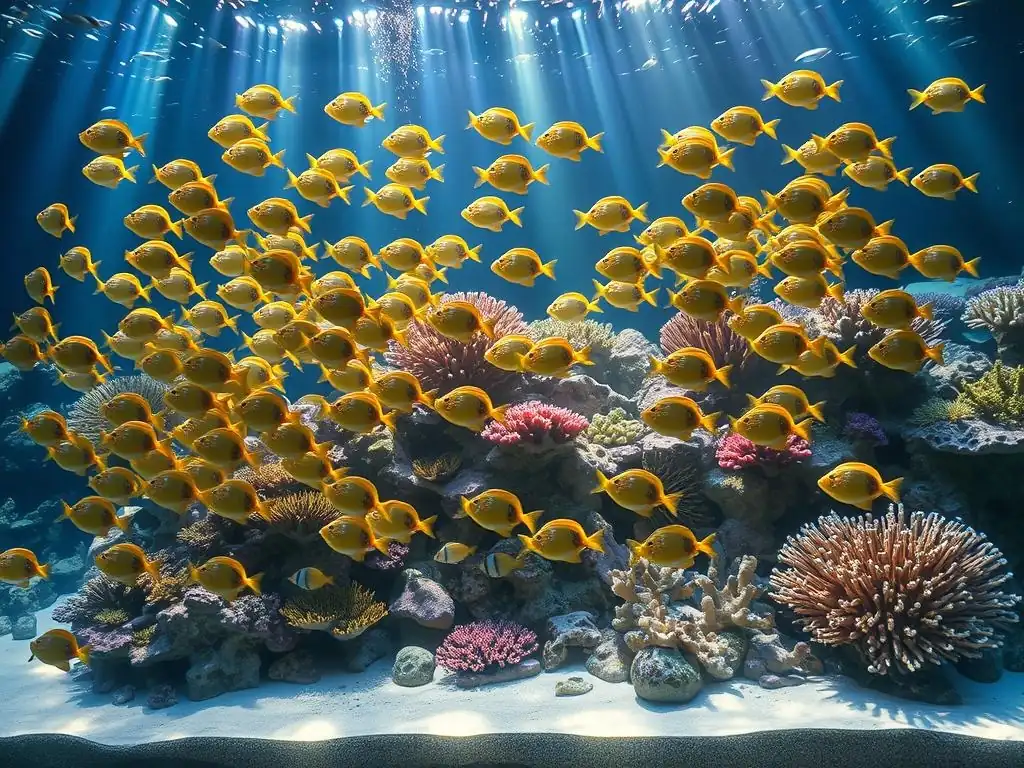
Wrasses are undeniably one of the most visually stunning additions to any saltwater aquarium, offering an unparalleled spectrum of colors and patterns that immediately draw the eye. Their vibrant hues, ranging from electric blues and fiery reds to iridescent greens and intricate mosaic patterns, provide a dynamic visual centerpiece. Many species exhibit dazzling changes in coloration throughout the day or during courtship displays, making them a constant source of fascination for reef keepers and a true testament to the beauty of colorful wrasses in a reef aquarium.
Beyond their static beauty, the active and inquisitive nature of wrasses adds significant movement and life to the reef environment. Species like the Flasher Wrasses ( Paracheilinus spp.) are renowned for their spectacular "flashing" displays, where males momentarily intensify their colors and extend their fins to attract females, creating a breathtaking show. This combination of vibrant aesthetics and engaging behavior ensures that colorful wrasses become the jewels of a reef aquarium, transforming it into a living work of art.
Beyond Aesthetics: The Functional Role of Wrasses in Reef Ecosystems
While their beauty is paramount, wrasses offer far more than just visual appeal; they play crucial ecological roles that translate into significant benefits for the home reef aquarium. In their natural habitats, these diverse fish are active foragers, constantly patrolling the reef for small invertebrates, parasites, and detritus. This natural behavior makes them indispensable members of the reef ecosystem, contributing to its overall health and balance.
In a closed aquarium system, these inherent behaviors directly address common challenges faced by reef keepers. Their natural inclination to hunt and pick at various organisms makes certain wrasse species invaluable allies in biological pest control, effectively reducing populations of unwanted flatworms or nuisance anemones. Furthermore, their continuous foraging can help maintain a cleaner substrate, preventing the accumulation of detritus and promoting a healthier environment, solidifying their utility beyond just being colorful wrasses for a reef aquarium.
Understanding Wrasses: Essential Information for Aquarium Enthusiasts
What Exactly Are Wrasses? Exploring the Labridae Family
Wrasses belong to the expansive Labridae family, one of the largest and most diverse families of marine fish, encompassing over 500 recognized species. This incredibly varied group is predominantly found in tropical and subtropical waters worldwide, inhabiting a wide range of marine environments from shallow coral reefs to deeper rocky substrates and seagrass beds. Their adaptability and widespread distribution contribute to the vast array of forms and behaviors observed within the family.
Members of the Labridae family share some common characteristics, including generally elongated bodies, often with prominent lips and a single, long dorsal fin. A fascinating biological trait common to many wrasse species is protogynous hermaphroditism, where individuals begin life as females and can later transition into males, often triggered by social cues or environmental factors. This ability to change sex adds another layer of complexity to their social dynamics and breeding behaviors, making them unique inhabitants for a colorful wrasses reef aquarium.
Natural Habitat and Behavior of Wrasses in the Wild
In their natural environments, wrasses exhibit a wide array of behaviors tailored to their specific niches. Most species are diurnal, actively foraging during daylight hours and seeking refuge at night. Many wrasses, particularly those from the genera Halichoeres and Macropharyngodon, are known to bury themselves completely in the sand bed at dusk or when startled, remaining submerged until dawn. This behavior provides protection from nocturnal predators and is a critical consideration for their care in a reef aquarium.
Their feeding strategies are equally diverse, reflecting their varied diets. Some wrasses are specialized invertebrate feeders, meticulously picking copepods, amphipods, and other microfauna from live rock and sand. Others act as cleaners, removing parasites from larger fish, while some larger species are more predatory. This constant activity and specific foraging behaviors contribute significantly to the health and biodiversity of natural reef ecosystems, mirroring the benefits they can bring to a well-maintained colorful wrasses reef aquarium.
Benefits of Adding Wrasses to Your Saltwater Aquarium
Wrasses as Natural Pest Control: Eliminating Unwanted Aquarium Guests
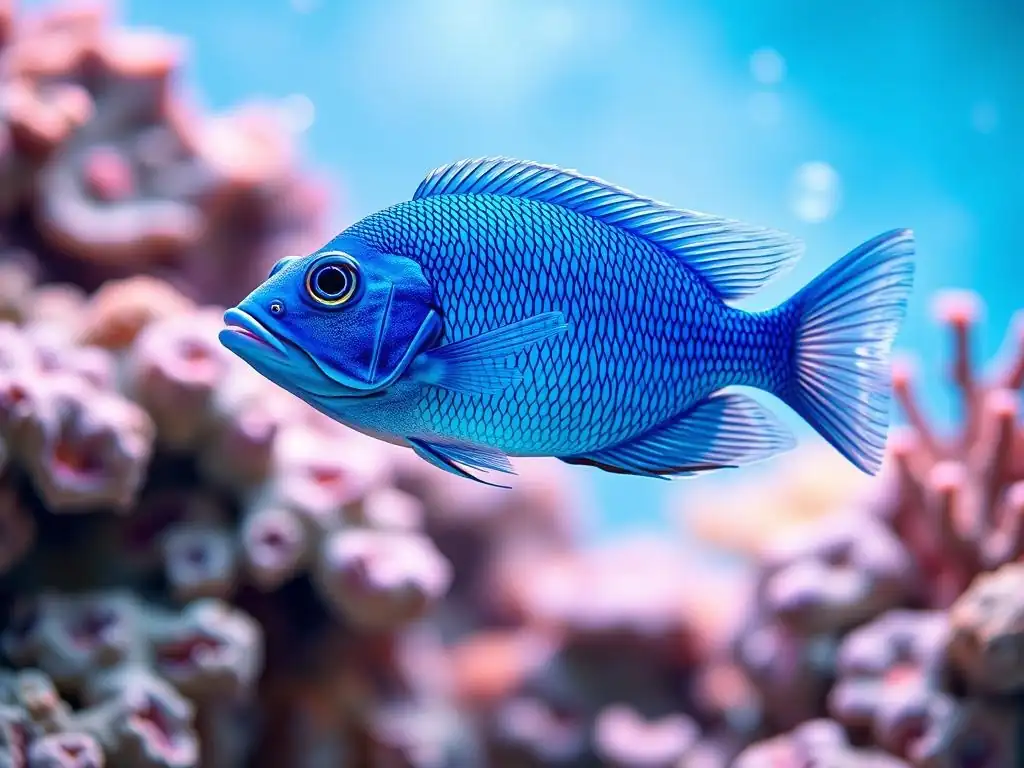
One of the most compelling reasons to introduce certain wrasse species into a reef aquarium is their remarkable ability to act as natural pest control agents. Unlike chemical treatments that can sometimes harm corals or beneficial invertebrates, wrasses offer a biological solution to common nuisance organisms. Their natural diet often includes small, unwanted pests that can quickly proliferate in a closed system, making them invaluable allies for maintaining a pristine and healthy reef environment.
This biological approach to pest management is not only safer for the delicate balance of a reef tank but also provides a continuous, active defense against re-infestations. By continuously foraging and preying on these pests, wrasses help to keep their populations in check, reducing the need for manual removal or more aggressive interventions. This makes them a highly sought-after addition for any colorful wrasses reef aquarium struggling with persistent pest issues.
Wrasses vs. Flatworms: A Biological Control Solution
Red Planaria ( Convolutriloba retrogemma) and other parasitic flatworms are a persistent scourge for many reef keepers, capable of quickly blanketing corals and impeding their health. Several wrasse species are renowned for their appetite for these unwelcome guests, offering an effective and natural method of control. The Six Line Wrasse ( Pseudocheilinus hexataenia), for instance, is a popular choice for its diligent hunting of various flatworm species, often significantly reducing their numbers within weeks of introduction.
Similarly, certain Leopard Wrasses ( Macropharyngodon spp.) and some Halichoeres species are also known to actively prey on flatworms. While no single fish can guarantee 100% eradication, these wrasses serve as a continuous biological deterrent, helping to keep flatworm populations at manageable levels. Their consistent foraging behavior makes them an excellent, eco-friendly option for safeguarding the health of corals and other invertebrates in a colorful wrasses reef aquarium.
Wrasses for Aiptasia Control: Keeping Your Reef Free from Nuisance Anemones
Aiptasia (glass anemones) are another pervasive nuisance that can rapidly spread and sting corals, posing a significant threat to a reef aquarium's health and aesthetics. While less common than their flatworm-eating counterparts, some wrasse species have been observed to occasionally pick at these unwanted anemones, offering a potential supplemental control method. The Yellow Coris Wrasse ( Halichoeres chrysus), for example, has been reported by some hobbyists to nip at Aiptasia, though this behavior is not guaranteed for every individual.
It is important to note that while some wrasses may contribute to Aiptasia control, they are generally not considered as reliable as dedicated Aiptasia predators like Berghia nudibranchs or certain butterflyfish. Nevertheless, their general foraging habits and occasional appetite for these pests can provide an additional line of defense in a comprehensive pest management strategy. For a colorful wrasses reef aquarium, any contribution to pest control is a welcome benefit.
Wrasses as Reef Cleaners: Maintaining a Healthy Substrate
Beyond pest control, many wrasse species contribute to the overall cleanliness and health of the reef aquarium by acting as diligent substrate cleaners. Species that constantly sift through the sand, such as the Yellow Coris Wrasse ( Halichoeres chrysus) and the Leopard Wrasse ( Macropharyngodon meleagris), play a vital role in aerating the sand bed and consuming detritus, uneaten food, and various small organisms. This continuous activity helps prevent the buildup of anaerobic pockets and promotes a healthier benthic environment.
Their relentless foraging also helps to maintain a thriving population of beneficial microfauna within the sand and live rock, which in turn contributes to nutrient cycling and overall system stability. By disturbing the sand bed, they release trapped organic matter, making it accessible for filtration and removal. This natural cleaning service provided by these colorful wrasses helps ensure a pristine and balanced reef aquarium, reducing the need for manual siphoning and maintaining optimal water quality.
Choosing the Right Wrasse for Your Reef Tank: A Compatibility Guide
Reef-Safe Wrasses: Selecting Species That Won't Harm Corals
When considering adding colorful wrasses to a reef aquarium, selecting truly "reef-safe" species is paramount to ensure the well-being of your corals and other invertebrates. While many wrasses are excellent inhabitants for a reef tank, some larger or more predatory species can pose a threat to small crustaceans, mollusks, or even certain corals. Reef-safe wrasses primarily feed on small invertebrates and parasites, or are piscivorous, but do not actively consume corals.
Excellent examples of reliably reef-safe wrasses include most species from the Cirrhilabrus (Fairy Wrasses) and Paracheilinus (Flasher Wrasses) genera, as well as the popular Six Line Wrasse ( Pseudocheilinus hexataenia). Many Halichoeres species are also considered reef-safe, though some may occasionally nip at feather dusters or small ornamental shrimp. Always research the specific species thoroughly to confirm its reef compatibility before introduction to your colorful wrasses reef aquarium.
Temperament Considerations: Ensuring Peaceful Coexistence in Your Aquarium
The temperament of wrasses can vary significantly between species, ranging from incredibly peaceful community members to territorial or semi-aggressive individuals. Understanding these nuances is crucial for ensuring a harmonious environment in your reef aquarium. Peaceful wrasses, such as the Flasher and Fairy Wrasses, are generally ideal for mixed reef tanks and typically coexist well with most other docile fish.
However, some species, like the Six Line Wrasse, can exhibit territorial behavior, especially towards smaller, similar-looking fish or those introduced after them. Larger wrasses, such as some Coris or Thalassoma species, can become aggressive as they mature and may prey on smaller tank mates. It is advisable to introduce wrasses as one of the last fish additions to an established tank and to provide ample hiding spots and visual barriers to minimize potential conflicts among the colorful wrasses in a reef aquarium.
Size and Growth Rate: Planning for the Future of Your Wrasse
Considering the adult size and growth rate of a wrasse species is vital for long-term planning and ensuring adequate space in your reef aquarium. Wrasses exhibit a vast range in maximum adult size, from miniature species like the Tanaka's Possum Wrasse ( Wetmorella nigropinnata) which reaches only about 2 inches, to much larger species such as the Dragon Wrasse ( Novaculichthys taeniourus) that can exceed 10 inches. Housing a wrasse in an inappropriately small tank can lead to stunted growth, stress, and increased aggression.
For instance, a popular Six Line Wrasse typically reaches an adult size of 3-4 inches and can be comfortably housed in a 30-gallon tank or larger. In contrast, a Yellow Coris Wrasse, which grows up to 5 inches, generally requires a minimum of a 50-gallon aquarium with a sufficient sand bed. Always research the species' maximum size and typical growth rate to ensure your tank can comfortably accommodate it throughout its life, providing ample swimming space for colorful wrasses in a reef aquarium.
Popular Colorful Wrasses for Reef Aquariums: Species Spotlight
The Radiant Six Line Wrasse (Pseudocheilinus hexataenia): Detailed Profile and Care Tips
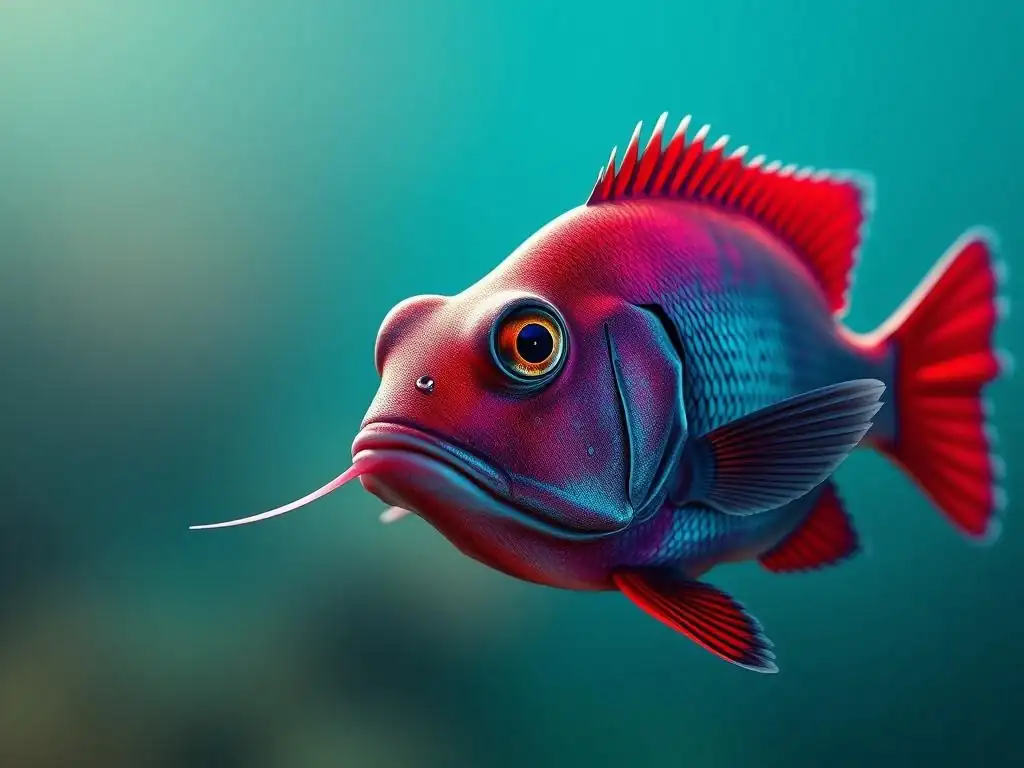
The Six Line Wrasse ( Pseudocheilinus hexataenia) is a highly popular and readily available species known for its vibrant coloration and beneficial pest control capabilities. This small, active wrasse typically reaches an adult size of about 3 inches. Its body is adorned with six distinct horizontal orange stripes set against a striking purple-blue background, complemented by a prominent black spot on its caudal fin. Originating from the Indo-Pacific region, it is a hardy and captivating addition to many reef aquariums.
Caring for a Six Line Wrasse involves providing at least a 30-gallon aquarium with ample live rock for hiding and foraging. While not strictly a sand-dweller, it appreciates a sand bed for occasional burying. Their diet should consist of a variety of meaty frozen foods, such as mysis shrimp, brine shrimp, and finely chopped seafood, supplemented with flake or pellet foods. They are excellent hunters of flatworms and other small nuisance invertebrates. However, they can be territorial and aggressive towards smaller, similar-shaped, or newly introduced fish, so choose tank mates carefully for a colorful wrasses reef aquarium.
The Elegant Yellow Coris Wrasse (Halichoeres chrysus): Detailed Profile and Care Tips
The Yellow Coris Wrasse ( Halichoeres chrysus) is a truly elegant and active species, celebrated for its striking, uniform bright yellow coloration that brightens any reef aquarium. This beautiful fish typically grows to about 5 inches in length and is widely distributed across the Indo-Pacific. Its constant movement and sand-sifting behavior make it a dynamic and beneficial inhabitant, contributing to both the aesthetic appeal and biological health of the tank.
To thrive, a Yellow Coris Wrasse requires a minimum of a 50-gallon aquarium with a deep sand bed of at least 3-4 inches, as it buries itself completely at night or when startled. Their diet primarily consists of small invertebrates found within the sand, such as copepods, amphipods, and small worms, which they constantly forage for. This natural feeding behavior can help keep the sand bed clean and aerated.
Supplement their diet with high-quality frozen meaty foods. Generally peaceful, they can show territoriality towards other sand-sifting species. They are a superb choice for a colorful wrasses reef aquarium that offers ample space and a suitable substrate.
The Striking Leopard Wrasse (Macropharyngodon meleagris): Detailed Profile and Care Tips
The Leopard Wrasse ( Macropharyngodon meleagris) is perhaps one of the most visually captivating wrasses, characterized by its unique and intricate spotted pattern that resembles a leopard's coat. Its body is typically green or brown, heavily adorned with numerous white or yellow spots, and it can reach an adult size of 5-6 inches. While undeniably stunning, this species is known for being more challenging to keep, making it suitable for experienced aquarists with well-established and mature reef tanks.
Successful care for a Leopard Wrasse necessitates a mature aquarium of at least 75 gallons with a very deep sand bed (at least 4-5 inches) for burying. They are extremely sensitive to water quality fluctuations and require stable, pristine parameters. Their diet is highly specialized, consisting almost entirely of live copepods and other minute crustaceans and worms found naturally in a thriving sand bed and live rock.
They are constant grazers and often struggle to adapt to prepared foods, making a robust population of live microfauna essential for their survival. Due to their specific dietary needs and delicate nature, they are not recommended for newly set up tanks, but are a truly rewarding challenge for a dedicated colorful wrasses reef aquarium.
Wrasse Care: Providing Optimal Conditions for Thriving Wrasses
Aquarium Setup: Creating a Suitable Habitat for Wrasses
Creating an appropriate habitat is fundamental to the long-term health and well-being of wrasses in a reef aquarium. Most wrasse species require a well-established tank with stable water parameters and plenty of mature live rock. The live rock provides crucial hiding spots, territories, and surfaces for foraging, mimicking their natural reef environment. A secure lid or mesh top is also an absolute necessity, as wrasses are notorious jumpers, especially when startled or newly introduced to an environment.
Beyond the physical structure, a diverse microbiome within the tank is vital, particularly for species that graze on microfauna. A mature tank with a thriving population of copepods, amphipods, and other beneficial organisms will provide a continuous food source and contribute to the wrasse's overall health and natural behavior. This attention to detail in aquarium setup ensures that colorful wrasses can thrive in a reef aquarium.
Tank Size Requirements for Different Wrasse Species
The appropriate tank size for wrasses varies significantly depending on the species' adult size, activity level, and territorial nature. Smaller wrasses, such as the Six Line Wrasse ( Pseudocheilinus hexataenia) or many Flasher Wrasses ( Paracheilinus spp. ), can be comfortably housed in aquariums ranging from 30 to 50 gallons. These species, while active, do not require vast swimming spaces and benefit from ample live rock for exploration and hiding.
Conversely, larger or more active species, such as the Yellow Coris Wrasse ( Halichoeres chrysus) or Leopard Wrasses ( Macropharyngodon meleagris), necessitate larger tanks, typically 75 gallons or more. These species often require more extensive sand beds for burying and greater overall volume to accommodate their foraging habits and potential territoriality. Always consult specific species profiles to ensure the tank size is adequate, allowing colorful wrasses ample room to swim and establish territories in a reef aquarium.
Substrate and Rockwork: Mimicking Their Natural Environment
The choice and depth of substrate are critical for many wrasse species, as a significant number of them exhibit the natural behavior of burying themselves in the sand at night or when feeling threatened. For these species, a fine, soft sand bed is essential; a depth of at least 2-3 inches is often recommended, with some species like Leopard Wrasses requiring 4-5 inches or more to fully submerge themselves comfortably. Without an appropriate sand bed, these wrasses can become stressed, leading to health issues.
Live rockwork is equally important, providing not only essential hiding spots and territories but also a natural foraging ground. The intricate structure of live rock offers numerous crevices and caves where wrasses can retreat, explore, and hunt for small invertebrates. A well-scaped tank with abundant live rock mimics their natural reef environment, reducing stress and promoting natural behaviors for colorful wrasses in a reef aquarium.
Water Parameters: Maintaining Optimal Conditions for Wrasse Health
Maintaining stable and optimal water parameters is crucial for the health and longevity of wrasses, as they are sensitive to fluctuations in their environment. The ideal temperature range for most wrasse species is between 72-78°F (22-26°C), with a specific gravity of 1.023-1.026. pH levels should be maintained between 8.1-8.4, and alkalinity (dKH) between 8-12. Essential elements like calcium should be kept between 400-450 ppm and magnesium between 1200-1350 ppm.
Consistent water quality is paramount, meaning regular water changes (e.g., 10-20% bi-weekly) are necessary to replenish trace elements and prevent the accumulation of nitrates and other undesirable compounds. High-quality filtration, including protein skimming, is also vital to remove organic waste and maintain low nutrient levels. Stable and pristine water conditions significantly reduce stress and susceptibility to disease, ensuring that colorful wrasses thrive in a reef aquarium.
Diet and Feeding: Ensuring Proper Nutrition for Your Wrasses
The diverse feeding habits of wrasses in the wild mean that their diet in captivity should be equally varied and high-quality to ensure proper nutrition. Most wrasses are carnivorous, primarily feeding on a range of small invertebrates. Therefore, their diet should consist of a variety of meaty frozen foods such as mysis shrimp, enriched brine shrimp, copepods, and finely chopped seafood (e.g., clams, shrimp). Feeding small amounts multiple times a day is often more beneficial than one large feeding, mimicking their natural continuous foraging.
For species that heavily rely on live microfauna, such as the Leopard Wrasse ( Macropharyngodon meleagris), ensuring a mature tank with a robust population of copepods and amphipods is critical. Supplementing with live copepod additions can be necessary to meet their constant grazing needs. While some wrasses may accept high-quality marine pellets or flakes, these should generally be offered as a supplement to a primarily meaty, varied diet to ensure the vibrant health of colorful wrasses in a reef aquarium.
Common Challenges and Solutions in Wrasse Keeping
Wrasse Ich and Parasitic Infections: Prevention and Treatment
Like many marine fish, wrasses can be susceptible to parasitic infections, with Cryptocaryon irritans (marine ich) being one of the most common ailments. Stress, often induced by poor water quality, incompatible tank mates, or inadequate nutrition, significantly weakens a wrasse's immune system, making it more vulnerable to these parasites. Symptoms typically include white spots on the body and fins, labored breathing, and scratching against decor.
Prevention is the most effective strategy. Always quarantine new wrasses for at least 4-6 weeks in a separate hospital tank before introducing them to the main display. During quarantine, monitor for signs of disease and treat if necessary. Maintaining pristine water quality, a stable environment, and a nutritious diet helps to bolster their natural immunity. If an outbreak occurs in the main tank, treatment often involves the use of copper-based medications or hyposalinity in a dedicated hospital tank, as direct treatment in a reef aquarium can harm corals and invertebrates.
Wrasse Jumping: Preventing Escape and Injury
Wrasses are infamous for their propensity to jump out of aquariums, a natural escape response when startled, stressed, or simply exploring. This jumping behavior is a primary cause of loss for many wrasse keepers and can happen incredibly quickly, even through small openings. A newly introduced wrasse, in particular, may attempt to jump as it acclimates to its new surroundings.
To prevent wrasse jumping, a tight-fitting lid or a mesh screen top is absolutely essential for any tank housing these fish. Even seemingly insignificant gaps around equipment or overflows can serve as an escape route. Ensure all openings are securely covered. For example, using DIY mesh screen tops made from clear netting can allow for excellent light penetration while providing a secure barrier. Proactive measures in securing the tank are crucial to protect colorful wrasses in a reef aquarium from this common and often fatal issue.
Wrasse Compatibility Issues: Identifying and Resolving Conflicts
While many wrasse species are peaceful, some can exhibit territoriality or aggression, especially towards smaller fish, those with similar body shapes, or other wrasses. This can lead to stress, fin nipping, or outright bullying, disrupting the harmony of the reef aquarium. For instance, the Six Line Wrasse, despite its small size, can be surprisingly aggressive towards docile or newly introduced fish.
To minimize compatibility issues, thorough research into the specific wrasse species' temperament is vital before purchase. Introduce wrasses as one of the last fish to your tank, allowing existing inhabitants to establish their territories first. Providing ample hiding spots and visual barriers with live rock can help diffuse aggression by breaking up lines of sight. If persistent aggression occurs, consider rehoming the aggressor or the targeted fish to a separate tank to ensure the well-being of all inhabitants in the colorful wrasses reef aquarium.
The Future of Wrasses in Reef Aquariums: Conservation and Responsible Keeping
Sustainable Sourcing of Wrasses: Supporting Responsible Collection Practices
The global demand for marine ornamental fish, including colorful wrasses, has placed varying degrees of pressure on wild reef populations. As responsible aquarists, it is crucial to support sustainable sourcing practices that minimize environmental impact and promote the long-term health of natural reefs. This involves choosing fish that have been collected using ethical and environmentally sound methods, avoiding destructive practices such as cyanide fishing.
Hobbyists can contribute by inquiring about the origin of their wrasses and supporting reputable suppliers who work with collectors committed to sustainable practices. Certifications from organizations promoting responsible collection can also guide purchasing decisions. By making informed choices, aquarists play a vital role in ensuring that the beauty and diversity of colorful wrasses remain available for future generations, both in the ocean and in home reef aquariums.
Breeding Wrasses in Captivity: Reducing Reliance on Wild-Caught Specimens
The advancement of marine ornamental fish aquaculture, particularly the captive breeding of challenging species, offers a promising pathway to reduce reliance on wild-caught specimens. While breeding many wrasse species in captivity presents significant challenges due to their complex life cycles and specific environmental requirements, progress is being made. Successes with species like the Six Line Wrasse ( Pseudocheilinus hexataenia) demonstrate the feasibility of commercial-scale captive breeding for certain wrasse species.
Supporting captive-bred wrasses, where available, is a direct way for hobbyists to contribute to conservation efforts. Captive-bred fish are often hardier, more accustomed to aquarium life and prepared foods, and free from diseases commonly associated with wild collection. As research and technology advance, it is hoped that more colorful wrasses will become available through aquaculture, fostering a more sustainable and ethical future for the reef aquarium hobby.
Conclusion: Embracing the Beauty and Benefits of Wrasses in Your Reef Aquarium
Frequently Asked Questions
Why are wrasses a good choice for a reef aquarium?
Wrasses are popular for reef aquariums because of their vibrant colors and pest control abilities. Many species help manage unwanted invertebrates like flatworms and pyramid snails.
What are the key considerations when selecting a wrasse for my reef tank?
Important factors include the wrasse's adult size, its temperament towards other fish, and its dietary needs. Researching specific species is crucial to ensure compatibility.
How do wrasses contribute to a healthy reef ecosystem?
Many wrasses actively hunt and consume small pests that can harm corals and other invertebrates. This natural predation helps maintain a balanced and thriving reef environment.
What are some common challenges associated with keeping wrasses?
Some wrasses can be jumpers, requiring a secure lid on the aquarium. Others may be aggressive towards smaller, peaceful fish or newly introduced tankmates.
What kind of care is required to keep colorful wrasses thriving in a reef aquarium?
Providing a varied diet, including frozen and live foods, is essential. Maintaining stable water parameters and providing plenty of hiding places are also crucial for their well-being.
Okay, here's a final reflection designed to conclude your article "Why Wrasses? Unveiling the Charm and Utility of These Reef Jewels," optimized for the keyword "Colorful wrasses reef aquarium" and following the structure you provided:
Final Reflection: The Enduring Allure of Reef Harmony
The vibrant world explored within this article underscores the enduring appeal of colorful wrasses in the reef aquarium hobby. Their beauty and beneficial behaviors are not merely aesthetic additions; they are integral components of a thriving ecosystem, a microcosm of the ocean's splendor brought into our homes. Understanding their needs and appreciating their roles is paramount to responsible reef keeping and the long-term health of our aquatic environments.
The impact of these vibrant fish extends beyond the glass walls of our aquariums. The growing awareness of the importance of biodiversity and responsible sourcing within the reef aquarium community is directly influenced by the captivating nature of species like wrasses. They serve as ambassadors for the delicate balance of coral reefs, prompting us to consider our impact on these fragile ecosystems. In the end, we will conserve only what we love; we will love only what we understand; and we will understand only what we are taught.
- Baba Dioum. This quote encapsulates the responsibility we bear as aquarists to educate ourselves and others about the wonders and vulnerabilities of the reef.
As you consider adding a colorful wrasse to your reef aquarium, remember that you are not just acquiring a beautiful fish, but becoming a steward of a small piece of the ocean. Take the knowledge gained here and apply it to your own practices, ensuring that your choices contribute to the health and sustainability of the reef environment. Let the vibrant colors of your wrasse serve as a constant reminder of the beauty and fragility of our planet's oceans, inspiring you to be a responsible and informed reef keeper.
Dive Deeper: Unleash the Wrasse Wonderland in Your Own Aquarium!
Thank you for exploring the captivating world of wrasses with us! We hope you've discovered the unique benefits and beauty these fish bring to a reef environment. Ready to take the plunge?
Here’s how you can continue your wrasse journey:
- Start planning your wrasse-compatible reef tank: Research the specific needs of different wrasse species (size, diet, temperament) and ensure your current or future setup can accommodate them comfortably and safely. This is the most important step!
- Share your newfound wrasse wisdom: Discuss your favorite wrasse facts with fellow aquarists online or in local clubs. You might inspire someone else to appreciate these often-overlooked reef inhabitants.
- Experiment with wrasse-approved enrichment: Introduce live copepods or amphipods into your tank to mimic their natural foraging behavior and provide a delicious, healthy snack!
What's the first wrasse species you're considering for your reef, and what makes it the perfect fit?