
Lionfish Venom: Symptoms, First Aid, and Prevention in the Home Aquarium

Welcome to Aquarium Mastery!
Ever wondered what to do if you or someone you know encounters the venomous sting of a Lionfish in your own aquarium? It's more common than you might think! Dive into our comprehensive guide, " Lionfish Venom: Symptoms, First Aid, and Prevention in the Home Aquarium," where we unravel the mysteries of this potent venom and equip you with the knowledge to handle it safely. Prepare to learn essential techniques for a safer and more enjoyable saltwater aquarium experience. Ready to become a true aquarium master? Let's get started!
- Lionfish Stings: Symptoms, First Aid, and Prevention for Aquarium Keepers
- Understanding Lionfish and Aquarium Risks
- Recognizing Lionfish Stings: Symptoms
- First Aid for Lionfish Stings
- Preventing Lionfish Stings
- Advanced Prevention Strategies
- Aftercare and Long-Term Management
- Lionfish Venom and Other Aquarium Life
- Resources for Lionfish Keepers
-
Frequently Asked Questions
- What are the primary symptoms of a lionfish sting in humans?
- How can I provide immediate first aid if someone gets stung by a lionfish in my home aquarium?
- What preventative measures can I take to avoid getting stung by a lionfish in my home aquarium?
- Are lionfish stings fatal?
- What makes lionfish venom so dangerous?
- Final Reflection: Respecting the Beauty and Danger
- Unlock Your Aquarium Expertise: Act Now!
Lionfish Stings: Symptoms, First Aid, and Prevention for Aquarium Keepers
Understanding Lionfish and Aquarium Risks
The Appeal and Responsibility of Keeping Lionfish
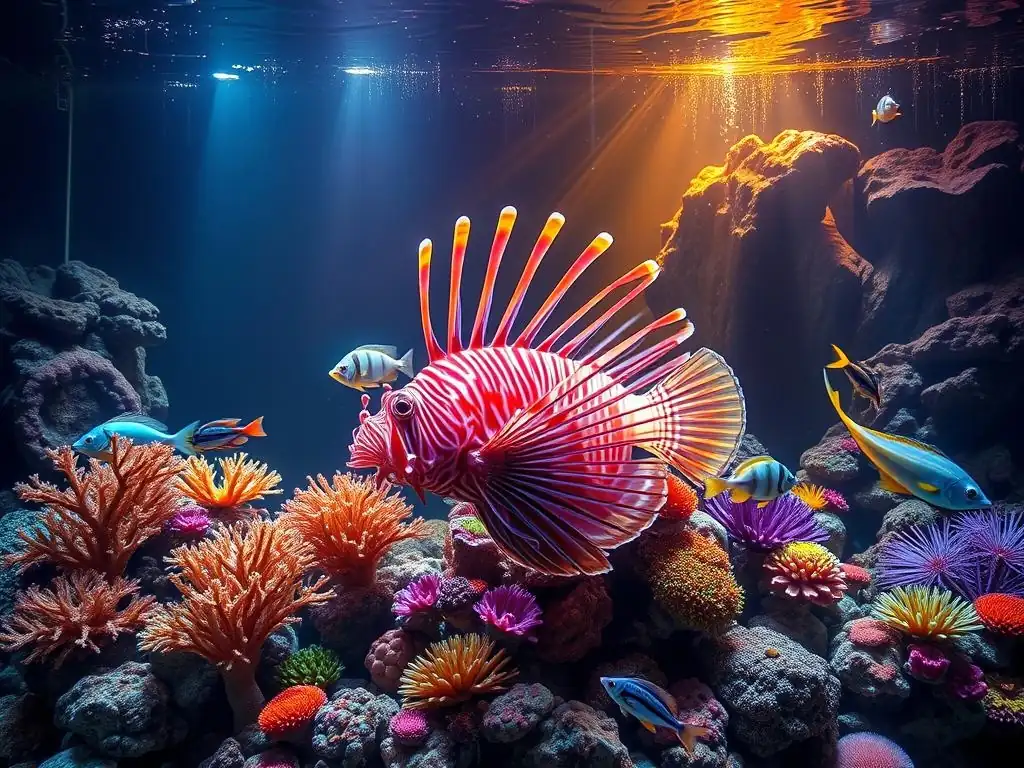
Lionfish, with their flamboyant fins and striking striped patterns, are undeniably captivating inhabitants for a saltwater aquarium. Species like the Volitan Lionfish (Pterois volitans) can grow up to 15 inches, becoming a majestic centerpiece that commands attention. Their unique predatory hunting style, where they slowly corner prey before a swift gulp, adds an element of natural wonder to the home aquarium, making them a highly sought-after species among experienced aquarists.
However, the allure of keeping these beautiful creatures comes with a significant responsibility. Lionfish are venomous, possessing potent neurotoxins and cytotoxins delivered through their spines. Aquarists must acknowledge this inherent danger and commit to rigorous safety protocols to prevent accidental envenomation. Responsible ownership of a lionfish in a home aquarium necessitates not only providing optimal living conditions but also implementing stringent safety measures to protect the keeper and other inhabitants.
Lionfish Venom: Components and Effects
Lionfish venom is a complex mixture of proteins, including neurotoxins and cytotoxins, contained within glands at the base of their dorsal, anal, and pelvic spines. When a spine penetrates the skin, the venom is injected into the wound. Unlike some venoms that cause systemic failure rapidly, lionfish venom primarily induces localized effects, though systemic symptoms can occur depending on the amount of venom injected, the individual's sensitivity, and the specific lionfish species.
The immediate effect of a lionfish sting is intense, excruciating pain, often described as throbbing or burning, which can radiate from the puncture site. This pain typically peaks within 30 minutes to an hour and can persist for several hours. Localized swelling (edema), redness (erythema), and warmth around the wound are also common. In some cases, the tissue around the sting may blanch, and blistering can occur within 24-48 hours.
Risks of Lionfish Venom to Aquarium Owners
The primary risk of lionfish venom to aquarium owners is accidental envenomation during routine tank maintenance, feeding, or fish handling. A moment of inattention, a sudden movement by the fish, or inadequate protective gear can lead to a painful sting. For example, reaching into the tank to clean algae or adjust rockwork without being fully aware of the lionfish's position is a common scenario for stings.
Factors that increase the risk of a sting in a lionfish venom home aquarium environment include complacency, especially after long periods of uneventful ownership, and the use of inappropriate or short-handled tools that force the owner's hands into close proximity with the fish. Even seemingly minor tasks, such as retrieving a dropped item or adjusting an ornament, can become hazardous if proper precautions regarding the lionfish's venomous spines are not observed.
Recognizing Lionfish Stings: Symptoms
Immediate Pain and Local Reactions
The hallmark symptom of a lionfish sting is the rapid onset of severe pain. Within seconds to minutes of contact, a sharp, throbbing, or burning pain will develop at the puncture site. This pain is often described by victims as one of the most intense they have experienced, frequently radiating up the limb if the sting occurred on a hand or foot. The intensity of the pain can range significantly based on the number of spines that penetrate, the depth of penetration, and the amount of venom injected, but it is rarely mild.
Accompanying the immediate pain are characteristic local reactions. The area around the sting will typically become red and swollen within minutes. This localized swelling can be quite pronounced, sometimes affecting the entire digit or even the hand. Other common local signs include a feeling of warmth, numbness, or tingling around the wound. In some instances, the skin may appear blanched (pale) around the puncture marks, later turning purplish as swelling and inflammation progress.
Systemic Symptoms of Envenomation
While most lionfish stings result in localized symptoms, systemic reactions can occur, particularly with multiple stings, deeper punctures, or in individuals who are more sensitive to the venom. These symptoms typically manifest within 30 minutes to a few hours after the sting. Common systemic effects include nausea, vomiting, sweating (diaphoresis), fever, and chills. Some individuals may also experience headache, dizziness, or general muscle weakness, indicating the venom's broader impact on the body.
In rare, severe cases, or in individuals with pre-existing conditions, more serious systemic complications can arise. These can include difficulty breathing (dyspnea), convulsions, paralysis, or significant drops in blood pressure (hypotension). While fatalities from lionfish stings are exceedingly rare, these severe reactions underscore the importance of recognizing all potential symptoms and seeking medical attention if they manifest. Anaphylactic reactions, though uncommon, are also a possibility for highly allergic individuals, characterized by widespread rash, swelling of the throat, and severe breathing difficulties.
Differentiating Lionfish Stings from Other Injuries
Distinguishing a lionfish sting from other aquarium-related injuries is crucial for proper first aid. The key differentiating factor is the immediate, excruciating pain followed by rapid, often significant, localized swelling. Unlike a simple scratch from sharp rockwork or a minor puncture from a piece of equipment, which might cause initial pain but typically not the intense, radiating discomfort or the rapid onset of severe swelling, a lionfish sting's symptoms are almost instantaneous and disproportionately severe for the apparent wound size.
Consider the context: if the injury occurs while handling a lionfish or performing maintenance in a lionfish venom home aquarium, and is followed by the characteristic pain and swelling, a lionfish sting should be the primary suspicion. Other common aquarium injuries, such as cuts from glass, bites from non-venomous fish, or scrapes from coral, generally present with less severe pain, different bleeding patterns, and a slower progression of swelling, if any. The presence of distinct puncture marks, often two closely spaced, from the lionfish's spines can also be a diagnostic clue.
First Aid for Lionfish Stings
Immediate Steps After a Sting
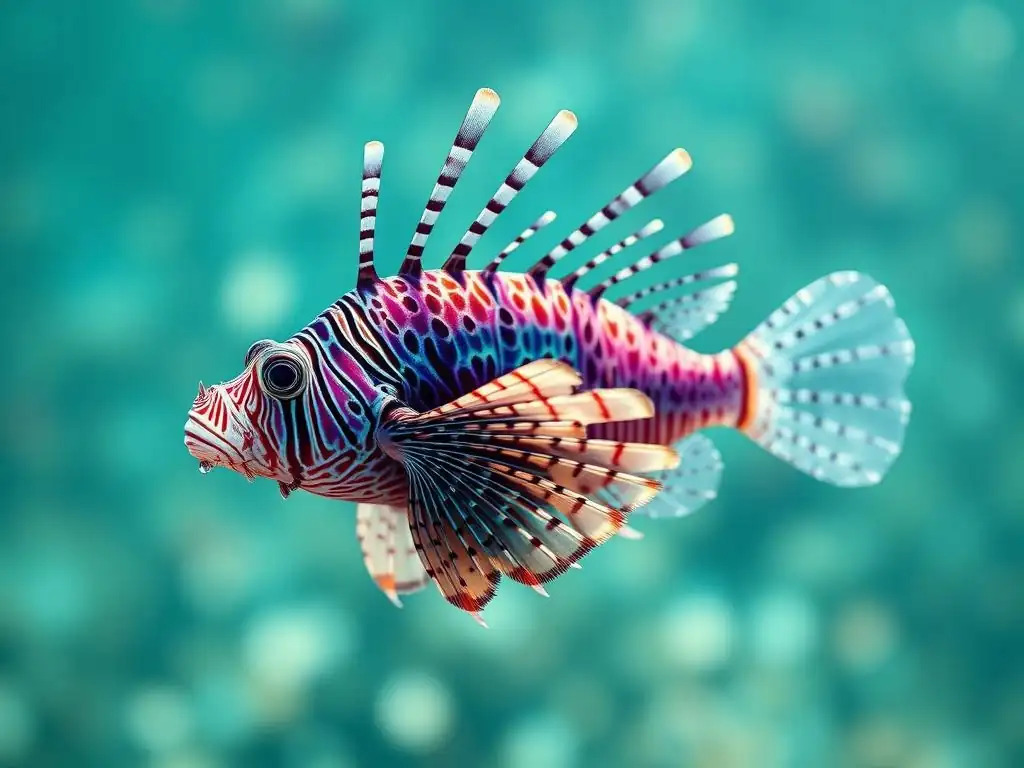
Should you unfortunately suffer a lionfish sting, immediate action is paramount. First, remove yourself and the affected limb from the aquarium to prevent further stings and allow for proper assessment. Visually inspect the wound for any embedded spine fragments. If visible, carefully remove them using tweezers, being gentle to avoid breaking them or pushing them deeper. Do not attempt to suck out the venom or incise the wound, as these actions are ineffective and can introduce infection.
Once any fragments are removed, thoroughly clean the wound with soap and fresh water. This helps to reduce the risk of secondary bacterial infection, which is a common complication of marine punctures. While cleaning, you may gently encourage minor bleeding around the puncture site, as this can help flush out some of the venom and contaminants. After cleaning, the most critical step is to apply heat, as detailed in the next section.
Hot Water Immersion Treatment
The cornerstone of first aid for a lionfish venom home aquarium sting is immediate hot water immersion. Lionfish venom is protein-based and thermolabile, meaning its toxic components are denatured and rendered less effective by heat. As quickly as possible, immerse the affected area (e.g., hand or foot) in hot water. The water should be as hot as the victim can tolerate without causing burns, typically between 110°F and 114°F (43°C to 46°C). Using a thermometer is advisable to ensure the correct temperature.
Maintain the affected limb in the hot water for at least 30 to 90 minutes, or until the pain significantly subsides. It is crucial to replace or reheat the water as it cools to maintain the therapeutic temperature. This sustained heat application is remarkably effective at denaturing the venom and providing significant pain relief. While the pain may not disappear entirely, it should diminish considerably, allowing for greater comfort and reducing the need for strong analgesics.
Pain Relief Options
Even after successful hot water immersion, some residual pain or discomfort may persist. Over-the-counter pain relievers, such as ibuprofen (a non-steroidal anti-inflammatory drug, NSAID) or acetaminophen, can be effective in managing this lingering pain. Follow dosage instructions carefully and avoid exceeding recommended limits. These medications help reduce both pain and inflammation.
For additional comfort, and only after the hot water treatment has been completed, a cold pack can be applied to the swollen area to help reduce swelling. Applying cold immediately after a sting is generally discouraged as it can constrict blood vessels and potentially slow the dispersal and denaturing of the venom. Elevating the affected limb above heart level can also help to reduce swelling and throbbing pain by promoting fluid drainage from the injured area.
When to Seek Medical Care
While most lionfish stings can be managed with prompt first aid, there are specific circumstances where medical attention is necessary. You should seek immediate medical care if systemic symptoms develop, such as difficulty breathing, chest pain, severe dizziness, widespread rash, or signs of a severe allergic reaction (anaphylaxis). These symptoms indicate a more serious envenomation or an allergic response that requires professional intervention.
Additionally, medical consultation is advisable if the pain is unmanageable or fails to subside significantly after the hot water treatment. If the wound shows signs of infection in the days following the sting (e.g., increasing redness, warmth, swelling, pus discharge, or persistent fever), a doctor should be seen, as antibiotics may be necessary. Any deep puncture wounds, or if you suspect spine fragments remain embedded despite your best efforts, also warrant a medical evaluation to prevent complications.
Preventing Lionfish Stings
Safe Handling Techniques
The most effective way to prevent lionfish stings is to adopt rigorous safe handling techniques. Never use bare hands to touch or move a lionfish. Always employ long-handled tools, such as specialized aquarium nets, tongs, or thick acrylic containers, to manipulate the fish. When netting a lionfish, use two nets if possible: one to guide the fish and another to scoop it, minimizing direct contact.
When transferring a lionfish, it is often safer to use a rigid container, like a plastic bucket or specialized fish container, to scoop the fish and transport it, rather than relying solely on nets where spines can easily puncture. Always move slowly and deliberately, avoiding sudden movements that might startle the fish and cause it to lash out defensively. Being calm and methodical significantly reduces the risk of a lionfish venom home aquarium incident.
Using Appropriate Aquarium Tools
Investing in and consistently using appropriate long-handled aquarium tools is a non-negotiable aspect of lionfish husbandry. This includes extra-long algae scrapers, gravel vacuums, and feeding tongs that allow you to perform maintenance tasks without placing your hands near the lionfish. Tools should be robust and long enough to reach all areas of your tank comfortably while keeping your hands at a safe distance.
For tasks that require more precision or involve reaching into tight spots, specialized tools like extended grabbers or flexible tongs can be invaluable. The goal is to minimize any situation where your hands or arms need to be submerged in the tank near the lionfish. Regularly inspect your tools for wear and tear, ensuring they are always in good working order to prevent accidental slips or malfunctions.
Creating a Safe Environment
Designing your lionfish venom home aquarium with safety in mind can significantly reduce sting risks. Arrange rockwork and decor to provide ample open swimming space for the lionfish, reducing the chances of it feeling cornered or stressed during maintenance. Avoid overly dense or intricate aquascaping that creates many hidden nooks and crannies where the lionfish might retreat unpredictably.
A well-planned aquascape allows for easier access to all areas of the tank for cleaning and maintenance without having to maneuver around a potentially defensive lionfish. Consider the placement of heaters, filters, and other equipment to ensure they can be accessed and maintained without disturbing the lionfish or placing your hands in risky areas.
Minimizing Sting Risk Through Tank Maintenance
Routine tank maintenance in a lionfish venom home aquarium should always be approached with caution and a clear strategy. Before beginning any task that requires hands or tools inside the tank, visually locate your lionfish. If possible, gently guide it to a less intrusive area of the tank, or consider temporarily isolating it in a separate, secure container if extensive work is planned.
Perform all maintenance tasks slowly and deliberately. Avoid splashing or sudden movements that could agitate the fish. For tasks like algae scraping or gravel vacuuming, move away from the lionfish's immediate vicinity. Regular, smaller maintenance sessions are often safer than infrequent, extensive cleanings, as they reduce the overall time your hands are in the tank and the likelihood of disturbing the lionfish.
Advanced Prevention Strategies
Protective Gear
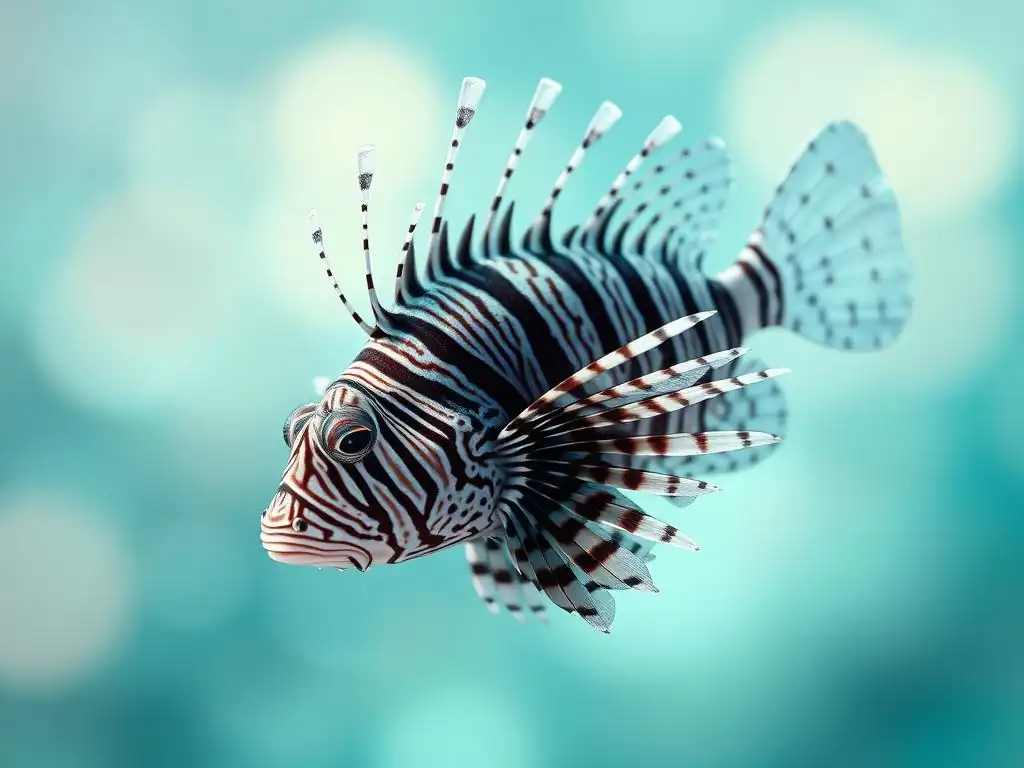
While long-handled tools are the primary defense, certain tasks may necessitate hand submersion, even briefly. In such instances, wearing appropriate protective gear is an advanced prevention strategy for a lionfish venom home aquarium. Thick, puncture-resistant gloves are highly recommended. Specialized aquarium gloves, often made of durable rubber or neoprene, can offer a good level of protection against minor punctures and chemical exposure. For maximum protection against lionfish spines, some aquarists opt for heavy-duty, even welding-grade, leather gloves, though these can reduce dexterity.
In addition to hand protection, consider wearing long-sleeved shirts or even arm guards if your arms will be submerged. While lionfish typically sting with direct contact, an accidental brush against a spine can still occur. Eye protection, such as safety glasses, is also advisable to prevent accidental splashes of tank water into the eyes, although direct venom spray from a lionfish is not a typical concern.
Quarantine Procedures
Implementing a strict quarantine procedure for any new lionfish before introduction to the main display tank serves multiple advanced prevention purposes. A dedicated quarantine tank allows you to observe the new lionfish for any health issues, ensuring it is robust before joining your established lionfish venom home aquarium. More importantly, it provides a controlled environment for initial handling and acclimation without the complexities and risks of a larger, decorated display tank.
During quarantine, you can practice safe handling techniques, observe the lionfish's behavior, and accustom it to your presence and tools in a less stressful setting. This period is invaluable for new lionfish keepers to build confidence and refine their safety protocols before the lionfish is introduced to a more permanent, and potentially more challenging, environment. It also minimizes the risk of introducing diseases to your main tank.
Understanding Lionfish Behavior
A deeper understanding of lionfish behavior is a crucial advanced prevention strategy. Lionfish are generally placid fish, but they can become agitated or defensive when they feel threatened, are being fed, or during sudden movements near them. Observe your specific lionfish's habits and "moods." Some lionfish may flare their fins or turn their bodies to present their spines as a warning when feeling stressed.
Learning to recognize these subtle cues can help you avoid situations that might provoke a sting. For instance, if your lionfish typically becomes more active and less predictable around feeding time, plan your tank maintenance for a different part of the day. By anticipating their reactions and respecting their space, you can significantly reduce the likelihood of an accidental sting in your lionfish venom home aquarium.
Aftercare and Long-Term Management
Monitoring for Infection
Even after successful immediate first aid and pain management, diligent aftercare is essential for a lionfish sting. The puncture wound, no matter how small, introduces a risk of secondary bacterial infection. Monitor the sting site closely for several days for signs of infection, which include increasing redness, warmth, swelling, pus discharge, or persistent pain that worsens rather than improves. A fever developing days after the sting is also a strong indicator of infection.
Keep the wound clean and dry, changing any dressings regularly. If any signs of infection appear, it is crucial to seek medical attention promptly. A healthcare professional can assess the severity of the infection and prescribe appropriate antibiotics, which are often necessary to prevent more serious complications like cellulitis or abscess formation.
Long-Term Pain Management
While the acute, severe pain from a lionfish sting typically subsides within a few hours with proper hot water treatment, some individuals may experience residual discomfort for days, or even weeks. This lingering pain can manifest as a dull ache, numbness, tingling, or increased sensitivity at the sting site. For ongoing, mild to moderate pain, over-the-counter analgesics like ibuprofen or acetaminophen can continue to provide relief.
If chronic or debilitating pain develops, or if the numbness and tingling persist for an unusually long period, it is advisable to consult a medical professional. Although rare, prolonged symptoms can sometimes indicate nerve irritation or deeper tissue damage. A doctor can provide further assessment, recommend stronger pain management strategies, or refer to a specialist if necessary to ensure complete recovery from the lionfish venom home aquarium incident.
Reviewing Prevention Best Practices
Any lionfish sting, regardless of its severity, should serve as a critical learning experience and prompt a thorough review of your prevention best practices. Take time to analyze what led to the incident: Was it a lapse in attention? Inadequate tools? A misjudgment of the lionfish's position? Identifying the root cause is crucial for preventing future occurrences.
Based on this review, reinforce or modify your lionfish venom home aquarium safety protocols. This might involve purchasing longer tools, investing in more protective gloves, adjusting your tank maintenance schedule, or simply committing to a stricter "no bare hands" policy. Continuous learning and adaptation of safety measures are paramount for responsible and long-term lionfish ownership, transforming a negative experience into a valuable lesson in safety.
Lionfish Venom and Other Aquarium Life
Stress Response in Other Fish
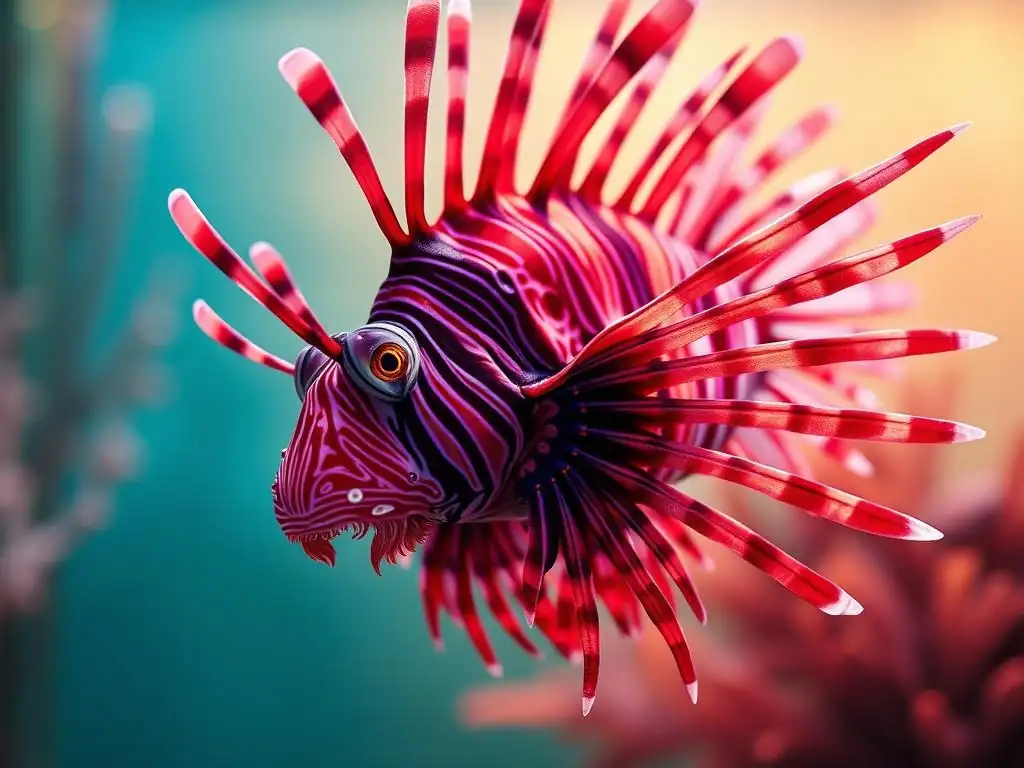
While lionfish venom is primarily a defensive mechanism delivered via spines, there's a subtle consideration regarding its impact on other aquarium inhabitants. In highly stressful situations for the lionfish, such as extreme harassment or a prolonged struggle, trace amounts of venom or venom components might theoretically be released into the water. However, in a well-maintained lionfish venom home aquarium with good filtration and regular water changes, the concentration of any waterborne venom is typically negligible and unlikely to cause significant harm to other fish or invertebrates.
Most healthy aquarium fish are robust enough to tolerate minor fluctuations or irritants in the water. The primary stressor for other fish in a tank with a lionfish is usually predatory behavior, not venom in the water. If a lionfish is dying or severely stressed for an extended period, higher concentrations could potentially be released, which might then affect very sensitive invertebrates or smaller, weaker fish.
Minimizing Impact on the Aquarium Ecosystem
To minimize any potential, albeit rare, impact of lionfish venom on the broader aquarium ecosystem, maintaining pristine water quality is paramount. Robust filtration systems (mechanical, chemical, and biological) and consistent, regular water changes are crucial. For instance, performing a 10-20% water change weekly helps dilute any minor irritants, including potential trace venom components, and maintains a stable, healthy environment for all inhabitants.
Avoid overcrowding the lionfish venom home aquarium, as this naturally increases overall stress levels for all fish and can lead to aggressive interactions. A well-balanced ecosystem with appropriate bioload ensures that the lionfish is less stressed and less likely to engage in behaviors that might inadvertently release venom, and that other inhabitants are more resilient to minor environmental fluctuations.
Choosing Compatible Tank Mates
One of the most effective ways to ensure harmony and minimize the need for a lionfish to use its defensive venomous spines against tank mates is by carefully selecting compatible species. Choose tank mates that are too large for the lionfish to consider as prey. Generally, fish that are at least two-thirds the size of the lionfish are a safe bet. Examples include larger tangs, puffers, or triggerfish (though some triggers can be aggressive towards the lionfish).
Avoid small, delicate fish, invertebrates, or any fish that might nip at the lionfish's flowing fins, as this could provoke a defensive strike. Peaceful, larger fish that occupy different swimming levels in the tank are ideal. Researching specific compatibility charts and observing your lionfish's individual temperament will greatly contribute to a safe and thriving lionfish venom home aquarium environment for all its inhabitants.
Resources for Lionfish Keepers
Recommended Resources on Lionfish Care and Safety
For any serious lionfish keeper, continuous education on their care and safety is vital. Reputable books on saltwater aquarium husbandry, especially those with dedicated sections on venomous fish or predatory species, are excellent starting points. Look for titles published by well-known aquarium authors or marine biology institutions. These resources often provide detailed information on lionfish species identification, dietary needs, tank requirements, and specific safety protocols.
Additionally, university marine biology departments, public aquariums, and government wildlife agencies (especially those dealing with invasive species) often publish scientific articles and informational guides on lionfish venom and first aid. While these may be more technical, they offer accurate and up-to-date scientific data regarding lionfish venom home aquarium safety and the biological effects of their venom.
Online Forums and Communities
Engaging with online forums and communities dedicated to saltwater aquariums and predatory fish can be an invaluable resource for lionfish keepers. Websites like Reef2Reef, The Reef Central, or various Facebook groups focused on marine aquariums provide platforms where experienced aquarists share practical advice, troubleshooting tips, and real-world experiences regarding lionfish care and safety. These communities can offer quick answers to specific questions about lionfish venom home aquarium management or provide support after an incident.
When seeking advice from online communities, it's always wise to cross-reference information with multiple sources and scientific data, as advice can vary. However, the collective experience of thousands of aquarists can offer unique insights into lionfish behavior, effective safety tools, and the nuances of managing a venomous fish in a home setting.
Frequently Asked Questions
What are the primary symptoms of a lionfish sting in humans?
The primary symptoms include intense pain at the sting site, often described as throbbing or burning. Other symptoms can include swelling, redness, nausea, vomiting, and even difficulty breathing in severe cases.
How can I provide immediate first aid if someone gets stung by a lionfish in my home aquarium?
Immediately immerse the affected area in hot (but not scalding) water for 30-90 minutes to denature the venom. Seek professional medical attention as soon as possible after initial treatment.
What preventative measures can I take to avoid getting stung by a lionfish in my home aquarium?
Always exercise extreme caution when working in the tank. Wear thick gloves and use long-handled tools to avoid direct contact. Never handle lionfish with bare hands.
Are lionfish stings fatal?
While lionfish stings are extremely painful, they are rarely fatal. However, severe reactions can occur, especially in individuals with allergies or pre-existing conditions. Therefore, seeking immediate medical attention is always crucial.
What makes lionfish venom so dangerous?
Lionfish venom contains a combination of proteins and enzymes that affect the nervous system and cause intense pain and inflammation. The venom is delivered through sharp spines located on the fish's dorsal, pelvic, and anal fins.
Okay, here's a final reflection designed to resonate with readers interested in lionfish venom and home aquariums, formatted as requested:
Final Reflection: Respecting the Beauty and Danger
The information presented throughout this article underscores the crucial need for informed and responsible lionfish keeping. While the allure of these striking creatures is undeniable, understanding the potential dangers of their venom, and knowing how to react in case of envenomation, is paramount for any home aquarist considering adding one to their tank. Ignoring these risks is not only irresponsible but can lead to significant pain and potential long-term health complications.
The presence of lionfish in home aquariums, while captivating, serves as a constant reminder of our responsibility to understand and respect the power of nature, even within the confines of our homes. The potential for venomous stings highlights the need for continuous learning and adaptation in our husbandry practices. The key is not to be afraid of the lionfish, but to be armed with knowledge and prepared for any eventuality,
a sentiment echoed by experienced aquarists worldwide. This ongoing commitment to education is essential for ensuring both our safety and the well-being of these fascinating animals.
As you consider the information shared here, take a moment to reflect on your own approach to aquarium keeping. Are you truly prepared to handle the potential risks associated with venomous creatures? Let this article serve as a catalyst for deeper research, more cautious handling practices, and a renewed commitment to the safety of yourself, your family, and the magnificent lionfish you choose to keep. Only through knowledge and respect can we truly appreciate the beauty and wonder of these creatures without succumbing to their potential danger.
Unlock Your Aquarium Expertise: Act Now!
Thank you for diving into the world of lionfish and their venom! We hope this article has equipped you with valuable knowledge for safe and responsible aquarium keeping. Ready to take the next step?
Here's how you can expand your understanding and protect yourself:
- Take the Lionfish Venom Quiz: Test your knowledge of lionfish venom symptoms and first aid to ensure you're prepared for any unexpected situation in your aquarium.
- Share this article with fellow aquarium enthusiasts to spread awareness about lionfish venom and safety best practices.
- Research alternative, non-venomous fish species that offer similar beauty and personality as lionfish for a safer aquarium environment.
What specific safety measure will you implement in your aquarium today to reduce the risk of lionfish envenomation?