
Breeding Bloodfin Tetras: A Prolific and Engaging Experience for All Levels

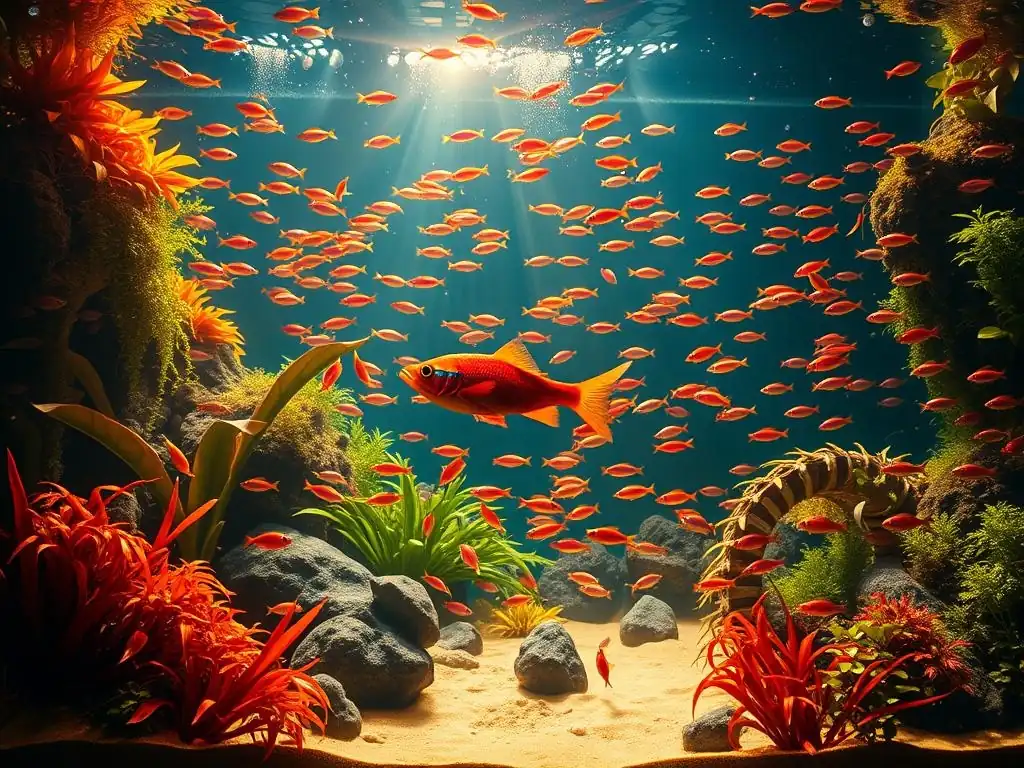
Welcome to Aquarium Mastery!
Ever wondered how to unlock the secrets of a thriving aquarium? Maybe you've considered breeding your own fish? Get ready to dive deep! In this article, we're unraveling the mysteries of breeding Bloodfin Tetras – a rewarding experience that's more accessible than you might think. Discover the simple steps and key insights that will transform you from a curious hobbyist into a confident breeder. Intrigued? Let's get started!
- Bloodfin Tetra Breeding Guide: A Prolific and Engaging Experience for All Levels
- Understanding Bloodfin Tetras: An Introduction to Breeding
- Setting Up Your Bloodfin Tetra Breeding Tank: Creating the Ideal Environment
- Selecting and Preparing Bloodfin Tetra Breeding Stock
- The Bloodfin Tetra Spawning Process: A Step-by-Step Guide
- Caring for Bloodfin Tetra Eggs and Fry: From Hatching to Juvenile
- Growing Out Bloodfin Tetra Fry: Ensuring Healthy Development
- Troubleshooting Common Bloodfin Tetra Breeding Issues
- Bloodfin Tetra Breeding: Advanced Techniques and Tips
- Conclusion: The Rewards of Bloodfin Tetra Breeding
- Frequently Asked Questions
- Final Reflection: The Enduring Allure of Creation
- Unleash Your Inner Breeder!
Bloodfin Tetra Breeding Guide: A Prolific and Engaging Experience for All Levels
Understanding Bloodfin Tetras: An Introduction to Breeding
Bloodfin Tetra Characteristics and Breeding Potential
Bloodfin tetras (Aphyocharax anisitsi) are a popular and hardy freshwater fish species, native to the Paraná River basin in South America, particularly in Argentina. These active, schooling fish typically reach a modest size of about 2 inches (5 cm) and can live for 5 to 7 years in a well-maintained aquarium.
Their silvery bodies with striking red fins, especially vibrant on the caudal fin, make them a visually appealing addition to any community tank. Their adaptable nature and relatively straightforward care requirements also extend to their breeding habits, making them an excellent choice for aquarists looking to delve into the rewarding world of fish propagation.
What truly sets Bloodfin tetras apart for breeding enthusiasts is their prolific nature as egg scatterers. Under optimal conditions, a single female can lay hundreds of eggs, often between 200 to 500, in a single spawning event. This high yield, combined with their relatively short incubation period and robust fry, significantly increases the chances of successful propagation, even for those new to the complexities of fish breeding. Their natural inclination to spawn in dense vegetation further simplifies the setup of a breeding environment, making the entire Bloodfin tetra breeding guide a practical and accessible endeavor.
Why Breed Bloodfin Tetras? Benefits and Considerations
Engaging in Bloodfin tetra breeding offers a multitude of benefits beyond simply increasing your fish count. For many aquarists, it provides a deeply educational experience, offering firsthand insight into fish behavior, reproductive cycles, and the delicate balance of aquatic ecosystems.
Successfully raising a batch of Bloodfin tetra fry from microscopic eggs to vibrant juveniles is incredibly rewarding, fostering a deeper connection to the hobby and a sense of accomplishment. Furthermore, breeding can help maintain a healthy population of these fish, allowing hobbyists to share their offspring with others, enriching the local aquarium community, and potentially even engaging in selective breeding for desired traits like enhanced coloration or finnage over generations.
While the rewards of breeding Bloodfin tetras are substantial, there are practical considerations to keep in mind. The primary challenge often lies in managing the sheer number of offspring. A single successful spawn can result in dozens, if not hundreds, of fry, requiring adequate grow-out space and a plan for their eventual rehoming.
This necessitates a commitment to consistent feeding and meticulous water quality management for the delicate fry. Additionally, the initial setup of a dedicated breeding tank, while relatively simple, does require an investment in equipment and time. However, for those prepared for these commitments, the journey of breeding Bloodfin tetras is an engaging and highly fulfilling aspect of the aquarium hobby.
Setting Up Your Bloodfin Tetra Breeding Tank: Creating the Ideal Environment
Tank Size and Water Parameters for Breeding Bloodfin Tetras
For successful Bloodfin tetra breeding, a dedicated spawning tank is crucial, and a tank size of 5 to 10 gallons (approximately 19 to 38 liters) is generally sufficient for a single breeding pair or a trio (one male, two females). This smaller volume allows for easier monitoring of the spawning process and simplifies the management of water parameters essential for egg development and fry survival.
A dedicated tank also ensures the eggs are not consumed by the parents or other tank inhabitants, a common issue in community setups. The compact size also makes it easier to maintain the precise environmental conditions that trigger spawning and support the initial stages of fry growth, which is a key component of any effective Bloodfin tetra breeding guide.
Achieving the correct water parameters is paramount for triggering spawning and ensuring high egg viability. Bloodfin tetras prefer soft, acidic water for breeding, mimicking their natural South American habitats. Aim for a pH between 6.0 and 7.0, and a general hardness (GH) of 2-8 dGH (35-140 ppm).
The water temperature should be slightly elevated, ideally between 75-80°F (24-27°C), which encourages spawning activity and speeds up egg incubation. Stability in these parameters is more important than hitting exact numbers; sudden fluctuations can stress the fish and negatively impact breeding success. Using reverse osmosis (RO) water mixed with a small amount of tap water or specialized buffering agents can help achieve and maintain these specific conditions for breeding Bloodfin tetras.
Essential Equipment for a Bloodfin Tetra Breeding Setup
Sponge Filter Selection for Breeding Tanks
A sponge filter is an indispensable piece of equipment for any Bloodfin tetra breeding tank, particularly when raising delicate fry. Unlike hang-on-back or power filters that can create strong currents, a sponge filter provides gentle water movement, preventing the tiny, weak-swimming fry from being swept away or injured.
Its porous sponge material offers an excellent surface area for beneficial bacteria to colonize, establishing crucial biological filtration that helps break down ammonia and nitrites, maintaining pristine water quality. This gentle yet effective filtration system is critical for the survival and healthy development of newly hatched Bloodfin tetra fry, as strong currents can easily exhaust or even kill them.
When selecting a sponge filter for your Bloodfin tetra breeding setup, opt for a small, air-driven model appropriate for the tank size (e.g., a mini or small sponge filter for a 5-10 gallon tank). Ensure it has fine pores to prevent fry from getting trapped within the sponge itself.
Connect it to an air pump with an airline tubing and an air stone for consistent, gentle bubbling. Periodically rinse the sponge in old tank water during water changes to prevent clogging and maintain its efficiency, but avoid cleaning it too thoroughly with tap water, as this can destroy the beneficial bacterial colony essential for filtration.
Heater and Thermostat Recommendations
Maintaining a stable and appropriate water temperature is critical for successful Bloodfin tetra breeding and the subsequent development of their eggs and fry. A reliable submersible heater with an integrated thermostat is essential for a breeding tank. For a 5-10 gallon tank, a heater ranging from 25 to 50 watts is typically sufficient to maintain the desired temperature range of 75-80°F (24-27°C). The thermostat ensures the temperature remains consistent, preventing the fluctuations that can stress breeding fish or harm delicate eggs and fry.
When choosing a heater, prioritize models known for their accuracy and durability. Place the heater in an area of the tank with good water circulation, such as near the sponge filter, to ensure even heat distribution. Regularly check the water temperature with a separate, accurate thermometer to verify the heater's calibration and ensure it is functioning correctly. A stable temperature not only encourages spawning but also dictates the incubation period of the eggs and the metabolic rate of the developing fry, making it a non-negotiable component in a comprehensive Bloodfin tetra breeding guide.
Lighting Considerations for Bloodfin Tetra Fry
Lighting in a Bloodfin tetra breeding tank, especially after spawning, requires careful consideration to optimize conditions for eggs and fry. Newly laid Bloodfin tetra eggs are delicate and can be susceptible to fungal growth if exposed to strong light. Therefore, dim or subdued lighting is preferred during the incubation period. Excessive light can also stress the parents during spawning and potentially inhibit the eggs from developing properly. Many breeders opt for ambient room light or a very low-wattage LED fixture that can be dimmed, rather than intense aquarium lighting.
Once the fry hatch and become free-swimming, very low light levels are still beneficial. Bright lighting can cause the microscopic food sources, such as infusoria, to dissipate too quickly, and can also make the tiny fry feel exposed and stressed. A gentle, indirect light source is usually sufficient to observe the fry and maintain a natural day-night cycle without being overly intense. This approach helps create a calm environment conducive to the rapid growth and development of the Bloodfin tetra fry.
Preparing the Breeding Tank: Substrate, Plants, and Spawning Media
Choosing the Right Substrate for Breeding
When setting up a Bloodfin tetra breeding tank, the choice of substrate, or lack thereof, is a critical decision that directly impacts egg retrieval and tank hygiene. Most experienced breeders opt for a bare-bottom tank or a very thin layer of fine, dark sand. A bare bottom tank is advantageous because it makes it incredibly easy to spot and siphon out uneaten food and waste, which is crucial for maintaining pristine water quality for delicate fry. It also prevents eggs from becoming lodged and decaying in a deep substrate, which can lead to fungal growth and ammonia spikes.
If a thin layer of sand is used, it should be minimal and kept meticulously clean. However, the primary benefit of a bare bottom is the ease of egg collection. Bloodfin tetras are egg scatterers, meaning they will randomly release their adhesive eggs into the water column. Without a substrate, the eggs either fall directly onto the tank bottom, where they are easily seen, or adhere to spawning media. This simplifies the process of removing parents after spawning and managing the eggs, ensuring a higher yield for your Bloodfin tetra breeding guide.
Ideal Plants for Bloodfin Tetra Spawning
Fine-leaved live plants are indispensable for Bloodfin tetra spawning, providing the ideal medium for eggs to be deposited and offering crucial cover. Plants like Java Moss (Taxiphyllum barbieri), Hornwort (Ceratophyllum demersum), and Water Sprite (Ceratopteris thalictroides) are excellent choices due to their dense, feathery foliage. These plants create a natural, intricate structure that the breeding pair will instinctively swim through during spawning, allowing their adhesive eggs to stick to the leaves and stems. The dense thickets also offer some protection for the eggs from immediate predation by the parents, although the parents should still be removed after spawning.
Beyond serving as a spawning substrate, live plants contribute to the overall water quality by absorbing nitrates and providing a surface for beneficial bacteria to colonize. They also naturally foster the growth of infusoria, microscopic organisms that serve as the crucial first food source for newly hatched Bloodfin tetra fry. Ensure the plants are healthy and free of pests or algae before introducing them to the breeding tank to maintain optimal conditions for breeding Bloodfin tetras.
Spawning Mops: An Alternative Spawning Medium
For breeders who prefer a more controlled and easily manageable spawning environment, spawning mops offer an excellent alternative to live plants for Bloodfin tetra breeding. These mops, typically made from acrylic yarn, are designed to mimic the dense, fine-leaved structure of natural plants, providing an ideal surface for egg deposition.
They can be purchased or easily made at home by tying strands of acrylic yarn to a cork or a weight, allowing them to float or sink. The yarn strands should be numerous and soft enough to not harm the fish, while also being sufficiently dense to catch the tiny, adhesive eggs.
The primary advantage of using spawning mops is the ease of egg collection. Once spawning is complete, the mops can simply be lifted out of the breeding tank, with the eggs still attached, and transferred to a separate hatching or fry-rearing tank. This minimizes disturbance to the eggs and ensures that no eggs are left behind to be consumed by the parents or to decay on the tank bottom. Spawning mops are also reusable and can be disinfected between uses, contributing to a more hygienic breeding process, which is a practical tip for any Bloodfin tetra breeding guide.
Selecting and Preparing Bloodfin Tetra Breeding Stock
Identifying Male and Female Bloodfin Tetras for Breeding
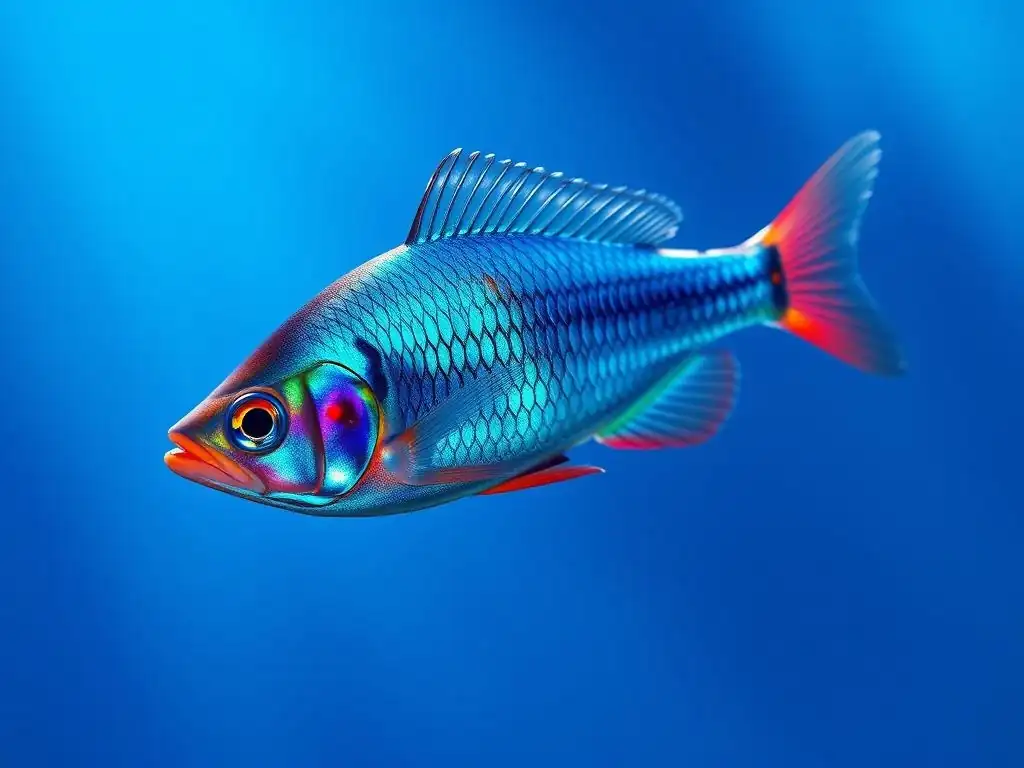
Accurately identifying male and female Bloodfin tetras is a crucial first step in any successful breeding program. While not always immediately obvious, there are subtle differences that become more pronounced as the fish mature and are conditioned for breeding. Males are generally more slender and streamlined in body shape compared to females. During conditioning and when ready to spawn, males often exhibit more intense coloration, particularly in their signature red fins, and their dorsal fin might appear slightly more pointed. They also tend to be more active and may engage in chasing behavior when ready to breed.
Females, on the other hand, typically have a noticeably fuller and rounder belly, especially when gravid (full of eggs). This fullness is most apparent when viewed from above or directly from the front. They are also often slightly larger than males of the same age. Observing a group of Bloodfin tetras over time, particularly when they are well-fed with protein-rich foods, will help you discern these differences. For optimal Bloodfin tetra breeding, select healthy, vibrant individuals that show good coloration and active swimming behavior.
Conditioning Bloodfin Tetras for Optimal Breeding Success
Conditioning Bloodfin tetras is a vital phase that prepares the fish for optimal spawning success, ensuring both the male's fertility and the female's robust egg production. This process involves providing a highly nutritious diet and manipulating water conditions to signal that it's time to breed. It's often beneficial to separate males and females for a week or two before introducing them to the breeding tank; this helps build their drive to spawn. During this period, focus on feeding them exceptionally well, ensuring they are in peak physical condition.
When ready to introduce them to the breeding tank, do so gently, preferably in the late evening or early morning. A slight drop in temperature (1-2°F) or a small, cool water change can sometimes act as a trigger, mimicking the onset of a rain shower in their natural habitat. Healthy, well-conditioned Bloodfin tetras will typically begin spawning within 12 to 48 hours of being introduced to the properly set up breeding tank, showcasing their prolific nature as part of a successful Bloodfin tetra breeding guide.
Dietary Needs for Breeding Bloodfin Tetras
A high-quality, protein-rich diet is absolutely essential for conditioning Bloodfin tetras for breeding. Adequate nutrition ensures the female produces a large clutch of viable eggs and the male is fertile and energetic enough for the spawning process. Incorporate a variety of live and frozen foods into their daily diet. Excellent choices include live or frozen baby brine shrimp, daphnia, bloodworms, and blackworms. These foods are packed with protein and essential nutrients that promote gonad development.
Supplementing live and frozen foods with high-quality flake or pellet food designed for tropical fish is also beneficial. Feed your breeding stock multiple times a day, perhaps two to three times, in smaller portions rather than one large meal. This ensures consistent nutrient intake without overfeeding, which can foul the water. A varied and abundant diet will significantly increase the likelihood of a successful spawn and is a cornerstone of any effective Bloodfin tetra breeding guide.
Water Change Strategies for Conditioning
Strategic water changes play a critical role in conditioning Bloodfin tetras and triggering their spawning behavior. Frequent, small water changes with slightly cooler, soft water can simulate the seasonal changes and rainfall patterns that often prompt spawning in their natural environment. Performing 20-25% water changes every other day for a week leading up to introducing them to the breeding tank can be highly effective. Ensure the new water is dechlorinated and matches the desired soft, acidic parameters for breeding.
Once the fish are in the breeding tank, maintaining pristine water quality remains paramount. Even small amounts of ammonia or nitrite can stress the fish and inhibit spawning. Regular, small water changes (10-15% daily) in the breeding tank, particularly after the fish have been introduced, can help maintain stability and continue to encourage spawning activity. This meticulous attention to water parameters and frequent water changes is a key element of successful Bloodfin tetra breeding.
The Bloodfin Tetra Spawning Process: A Step-by-Step Guide
Introducing the Breeding Pair to the Spawning Tank
The introduction of the conditioned Bloodfin tetra breeding pair or trio to the prepared spawning tank is a critical moment that sets the stage for the entire breeding process. It is generally recommended to introduce the fish in the late evening or early morning, as many tetras prefer to spawn at dawn. Carefully net the selected male(s) and female(s) from their conditioning tanks and gently release them into the breeding setup. Allow them a few hours, or overnight, to acclimate to their new environment and the specific water parameters.
Once introduced, observe their behavior. The male may immediately begin to chase the female, displaying his brightest colors. Providing a dimly lit environment and ensuring the tank is quiet and free from disturbances will help minimize stress and encourage natural spawning behavior. With proper conditioning and ideal water parameters, breeding Bloodfin tetras will often commence their spawning rituals within 12 to 48 hours of introduction.
Observing Spawning Behavior: What to Expect
Observing the spawning behavior of Bloodfin tetras is a fascinating and rewarding experience. Spawning typically occurs in the early morning, often around sunrise. The male will actively pursue the female, engaging in a shimmering, quivering dance. They will swim side-by-side, often darting into dense plant thickets or spawning mops. During these rapid bursts of activity, the female will release tiny, clear, adhesive eggs, which the male will simultaneously fertilize. The eggs, approximately 1mm in diameter, will stick to the plants or fall into the fibers of the spawning mop.
A single spawning event can last for several hours, with the female laying hundreds of eggs in multiple bursts. It is not uncommon for a healthy female to deposit anywhere from 200 to 500 eggs over the course of a morning. The eggs are almost transparent, making them difficult to spot initially, but a careful inspection of the spawning media will reveal them. Once spawning activity subsides, the fish will usually lose interest in each other, and it's then time to proceed to the next crucial step in this Bloodfin tetra breeding guide.
Removing the Parents After Spawning: Protecting the Eggs
Immediately after spawning has concluded, it is absolutely crucial to remove the adult Bloodfin tetras from the breeding tank. Like many egg-scattering species, Bloodfin tetras have no parental instincts and, in fact, are notorious egg-eaters. If left in the tank, they will quickly consume all the eggs they just laid, negating all your efforts. This step is non-negotiable for achieving a successful hatch rate.
Carefully use a fine-mesh net to transfer the parents back to their main display tank or a separate holding tank. Be gentle to avoid stressing the fish or disturbing the delicate eggs. Once the parents are removed, the eggs are safe to incubate undisturbed, allowing them the best chance to develop and hatch into healthy Bloodfin tetra fry. This swift removal is a critical element often highlighted in any comprehensive Bloodfin tetra breeding guide.
Caring for Bloodfin Tetra Eggs and Fry: From Hatching to Juvenile
Incubation of Bloodfin Tetra Eggs: Maintaining Optimal Conditions
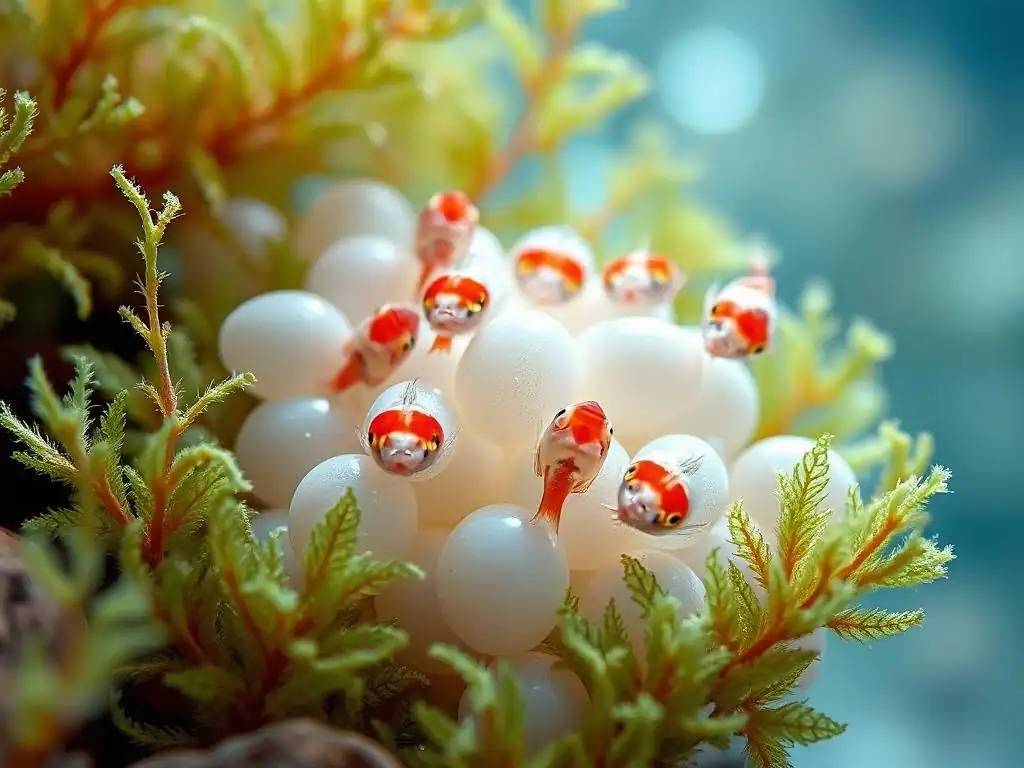
After the parents have been removed, the Bloodfin tetra eggs enter their incubation phase, which is relatively short. At a stable temperature of approximately 78°F (25.5°C), the eggs will typically hatch within 24 to 36 hours. During this period, maintaining optimal water conditions is paramount. The water should remain soft and slightly acidic, mirroring the spawning parameters, and be kept meticulously clean. Dim lighting is preferable, as strong light can encourage fungal growth on the eggs.
It is important to monitor the eggs for any signs of fungus, which appears as a white, fuzzy growth. Unfertilized eggs often turn opaque white and are prone to fungusing, which can then spread to healthy, fertilized eggs. Gently siphoning out any fungused eggs with a small tube can help prevent its spread. Gentle aeration, provided by a small sponge filter, will ensure adequate oxygenation without disturbing the delicate eggs, laying the foundation for healthy Bloodfin tetra fry.
Bloodfin Tetra Fry Care: First Foods and Feeding Schedules
Once Bloodfin tetra fry hatch, they are incredibly tiny and will initially survive on their yolk sacs for approximately 3-5 days. After this period, they will become free-swimming and require microscopic food. This is the most critical stage for fry survival, as they need food that is small enough for their mouths and available constantly. Feeding should commence as soon as they are free-swimming and actively seeking food, typically 3-5 times a day in small amounts to avoid fouling the water.
Providing the correct size and type of food is vital for their rapid growth and development. Starting with infusoria cultures, then transitioning to larger, more nutritious options like baby brine shrimp and microworms, ensures a continuous supply of appropriate nourishment. The success of raising Bloodfin tetra fry hinges heavily on this precise and consistent feeding regimen.
Infusoria Cultures for Newly Hatched Fry
Infusoria, which are microscopic protozoa, are the ideal first food for newly hatched Bloodfin tetra fry due to their incredibly small size. Fry are often too tiny to consume even the smallest newly hatched brine shrimp during their first few days of free-swimming. Infusoria cultures can be easily started by placing decaying plant matter (like a few pieces of boiled lettuce or a banana peel) in a jar of aged aquarium water and allowing it to sit for several days. The decaying matter encourages the growth of these microscopic organisms.
A few milliliters of this infusoria-rich water can be added to the fry tank multiple times a day. The key is to provide a constant, low-level supply of food without overfeeding, which can quickly foul the water. Maintaining an ongoing infusoria culture ensures that your Bloodfin tetra fry have a readily available food source during their most vulnerable stage, significantly increasing their chances of survival.
Baby Brine Shrimp for Growing Fry
After approximately 5-7 days of feeding on infusoria, or once the Bloodfin tetra fry have grown slightly larger and are visibly more active, they can be transitioned to newly hatched baby brine shrimp (Artemia nauplii). Baby brine shrimp are an excellent source of protein and essential fatty acids, which are crucial for rapid growth and development. They are also highly nutritious and stimulate the fry's feeding response due to their jerky swimming movements.
Hatching brine shrimp requires a dedicated setup, usually an inverted plastic bottle with an air stone and saltwater. The eggs hatch within 24-36 hours, providing a continuous supply of live food. Feed the fry small amounts of newly hatched brine shrimp several times a day. As the fry grow, you can gradually increase the quantity. The transition to baby brine shrimp is a significant milestone in raising Bloodfin tetra fry and promotes robust growth.
Micro Worms as a Fry Food Option
Micro worms (Panagrellus redivivus) are another excellent live food option for growing Bloodfin tetra fry, serving as a valuable supplement or alternative to baby brine shrimp. These tiny nematodes are slightly larger than infusoria but smaller than newly hatched brine shrimp, making them an ideal transitional food as fry grow. They are relatively easy to culture at home using a mixture of oatmeal and yeast, making them a convenient and cost-effective food source.
Micro worms are rich in protein and are highly attractive to fry due to their wiggling motion. They also have the advantage of sinking slowly, allowing the fry more time to consume them before they settle to the bottom and potentially foul the water. Offering a variety of live foods, including micro worms, ensures a comprehensive nutritional profile for your developing Bloodfin tetra fry, supporting their healthy development and vigor.
Water Quality Management for Bloodfin Tetra Fry Development
Maintaining pristine water quality is arguably the single most critical factor for the survival and healthy development of Bloodfin tetra fry. Due to their small size, rapid metabolism, and the high frequency of feeding required, fry tanks are highly susceptible to ammonia and nitrite spikes from uneaten food and waste. These nitrogenous compounds are lethal to delicate fry even at low concentrations. Therefore, a rigorous water quality management regimen is essential.
Small, frequent water changes are the cornerstone of this regimen. Perform daily or every-other-day water changes of 10-15% using aged, temperature-matched, and dechlorinated water. Gently siphon out any uneaten food or detritus from the bottom of the tank using a small airline tube, being extremely careful not to suck up any fry. Consistent monitoring of ammonia, nitrite, and nitrate levels with a liquid test kit will help ensure the water remains safe for your growing Bloodfin tetra fry.
Preventing and Treating Common Fry Diseases
Preventing diseases in Bloodfin tetra fry is far easier and more effective than treating them, as young fish are highly susceptible to medications. The primary defense against disease is maintaining impeccable water quality and providing a nutritious diet. Ammonia and nitrite poisoning, often caused by inadequate water changes or overfeeding, are common causes of fry mortality and weaken their immune systems, making them vulnerable to other pathogens.
Should disease occur, common issues include fungal infections on unhatched eggs (often preventable by removing infertile eggs and providing gentle aeration) and bacterial infections or Ich in the fry themselves. However, most medications are toxic to fry. The best first line of defense is always immediate and large water changes (e.g., 50-70% with temperature-matched, aged water) to dilute pathogens and improve water parameters. For severe outbreaks, very dilute, short-term salt baths (non-iodized aquarium salt) or extremely cautious use of fry-safe medications might be considered, but generally, robust preventative care is the key to successful Bloodfin tetra breeding.
Growing Out Bloodfin Tetra Fry: Ensuring Healthy Development
Gradual Increase in Tank Size
As Bloodfin tetra fry grow from microscopic specks to discernible juvenile fish, their spatial requirements increase significantly. Stunting, aggression, and poor water quality can become major issues if they remain in a small breeding tank for too long. Once the fry reach approximately 0.5 to 0.75 inches (1.2-1.9 cm) in length, typically around 3-4 weeks post-hatching, it's time to consider moving them to a larger "grow-out" tank. A 20-gallon (75-liter) tank can comfortably house 50-100 growing fry, providing ample space for swimming and individual development.
This gradual increase in tank size prevents overcrowding, which reduces stress and allows for better oxygen exchange and waste dilution. A larger volume of water also provides greater stability in water parameters, making it easier to manage water quality as the fry consume more food and produce more waste. This proactive approach to tank sizing is crucial for ensuring the healthy development and robust growth of your Bloodfin tetra fry into strong, mature fish.
Consistent Feeding and Water Changes
The growth phase of Bloodfin tetra fry demands a continued commitment to consistent, high-quality feeding and rigorous water changes. As the fry grow, their appetites increase, and they can transition to larger food items. Continue feeding baby brine shrimp, but also introduce finely crushed high-quality flake food, micro pellets, and even finely chopped frozen bloodworms or daphnia. Feed them multiple times a day, at least 3-4 times, ensuring they receive enough nutrition for their rapid development.
Simultaneously, maintain a strict schedule of water changes. While the grow-out tank is larger, the bioload from numerous growing fish is substantial. Daily or every-other-day water changes of 20-30% are still highly recommended to prevent the buildup of nitrates and other pollutants. Use a larger siphon to remove detritus and uneaten food, but remain cautious to avoid harming the still-delicate juveniles. This consistent attention to diet and water hygiene is paramount for cultivating healthy and vibrant Bloodfin tetra fry.
Monitoring Growth and Development
Regularly monitoring the growth and development of your Bloodfin tetra fry is essential to ensure they are thriving and to identify any potential issues early. Observe their swimming behavior; healthy fry should be active, schooling, and responsive to food. Check their coloration and fin development; vibrant colors and intact fins are indicators of good health. Look for any signs of stunting, deformities, or disease, such as clamped fins, lethargy, or visible lesions.
While it's natural for some variation in growth rates within a large batch, significant discrepancies or widespread issues may signal problems with water quality, nutrition, or even genetic issues. Keeping a keen eye on their development allows you to adjust feeding, water change frequency, or even separate faster-growing individuals if necessary to prevent bullying. Typically, Bloodfin tetras reach sexual maturity and full adult size around 6-8 months, completing the cycle of your Bloodfin tetra breeding guide.
Troubleshooting Common Bloodfin Tetra Breeding Issues
Unsuccessful Spawning Attempts: Identifying Potential Causes
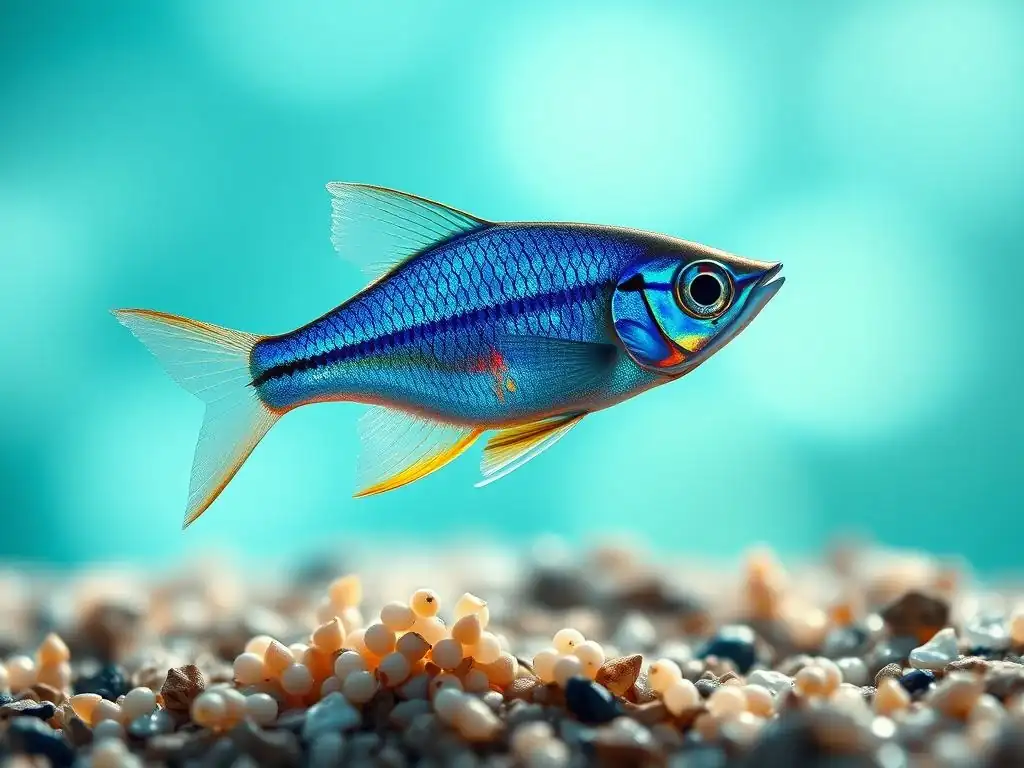
Encountering unsuccessful spawning attempts with Bloodfin tetras can be frustrating, but it's a common hurdle in fish breeding. Several factors can contribute to a lack of spawning activity. The most frequent causes include incorrect water parameters (pH, hardness, or temperature not within the optimal breeding range of 6.0-7.0 pH, 2-8 dGH, and 75-80°F), inadequate conditioning of the breeding pair (insufficient protein-rich foods), or an incompatible male and female. Sometimes, the fish simply aren't ready or are stressed.
To troubleshoot, first re-verify all water parameters with an accurate test kit and make necessary adjustments gradually. Increase the frequency and quality of conditioning foods. If a specific pair isn't spawning, try swapping out one of the fish for another individual from your main tank to see if a different pairing is more successful. Ensure the breeding tank is quiet, dimly lit, and has ample spawning media to provide security and encourage natural behavior. Patience is key when breeding Bloodfin tetras.
Low Hatch Rates: Investigating the Factors Involved
A low hatch rate after a seemingly successful Bloodfin tetra spawn can be disheartening. This issue often points to problems with egg viability or environmental conditions during incubation. Common culprits include unfertilized eggs (which turn opaque white and often fungus), poor water quality in the hatching tank (ammonia, nitrites, or high nitrates), incorrect water parameters (especially pH and hardness outside the optimal range for egg development), or fungal infections that spread to healthy eggs. Sudden temperature fluctuations can also stress developing embryos.
To improve hatch rates, ensure the breeding pair was optimally conditioned for fertility. Promptly remove any fungused or unfertilized eggs to prevent the spread of infection. A very small amount of methylene blue can be added to the hatching water as an antifungal, though this should be used cautiously. Double-check that the water parameters in the hatching tank are stable and pristine. Gentle aeration from a sponge filter ensures adequate oxygenation without causing harmful currents, providing the best environment for your Bloodfin tetra fry to emerge.
High Fry Mortality: Determining the Root Cause
High mortality rates among Bloodfin tetra fry are a common and disheartening challenge for breeders. The most frequent causes are starvation due to incorrect food size or insufficient feeding, and poor water quality. Newly hatched fry have tiny mouths and require microscopic food like infusoria for their first few days; if this isn't provided, they will starve. As they grow, a consistent supply of appropriate foods like baby brine shrimp and microworms is vital.
Water quality issues, particularly ammonia and nitrite spikes from uneaten food and waste, are lethal to delicate fry. Overfeeding, insufficient water changes, or inadequate filtration (e.g., too strong a filter current that exhausts fry) are often to blame. Other factors include sudden temperature changes, disease outbreaks (often secondary to poor water quality), or even filter intakes sucking up fry. To minimize mortality, provide constant, appropriately sized food, perform frequent small water changes with temperature-matched water, ensure gentle filtration, and maintain a stable environment for your Bloodfin tetra fry.
Bloodfin Tetra Breeding: Advanced Techniques and Tips
Selective Breeding for Desired Traits
For the dedicated Bloodfin tetra breeder, selective breeding offers an exciting opportunity to enhance desired traits within their fish line. This advanced technique involves carefully choosing breeding pairs based on specific characteristics you wish to propagate or intensify. For Bloodfin tetras, this might include selecting individuals with exceptionally vibrant red fins, a more robust body shape, or even increased resistance to common diseases. By consistently breeding the best examples from each generation and culling or separating those that do not meet the desired criteria, you can gradually steer the genetic makeup of your population.
Selective breeding requires meticulous record-keeping, noting down the traits of parents and the characteristics of their offspring over multiple generations. It's a long-term project that demands patience and keen observation. While it can lead to stunning results, it also requires a larger commitment of space and time to manage multiple breeding lines and grow-out tanks. This focused approach to Bloodfin tetra breeding transforms it from simple propagation into a fascinating genetic endeavor.
Maintaining Genetic Diversity in Your Bloodfin Tetra Line
While selective breeding focuses on intensifying specific traits, it's equally important to maintain genetic diversity within your Bloodfin tetra line to prevent inbreeding depression. Continuous breeding within a closed population, especially from a small initial gene pool, can lead to reduced fertility, smaller clutches of eggs, increased deformities, stunted growth, and a weakened immune system in subsequent generations. This phenomenon can undermine all your efforts in Bloodfin tetra breeding.
To combat inbreeding, periodically introduce new, unrelated breeding stock from a different source into your breeding program. This infusion of fresh genetics helps broaden the gene pool, reintroducing vigor and health. A common practice is to introduce new blood every 3-4 generations. If you are running multiple breeding tanks, you can also swap males and females between different lines to diversify their offspring. By balancing selective breeding with an awareness of genetic diversity, you ensure the long-term health and vitality of your Bloodfin tetra population.
Conclusion: The Rewards of Bloodfin Tetra Breeding
Frequently Asked Questions
How difficult is it to breed Bloodfin Tetras?
Breeding Bloodfin Tetras is considered relatively easy, making them a great choice for beginner breeders. They are naturally prolific and don't require highly specialized conditions to spawn.
What size tank is best for breeding Bloodfin Tetras?
A small, dedicated breeding tank, around 5-10 gallons, is recommended. This allows for better control over water parameters and protects the eggs from being eaten by the adults.
What water parameters are ideal for breeding Bloodfin Tetras?
Bloodfin Tetras prefer slightly acidic water with a pH around 6.0-7.0 and a temperature of 78-82°F (25-28°C) for optimal breeding conditions. Soft water is also beneficial.
What do Bloodfin Tetra eggs look like, and how long do they take to hatch?
The eggs are tiny, clear, and scattered randomly. They typically hatch within 24-36 hours, depending on the water temperature.
What do I feed Bloodfin Tetra fry?
Newly hatched fry require very small food, such as infusoria, liquid fry food, or newly hatched brine shrimp. Offer small amounts several times a day to ensure they have enough to eat.
Final Reflection: The Enduring Allure of Creation
The journey of breeding Bloodfin Tetras, as we've explored, is more than just a technical exercise; it's a microcosm of life itself, reflecting the delicate balance and inherent beauty of the natural world. The current surge in interest in home aquariums and sustainable practices makes understanding and participating in responsible breeding, like that of the Bloodfin Tetra, more vital than ever. This isn't just about keeping fish; it's about fostering a connection with nature and contributing to the preservation of biodiversity, even on a small scale.
This seemingly simple act of breeding Bloodfin Tetras has a profound impact, fostering patience, observation skills, and a deeper appreciation for the intricacies of life. The quiet moments spent observing the fry, the challenges overcome in maintaining optimal water parameters, and the ultimate reward of seeing new life flourish – these are experiences that resonate far beyond the confines of the aquarium. The best way to observe a fish is to become a fish.
- Jacques Cousteau. This quote encapsulates the immersive and transformative power of engaging with nature, a power that Bloodfin Tetra breeding readily provides.
Now, as you close this guide, consider the lessons learned. Reflect on the dedication required, the joy experienced, and the responsibility undertaken. Let the success you achieve in breeding Bloodfin Tetras inspire you to seek out other opportunities to connect with the natural world, to learn, to nurture, and to contribute to a more sustainable and vibrant future. Embrace the role of caretaker, and let the vibrant dance of life within your aquarium remind you of the beauty and fragility of the world around us.
Unleash Your Inner Breeder!
Thanks for diving into the world of Bloodfin Tetra breeding! We hope you’ve gained a deeper understanding of these captivating fish and are feeling inspired to take the next step. Now, let's turn that inspiration into action!
Here are a few ways you can continue your journey:
- Embark on your own breeding project! Set up a dedicated breeding tank and witness the fascinating life cycle of Bloodfin Tetras firsthand. Document your experience for others!
- Share this article with fellow aquarium enthusiasts. Help spread the knowledge and encourage others to explore the joys of breeding.
- Research rare or unique color variations of Bloodfin Tetras. Can you be the first to successfully breed a new strain?
Ready to take the plunge and become a Bloodfin Tetra breeding expert?