
Demasoni Cichlid (Pseudotropheus demasoni): Stunning Stripes & How to Keep Them Happy

Welcome to Aquarium Mastery!
Ever been captivated by the dazzling stripes of a Demasoni cichlid? These beauties can be a rewarding challenge, but keeping them happy requires a specific approach. Dive in to discover our expert Demasoni cichlid care tips, and unlock the secrets to creating a thriving environment for these stunning freshwater fish. Ready to master the art of Demasoni keeping?
- Introduction to Demasoni Cichlids: A Striking Mbuna
- Demasoni Cichlid Care Tips: Essential Guide
- Demasoni Cichlid Tank Mates: Compatibility and Aggression
- Demasoni Cichlid Diet and Feeding: Ensuring Optimal Health
- Demasoni Cichlid Breeding: A Challenging but Rewarding Endeavor
- Common Demasoni Cichlid Diseases and Health Issues
- Maintaining a Thriving Demasoni Cichlid Aquarium
- Distinguishing Demasoni Cichlids from Similar Species
- Conclusion: Mastering Demasoni Cichlid Care for a Vibrant Aquarium
- Frequently Asked Questions
- Final Reflection: Appreciating the Demasoni's Delicate Balance
- Ignite Your Aquarium Passion: Nurture Your Demasoni Today!
Introduction to Demasoni Cichlids: A Striking Mbuna
Why Choose Demasoni Cichlids for Your African Cichlid Tank?
Demasoni cichlids, scientifically known as Pseudotropheus demasoni, are a highly sought-after species among African cichlid enthusiasts due to their incredibly vibrant coloration and active personalities. Their striking pattern of alternating blue and black vertical stripes makes them an immediate focal point in any well-designed Mbuna setup. Unlike some larger cichlid species, Demasonis remain relatively small, typically reaching an adult size of about 2.5 to 3 inches (6-7.5 cm), which allows them to be housed in tanks that might be considered too small for their larger counterparts, though careful planning is still essential for optimal Demasoni cichlid care.
Beyond their aesthetic appeal, Demasoni cichlids exhibit fascinating behaviors, constantly exploring their environment and interacting with their tank mates. While they possess a reputation for aggression, particularly among their own kind, their compact size and captivating appearance make them a rewarding challenge for aquarists dedicated to providing specific Demasoni cichlid care tips. Their popularity stems from their unique combination of beauty, manageable size, and the dynamic energy they bring to a Lake Malawi biotope.
Understanding the Allure of Demasoni's Unique Markings
The distinguishing feature of the Demasoni cichlid is its precise and vibrant stripe pattern. Each fish typically displays five vivid electric blue vertical bars alternating with six equally distinct jet-black vertical bars, creating a mesmerizing contrast. This intricate pattern extends from their head to the base of their caudal fin, making them unmistakably unique among the various Mbuna species. The clarity and intensity of these markings are often indicators of a healthy and stress-free fish, thriving under optimal Demasoni cichlid care.
This precise coloration and pattern are what truly set Pseudotropheus demasoni apart. While other Mbuna may exhibit blue and black coloration, none possess the exact, consistent banding of the Demasoni. Their compact, torpedo-shaped bodies enhance the visual impact of these stripes, especially when observed darting among rocks in a brightly lit aquarium. The allure lies in their consistent beauty, a testament to the remarkable diversity of Lake Malawi cichlids.
Demasoni Cichlid Care Tips: Essential Guide
Optimal Tank Setup for Demasoni Cichlids
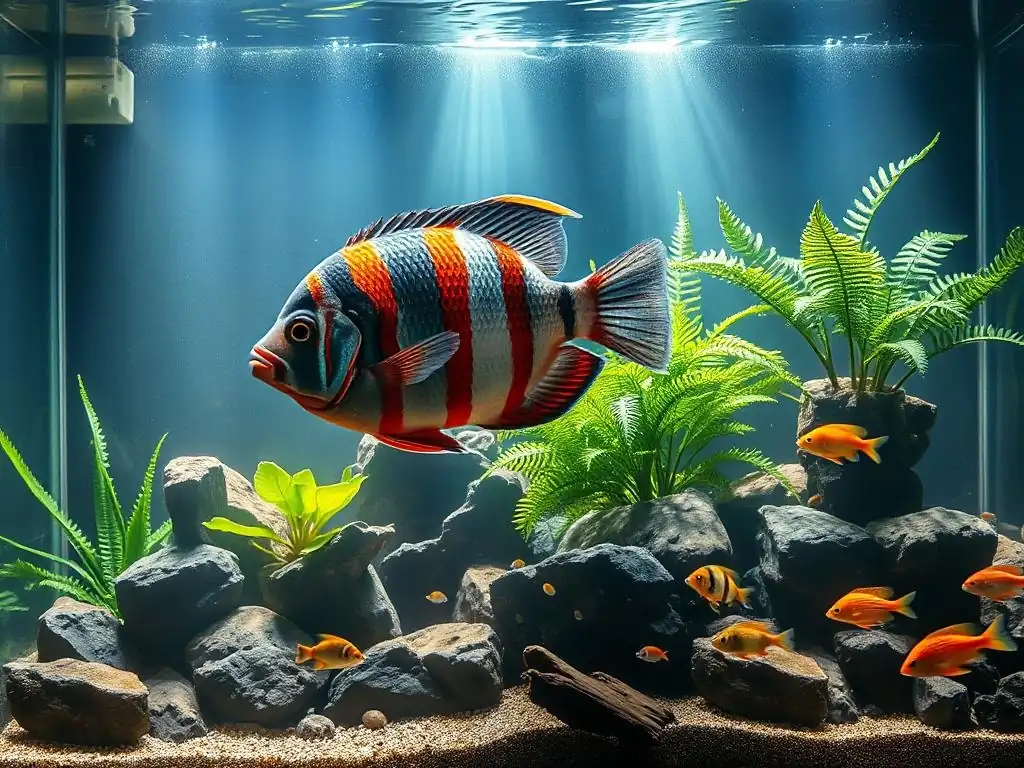
Providing an optimal tank setup is paramount for successful Demasoni cichlid care and for mitigating their inherent aggression. For a small group of these active fish, a minimum tank size of 55 gallons (approximately 208 liters) is recommended, though a 75-gallon (284-liter) or larger aquarium is highly preferred to provide more swimming space and help diffuse aggression across a larger area.
The key to aquascaping for Demasonis is heavy rockwork, which serves to create numerous caves, crevices, and visual barriers. Inert rocks such as lava rock, Texas holey rock, or slate should be used to build intricate structures that offer ample hiding spots and clearly defined territories.
The substrate for a Demasoni cichlid tank should ideally be fine sand. These fish are natural diggers and enjoy sifting through the substrate, a behavior that would be inhibited by coarser gravel. Sand also helps maintain the high pH levels preferred by Lake Malawi cichlids. Standard aquarium lighting is generally sufficient, as it will beautifully highlight their vibrant blue and black stripes. Proper aquascaping, focused on providing territory and security, is a cornerstone of effective Demasoni cichlid care tips.
Water Parameters: Maintaining a Healthy Environment for Demasonis
Maintaining precise and stable water parameters is critical for the health and vibrancy of Demasoni cichlids, directly reflecting their natural Lake Malawi habitat. These fish thrive in hard, alkaline water with a pH range of 7.8 to 8.6. The general hardness (GH) should ideally be between 10 and 20 dGH, and carbonate hardness (KH) should be maintained between 10 and 18 dKH to ensure buffering capacity against pH fluctuations. The optimal water temperature for Demasonis ranges from 76°F to 82°F (24°C to 28°C).
Consistent monitoring of water parameters using reliable test kits is essential for long-term Demasoni cichlid care. Weekly checks for ammonia, nitrite, and nitrate levels are recommended, alongside pH and hardness. While ammonia and nitrite should always be at zero, nitrates should be kept below 20 ppm through regular water changes. Robust filtration, including mechanical, biological, and chemical media, is necessary to process the significant bioload produced by these active fish and maintain the pristine water quality they require to thrive.
Demasoni Cichlid Tank Mates: Compatibility and Aggression
Understanding Demasoni Cichlid Aggression in the Aquarium
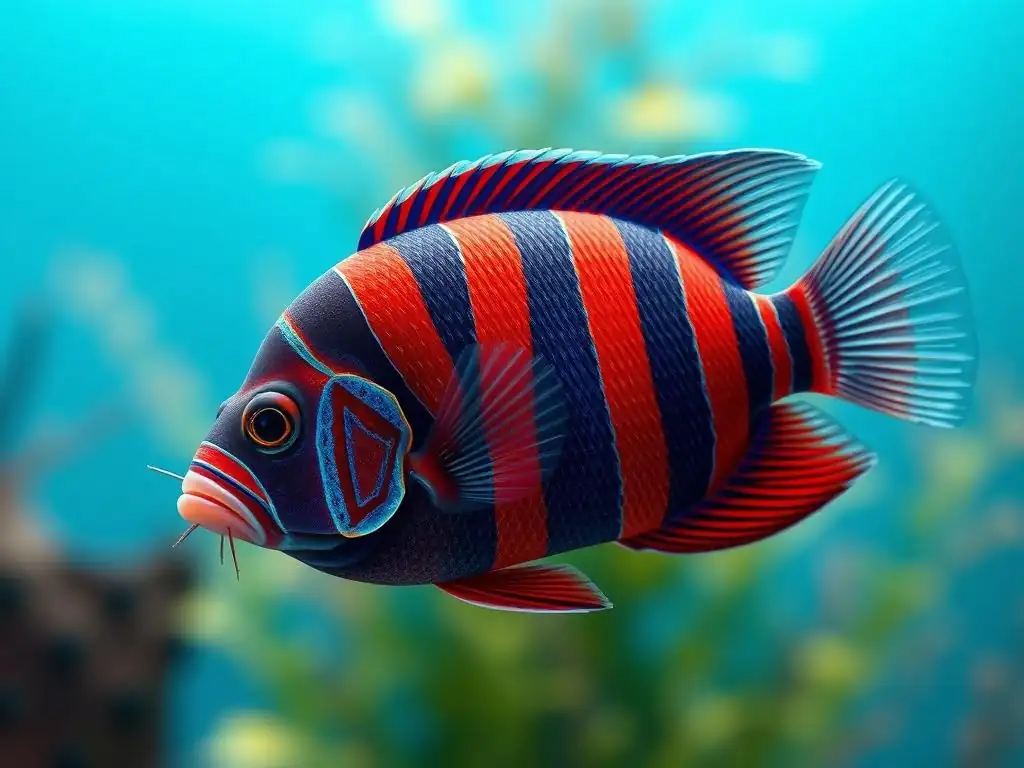
Demasoni cichlids are known for their assertive and highly territorial nature, which is a significant factor in successful Demasoni cichlid care. They exhibit a particular form of aggression often referred to as "Moba aggression," where males, and sometimes even females, can be extremely hostile towards conspecifics, especially other males. This can lead to relentless bullying and even death if not managed properly. Their aggression is primarily directed at fish with similar body shapes or identical blue and black stripe patterns, as they perceive them as direct competitors for territory and mates.
To mitigate this aggression, it's often recommended to keep Demasonis in a species-only tank or in a heavily overstocked (but not overcrowded) Mbuna community. Overstocking, when properly executed with ample filtration and frequent water changes, can help diffuse aggression by spreading it among many individuals, preventing one fish from bearing the brunt of attacks. However, this strategy requires vigilant monitoring and excellent water quality management, making it a critical aspect of Demasoni cichlid care tips.
Best Tank Mates for Demasoni Cichlids: Minimizing Conflict
Selecting appropriate tank mates is crucial for a harmonious Demasoni cichlid aquarium. The best companions are other robust Mbuna cichlids that are differently patterned and colored, and of a similar size and temperament, ensuring they don't mimic the Demasoni's appearance. Excellent choices often include Yellow Lab Cichlids ( Labidochromis caeruleus), which are bright yellow and less aggressive, or Rusty Cichlids ( Iodotropheus sprengerae), known for their reddish-brown hue and relatively peaceful disposition among Mbuna. Other suitable options might be certain Metriaclima or Maylandia species that lack similar striping.
When housing Demasonis in a community setup, it is vital to maintain a specific male-to-female ratio, especially for the Demasonis themselves. A ratio of one male to three or more females (1M:3F+) is highly recommended to spread out the male's aggression and reduce stress on individual females. Furthermore, providing plenty of rockwork with numerous hiding spots and visual breaks is essential to allow weaker or submissive fish to escape aggression. Careful planning and observation are key Demasoni cichlid care tips for successful cohabitation.
Fish to Avoid Keeping with Demasoni Cichlids
Given their aggressive and territorial nature, certain fish species are entirely unsuitable as tank mates for Demasoni cichlids. Any fish that are significantly smaller, overly peaceful, or possess long, flowing fins (such as guppies, mollies, or many tetra species) will be relentlessly harassed and likely killed. Similarly, other cichlid species that exhibit similar blue and black vertical stripe patterns, such as Pseudotropheus saulosi males or Pseudotropheus cyaneorhabdos (Maingano), should be avoided. Demasonis will perceive these as direct competitors and engage in severe aggression, often leading to fatal outcomes.
Furthermore, extremely large or predatory cichlids could overwhelm and stress Demasonis, even if the Demasonis are aggressive. Species from other cichlid groups (e.g., South American cichlids) are generally not compatible due to vastly different water parameter requirements and temperament. Non-cichlid species that are easily stressed by aggressive tank mates, such as many community fish, are also poor choices. Adhering to these guidelines is a critical aspect of Demasoni cichlid care to prevent conflict and ensure the well-being of all inhabitants.
Demasoni Cichlid Diet and Feeding: Ensuring Optimal Health
What to Feed Your Demasoni Cichlids: A Balanced Diet
Demasoni cichlids are primarily herbivorous, meaning their natural diet consists mainly of algae and other plant matter found on rocks in Lake Malawi. Therefore, providing a high-quality, plant-based diet is paramount for their long-term health and is a crucial aspect of Demasoni cichlid care. The staple of their diet should be a high-quality spirulina flake or pellet food formulated specifically for African cichlids. Look for foods where spirulina or other vegetable matter is listed as the primary ingredient.
To supplement their diet, blanched vegetables such as spinach, romaine lettuce, or zucchini can be offered occasionally. Spirulina wafers or algae wafers are also excellent additions. It is critical to avoid feeding Demasonis high-protein foods like bloodworms, tubifex worms, or beef heart. Their digestive systems are not designed to process large amounts of animal protein or fat, and feeding such items can lead to severe health issues. Adhering to a strict herbivorous diet is one of the most important Demasoni cichlid care tips to prevent common ailments.
Feeding Frequency and Portion Control for Demasoni Health
Proper feeding frequency and portion control are vital for preventing digestive issues and maintaining optimal water quality in a Demasoni cichlid tank. It is best to feed Demasonis small amounts two to three times a day, rather than one large meal. Each feeding should consist of only what they can consume entirely within one to two minutes. Overfeeding not only leads to excessive waste, which degrades water quality and contributes to nutrient buildup, but also directly contributes to digestive problems in the fish themselves.
Consistent feeding schedules help maintain stability in their environment and digestive system. Observing their feeding behavior will help you fine-tune the portion sizes; if food remains after two minutes, you are feeding too much. This diligent approach to feeding is a fundamental part of Demasoni cichlid care, ensuring both the health of the fish and the cleanliness of their habitat.
Avoiding Malawi Bloat: Dietary Considerations for Demasonis
Malawi Bloat is a prevalent and often fatal digestive disease that commonly affects Mbuna cichlids, including Demasonis, and is almost exclusively linked to improper diet. This condition occurs when their sensitive digestive system, designed for a high-fiber, low-protein, plant-based diet, is overwhelmed by foods rich in protein or fat. Symptoms include a distended abdomen, loss of appetite, stringy white feces, and labored breathing. If not addressed immediately, Malawi Bloat can lead to organ failure and death within a few days.
To prevent Malawi Bloat, strict adherence to a herbivorous diet is non-negotiable. Avoid all animal-based proteins like bloodworms, brine shrimp, or beef heart, as well as foods with high fat content. Instead, focus on spirulina-based flakes or pellets and blanched vegetables. Even seemingly healthy protein sources can trigger bloat in these sensitive fish. Understanding and implementing these dietary considerations are among the most crucial Demasoni cichlid care tips for their long-term survival and well-being.
Demasoni Cichlid Breeding: A Challenging but Rewarding Endeavor
Setting Up a Breeding Tank for Demasoni Cichlids
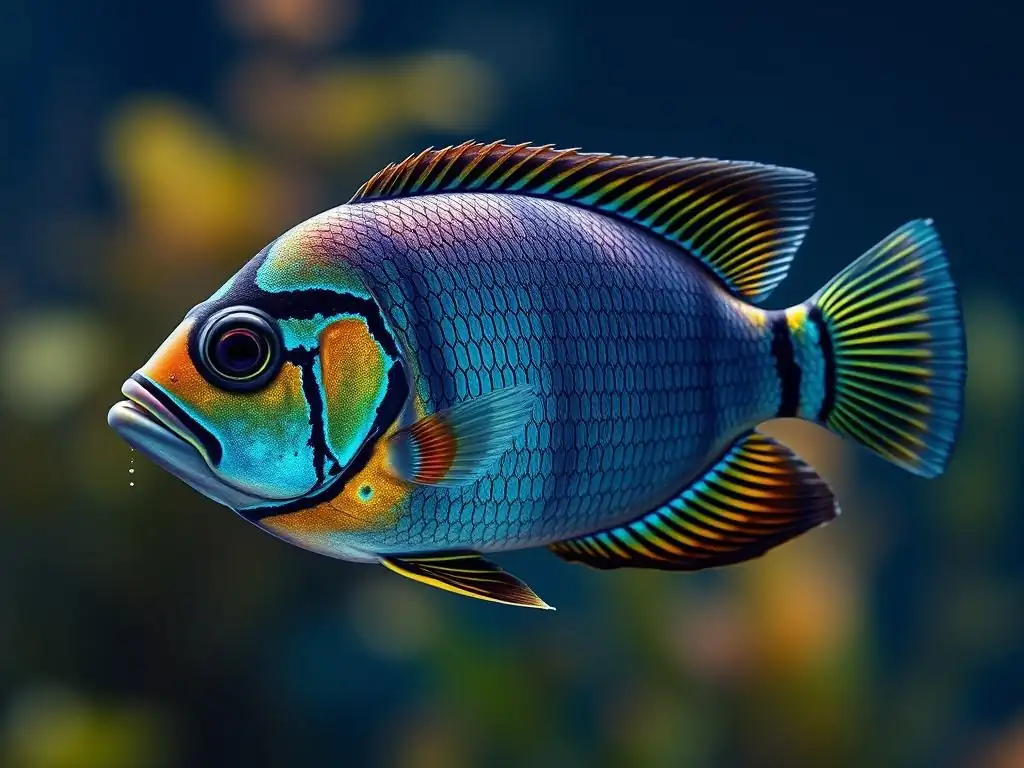
Breeding Demasoni cichlids can be a challenging but highly rewarding experience for dedicated aquarists. To maximize success and ensure the survival of fry, setting up a dedicated breeding tank is highly recommended, especially if you house Demasonis in a community setup. A 20 to 30-gallon (75-113 liter) tank can suffice for a breeding pair or a small breeding group (e.g., one male and three to four females). The tank should be furnished with plenty of rockwork, including caves and flat surfaces, which serve as spawning sites and provide refuge for the female after spawning.
Maintaining optimal water parameters identical to their display tank (high pH, hard water, stable temperature) is crucial for triggering breeding behavior. A reliable heater and adequate filtration should be in place. While filtration is important, strong currents should be avoided to prevent stressing the female and newly hatched fry. A bare bottom tank or a very thin layer of sand can simplify cleaning and fry retrieval, contributing to successful Demasoni cichlid care during breeding.
Demasoni Cichlid Breeding Behavior and Fry Care
Demasoni cichlids are maternal mouthbrooders, meaning the female holds the fertilized eggs and subsequently the fry in her mouth until they are free-swimming. The breeding process typically begins with the male displaying vibrant colors and "quivering" to attract a female to a chosen spawning site, usually a flat rock or a cave. The female will lay a small number of eggs, which she then immediately picks up into her mouth.
The male will then display his anal fin, which has egg spots, mimicking eggs. As the female attempts to pick up these "eggs," the male releases sperm, fertilizing the eggs in her mouth. This process repeats until all eggs are laid and fertilized.
The female will hold the eggs and fry for approximately 18 to 21 days, during which she will not eat. Her buccal cavity (lower jaw area) will appear distended. Once the fry are free-swimming, the female will release them. If breeding in a community tank, it is best to gently remove the holding female to the dedicated breeding tank to protect the fry from predation by other fish, including the male Demasoni. This careful management is a key aspect of Demasoni cichlid care for successful propagation.
Raising Demasoni Fry: From Egg to Juvenile
Once the female Demasoni cichlid releases her free-swimming fry, providing them with appropriate food and pristine water conditions is essential for their survival and growth. Newly released Demasoni fry are quite small but can immediately consume finely crushed spirulina flakes or specialized cichlid fry food. Feeding small amounts several times a day will encourage rapid growth. As they grow, they can be transitioned to slightly larger, finely crushed flakes.
Maintaining excellent water quality in the fry tank is paramount. Small, frequent water changes (10-20% daily or every other day) are necessary to keep nitrate levels low and prevent the buildup of organic waste. A sponge filter is ideal for a fry tank, as it provides gentle filtration without the risk of sucking up small fry.
With proper feeding and diligent water changes, Demasoni fry will grow steadily, typically reaching about 1 inch (2.5 cm) in length within two to three months, at which point they can be considered juveniles ready for a larger grow-out tank or introduction into a very carefully selected community. This dedicated care for fry is an extension of comprehensive Demasoni cichlid care tips.
Common Demasoni Cichlid Diseases and Health Issues
Recognizing Symptoms of Illness in Demasoni Cichlids
Vigilant observation of your Demasoni cichlids is crucial for early detection and treatment of potential health issues, which is a vital part of Demasoni cichlid care. One of the most common and serious diseases is Malawi Bloat, characterized by a distended abdomen, refusal to eat, and stringy, white feces. Other symptoms of general illness can include clamped fins, labored or rapid breathing, darting movements, or scratching against tank decorations, which might indicate external parasites like Ich (white spots resembling salt grains).
Changes in coloration, such as fading or darkening, lethargy, excessive hiding, or unusual swimming patterns (e.g., swimming erratically or upside down), are also red flags. Fungal growths may appear as cotton-like patches on the body or fins, while fin rot presents as ragged, deteriorating fins. Any deviation from their normal active and vibrant behavior warrants immediate investigation and, if necessary, isolation in a hospital tank for diagnosis and treatment.
Treating Common Diseases Affecting Demasoni Cichlids
Prompt and accurate treatment is essential when Demasoni cichlids fall ill. For Malawi Bloat, immediate action is required: cease feeding and begin treatment with an appropriate antibiotic such as Metronidazole, often administered in the water or via medicated food if the fish is still eating. The prognosis for Malawi Bloat can be poor if not caught very early. For Ich, a common parasitic infection, treatment typically involves raising the tank temperature slightly (e.g., to 82-84°F or 28-29°C, ensuring adequate aeration) and using an Ich-specific medication available at aquarium stores.
Bacterial infections, often manifesting as fin rot or body sores, usually require broad-spectrum antibiotics, preferably administered in a dedicated hospital tank to avoid affecting the main tank's beneficial bacteria. Fungal infections can be treated with antifungal medications. Always follow medication instructions precisely and ensure proper water parameters are maintained throughout the treatment period. Quarantining new fish for at least three to four weeks before introducing them to the main tank is a proactive Demasoni cichlid care tip that significantly reduces the risk of introducing pathogens.
Preventive Measures: Keeping Your Demasonis Healthy
Prevention is undeniably the best approach to Demasoni cichlid care and ensuring the long-term health of your fish. The cornerstone of disease prevention is maintaining pristine water quality. This involves performing regular, weekly water changes of 25-30% of the tank volume to dilute nitrates and replenish essential minerals. Robust filtration, including mechanical, biological, and chemical components, is also crucial for processing waste and keeping water parameters stable.
Beyond water quality, providing the correct diet is paramount. Strictly adhere to a high-quality, spirulina-based, herbivorous diet and avoid overfeeding to prevent Malawi Bloat. Ensure your tank is appropriately sized and aquascaped with ample hiding spots to reduce stress and aggression among tank mates.
Quarantining all new fish for at least three to four weeks in a separate tank before introducing them to the main display tank is a critical step to prevent the introduction of diseases. Daily observation of your Demasonis for any changes in behavior or appearance will allow for early intervention, significantly improving their chances of recovery. These comprehensive Demasoni cichlid care tips form the foundation for a thriving aquarium.
Maintaining a Thriving Demasoni Cichlid Aquarium
Regular Water Changes: The Key to a Healthy Tank
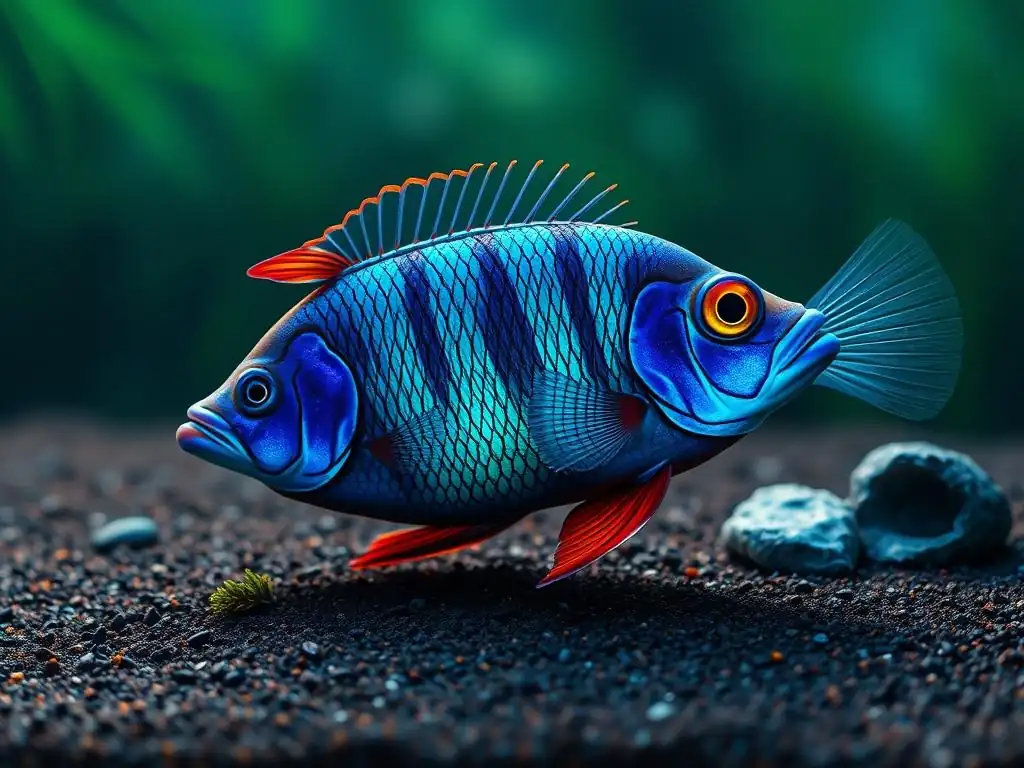
Regular water changes are the single most important aspect of maintaining a healthy and thriving Demasoni cichlid aquarium. Given their high bioload and preference for pristine water conditions, a weekly water change of 25-30% of the tank's total volume is highly recommended. This routine practice effectively dilutes accumulated nitrates, phosphates, and other dissolved organic compounds that can build up over time, even with excellent filtration. It also replenishes essential minerals that are consumed by the fish or removed by filtration, helping to maintain stable water hardness and pH.
When performing water changes, always use a good quality de-chlorinator or water conditioner to neutralize chlorine and chloramines present in tap water. It is also important to match the temperature of the new water as closely as possible to the tank water to avoid shocking the fish. Siphoning the substrate during water changes helps remove uneaten food and fish waste, further contributing to overall water quality. Consistent and diligent water changes are non-negotiable Demasoni cichlid care tips for preventing disease and promoting vigorous growth.
Filtration and Water Quality for Demasoni Cichlids
Beyond regular water changes, robust and efficient filtration is absolutely essential for maintaining the high water quality that Demasoni cichlids require. Given their active nature and the substantial amount of waste they produce, a single hang-on-back filter is often insufficient for a Demasoni tank. Instead, a powerful canister filter, multiple large hang-on-back filters, or a sump system is highly recommended. These systems provide superior mechanical, biological, and often chemical filtration.
Mechanical filtration removes particulate matter, keeping the water clear. Biological filtration, provided by beneficial bacteria colonizing filter media, converts toxic ammonia and nitrite into less harmful nitrates. Chemical filtration, such as activated carbon, can remove dissolved organic compounds and odors. Ensure strong water movement and aeration within the tank to provide ample oxygen. Regularly clean filter media to prevent blockages, but do so carefully to avoid destroying the beneficial bacterial colonies. Consistent monitoring of ammonia, nitrite, and nitrate levels will confirm the effectiveness of your filtration system, reinforcing crucial Demasoni cichlid care.
Aquascaping Ideas for Demasoni Cichlid Tanks
Effective aquascaping in a Demasoni cichlid tank is not just about aesthetics; it's a critical component of Demasoni cichlid care that directly impacts their behavior and well-being. The primary goal is to create a complex environment with abundant rockwork, mimicking their natural rocky habitat in Lake Malawi. Use inert rocks like Texas holey rock, lava rock, slate, or river rocks to build numerous caves, crevices, and swim-throughs. These structures provide essential hiding spots for less dominant fish and establish clear territorial boundaries, which helps diffuse aggression.
When stacking rocks, ensure they are stable and secure to prevent collapses that could injure fish or damage the tank. Consider using aquarium-safe silicone to bond larger rock structures. While plants are generally not recommended as Demasonis tend to uproot them, very hardy, rooted plants like Anubias species or Java Fern tied to rocks can sometimes survive, though they are not necessary for the fish's well-being.
A dark background for the tank can further enhance the vibrant blue and black stripes of the Demasonis, making them truly stand out. The focus should always be on providing ample structure and security to support optimal Demasoni cichlid care.
Distinguishing Demasoni Cichlids from Similar Species
Identifying True Pseudotropheus demasoni
Accurate identification of Pseudotropheus demasoni is crucial for proper Demasoni cichlid care and for avoiding misidentification with similar-looking species. The true Demasoni is characterized by its precise pattern of six jet-black vertical bars alternating with five vivid electric blue vertical bars. These stripes are consistently spaced and extend from just behind the gill plate to the caudal fin. Adults typically reach a maximum size of 2.5 to 3 inches (6-7.5 cm). Unlike many other cichlid species, there is little to no sexual dimorphism in coloration or size in Demasonis, making it challenging to visually distinguish males from females.
When purchasing Demasonis, it is imperative to buy from reputable breeders or fish stores that can guarantee the authenticity of the species. Misidentified fish can lead to unexpected aggression issues if introduced to a tank with true Demasonis or other similar Mbuna. Observing the exact number and consistency of the stripes is the most reliable way to identify genuine Pseudotropheus demasoni.
Comparing Demasoni Cichlids to Other Striped Mbuna
The Demasoni cichlid is often confused with a few other striped Mbuna species, primarily Pseudotropheus saulosi and Pseudotropheus cyaneorhabdos (commonly known as Maingano or Electric Blue Johanni). While all three share blue and black vertical stripes, key differences exist. Pseudotropheus saulosi males are blue with black bars, similar to Demasonis, but the females are entirely bright yellow, a distinct contrast. Additionally, P. saulosi typically has a slightly different bar count and pattern.
Pseudotropheus cyaneorhabdos (Maingano) is perhaps the most commonly confused species. Mainganos also display striking blue and black stripes, but their pattern is distinct: they typically have fewer, thicker black bars (often 7-9) and a more solid blue body, often with a different stripe arrangement on the head. Mainganos also tend to grow slightly larger, reaching around 4 inches (10 cm). Understanding these subtle yet significant differences in stripe count, pattern, and sexual dimorphism is crucial for accurate identification and, consequently, for providing appropriate Demasoni cichlid care.
Conclusion: Mastering Demasoni Cichlid Care for a Vibrant Aquarium
Enjoying the Beauty and Activity of Your Demasoni Cichlids
Mastering Demasoni cichlid care is a commitment that promises immense rewards. These stunning fish, with their mesmerizing blue and black stripes, bring unparalleled beauty and dynamic activity to any African cichlid aquarium. Their constant movement, engaging behaviors, and vibrant coloration make them a captivating focal point for any aquarist. While their specific requirements for water parameters, diet, and aggression management present a unique challenge, successfully meeting these needs results in a thriving, healthy population that will flourish for years.
The satisfaction of observing these miniature jewels darting through carefully constructed rock formations, displaying their natural behaviors, is truly gratifying. By meticulously following the Demasoni cichlid care tips outlined, aquarists can create an environment where these remarkable fish not only survive but truly thrive, showcasing their full potential and enriching the aquatic experience.
Resources for Further Learning About Demasoni Cichlids
The journey of mastering Demasoni cichlid care is an ongoing process of learning and adaptation. To deepen your understanding and enhance your ability to provide optimal care, it is highly recommended to consult additional resources. Engaging with online aquarium forums dedicated to African cichlids, such as those focusing on Lake Malawi Mbuna, can provide invaluable insights from experienced hobbyists. These platforms offer opportunities to ask specific questions, share experiences, and learn from the collective knowledge of the community.
Furthermore, investing in specialized books about African cichlids, particularly those detailing Mbuna species, can offer in-depth information on their natural habitats, specific behaviors, and advanced care techniques. Continuously researching and staying informed about the latest Demasoni cichlid care tips will ensure that your fish receive the best possible environment, allowing you to enjoy their stunning beauty and active personalities for many years to come.
Frequently Asked Questions
What are the basic requirements for keeping Demasoni cichlids?
Demasoni cichlids require a species-specific tank due to their aggressive nature. They need a well-filtered aquarium with plenty of rockwork for hiding and establishing territories.
What is the ideal tank size for a group of Demasoni cichlids?
A minimum of 40 gallons is recommended for a small group (6-8 individuals). Larger groups require even larger tanks to minimize aggression and allow for adequate territories.
What should I feed my Demasoni cichlids?
Demasoni cichlids are primarily herbivores, so feed them a diet rich in spirulina-based flakes and vegetable matter. Supplement with occasional small amounts of protein.
How can I manage aggression in a Demasoni cichlid tank?
Overstocking with a large group of Demasoni cichlids can help diffuse aggression. Provide ample hiding places and maintain excellent water quality.
What are some common health problems that affect Demasoni cichlids?
Demasoni cichlids are susceptible to Malawi bloat if fed an improper diet or kept in poor water conditions. They are also prone to ich (white spot disease) which is treatable with medication.
Final Reflection: Appreciating the Demasoni's Delicate Balance
The vibrant stripes of the Demasoni cichlid, as we've explored, are more than just a visual spectacle; they represent a delicate ecosystem within our aquariums and a microcosm of the challenges faced in preserving biodiversity. Understanding and implementing proper Demasoni cichlid care tips is not merely about keeping fish alive; it's about fostering a thriving environment that respects their natural needs and contributes to the responsible keeping of these captivating creatures.
This journey into the world of Pseudotropheus demasoni has highlighted the importance of informed and conscientious fishkeeping. It's a reminder that even seemingly small actions, like choosing the right tank size or carefully managing aggression, can have a profound impact on the well-being of these animals. As the renowned conservationist Baba Dioum wisely stated: In the end, we will conserve only what we love; we will love only what we understand; and we will understand only what we are taught.
So, as you embark on, or continue, your journey with Demasoni cichlids, remember the lessons we've uncovered. Let the knowledge gained here inspire you to create not just a visually stunning aquarium, but a thriving and balanced ecosystem. Embrace the challenge, observe your fish closely, and continuously learn. By doing so, you contribute to the well-being of these remarkable creatures and become a true steward of their vibrant legacy.
Ignite Your Aquarium Passion: Nurture Your Demasoni Today!
Thank you for diving into the fascinating world of Demasoni cichlids! We hope you've gained valuable insights into these stunning fish and their unique needs. Now, let's put that knowledge into action and truly elevate your aquarium experience.
Here are a few things you can do next:
- Implement a carefully planned feeding schedule based on the dietary recommendations we covered to ensure your Demasoni thrive.
- Share this article with fellow aquarium enthusiasts and spark a discussion about your experiences with Demasoni or other Mbuna cichlids.
- Consider adding a unique and unexpected rock formation to your Demasoni's habitat to challenge their exploring instincts and enhance their environment.
What specific aquascaping change will you make this week to better mimic the natural environment of your Demasoni?